
•
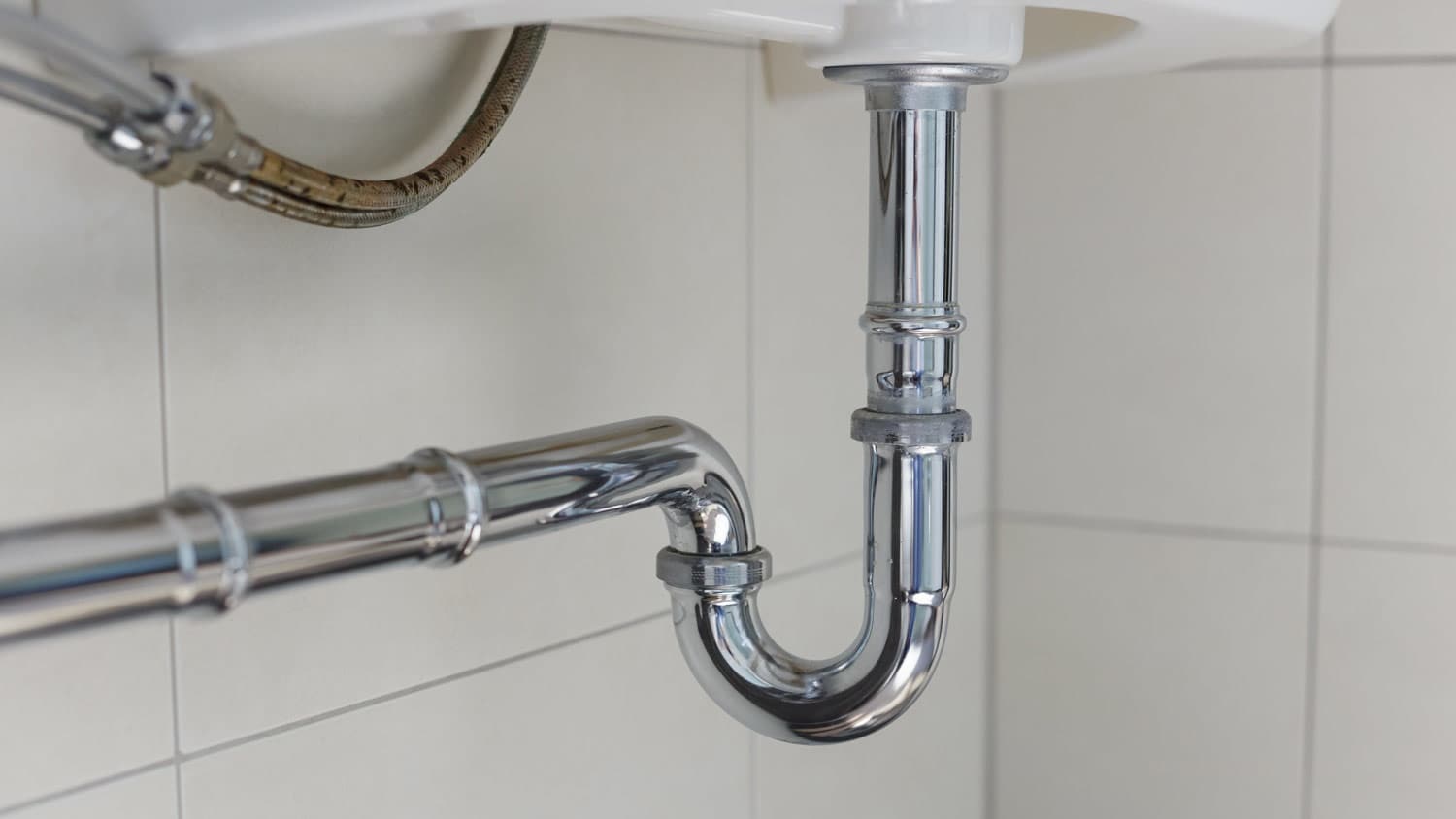
Discover the cost to replace drain pipes in a house, including average prices, key factors, and tips to save on your plumbing project.
Stick with standard pipe sizes for a flawless flush

The standard toilet drain pipe is 3 inches in diameter, though some toilets and drain lines use 4-inch pipes for your home's plumbing system.
Typical costs range from $200 to $700 for pipe replacement, so addressing sizing issues early helps you avoid more expensive repairs down the road.
Your toilet drain pipe size depends on local building codes, fixture unit values, the number of fixtures on the same drain line, and proper ventilation requirements.
Hiring a local toilet professional removes the guesswork from pipe sizing and connections, helping you avoid clogs and overflow issues before they start.
Using the wrong toilet drainpipe size is a one-way ticket to a clogged or overflowing toilet. Most toilets have a 3-inch drainpipe, but it depends on several factors. Since your toilet’s drainage system goes beyond a single pipe, it’s best to look at the whole picture. This guide will show you everything you need to know about toilet drainpipe sizes, but don’t hesitate to contact a professional toilet installer who can identify the correct pipe.
The standard toilet drainpipe is 3 inches in diameter, though some toilets may use 4-inch pipes. Four-inch pipes are commonly used to carry wastewater out of the house and to the main drain line. Here are some standard toilet drainpipe sizes and where you’ll find them:
3-inch drainpipes: The standard drainpipe used in single-family homes.
4-inch drainpipes: These are used in larger residential buildings (multi-family units with up to 500 fixtures) and high-occupancy spaces (like commercial bathrooms). They can also be found in drain lines and the main drainage stack in single-family homes.
6-inch drainpipes: These are limited to high-rise buildings, apartment complexes, and large commercial or industrial buildings.
Using the correct toilet drainpipe size is important to avoid clogged drains and other more serious damage to your bathroom. Drainpipes allow for the free flow of water and waste. If that drainpipe is too large, the water flow may not be strong enough to move any waste through. On the other hand, a too small drainpipe cannot handle the waste volume and starts to overflow.

The best size for a toilet drain depends on the pipe’s location in the drainage system. Three types of pipes connect your toilet to your home’s main drain stack: the toilet drainpipe, an elbow-shaped closet bend, and a horizontal drain line.
Most residential bathrooms use the following sizes, but it can occasionally vary. For this reason, it’s a good idea to hire someone to replace your toilet if it requires work on any of the underlying plumbing.
| Type of Pipe | Standard Size (Diameter in Inches) |
|---|---|
| Toilet drainpipe | 3 |
| Toilet closet bend | 3x4 |
| Toilet drain line | 4 |
The toilet drainpipe runs vertically from the toilet into a closet bend (or elbow-shaped pipe) that connects your toilet to the drain line. The standard toilet drainpipe size is 3 inches in diameter, though some older homes may have a 4-inch drainpipe. Modern homes use a PVC schedule 40 drainpipe instead of metal.
The drain line is the sloped, horizontal piping that carries wastewater from your bathroom to your home’s vertical drainage stack. In most homes, the drain line uses piping that’s 4 inches in diameter, the same size as the main drainage stack.
Some homes may have smaller drain lines (3 inches in diameter instead of 4). In that case, you'll need to use a reducing connection to connect the drain line to the closet bend.
The closet bend acts as a bridge between the toilet drainpipe and the drain line. The standard closet bend has a diameter of 3 inches on one end and 4 inches on the other end. This is because one end connects to your toilet’s drainpipe, and the other end connects to the drain line.
For most homeowners, toilet installation costs $250 to $550. You can save cash by installing your toilet, but you’ll need to know the size of the pipes. All pipes have a nominal pipe size—this is the name of the pipe that you’ll see in the hardware store. It refers to the approximate diameter of the pipe opening, such as “3-inch PVC pipe,” but excludes the thickness of the pipe walls.
Most toilets use PVC pipes as drainpipes, though older homes may have metal piping. If your drainpipe is made from PVC, you can find the diameter written somewhere on the pipe. If the pipe isn’t labeled, follow these steps for pipes with male threads (screw-like threads on the exterior of the pipe ending) or no threads:
Take a soft tape measure and measure the circumference of the pipe.
Divide the circumference by pi (3.14159) to get the diameter.
Use a pipe size conversion chart to get the nominal pipe size.
A 3-inch PVC pipe will be slightly larger than 3 inches, and a 4-inch PVC pipe will be slightly larger than 4 inches. If your pipe has female threads, you can use a ruler caliper to measure the inside diameter.

A few different things influence the pipe size of your toilet drain, but a local toilet installer should be well-versed in all of them. They’ll understand local building codes and your area's most common plumbing setups. Here are some factors to consider.
Local building codes dictate a number of toilet dimensions, from the clearance around the toilet to the diameter and layout of the pipes. Check your local building codes to determine which toilet drain diameter is required in your area.
The toilet flange is a pipe fitting that connects the toilet to the drainage system. Most toilet flanges are designed to fit a 3-inch drainpipe, but occasionally, you’ll find a flange that fits a 4-inch drainpipe. If you already have a flange installed, check the size to determine the size of your toilet drainpipe.
The type of toilet may impact the pipe size. Modern low-flow toilets have 3-inch drainpipes, whereas older, less efficient models may have 4-inch drain lines.
The slope of the pipe and the distance from your toilet to the main sewer line or septic tank impact the velocity of the water. You'll need to use a certain diameter pipe to maintain the proper flow rate and water pressure.
If you hire a plumber, they’ll use a figure called a “fixture unit value” to determine the ideal drainpipe size. This figure measures the water discharge rate based on your specific toilet, the frequency of use, and the time between uses.
Your toilet connects to a horizontal drain line, but that’s not the drain line’s only fixture. Your sink, bathtub, or shower may all drain into the same line. It’s common to see several toilets draining into the same line in commercial facilities. A 3-inch pipe may work for a drain line attached to a single water closet, but you may need a 4-inch pipe for a full bathroom or multiple bathrooms on the same floor.
Toilet drainpipes move waste out of your toilet and into your sewer system. In order to do this successfully, there needs to be a careful balance of air pressure in the drainage system to move waste and water through. This is done through ventilation and drainpipe size plays a crucial role. A drainpipe that is too small or too small can stop or slow down airflow, leading to more serious plumbing issues.
If you’ve installed the wrong size pipe, you may notice that your toilet keeps clogging, is slow to drain, or leaks. Another sign that something is amiss is that sewage backs up into other fixtures.
Unless you’re experienced with plumbing, hire a pro to find the root of the problem. These are common issues with various causes—your pipes may not be the culprit. More commonly, homeowners flush things they shouldn’t flush.
If the drainpipe is the issue, your plumber should be able to swap it for the right size. For most homeowners, this type of toilet repair costs $200 to $400.
Positive experience. As previously stated, the replacement/repair could not be completed (no fault of the plumbing tech) b/c misinformation was rec?d by property management maintenance. Thanks to the plumbing tech for your efforts. Appreciate you!
 The Waterworks
If you want to pay the most exorbitant prices possible for your job, this is the company for you. “By the job” pricing is a rip-off, at least how these people use it. Every job is plugged into a category and prices are set by category. You might have a job that takes half an hour or one that...
 Benjamin Franklin Plumbing
Cole has been handling plumbing and general contracting for our four properties over the past three years, and he’s always done a great job. Most recently, he installed a sink and countertop in our retail store where none existed before, and it turned out exactly how we needed. He’s...
 ANB Renovations LLC
Matt is a consummate professional. The work turned out to be far more difficult than expected and rather than turn the job down, Matt rose to the occasion and completed a near impossible task. I can not recommend Greene's Plumbing Service more highly. On a scale of 1-5 I would give Matt a...
 Greene's Plumbing Service
Involved an extensive bathroom remodel, including removing tub & installing walk in shower, new drywall, custome tile work to ceiling, plumbing, etc. Overall, job was done on time and on budget. Nick & his team were very professional and had high attention to detail. Quality was great. Highly...
 Stamos Flooring and Remodeling LLC
Awesome company. Had a jacuzzi tub taken out and replaced with huge walk in shower with partial glass enclosure. Onyx to the ceiling with a decorative border, moved plumbing and installed hand held shower, new ceiling, flooring, and paint. Replaced window with glass block. Everything was done...
 Columbus Bath Design
The initial quoted price from a walk-through seemed high, but we discussed that the quote represented worst case scenario (re-wiring to two floors) and we were excited about the opportunity to have the work done in a timely manner with closing for fire safety reasons, etc. When the job was...
Initially, I called the Service People to have a leaking garbage disposal replaced. I had purchased a special deal through Angie's List: $79 for $200-worth of plumbing services. <br /> When I went to schedule the work, the earliest date I could get through Angie's List was after the upcoming...
This company did a very good job on the brick wall and it looks just amazing. The staff was always professional and was practically OCD on how the bricks were stacked and how they were laid. Although it took longer than expected, I am willing to sacrifice time over perfection anyday. The...
 My Handy Mate LLC Improvement & Remodeling
<p>I am so glad we called Rotor-Rooter. I was hesitant to call them because we usually prefer to give business to local providers. But when we had sewage back up in our basement on a Saturday evening, I had a hard time getting a hold of someone, not to mention the high weekend/evening rate...
 Roto-Rooter Plumbing & Water Cleanup
From average costs to expert advice, get all the answers you need to get your job done.
Discover the cost to replace drain pipes in a house, including average prices, key factors, and tips to save on your plumbing project.
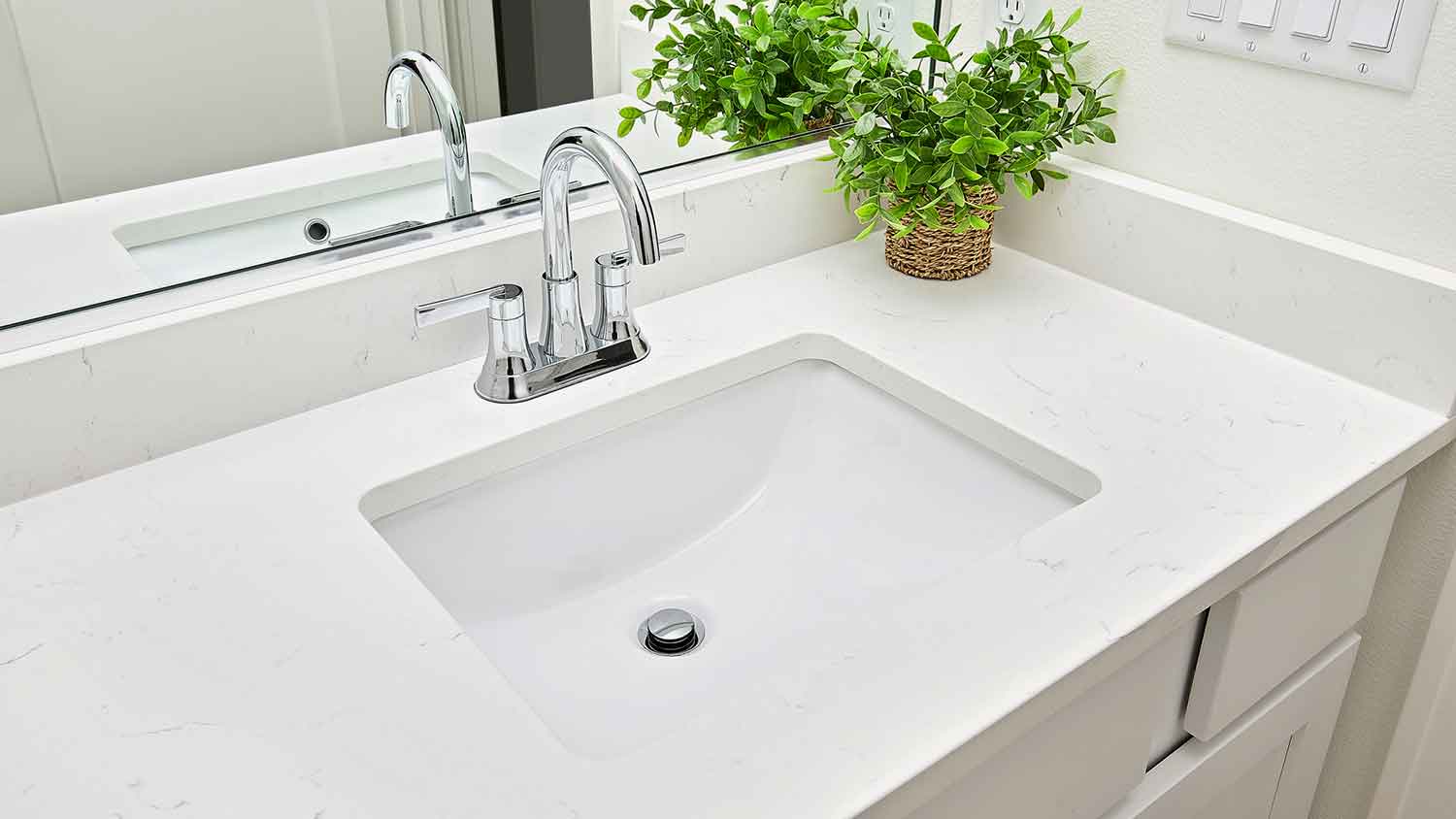
When your shower or sink starts draining slowly or not at all, it’s time to act. Get tips for how to unclog a drain, and learn about drain cleaning service pricing.
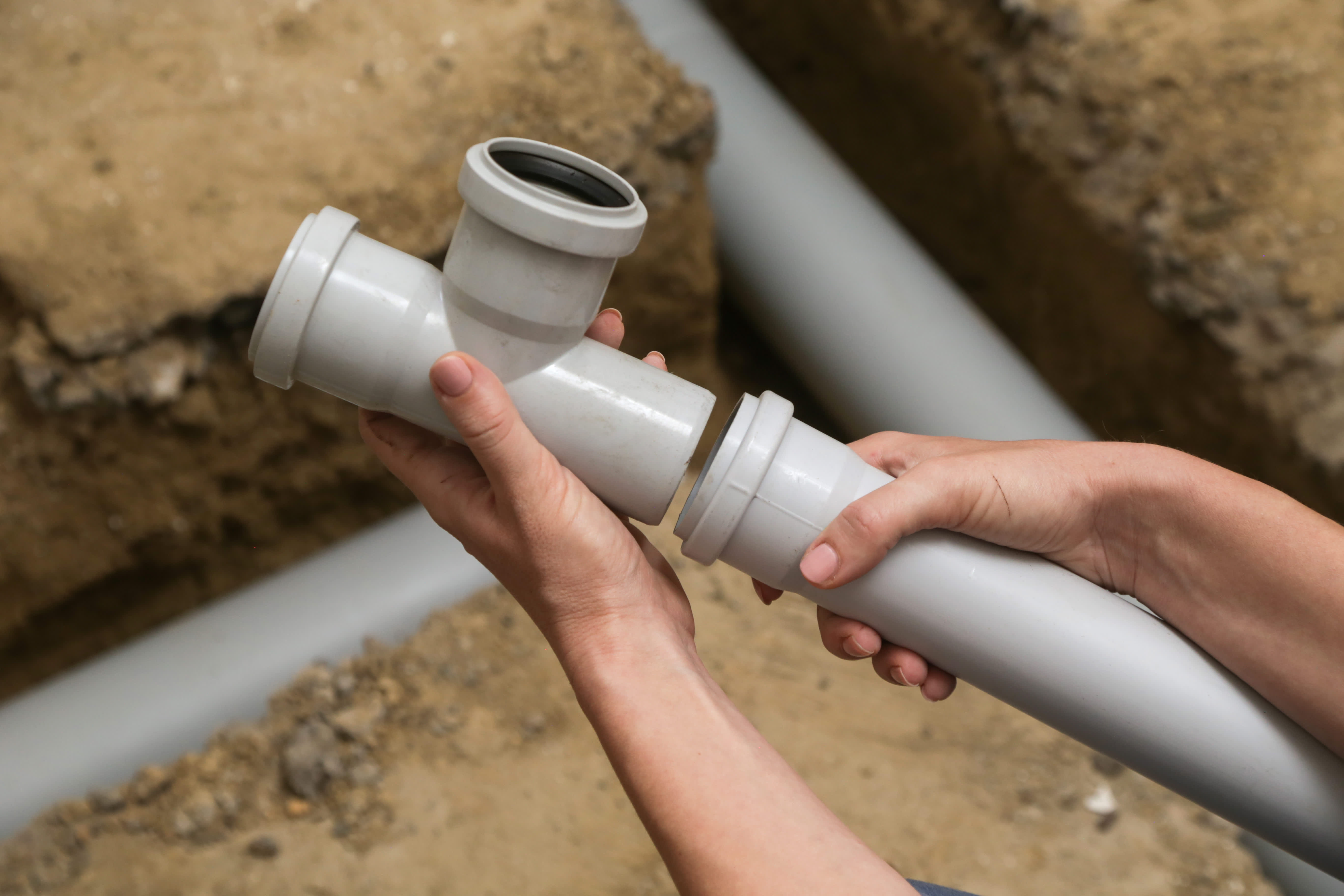
Not sure what PVC pipe size is right for your plumbing project? Learn about common sizes and how to choose the right one for the job and code requirements.
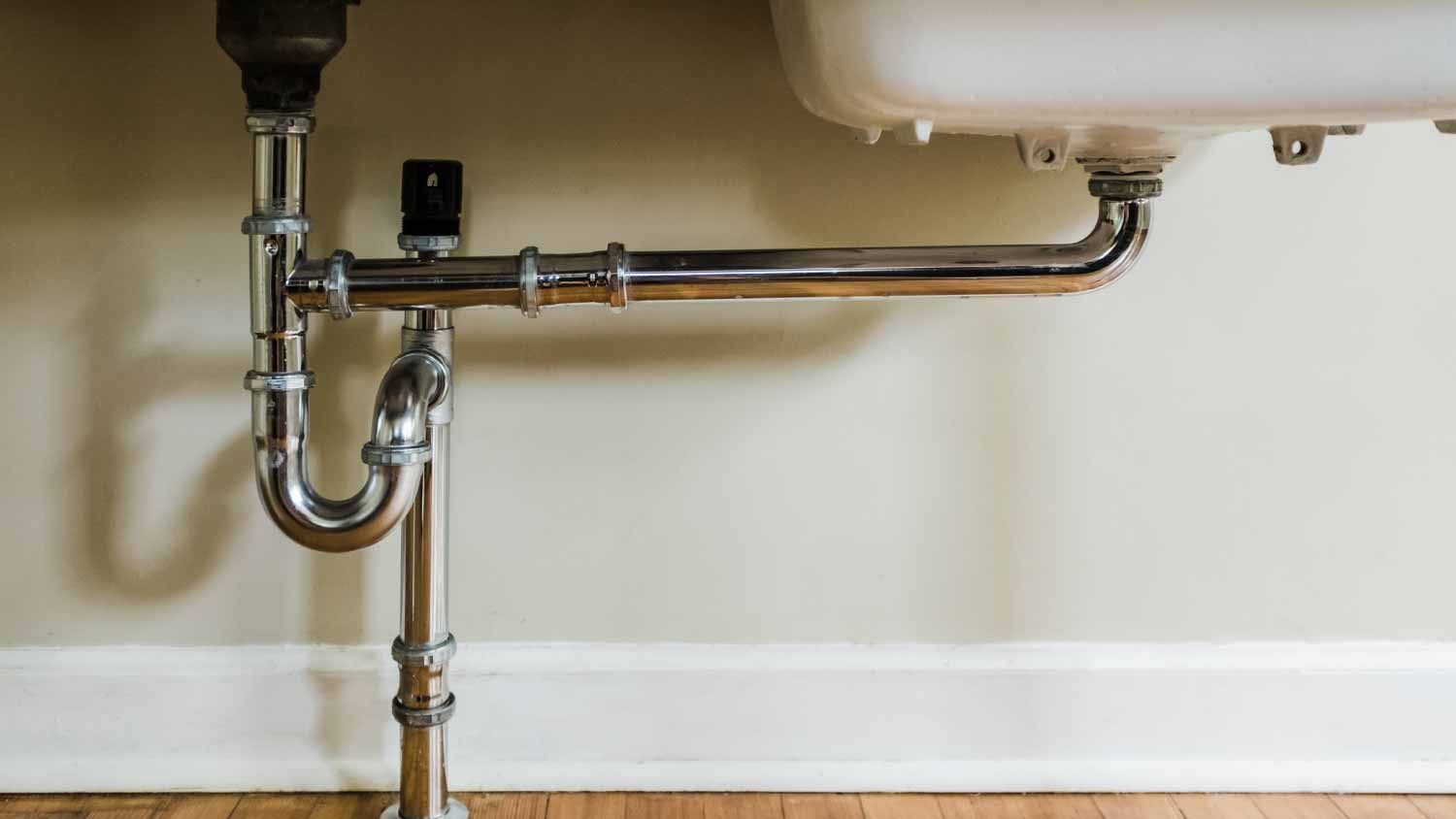
Want to get water down your drains quickly and efficiently? You need the right sink drain pipe size. Learn here how to find the right size and how to measure.
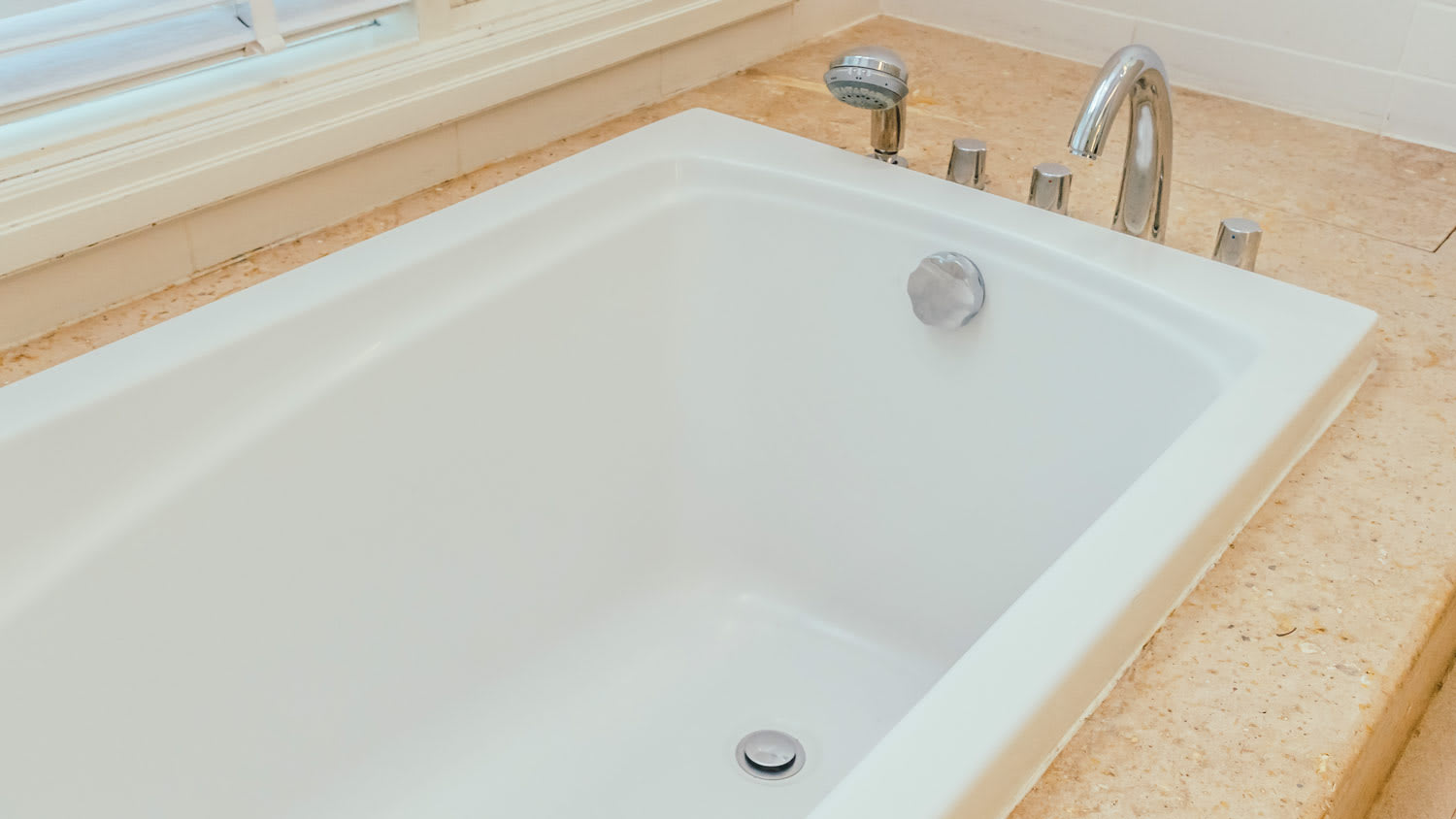
Tub drain sizes are standardized, but they can vary in certain circumstances. This guide will discuss the most common sizes and how to measure your tub.
Leaky toilet tank sounds driving you crazy? It might be your toilet flapper. Here’s how to choose the right size toilet flapper to save water and money.