

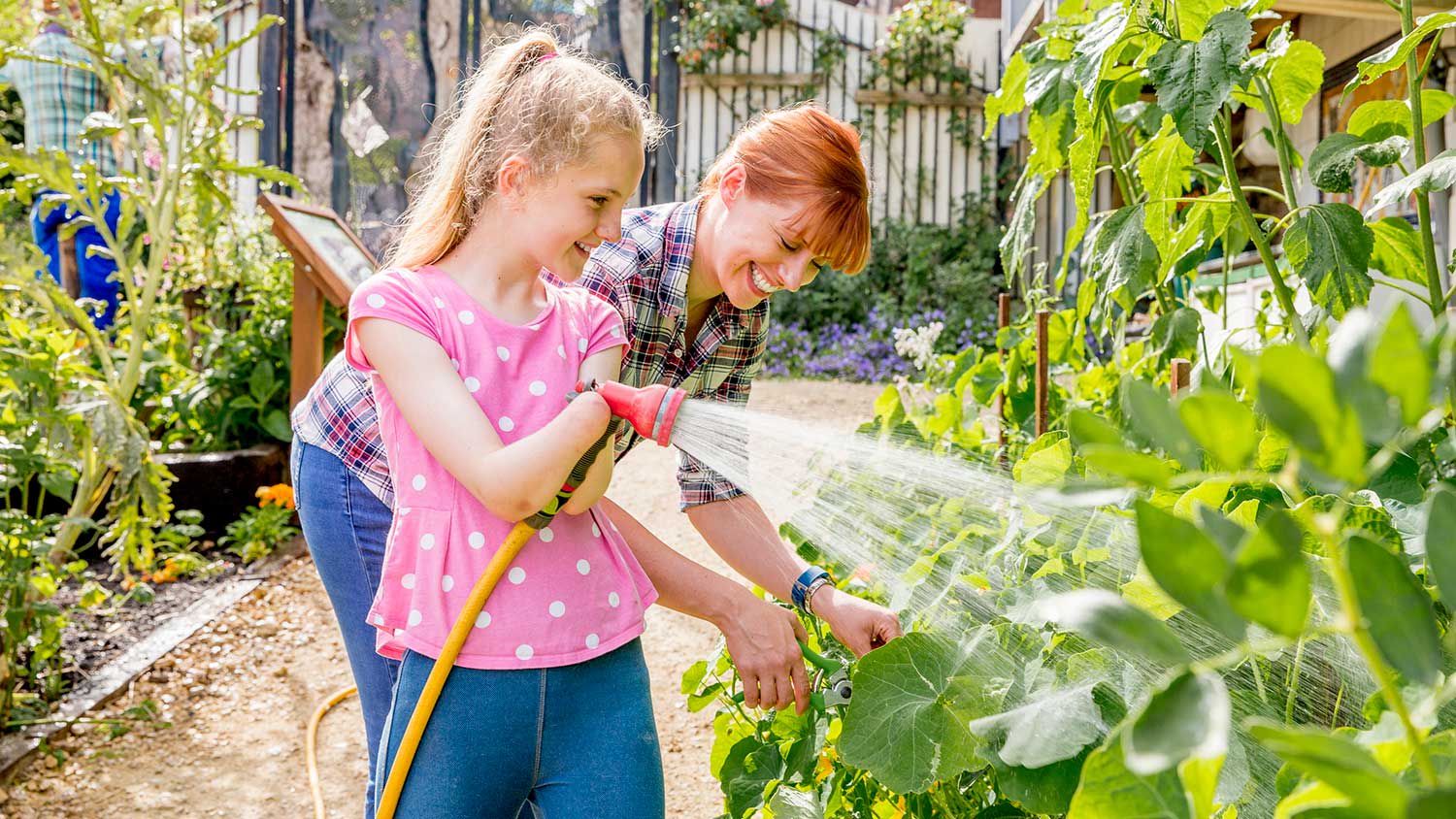
With a leaky garden hose, you’ll end up with more water wasted than in your garden. Find out why your water hose is leaking at the connection.
Get connected with the right garden hose fittings

Standard garden hose thread sizes measure 3/4 inch for your typical hose, with 5/8 inch and 1/2 inch fittings available for smaller watering tasks.
Garden hose fittings come in male and female connections with threads that seal around internal washers to prevent leaks when you tighten them together clockwise.
Your garden hose fitting dimensions depend on water flow needs, equipment compatibility, spigot size, and whether you need standard, quick-connect, or specialized fitting types.
Hiring a local sprinkler installation professional removes the guesswork from matching fitting sizes and ensures your hoses connect properly to water sources and equipment without leaks.
Garden hose fittings, or couplings or adaptors, make it easier and faster to attach sprayers, sprinklers, and other attachments to garden hoses and attach hoses to a water source. The right fittings will let you seamlessly connect your hose without leaks, but the wrong size fitting makes it hard to switch equipment without chaotic leaks from the fitting connections. Here’s how to tell your garden hose thread size and choose the right size fitting for your needs.
Here are the outlet types you find in most U.S. homes:
15-amp, 120-volt (2-prong and 3-prong): The standard household outlet for lamps, TVs, and chargers.
20-amp, 125-volt: A higher-power outlet for kitchens, laundry rooms, and workshops.
240-volt (20-amp to 50-amp): A large-appliance outlet for dryers, ranges, and EV chargers.
GFCI: A shock-protection outlet for kitchens, baths, and other wet areas.
AFCI: A fire-protection outlet for bedrooms and living spaces.
Tamper-resistant: A child-safe outlet with internal shutters, now standard in new homes.
Weather-resistant: A corrosion-resistant outlet built for outdoor use.
Convenience types: Switched, combination, USB, smart, and rotating outlets.
While you can get garden hose fittings in a variety of sizes, you’ll find that there are three most common sizes:
3/4 inch
5/8 inch
1/2 inch
Standard garden hoses come with 3/4-inch fittings, so this is most likely what your hose came with. Since it’s a bigger opening, it allows more water flow and pressure for tasks that require more water, like watering a garden and washing your car. Garden hose fittings measuring 5/8 inch are a bit smaller, and 1/2-inch hose fittings are even smaller. The latter works best for smaller watering tasks that require less water flow or pressure, such as drip irrigation systems.
Specialized fittings like 1-inch or 3/8-inch fittings for specialty equipment or industrial-grade hoses are rare and harder to find.
Garden hose threads are the raised lines on hose fittings that allow the hose and attachments to fit together tightly so the two sides can seal around the internal washer or gasket and prevent leaks, like a kitchen faucet. Most hose fittings are made of metal (brass, aluminum, or steel) or heavy-duty plastic. The inside diameter of the threaded fittings is known as the thread size, which matters when connecting two fittings or a coupling together.

In the United States, thread sizes are measured in Garden Hose Threads (GHT) and National Pipe Taper (NPT) threads. Most garden hoses and accessories use the GHT standard measurement, which is determined by the inside diameter of the fitting and the threads per inch. Hoses and couplers that meet these standards will thread together correctly.
You’ll see references to male and female connections when shopping for a replacement fitting. Once you understand the differences, it’s pretty easy to identify one versus the other.
Male couplings have threads on the outside of the attachment, while female fittings have threads on the inside. The male fitting fits inside the female fitting when the two are put together. You must have one male and one female fitting for a coupling to fit together.

Depending on how you use your garden hose, you can choose among several hose fittings. Here are some of the most popular options:
Standard: Standard hose connectors link two hoses together to extend the reach of your hose. Most standard fittings have a female and male end with simple threads.
Threaded: Threaded connectors, like GHT or NPT, are frequently used to connect hoses with water spigots or hose bibs and accessories, including sprinklers and drip irrigation systems.
Quick Connect: These fittings allow users to connect and disconnect hoses from accessories like handheld sprayers. Most quick-connect fittings have male and female connections that snap or click together without threading or tightening the fittings.
Spray Nozzle: Spray nozzle fittings attach to garden hoses and are used for watering gardens and washing cars or windows. They have adjustable spray patterns that you can change with the click of a dial and easily thread or quick-connect to hoses.
Y-Connectors: A Y-connector allows you to split a single water source into two hoses, Either at the hose bib or the end of a hose. The connector has a Y-shape that branches off in two directions, allowing users to attach two separate hoses to the same source.
Hose Menders: If you have a hose mender, you don’t need to throw away damaged or leaking hoses. These plastic or metal hose clamps can stop leaks and cover gashes.
Shutoff Valves: If your water source is far from where you’re watering, a shutoff valve fitting can save you some steps. These fittings let you turn off the water at the sprayer end of the hose, so you don’t have to walk all the way back to the spigot.
You need the right-sized garden hose fittings so your hose will fit properly with water sources and attachments. That means you’ll need to know the size of the hose fitting and the connecting fitting you’re attaching to.
It’s hard to measure fittings and threads, so most garden hoses have packaging labels or markings on the hoses themselves that indicate the size of the inner diameter of the hose. Choose replacement fittings and accessories with the same size.
Garden hose couplings are almost always measured based on the interior diameter of the fitting. Fittings need to fit over the outer diameter of the hose so they can seal properly.

If you’re having problems and wondering why your garden hose is leaking, the wrong size garden hose fitting or a damaged fitting can be to blame, among other reasons. Garden hose sizing matters, so know the size of your garden hose and your garden hose fitting size when shopping for new fittings, equipment, and accessories.
You can also contact a sprinkler installer near you for advice. They can help you set up your garden hoses with the correct fittings for your spigot and accessories.
Most garden hoses come with secure fittings at either end of the hose, including one male and one female fitting that allow you to connect one end of the hose to a water source and the other end to a sprinkler, sprayer nozzle, another hose, or other attachments. If you purchase a standard hose, standard accessories, and standard replacement fittings, your hose should easily connect to them.
To install garden hose fittings, connect the female fitting to the male fitting and turn clockwise until it’s tight. Garden hose fittings thread tightly together and eliminate leaks by squeezing a washer or gasket, so be sure your couplers thread smoothly together. If your couplings are small or octagon-shaped, you can use a wrench to tighten them. It’s important to tighten couplers firmly but not too tightly to get a good seal without damaging the leak-preventing washer or gasket.
Add thread seal or plumber’s tape to the connecting threads to make your fittings even more watertight. It’s smart to do this between a water source and a hose you plan to leave in place for the entire gardening season.
If you have incorrectly sized fittings, or if your hose, water source, or equipment are different sizes, you can buy adapters and couplers that connect nearly any size hose with nearly any spigot or accessory.
Alternatively, if you have the wrong fitting size or a hose with fittings that don’t match your water source or gardening equipment, simply buy a new hose or a replacement fitting that is the correct size. That can save you frustration and wasted water, and it can make connecting your hose with water sources or accessories easier.
Cody did a great job!
 Itzelpainting
Wonderful. I am going to have them remove and replace my driveway in the spring.
 All Star Paving and Sealing
We had a 20+ year old landscape lighting system that needed replacement. Midwest Lightscapes worked with us to design a much improved lighting system, lighting the exterior of the house and the back yard. Installation of the 45 light system took one and one-half days, and went very smoothly....
 Midwest Lightscapes
Did an amazing job transforming my yard. Also installed sod in places, would recommend to everyone.
 Cardinal Landscaping & Construction LLC
Always been satisfied with the service work and how they have taken care of my pool.
Bill Gerhardt sold the company to his employees at the end of 2019, apparently without a workable succession plan and without notifying prospective customers of this fact. Most aspects of the maintenance contract have not been fulfilled: no installation of anual plantings per contract, no...
They show up and they did take us on as a client which seems to be a problem with other lawn care providers. We have multiple properties and this one was located close to downtown and no one really wants to mess with it.
I was very happy with the service provided by AK Irrigation. They responded quickly to my email, and the woman I spoke with was polite and professional. I was able to get an appointment that same week. <br /> The technician (Tyler) arrived on time. He was very knowledgeable, and worked...
 AK Irrigation
The worker came out when he was supposed to come. He informed me he would honor the Angie's List deal, but would not do any more work for me since my son in law owns lawn care company as well, even though they do not do the same type of work. He said he did not feel comfortable giving me...
 Bello Giardino LLC
E & L Lawn Care was super. They were very responsive before and after service. They were efficient and were able to complete the job within 1 day. I have had concern about one section of sod - the owner was pro-active and did a visit to evaluate. I have no doubt they will stand behind...
 E&L lawn care
From average costs to expert advice, get all the answers you need to get your job done.
With a leaky garden hose, you’ll end up with more water wasted than in your garden. Find out why your water hose is leaking at the connection.
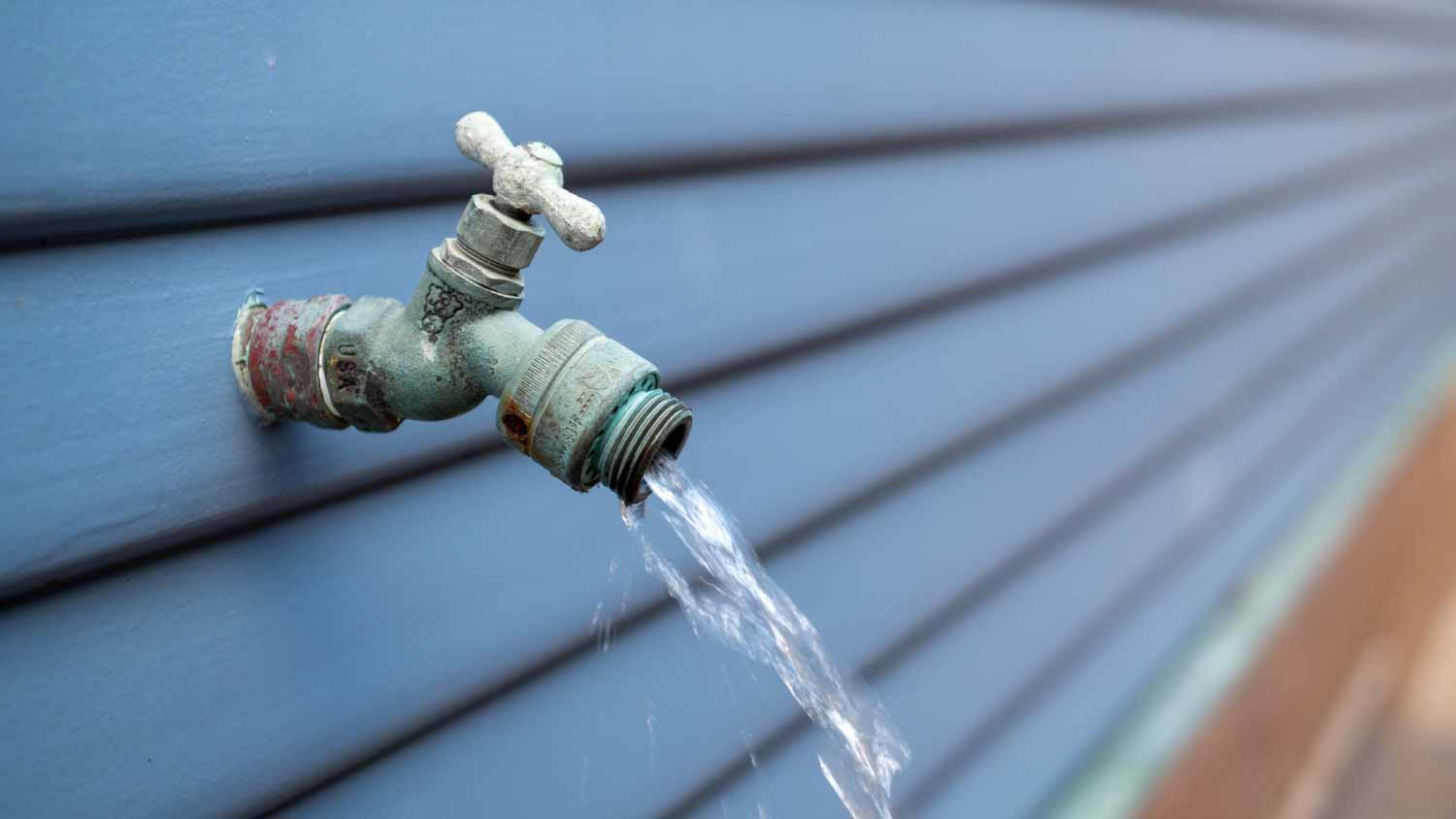
Have you ever wondered if you have a hose bib or a spigot? Learn the differences between these two common types of outdoor faucets, from use to cost to lifespan.
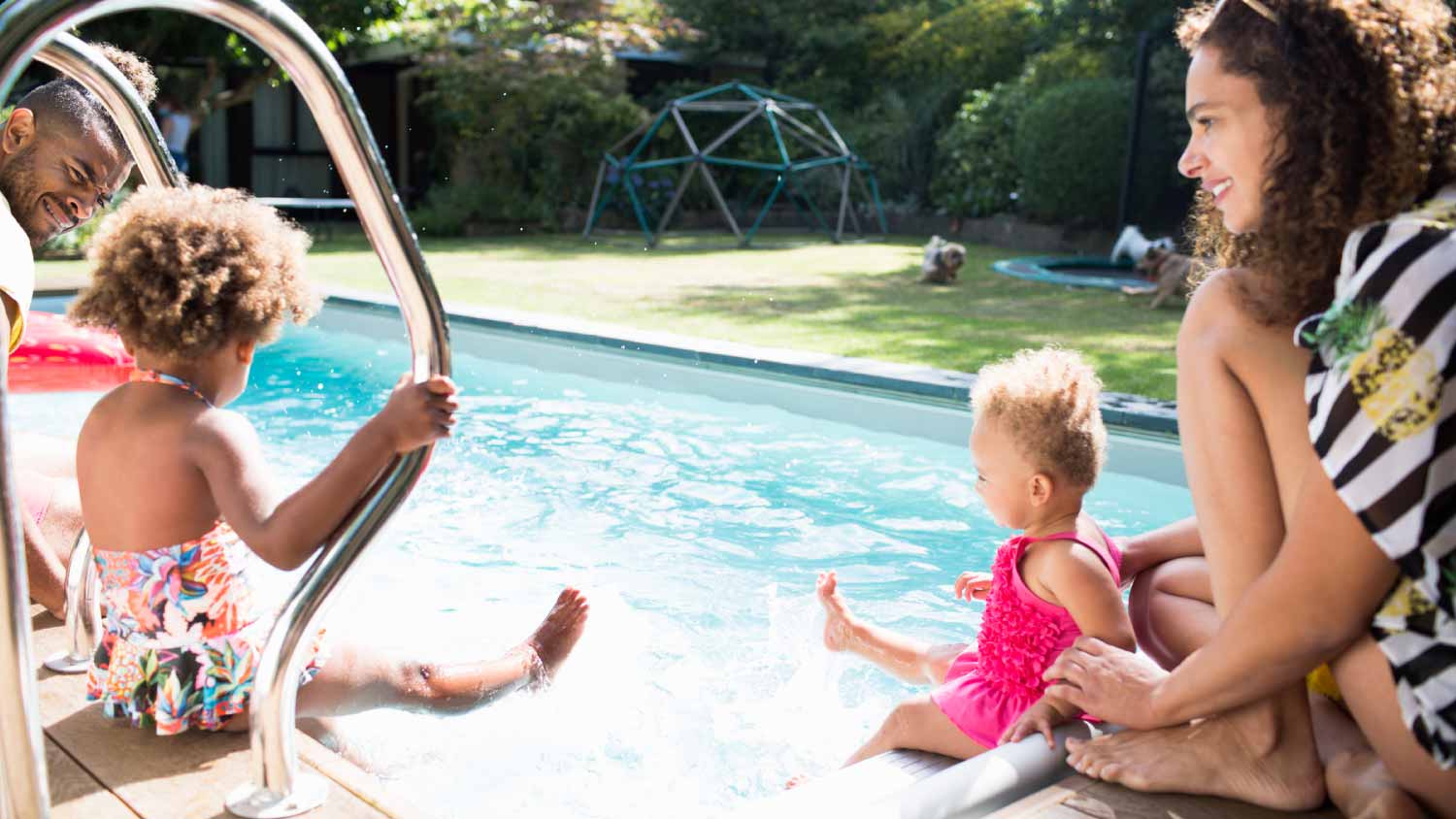
How long does it take to fill a pool? It depends on the method, water pressure, and pool size. This guide will help you find that magic number.
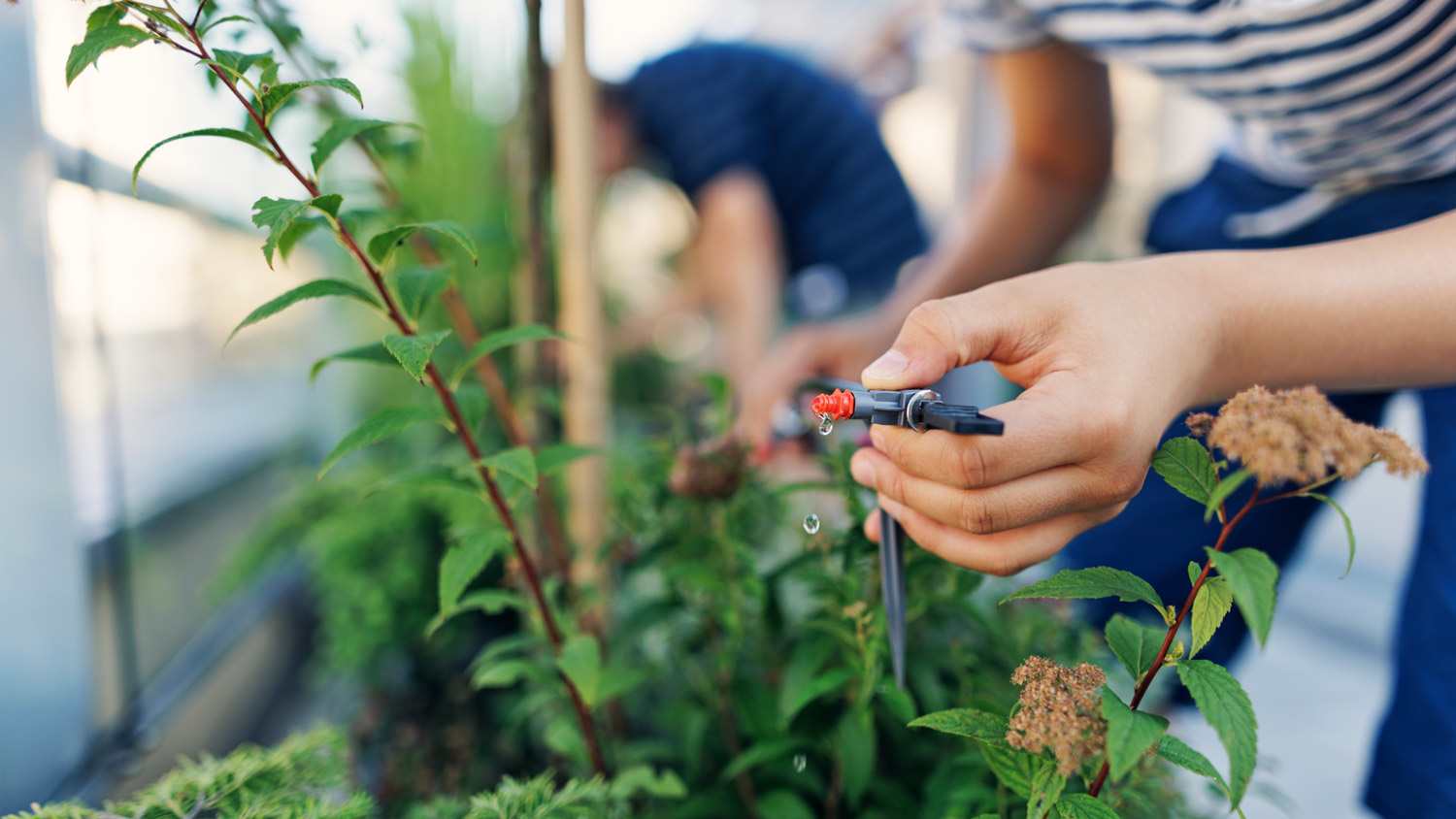
Drip irrigation vs. soaker hose: Which should a gardener choose? Here’s how to tell which of these watering options will work best for your landscaping needs.
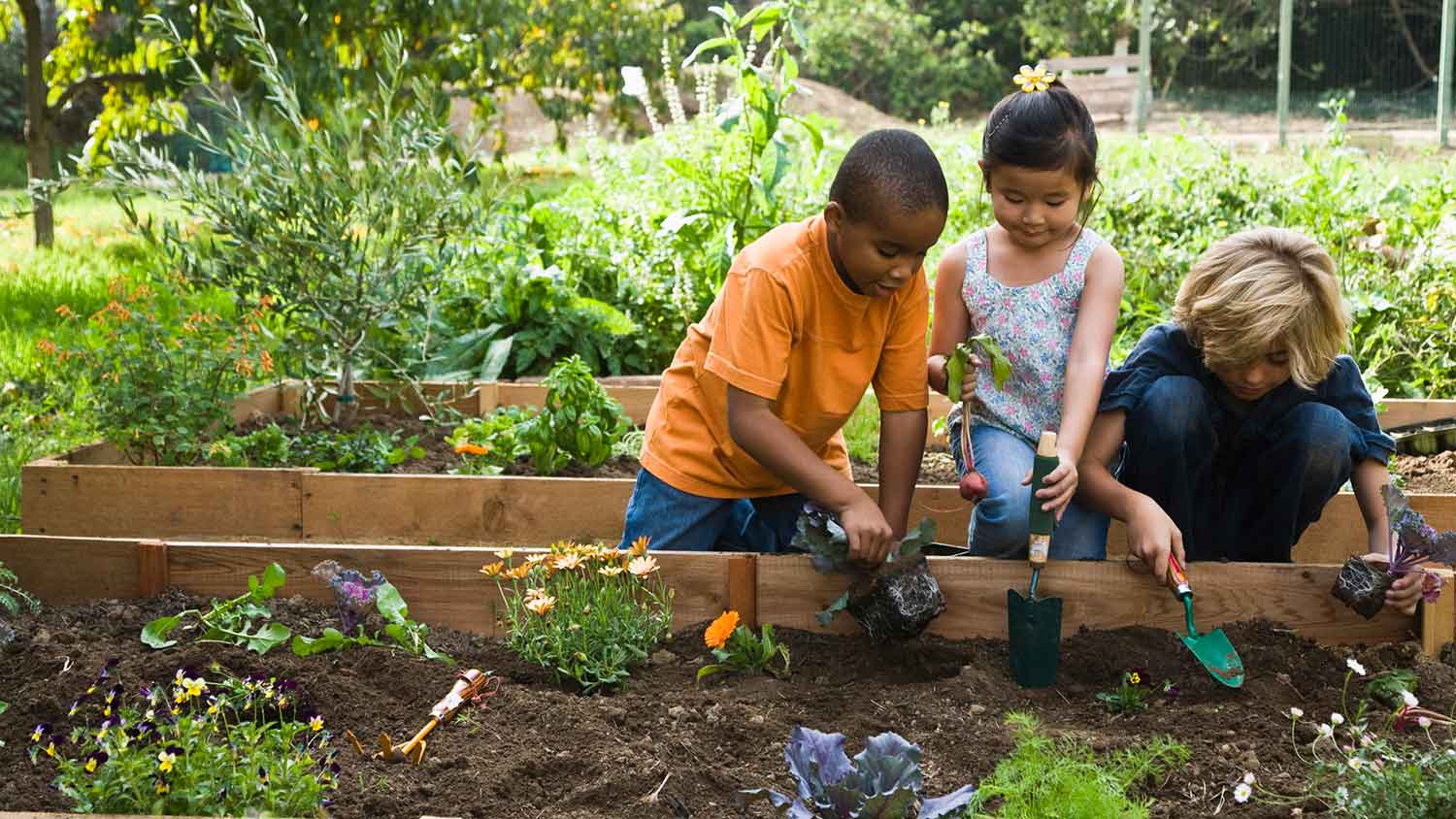
The tools needed to start a garden aren’t complicated. All it takes is a vision and a trip to the hardware store. Add these tools to your must-have list.
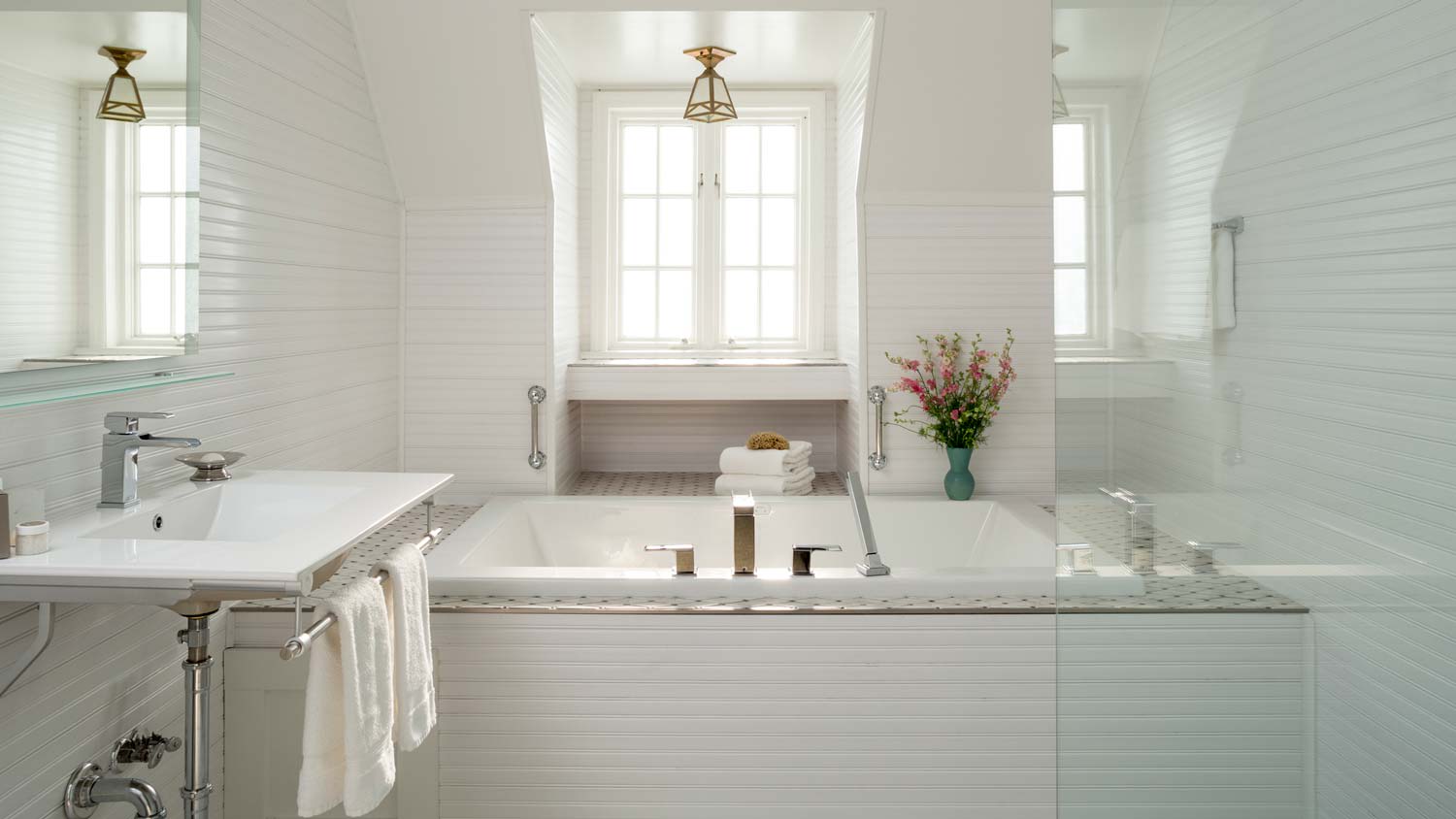
Fix leaks and install new pipes easily by getting to know a handful of important abbreviations, like what does FIP mean in plumbing and more.