
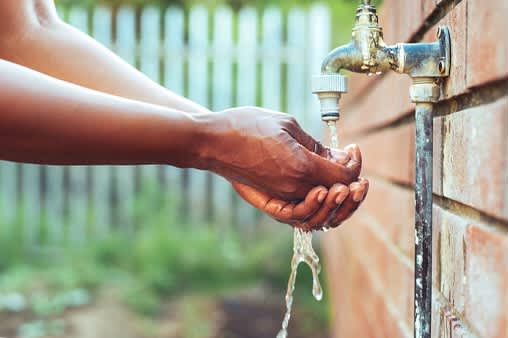
A leaky outdoor faucet can mean gallons of wasted water and a higher water bill. Thankfully, the cost of replacing an outdoor faucet is relatively low. Learn the true cost to replace an outdoor faucet so you can know what to expect.
It all waters down to hose or not to hose

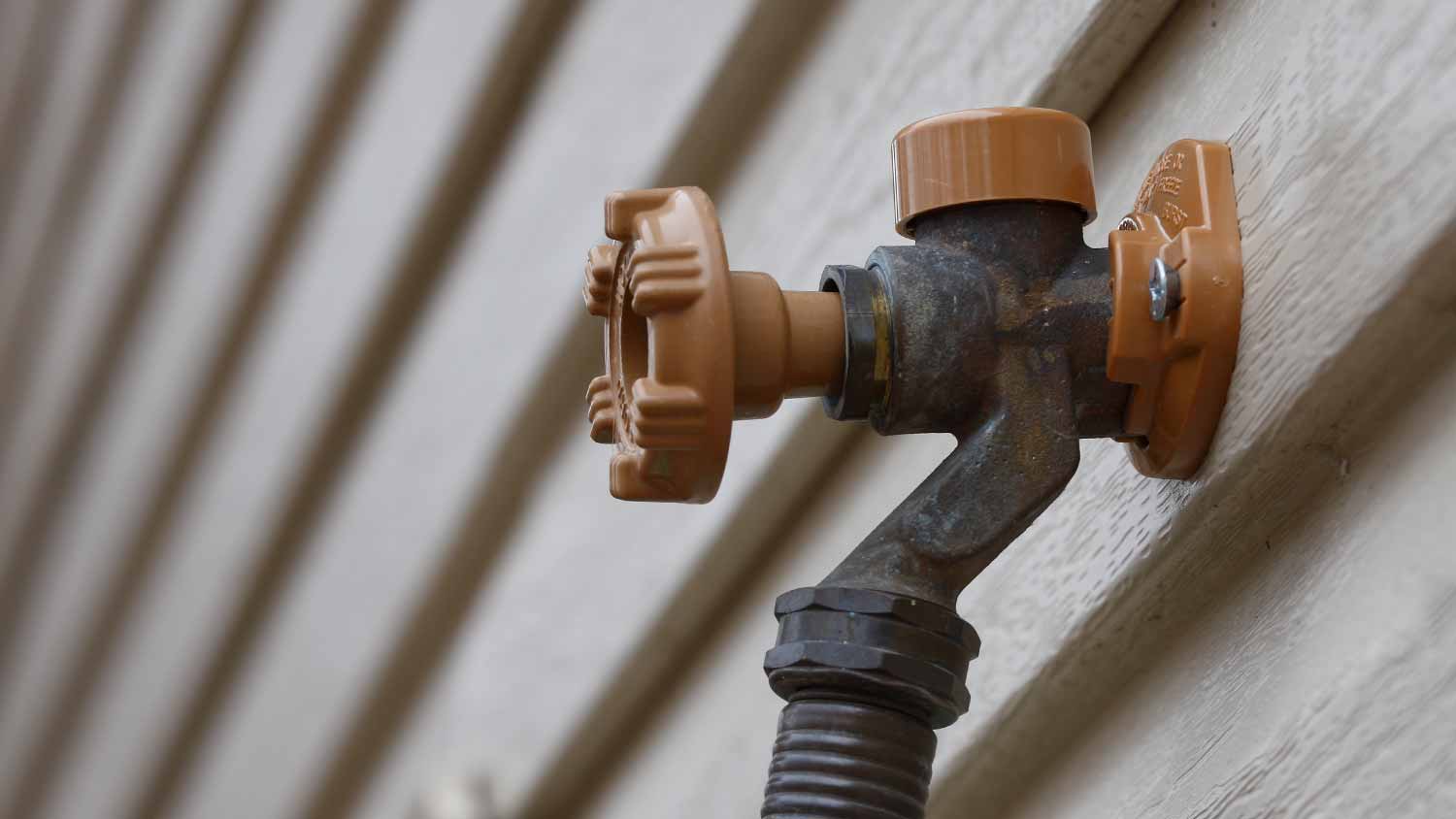
Hose bibs and spigots both serve as outdoor faucets for your home, but a hose bib always has threading for attaching a garden hose.
Expect to pay $100 to $4,000 to install a new outdoor faucet or $100 to $300 to replace your existing hose bib or spigot.
Your choice between a hose bib and spigot depends on whether you need threaded connections for hoses or prefer a simpler faucet-style outdoor water access.
Hiring a local plumbing professional keeps installation simple and leak-free, especially when connecting new pipes or winterizing frost-free hose bibs.
You notice a leak while watering your garden, and after checking out the outdoor faucet, you’re pretty sure you need a replacement. But when you get to the hardware store, the salesperson asks whether you’d like a spigot or a hose bib, and now you’re unsure what to do. Luckily, learning the slight differences between a hose bib vs. a spigot is easier with this handy guide.
A hose bib and a spigot are terms that are often used interchangeably. Both are outdoor faucets that supply water for outdoor uses, like watering a garden, filling a kiddie pool, hosing off the deck, or washing your car in the driveway. These devices are similar in size, appearance, and use. The biggest difference is that a hose bib is always threaded to connect to a garden hose or a sprinkler system. Spigots may be threaded, but not always.
| Type of Difference | Hose Bib | Spigot |
|---|---|---|
| Appearance | Threaded | Sometimes threaded |
| Use | With garden hose | Varying outdoor uses |
| Maintenance | Can come frost-free | Drained for winter |
| Lifespan | 15 – 25 years | 10 – 20 years |
| Cost | $100 – $4,000 | $100 – $4,000 |

Even if you’re looking closely at a hose bib and a spigot, it can be hard to tell the difference between them based on their appearance. Both of these types of outdoor faucets look similar. They come in similar sizes and materials and are made of similar parts.
The standard size of a hose bib and a spigot is about 1/2 to 3/4 inch. If you need a larger hose or higher water flow, you may find hose bibs or spigots about 1 inch.
Both hose bibs and spigots can have threading, although spigots don’t always have threading for a hose connection. Hose bibs have male threading to attach a garden hose. Spigots without threading may operate more like a faucet, but you can find adapters with threading, so your spigot can still connect to a hose.
The hose bib and the spigot are typically located on an outside wall of the house, usually not far from the ground.

One major difference between a hose bib and a spigot is how you use these faucets. You can use a spigot in various ways, such as filling a bucket for cleaning or connecting to a sprinkler system.
Hose bibs are designed with threading specifically to connect a garden hose. However, that doesn’t mean a spigot can’t have threading, too. But if your garden hose isn’t fitting correctly to your spigot, you may need a quick connector or hose adapter to fit onto the spigot. This will allow you to securely connect a garden hose without leaks.
Maintaining any outdoor hose is important, but there may be slightly different tasks to check off your to-do list, depending on whether you have a hose bib or a spigot.
You should clean the inside parts of the hose bib or spigot, like the aerator, washer, and valves, about once per year. The outside should be cleaned regularly to clear away grass after mowing or mud after a rainstorm.
Before you vow to curl up inside all winter, you must ensure your spigot is appropriately winterized. To do this, you’ll need to drain the spigot fully by opening the shut-off valves to the fixture and leaving it open for a few hours, letting as much water as possible drain out. Then, you can insulate and cover the spigot to minimize the risk of freezing, which can lead to cracked pipes.
You’ll need to go through the same process with a hose bib, but first, you’ll need to drain and disconnect the garden hose if you have one attached. You can store this in the garage or shed until you’re ready to use it again in the spring.
One type of hose bib, a frost-free hose bib, has a longer pipe attachment that keeps the hose bib’s valves inside the house at a warmer temperature, better protecting the hose bib from freezing. You’ll still need to turn off the water to the hose bib and disconnect the garden hose, but you may not need to add the extra insulation and cover. Of course, if you want to minimize the risk of frozen pipes as much as possible, it doesn’t hurt to take a few extra minutes to insulate and cover even a frost-free hose bib.
An average spigot will last about 10 to 20 years, depending on the material and maintenance. A hose bib, especially one that is frost-free, may last even longer, about 15 to 25 years. The best way to get the most out of your outdoor faucet, whether a hose bib or a spigot, is to keep up with maintenance, like cleaning the faucet and replacing worn-out gaskets as needed.
Whether you’re considering the cost of a sprinkler system to help keep up with the best time to water your lawn or just looking to replace an old spigot before it’s time to fill up your kids’ pool for the summer, you can weigh the differences in installing a new outdoor faucet or replacing an existing fixture.
Maybe your existing hose bib or spigot is too low to the ground to access easily, and you want to install a new one in a higher location. Or perhaps you’ve just planted a garden on the eastern side of the house, but the hose on the western side is too far to reach for watering. No matter the reason, installing a new outdoor faucet costs about $100 to $4,000. Because installing new pipes to connect the hose bib or spigot requires expertise to prevent a major leak, be sure to hire a plumber near you for outdoor faucet installation.
Whether you have a hose bib or a spigot, replacing an outdoor faucet costs about $100 to $300. The parts cost about $10 to $60 for a basic hose bib or spigot, about $35 to $200 for a frost-free hose bib, or about $45 to $200 for an anti-siphoning spigot. The anti-siphoning spigot has a valve designed to prevent non-potable water from back-flowing into your home’s drinking water supply in the event of negative pressure in the pipes.
Positive experience. As previously stated, the replacement/repair could not be completed (no fault of the plumbing tech) b/c misinformation was rec?d by property management maintenance. Thanks to the plumbing tech for your efforts. Appreciate you!
 The Waterworks
If you want to pay the most exorbitant prices possible for your job, this is the company for you. “By the job” pricing is a rip-off, at least how these people use it. Every job is plugged into a category and prices are set by category. You might have a job that takes half an hour or one that...
 Benjamin Franklin Plumbing
Cole has been handling plumbing and general contracting for our four properties over the past three years, and he’s always done a great job. Most recently, he installed a sink and countertop in our retail store where none existed before, and it turned out exactly how we needed. He’s...
 ANB Renovations LLC
Matt is a consummate professional. The work turned out to be far more difficult than expected and rather than turn the job down, Matt rose to the occasion and completed a near impossible task. I can not recommend Greene's Plumbing Service more highly. On a scale of 1-5 I would give Matt a...
 Greene's Plumbing Service
Involved an extensive bathroom remodel, including removing tub & installing walk in shower, new drywall, custome tile work to ceiling, plumbing, etc. Overall, job was done on time and on budget. Nick & his team were very professional and had high attention to detail. Quality was great. Highly...
 Stamos Flooring and Remodeling LLC
Awesome company. Had a jacuzzi tub taken out and replaced with huge walk in shower with partial glass enclosure. Onyx to the ceiling with a decorative border, moved plumbing and installed hand held shower, new ceiling, flooring, and paint. Replaced window with glass block. Everything was done...
 Columbus Bath Design
The initial quoted price from a walk-through seemed high, but we discussed that the quote represented worst case scenario (re-wiring to two floors) and we were excited about the opportunity to have the work done in a timely manner with closing for fire safety reasons, etc. When the job was...
Initially, I called the Service People to have a leaking garbage disposal replaced. I had purchased a special deal through Angie's List: $79 for $200-worth of plumbing services. <br /> When I went to schedule the work, the earliest date I could get through Angie's List was after the upcoming...
This company did a very good job on the brick wall and it looks just amazing. The staff was always professional and was practically OCD on how the bricks were stacked and how they were laid. Although it took longer than expected, I am willing to sacrifice time over perfection anyday. The...
 My Handy Mate LLC Improvement & Remodeling
<p>I am so glad we called Rotor-Rooter. I was hesitant to call them because we usually prefer to give business to local providers. But when we had sewage back up in our basement on a Saturday evening, I had a hard time getting a hold of someone, not to mention the high weekend/evening rate...
 Roto-Rooter Plumbing & Water Cleanup
From average costs to expert advice, get all the answers you need to get your job done.
A leaky outdoor faucet can mean gallons of wasted water and a higher water bill. Thankfully, the cost of replacing an outdoor faucet is relatively low. Learn the true cost to replace an outdoor faucet so you can know what to expect.
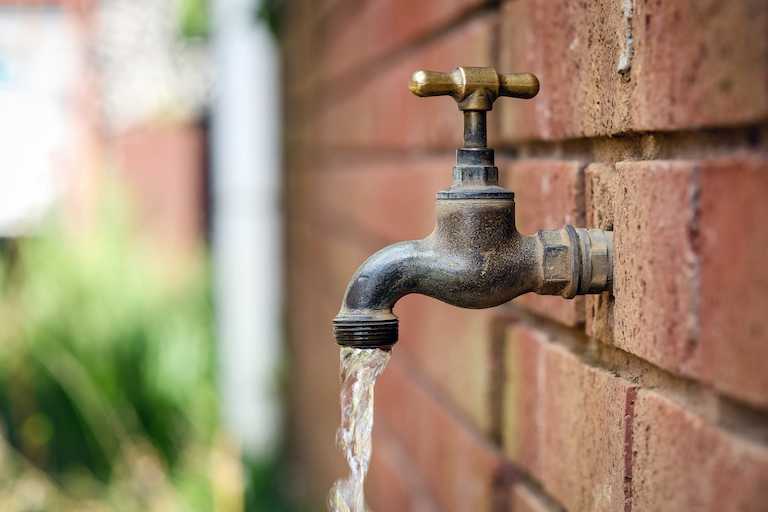
Find out the cost to replace an outdoor spigot. Get a detailed breakdown of prices, labor, and tips to save on your next outdoor faucet replacement.
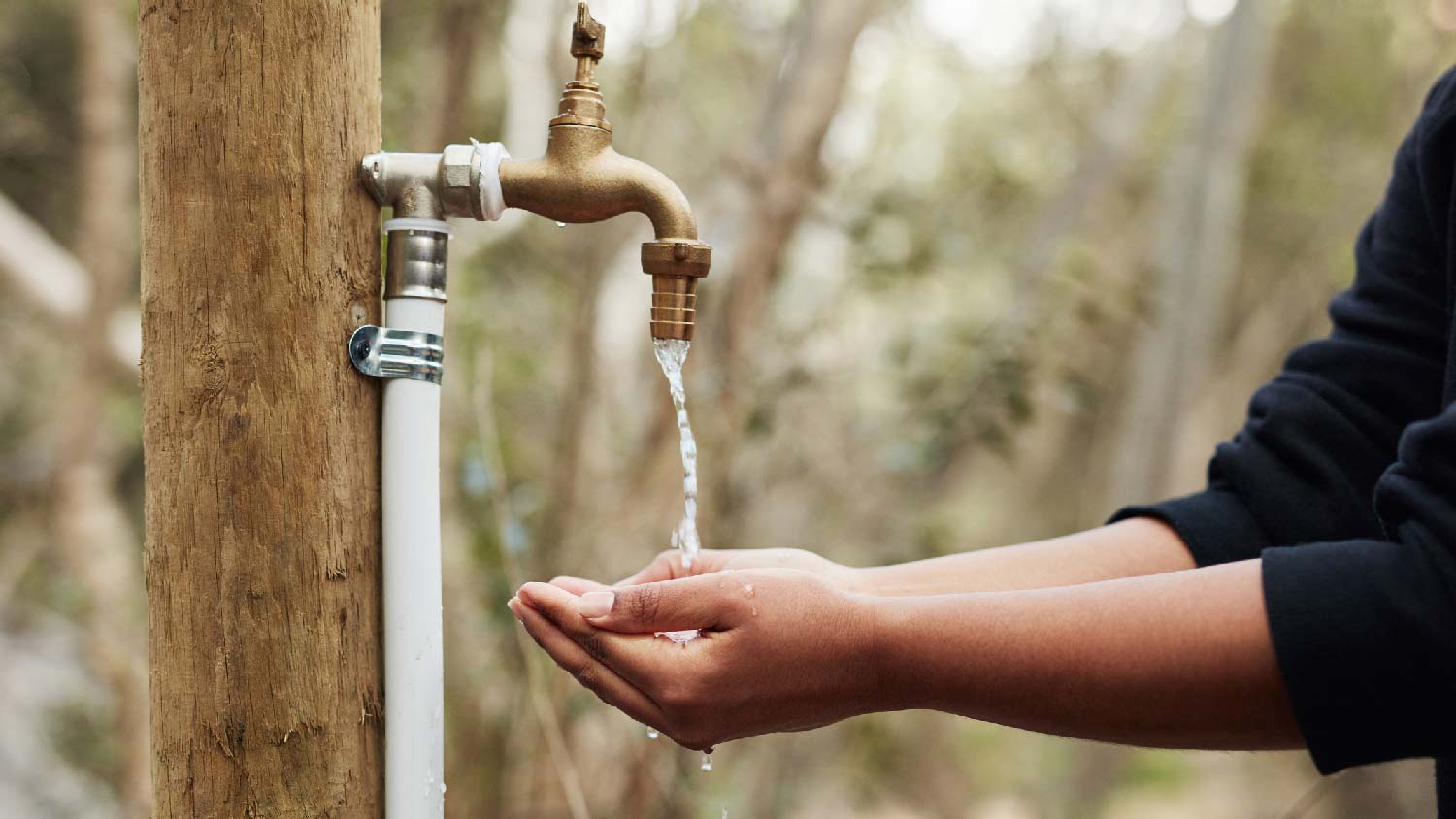
Are you considering a new outdoor faucet? We discuss the benefits and drawbacks of a frost-free hose bib vs. regular ones. Which is right for you?
Need a new hose bib? Discover the differences between three popular hose bib types—standard, freeze-proof, and loose-key—to find the best one for you.
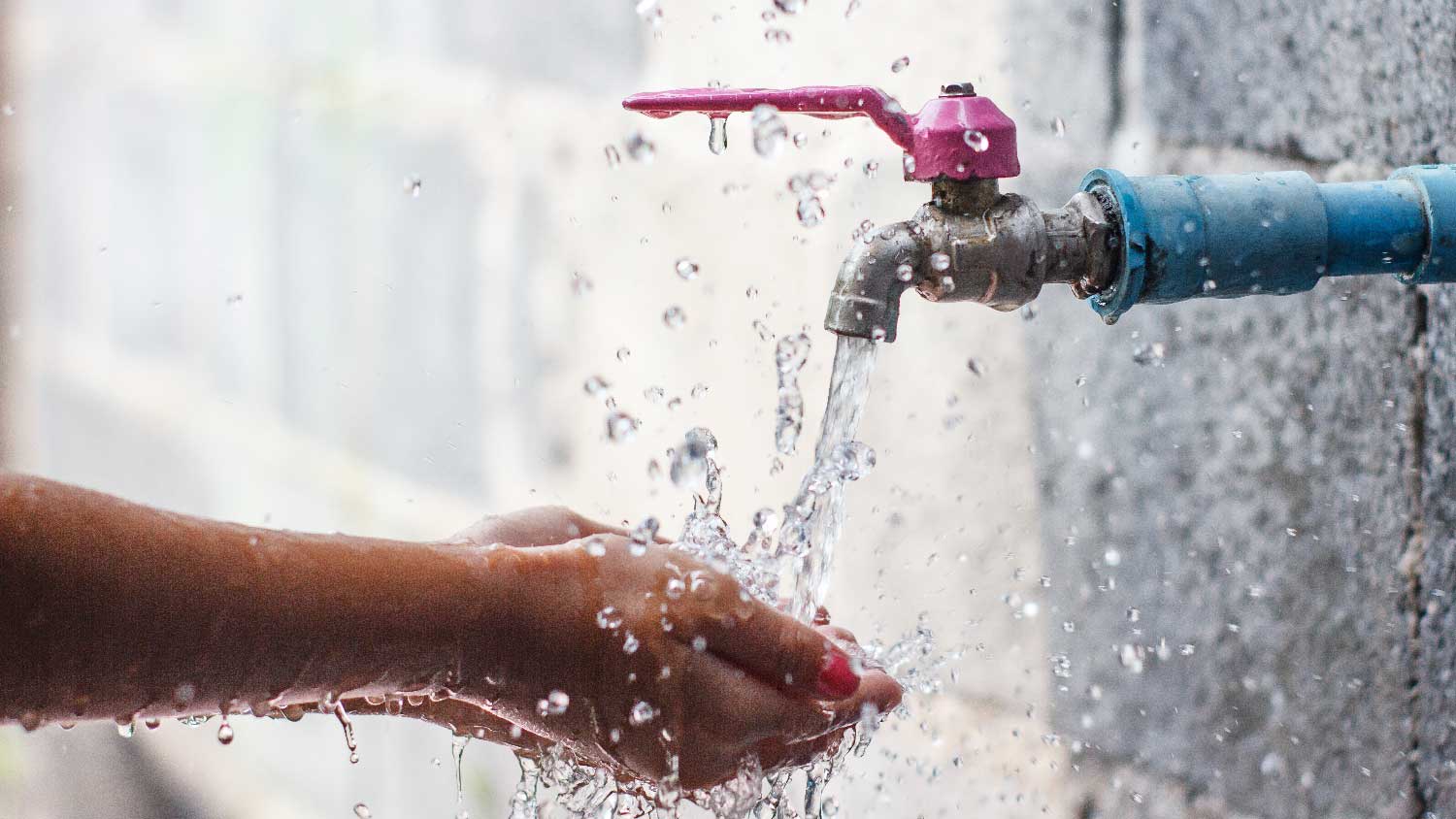
What is a hose bib? Read our guide to learn about this popular style of outdoor faucet, including how it works and how to choose the right one for your home.
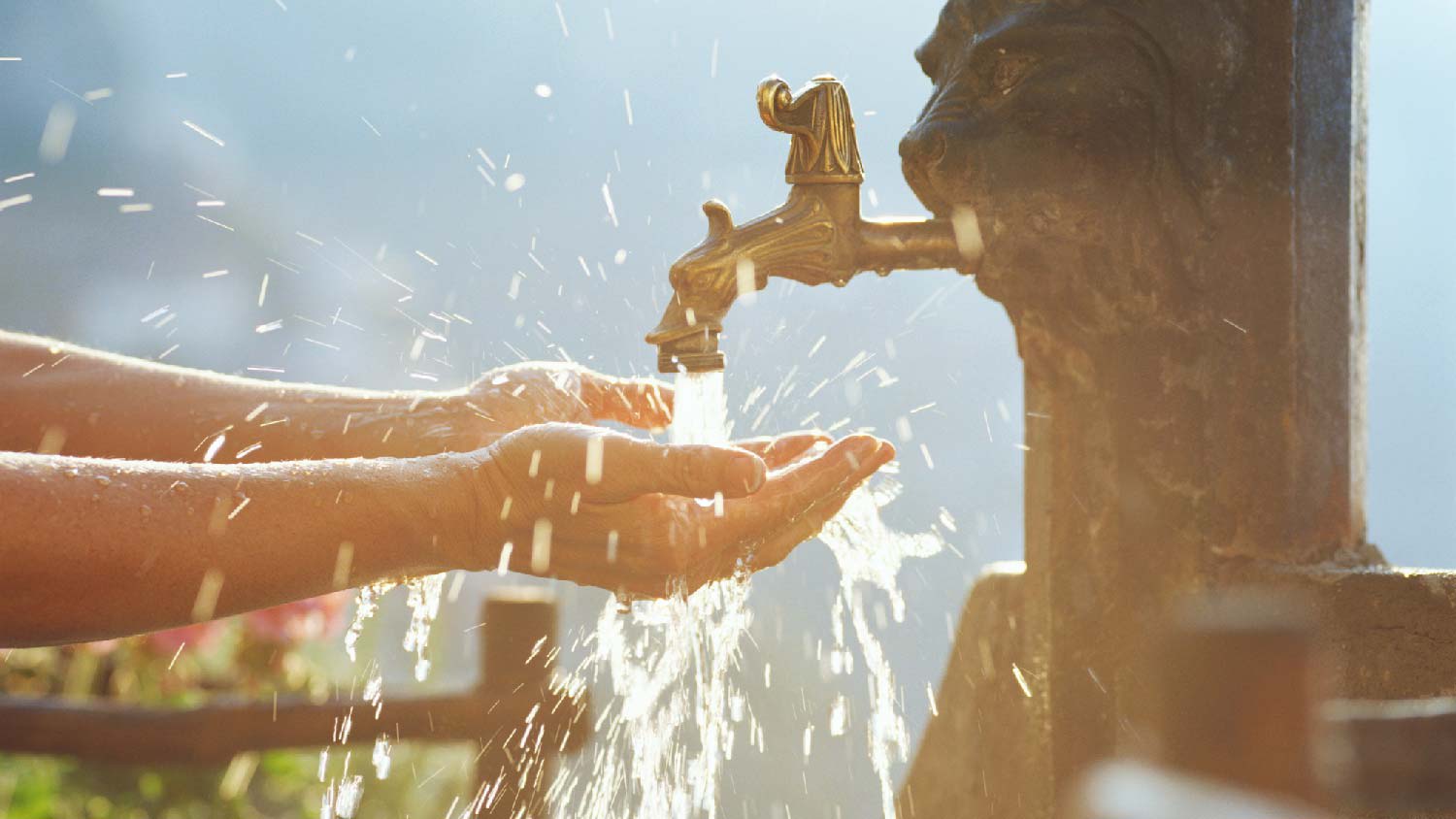
Do you need a plumber to replace outdoor spigots? If you've got DIY chops, you might not. But if a broken spigot indicates a bigger problem, then yes, you do.