
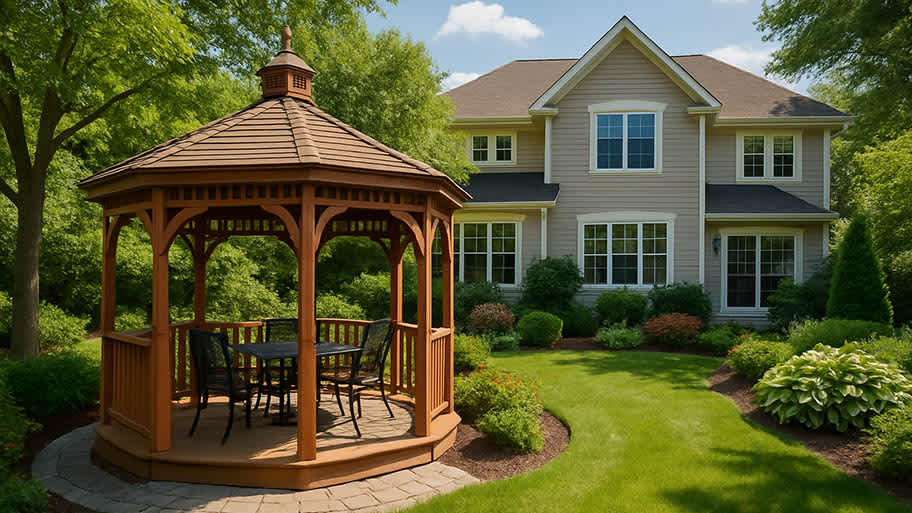
The average gazebo installation cost depends on the size and material. Keep reading to discover how much your gazebo may cost.
It's not every day you spot a historical house shaped like a stop sign—and finding one at all is a rare opportunity

Octagon houses feature eight equal exterior walls and flourished between 1850 and 1870, offering you unique architectural history with fewer than 100 originals remaining today.
Your octagon house provides wall-to-wall natural sunlight from surrounding windows, excellent airflow, and efficient heat retention thanks to the low ceilings and symmetrical design.
Historic octagon homes present irregular interior room shapes that narrow toward the center, so you'll need to plan furniture placement and appliance positioning carefully.
Hiring a local architect professional helps you navigate historic preservation requirements and plan extensions that maintain your octagon house's unique symmetry and aesthetic appeal.
Architectural enthusiasts—especially those with a flair for the Colonial era—consider an octagon-style house a true find. With only a handful left standing in the U.S., this eight-sided abode took off during a brief window in the 19th century when home builders saw octagons as the home shape of the future.
Whether you're wondering if you technically live in an iconic octagon house or have a curiously shaped house in your town, here's what you need to know about the rare style.
It may sound wild, but yes, an octagon house does indeed have eight exterior walls, all the same length and height. Try not to confuse these with houses that happened to have octagonal features, such as towers and cupolas. The octagon style refers to the home's main structure.
Prominent only in the middle of the 19th century, the house featured a range of common styles from the era, including Victorian, Colonial, Federal, and Italianate styles. The architectural style appeared in houses, schools, train stations, and government buildings across the country, but mainly in the Midwest and Northeast.
Octagonal houses flourished in the U.S. between 1850 and 1870 after architect Orson Squire Fowler published his 1848 book, A Home For All. He argued that symmetrical, eight-sided homes—nearly as close as he could get to a circle with the building materials of the day—offered the ideal square footage, ventilation, heat retention, natural light, and structural stability. All in all, Fowler celebrated the innovation as a means to a healthier way of living.
After 1865, the trend significantly declined, particularly because only a few thousand popped up during the 15-year period.
Keep in mind that octagonal structures became popular many times before Fowler's movement. You'll spot octagonal buildings in religious structures in both the West and the East as well as early-American Quaker schools in Pennsylvania.
Because the shape and practicality of the home was the main focus of Fowler's instructions, designers had free reign to add personal touches to the homes. Some featured round cupolas, wraparound porches, and intricate designs indicative of Victorian or Greek Revival styles.
The vast majority of octagon houses, however, featured a few common details:
Eight exterior sides, often the same or similar lengths
Circular verandas surrounding the home
Two or three stories
Central staircases in the center of the first floor
Flat roofs with overhanging eaves
Ample windows, often floor-to-ceiling
Small cupola at the top of the building
Greek pillars around the outside of the veranda
Triangular interior rooms

There are fewer than 100 original octagonal houses from the 19th century left today. Prominent structures you can visit include an octagonal tower on Roosevelt Island in New York, the McElroy House in San Francisco, and The Whippany Company Store in Scarbro, West Virginia. Perhaps most notably, you'll spot eight sides at Thomas Jefferson's estate Poplar Forest.
Octagonal homes made a few brief comebacks both in the 1970s and in recent years, particularly for modern buildings hoping to showcase 360-degree views. When you do spot a newly built octagonal house, its novelty shape is often part of the conversation-sparking appeal.
While the original octagonal houses served their purpose—plenty of room for windows and a sturdy structure against stormwinds—they're not always the most practical homes to live in today. Here are some things to know if you've just moved into either a historical octagonal design.
You can either see this as a pro or a con depending on how you look at it—but it's probably a bit of both. On one hand, you own a structure that represents a very specific and very unique moment in architectural history. Not only can this be a point of pride at your housewarming party, but it could increase your home value as well.
On the other hand, a mid-19th-century home will likely come with local restrictions when you need to make upgrades. Restoring a historic home often requires approval from a local board as well as the help of a highly experienced contractor familiar with the materials and home style.
The major difference between a modern and original octagonal house is the interior floor plan. Today, you'll likely see open layouts that combine dining, living, kitchen spaces surrounded by bay windows.
Traditionally, however, interior rooms in octagon homes narrowed at the center, or were split up in irregular, asymmetrical shapes. Designers added small rooms in the extra square footage such as pantries and odd closets. Because of this, you may need to think twice about where to place your furniture and kitchen appliances.
Despite the necessary upgrades you need to make with all historic homes—electrical wiring, plumbing, and heating systems, for example—octagonal homes featured their specific architecture for a reason. You'll enjoy wall-to-wall natural sunlight from the surrounding windows, plenty of airflow, and a low ceiling to keep in heat in the winter. The wrap-around porch—which truly wraps around the home—isn't so bad either.
And since so many designers took up Fowler's suggestions, you can enjoy the unique details of Colonial and Victorian homes while still getting the perks of an eight-sided building.
Adding a home office, guest bedroom, or living room extension is not the easiest undertaking for an octagonal house. Be sure to work with a highly trained local home builder that can envision where an extension works best on this symmetrical structure. In addition to local historical requirements, it's complex to add more space without sacrificing the aesthetic of the shape.
I cannot recommend Inspired Design Contracting highly enough! From start to finish, working with Jim Venetucci was an absolute pleasure. His vast knowledge and keen understanding of design were evident in every conversation. What truly set Jim apart was his incredible patience and genuine...
 Inspired Design & Contracting
1st Choice Renew is simply the best! We hired them for a complete home renovation, and they transformed our space into something truly amazing. The team attention to detail and commitment to quality were evident throughout the project. They were easy to work with, very responsive, and always...
 Save A Dime
Supreme Brick & Chimney did an excellent job restoring the brick and mortar joints on my home. Their team was professional, knowledgeable, and completed the work on time. I highly recommend them and will hire them again in the future! Thanks!
 Supreme brick & chimney
Custom Paint Jobs LLC made our home feel like a piece of art. Thank you for your creativity!
 Custom Paint Jobs, LLC
I am really satisfied with Window Depot USA of central and especially Ilian, he made an amazing work! Ilian is a really courteous person. The work was done smoothly and quickly. I would definitely recommend them to anyone who are looking for new windows or door.
 Window Depot USA of Central Ohio
Look forward to them getting started in our basement here soon. Extremely professional, very detailed and was a pleasure to have around. Anything we needed to work on or change in the middle of the project, they were open and willing to work with me.
 Jones & Sons Construction LLC
Mr. Presutti was recommended to me by my architect. He was professional and punctual as were his employees and subs. Work was completed to my specifications and in the rare instance that I wasn't happy with something, work was revised to my satisfaction. I will be using his services to...
4 Seasons was on the roof of my condo building with a man from the architect's office, checking heat pumps for common areas. They noticed the one for my unit was smoking! They offered to replace failed parts but recommended a complete replacement because the warranty had expired and the...
 4 Seasons Air
THERE WAS AN AREA THAT DID TURN OUT RIGHT BUT THE FIXED RIGHT AWAY. THERE WERE A COUPLE OF OTHER JOBS THAT CAME UP AND THEY GAVE US ESTIMATES ON THEM AND THEN DID THE WORK AND IT TURNED OUT THAT THEY CHARGE LESS THAN THE ESTIMATE. I WAS WORKING WITH A ARCHITECT AND HE FELT THAT THEY HAD...
From average costs to expert advice, get all the answers you need to get your job done.
The average gazebo installation cost depends on the size and material. Keep reading to discover how much your gazebo may cost.
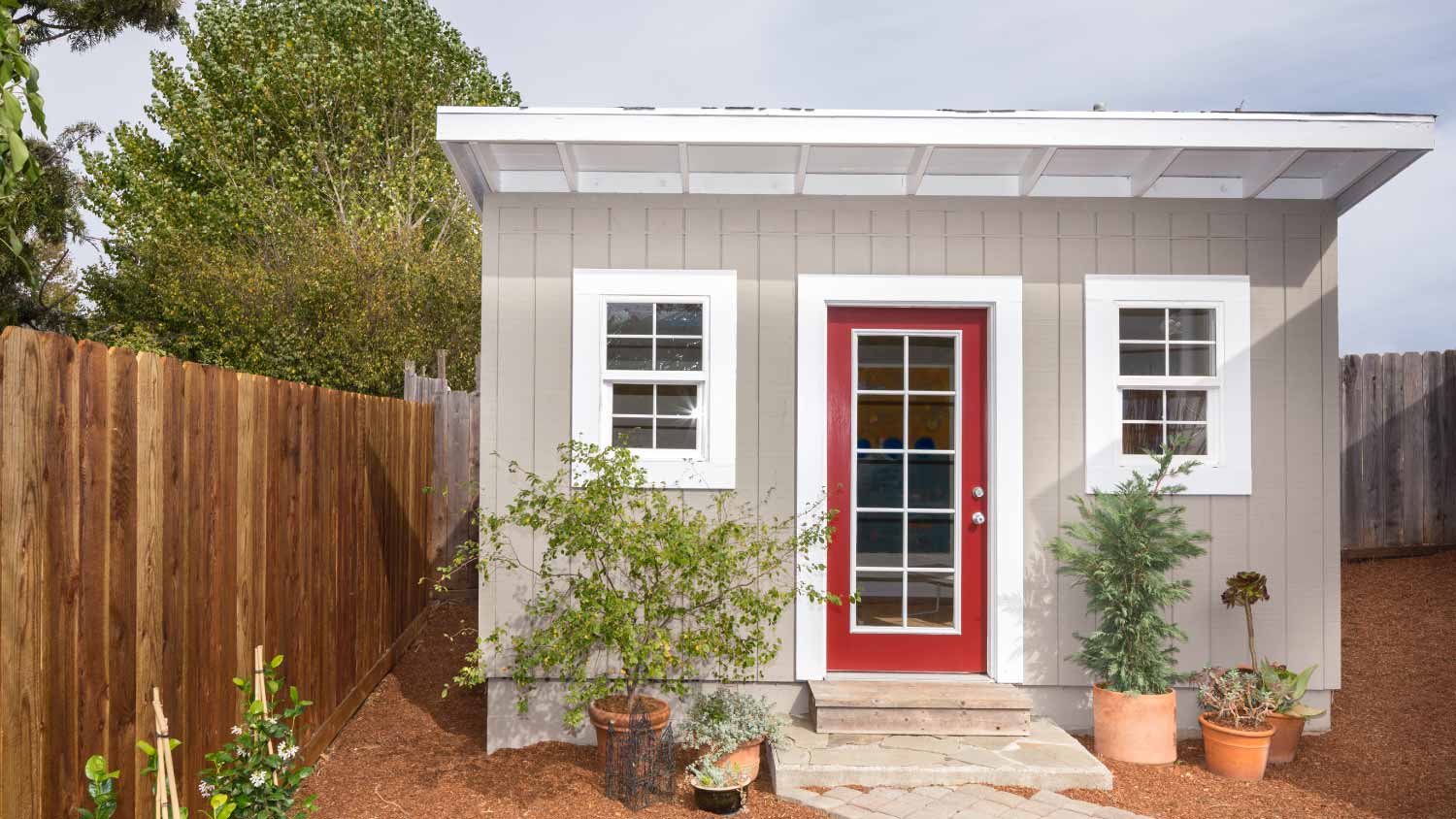
Both ADUs and guest houses offer extra livable space while boosting your property value, but there are some key differences. Learn about ADUs and how they’re unique from guest houses.

The U.S. has a wide variety of popular house styles. Learn more about common architectural styles and which is best suited to your needs.
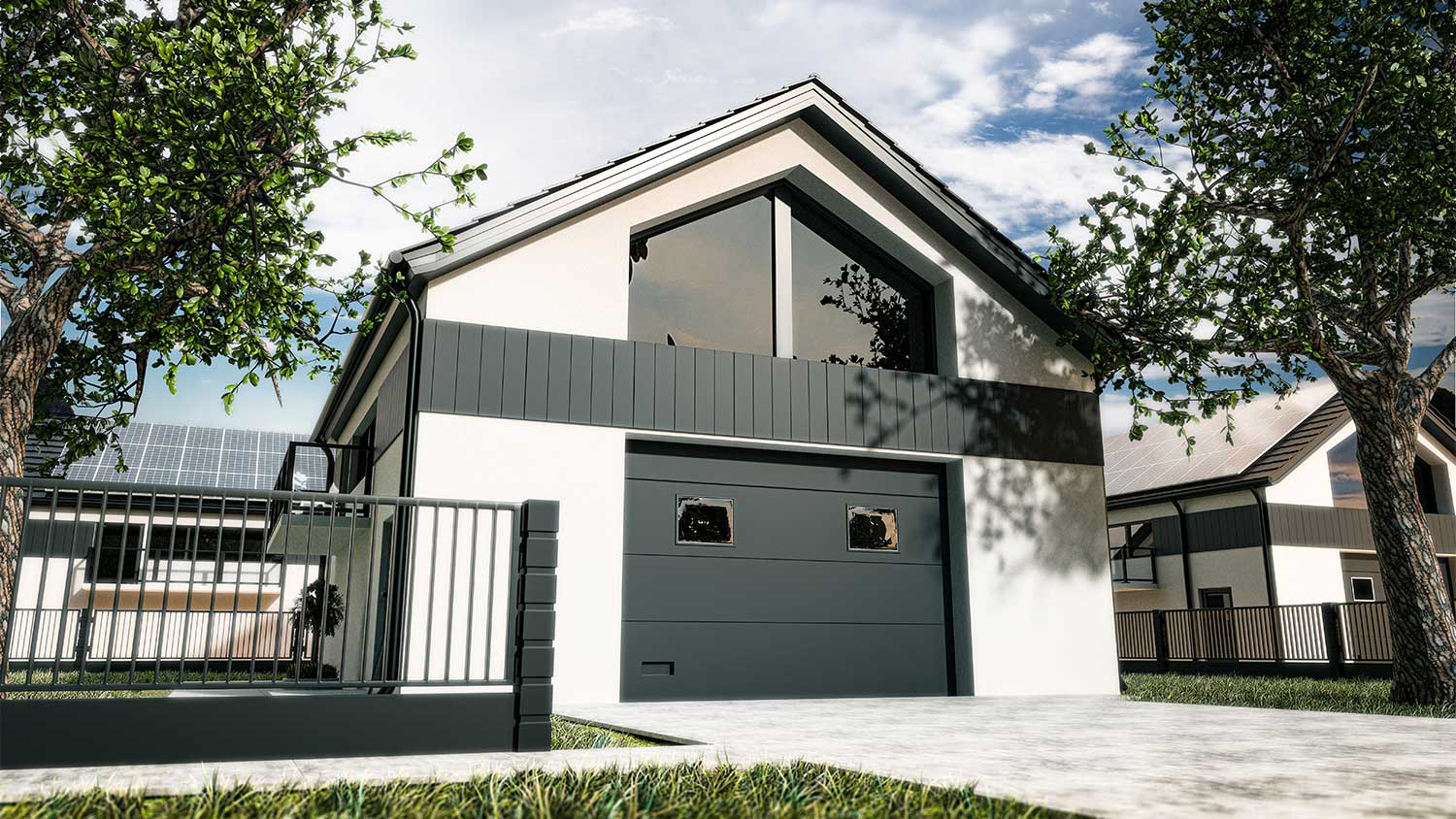
Do you need extra living or office space? Learn what a carriage house is, and why this type of building is ideal to add space and value to your property.
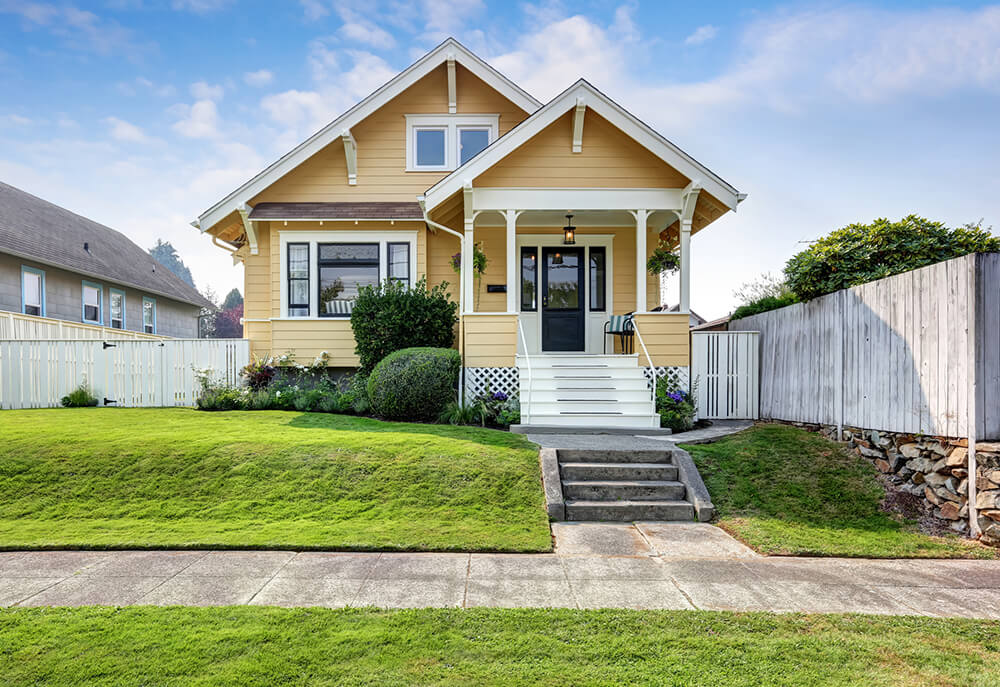
Find out everything you need to know about the charming and timelessly simple Craftsman-style house.

Why relax inside when you can be fully immersed in the beautiful weather outside? Check out some outdoor living spaces to spend more time in your yard.