
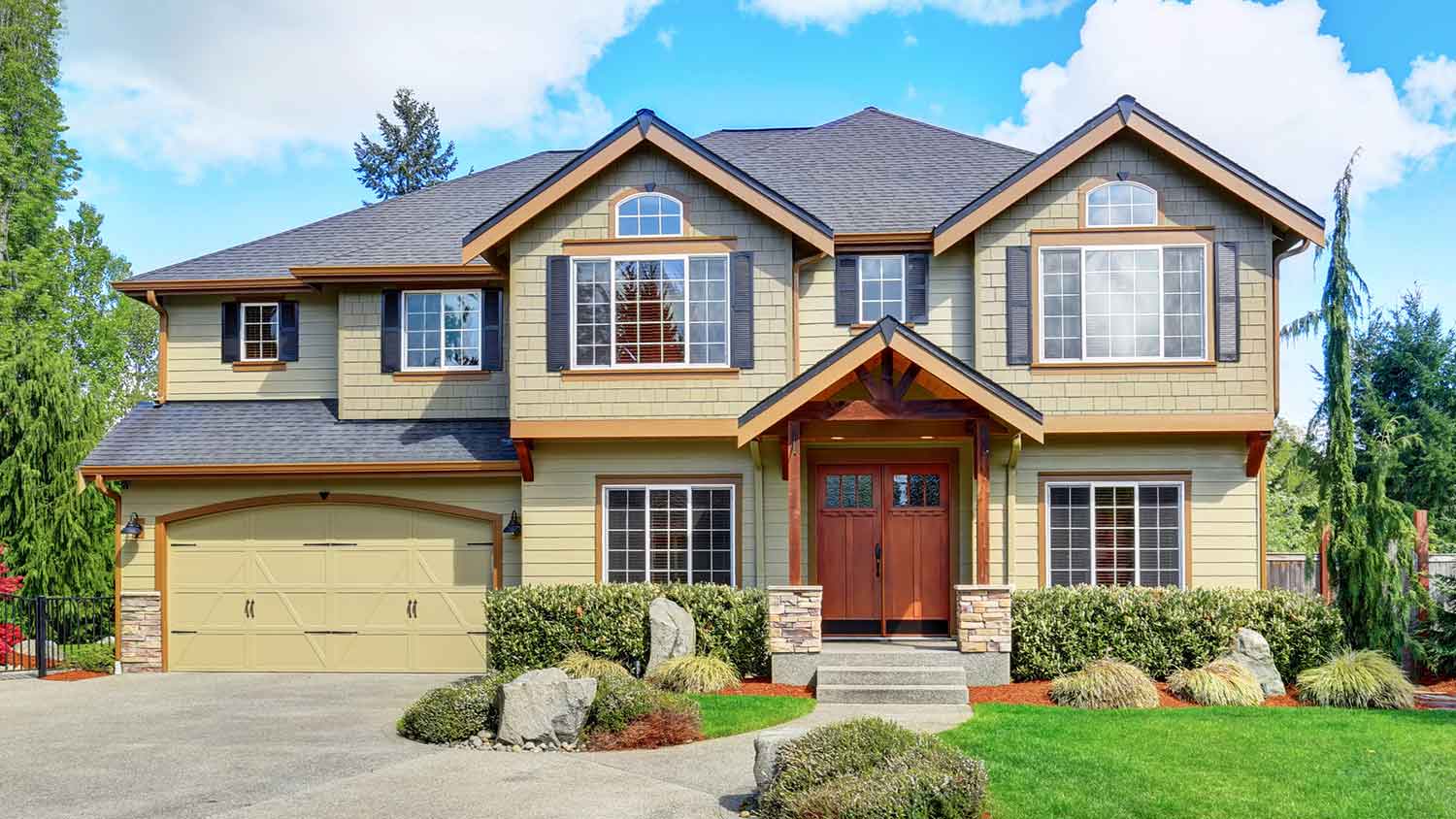
You can enhance your home's charm with a variety of window grid styles. Keep reading to discover the perfect look for your windows.
A style that highlights craftsmanship and functionality

Prairie-style architecture focuses on horizontal lines and simple ornamentation to help your home blend naturally with the landscape around it.
You can bring Prairie-style elements into your home by using locally sourced natural materials like wood, stone, and glass for architectural decor.
Large windows create seamless indoor-outdoor connections in your space, letting you enjoy unobstructed views while maintaining the open, airy feel of this design.
Hiring a local architect professional provides custom design expertise to create a unique Prairie-style home that reflects the movement's craftsmanship and natural harmony.
If you’ve ever seen a modest home in a wide, sweeping landscape and felt that it blended in beautifully with the nature around it, you might love prairie-style architecture, also known as “Prairie School.” This style came about in the late 19th and early 20th centuries, is attributed largely to Frank Lloyd Wright, and is a staple of the Midwest. In this guide, we’ll discuss what features are common in Prairie-style homes and how you can incorporate elements of the style into your space.
There are a few key things you’ll commonly find in prairie-style homes, all of which are rooted in the style’s history.
One of the most predominant features of prairie-style architecture is the use of long, sweeping horizontal lines in the design. Many prairie-style homes use hip roofs with long, uninterrupted eaves to accomplish this appearance.
Prairie-style architecture was most popular in the Midwest, which was home to wide-open, sweeping plains. The horizontal lines in the home were meant to create a structure that blended in and felt natural.
Prairie-style architecture was a reaction to the then-popular Victorian-style and Renaissance-style architecture, which was a modernization of the Gothic Revival movement in design. Rather than making homes as ornate as possible, Prairie House sought to simplify home design and keep things understated to mesh better with the surrounding nature, similar to what you’d see in Colonial Revival architecture but often with less symmetry.
Prairie-style homes seek to blend the indoors with the outdoors for seamless transitions. One way they did that was by using large windows or walls of windows to create easy access to outdoor views. The large windows also served as some of the only ornamentation on the outside of the home.
As a style that blends nature with human-made structures, prairie-style homes often have indoor decor made from natural materials indigenous to the area. The specific materials will vary based on where the home is located, but the effect is similar: creating a flow between the indoor space and the exterior.
Prairie-style architecture was also a response to the mass-produced, assembly-line materials at the time, which architects and builders believed were lower quality. Prairie homes lean on hand-made materials and custom craftsmanship, so you’ll often find that each prairie-style home is unique.
Open floor plans on the first floor helped to maintain the airy and open feeling of the sprawling, flat lands in the Midwest. You’ll often see partitions around the kitchen, bathrooms, and bedrooms, but the main living space, including the living room and dining room, will often be open to reflect the outdoors.

Whether you’re building new construction or just want to bring the essence of prairie-style architecture into your existing home, there are a few things you can do.
Prairie-style architecture aimed to create a home that looked like it was meant to be out in nature, which meant marrying the indoors and outdoors. A simple way to attain this feeling in your home is to bring in more natural materials. Consider ditching decor made of metal or plastic and instead use wood, glass, and stone. If you really want your home to conform to the land, use only natural materials that are indigenous to your area.
Aim to keep things simple. Prairie-style design rejected the ornamentation of Gothic architecture that was making a resurgence around the same time, so don’t go overboard with decor or ornamentation.
The Prairie School movement calls for custom craftsmanship as a means of moving away from the more and more popular mass production processes. Prairie homes are often unique, and you’ll rarely find cookie-cutter construction or identical layouts and designs across homes.
This is good news for avid DIYers. The more you’re able to do yourself, the more unique your home will be. Plus, you’ll be embracing the spirit of the prairie movement by relying on custom craftsmanship rather than mass-produced materials.
Creating a space that is one with nature is a major goal of prairie-style architecture, and a lot of that unity has to do with windows. You can really step up your game and replace small windows with large picture windows that provide unimpeded views of the outdoors.
Even if you’re not ready to spend money on new windows, you can still create that unity by opting for window treatments that don’t block any portion of the window when open. Keep furniture away from windows, and consider trimming trees or shrubs outside that might otherwise block the view of the outdoors.
Some of the most common exterior construction materials—like asphalt shingles and vinyl siding—fly in the face of everything prairie-style architecture represents. They’re not only mass-produced but they aren’t made from local materials.
When it’s time to replace them, consider locally sourced materials instead. That could mean going with a wood shake or slate roof, stone or stucco siding, and windows with wood frames rather than vinyl or aluminum. Using raw, natural materials is a staple of both prairie-style and brutalist architecture, with the difference being that prairie-style homes use more locally natural options.
Prairie-style homes embraced the openness of the sprawling prairies of the Midwest, where the style was most prevalent, by creating open floor plans on the first floor. You can hire a structural engineer to see how installing a steel I-beam could allow for a much more open floor plan, but even just taking down non-load-bearing walls and partitions can help create that open feel. You may need to hire an architect or home designer in addition to an engineer to get the look and feel you’re going for.
If you’re building new construction or are really committed to prairie-style architecture and are willing to remodel your home to embrace the design elements, hire a local architect who has experience with Prairie School homes to create a unique home that harkens back to the original style.
You can include an open floor plan on the first floor, long, uninterrupted horizontal lines on the exterior, large walls of windows, and custom design and construction. Consider hiring a local interior designer, too, as they can help you choose natural, indigenous materials that suit your preferences and develop that crucial connection to the world outside your home.
I cannot recommend Inspired Design Contracting highly enough! From start to finish, working with Jim Venetucci was an absolute pleasure. His vast knowledge and keen understanding of design were evident in every conversation. What truly set Jim apart was his incredible patience and genuine...
 Inspired Design & Contracting
1st Choice Renew is simply the best! We hired them for a complete home renovation, and they transformed our space into something truly amazing. The team attention to detail and commitment to quality were evident throughout the project. They were easy to work with, very responsive, and always...
 Save A Dime
Supreme Brick & Chimney did an excellent job restoring the brick and mortar joints on my home. Their team was professional, knowledgeable, and completed the work on time. I highly recommend them and will hire them again in the future! Thanks!
 Supreme brick & chimney
Custom Paint Jobs LLC made our home feel like a piece of art. Thank you for your creativity!
 Custom Paint Jobs, LLC
I am really satisfied with Window Depot USA of central and especially Ilian, he made an amazing work! Ilian is a really courteous person. The work was done smoothly and quickly. I would definitely recommend them to anyone who are looking for new windows or door.
 Window Depot USA of Central Ohio
Look forward to them getting started in our basement here soon. Extremely professional, very detailed and was a pleasure to have around. Anything we needed to work on or change in the middle of the project, they were open and willing to work with me.
 Jones & Sons Construction LLC
Mr. Presutti was recommended to me by my architect. He was professional and punctual as were his employees and subs. Work was completed to my specifications and in the rare instance that I wasn't happy with something, work was revised to my satisfaction. I will be using his services to...
4 Seasons was on the roof of my condo building with a man from the architect's office, checking heat pumps for common areas. They noticed the one for my unit was smoking! They offered to replace failed parts but recommended a complete replacement because the warranty had expired and the...
 4 Seasons Air
THERE WAS AN AREA THAT DID TURN OUT RIGHT BUT THE FIXED RIGHT AWAY. THERE WERE A COUPLE OF OTHER JOBS THAT CAME UP AND THEY GAVE US ESTIMATES ON THEM AND THEN DID THE WORK AND IT TURNED OUT THAT THEY CHARGE LESS THAN THE ESTIMATE. I WAS WORKING WITH A ARCHITECT AND HE FELT THAT THEY HAD...
From average costs to expert advice, get all the answers you need to get your job done.
You can enhance your home's charm with a variety of window grid styles. Keep reading to discover the perfect look for your windows.
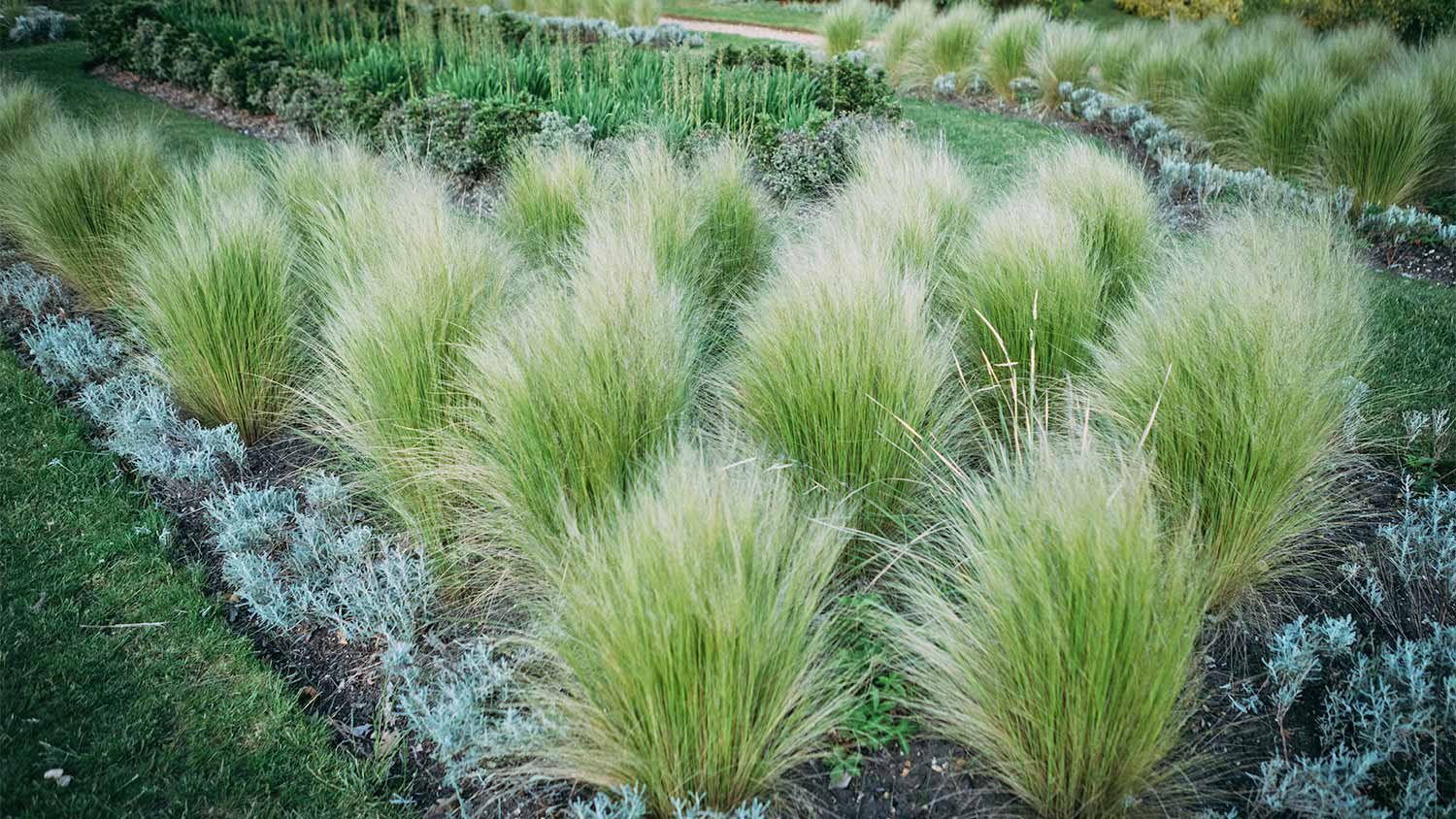
Looking for prairie grass landscaping ideas for your home garden? These hardy, lovely native grasses will look stunning next to your prairie wildflowers.
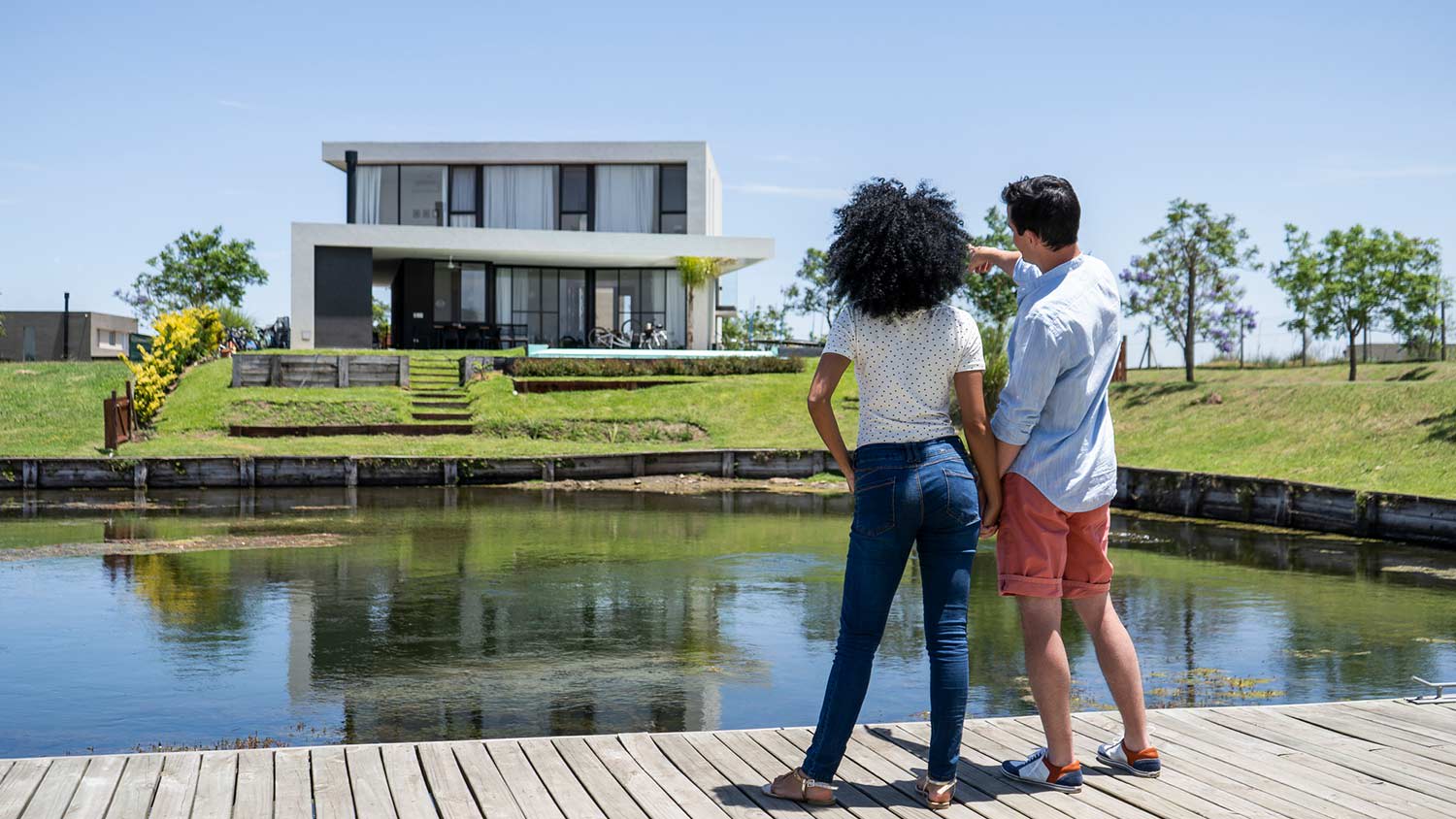
The U.S. has a wide variety of popular house styles. Learn more about common architectural styles and which is best suited to your needs.
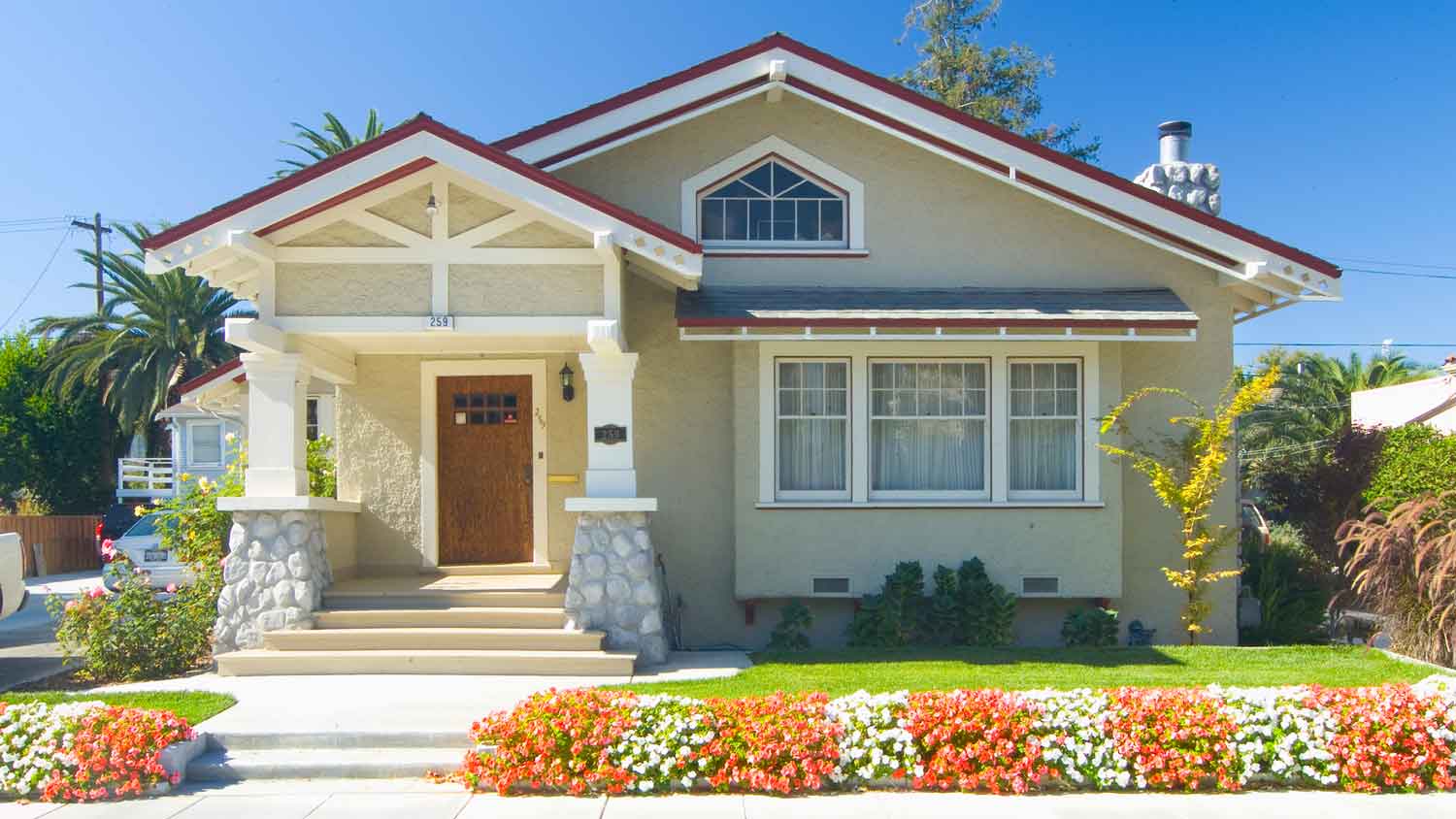
Bungalow-style houses are a great choice for small families. Find out what a bungalow is and if it’s the right choice for you.
Frank Lloyd Wright changed the course of America’s architectural history. Angi brings three of his unrealized designs to life as digital renders.
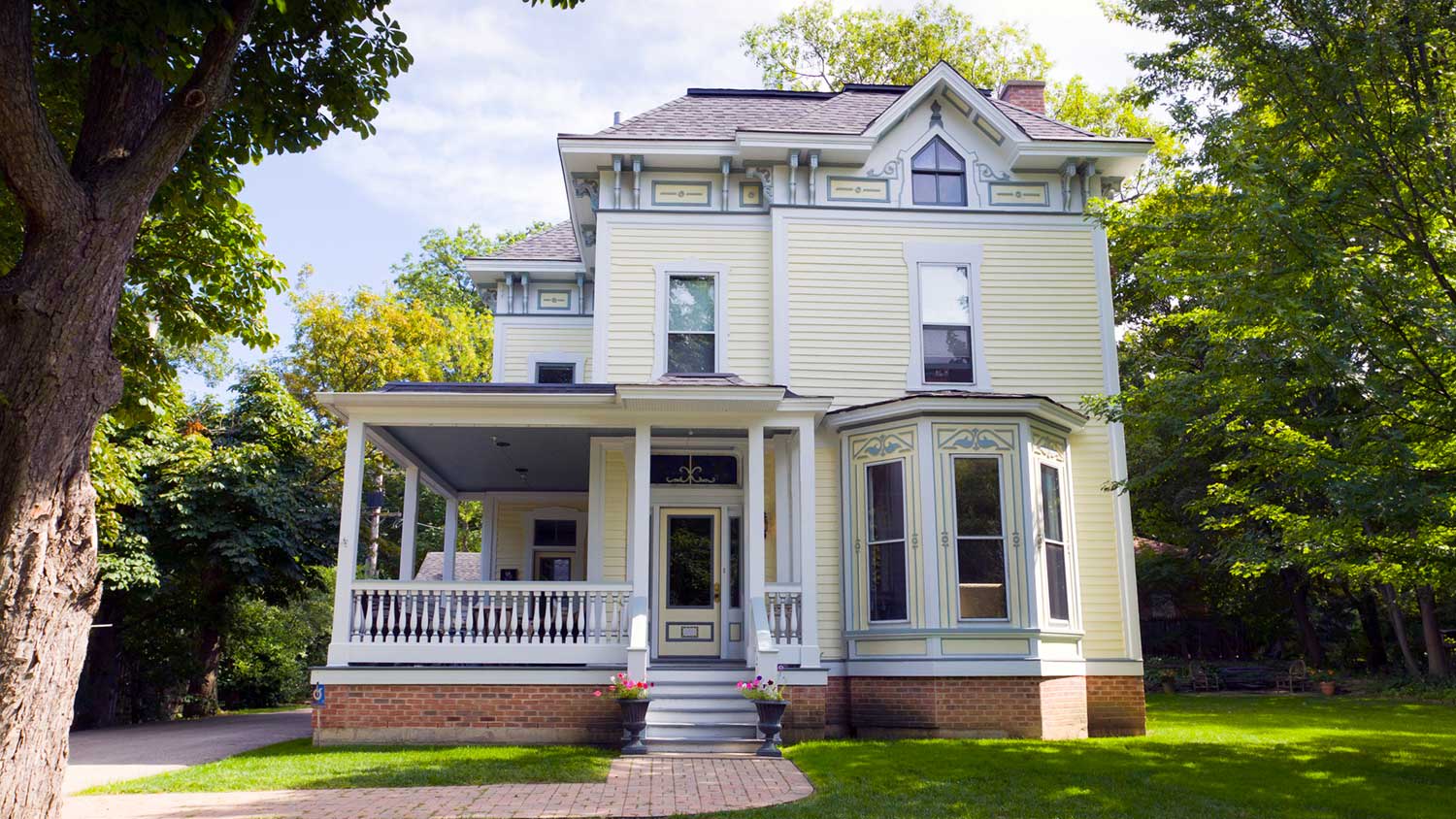
The Italian Victorian house was unsurprisingly one of the most ornamental and popular designs across Europe and the U.S.