

Need to repoint brick in your home to make your home look fresh and new? Use this guide to repointing brick cost to price out your project before starting.
Out with the old mortar and in with the new

Chimney repointing removes deteriorated mortar and replaces it with new mortar to strengthen your chimney and prevent moisture from damaging the structure.
Expect to pay $4 to $25 per square foot for chimney repointing, making it a more affordable option than rebuilding your chimney stack.
You should schedule repointing when you notice visible cracks, flaking mortar, crumbling bricks, water stains, or leaks on the inside of your chimney.
Hiring a local chimney repair professional provides reliable help with inspecting structural issues and completing mortar replacement to keep your chimney safe and sound.
Chimneys are made of brick and mortar for good reason: On the outside, they can withstand heavy storms and debris flying at high speeds. On the inside, they can withstand extremely high temperatures and smoke blowing up the smoke chamber. But masonry, even if well-built, breaks down over time. So, what is repointing a chimney? Repointing a chimney allows you to repair any damage to the brick and mortar.

Even if you keep up with chimney maintenance, brick and mortar will eventually wear down over time. You’ll notice cracks and crumbling once the mortar starts to wear down. And when this occurs, moisture can seep into the chimney and the structure can become unstable.
Repointing a chimney is done by removing any bricks or mortar that have cracks or are deteriorating. Here’s what you can expect when you schedule an appointment with a chimney repair specialist:
A pro will inspect the chimney to ensure it’s safe and structurally sound. They’ll also note where there is missing mortar.
Once they’ve inspected the chimney, they’ll start to chisel out any mortar joints that are deteriorating.
After removing the old mortar, the crew will wet the areas where they need to apply new mortar. They’ll then apply new mortar to the joints.
You may think tuckpointing is similar or interchangeable with repointing. However, repointing a chimney is a bit different from tuckpointing a chimney. Tuckpointing is a decorative job that involves dyeing the mortar so that it is similar to the brick and disguises the mortar in between bricks. Tuckpointing can only fix minor cracks in the mortar—it’s not meant to fix structural issues with the chimney. Because the process is more cosmetic, tuckpointing tends to be a more affordable option.
Repointing is a more complex process to strengthen the chimney. If done correctly, a repointing job will last many decades. It will also prevent water from entering your home and damaging the mortar during the freeze-thaw cycle.

There are a few signs that it’s time to consider repointing your chimney:
Visible cracks on the chimney
Flaking or crumbling mortar
Crumbling bricks (known as spalling)
Water stains on the outside of the chimney
Leaks on the inside of the chimney or firebox
Ignoring these signs may lead to more serious damage to your home or the structure of the chimney. So, its best to call a chimney repair professinoal to have an inspection. If there is extensive damage to your chimney, you may need to partially or fully rebuild it—which will be a more costlier project than repointing.
Depending on where you live and your weather conditions, you may need to wait for a warmer and dryer part of the year to repoint a chimney so that the mortar cures properly during repair.
A pro will always first inspect your chimney to assess the amount of damage and the appropriate fix. If there is severe deterioration and structural issues, a chimney repair specialist may recommend rebuilding the chimney. However, keep in mind that there are three types of rebuilds: partial, roofline up, and complete.
If a few layers of mortar and brick need full replacement—instead of repointing—you may need a partial rebuild. A pro will completely remove this section of the chimney and rebuild it.
A roofline up build is only necessary if part of the roof needs to be replaced along with the exterior portion of the chimney. A complete rebuild would include replacing the entire chimney. There would need to be extensive structural issues to warrant rebuilding it.
Positive experience. As previously stated, the replacement/repair could not be completed (no fault of the plumbing tech) b/c misinformation was rec?d by property management maintenance. Thanks to the plumbing tech for your efforts. Appreciate you!
 The Waterworks
Carpet repair done well. Scheduling was easy. Showed up on time.
 BR Flooring Installation
I would recommend this company to anyone! He showed up on time, was friendly, completed a very difficult repair on our dryer vent cover, was responsive, and pricing was extremely fair and competitive. I would have him back to do any of our repairs or cleanings without hesitation!
 U.S.A. Dryer Vent, LLC
Ace Fireplace Services came to the rescue for my chimney repair. They were quick to pinpoint the issue and worked their magic to fix it. My chimney is now in excellent shape, and I'm a satisfied customer.
 Ace Fireplace Services
100% satisfied with the work done by Supreme Brick & Chimney. Josh responded to my Angi request very quickly and squeezed our house into his schedule only a couple business days out. The chimney cleaning process was extremely clean with ZERO dirt going anywhere besides in Josh's vacuum. Very...
 Supreme brick & chimney
On Sunday 2/26 I requested quotes via Angi from 4 refrigerator repair businesses. Northwest Appliance responded to me Monday morning (2/27) and my refrigerator was repaired by noon the same day. Great communication, they did everything they said they would. The technician had the parts on...
Description says they handle window repair including rotten hardwood - they called me back right away but didnâ t leave a voicemail. I followed up 3 days later and they said they donâ t do that kind of work.
 Window-Gurus
They arrived on time repairs performed quickly very porvesinal
 Property-Tech Industries
Mike and his crew did a great job working through a very challenging task. The job required a full demolition of our ceiling, removing the blown in insulation and removing all the material from the site daily. It involved multiple inspections from the city and many challenges to get the...
 Rising Height Unlimited
Mr. Lopez was super nice and professional. He repaired our drywall just as he described during the estimate phase. Our dining room wall looks great again! Thanks Mr. Lopez!
From average costs to expert advice, get all the answers you need to get your job done.
Need to repoint brick in your home to make your home look fresh and new? Use this guide to repointing brick cost to price out your project before starting.
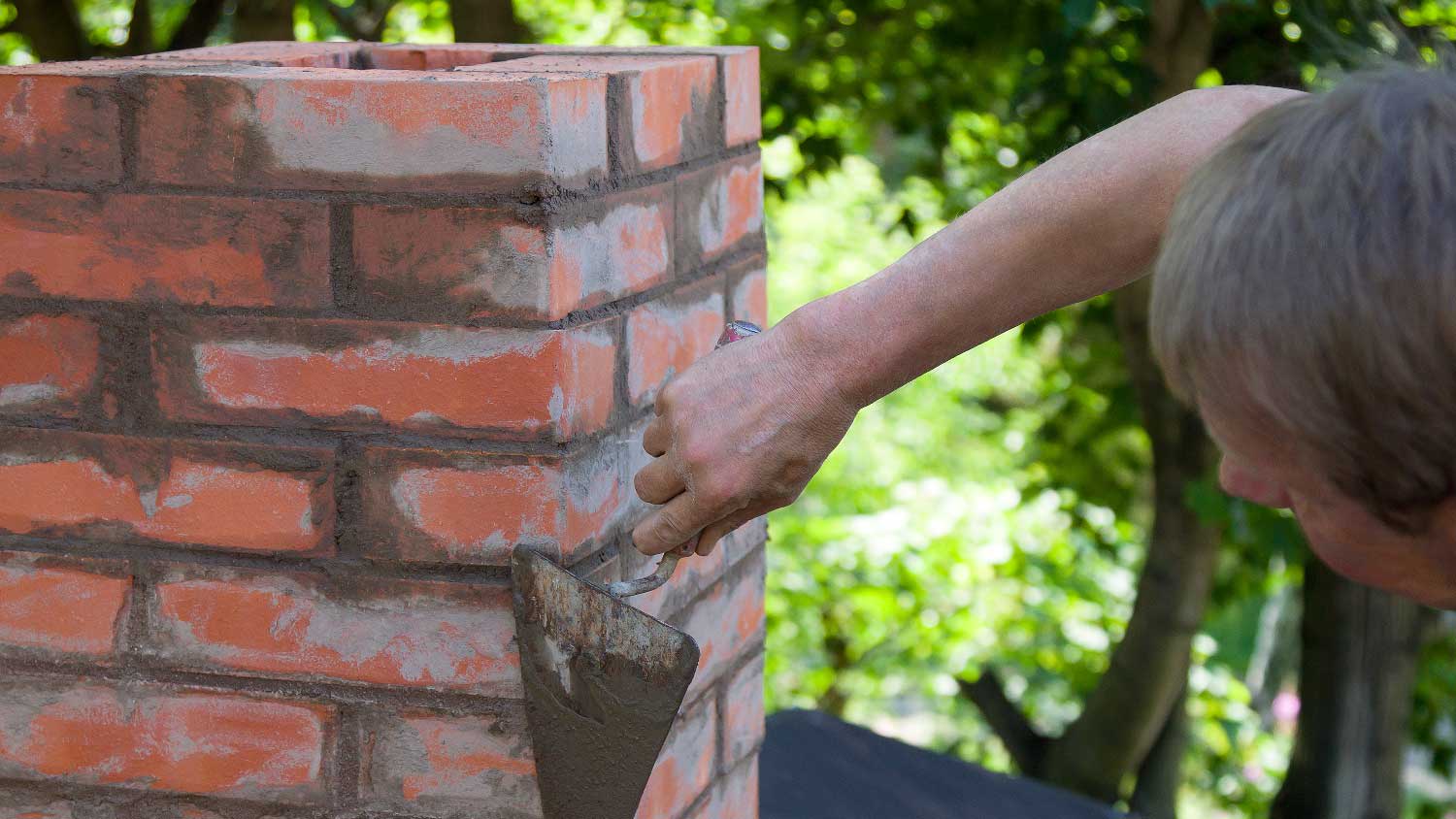
Discover the average chimney tuckpointing cost, key price factors, and expert tips to help you budget and save on your next chimney repair project.
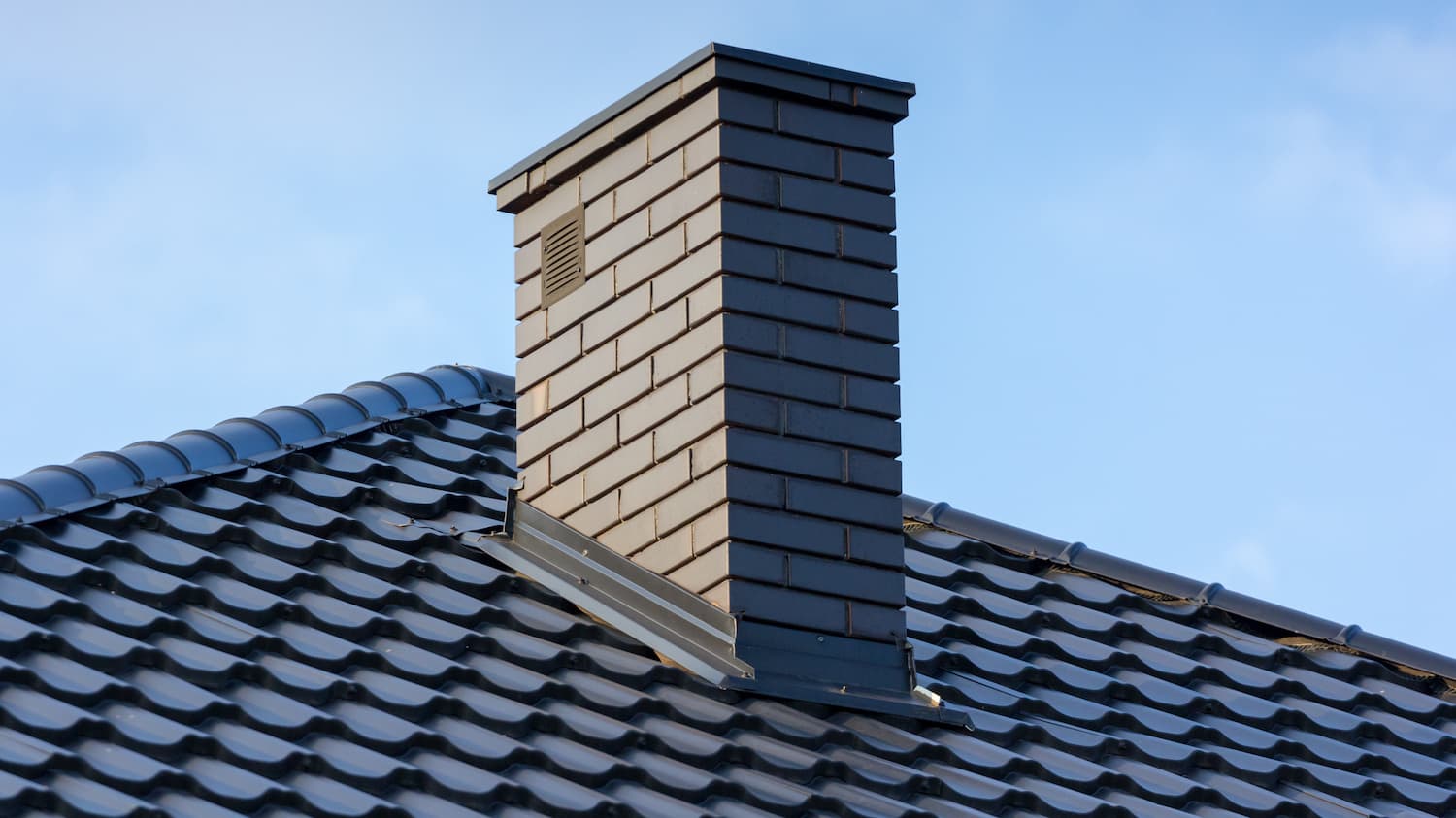
Chimney repair costs can vary by the type of chimney you have and the required repairs. Use this guide to help you estimate project costs.
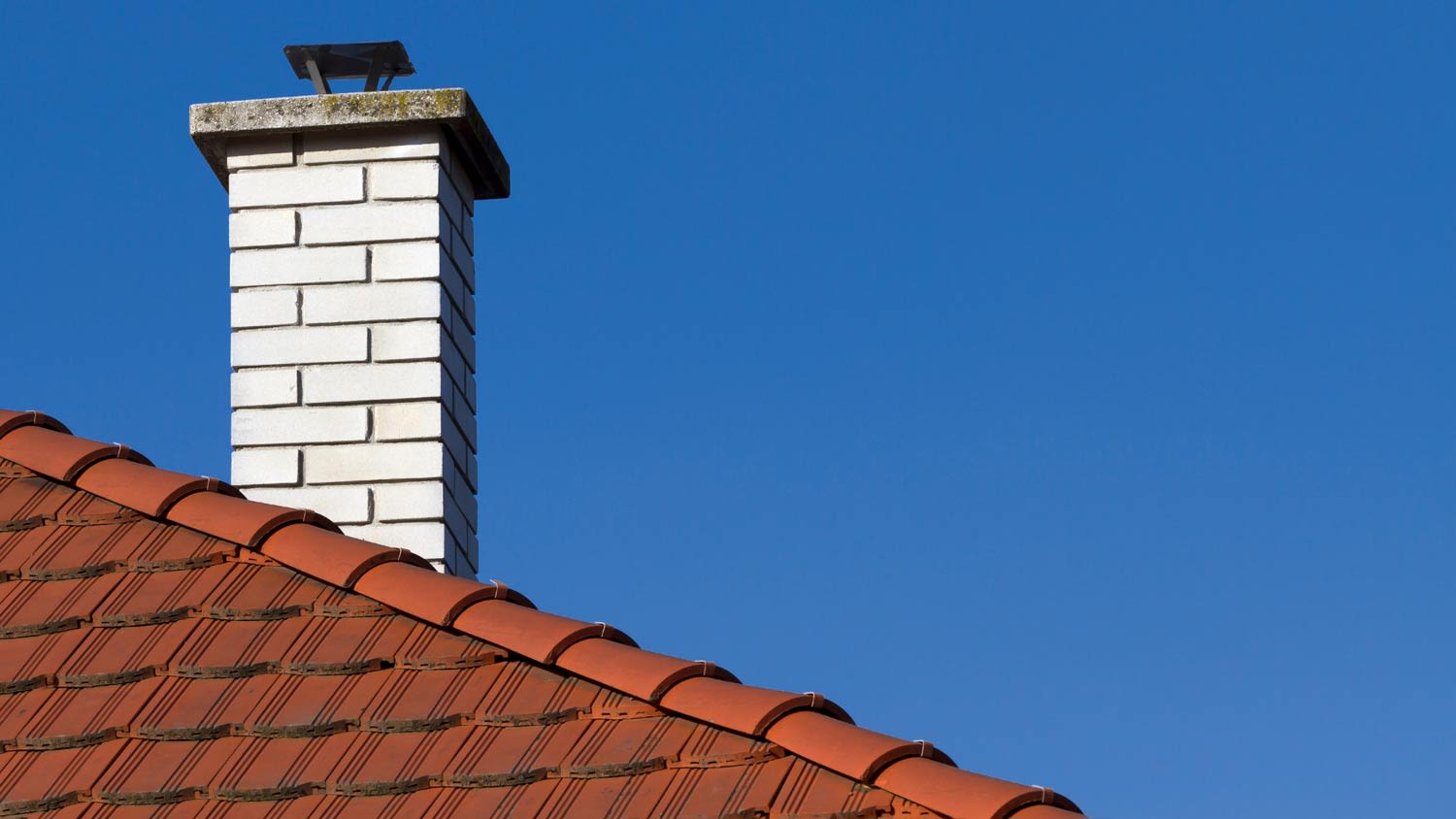
A worn-out chimney can threaten the strength of your masonry. Learn how to repoint a chimney for durability and aesthetics with this guide.
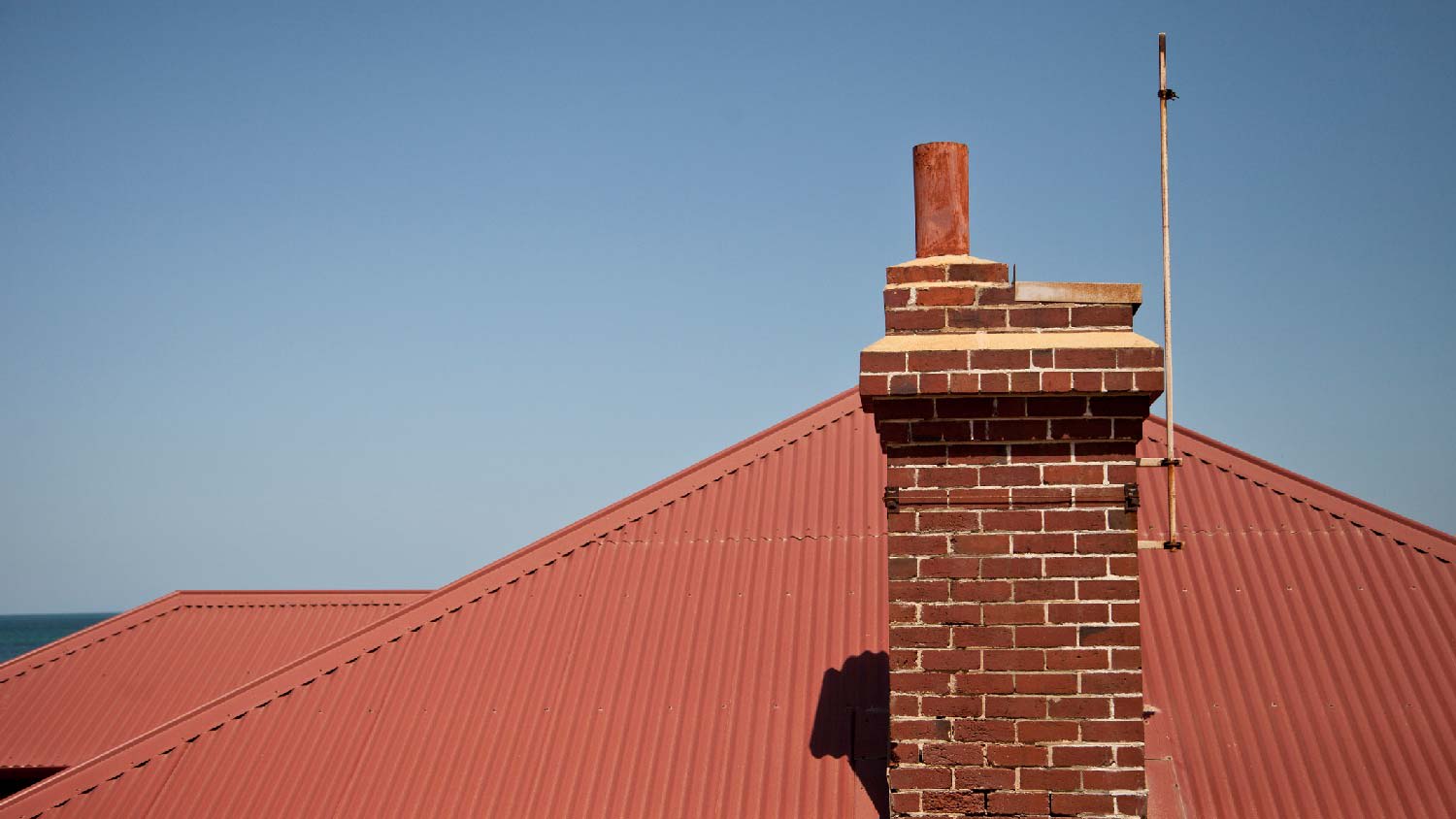
What is tuckpointing a chimney? Tuckpointing a chimney involves replacing old, damaged mortar to preserve its structural integrity and enhance its appearance.
Here’s a closer look at the key differences between tuckpointing vs. repointing so you can decide which masonry repair technique is right for you.