Learn how much it costs to board up a window to buy yourself some time and maintain home security while you wait for the permanent repair.
Chimney repair costs depend on your project and location. Check with a local pro for your specific job.


Professional chimney tuckpointing costs between $500 and $2,500 for your standard project, based on mortar damage.
Your chimney’s height and design drive labor needs, and ornate brickwork demands more skilled mortar work.
Budget your project for scaffolding fees ranging from $200 to $600, permits up to $300, plus crown or flashing repairs.
Hiring a local tuckpointing professional prevents water leaks and structural damage while ensuring your chimney remains safe and up to code.
This article was created using automation technology and thoroughly fact-checked and edited by an Angi Editor in accordance with our AI policy.
In 2026, the national average cost for chimney tuckpointing is $1,200. Most homeowners spend between $500 and $2,500, with the spread driven by the extent of mortar damage, chimney height, and overall accessibility. Tuckpointing protects your home from water leaks, brick deterioration, and structural hazards.
Several factors shape your final chimney tuckpointing cost, from chimney size and design complexity to local labor rates and accessibility challenges.
Chimney size is one of the most direct drivers of tuckpointing cost, with most residential chimneys ranging from 20 to 80 square feet of exposed masonry. Taller chimneys, larger bases, and ornate designs all require more labor and materials, pushing costs higher. Multi-flue or highly decorative chimneys increase both square footage and complexity, while a small single-story chimney with minimal detail stays at the lower end of the range. Costs vary significantly depending on size and complexity, as the breakdown below shows.
| Chimney Size | Description | Cost Range in 2026 |
|---|---|---|
| Small | Single-story, basic design, one flue | $500–$1,000 |
| Medium | Two-story, moderate detailing, one to two flues | $1,000–$2,000 |
| Large | Multi-story, ornate brickwork, multiple flues | $2,000–$4,000+ |
The chimney you have and the type of service you choose both influence the final tuckpointing cost. Standard tuckpointing removes and replaces deteriorated mortar joints, spot tuckpointing targets only damaged sections for a more budget-friendly approach, and full tuckpointing covers the entire chimney for a comprehensive repair. Historic or decorative tuckpointing requires custom color matching and mortar analysis, which adds to both labor time and material costs. Brick, stone, and block chimneys each present unique challenges, and costs vary by approach as shown below.
| Tuckpointing Type | Description | Pros | Cons |
|---|---|---|---|
| Standard tuckpointing | Basic mortar joint repair | Restores structural integrity | Limited aesthetic options |
| Historic/decorative tuckpointing | Custom color and style matching | Preserves historic value | Higher cost, longer timeline |
| Spot tuckpointing | Repairs only damaged sections | Cost-effective for minor issues | May not address underlying problems |
| Full chimney tuckpointing | Entire chimney repointed | Comprehensive repair | Higher upfront cost |
| Brick/stone/block | Material-specific techniques | Tailored approach | May require specialty skills |
Where you live has a meaningful impact on chimney tuckpointing cost, with urban areas and regions with high demand for skilled masons typically carrying higher labor and material rates. Climate adds another layer, since areas with frequent freeze/thaw cycles or high humidity tend to need more frequent tuckpointing over time. Steep roofs or multi-story homes can also increase labor costs due to the additional setup required. Costs vary by region, as the breakdown below illustrates.
| Region | Cost Range in 2026 | Local Factors |
|---|---|---|
| Northeast | $1,200–$2,500 | Older homes, harsh winters |
| Midwest | $1,000–$2,200 | Freeze/thaw damage common |
| South | $800–$1,800 | Lower labor rates, less freeze exposure |
| West Coast | $1,300–$2,700 | Higher labor costs, seismic codes |
| Rural areas | $700–$1,500 | Lower rates, limited contractor availability |
Labor is the largest cost component in most chimney tuckpointing projects, with masonry contractors and chimney specialists typically charging $50 to $100 per hour or $10 to $25 per square foot. Some companies apply minimum service fees, particularly for smaller jobs. Regional demand for skilled masons can push rates higher, and projects on taller chimneys or those requiring scaffolding for safety add to the overall labor total.
Some municipalities require a permit for chimney tuckpointing, particularly for historic homes or major structural repairs, with fees ranging from $50 to $300 depending on your location. Required pre- or post-work inspections tied to those permits can extend the project timeline and add to your total cost.
Chimney tuckpointing often reveals the need for related repairs, such as fixing the crown, flashing, or replacing caps and dampers. Waterproofing or sealing after tuckpointing adds $150 to $350, while scaffolding for tall or hard-to-access chimneys runs $200 to $600. Debris removal and site cleanup can add another $50 to $200, and custom mortar color matching or detailed restoration work increases both labor and material costs beyond the base tuckpointing price.
Project complexity, including multiple flues, unusual shapes, or ornate brickwork, increases both labor and material costs for chimney tuckpointing. Chimneys on steep roofs or with limited access require additional setup and safety equipment, and site preparation such as removing old mortar and cleaning, adds time and cost. Design consultations on historic or custom projects and pre- or post-tuckpointing inspections typically cost $100 to $300.
Beyond the core tuckpointing work, several ongoing and situational costs can influence your long-term chimney budget, from inspection fees and minor repairs to warranties and taxes.
Many chimney tuckpointing contractors offer workmanship or material warranties lasting one to five years, and extended warranties or guarantees are often available for an additional $100 to $300. These warranties provide peace of mind and can meaningfully reduce future repair costs if issues arise.
Maintaining a tuckpointed chimney carries ongoing costs, but those expenses are far lower than the structural repairs that result from neglect, particularly water damage and brick deterioration. Regular inspections and minor repairs are the most effective way to avoid costly work down the line.
Annual inspections for tuckpointed chimneys typically cost $100 to $300, and minor tuckpointing repairs during those maintenance visits may run $200 to $500. Staying current with maintenance extends the life of your chimney and helps delay the need for more significant repairs.
Depending on your state and local regulations, sales tax on materials and labor for chimney tuckpointing can add 5% to 10% to your total bill. Check with your contractor or municipality before finalizing your budget to understand exactly what applies in your area.
Homeowners insurance rarely covers chimney tuckpointing unless the damage stems from a covered peril such as storm damage or fire. Keeping up with timely tuckpointing can help prevent the water leaks and structural failures that do lead to claims, and you should always notify your insurer after major repairs to keep your policy current.
Some homeowners consider DIY tuckpointing to save on labor, but there are important risks and trade-offs. Materials and tools for a basic DIY tuckpointing job cost $150 to $400. You'll also need safety equipment, such as harnesses and ladders, especially for taller chimneys. While you can save on labor, tuckpointing requires skill, attention to detail, and knowledge of masonry techniques. Improper repairs can lead to water leaks, structural damage, or voided warranties.
A typical DIY tuckpointing project on a small, single-story chimney may take 10 to 20 hours. Larger or more complex jobs can take much longer. If you're not comfortable working at heights or lack the right tools, it's best to hire a local mason pro. Pros have the experience to spot hidden damage and ensure your chimney remains safe and up to code.
It's important to know when tuckpointing is enough and when a full chimney or mortar replacement is needed. If your chimney has widespread crumbling mortar, missing bricks, or significant structural damage, replacement may be required. Chimneys older than 50 years or those with repeated water damage often need more than simple repairs.
Repairing damaged mortar is much less expensive than rebuilding a chimney. As a rule, if repair costs exceed 50% of the cost to replace, replacement is often the better investment. Warranty status and any underlying structural issues can also influence your decision. Always consult a professional to assess the full extent of the damage before proceeding.
Chimney tuckpointing offers a strong return on investment by preserving your home's structure and boosting curb appeal. A well-maintained chimney signals to buyers that the home is cared for and safe. Tuckpointing can also improve energy efficiency by sealing gaps that allow drafts and moisture. Compared to other masonry repairs, tuckpointing is cost-effective and has long-lasting benefits.
Historic homes and those with visible brickwork often see the greatest value increase. Even if you're not planning to sell soon, regular tuckpointing helps avoid expensive repairs and keeps your home looking its best.
There are several ways to keep your chimney tuckpointing project wallet-friendly without sacrificing quality. Taking these steps can help you save money:
Obtain multiple quotes from masonry pros to compare pricing and services
Choose budget-friendly materials with proven durability for your chimney's specific needs
Schedule tuckpointing during the off-season for potential discounts
Maintain regular chimney inspections and address minor mortar issues early to avoid major repairs
Bundle chimney tuckpointing with other masonry or roof repairs
Home is the most important place on earth, which is why Angi has helped more than 150 million homeowners transform their houses into homes they adore. To help homeowners with their next project, Angi provides readers with the most accurate cost data and upholds strict editorial standards. We extensively research project costs to develop the pricing data you see, so you can make the best decisions for you and your home. We rely on reputable sources, including the U.S. Bureau of Labor Statistics, academic journals, market studies, and interviews with industry experts—all to ensure our prices reflect real-world projects.
Want to help us improve our cost data? Send us a recent project quote to [email protected]. Quotes and personal information will not be shared publicly.
Positive experience. As previously stated, the replacement/repair could not be completed (no fault of the plumbing tech) b/c misinformation was rec?d by property management maintenance. Thanks to the plumbing tech for your efforts. Appreciate you!
 The Waterworks
Carpet repair done well. Scheduling was easy. Showed up on time.
 BR Flooring Installation
I would recommend this company to anyone! He showed up on time, was friendly, completed a very difficult repair on our dryer vent cover, was responsive, and pricing was extremely fair and competitive. I would have him back to do any of our repairs or cleanings without hesitation!
 U.S.A. Dryer Vent, LLC
Ace Fireplace Services came to the rescue for my chimney repair. They were quick to pinpoint the issue and worked their magic to fix it. My chimney is now in excellent shape, and I'm a satisfied customer.
 Ace Fireplace Services
100% satisfied with the work done by Supreme Brick & Chimney. Josh responded to my Angi request very quickly and squeezed our house into his schedule only a couple business days out. The chimney cleaning process was extremely clean with ZERO dirt going anywhere besides in Josh's vacuum. Very...
 Supreme brick & chimney
On Sunday 2/26 I requested quotes via Angi from 4 refrigerator repair businesses. Northwest Appliance responded to me Monday morning (2/27) and my refrigerator was repaired by noon the same day. Great communication, they did everything they said they would. The technician had the parts on...
Description says they handle window repair including rotten hardwood - they called me back right away but didnâ t leave a voicemail. I followed up 3 days later and they said they donâ t do that kind of work.
 Window-Gurus
They arrived on time repairs performed quickly very porvesinal
 Property-Tech Industries
Mike and his crew did a great job working through a very challenging task. The job required a full demolition of our ceiling, removing the blown in insulation and removing all the material from the site daily. It involved multiple inspections from the city and many challenges to get the...
 Rising Height Unlimited
Mr. Lopez was super nice and professional. He repaired our drywall just as he described during the estimate phase. Our dining room wall looks great again! Thanks Mr. Lopez!
From average costs to expert advice, get all the answers you need to get your job done.
Learn how much it costs to board up a window to buy yourself some time and maintain home security while you wait for the permanent repair.
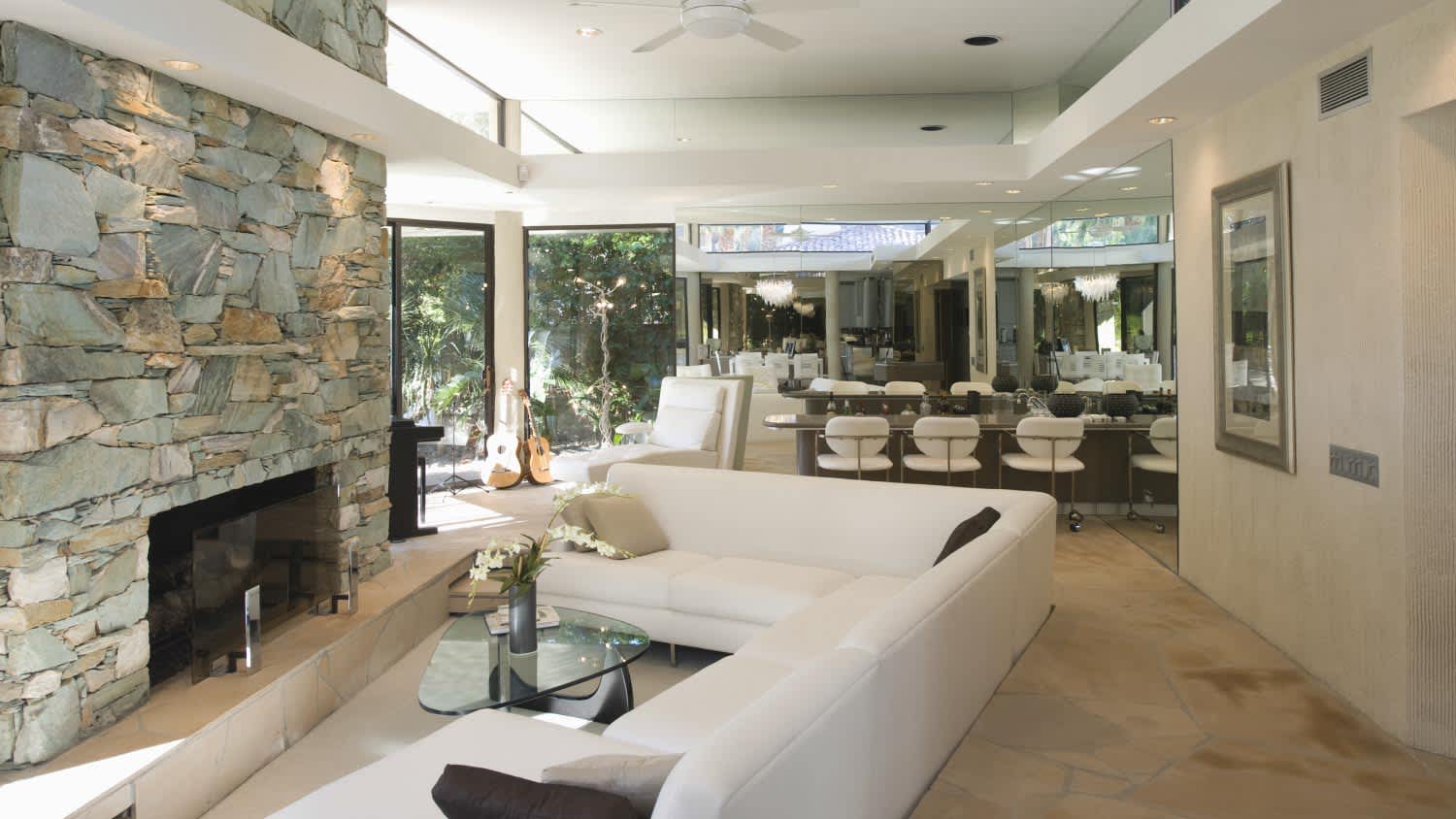
Recessed living rooms used to be popular but have fallen out of favor. This guide discusses the cost to raise a sunken living room to modernize your home.
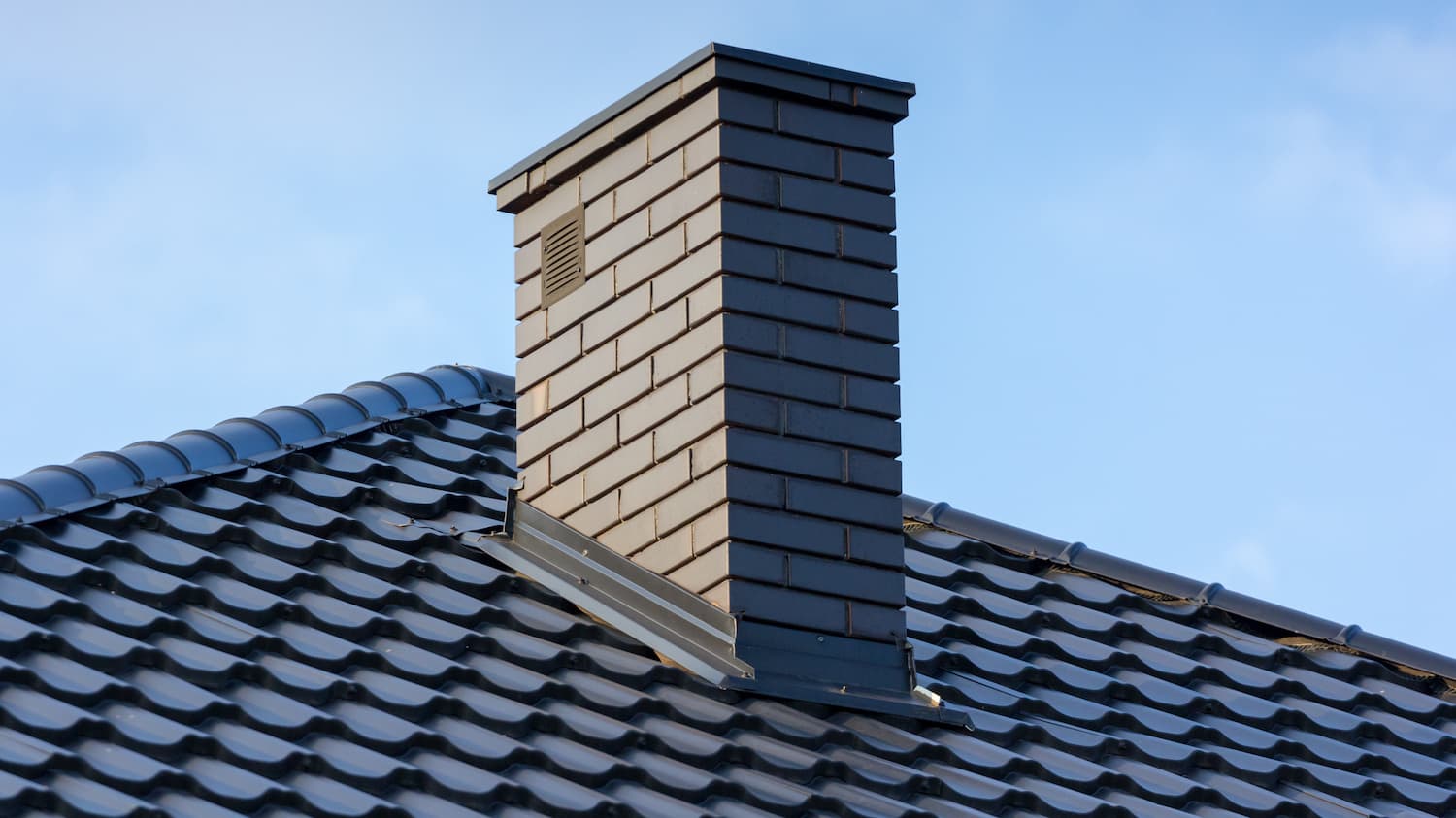
Chimney repair costs can vary by the type of chimney you have and the required repairs. Use this guide to help you estimate project costs.
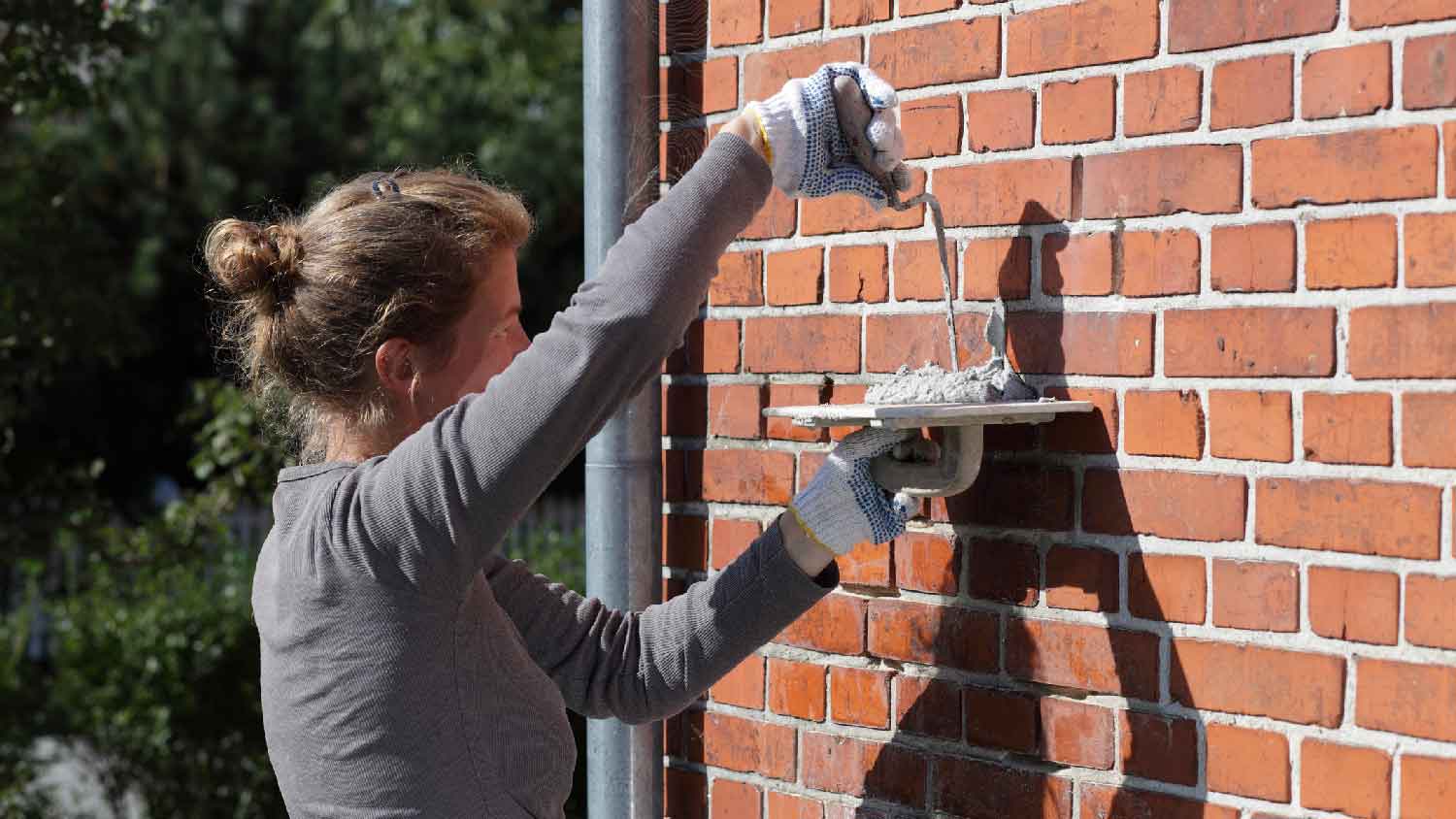
Learn how to hire a qualified tuckpointing pro for your masonry project. Find the right contractor, ask essential questions, and protect your home.
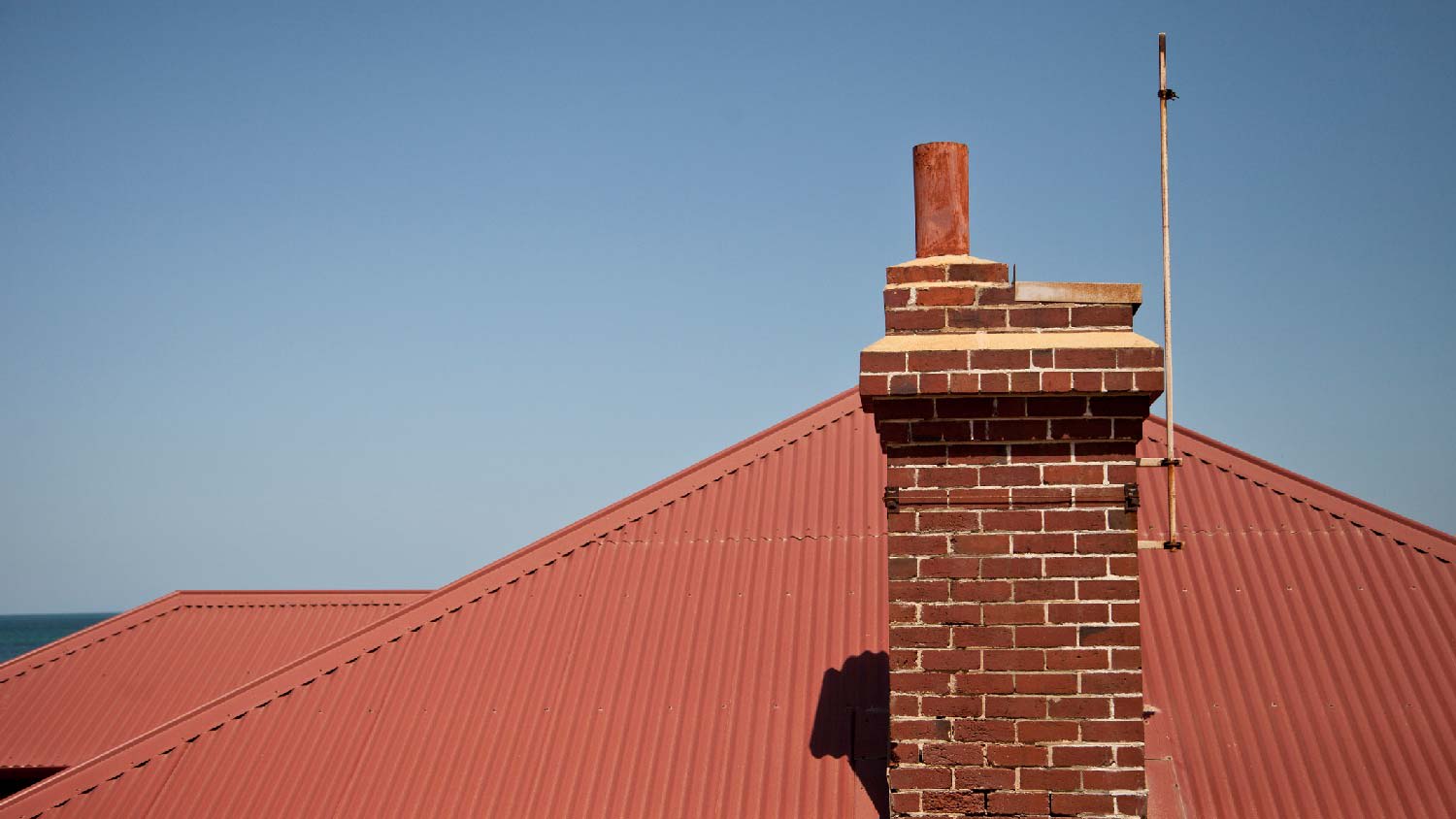
What is tuckpointing a chimney? Tuckpointing a chimney involves replacing old, damaged mortar to preserve its structural integrity and enhance its appearance.
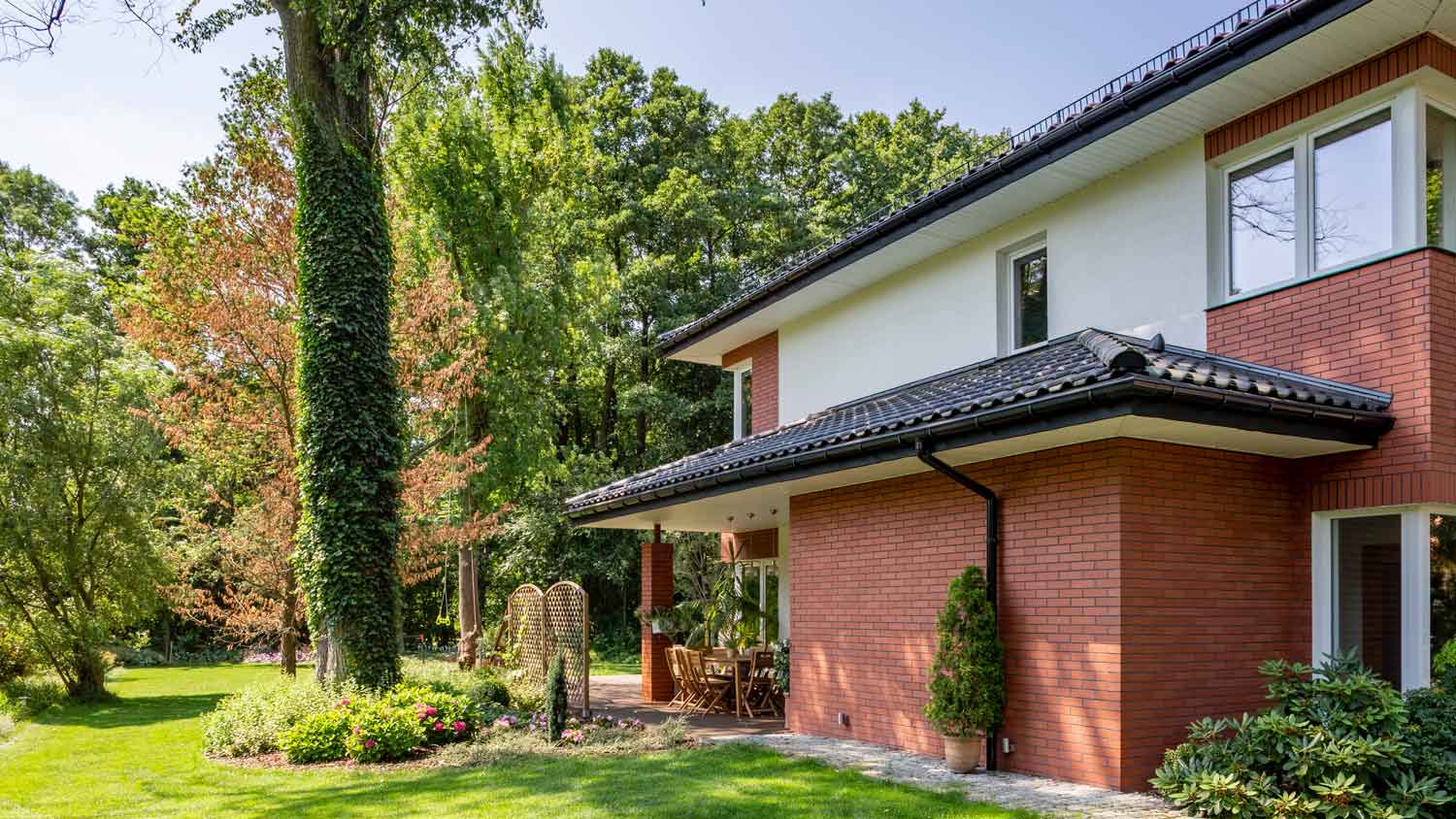
Wondering who to hire to tuckpoint brick? Learn which brick tuckpointing pros to call and how to choose the right fit for your project.