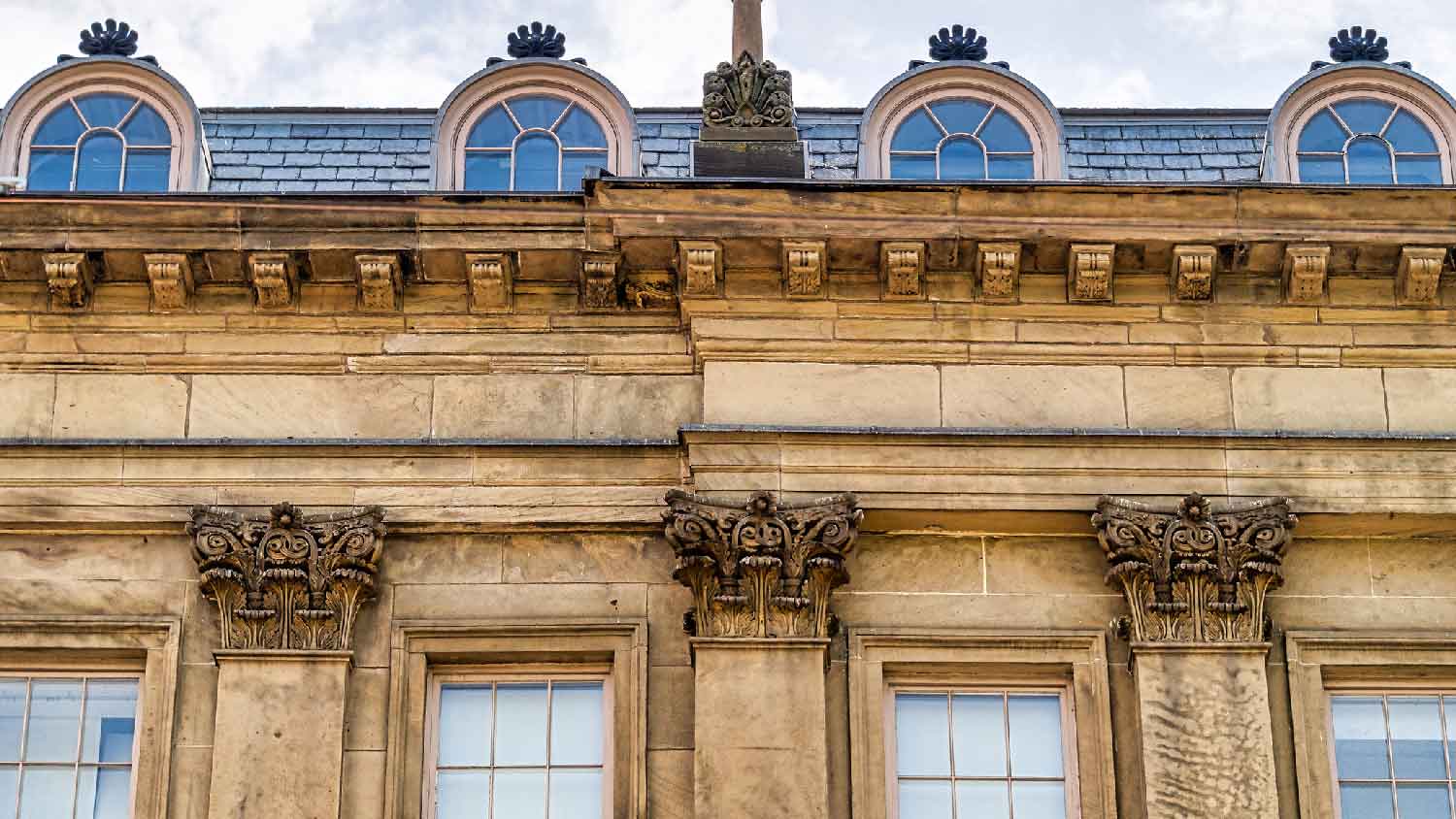
With inspiration from the 18th and 19th centuries, traditional design style incorporates a lot of ornate features and timeless details: tufted furniture pieces, wingback chairs, gold details, carved wood, and oil paintings. Here, consistency is key; you’ll see furniture that matches one another and has symmetry.
The traditional design strives for harmony and order with a warm and inviting feel.
To embrace this look, choose neutral backdrops for your space and reserve the pops of color for textiles, art, and decor. Use fabrics like silk and velvet for drapes, pillows, and couches. Accessories should be grand, such as vases, pianos, and china sets.
Homes with the traditional style also use a lot of gold and silver, such as chandeliers and candle holders, with damask wallpaper patterns. Wood panel walls with a fireplace as a focal point are also common.
Bohemian
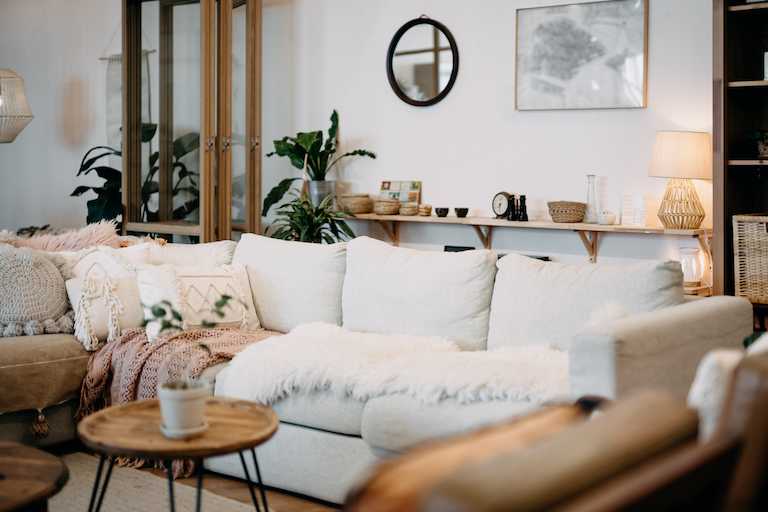
This whimsical design style emerged during the early 19th century in Paris, where artists began to adopt the low-cost, unorthodox lifestyle to prioritize individuality and creativity over wealth. The bohemian design follows a maximalist decor mindset, where instead of conforming to one idea, it incorporates many different philosophies and ideas from around the globe.
Bohemian decor is meant to be free and creative. There are no hard rules or limitations. Color palettes range from earth tones (browns, greens) to jewel tones and pastels. Plants and metallic fixtures are common, as are carefree layers of patterns, textures, and colors.
Adopt this look by layering different distressed rugs and using bright, textured pillows and throws. Slightly worn textures like rattan are preferable, and furniture pieces are usually vintage or second-hand. You can get creative decor such as travel souvenirs, flea market finds, and handmade pieces of art.