

How much does a whole-house dehumidifier cost? The final price can vary. Explore our cost guide to see what impacts the price and start budgeting now.
Don’t sweat the excess humidity in your home—get a dehumidifier

A dehumidifier's purpose is reducing moisture in your air to prevent mold, improve air quality, and protect your home from structural damage.
Whole-house dehumidifier installation costs $1,300 to $2,800, while portable units range from $150 to $3,000 depending on your home's needs.
You need a dehumidifier when humidity exceeds 60%, especially if you notice musty odors, condensation on windows, or peeling paint in your home.
Hiring a local humidifier installation professional ensures your whole-house system connects properly to your furnace and maintains consistent humidity control throughout your home.
Your home’s humidity is a delicate balance. If you’re wondering what a dehumidifier does, we’ve got you covered.
While you want a decent level of moisture in the air to keep humans, animals, and plants happy, high humidity levels can cause inadequate airflow, poor ventilation, mold growth, warping and possible compromise of your home’s structural integrity, and worsened health conditions, such as allergies and asthma. Fortunately, dehumidifiers can mitigate excess humidity and maintain an ideal, consistent humidity level. This guide will review functions, types of dehumidifiers, costs, and when to hire a dehumidifier professional.

A dehumidifier is an appliance designed to reduce the humidity in the air and maintain ideal indoor humidity levels in a home. It works by drawing in moist air, removing excess moisture, and then releasing drier air back into the environment. Dehumidifiers are commonly used to prevent mold growth, reduce allergens, and improve overall air quality in homes and other buildings.
There are several types of dehumidifiers, each suited for different needs:
Refrigeration Dehumidifiers: These are the most common type and work by cooling a metal plate to condense moisture from the air, which is collected in a tank. However, its performance suffers in cooler temperatures due to ice formation, making it less suitable for colder environments.
Desiccant Dehumidifiers: These units use a water-absorbing desiccant material to extract moisture from the air. They can operate at lower temperatures than refrigerant dehumidifiers and are smaller and lighter, but they consume a lot of power and are less reliable.
Whole-House Dehumidifiers: These dehumidifiers can be added to a furnace, providing consistent humidity control throughout the entire house. They are cost-effective and quiet, pushing fresh air from the loft space into the home and expelling damp air.

Most dehumidifiers remove 30 to 70 pints of water per day. However, whole-house dehumidifiers can remove about 100 pints of water per day. The amount of water a dehumidifier removes depends on three main factors: the unit's power, the room temperature, and the relative humidity of the air. Once the relative humidity reaches your desired level, the dehumidifier will operate intermittently to maintain it, resulting in even less water collected in the bucket.
The cost of installing a whole-house dehumidifier ranges from $1,300 to $2,800, depending on the type and capacity. As for other types of dehumidifiers, they can be anywhere from $150 to $3,000 or more, depending on the size, model, and brand. Small, portable models are available at the lower end of that price range, while larger, more industrial models are more expensive.
The ideal humidity level for a home is around 50% but can range from 30% to 50%. A humidity level higher than 60% means you should consider installing a dehumidifier. There are several different ways to measure your home’s humidity, but the easiest method is using a hygrometer.
Aside from looking at the numbers, there are other signs that indicate your home’s humidity level is too high:
Musty, mildewy, or moldy odor
Condensation on windows, mirrors, pipes, toilet bases, or any cool surface
Water stains and crumbly areas on the ceiling
Peeling paint on walls and ceilings, especially in bathrooms lacking proper ventilation
Dampness or discoloration on furniture and other surfaces
If you’re wondering, “What size dehumidifier do I need?” the answer depends on the square footage of the space and the level of humidity. For example, a small dehumidifier might work for a bathroom or closet, while a larger unit is necessary for basements or entire homes. Check the dehumidifier's capacity, which is typically measured in pints per day, to ensure it meets the demands of the space in question.
| Dehumidifier Size | Capacity |
|---|---|
| Small capacity | 30–35 pints |
| Medium capacity | 35–50 pints |
| Large capacity | 50–60 pints |
If you’re interested in a whole-house dehumidifier, a local humidifier contractor is the ideal professional for the job. By hiring the right pro to install a whole-house dehumidifier, you can ensure the unit is properly connected to your furnace and functions efficiently. Professional installation also ensures that your warranty remains valid and the installation is up to code.
Installing a whole-house dehumidifier requires professional expertise to ensure proper functionality and compliance with local codes. However, you can take several steps to reduce your home's humidity, such as using exhaust fans while cooking, limiting indoor plants, venting your dryer outside, and ensuring your HVAC system is in good working condition.
If you’re good people wanting to do business with good people, hire Matt. He is a consummate professional and utterly competent. He installed a water heater in my home at a price that beat competitors by hundreds of dollars with a promise to support the unit for its life (even after its 6 yr...
 Greene's Plumbing Services
Corey Carr was great. I had damage from a recent storm and needed to have my mast and other components replaced. The project entailed coordinating with AEP, and Corey helped make a stressful situation a lot less stressful. I really appreciated his dedication to service and the job very well done.
 Mr. Electric of Columbus
This service was great. My air conditioner went out during the heat spell that we had. My husband has health issues and they came out that night and at 9:30pm the air conditioner was fixed and running. We are sooo very thankful, this is the company I will be using from now on and would...
 Mr. Mechanical Ohio
I normally do not leave reviews, but my experience with Worthington Air was extremely frustrating and disappointing. About 30 days ago, I had a consultation done for an HVAC replacement and was quoted approximately $15,079. Based on that quote, I applied for financing through their company...
 ARS Columbus Worthington Air
Great company! Price was competitive, technician showed up on time and completed the job (exterior electric Radon fan replacement) quickly. Would hire them again.
 MaGen Property Inspections and Radon Mitigation
Raven and crew does absolutely fantastic job. They are very professional if any concerns were to occur with any of her work she always took responsibility and finished out with a great job. I have worked with her business for a year and have always been satisfied. Very trusted business and...
 Creations of Transformation LLC
I would recommend this company to anyone! He showed up on time, was friendly, completed a very difficult repair on our dryer vent cover, was responsive, and pricing was extremely fair and competitive. I would have him back to do any of our repairs or cleanings without hesitation!
 U.S.A. Dryer Vent, LLC
Ace Fireplace Services' chimney sweep service is truly exceptional. They used advanced technology to ensure a thorough cleaning process, and my chimney has never looked better. I highly recommend their services.
 Ace Fireplace Services
The technician was very professional and friendly. He answered all my questions and was very thorough. He left the fireplace area very clean . He inspected from the roof and advised me as to other work that might need to be done. There was no pressure there. I was very satisfied with the...
 Supreme brick & chimney
On time, clean and finished fast. Windows seem sturdy and the finish is good. Caulking was done with no smudges. Would recommend.
 Window Depot USA of Central Ohio
From average costs to expert advice, get all the answers you need to get your job done.
How much does a whole-house dehumidifier cost? The final price can vary. Explore our cost guide to see what impacts the price and start budgeting now.
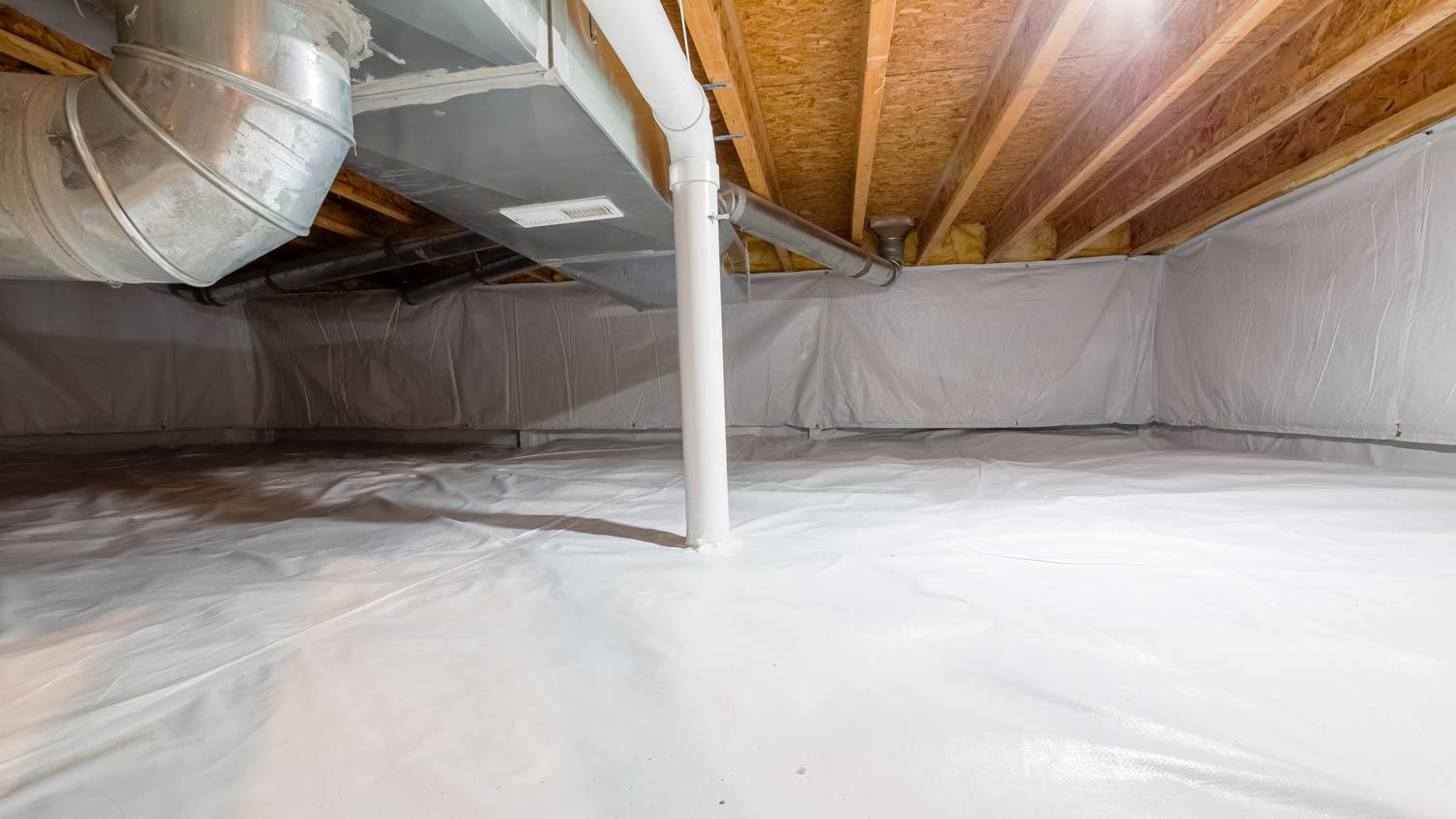
Crawl space dehumidifier costs are worth it if you consider their effect on energy bills and avoiding moisture damage. Learn what makes up the total cost of the project.
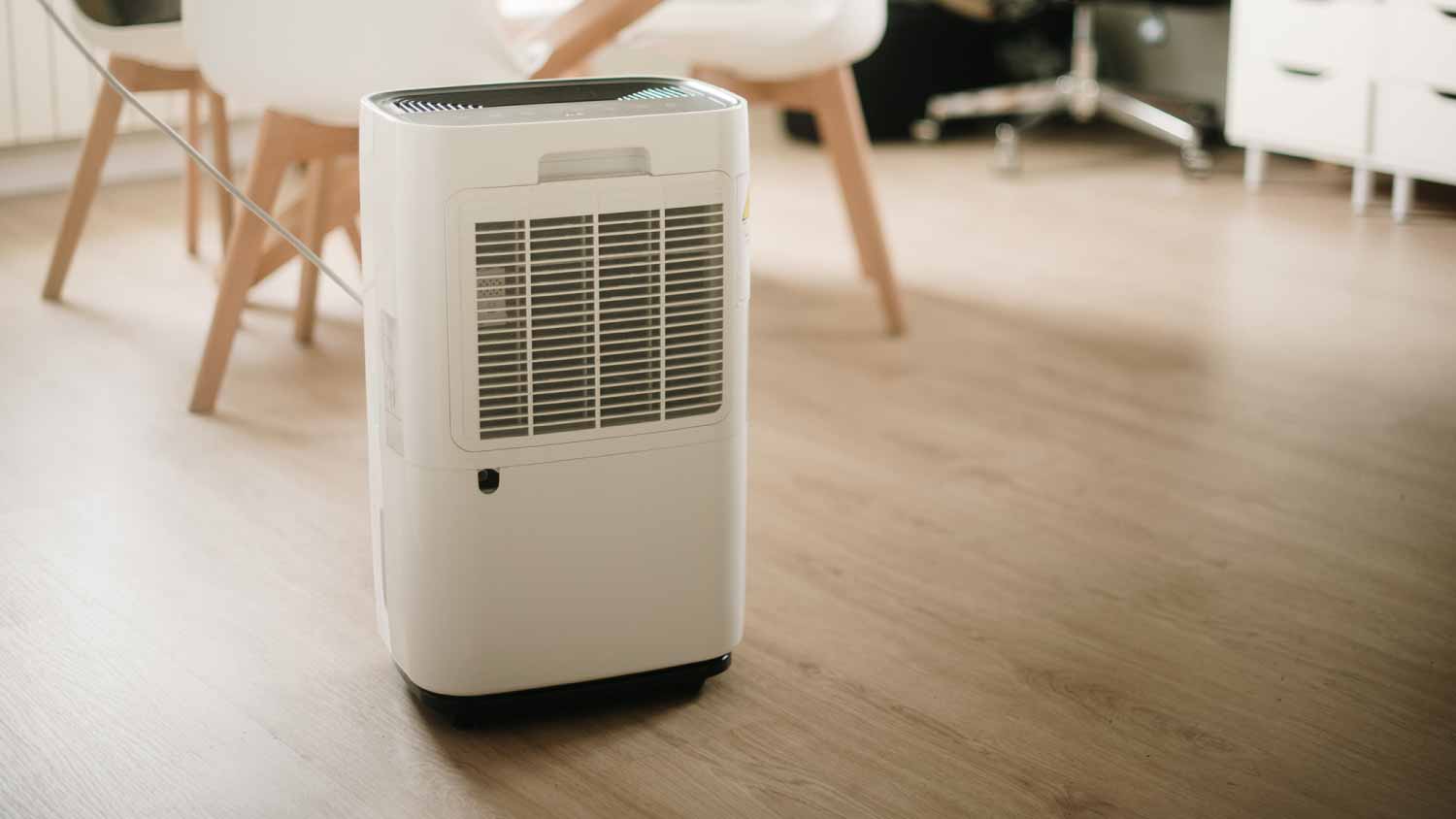
A cool room is a comfortable one, but a dehumidifier can’t always guarantee lower temperatures. Read on to decide if you need a dehumidifier and how they can benefit your home.
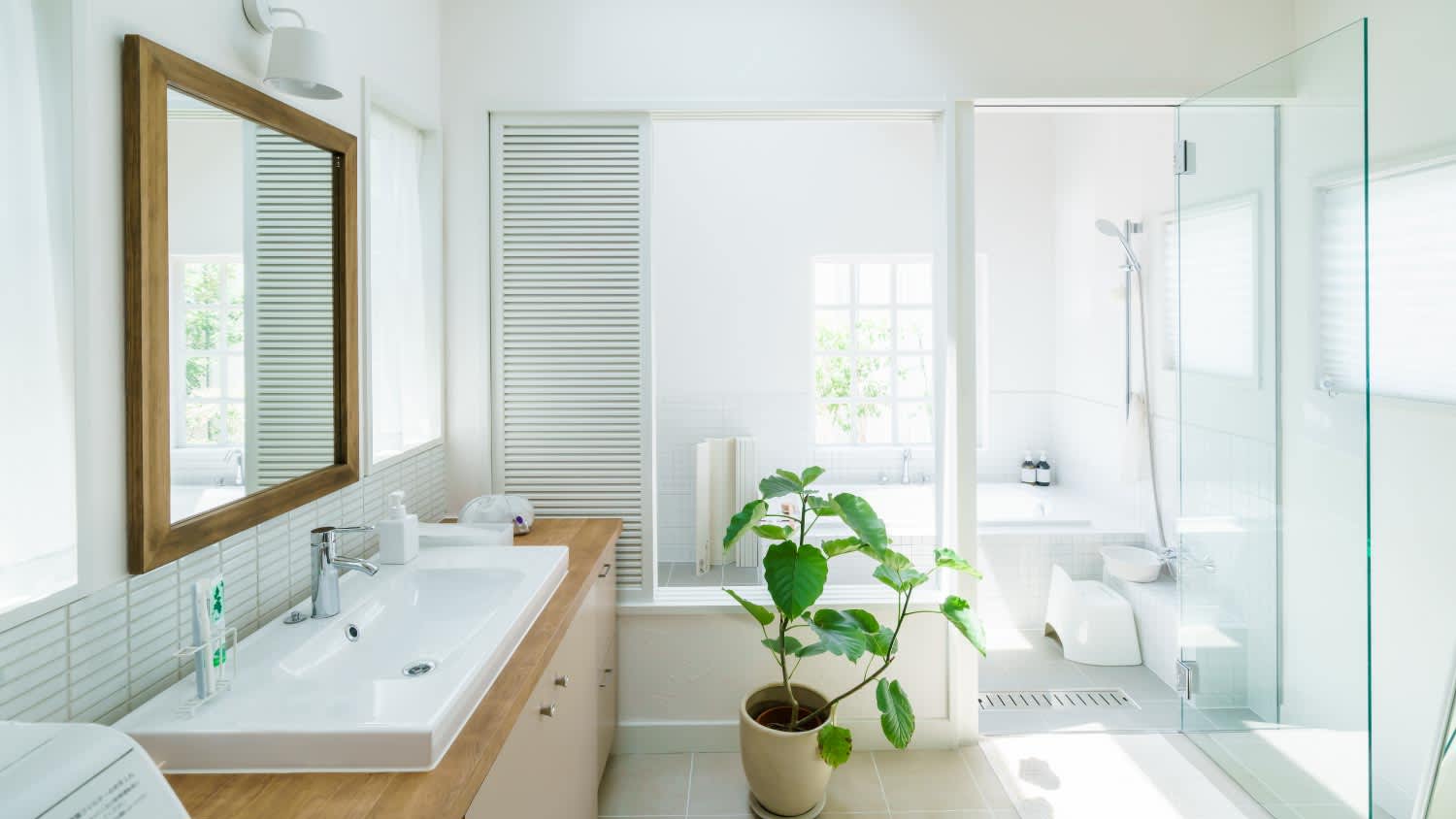
Humidity and moisture provide the ideal breeding ground for mold and mildew. Here’s how a dehumidifier prevents mold—and what else you can do to keep it at bay.

We’re here to help if you’re wondering what size dehumidifier do I need? Our guide will help you choose the correct model for your needs.
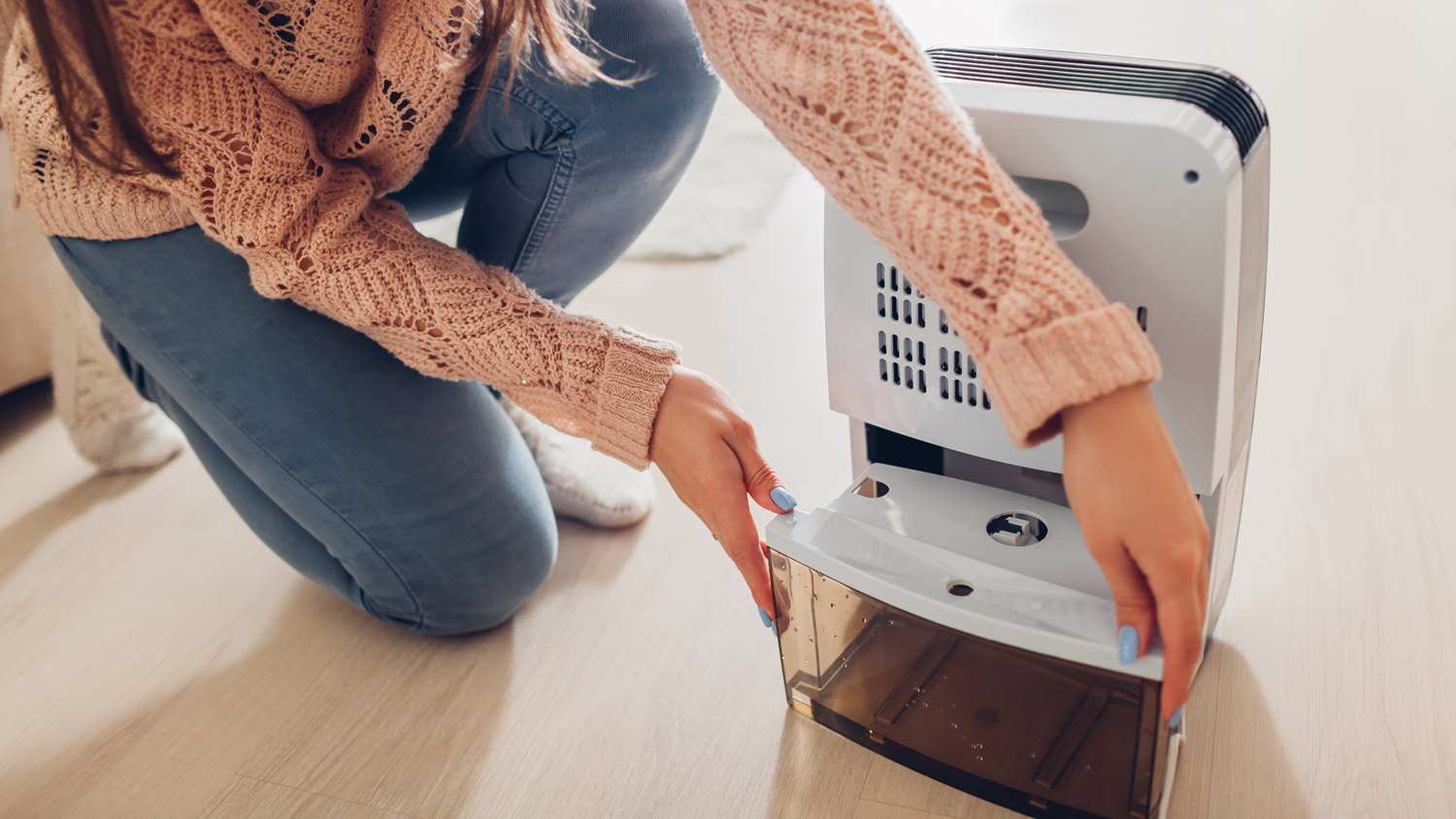
If your home’s humidity levels are outside the ideal range, you might need a humidifier vs. dehumidifier. Find out the key differences between the two.