
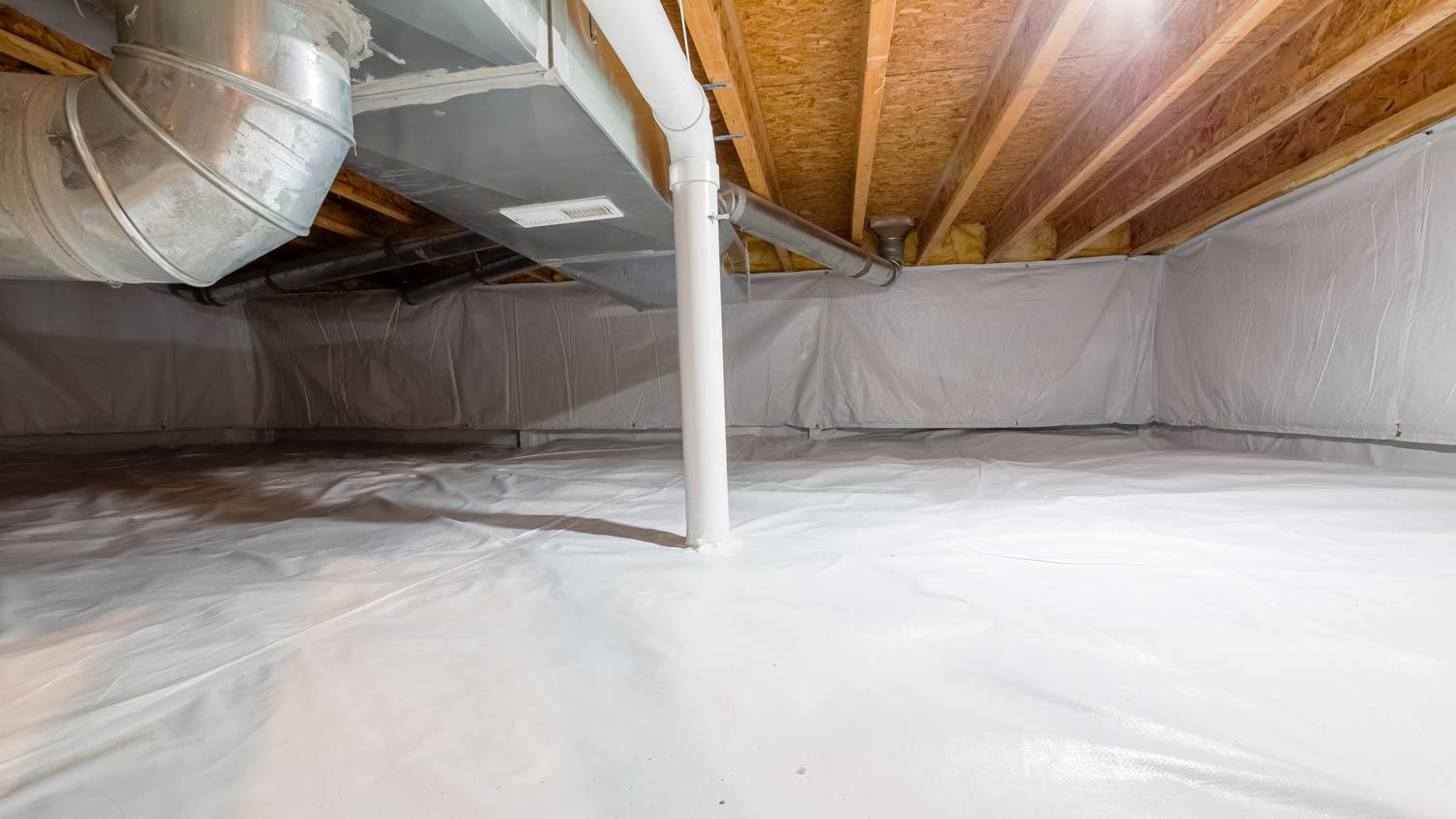
Crawl space dehumidifier costs are worth it if you consider their effect on energy bills and avoiding moisture damage. Learn what makes up the total cost of the project.
Rid your home of dampness with a few easy measurements

The dehumidifier size you need depends on your space, with small rooms requiring 10 to 12 pints and large houses needing 40 to 50 pints.
Standard portable dehumidifiers are rated around 30 pints, providing enough capacity for a large room or small house up to 2,000 square feet.
Your choice depends on square footage, moisture levels, insulation quality, and whether you have major humidity sources like washers or dishwashers in the room.
Hiring a local humidifier repair professional provides helpful guidance on sizing and placement, keeping your home comfortable without guesswork about capacity or coverage.
Excess humidity inside your home can lead to problems like mold growth and peeling paint—not to mention sweaty, uncomfortable people. A dehumidifier is a great solution: It draws water out of the air and either stores it in tanks for disposal or pumps it through a hose out of a window. When shopping for a dehumidifier, you may wonder what size humidifier do I need? You’ll want to look for the number of pints that it can remove per day and then use that number, along with information about the size of your room or house, to find the right dehumidifier for you. Here’s how it all works.

The physical dimensions of a dehumidifier don’t matter much compared to how much water it can remove from the air over a specific length of time. For today’s dehumidifiers, that figure is measured in pints over 24 hours, so all models should come labeled with a clear pint number. Some also add a square footage recommendation to make things easier for homeowners.
There’s not really a one-size-fits-all choice for dehumidifiers, since they should always be chosen based on the space you want to dry out (more on that below). However, average-sized portable dehumidifiers are rated around 30 pints, about enough for a large room or small house.
The right kind of dehumidifier will depend on the moisture level of your air, which can vary immensely across the United States. Having said that, here are some general recommendations for different room sizes.
| Room Size | Dehumidifier Size |
|---|---|
| Small room | 10–12 pints |
| Large room | 20–22 pints |
| Small house or apartment | 30–35 pints |
| Large house | 40–50 pints |
These dehumidifiers are the smallest portable models, typically rated for around 10 to 12 pints. They’re good for putting under desks or keeping small laundry rooms or children’s rooms drier, but they’re not suitable for any significant moisture problems.

These dehumidifiers are usually rated around 20 to 22 pints and work best in larger rooms like bedrooms. They may also be suitable for bathrooms and kitchens where a lot of moisture tends to accumulate.
Rated at around 30 to 35 pints, these dehumidifiers are suitable for an apartment, small home, or open living space around 1,500 to 2,000 square feet.
These dehumidifiers are usually rated around 40 to 50 pints and are ready to tackle larger spaces like whole homes, especially when placed in a central location.
There’s also another dehumidifier option that’s more common in very humid climates: installing a whole house dehumidifier directly into the HVAC system, so it runs right along with your heating and cooling. That’s a lot easier to manage than a portable model, but these also tend to be significantly more expensive. These powerful models typically start around 70 to 80 pints and go up from there.
These large, powerful dehumidifiers are designed for specific projects where it’s important to dry out spaces or materials, often as part of construction work. A serious hobbyist may consider one for woodworking or similar pursuits, but they’re not designed to lower humidity in the average home.
Desiccant dehumidifiers use chemical compounds that automatically extract moisture from the air. Think of those little packs you find in small bottles or bags of food, but much larger. While they’re available to consumers, they’re typically one-time use and are only suitable for very small spaces. You should not use these as home dehumidifiers.
The easiest way to measure for a dehumidifier is to calculate the square footage of the room or house that you want to dry out. It’s okay to estimate a little if you have an oddly-shaped room. If you have high ceilings, you’ll have a lot of extra moisture to remove, so it’s a good idea to scale up.
Once you know the square footage, you can narrow down your dehumidifier options. For rooms under 500 square feet, a small model that can remove around 10 to 12 pints per day is the best choice (unless the humidity is very severe). That should be enough for an office, small bedroom, laundry room, or many other rooms in a house.
For spaces over 500 square feet, add about 4 pints for each additional 500 square feet. When in doubt, round your numbers up. If you have serious issues with dampness, increase the numbers by about 10 pints overall. If you have major sources of moisture like a washer or dishwasher, lots of open spaces leading into a room, or lots of people who spend time in the room, add several more pints for each potential humidity source. You should ultimately end up with a pints-per-day figure you can use to make a buying decision.
Still not sure what’s best for your home? Contact a local dehumidifier installation pro for advice.

The right size of dehumidifier depends not only on the size of your home, but how the dehumidifier is used. Consider these factors when choosing and operating your dehumidifier:
As we mentioned, knowing the square footage of your home or room makes it easier to find a dehumidifier option that will work well for you.
The more humidity, the more powerful a dehumidifier should be. Generally, a dehumidifier should be able to reduce humidity levels to around 50% in summer or the wet season. For very damp rooms like basements, it’s a good idea to bump up the capacity of the unit by several pints. Most modern dehumidifiers allow you to set your desired humidity level via a built-in humidistat, which is like a thermostat but for moisture in the air.
If you don’t want to frequently empty out a dehumidifier container, then a larger option with a drainage hose is probably a better choice. But keep in mind that dehumidifiers with tank systems tend to be more portable — so there are convenience considerations on both sides.
Dehumidifiers work best in an unobstructed area of the most humid room. They won’t work as well pushed against a wall or in tight surroundings.
Drafts, gaps, and air leaks all make a dehumidifier work harder. Opening windows or doors to let a breeze in may feel good, but it will prevent a dehumidifier from doing its job. With good insulation and airflow practices, dehumidifiers become much more efficient.
You’ll know if your humidifier isn’t working because, well, your home will still be too wet. You have several options for how to deal with it:
Turn up the dehumidifier settings to see if it can move more water out of the air more quickly and fix the issue.
Keep your current dehumidifier and add a couple of smaller additional dehumidifiers in the areas of your home that seem the worst.
Look into switching to a whole-house dehumidifier installed in your HVAC system or a much larger model that can move significantly more water.
Check your warranty and return policy to see if you can return or exchange your model.
Understand the limits of dehumidifiers. There’s only so much dehumidifiers can do in high-humidity areas, especially if moisture keeps seeping into the air, like in basements. If humidity problems are that bad, it’s a good idea to add drainage and other solutions rather than relying solely on a dehumidifier.
Corey Carr was great. I had damage from a recent storm and needed to have my mast and other components replaced. The project entailed coordinating with AEP, and Corey helped make a stressful situation a lot less stressful. I really appreciated his dedication to service and the job very well done.
 Mr. Electric of Columbus
This service was great. My air conditioner went out during the heat spell that we had. My husband has health issues and they came out that night and at 9:30pm the air conditioner was fixed and running. We are sooo very thankful, this is the company I will be using from now on and would...
 Mr. Mechanical Ohio
I normally do not leave reviews, but my experience with Worthington Air was extremely frustrating and disappointing. About 30 days ago, I had a consultation done for an HVAC replacement and was quoted approximately $15,079. Based on that quote, I applied for financing through their company...
 ARS Columbus Worthington Air
Great company! Price was competitive, technician showed up on time and completed the job (exterior electric Radon fan replacement) quickly. Would hire them again.
 MaGen Property Inspections and Radon Mitigation
As usual with ECO, tech Jordan was outstanding, very professional, very knowledgeable, and very thorough with repairs made to tankless water heaters. Very highly recommend ECO!!!
 Eco Plumbers, Electricians, and HVAC Technicians
Raven and crew does absolutely fantastic job. They are very professional if any concerns were to occur with any of her work she always took responsibility and finished out with a great job. I have worked with her business for a year and have always been satisfied. Very trusted business and...
 Creations of Transformation LLC
I would recommend this company to anyone! He showed up on time, was friendly, completed a very difficult repair on our dryer vent cover, was responsive, and pricing was extremely fair and competitive. I would have him back to do any of our repairs or cleanings without hesitation!
 U.S.A. Dryer Vent, LLC
Ace Fireplace Services' chimney sweep service is truly exceptional. They used advanced technology to ensure a thorough cleaning process, and my chimney has never looked better. I highly recommend their services.
 Ace Fireplace Services
The technician was very professional and friendly. He answered all my questions and was very thorough. He left the fireplace area very clean . He inspected from the roof and advised me as to other work that might need to be done. There was no pressure there. I was very satisfied with the...
 Supreme brick & chimney
Excellent experience with hiring Tether House to Mount our 77’ Samsung TV in our bedroom. Fast, friendly, and knowledgeable. Highly recommend.
 Tether House
From average costs to expert advice, get all the answers you need to get your job done.
Crawl space dehumidifier costs are worth it if you consider their effect on energy bills and avoiding moisture damage. Learn what makes up the total cost of the project.

How much does a whole-house dehumidifier cost? The final price can vary. Explore our cost guide to see what impacts the price and start budgeting now.
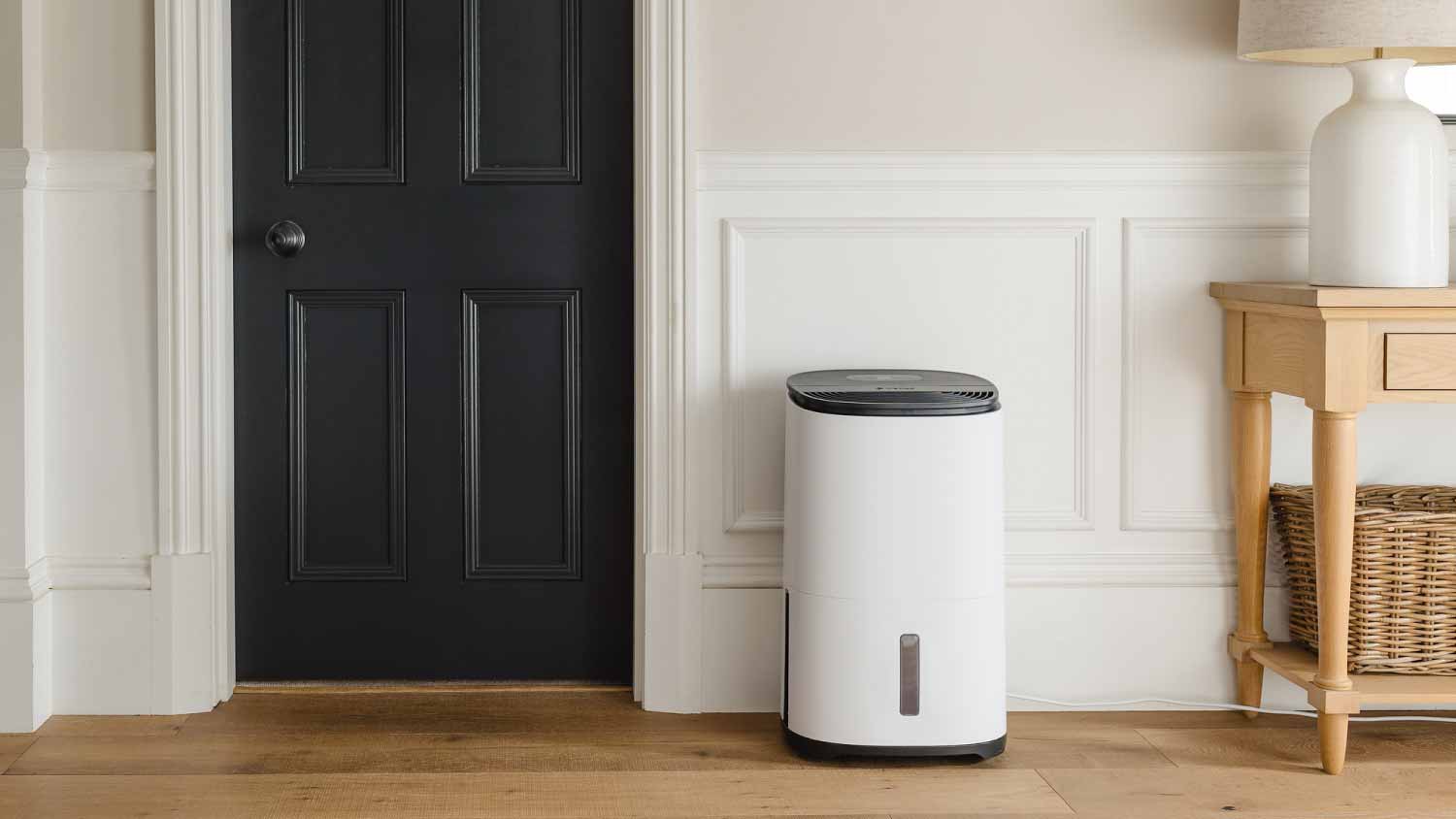
What does a dehumidifier do? Find out how a dehumidifier works to reduce the humidity in your home.
A whole-house dehumidifier is a necessity when the relative humidity levels surpass 50%. Find out who installs dehumidifiers—and why you need one—here.
Humidity and moisture provide the ideal breeding ground for mold and mildew. Here’s how a dehumidifier prevents mold—and what else you can do to keep it at bay.
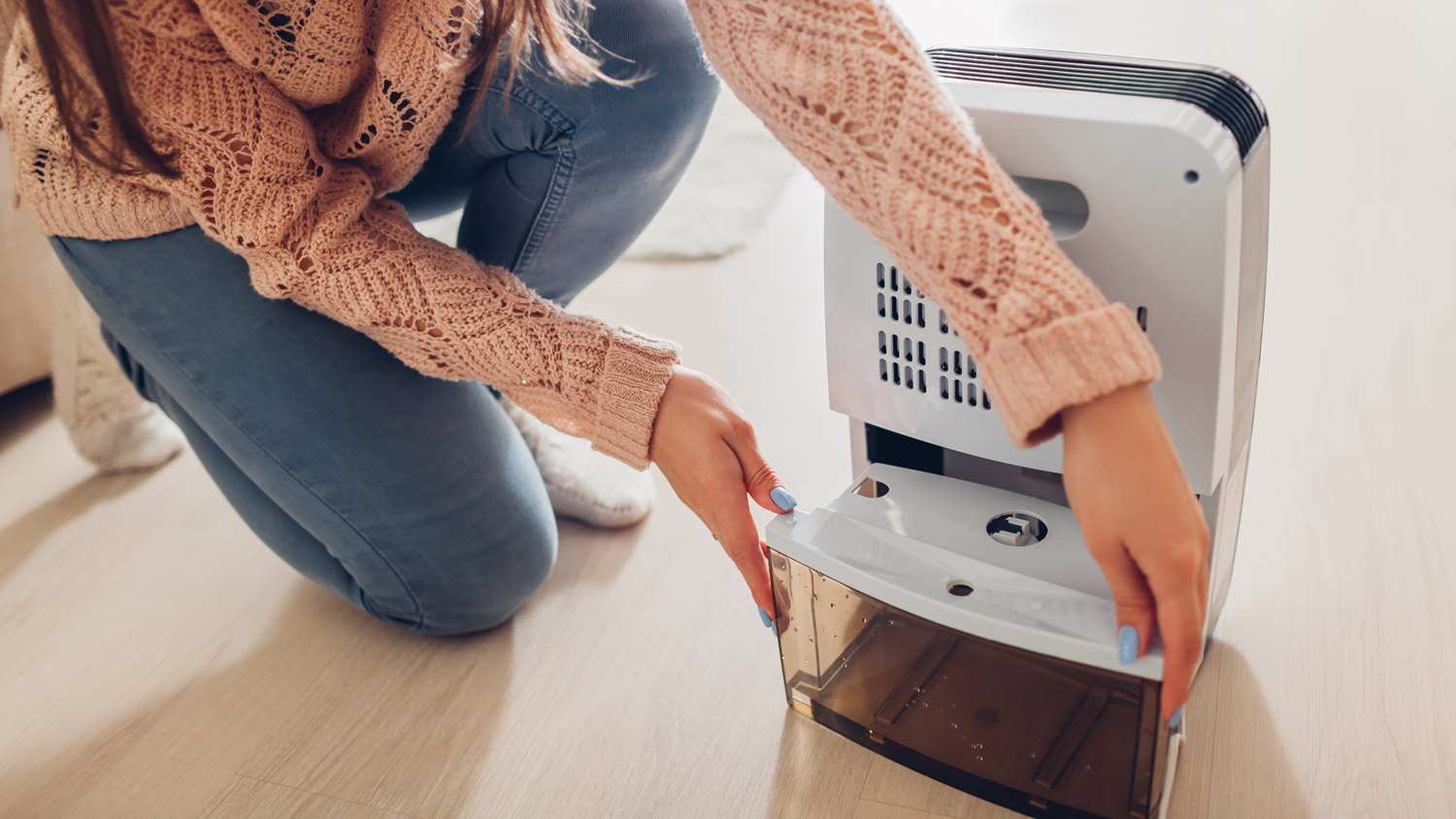
If your home’s humidity levels are outside the ideal range, you might need a humidifier vs. dehumidifier. Find out the key differences between the two.