
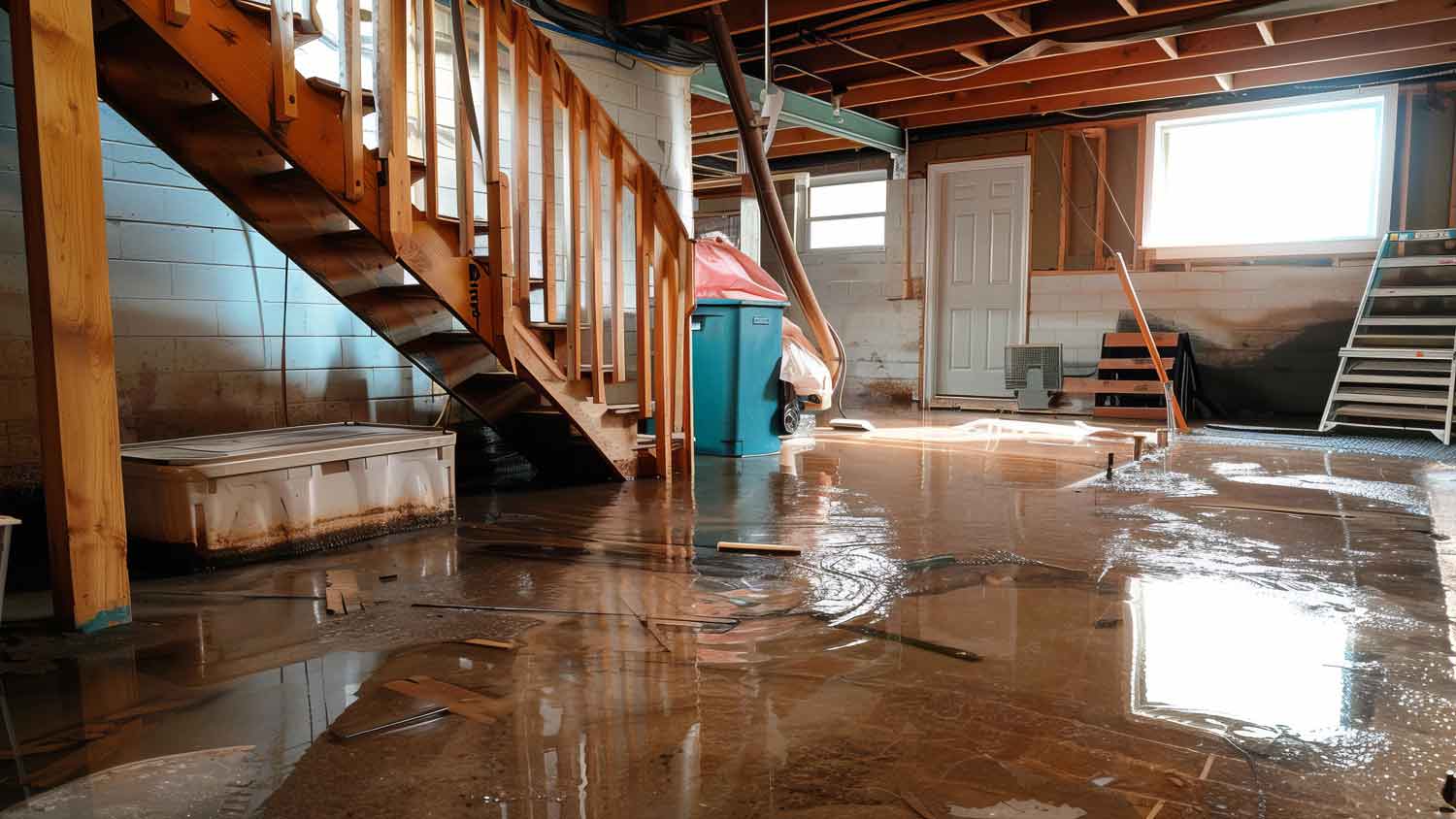
Discover flooded basement cleanup cost estimates, key price factors, and tips to save money. Learn what impacts your total cost and how to budget for cleanup.
Wash away your confusion about these two types of damage

Water damage and flood damage both harm your home, but water damage starts inside from plumbing or leaks while flood damage comes from outside natural events.
Insurance coverage differs significantly: your homeowners policy covers water damage from burst pipes, but flood damage requires a separate flood insurance rider you purchase beforehand.
Your choice between prevention methods depends on the source: interior plumbing maintenance prevents water damage, while exterior drainage and landscaping help protect against flood intrusion.
Hiring a local water damage restoration professional provides confident guidance on identifying damage sources and completing full restoration, keeping your home safe and structurally sound.
You may think all the damage that water can cause to your home is the same, but flood damage and water damage are actually very different. Knowing how they differ can help you understand what to expect when you’re dealing with either water damage or flood damage in your home. Our guide explores some key differences between the two to help you identify which one you have.
| Type of Difference | Water Damage | Flood Damage |
|---|---|---|
| Origin | Plumbing, leaks, appliances | External natural events |
| Location of Damage | Can start from overhead or in the walls | Starts from the ground |
| Prevention | Plumbing and drainage maintenance | Landscaping and drainage maintenance |
| Insurance Coverage | May be covered | Need a flood insurance rider |
These two types of damage may seem interchangeable, but there are some important differences. Water damage originates inside your home and is normally included in insurance coverage, while flood damage comes from exterior, natural sources and is often only covered by separate flood insurance. The two also differ in the types of damage caused, prevention methods, and restoration specifics.
While both water damage and flood damage are caused by water, where that water originates makes all the difference. Causes of water damage include burst or leaky pipes, roof leaks, plumbing issues, faulty appliances, and more. Water damage can originate from overhead, in the walls, or on the floor, but the damage is caused by conditions in your home.
Flood damage, on the other hand, originates from outside your home when water makes its way in. Flood damage can be caused by natural disasters, heavy rain leading to ground flooding, overflowing bodies of water like rivers or ponds, or any other natural circumstance that leads to too much groundwater accumulation.

There’s a lot of overlap in how water damage and flood damage can affect your home—they can both lead to ruined flooring and walls, saturated items, and mold growth—but there are a few differences. Since flood damage originates from groundwater, you’ll see more damage in your basement and your foundation. Signs of basement water damage include standing water, wall cracks, and sinking concrete.
Water damage that originates inside your home can start in your ceilings or between the walls, so your interior structural elements often bear the brunt of the damage. You’re also less likely to see exterior damage than flooding since the water is starting inside rather than outside.
When your basement floods, knowing whether it’s from exterior flooding or interior causes can help you know who to call for water damage.
The first thing you should do to mitigate water damage is immediately stop the water source if you can. Remove all the standing water you can see with towels or pumps and dry the affected areas with fans and dehumidifiers. At this point, you'll likely need to call a professional water damage restoration company to fully restore your home.


You can’t prevent Mother Nature from creating conditions that lead to floods, but you can take some steps to minimize damage to your home. Ensuring your yard is graded properly, installing a sump pump, waterproofing your basement, and elevating your water heater can all help minimize flood damage.
There’s a lot you can do to prevent water damage within your home. Promptly repair any plumbing leaks, have your roof inspected annually and repair any damage, keep your gutters clean, and have your HVAC system serviced regularly. By addressing the most common causes of water damage, you can reduce your risk of something going very wrong.
Wondering if homeowners insurance covers water damage? It depends. Most insurance policies will cover sudden and accidental water damage from something like a burst pipe but may not pay claims that result from negligence or regular wear and tear. Flood insurance is not included in most insurance policies—you’ll need to purchase a separate flood insurance rider or policy to cover flood damage.
One main difference in the restoration process for water damage and flood damage is who’s paying for it. Flood damage will be out of your own pocket unless you have flood insurance, while your insurance company may cut a check to pay water damage restoration costs. Flood damage can cause significant structural issues, so hire a water damage restoration company with experience in restoring flood-damaged properties if you’ve experienced flooding. A local water damage restoration pro can assess the type and extent of the water damage or flood damage in your home to ensure it’s restored back to its original condition.
If you’re good people wanting to do business with good people, hire Matt. He is a consummate professional and utterly competent. He installed a water heater in my home at a price that beat competitors by hundreds of dollars with a promise to support the unit for its life (even after its 6 yr...
 Greene's Plumbing Services
Corey Carr was great. I had damage from a recent storm and needed to have my mast and other components replaced. The project entailed coordinating with AEP, and Corey helped make a stressful situation a lot less stressful. I really appreciated his dedication to service and the job very well done.
 Mr. Electric of Columbus
This service was great. My air conditioner went out during the heat spell that we had. My husband has health issues and they came out that night and at 9:30pm the air conditioner was fixed and running. We are sooo very thankful, this is the company I will be using from now on and would...
 Mr. Mechanical Ohio
Positive experience. As previously stated, the replacement/repair could not be completed (no fault of the plumbing tech) b/c misinformation was rec?d by property management maintenance. Thanks to the plumbing tech for your efforts. Appreciate you!
 The Waterworks
Carpet repair done well. Scheduling was easy. Showed up on time.
 BR Flooring Installation
As usual with ECO, tech Jordan was outstanding, very professional, very knowledgeable, and very thorough with repairs made to tankless water heaters. Very highly recommend ECO!!!
 Eco Plumbers, Electricians, and HVAC Technicians
I would recommend this company to anyone! He showed up on time, was friendly, completed a very difficult repair on our dryer vent cover, was responsive, and pricing was extremely fair and competitive. I would have him back to do any of our repairs or cleanings without hesitation!
 U.S.A. Dryer Vent, LLC
Everything from initial contact to completion was absolutely top notch. We contacted the business during off hours to leave a message, and the owner still reached out to feel out the issue within minutes. We were scheduled and repaired within 48 hours. I cannot say enough about the...
 Supreme brick & chimney
Ace Fireplace Services came to the rescue for my chimney repair. They were quick to pinpoint the issue and worked their magic to fix it. My chimney is now in excellent shape, and I'm a satisfied customer.
 Ace Fireplace Services
When we had the winter freeze, I called Quantum Waterworks Waterline & Drain Cleaning Services and within 1 hour I received an e-mail and he sent someone out the next day and he was on time, he was nice and did the job quickly and cleaned up after himself. We had a leak in our kitchen from...
 Quantum Waterworks Waterline & Drain Cleaning Services, LLC
From average costs to expert advice, get all the answers you need to get your job done.
Discover flooded basement cleanup cost estimates, key price factors, and tips to save money. Learn what impacts your total cost and how to budget for cleanup.

Has your area been affected by flooding? Use this water damage restoration checklist to help save your home and protect your belongings.
Are you in deep water and wondering who to call when your house floods? More than likely, the list includes a few different pros. Get the details in this guide.

When a burst pipe or flash flood happens, it’s critical to act fast. Learn about water damage cleanup and how to mitigate water damage in your home.

Water damage is an expensive headache for both homeowners and renters. Learn if renters insurance covers flooding and other types of moisture damage.

Even small floods can wreak havoc outside and inside your home. Learn what damage a flood can cause, how to prevent the worst of it, and what to do after flooding.