
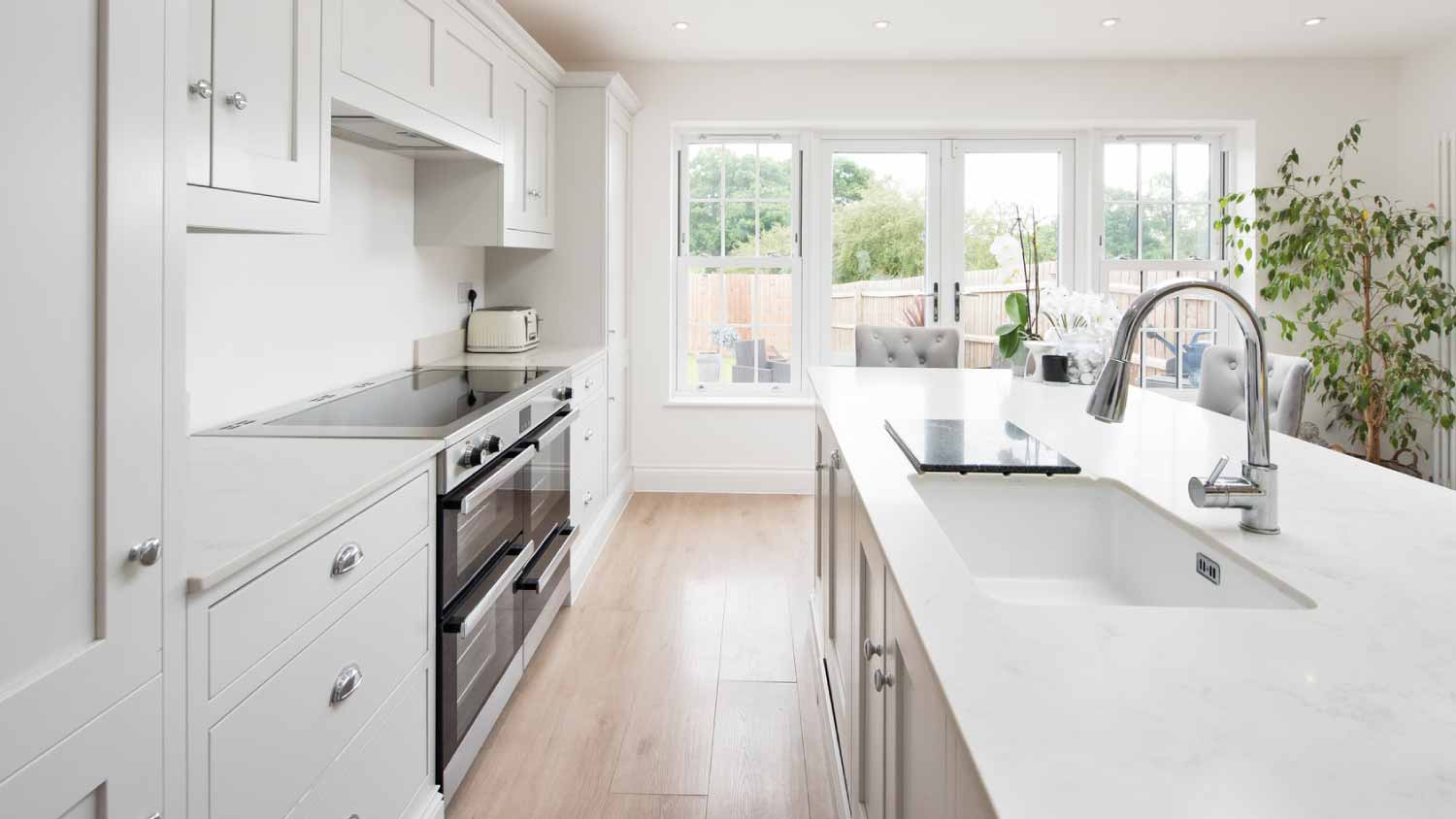
Tired of finding hard water stains around your home? Learn how to remove hard water stains from toilets, shower doors, counters, and more.
Follow these steps to have your dishes looking as good as new

Hard water stains on dishes form when calcium and magnesium minerals from your water evaporate, leaving behind visible deposits and streaks.
DIY supplies for removing hard water stains from dishes cost under $5 for white vinegar or rinse aid, while water softeners cost $200 to $6,000.
You can eliminate hard water stains by running a dishwasher cycle with white vinegar, lemon juice, or borax placed in a bowl on the top rack.
Hiring a local house cleaning professional provides reliable support for removing limescale buildup throughout your home when hard water affects multiple surfaces beyond just dishes.
Last time you checked, your home isn’t the jungle, but if your dishes have hard water stains, all those spots and streaks may have you wondering if leopards lurk somewhere in your kitchen cupboards. But don’t fear—with these simple steps, you can rid your dishes of hard water spots and have your dishes looking brand-spanking new. Stay tuned to learn how to remove hard water stains from dishes.
Hard water stains accumulate from hard minerals in your drinking water—most namely, calcium and magnesium. Exactly how hard your water is depends on your environment. Hard minerals come from sedimentary rocks like limestone. As underground water filters through the limestone, these minerals collect along the way. Since calcium and magnesium don't pose harm to drinking water, most municipalities don't filter them out.
Removing hard water stains from dishes is a relatively cheap chore. The upfront cost of removing hard water stains from dishes is less than $5 if you decide to use white vinegar or a rinse aid. However, a more permanent solution, like installing a water softener, costs anywhere from $200 to $6,000.
Hard water isn't shy. Aside from testing your water hardness by using a water testing kit, you'll find signs of hard water on far more than just your precious dishes. Here are the most common ways to tell if you have a hard water problem:
Mineral deposits on dishes
Limescale on shower, sinks, and faucets
Dry hair
Itchy skin
Stiff, dull clothes
Plumbing issues
Higher electric bills
Poor-performing appliances

Try out these DIY hacks for removing hard water stains from your dishes in time for your next family or friend gathering.
Before you whip out the heavy-duty cleaning solutions, there are several homemade ingredients you can use to remove hard water stains from dishes.
Is there anything distilled white vinegar can’t do? When it comes to blasting away mineral deposits from your dishes, dishwasher, clothes, sinks, showers, and toilets, you’ll find vinegar is a popular go-to solution for a reason. The acidity of the vinegar breaks down the very basic limescale, leaving behind good-as-new dishes.
You can use white vinegar in place of your dish soap if you’re washing dishes by hand, or you can add vinegar to your dishwasher. If you plan on using vinegar in the dishwasher, follow these steps:
Add 1 cup of vinegar to a dishwasher-safe bowl.
Place the bowl in the top rack.
Run a load of dishes as normal.
For maintenance, run an empty dishwasher at the highest possible temperature.
Lemon juice works just like white vinegar to remove hard water stains from dishes. We don’t recommend using lemon juice to handwash dishes, as the juice can be sticky, but you can swap out the vinegar in the bowl with lemon juice to achieve the same results.
You can also run a wash cycle using borax to help break down hard mineral deposits on your dishes and dishwasher. Put a few tablespoons of borax in the dispenser and then run a cycle on high heat to help loosen the limescale.
Baking soda serves as a gentle yet firm abrasive for sanding off the old hard water stains from dishes as well as other surfaces. Here’s how to use baking soda:
Combine a 2:1 ratio of baking soda with warm water, vinegar, or hydrogen peroxide into a 16-oz spray bottle.
Add in a few drops of pure Castile soap for a slight sudsy effect for those extra tricky spots.
Shake the solution to combine the ingredients.
Spray the solution onto your clean dishes.
Wait one hour for the solution to work its magic.
Use a sponge to wipe away hard water stains.
Wipe your dishes dry.
Bleach is a harsher solution for removing hard water stains, but it's effective if the stains are still visible even after you scrubbed away the mineral deposits. To use bleach for removing hard water stains, take the following steps:
Make sure your room is ventilated and you have on PPE.
Fill a 32-oz spray bottle with half a tablespoon of bleach and warm water.
Spray any dishes thoroughly with the bleach solution.
Let sit for an hour.
Rinse and use a sponge to wipe the dishes off.
Dishwasher rinse aids contain drying agents called surfactants, which reduce your hard water’s surface tension and allow the water to dry faster. This makes the water extra loose and slippery, which prevents hard water deposits from latching onto your dishes. To use a rinse aid, do the following:
Open your dishwasher and open the dispenser.
Pour the rinse aid into the dispenser.
Close and lock the dispenser.
Run your dishwasher as usual.

Removing hard water stains from dishes is a task you can avoid entirely if you take steps to mitigate hard water problems. Installing a water filtration system or a water softener is the best way to prevent hard water stains.
Water filters typically operate as a point-of-use system, meaning they’re installed at a single point in your home to mitigate hard water from exiting your faucets. Water softeners work as whole-home solutions for keeping hard water from messing with your house.
You can also prevent hard water stains from developing by doing any of the following.
Add vinegar to your dishwasher during every rinse cycle.
Regularly remove mineral deposits from your dishwasher.
Dry your dishes by hand.
Use a rinse aid.
Removing hard water stains does not require professional help, but if you have extremely hard water, there’s a good chance that your dishes aren’t the only things in your house in need of limescale removal. Consider working with a house cleaner near you to remove limescale and hard water stains from your home if the amount of time it would take for you to do it yourself takes away from your day-to-day life.
Next, consider installing a water softener system to keep your home clean. If you decide to install a new water softener, then you might want to work with a water specialist near you to choose the right size water softener.
I had FabClean 614 clean my apartment, and she did an outstanding job. She was so professional and efficient. My apartment looks absolutely spotless every surface, every corner, all cleaned to perfection. Definitely highly recommend FabClean 614 if you're looking for top-notch cleaning...
 Fab Clean 614
Best cleaning I've had at my property
Fantastic group, very communicative, and they really did a great job cleaning my condo. Will be hiring them for recurring cleaning!
 eMaids of Northern Columbus
Ace Fireplace Services' chimney sweep service is truly exceptional. They used advanced technology to ensure a thorough cleaning process, and my chimney has never looked better. I highly recommend their services.
 Ace Fireplace Services
100% satisfied with the work done by Supreme Brick & Chimney. Josh responded to my Angi request very quickly and squeezed our house into his schedule only a couple business days out. The chimney cleaning process was extremely clean with ZERO dirt going anywhere besides in Josh's vacuum. Very...
 Supreme brick & chimney
Excellent the crew was great did what I ask cleaned up and the price was awesome
 All Star Paving and Sealing
On time, clean and finished fast. Windows seem sturdy and the finish is good. Caulking was done with no smudges. Would recommend.
 Window Depot USA of Central Ohio
I definitely recommend Ramonaâ s cleaning service! I have booked services with her many times and she arrives on time, ready to work and provides a great service.
 Your Cleaning Solutions LLC
Mary Cleaning Service is fantastic! The entire team is professional and pay a great deal of attention to detail. They do such a thorough job of cleaning my house. I would definitely recommend!
It was just fine. They did a good job. They cleaned what needed to be cleaned.
 Dezired Cleaners LLC
From average costs to expert advice, get all the answers you need to get your job done.
Tired of finding hard water stains around your home? Learn how to remove hard water stains from toilets, shower doors, counters, and more.
Don't let hard water stains cramp your style. Use this guide to learn how to remove hard water stains from glass using items you already have at home.
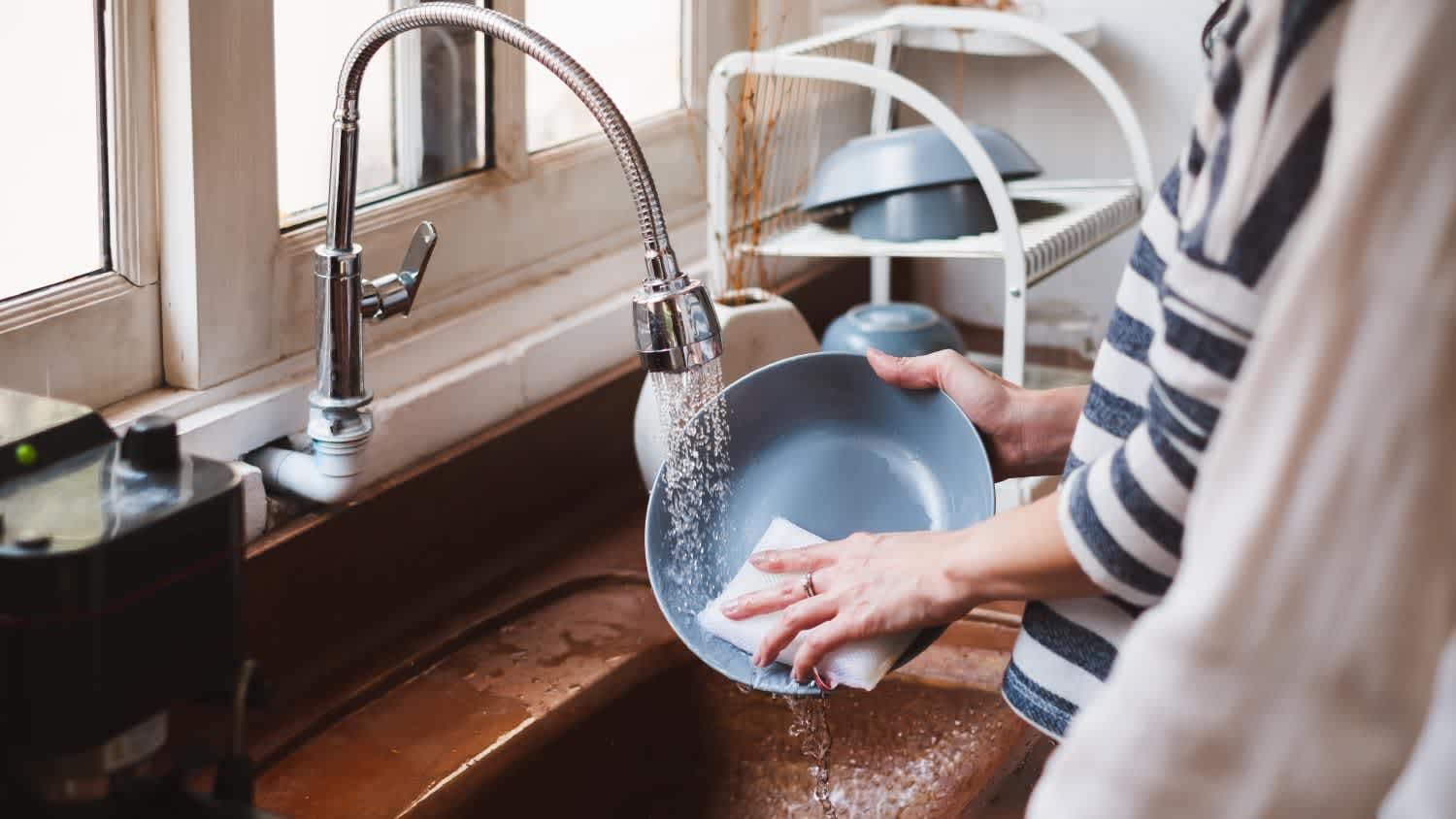
Hard water can make your dishes look grimy. Luckily, there are several quick and long-term ways to prevent hard water from leaving white residue on your dishware.
If you have some unsightly hard water stains you want gone, we've got you covered. Learn how to remove hard water stains here.
Figuring out how to clean stainless steel sink hard water stains doesn’t have to feel like playing connect-the-dots. Here are five easy ways—and even more tips.
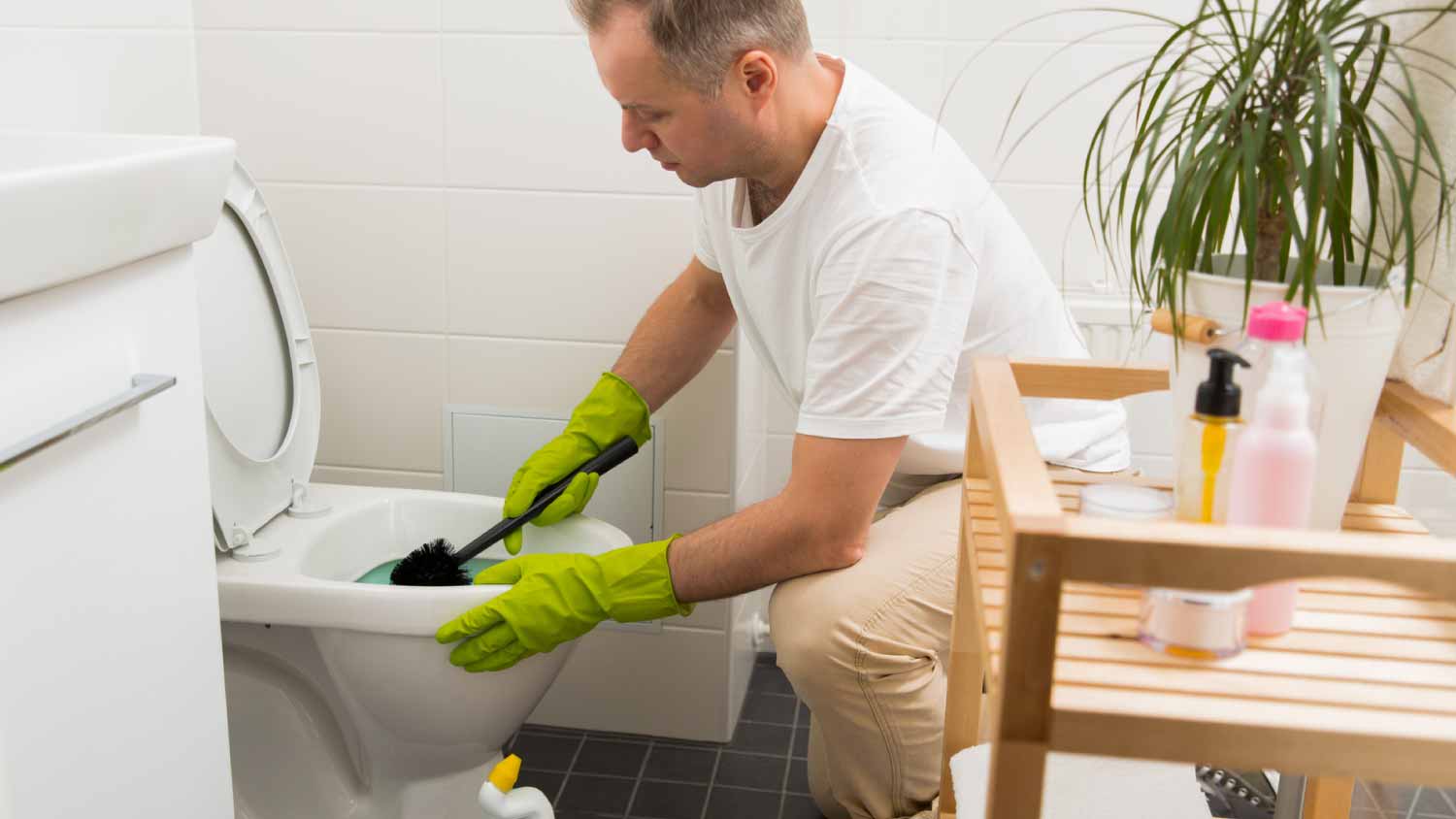
Easily clean the toilet with hard water stains in less than thirty minutes with simple household items such as baking soda or laundry borax at home.