
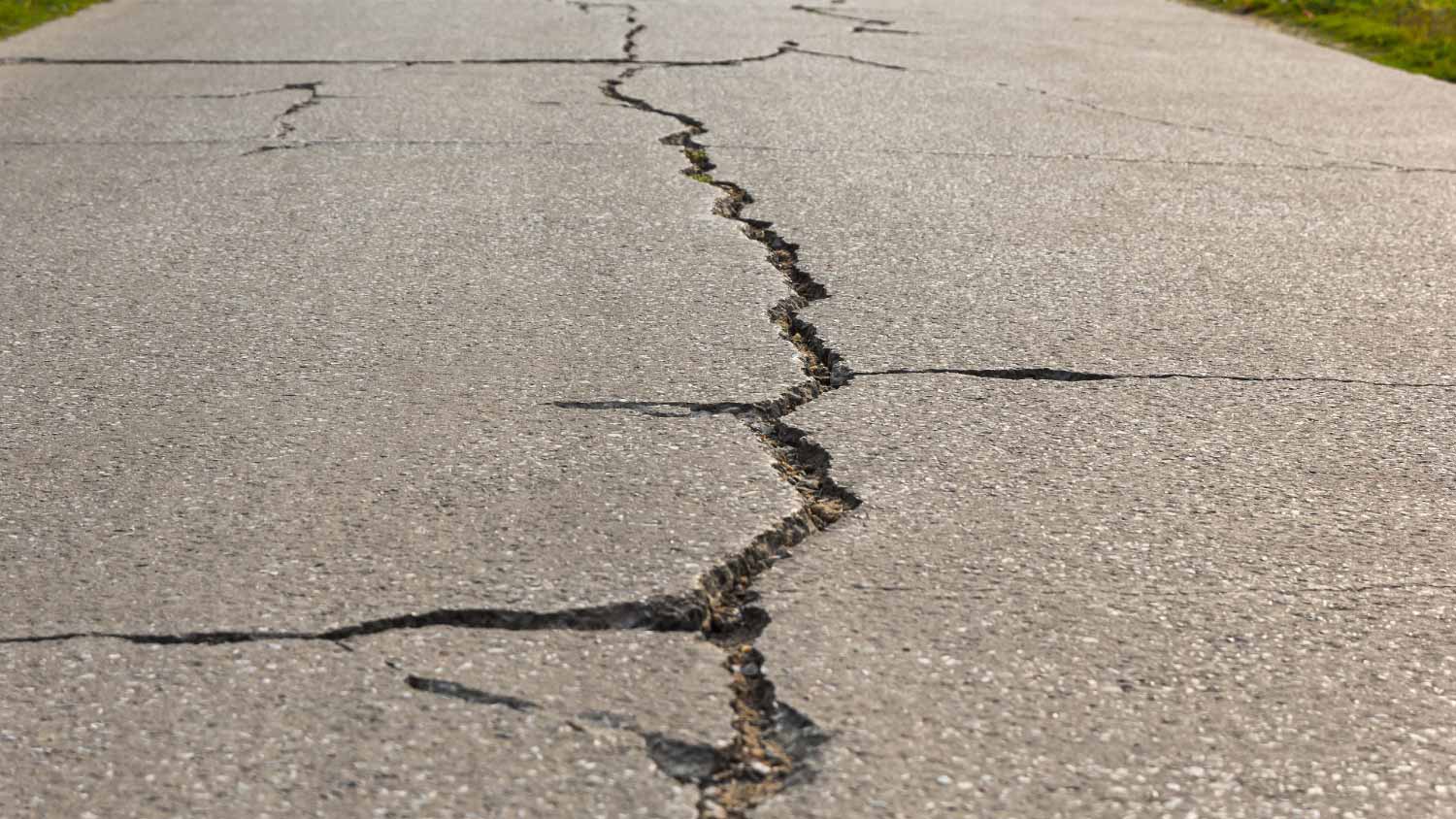
A crack in your driveway seems minor, but it can bust the door open on serious problems. Find out what’s causing your driveway to crack and how you can fix it.
What you need to know to tackle drywall cracks

Foundation movement from settling soil or shifting creates drywall cracks, especially diagonal cracks near doors and windows where your walls meet frames.
Temperature and humidity swings cause materials in your home to expand and contract, leading to small cracks at drywall seams and interior ceiling corners.
Water leaks from roofs, plumbing, or windows weaken drywall and create stress cracks, so addressing the source of moisture protects your walls from further damage.
Hiring a local drywall repair professional provides reliable help diagnosing foundation issues and completing repairs, keeping your home looking its best.
Drywall—or Sheetrock®, gypsum board, plasterboard, or wallboard—is the most common wall material in modern homes. It’s affordable, easy to install, holds up to daily living, and you can paint it and hang photos and shelves. However, it will crack under less-than-ideal circumstances. Here are nine top causes of drywall cracking and how to diagnose, avoid, and fix the problem.
If your home isn’t on a stable foundation, or if it’s a new build with a still-settling foundation, your walls will tell you. Big cracks in drywall can point to foundation damage, shifting foundations, and settling soil that causes building materials to shift, gap, and crack.
One solution to foundation instability is a steel screw-in anchoring system known as slab piers. Foundation contractors drill deep into stable layers of soil underneath buildings to install slab piers, which hold the structure in place and prevent foundation shifting.
How to diagnose it:
Wide diagonal cracks at the tops of door frames
Separation at vertical corners
Drywall cracking where walls join windows and doors
How to avoid it:
Build on a strong foundation and stable, settled soil
Get regular inspections for signs of foundation stress or damage
Drain water away from your home’s foundation
How to fix it:
Anchor your home to its foundation
Anchor the foundation to stabilize the underlying soil using slab piers
Hire a local drywall repair contractor to fix existing cracks
Housing materials naturally expand and contract with temperature and humidity changes, causing one of the most common types of drywall cracks. Your home is likely to experience fluctuations if you live in a climate with drastic seasonal changes, don’t have air conditioning, use a wood stove, don’t have climate control, or turn off climate control for long periods of time (like when spending summer or winter at a vacation home).
How to diagnose it:
Small, narrow cracks in the seams between drywall panels
Truss uplift (when roof support trusses shrink and bow upward due to changes in moisture) pulls up on drywall and causes cracks inside interior ceiling corners
Cracks grow and shrink as temperature and humidity change
How to avoid it:
Keep home temperature and humidity levels consistent
Don’t turn off your home heating or cooling system when you go on vacation
Instead of screwing drywall into trusses, install backing angles (vinyl flanges that allow trusses to expand and contract without pulling on drywall)
How to fix it:
Install a programmable thermostat
Use humidifiers or dehumidifiers
Use an attic fan or increase attic ventilation
Repair roof leaks

Drywall can crack if the installer isn’t an expert and makes common drywall installation errors. Drywall problems include not correctly securing boards to the framing, leaving large gaps between drywall slabs, not leaving enough room for natural expansion and contraction, and poorly taping spaces between drywall sheets.
How to diagnose it:
Uneven gaps
Cracks at drywall junctures
Poor taping work and other signs of unprofessional work
How to avoid it:
Hire an experienced drywall pro for the installation
How to fix it:
Ask a professional drywaller to assess the situation and install new drywall
If your roof, basement, plumbing, or windows leak, water can weaken drywall and cause cracks.
How to diagnose it:
Along with drywall cracks, you may see the presence of water stains, mold or mildew, or water streaming down walls
How to avoid it:
Ensure your roof, foundation, and windows are watertight and in good condition
Repair leaks right away
Immediately address water intrusion
Use a dehumidifier to remove moisture
For big leaks, open up drywall to dry insulation and materials inside walls
How to fix it:
Fix the source of the leak
Hire a pro to repair drywall cracks or replace existing drywall if it’s too damaged
Daily living, such as walking and slamming doors, heavy traffic outside, nearby construction, kids or pets running through, and earthquakes can create vibrations and shake walls, making drywall crack over time or all at once.
This is more likely if your home lacks a sturdy subfloor, framing, and joists to absorb vibrations. Fortunately, these drywall cracks are cosmetic and not structural.
How to diagnose it:
Sharp, fresh cracks after a hard impact or vibration event
How to avoid it:
Don’t slam doors, jump, or run indoors
Install subflooring, joists, and framing to code
Consider adding structural support if you live near train tracks, a busy road, or somewhere prone to earthquakes
How to fix it:
Know when to hire a pro for drywall repair versus DIY
Patch small cracks
Homes that aren’t engineered correctly or have too-heavy upper floors can put stress on lower levels. One of the first signs of structural overload is stress cracks in drywall. Address these issues quickly to prevent structural damage or collapse.
How to diagnose it:
Drywall cracking after adding living space upstairs
Cracks in upper corners of doorways, windows, and ceiling headers
Drywall sagging and cracking near trusses and ceilings
Drywall and plaster work require extensive practice and talent. You can try a DIY repair if a patch is small enough or where you won’t mind looking at a less-than-professional job when it’s done. If an entire wall needs repair, trust the pros to do the work so you're happy with the results.
How to avoid it:
Get engineering approval before building or modifying upper levels
Add structural reinforcement before converting an attic into a living space
How to fix it:
Lighten the load on upper floors
Add structural supports

If your contractor used low-quality drywall with defects, the materials may start cracking even with regular use.
How to diagnose it:
All of your drywall is cracking or failing without other causes
Cracks appear at joints of drywall sheets, corners, doorways, and random spots
How to avoid it:
Install quality materials without defects
Hire a professional installer with a good reputation who guarantees their work
How to fix it:
Replace low-quality drywall with high-quality materials
Pests, including termites and carpenter ants, can weaken wood framing and structural support. Over time, drywall has less structure to hold it up, and cracks will form.
How to diagnose it:
Cracks appear alongside pest activity
How to avoid it:
Prevent termites, ants, and other wood-boring pests
Call an exterminator and inspector if you suspect or see pest activity
How to fix it:
Repair damaged underlying structural elements and install new drywall
New homes take time to settle, causing cracks in drywall and other surfaces. When undried wood in the home hasn’t had time to settle, the wood shrinks as it dries, causing attached drywall to crack.
How to diagnose it:
Hairline cracks in drywall in new or remodeled homes
How to avoid it:
Ask your builder to use dried wood
Let materials dry and settle before installing drywall
How to fix it:
Wait a year or two before repairing cracks to give the wood time to cure so drywall won’t keep cracking
Learn how to repair cracks in drywall seams
Hire a pro drywaller to repair cracks once the home is done settling
Cracking drywall can signal bigger problems or simply require cosmetic repairs. To know the difference, call a local building inspector. They’ll look for structural issues, moisture, insulation problems, pests, structural overload, and other issues or reassure you that your drywall cracking is normal for house settling.
Address structural problems right away. Ignoring underlying problems makes homes unsafe over time. Besides, repairs are often less expensive if you deal with them early on, and fixing small problems now helps avoid bigger issues later.
Once you’ve fixed underlying issues, familiarize yourself with when to hire a pro for drywall versus DIY repairs. While fixing the causes of drywall cracking is essential, you should also fix existing cracks. This will help you see when new cracks appear that need attention, and it will give you smooth, beautiful walls. Follow these tips to know which direction to go for repairs.
Hire a drywall repair pro in these cases:
Extensive damage like large cracks and holes
Large jobs over big areas
Hard-to-reach areas like high ceilings
You have little or no experience with drywall repair
You would need to buy or rent specialized tools for the job
The area is very visible
The area will need an especially smooth finish or will be hard to blend into the existing wall finish or texture
When you need the job done quickly
Give repairs your best shot in these scenarios:
Minor damage, hairline cracks, and small dents or holes
Isolated damage in small areas
You have experience with drywall repairs, or you’re a confident DIYer
You already have the tools and materials
Your repair budget is low
Cancelled appointment two hours after they were supposed to come for drywall work.
 Hutch And Sons Drywall Services
Cole has been handling plumbing and general contracting for our four properties over the past three years, and he’s always done a great job. Most recently, he installed a sink and countertop in our retail store where none existed before, and it turned out exactly how we needed. He’s...
 ANB Renovations LLC
I would recommend this company to anyone! He showed up on time, was friendly, completed a very difficult repair on our dryer vent cover, was responsive, and pricing was extremely fair and competitive. I would have him back to do any of our repairs or cleanings without hesitation!
 U.S.A. Dryer Vent, LLC
I cant stop admiring my newly painted walls. Custom Paint Jobs LLC made my house feel brand new.
 Custom Paint Jobs, LLC
Excellent experience with hiring Tether House to Mount our 77’ Samsung TV in our bedroom. Fast, friendly, and knowledgeable. Highly recommend.
 Tether House
Excellent customer service and knowledge. I was recommend to him from my neighbour. My front door and window came in great and were installed beautifully perfectly, I m very satisfied with their excellent work, so decided to order one more big bow window for my living room. I cant wait for...
 Window Depot USA of Central Ohio
Would hire again. Wall looks great. Happy with job.
 Central Paving
Involved an extensive bathroom remodel, including removing tub & installing walk in shower, new drywall, custome tile work to ceiling, plumbing, etc. Overall, job was done on time and on budget. Nick & his team were very professional and had high attention to detail. Quality was great. Highly...
 Stamos Flooring and Remodeling LLC
We have had a great experience with Rising Height for the past five years on a number of miscellaneous renovation projects. They laid flooring for us and had a very good sub do the finish. Installed drywall for a vaulted ceiling, finished an attic/loft with new subfloor, framing and drywall,...
 Rising Height Unlimited
Mr. Lopez was super nice and professional. He repaired our drywall just as he described during the estimate phase. Our dining room wall looks great again! Thanks Mr. Lopez!
From average costs to expert advice, get all the answers you need to get your job done.
A crack in your driveway seems minor, but it can bust the door open on serious problems. Find out what’s causing your driveway to crack and how you can fix it.

Foundation cracks can be a sign of serious foundation damage. Learn what causes foundation cracks and when you should call a pro.
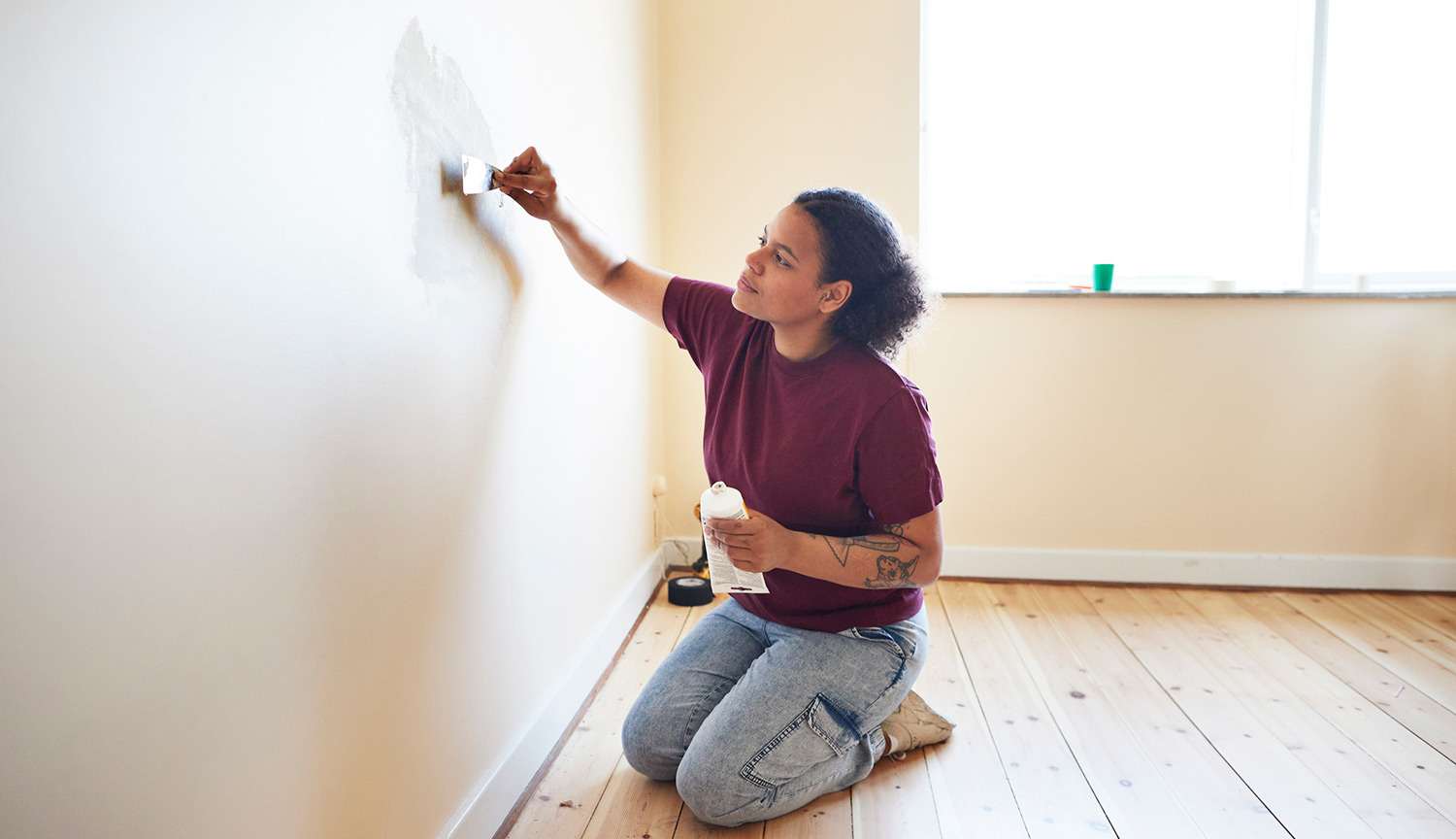
Some types of drywall cracks are normal, but others are warning signs that something is wrong. Learn more so you can act quickly.
Learn how to identify a horizontal foundation crack, what to do about them, and who to call for help if you find one in your home's basement or crawlspace.
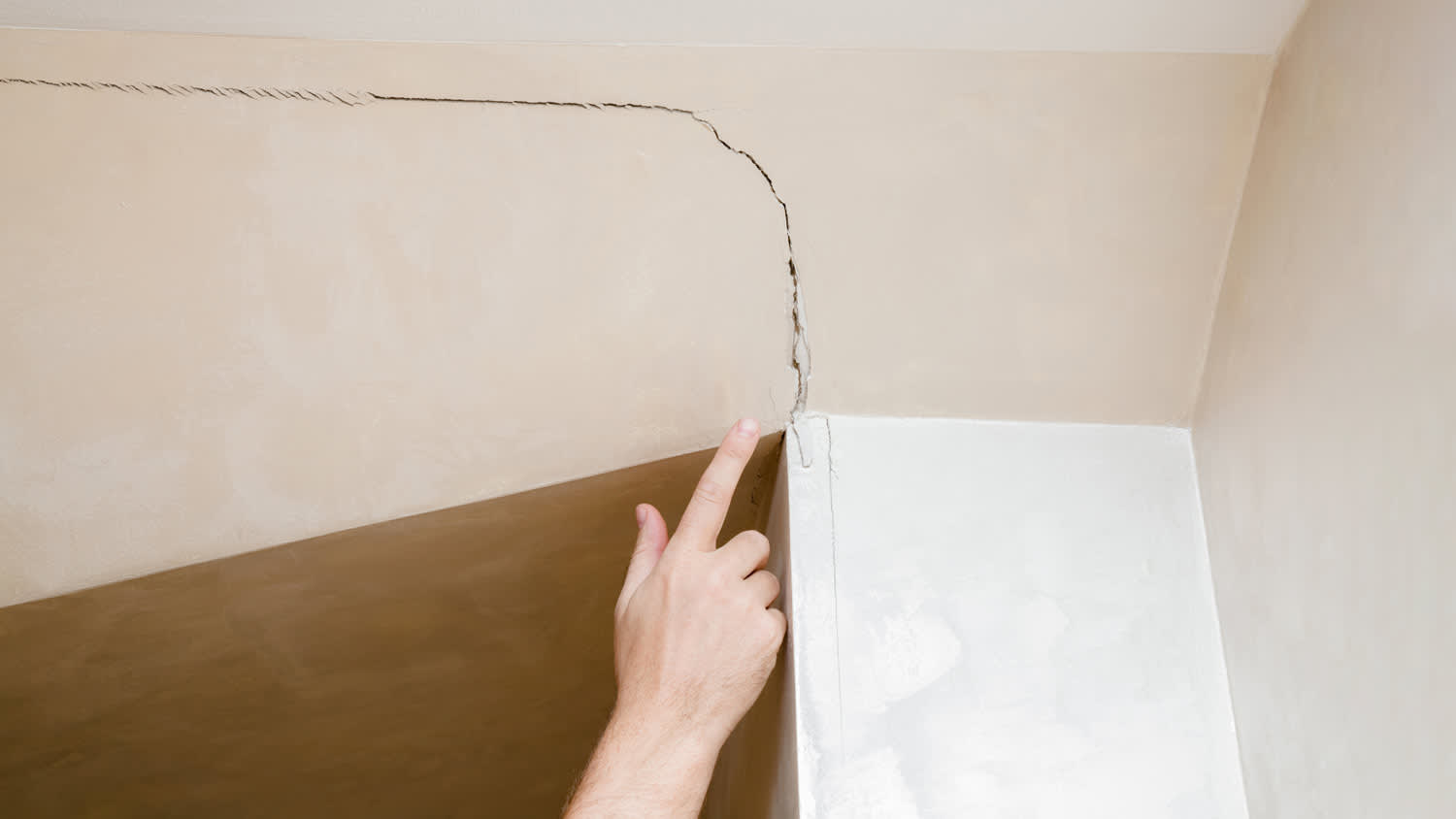
Some cracks in your drywall are harmless, while others require attention. Learn if cracks in your drywall indicate foundation problems and what steps to take.

If your brand-new windows formed a mysterious fracture, it could be a thermal stress crack. But what is a thermal stress crack, and how did it happen?