


Learn how to identify a horizontal foundation crack, what to do about them, and who to call for help if you find one in your home's basement or crawlspace.
Catching a wall crack before it becomes a major issue will save your home and your money

Structural wall cracks wider than 1/4 inch signal serious foundation or structural issues, especially when horizontal cracks appear mid-height on your basement walls.
Vertical drywall cracks thinner than 1/8 inch are normal settlement cracks you can repair yourself, while wider vertical cracks need professional review for foundation movement.
Watch for cracks that reappear after you repair them, as persistent cracking points to ongoing moisture problems or structural shifts requiring expert diagnosis.
Hiring a local drywall professional provides expert assessment of crack patterns and structural concerns, helping you address foundation issues before they worsen.
Have you noticed a recent crack in your home? Before you panic, most cracks are harmless and happen in almost every house, even in new builds. A hairline crack is simply a sign that the house is settling, and you can fix these cosmetic issues with putty and paint.
However, if you notice some serious cracks on your wall that are large, long, or in certain key areas of the house, these can be signs of structural or foundation problems that require the intervention of a professional. There are 10 types of drywall cracks, including wide, horizontal, vertical, and diagonal. Learn more about the different types of cracks in this guide.
Here are the outlet types you find in most U.S. homes:
15-amp, 120-volt (2-prong and 3-prong): The standard household outlet for lamps, TVs, and chargers.
20-amp, 125-volt: A higher-power outlet for kitchens, laundry rooms, and workshops.
240-volt (20-amp to 50-amp): A large-appliance outlet for dryers, ranges, and EV chargers.
GFCI: A shock-protection outlet for kitchens, baths, and other wet areas.
AFCI: A fire-protection outlet for bedrooms and living spaces.
Tamper-resistant: A child-safe outlet with internal shutters, now standard in new homes.
Weather-resistant: A corrosion-resistant outlet built for outdoor use.
Convenience types: Switched, combination, USB, smart, and rotating outlets.
Wider cracks indicate more critical issues than thinner cracks. Measure the cracks with measuring tape—cracks that are ¼ inch wide and larger cracks are often more serious than smaller ones.
A 1-inch-wide crack or a crack that allows daylight to enter your home means the wall is severely damaged. It could be a sign that the foundation is sinking or that there is structural damage.

The direction of how the crack runs on the wall can help determine whether it’s alarming or not.
If the crack on the wall is horizontal, it might mean there’s a problem, such as severe foundation shifting or water damage.
Long, horizontal cracks in walls that extend to ceilings signify roof truss issues, which can cause ceilings to detach from walls.
A concrete basement wall with a horizontal crack mid-height needs to be monitored to see if the size of the crack changes. If it does, a structural engineer can inspect the walls. If you inspect your foundation and notice a serious-looking crack, you should get professional help.
Vertical cracks in concrete walls indicate foundation movement. Cracks that are ⅛ inches wide or larger could be a sign of problems and may need a review from a pro.
Some normal cracks in plaster walls get worse in time, so before grabbing your putty knife to repair cracks straight away, you should wait a while to see if they show any development. If cracks rapidly get bigger in length, wider, or change in any way, they may present serious issues. It's best to hire a structural engineer to inspect them.

A diagonal crack in the wall, which can be wider at the top and tighter at the bottom, is caused by the foundation settling. A crack that runs at a jagged 45-degree angle is almost always a shear crack.
Some cracks start at the top of the concrete basement wall and move diagonally down to a corner. You may also see inward tilting of the top of the foundation wall. The earth pushing against the basement wall can cause this type of crack.
If you’re experiencing these on your walls or basement walls, a foundation repair pro should inspect them.
Cracks in walls near the corners of doors and windows are fairly common. Most result from normal house settling. However, if windows and doors become more difficult to open or close, it can be a sign of foundation problems. You may also notice widening cracks between door frames and the wall, which can signal significant foundation shifting. Call a foundation contractor if you suspect structural problems.
Stair-step cracks following the grout line between the bricks of your interior or exterior walls may be a sign of a structural issue in your property. The problem might be more serious if you have a complete separation in the cement between bricks or if the bricks are wiggling. If that's the case, call a foundation expert ASAP.
Stair-step cracks at the corners of windows or doors imply settling or heaving foundations and may present pressing issues.

The name says it all—spiderweb cracks in walls have multiple small fissures that shoot out in all directions and look like spiderwebs. Smaller spiderweb cracks in drywall indicate a small problem, while larger ones can signal foundation issues.
Tiny, thin spiderweb cracks thinner than 1/16 inch can happen when mudding or other drywall finishing materials are too thick. As they dry, they fracture into web-like cracks. Fix them by sanding off the old compound and applying a new, thinner layer.
Examine the area surrounding the crack and look for nails or screw heads that might be visible on the surface of the wall.
The nail or screw might have pulled away from the stud beneath the drywall. “Nail popping” is a common sign of an underlying structural problem, and you can see it in drywall ceiling cracks.

If water leaks into cracks or white powdery stains are present, these could be cause for concern. If concrete, drywall, or plaster cracks feel damp, you may have a water infiltration issue that requires immediate attention.
Crawl space foundation or garage foundation cracks are more affected by soils that expand and shrink during weather fluctuations.
If the cracks in the foundation wall tend to open in the summer and close in the winter, then the foundation might need additional support. A structural engineer can assess the situation and quote you for the foundation repair cost.
Cracks that are a ¼ inch wide or bigger and run vertically in the basement or garage slab can be a sign of a failure of the ground below, and a review by a pro is recommended.
Most drywall cracks are superficial or cosmetic. In these cases, you can repair them yourself with a little elbow grease and spackling compound or caulk, but some types of cracks in walls require professional attention.
Drywall and plaster work require extensive practice and talent. You can try a DIY repair if a patch is small enough or where you won’t mind looking at a less-than-professional job when it’s done. If an entire wall needs repair, trust the pros to do the work so you're happy with the results.
A pro can inspect your walls and let you know if any cracks are critical. You can also call a local drywall installer to look closer at your walls and assess the damage. Call a pro in these cases:
Large, Wide Cracks: Long, large, or wide drywall cracks can indicate a serious problem, including structural defects, foundation shifting, and significant settling of the home or the soil underneath. Call a drywall pro or a foundation expert to assess the causes and recommend solutions.
Cracks Everywhere: You can expect to have a few minor drywall cracks in a few places in any home or building. But if you have significant cracking throughout a room, multiple spaces, or an entire home, it’s time to call a pro to get to the root of the problem.
Cracks in a Pattern: Call a drywall expert if you see horizontal cracks, cracks in a zig-zag pattern, or long cracks that follow the lines of the drywall tape. These can be warning signs of drywall failure, foundational shifts, structural movement, or improper drywall installation, all of which require expert attention.
Cracks That Reappear: Persistent cracks that come back after you repair them are more than just a frustrating eyesore. Ask a drywall contractor to take a look. There could be an ongoing issue, like moisture problems inside your walls or other problems that repeated DIY drywall patches can’t fix.
Cracks With Other Symptoms: If your drywall cracks are accompanied by other visible issues, including sagging ceilings, bulging walls, or visible moisture, don’t ignore them. Consult with a building professional to rule out foundation problems, structural issues, leaks, and other concerns.
Cracks in High-Stress Locations: A drywall crack may not be just a crack if it’s in an area that’s under significant building load or weight, such as support beams, ceiling joints, and load-bearing walls. Since these spots are critical to your home’s structural integrity, you’ll want professional eyes on any flaws.
Cracks Accompanied by Moisture: Moisture will weaken drywall, leading to cracks and other problems like mold growth that can pose health risks and cause long-term damage. An expert should be able to tell you whether you have water intrusion issues and how to fix them.
Cracks in New Homes: New homes shouldn’t have significant cracks, but some may form as they settle naturally. Cracks that appear soon after construction or remodeling might be a sign of construction problems or lower-quality materials. Hire a drywall contractor to look at the issues and let you know your options.
Cracks You Can’t Explain: Drywall cracks that suddenly appear, form rapidly, worsen quickly, or show up with no apparent reason can be an early sign of hidden problems. Don’t wait for them to get worse. Call a pro right away to rule out bigger issues.
Cracks After Natural Disasters: Your drywall might crack after an earthquake, tremor, or flood. Even if the rest of your house seems fine, there might be underlying structural damage you need to repair. Call a contractor right away to fix problems early and ensure you get any insurance payouts or disaster relief funds you’re entitled to.
Cracks With Added Concerns: Cracks can have sharp edges and expose nails or other building materials. These spots can be unsightly and pose safety risks to you and your family. Hire a pro to fix large cracks as soon as you notice them.
Cancelled appointment two hours after they were supposed to come for drywall work.
 Hutch And Sons Drywall Services
Cole has been handling plumbing and general contracting for our four properties over the past three years, and he’s always done a great job. Most recently, he installed a sink and countertop in our retail store where none existed before, and it turned out exactly how we needed. He’s...
 ANB Renovations LLC
I would recommend this company to anyone! He showed up on time, was friendly, completed a very difficult repair on our dryer vent cover, was responsive, and pricing was extremely fair and competitive. I would have him back to do any of our repairs or cleanings without hesitation!
 U.S.A. Dryer Vent, LLC
I cant stop admiring my newly painted walls. Custom Paint Jobs LLC made my house feel brand new.
 Custom Paint Jobs, LLC
Excellent experience with hiring Tether House to Mount our 77’ Samsung TV in our bedroom. Fast, friendly, and knowledgeable. Highly recommend.
 Tether House
Excellent customer service and knowledge. I was recommend to him from my neighbour. My front door and window came in great and were installed beautifully perfectly, I m very satisfied with their excellent work, so decided to order one more big bow window for my living room. I cant wait for...
 Window Depot USA of Central Ohio
Would hire again. Wall looks great. Happy with job.
 Central Paving
Involved an extensive bathroom remodel, including removing tub & installing walk in shower, new drywall, custome tile work to ceiling, plumbing, etc. Overall, job was done on time and on budget. Nick & his team were very professional and had high attention to detail. Quality was great. Highly...
 Stamos Flooring and Remodeling LLC
We have had a great experience with Rising Height for the past five years on a number of miscellaneous renovation projects. They laid flooring for us and had a very good sub do the finish. Installed drywall for a vaulted ceiling, finished an attic/loft with new subfloor, framing and drywall,...
 Rising Height Unlimited
Mr. Lopez was super nice and professional. He repaired our drywall just as he described during the estimate phase. Our dining room wall looks great again! Thanks Mr. Lopez!
From average costs to expert advice, get all the answers you need to get your job done.
Learn how to identify a horizontal foundation crack, what to do about them, and who to call for help if you find one in your home's basement or crawlspace.
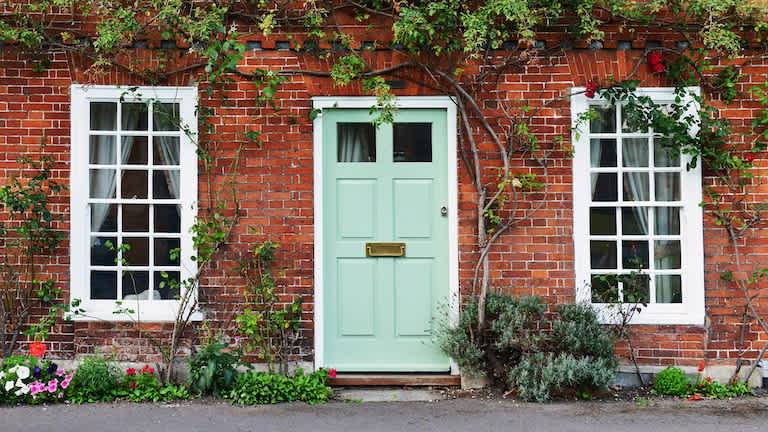
Cracks in bricks need to be taken care of immediately if they are vertical or wide at the top. Find out why in order to avoid structural damage.

Plaster is a sturdy wall material that has a tendency to crack. Most plaster cracks are cosmetic and don’t pose any harm, but it’s important to find out what is causing the cracks anyway. Learn why plaster cracks and how you can avoid damage.

Wondering what causes drywall to crack? Here are nine common reasons for drywall cracks and how to diagnose the problem and fix ugly drywall cracking.
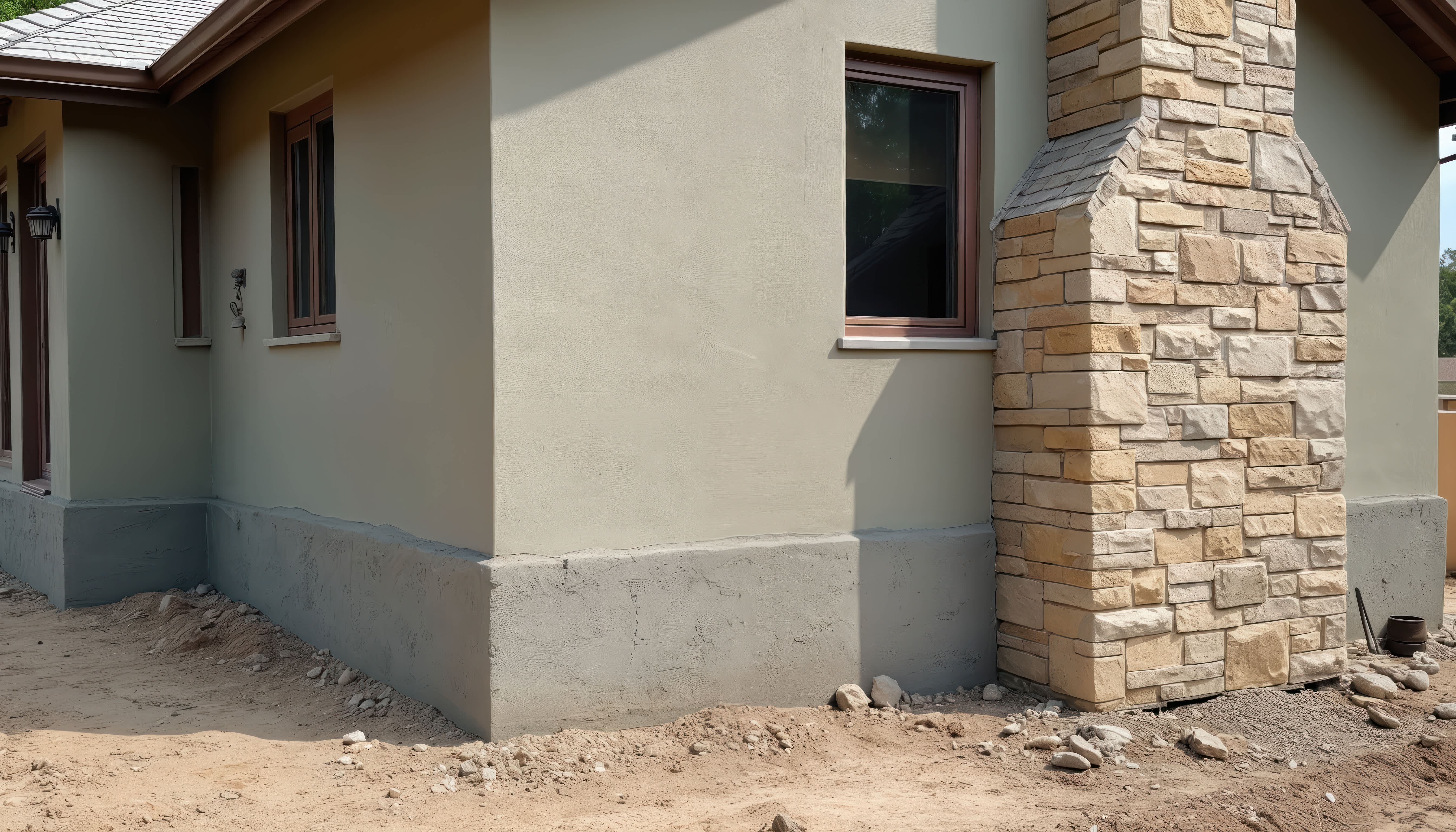
Parging can restore and protect your walls against moisture and drafts. Find out what it is, how it’s applied, and the signs your wall could use it.
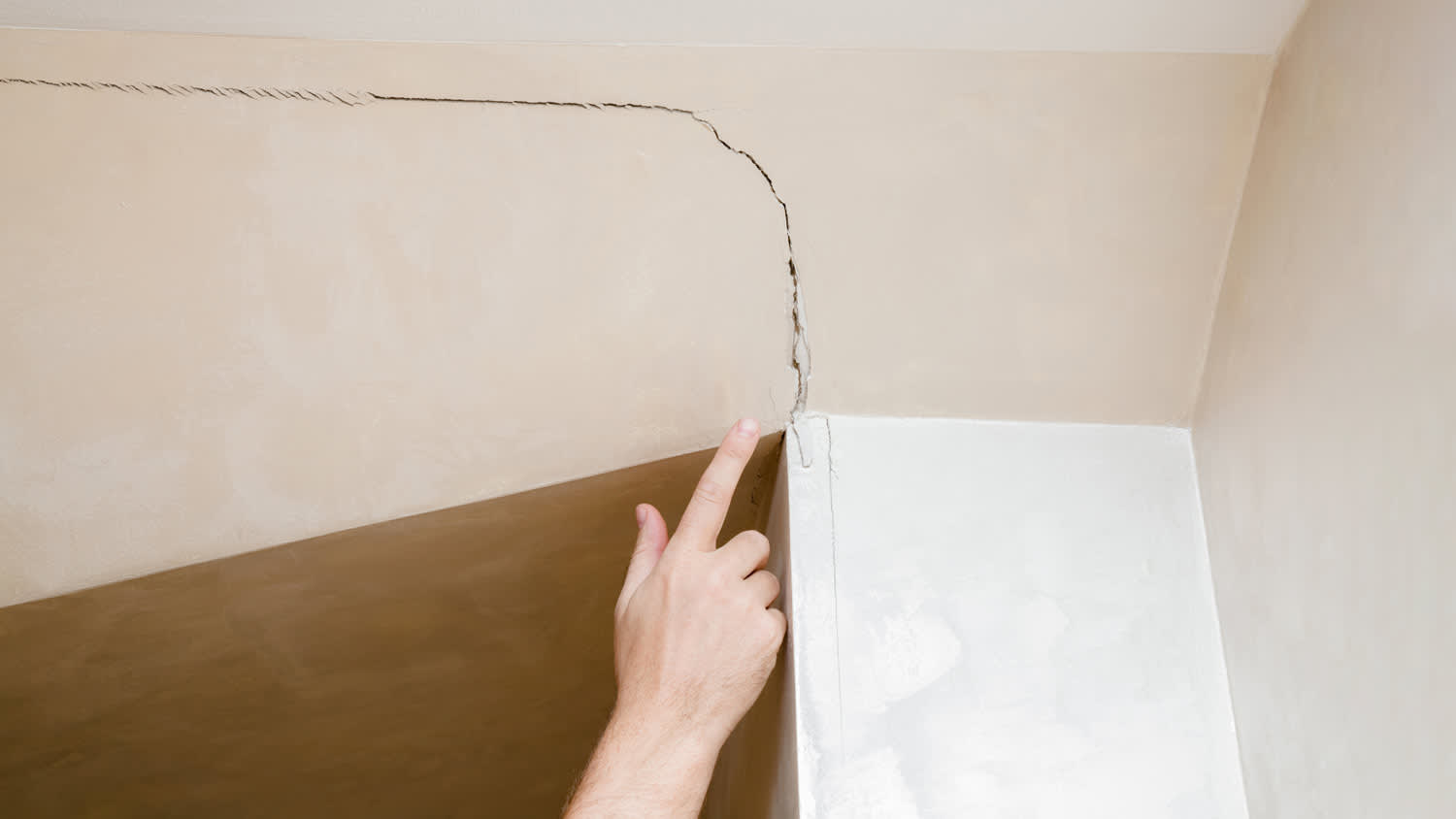
Some cracks in your drywall are harmless, while others require attention. Learn if cracks in your drywall indicate foundation problems and what steps to take.