
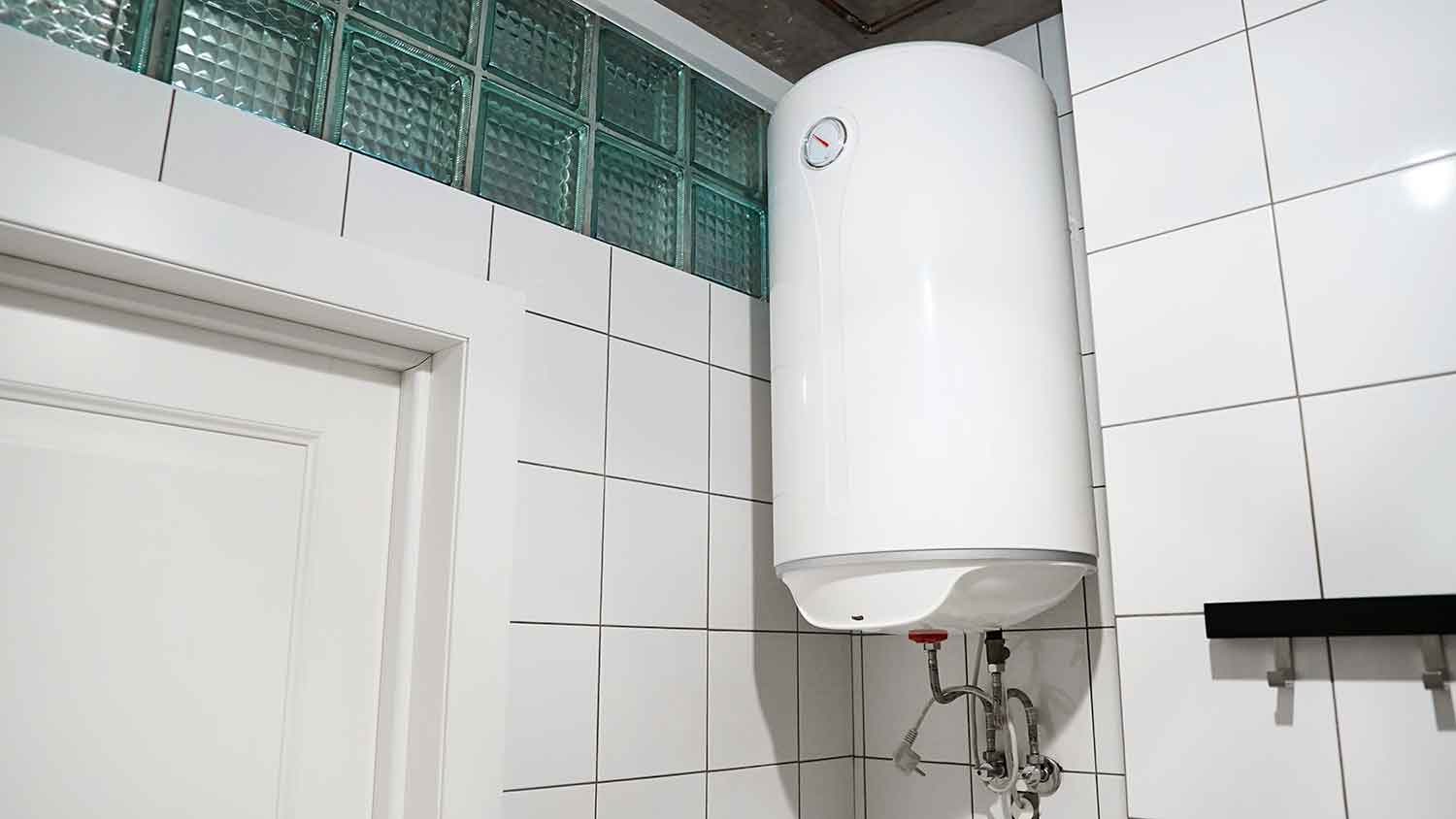
Running out of hot water too quickly or hearing strange noises when you call for hot water? Use this water heater repair cost guide to see what a fix will cost.
Just say no to cold showers

A water heater not heating often results from a tripped breaker, which cuts power to your electric heater and stops water from warming up.
Water heater repair costs range from $220 to $985, so addressing heating problems early helps you avoid replacing the entire unit down the road.
When your gas water heater stops heating, check if the pilot light went out and follow your heater's instructions to safely relight the flame.
Hiring a local water heater repair professional provides reliable help with thermostat issues and heating element problems, keeping your home running smoothly with hot water.
No one wants to start their day with a cold shower or frigid water when it's time to wash the dishes. If your water heater's not heating, you want to get to the bottom of it—and the sooner, the better. Depending on the cause of your water heater problems, you may be facing a quick fix or need to replace the entire appliance. Here are six common reasons your water heater’s not heating, and what you can do about it.
If you have an electric water heater that's not heating, the cause can be something as simple as a tripped breaker. A breaker can trip for a few reasons, and it could be just a one-off occurrence. Resetting the breaker should restore hot water to your home.
Head over to your home's breaker box and find the circuit that powers your water heater. If it's tripped, push it all the way to the "off" position, then flip it back on.
If the breaker keeps tripping and you find yourself visiting the breaker box regularly, it's a good idea to call an electrician to examine what's going on.
Many types of gas-powered water heaters have a pilot light that's continually lit. The light may go out for several reasons, such as if the gas supply is cut or if there's a problem with the thermocouple.
If you notice that the pilot light is out, follow the steps on your water heater to reignite it. The resulting flame should be bright blue. A different color, such as red or yellow, can signal a problem with the heater and is a good reason to call a water heater repair professional.
The repair pro may recommend replacing the water heater's thermocouple or upgrading the heater, depending on its age and overall condition.
Your water heater's thermostat determines the temperature of the water that flows from your taps. In some cases, the thermostat can get out of sorts and is no longer able to detect the temperature correctly. It may think the water is piping hot when it's actually freezing cold.
It may also be that you've set the thermostat too low and the water just isn't hot enough for you. Try raising the temperature on the thermostat, waiting an hour, and testing the water to see if it's hot.
Test your thermostat by raising it to a hotter temperature. If, after an hour, the water is still cold, that's a sign that the thermostat itself is broken.
Don't try to replace or fix a faulty thermostat yourself. Instead, call in a local water heater professional to inspect the appliance and make the fix for you.
When the thermostat is broken, the heater can't tell what temperature the water is. When the heating element is on the fritz, the heater can't actually heat the water.
If you're getting a small amount of hot water from the heater, but it runs out before anyone can finish showering, the heating element may be to blame.
Have a plumber or water heater repair pro look at your water heater. Depending on its age, they can either replace the heating element or recommend replacing the entire unit.

Size matters when it comes to water heaters. If your household is full of people who love to take long, hot showers, it may just be that your water heater can't keep up.
If your household size has grown since you moved in and bought a water heater, it's most likely time to replace the heater with a larger model. A water heater pro or plumber can help you choose the right-sized water heater and can perform the replacement for you.
Water heaters don't last forever. If you've had your heater for a while, it may start to show signs of failure, including water that doesn't get hot or an inconsistent water temperature. Your water heater may be on its last legs if it's making banging or other strange noises or if you notice that it's leaking.
In this case, your best option is to say "out with the old and in with the new." Having a professional replace your water heater with a new model will give you hot water once again. As an added benefit, you will likely notice that your new heater is much more efficient than the older model, lowering your energy bills and helping you save money, too.
In some cases, you can easily restore hot water on your own. Reigniting a burned-out pilot light or resetting a tripped breaker are both easy enough to do yourself.
But, if there's a more substantial problem with your water heater, such as a faulty thermostat or heating element or the heater is just plain old, your best bet is to bring in a professional. You want to make sure the problem is properly diagnosed and the right steps are taken to fix it. Water heater repair costs $220 to $985, though most people pay $600, on average.
If you’re good people wanting to do business with good people, hire Matt. He is a consummate professional and utterly competent. He installed a water heater in my home at a price that beat competitors by hundreds of dollars with a promise to support the unit for its life (even after its 6 yr...
 Greene's Plumbing Services
As usual with ECO, tech Jordan was outstanding, very professional, very knowledgeable, and very thorough with repairs made to tankless water heaters. Very highly recommend ECO!!!
 Eco Plumbers, Electricians, and HVAC Technicians
Did a great job replacing the ice maker and water regulator on my refrigerator. He was quick and thorough, very friendly and professional. If I needed a heart transplant I'd want him to do it!!!
We had a gutter blockage that was causing water to sheet down the side of the house and ultimately it started to come in at a window (need mortar people next). Called around 7:30am, and he responded by 8am. He was able to come out the same morning and do a look over and clean out. He also...
Scott checked our large crawl space for mold and water infiltration and recommended a viable solution. The crew was efficient and they cleaned up well after the job. The job was expensive but I am confident that I won't have to deal with the problem again. Highly recommend.
 AdvantaClean of Dublin
They were the most through inspecting the water system in my house. Even going the extra mile to get the water professionally tested for contamination.
 Hague Water Conditioning, Inc.
Very well. Have already used them again to fix hot water heater
 Service Olympians
The Paul Davis team was very professional and went the extra mile to take care of my water damage. The work was very high quality and done in a timely manner. I would highly recommend their services.
 Paul Davis Restoration
Honesty is hard to find in business today. GBR met me today at a 3 story building regarding my being told that I needed to tuckpoint the brick because of water leaks. The owners took the time to evaluate the situation and advised me that I did not need their service at all. They pointed me...
 GBR Masonry Inc
They unclogged the drain and sent me a bill for more than 4 times what I paid before. I called the Water Works to ask why the bill was so high and that they should have gotten my authorization before assuming they could make expensive decisions like that on my behalf and for their benefit....
 The Waterworks
From average costs to expert advice, get all the answers you need to get your job done.
Running out of hot water too quickly or hearing strange noises when you call for hot water? Use this water heater repair cost guide to see what a fix will cost.
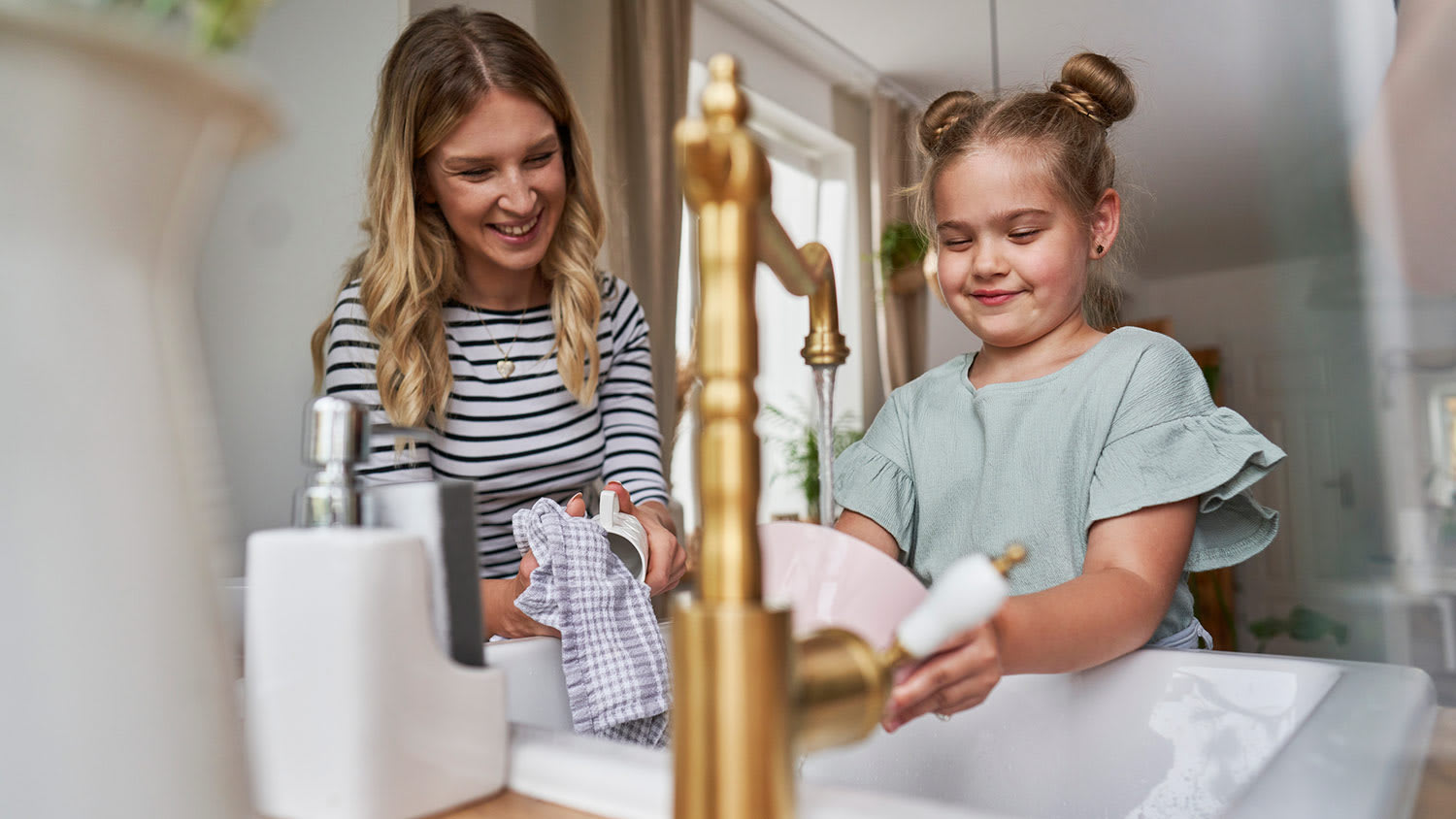
Find out the average tankless water heater repair cost, what impacts pricing, and how to save. Get expert tips to plan your repair budget with confidence.

Looking to replace or upgrade your water heater? Use this water heater replacement cost guide to see what the work will cost and what factors affect your total.
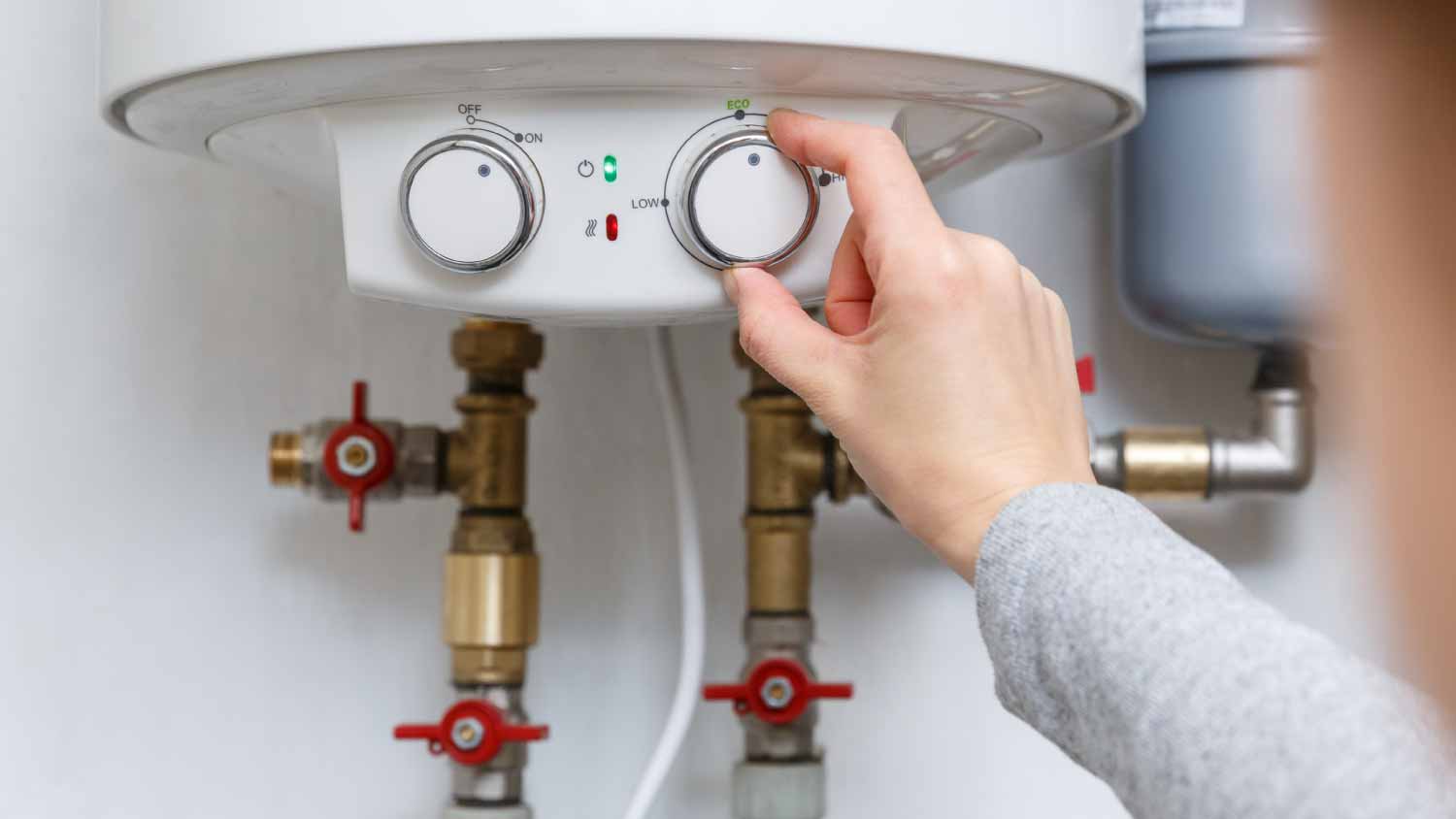
A lack of hot water can easily upset the household. Here are nine reasons why your electric hot water isn't heating and what you can do next.
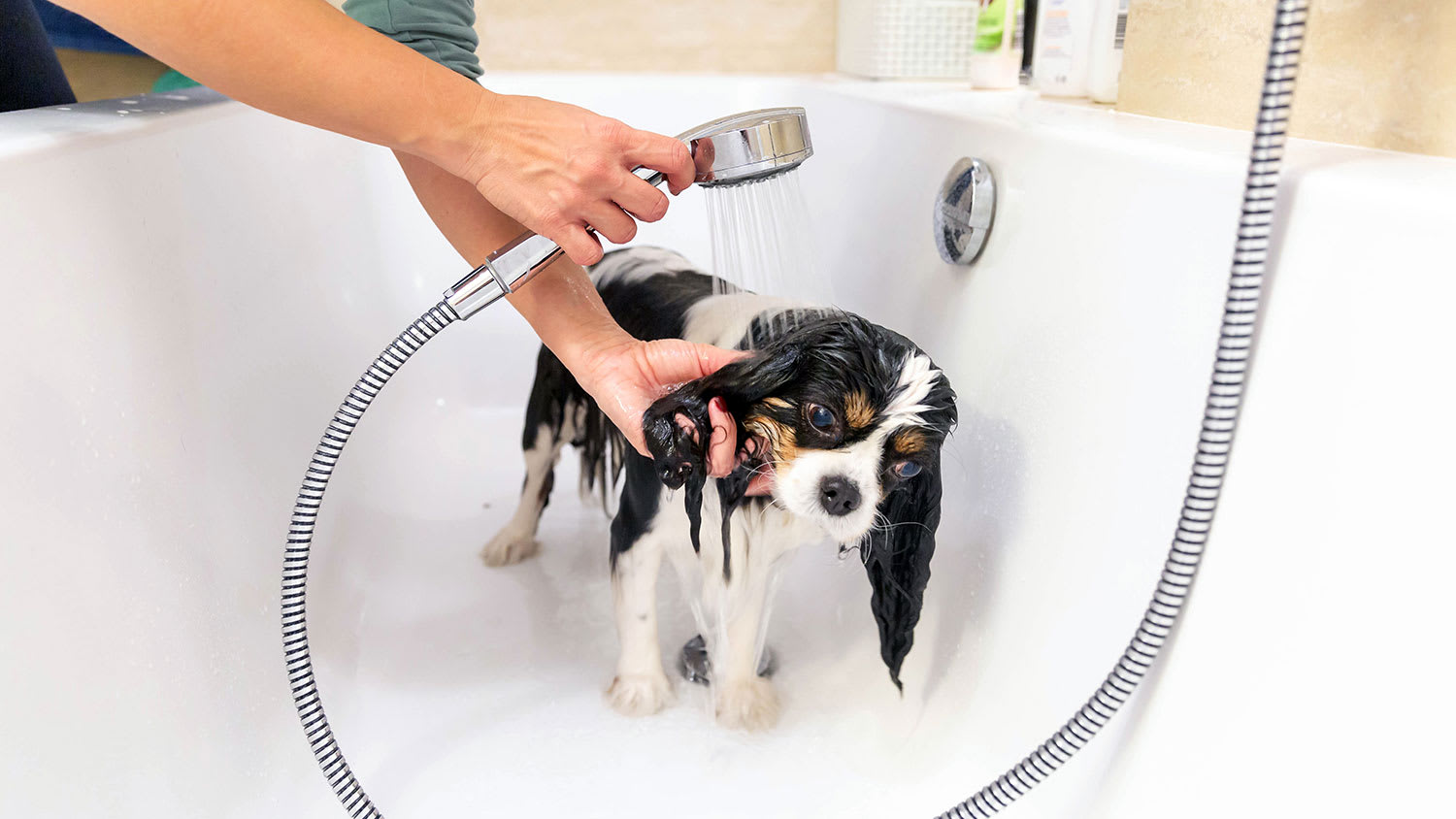
If your tankless water heater is not heating, there are several common reasons why. Learn the possible causes along with practical troubleshooting tips.
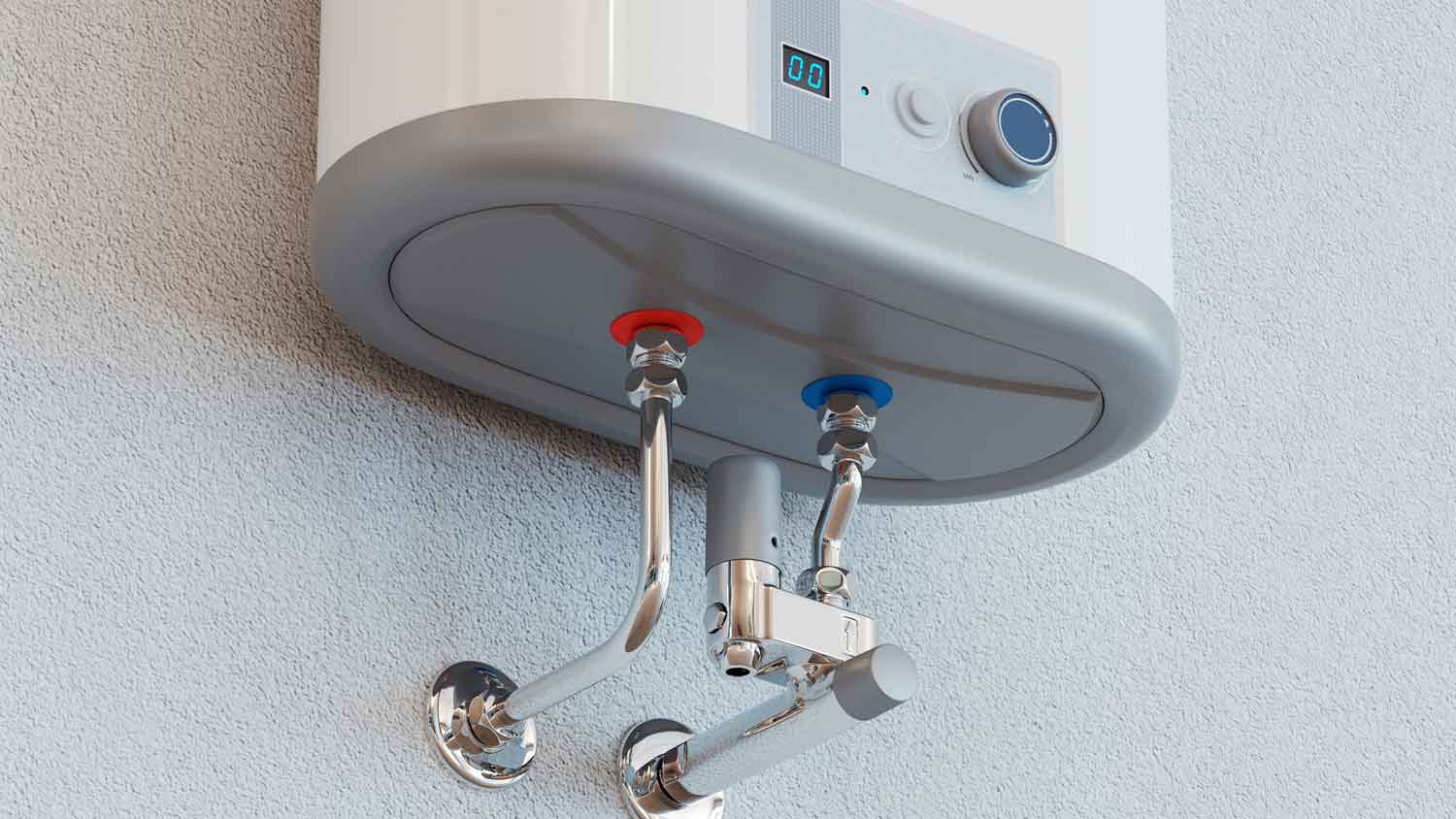
Does your water heater always turn off? Here’s how to diagnose the problem.