

•
Find out the average tankless water heater repair cost, what impacts pricing, and how to save. Get expert tips to plan your repair budget with confidence.
Don’t land in hot water by disposing of this appliance the wrong way

Water heater recycling locations accept aluminum, steel, brass, and copper components, and local recycling centers often provide details about their policies, fees, and pick-up services online.
Appliance removal costs between $100 and $250 for a water heater, so professional haul-away services save you from heavy lifting and ensure proper disposal according to local regulations.
You can donate your working water heater to organizations like Habitat for Humanity or Goodwill, or sell it locally through online marketplaces to extend its useful life.
Hiring a local appliance removal professional handles disconnection, transportation, and disposal safely, keeping your home protected from potential gas, plumbing, and electrical hazards.
When your morning hot shower is suddenly ice cold, it may be time to replace your water heater. Water heaters last about a decade, and when you install a new one, you’ll need to properly dispose of the old one. Use these tips to learn the best ways to dispose of a water heater safely and responsibly.
When it’s time to replace your water heater, you can’t just bring the old one to the landfill. Many water heaters have components like mercury pilot light sensors and asbestos insulation that cause them to be classified as hazardous waste. Those components, plus the rust and sediment found in old water heaters, pose environmental and safety risks.
Improperly disposing of a water heater could open you up to fines or citations, so it’s important to follow all regulations and guidelines for responsible water heater disposal.
No matter how you dispose of your water heater, you’ll need to disconnect it first. Because water heaters involve plumbing and hardwired electrical connections and may also have gas connections, disconnecting them can be dangerous. Call a qualified HVAC technician or plumber to safely and properly disconnect the water heater to prepare for disposal.
How you dispose of your water heater will depend on its condition and how much heavy lifting and transportation you’re willing and able to do. If you can’t move or transport it yourself, you’ll need to enlist help for disposal.
One of the best ways to get rid of an old water heater is to recycle it. Heaters have aluminum, steel, brass, and copper parts—all of which are recyclable. Recycling centers have rules and policies, so check with your local center for more details. Their website will be able to tell you about which materials they accept, any forms you must fill out, and whether they offer pick-up service. Some organizations recycle for free, whereas others charge a fee.
Remember that water heaters are heavy and unwieldy; an empty water heater weighs around 150 pounds. Ask a friend to help you move the appliance so you don’t hurt yourself. Use a furniture dolly to transport it out of your home when possible.

Your old water heater may still have some value! You can scrap it for parts at a local scrapyard. Most heaters have copper or brass components, which can sell at a high price. However, a majority of the parts are aluminum and steel. These metals are both plentiful, so they won’t be worth as much at the scrapyard.
If your water heater is still functional, consider donating it to someone in need who can put it to good use. Nationwide organizations, like Habitat for Humanity and Goodwill, often accept appliances as long as they are in good working condition. Some organizations even pick up donations. Be sure to research local charities, too. No matter where you decide to donate it, call ahead to make sure they accept water heaters and ask about any safety or operational requirements they have for donated appliances.

You may also be able to sell your water heater if it works well. Post an ad on an online marketplace for an easy, local sale. Be honest about its condition and do some research to determine a fair price. Alternatively, if only parts of your heater are in good condition, you may be able to sell them to a local repair shop. The downside to this option is that you can’t guarantee you’ll find a buyer, and you may need to turn to another disposal method in the end.
Generally, we don’t recommend throwing out a water heater because of the environmental damage it can cause. In some cases, however, recycling, donating, or scrapping your heater may not be possible. In this situation, your only choice may be to throw it out.
There are a few ways you can go about doing this. Some cities offer bulk waste collection on certain days as part of regular curbside trash collection services. They may charge a fee for this type of collection. Be sure to check the service information first before putting your old water heater on the curb. Many cities also host community-wide cleanup days where residents can dispose of items they normally can’t during regular collection service.
If your area doesn’t provide collection service or have regular cleanup days, you may need to bring it to a landfill. Some facilities prohibit water heater disposal; empty tanks can collect dangerous gases, which could cause the tank to explode. Do some research to find a local landfill that accepts old water heaters.

In most cases, trying to remove a water heater from your home on your own is not worth the trouble. We recommend working with a pro. The company that delivers your new heater can often remove the old one for a fee.
If you’re working on a reno project and have a lot of waste to get rid of, it may be wise to rent a dumpster. Most dumpster rental companies have rules about what you can and cannot put in them, so ensure they allow water heaters before booking. Be sure to check the cost to rent a dumpster too.
You can also hire a junk removal service near you. These professionals will disconnect your old heater, carry it out of your home, and dispose of it properly according to local regulations. Contact a local service to learn how much junk removal costs and to get a quote.
You may be able to save yourself the time and effort of disposing of your water heater when you buy a new one. Some companies will take away your old heater for free or a low fee when they install the new one—ask before purchasing to see if they offer this service.
Always check local guidelines to find out any specific steps you need to take when disposing of a water heater. Regulations may limit your disposal options, and not all disposal methods are allowed everywhere. It’s worthwhile to take a few minutes to double-check so you can avoid potential fines or citations.
Junk removal costs range widely depending on the type, weight, and volume of waste. Appliance removal costs between $100 and $250 for a water heater, which is around average for junk hauling since it’s not a hazardous material.
Water heaters are heavy and difficult to transport, and disconnecting them can be dangerous. If you don’t have experience with replacing these appliances, you’re better off calling in a pro. Hire a local appliance removal company, junk removal service, or HVAC technician to ensure the job is done correctly and safely.
A reliable team for moves across state. My switch to a new place needed careful lifting through tight hallways. The movers checked the doorway first, then carried heavier pieces with slow, controlled movements. Their patience helped prevent damage, and I?d choose them again.
This company is professional and efficient. We have used them for two moves and will definitely use again if needed. The drivers/movers have been pleasant and well mannered. The dispatcher is easy to work with and communicated well through out the process. Their assistance it completely worth...
 All My Sons Moving & Storage
Incredible workers! Very skilled with the machinery, climbing, cutting, roping, and removal. Handled everything. Professionals!
 Hoffman Expert Tree Services
Excellent experience in mounting our 77 inch TV with in wall cable management. Service was efficient and would highly recommend!
 Tether House
Window Depot did an amazing job on my deck. I wasnt sure what I wanted to do, but their composite decking was affordable and will last a long time. I am excited to have family over, and I am no longer embarrassed by my backyard. Jeff and the ground crew were polite, respectful, and caring for...
 Window Depot USA of Central Ohio
Storms Mobile Welding was great to work with. They were prompt, professional and did an overall excellent job on the project. I highly recommend.
Cameron and his crew did an excellent job. On time, professional and courteous. My driveway looks awesome!!
 All Star Paving and Sealing
Did an amazing job transforming my yard. Also installed sod in places, would recommend to everyone.
 Cardinal Landscaping & Construction LLC
Absolutely amazing, Rob and his team are extremely efficient and professional. Pink Dumpster Rentals, Demolition, And Hauling is a go to for getting my property cleared up so we can pursue the upgrades we want to make on our home.
 Pink Dumpster Rentals, Demolition, And Hauling
I am very pleased with the services performed by OTS. Bless my late Mother, but she was a bit of a pack-rat. The basement of her home was crammed with 40+ years of "stuff," and the other companies I contacted were concerned with possible mold contamination of the items due to the musty smell...
From average costs to expert advice, get all the answers you need to get your job done.
Find out the average tankless water heater repair cost, what impacts pricing, and how to save. Get expert tips to plan your repair budget with confidence.

A water heater flush costs $160 on average but can vary based on the unit size, type, labor, location, and more. Keep reading to learn how much you could pay.

Tankless water heater costs depend on the size of your water heater, location, fuel type, and more. Keep reading to calculate your expenses.
If your water heater is leaking, you can still use water as long as you have a repair plan. Here’s what you need to know about a leaking water heater.
Learn how many amps you'll need to have for your water heater to operate. Some homeowners will need to upgrade amperage before installing new water heaters to avoid electrical outages and fires.
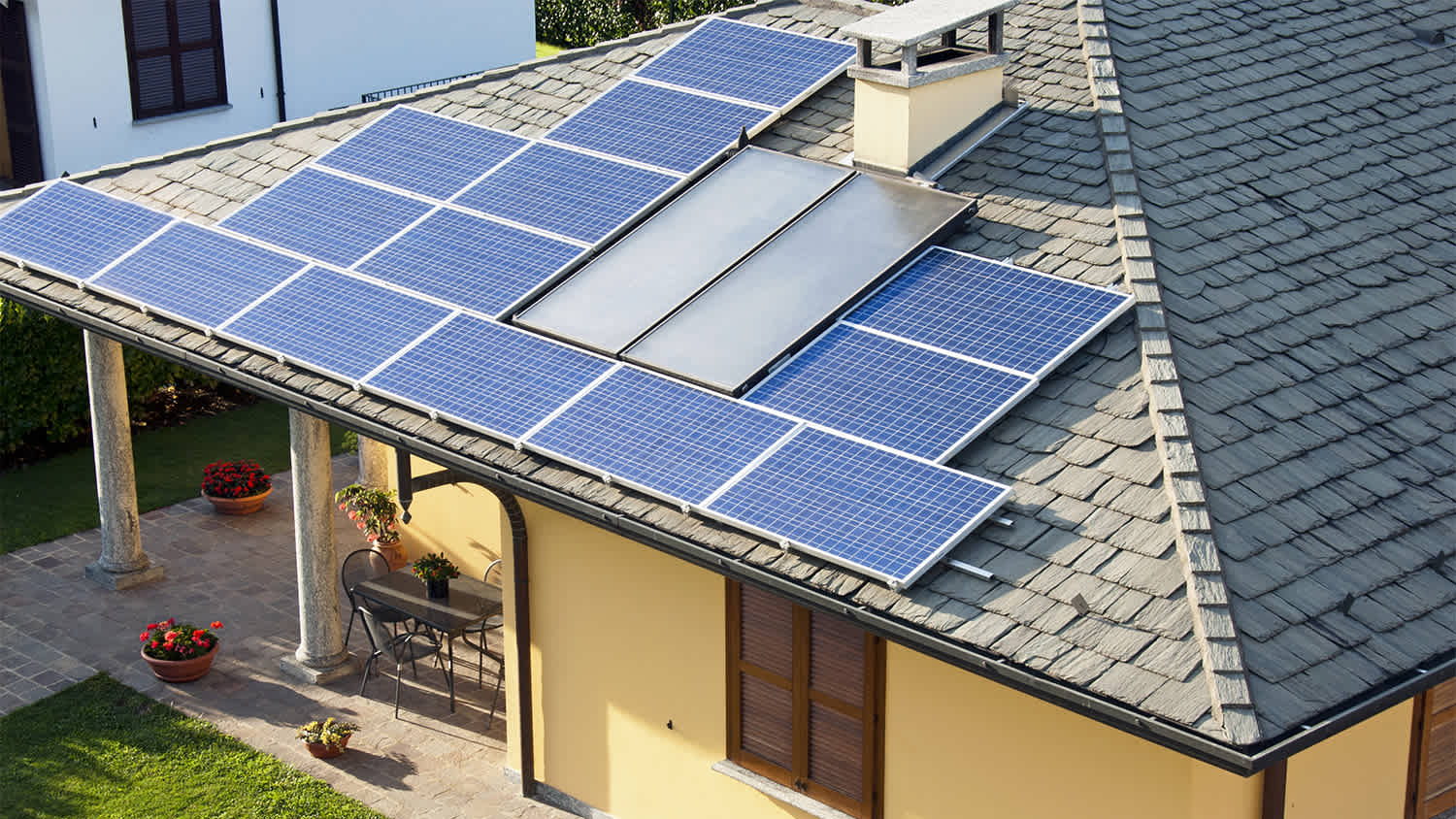
Find out what a solar hot water heater is, how it works, and if it can save you money. Our expert guide gives you all the information you need to know if a solar water heater is the right choice for your home and how you can use one.