
•
Find out the average cost to remove roots from pipes, what impacts pricing, and expert budgeting tips for root removal, and protect your plumbing.
Don’t let your pipes turn into a root maze

Slow drains in your home with no visible blockage signal tree roots in your pipes, as roots fill your sewer line and restrict flow.
Plumber costs range from $250 to $1,100 to remove tree roots from your sewer line and $55 to $250 per linear foot for trenched sewer repair.
Sinkholes forming in your yard signal severe tree root damage to your sewer line, one of the most urgent symptoms to address now.
Hiring a local tree debris professional provides helpful support by removing trees directly above pipelines and clearing access for plumbers to complete repairs.
One of the most annoying problems in any home is root growth. Having trees on your property provides shading, improves the curb appeal, and can even increase your property value. However, large trees can become a plumbing nightmare when their roots penetrate your underground pipelines.
Tree roots take about three months to a year to form. During this period, the roots expand and can grow into your sewer lines because warm water flows through the pipes, releasing vapor into the surrounding soil. The wastewater from your household may be worthless to humans but is full of nutrients for plants to grow. Therefore, the roots will grow toward where the vapor comes from and attempt to penetrate any cracks in the pipe.
This process is slow and gradual, but the results can be as devastating as a pipeline collapse. Hence, it’s important to pay attention to warning signs suggesting you may have tree roots in your pipes. Also, as the trees grow older and larger, their roots expand further. If you have an old tree in your yard, you should inspect your sewer line to make sure the roots aren’t in the pipes.

Tree roots may be growing in your pipes if your drains are moving slowly but there is no blockage in the house. Roots gradually fill up your sewer line and make it harder for water to pass through. As long as your drains are still draining, that means the sewer hasn’t been completely blocked. It’s best to address the problem sooner than later because the longer you let the roots grow, the worse a problem they become.
You can try using a chemical root killer to fix your slow-moving drains. The foaming tree root killer available at most hardware stores will do. After pouring the foam root killer down, avoid using any water for half a day to let the root killer fully take effect. Repeat this process daily for a few days for the best results.
After the initial fix, you need approximately half a pound of the product every two months for maintenance. This should slowly kill off the roots, restore your drains, and prevent roots from growing back.
Fill your sink and let it drain, or flush your toilet on the higher water setting. Do you hear a gurgling or bubbling noise? That is another sign of root growth in the pipes. If your pipes are clear, the water should flow down smoothly. Bubbling noises mean something is obstructing the water's flow, causing a hiccup in the flow.
Rock salt slowly kills the roots as it can extract moisture from them. It’s a simple solution for early-stage tree root problems. Compared to chemicals, rock salt is more environmentally friendly.
If tree roots have blocked your sewerline, your toilets may stop flushing. The problem only gets worse as the roots catch other debris, such as toilet paper.
If you have the skills, you can try augering the toilet yourself using a handheld tool. Unlike snaking, augering aims to break up the blockage and push through. Meanwhile, snaking would be pulling whatever blockage is in the pipe through the entry point.
If the backup is severe, you will need to hire an emergency plumber. However, some plumbers may charge emergency call rates. Emergency plumbers can cost between $100 and $350 per job.
The bad, rotten stench in the house can be caused by multiple reasons. Try to identify where the stench is coming from. If the pipes in the house seem to be working fine, yet a stench is coming out of your floor drain, you may have tree roots in the sewer line. The roots can catch waste such as fecal matter and food waste. As time goes by, they can rot and release an odor.
You can try to use copper sulfate as an aggressive way to address severe root growth. However, the substance may not be available at a general hardware store due to its hazardous and toxic properties. If you don’t feel comfortable working with chemicals, it’s best to call a plumber to address the problem.

Tree roots in your pipes can hike up your water bill because they can cause unnoticeable cracks and leakages. Root growth also decreases water efficiency. You may have to flush your toilet multiple times or pour more water into the drain to wash down your food waste.
A leaking toilet, showerhead, or faucet, broken supply pipe, leaking or worn-out joints and washers, or even a water tap that is not fully turned off can all lead to abnormal water usage. If you think your water bill is too high, check all your fixtures and fittings.
Another sign of tree roots in your pipes is reduced water flow or lower water pressure. A blockage in your sewer line can disturb water pressure, making your water flow weaker than usual. Take apart your kitchen faucet and see if there is any blockage in the supply pipes. If everything looks normal but you’re not getting enough water pressure, chances are you have tree roots in your sewer line.
Since tree roots can damage your pipe and cause leakage, the plants in your yard might look greener and happier from the extra irrigation, especially if the roots are growing in your sewer line. The wastewater is a perfect fertilizer. Therefore, if your plants suddenly begin to prosper, it might be worth your time to ask a plumber to inspect your underground pipes. Plumbers typically charge $250 to $1,100 to remove tree roots from your sewer line.
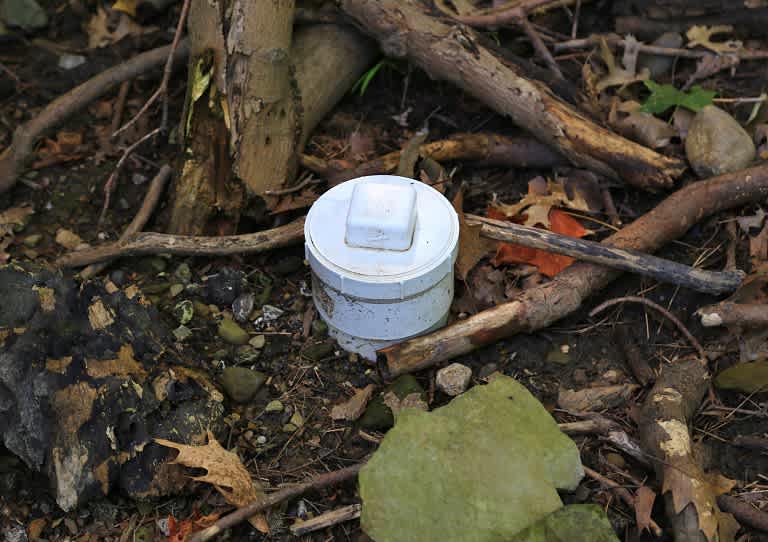
Sinkholes are your last and most severe warning sign for tree roots in the pipes. They are unusually soft spots in your soil that are only steps away from a total collapse. If you notice sinkholes forming in your yard, the roots have nearly destroyed your pipes and you must contact a plumber immediately. Do not attempt to snake or auger your pipes by yourself because it will only accelerate the collapsing of penetrated pipes.

Your plumber will be able to inspect the roots in your pipes using a camera. If sinkholes are forming in your yard, chances are the roots have completely taken over the line and the pipe is only days away from collapsing completely.
If that’s the case, your plumber will have to extravagate the pipe, remove the damaged portion, and replace it with a new pipe, known as a trenched repair. To repair a collapsed sewer line caused by tree roots, you could pay $55 to $250 per linear foot. Given the cost, it is best to speak with your insurance carrier and see if the cost will be covered.
If the tree grows directly above the pipeline, you may have to completely remove the tree. Otherwise, the roots would simply penetrate the repaired pipes again as time goes by. Contact a professional tree remover for the job. Sometimes it might be necessary to remove the tree first before your plumbers can gain access to the pipeline that needs to be repaired.
This service was great. My air conditioner went out during the heat spell that we had. My husband has health issues and they came out that night and at 9:30pm the air conditioner was fixed and running. We are sooo very thankful, this is the company I will be using from now on and would...
 Mr. Mechanical Ohio
One of my old tall evergreen trees was suddenly leaning toward the busy street in front of my house. I submitted a request for an emergency tree inspection, and Alejandro, owner of Cajete Tree Service, contacted me immediately and arrived to look at it just 20 minutes later. We agreed the...
 Cajete Tree Service LLC
1 tree was cut down and 5 others including a large willow tree were trimmed. The Grant Tree Service men were professional and cleaned up afterwards. The cost of the 6 trees were affordable. I am very happy with the results. I would hire them again.
 Grants Tree Service
D1 Roofing delivers outstanding service from beginning to end, backed by a strong warranty and expert teams. I highly recommend them for their excellence in meeting and surpassing expectations with unmatched communication. Choosing D1 Roofing was flawless decision
 Division 1 Roofing LLC
Promptly arrived for quoting! Demonstrated superb customer service, affordable pricing, and completed service swiftly! Looking forward to the spring for our service!
 All Star Paving and Sealing
Seth was very professional, prompt in responding to queries about the work required , gave sincere advice as to what would be best for tree trimming and did the job timely.
Ace Fireplace Services' chimney sweep service is truly exceptional. They used advanced technology to ensure a thorough cleaning process, and my chimney has never looked better. I highly recommend their services.
 Ace Fireplace Services
I definitely recommend Ramonaâ s cleaning service! I have booked services with her many times and she arrives on time, ready to work and provides a great service.
 Your Cleaning Solutions LLC
Webb â s was priced well, flexible on scheduling, great with communication, and detailed in their work. Iâ ll definitely use their services again.
 Webbs Pressure and Paint LLC
Great tree company, very professional and honest. Glad we found them, they had the best pricing
From average costs to expert advice, get all the answers you need to get your job done.
Find out the average cost to remove roots from pipes, what impacts pricing, and expert budgeting tips for root removal, and protect your plumbing.
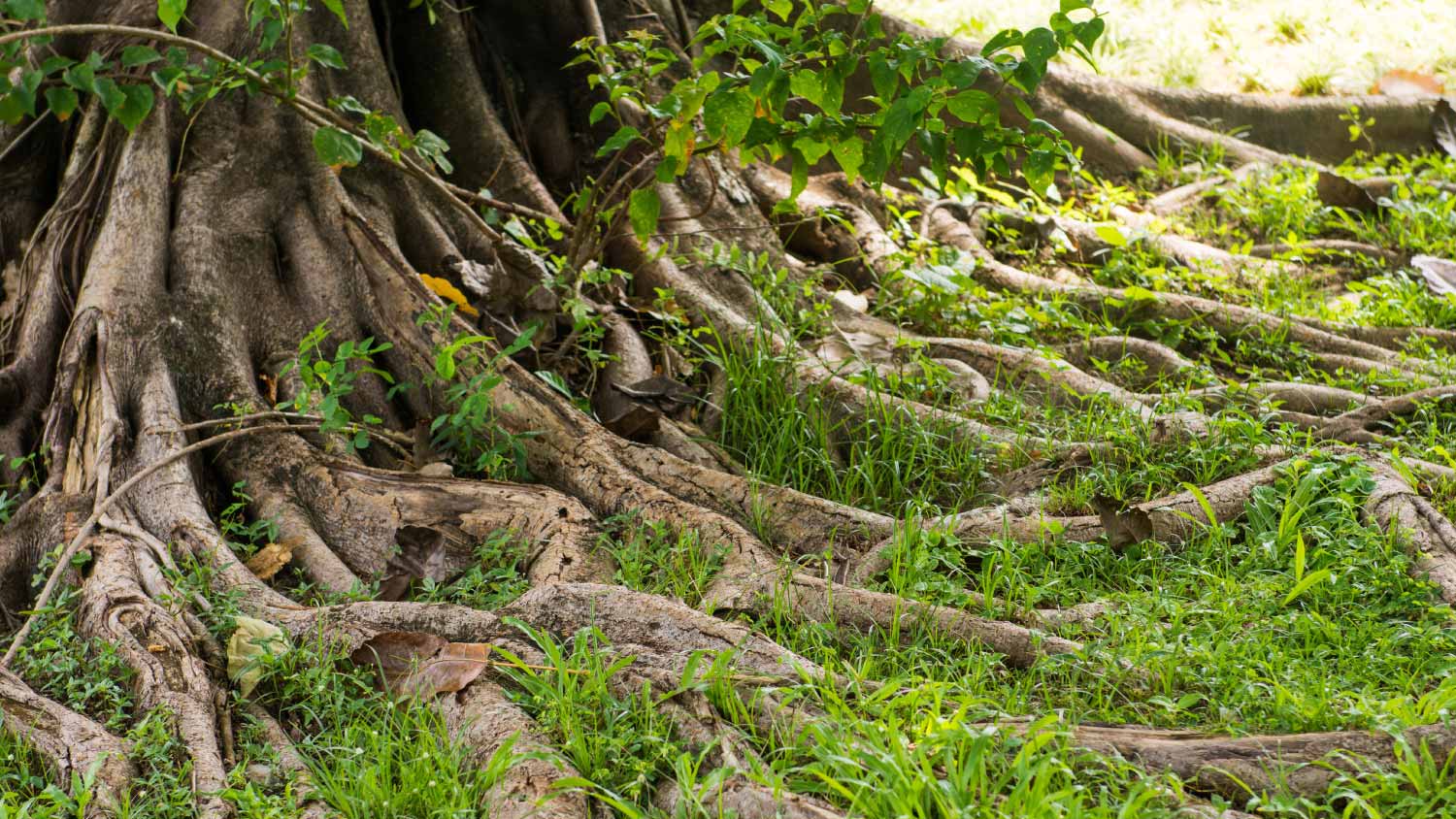
Tree roots can cause damage to pavement and push fence posts out of the ground. If you have tree roots growing over your property line, here’s what you need to know about cutting them.

Can tree roots damage a foundation? Learn what kind of problems tree roots can cause and the best way to prevent and repair foundation damage.
Are tree roots uprooting your landscaping plans? Here are five ways to kill tree roots without damaging the rest of your lawn.

Are surface roots a problem? Maybe not, but if an issue does crop up, it could be costly. Here’s what to do when you notice tree roots in your lawn.

Wondering how to kill oak roots but not trees? Follow these 6 tips to learn the best ways to handle oak roots without harming the tree itself.