
Water damage can lead to costly, inconvenient repairs, health risks, and more. Preventing water damage can be simple with these nine prevention tips.
Be proactive and prevent plumbing problems

Water damage prevention starts with regular inspections of your gutters, downspouts, roof, and plumbing to catch leaks early before they turn into costly repairs.
Monitoring your water pressure and installing leak detection sensors helps you spot problems quickly, protecting your home from unexpected plumbing failures and foundation damage.
Keeping your heat on during winter and knowing where your stop tap is gives you control when emergencies happen, preventing frozen pipes and water damage.
Hiring a local water damage restoration professional provides reliable help with leak detection and repairs, keeping your home safe from long-term moisture problems and mold.
It’s every homeowner’s worst nightmare: a pipe bursting and flooding the bathroom, leading to expensive and troublesome water damage. Water damage isn't just a hassle to repair and clean up; it can also cause long-term issues like mold and mildew. By following these 10 proactive tips, you can help prevent water damage from occurring in your home.

Clean your gutters and downspouts twice a year to prevent blockages and ice dams. Leaves, moss, and other debris can block your gutters and lead to standing water, which, if left for too long, can seep into your home’s foundation and cause major damage.
A leaky tap can displace up to 57 gallons of water in one week—pipe leaks should never go unaddressed. Do regular inspections around your home to look for signs of a plumbing leak—if you notice damp, dark spots on the floor, wall, or ceiling, call in a water damage restoration company right away. You might also spot chipped paint, peeling wallpaper, black specks, or a musty smell. Leaks can originate from a number of common devices, including toilets, sinks, dishwashers, bathtubs, and water heaters.
Remember to also inspect your roof. Check inside your attic for any signs of water damage and look for damp spots on joists. Outside, examine the roof for any signs of damage and check that the flashing around your chimney is intact and in good shape.
Regularly inspecting your home for leaks is always a good idea; you can add to this by installing a leak detection sensor. Many models are easy to install, though a few might require professional help. Smart sensors even send updates to your phone or computer, so you’ll know right away if there are any potential water problems. If your sensor has auto-shut-off capabilities, make sure to enable this feature so water flow is turned off if a leak is detected.

Appliances can fail at any time, so running them while you’re asleep or out of the house can be risky. You know not to leave your oven on while you’re away, so apply that same principle to all of your appliances, from your dishwasher to your washing machine.
If you live somewhere with cold winters, keep your heat on during the chillier months, even if you’ll be away. If the heat isn’t kept at 55 degrees Fahrenheit or higher, the pipes in your exterior walls can freeze. When a frozen pipe later thaws, water damage can occur quickly.
Going away for a long-deserved trip to Hawaii? You can choose to shut off your main water valve before you go—just be sure to talk to a professional plumber near you before you do. They might advise just shutting off individual water valves to major appliances and fixtures. Either way, turning off the water is one way to prevent any damage from occurring while you’re getting your sun tan on the beach.

In an emergency situation, you need to know how to turn off the water—fast. Knowing where your stop tap is—and being able to turn the water off in a crisis—will prevent you from panicking and give you peace of mind while you make a call to a local emergency plumber. In most homes, the stop tap (also known as the stop valve or stopcock) is located under the kitchen sink, but it’s sometimes found in a kitchen cupboard, downstairs bathroom, garage, or cellar. Turning the valve clockwise will close it, reducing or stopping the water passing through your pipes.
A water pressure gauge can help you measure and monitor your water pressure. Attach the gauge to a faucet in your yard, then turn the faucet on—this will give you a reading of your home’s water pressure. When the water pressure is set too high—anything over 100 psi—your pipes can fail. If this is the case, a water pressure regulator can help decrease the water pressure from the main water line.
If your water bill suddenly spikes, there could be a leak or other plumbing issue. High water bills might indicate a leaky pipe, leaky faucet, overwatering, water-cooled AC units, or something else.

If you’re worried about water damage, it’s always best to call in a professional plumber to tackle any plumbing repairs. Even small repairs can easily go awry and cause leaks.
It’s important to catch water damage early. The most common signs that indicate you have a moisture problem are rotting, buckling, or peeling surfaces, which show up in 31% of cases. Damp or wet areas, stains or discoloration, and odors are also common indicators.
If you’re good people wanting to do business with good people, hire Matt. He is a consummate professional and utterly competent. He installed a water heater in my home at a price that beat competitors by hundreds of dollars with a promise to support the unit for its life (even after its 6 yr...
 Greene's Plumbing Services
Corey Carr was great. I had damage from a recent storm and needed to have my mast and other components replaced. The project entailed coordinating with AEP, and Corey helped make a stressful situation a lot less stressful. I really appreciated his dedication to service and the job very well done.
 Mr. Electric of Columbus
This service was great. My air conditioner went out during the heat spell that we had. My husband has health issues and they came out that night and at 9:30pm the air conditioner was fixed and running. We are sooo very thankful, this is the company I will be using from now on and would...
 Mr. Mechanical Ohio
Positive experience. As previously stated, the replacement/repair could not be completed (no fault of the plumbing tech) b/c misinformation was rec?d by property management maintenance. Thanks to the plumbing tech for your efforts. Appreciate you!
 The Waterworks
Carpet repair done well. Scheduling was easy. Showed up on time.
 BR Flooring Installation
As usual with ECO, tech Jordan was outstanding, very professional, very knowledgeable, and very thorough with repairs made to tankless water heaters. Very highly recommend ECO!!!
 Eco Plumbers, Electricians, and HVAC Technicians
I would recommend this company to anyone! He showed up on time, was friendly, completed a very difficult repair on our dryer vent cover, was responsive, and pricing was extremely fair and competitive. I would have him back to do any of our repairs or cleanings without hesitation!
 U.S.A. Dryer Vent, LLC
Everything from initial contact to completion was absolutely top notch. We contacted the business during off hours to leave a message, and the owner still reached out to feel out the issue within minutes. We were scheduled and repaired within 48 hours. I cannot say enough about the...
 Supreme brick & chimney
Ace Fireplace Services came to the rescue for my chimney repair. They were quick to pinpoint the issue and worked their magic to fix it. My chimney is now in excellent shape, and I'm a satisfied customer.
 Ace Fireplace Services
When we had the winter freeze, I called Quantum Waterworks Waterline & Drain Cleaning Services and within 1 hour I received an e-mail and he sent someone out the next day and he was on time, he was nice and did the job quickly and cleaned up after himself. We had a leak in our kitchen from...
 Quantum Waterworks Waterline & Drain Cleaning Services, LLC
From average costs to expert advice, get all the answers you need to get your job done.
Water damage can lead to costly, inconvenient repairs, health risks, and more. Preventing water damage can be simple with these nine prevention tips.
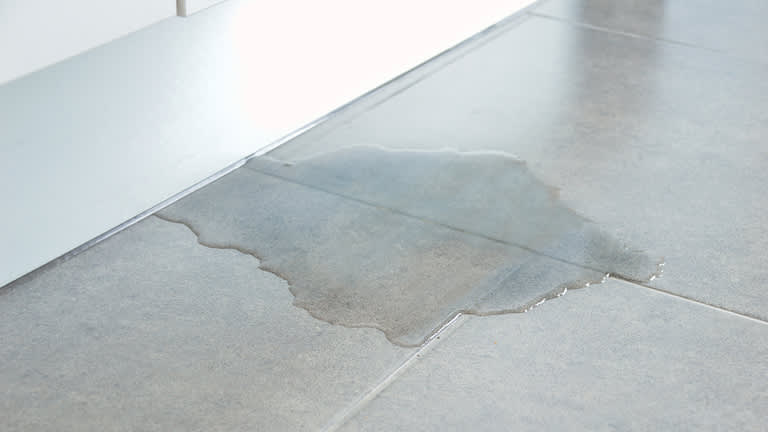
Restoring water damage can be a complicated process. Use these 12 water damage restoration tips to do the job right.

To stay on top of water damage insurance claims, stop the water and document damage. Keep reading for more water damage insurance claim tips.
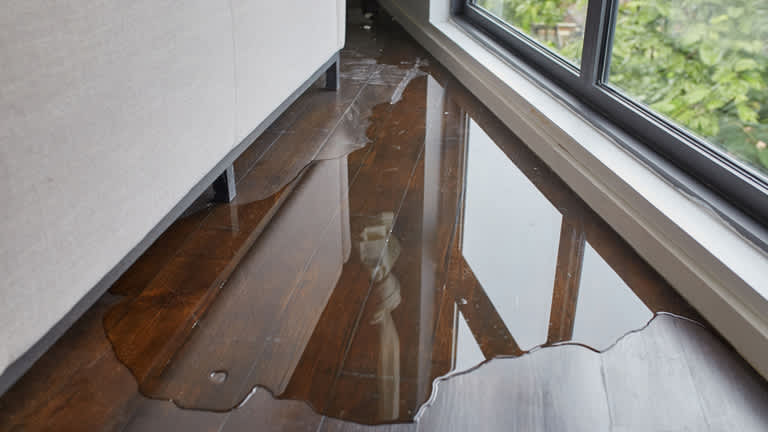
Most homeowners don’t know how to deal with water damage. Use this guide to take the proper steps to minimize damage and keep your family and home safe.

Has your area been affected by flooding? Use this water damage restoration checklist to help save your home and protect your belongings.
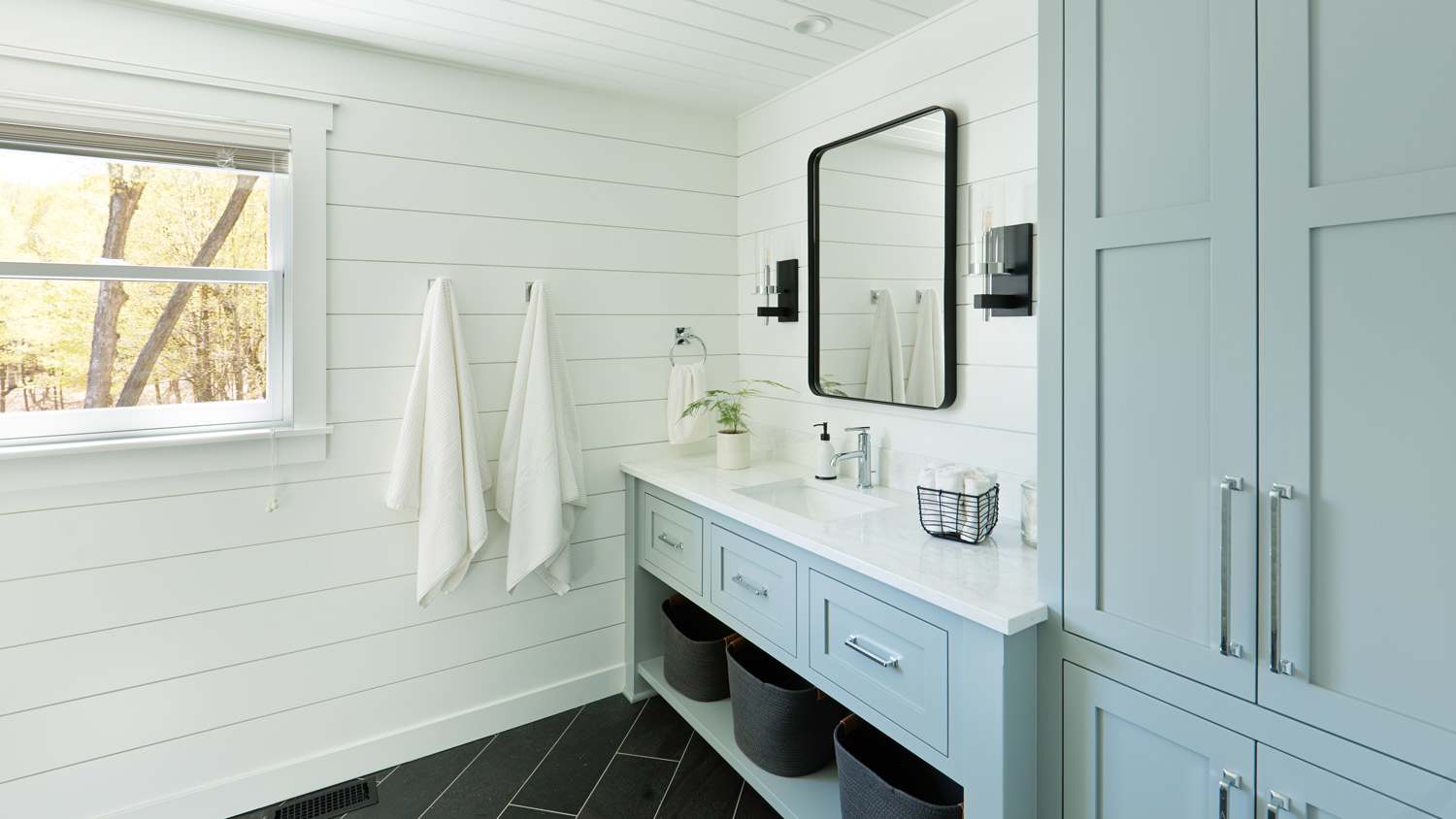
Major leaks can cause irreparable bathroom vanity damage, but some water damage can be rectifiable. Whether it's peeling paint or veneer, warped or sagging panels, learn some techniques for repairing a water-damaged bathroom vanity.