
•
Get expert insights on sliding glass door repair cost, including average prices, key cost factors, and tips to save money on your next repair project.
Keep your door installation on track by choosing the right hardware

Sliding screen doors with tracks come in eight main types, including single-rail, double-rail, and triple-rail configurations that determine how your door opens and functions.
Your track choice depends on door configuration, interior or exterior placement, security needs, visible versus concealed hardware preferences, and whether the track supports your door's weight.
Match the track to your entryway layout, as some spaces lack adequate room for barn doors or bypass tracks with multiple sliding panels that stack together.
Hiring a local sliding glass door professional removes the guesswork from track selection and installation, ensuring proper fit and alignment for smooth operation.
Sliding doors are a space-saving solution that can give you back some usable square footage in a smaller room. It’s not just about the door, though—the track matters. Tracks impact the way a sliding door looks and functions. This guide covers eight types of sliding door tracks, including single, double, triple, bypass, box, flat, concealed, and pocket, so you can choose the best option for your home.

Single tracks, also known as mono-rails, are the most basic type of sliding door track and are one of the most common. This door track consists of a single rail that runs along the top or the bottom of your doorway, allowing the door to slide open and closed, stacking over a fixed panel.
Though this style of track is simple to install and operate, mono-rail doors can partially block a doorway. Only one side (the sliding panel) opens, while the fixed panel is stuck in place. Nonetheless, they remain a popular option for closets and single entryways.
| Pros | Cons |
|---|---|
| Easy to install | Only half of the doorway is accessible |
| Sleek and space-saving | Needs a blocking bar for security |
| Better at retaining heat than other designs | Not as soundproof as other options |
Best for: Single entryways like closets or small balconies

Double tracks, or duo-rails, consist of two separate rails. Both door panels slide back and forth along their designated track (as opposed to the single track, which has one moving panel and one fixed panel). Double rails have a mechanism on the top and bottom to hold the door in place.
This type of track allows for greater versatility and accessibility. Because you’re not limited by a fixed panel, you can have a wider opening. Some configurations include two-panel doors that slide outward (akin to French sliding doors).
| Pros | Cons |
|---|---|
| Allows for a larger opening | Tougher to install and maintain |
| Versatility and flexibility | Requires more space |
| Better security | Prone to leaks and drafts |
Best for: Larger doorways, open-concept spaces, and patios

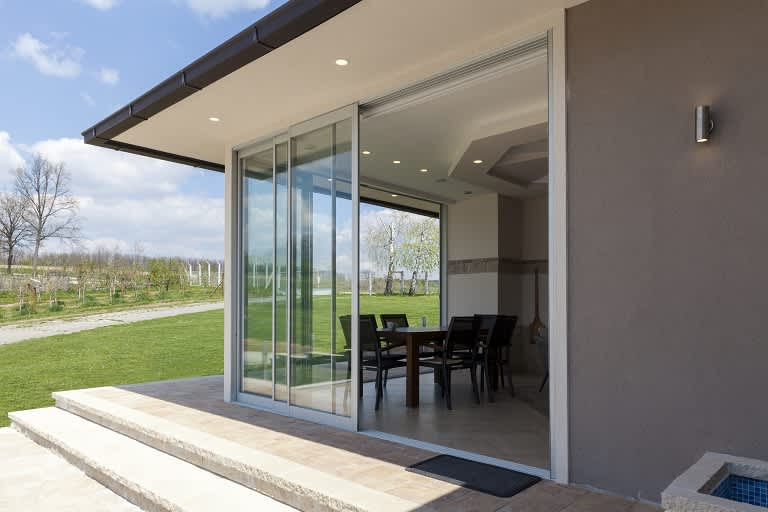
Three-rail sliding door tracks consist of three parallel rails that allow doors to slide open and closed, stacking on each other to maximize open space. You’ll find this type of track on telescoping patio doors, with a mechanism on the top and bottom for stability. It’s ideal for large openings like oversized patios, where it lends itself to indoor-outdoor living concepts.
Remember that more moving pieces can lead to more sliding door repairs. The components wear down over time, making triple-rail tracks more challenging to maintain than a standard single-rail track.
| Pros | Cons |
|---|---|
| Allows for oversized openings | Tougher to install and maintain |
| Great for indoor-outdoor living concepts | Requires more space |
| Greater accessibility | Prone to leaks and drafts |
Best for: Glass wall patio doors and ultra-wide closets

Bypass tracks can have two or more rails. The main hallmark is that the rails are parallel to one another, so panels can stack on top of each other as they slide open. This type of track is a space-saving alternative to larger accordion doors. You’ll commonly find it on external patio doors, where it creates a wall of windows that can stack open, or on oversized closets.
Because bypass tracks are prone to misalignment, you’ll want to hire a professional door installer—especially if it’s an exterior door.
| Pros | Cons |
|---|---|
| Allows for bigger openings | Tougher to install and maintain |
| Space-saving solution | Takes up more space than a single track |
| Can create a functional wall of windows | Prone to misalignment |
Best for: Larger doorways

The rail and rollers are enclosed in a box-like structure in a box track sliding door. The hardware is hidden behind a more visually appealing facade mounted above a doorway. Box tracks became trendy in residential interiors alongside sliding barn doors, but you’ll also find them in commercial and industrial applications. This type of track is especially sturdy, with some models holding doors weighing over 1,000 pounds.
| Pros | Cons |
|---|---|
| Trendy rustic or industrial look | Requires space above a doorway |
| Supports heavy-duty doors | Requires wall space for full door functionality |
| Great for commercial or industrial use | Visible above the door |
Best for: Barn doors, heavy-duty doors, and commercial or industrial settings

Flat tracks are another type of top-mounted track used with barn-style doors in residential settings. Rather than trying to hide the hardware, this type of track turns it into a design feature. The roller sits on top of the track instead of inside of it. The track itself is thinner and more streamlined than a box track. Depending on the design, these can accommodate bypass sliding doors that stack over each other.
| Pros | Cons |
|---|---|
| Thin, streamlined look | Not suitable for heavy-duty doors |
| Unique design aesthetic | Visible above the door |
| Greater accessibility | More expensive |
Best for: Barn doors, shutters, cabinets, and commercial spaces

A concealed track hides the functional parts of your sliding door behind the door itself. This makes your door look like a free-standing element, as if it slides back and forth on its own. Most commonly, concealed sliding door tracks are mounted on the top of your door, with the roller mounted on the top of the doorway. You’ll see this as an alternative to box tracks and flat tracks.
| Pros | Cons |
|---|---|
| Clean, modern design | Requires space above the doorway for rollers |
| No visible hardware | Requires wall space for full functionality |
| Versatile, decorative door options | Interior use only |
Best for: Barn doors, modern homes, interior entryways, and closets

If you have pocket doors that slide into a hidden cavity in your wall, you’ll need to use a pocket door track. This track has the correct dimensions to fit inside the wall and allow the door to open and close completely. Pocket doors are a go-to solution for small spaces that cannot accommodate other types of doors, but they won’t work with every type of wall.
| Pros | Cons |
|---|---|
| Efficient, space-saving design | Complex installation |
| Full use of the entryway | Not suitable for all wall types |
| Versatile, decorative door options | Interior use only |
Best for: Small indoor spaces, like bathrooms and laundry rooms
Consider a few factors before choosing a track for your sliding doors. Many manufacturers require specific tracks for specific models and not every track works with every door. A local sliding glass door contractor can help you choose the right fit and ensure it’s properly installed. While looking at different options, keep the following in mind:
Configuration of the door: The track needs to suit the layout of the door and entryway. Some entryways won’t have adequate space for barn doors or bypass tracks with multiple sliding panels.
Interior or exterior: Certain tracks (like bypass tracks or mono-rails) work well with exterior doors. Other tracks (like pocket tracks, concealed tracks, or flat tracks) are best for indoor use only.
Security: Certain tracks are more secure than others. For example, sliding doors with single-rail tracks can be reinforced with blocking bars to help prevent break-ins.
Concealed or visible hardware: Some sliding door tracks are more visible than others. Box tracks and flat tracks tend to be the most prominent, while concealed tracks and pocket door tracks fly under the radar.
Weight: Make sure the track you choose can support the weight of your door. Glass doors are heavy, and tracks are rated for a specific weight range. You can choose a heavier-duty variety when necessary.
Soft-close add-on: Some tracks allow for a soft-close add-on. This small mechanism fits inside the track and prevents the door from slamming closed, damaging the hardware, or breaking the glass.
Terrible experience. Walls/trim/floors/cabinets/doors all have drip marks, overspray, etc. Tiling at the fireplace had to be redone by another vendor due to incorrect and shoddy install by Profect. Contractor had his children in our house while he was on site without prior authorization or...
 Profect painting & exteriors
Jason has helped me with multiple household projects, with the most recent being new door installation. He has always showed up on time and organized and has done an incredible job! Jason is very professional and he's now my go-to for anything around my house that needs to be fixed or...
 Huff Garage Rescue, LLC
Company came to look at my garage door that was off track. They also said I needed a brace on the other garage door. They put the door back on track, and I paid to install the brace. The technician told me I needed a new garage door opener, and it would cost $1000. Red flags went off in...
 Precision Overhead Garage Door Service
On Sunday 2/26 I requested quotes via Angi from 4 refrigerator repair businesses. Northwest Appliance responded to me Monday morning (2/27) and my refrigerator was repaired by noon the same day. Great communication, they did everything they said they would. The technician had the parts on...
Excellent customer service and knowledge. I was recommend to him from my neighbour. My front door and window came in great and were installed beautifully perfectly, I m very satisfied with their excellent work, so decided to order one more big bow window for my living room. I cant wait for...
 Window Depot USA of Central Ohio
Called ahead and worked quickly to install keyless locks on vintage wooden doors.
 Expert Lock and Key, LLC
Scott did not get appropriate access to the property prior to the scheduled inspection which required us to come back later in the day to complete it. He also, unprofessionally, knocked on a neighbor?s door in his attempts to reach someone with access. His overall report was fine though the...
 Security First Home Inspections
Door Depot was very responsive - they came out the day after my call to assess my needs, then returned at my convenience to complete the work. They arrived early, and the work was completed in a shorter period of time than estimated. Very pleased with the results. I would definitely use them...
 Door Depot LLC
Replace garage doors: Fast response, competitive estimate, timely work done well.
 Village Garage Door
Jeremiah did an awesome job cleaning 28 windows inside and out! He was fast, efficient and now I have a beautiful view again. This was a Groupon for $139 for 20 windows, but I had 28 windows/doors cleaned, so there was an extra $6 per window. Totally worth it.
 Complete Home Services
From average costs to expert advice, get all the answers you need to get your job done.
Get expert insights on sliding glass door repair cost, including average prices, key cost factors, and tips to save money on your next repair project.

When adding a fresh new entryway to your home, you may be curious about the cost of sliding glass doors. Let's break it down by size, style, and design.
Planning a sliding door or track repair? Learn about project scope, costs to expect, and how to hire the right local pro to restore smooth operation.
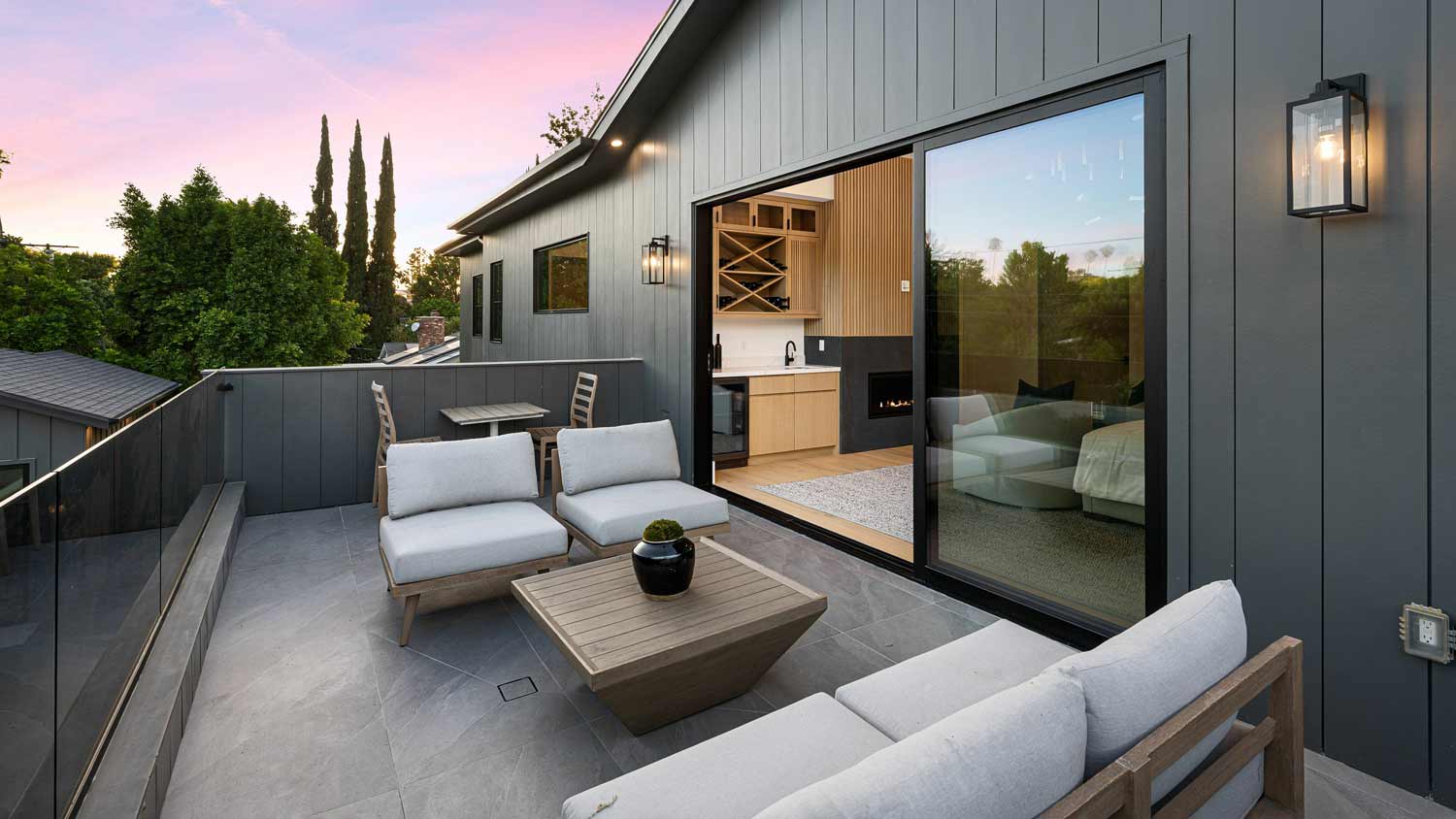
Types of sliding doors include bi-folding, bypassing, and pocket sliding doors. Read this guide to learn more about the best sliding doors for your home.
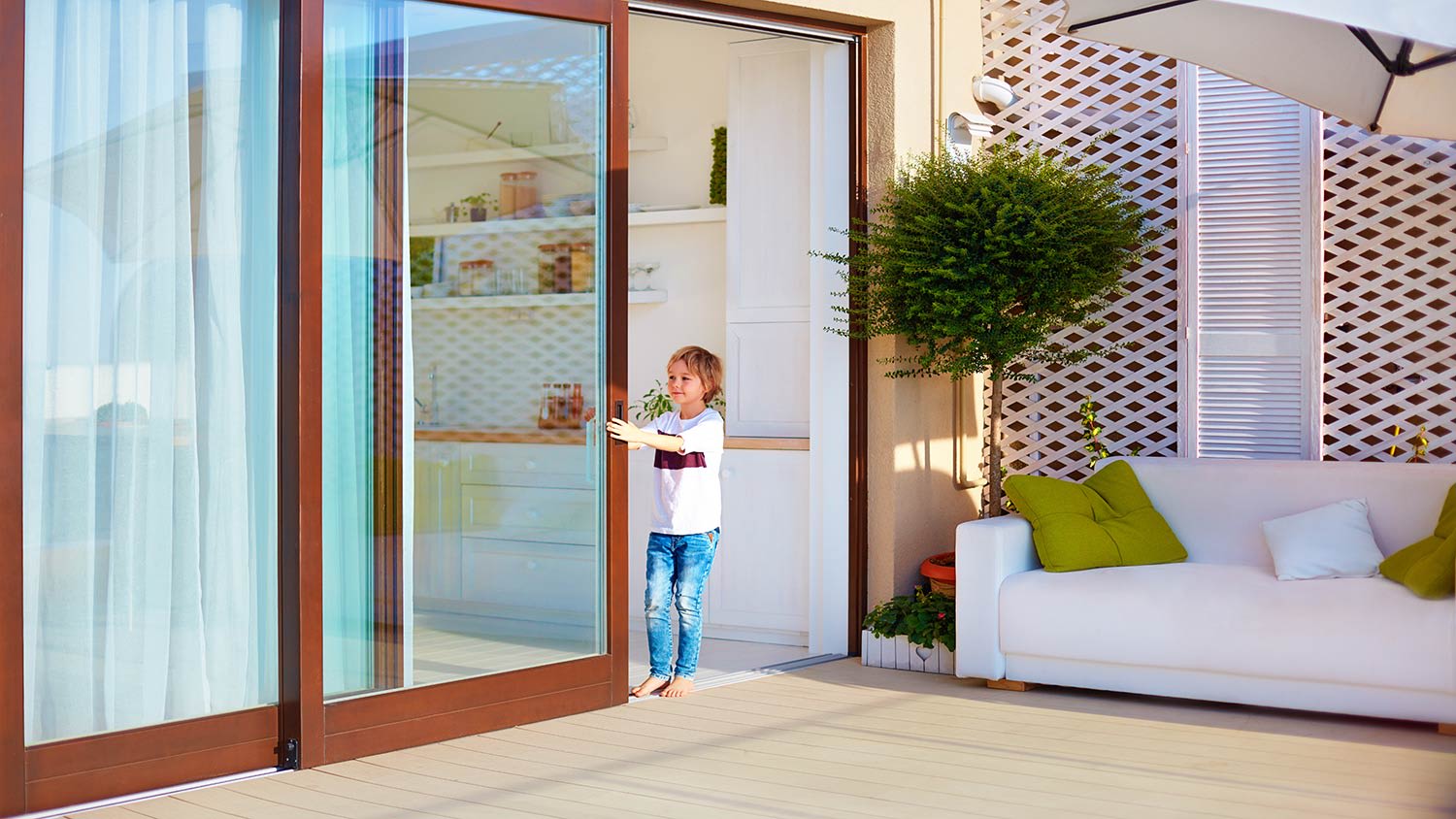
Is your glass sliding door as safe and secure as it can be? This common entryway may be the window into your backyard, but common issues like an old lock or dirty track can make it more vulnerable. Use these six tips to fortify your sliding door.
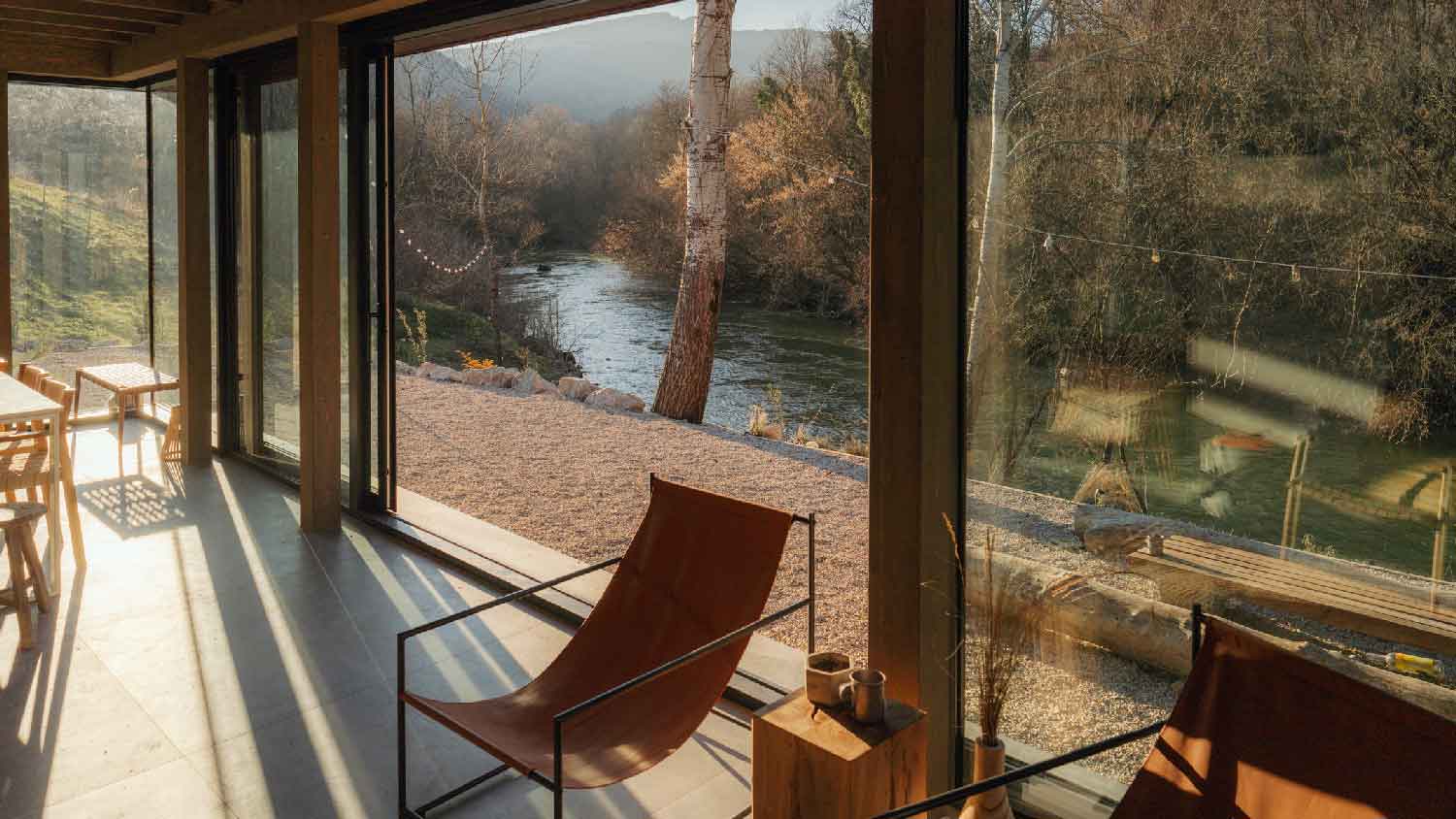
Understanding the different sliding glass door parts helps if you need to install one or perform maintenance to keep it in good working order.