

•
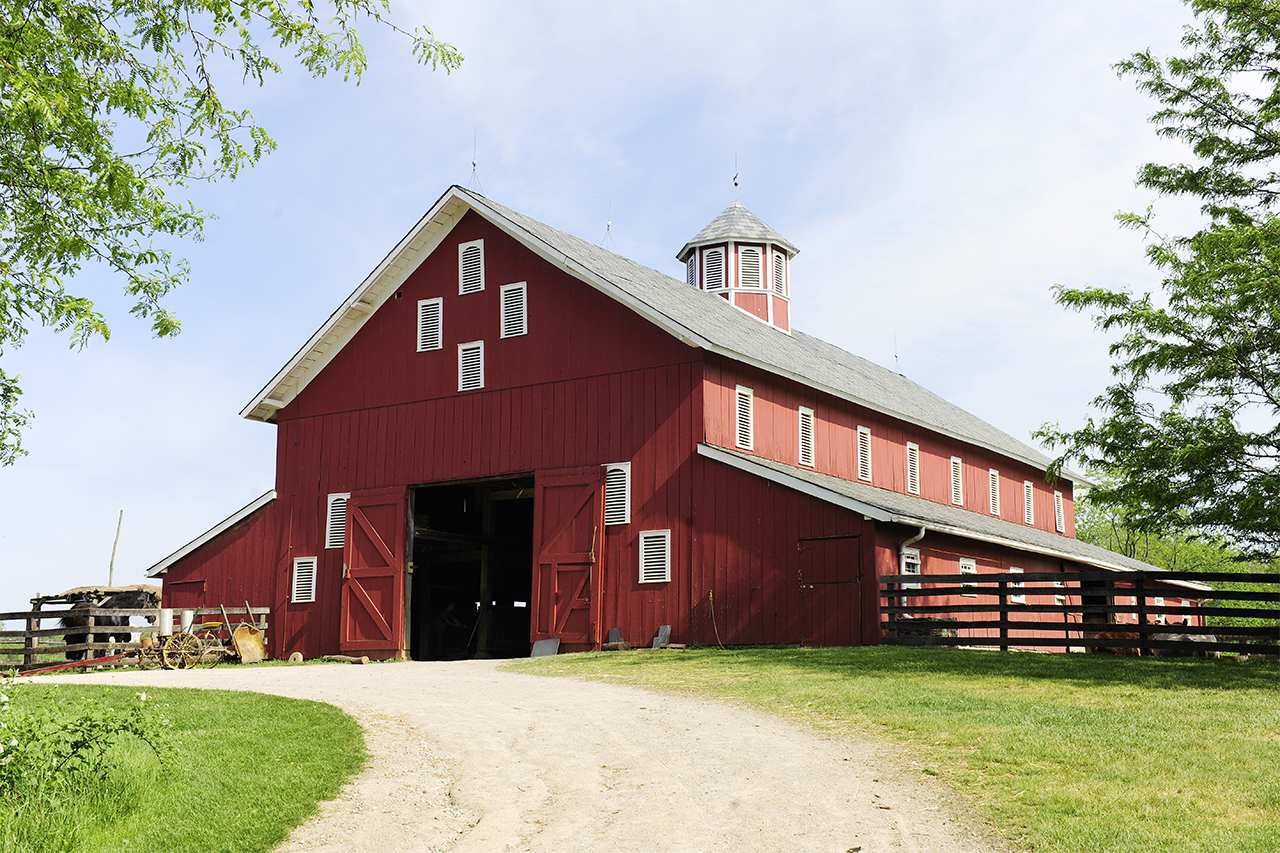
Get the facts on the cost to build a barn. Learn what impacts barn construction prices, from materials to labor, and how to budget for your project.
Door service costs depend on your project and location. Check with a local pro for your specific job.

Professional barn door installation costs between $1,350 and $5,000 per door, depending on your location and the complexity of your project.
Your material choice drives cost most, with wood highest priced and vinyl the most budget-friendly.
You should budget for hardware, old door removal, and wall repairs to avoid surprises during installation.
Hiring a local door installation professional ensures your track is level and protects your wall from damage.
Barn doors have both a practical and highly stylistic purpose. They're the focal point of modern rustic homes and still act as the best bet for closing the large entryways for barns. You'll also now spot them on garages, sheds, and pool houses. Barn doors are a playful option when you're considering all your interior door ideas.
Indoor barn doors cost anywhere from $200 to $2,500, or an average of $1,500. The price is less than the price of exterior barn doors because they don't need to be weatherproofed and are often smaller. You also have more flexibility when it comes to materials and the complexity of the travel and locking mechanisms. Keep in mind that you will pay more to install a barn pocket door, particularly if the opening in the wall—or the "pocket" —is not yet present.
Exterior barn doors, on the other hand, cost between $1,000 and $5,000, or an average of $2,700. The larger price accounts for extensive hardware and high-end materials such as wood and glass.
| Door Location | Barn Door Cost Range | Average Barn Door Cost |
|---|---|---|
| Interior | $200–$2,500 | $1,500 |
| Exterior | $1,000–$5,000 | $2,700 |
The materials used to build your barn door have the largest impact on your bottom line. Wood, metal, and vinyl barn doors are the most common, but a medium-density fiberboard (MDF) variety is available, as well. You'll pay more for high-quality wood barn doors, which range between $700 and $3,000 for materials alone. We'll break down each barn door cost by materials below.
Hiring a local door installer to hang your barn door will add between $300 and $2,000 to the cost of materials. Door installation accounts for between 30% to 50% of the final price, though you'll be happy you opted for the expense in this case. Barn door hardware can be complex to level and secure correctly, which is critical to the doors latching correctly.
All of our barn door cost estimates include single- and double-barn door styles. For materials alone, barn door panels cost between $200 and $2,000, depending on whether they're built for the inside or outside of your home. Add $200 to $500 per panel for labor, and the total comes to $200 and $2,500 per panel when you hire a pro.
Barn door prices also come down to the size of the doors themselves. Just like there are standard door sizes for traditional panel doors, barn doors come in regular measurements as well. Here's how they break down by size.
| Barn Door Size (inches) | Cost Range (Materials Only) |
|---|---|
| 18x80 | $200–$1,500 |
| 24x80 | $200–$2,000 |
| 30x80 | $200–$2,300 |
| 36x80 | $200–$2,500 |
| 36x84 | $300–$3,000 |
| 42x84 | $300–$3,300 |
Single doors are more budget-friendly than double doors. The average price to install a single barn door ranges from $200 to $1,600, though it can cost more for larger frames and unique designs. The average price to install a double barn door starts at $500 and can go up to $3,400. Once again, larger-than-average doors with unique and ornate designs will cost even more than that. In rare cases, the price to install a double door can exceed $6,000.
You'll pay between $50 and $500 for the set of hardware that matches your chosen barn door. However, you can also upgrade to smoother finishes or hardware with automated controls. Custom hardware can add $1,500 to the cost of door materials and labor.

Choosing barn door materials is not just about cost, but it's certainly a factor. Material type is always one of the largest factors in the cost to install a door, no matter the style. In addition to price, however, keep the weight of the door, its style, and how well it will hold up over time in mind as well.
Wooden barn doors are the go-to option for a classic look and long-term durability. There are many types of wood to choose from, including pine, oak, Ipe, teak, bamboo, and even plywood. Because of the wide range of wood options, you could pay anywhere from $1,000 to $5,000 for the cost of a barn door, including installation.
Steel or aluminum barn doors cost between $800 and $2,600 on average, though each comes with unique perks. The cost of each type of metal varies depending on whether it's coated or treated to protect against rust and corrosion. In many cases, metal barn doors require very minimal maintenance and can last decades.
The cost of vinyl barn doors ranges from $700 to $1,500, making this the most budget-friendly option on our list. While they are not the most aesthetically pleasing compared to real wood, many styles will mimic natural materials. They are also lightweight and require minimal maintenance over time.
Medium-density fiberboard, or MDF, costs between $1,000 and $2,100, but it offers the middle ground between wood and vinyl. Not only are MDF barn doors easy to paint and seal, but they last long and are easy to install.
| Material | Cost Range |
|---|---|
| Wood | $1,000–$5,000 |
| Metal | $800–$2,600 |
| Vinyl | $700–$1,500 |
| MDF | $1,000–$2,100 |

Barn door expenses include caring for the track hardware, as well as reapplying the finishes that have been exposed to the sun, wind, and rain. Keep in mind that your ongoing expenses will correlate to the type of material you choose.
Caring for your sliding door track shouldn't cost more than $25 and is easy to do on your own. Overall, it's important to keep an eye out for rust, corrosion, and debris that can derail the doors.
Pre-constructed barn doors will likely come with the appropriate hardware, insulation, and weather stripping. However, if you plan to build an exterior barn door from scratch, the cost to add weather stripping ranges from $1.45 to $25 per linear foot. You may need to replace the weather stripping every several years depending on your local climate.
The cost to paint a door, on average, ranges from $80 to $300 depending on if you hire professional exterior painters. Wooden barn doors will come with a coat of paint and protective seal, but you may need to re-stain them every two to three years. Interior doors will rarely need a new coat of paint unless you change up your home aesthetic.
Hiring a local door pro costs more upfront, but you benefit from stronger results, less risk of wall damage, and a professional finish. Pros bring specialized equipment and experience to your barn door installation, making the process smoother and often saving you money and time in the long run.
Hanging a barn door is a complex project that requires specialized expertise. Here are some of the top reasons to work with a pro:
Pros have the expertise to measure, align, and calibrate the door and hardware perfectly, ensuring it slides smoothly and without issues.
Barn doors can be very heavy and pros have the knowledge to safely handle and install them, which is often difficult for one person to manage.
Working with a pro ensures obstacles can be managed safely, such as avoiding outlets, light switches, or other features.
Many pros provide a warranty on their workmanship, giving you peace of mind that any issues will be covered.
If you want to take on some aspects of the project yourself, here are a few DIY tasks that can help save time and labor costs.
If you purchased an unfinished barn door, you can start by cleaning and sealing it to prepare it for installation.
Remove any obstacles from the area, including wall artwork, furniture, or decorations to create a clear space.
Locate the studs and clearly mark them vertical studs where you’d like the door hung.
Protect surrounding furniture and flooring by covering it or moving things like carpets, runners, and seating away from the area.
Barn doors may be pretty straightforward, but there are some ways to make them your own. If you would like to add a special design to your barn doors, here are the estimated prices you can expect to pay.
You will get into the $5,000 range of barn door prices when you consider custom designs. You may choose an extra-wide, single-panel door to enclose a large entryway to your living room or dining room, for example. Barn doors can be made to look more industrial or rustic, depending on their pattern of battens and ledges—the style of wood layering on barn doors.
Imagine pressing a button and opening your barn door from across the field or the house. Automated barn door tracks cost anywhere from $300 to $7,000 on average, including the cost of the track hardware.
Removing and disposing of an old door will add between $70 to $200 to the cost of installing a barn door. Some contractors will include this flat fee in their estimate, though it depends on the type of door previously in its place and related repairs to the wall and door frame.
There are plenty of fun ways to cut costs when installing new doors or making minor renovations. While you can opt for barn door materials that are less expensive—such as vinyl and MDF—here are a few more tricks to keep in mind:
Shop around for a used barn door or track that’s still in top condition.
Pair your door installation with other renovations to reduce overhead costs.
DIY small elements of the project, such as removing the previous door.
Speak with at least three contractors, and compare project estimates.
Skip the bells and whistles, and opt for a basic track and hardware.
Confirm there is enough empty wall space for the door to slide open completely.
Discuss the location of any light switches, electrical outlets, or vents that might need to be moved.
Ensure the hardware kit you choose is rated to support the weight of the door.
Ask the pro to check if the floor is level, as an uneven floor can cause the door to drift or not slide smoothly.
Inquire if the door should be left in the room for a few days to acclimate before installation.
Home is the most important place on earth, which is why Angi has helped more than 150 million homeowners transform their houses into homes they adore. To help homeowners with their next project, Angi provides readers with the most accurate cost data and upholds strict editorial standards. We extensively research project costs to develop the pricing data you see, so you can make the best decisions for you and your home. We rely on reputable sources, including the U.S. Bureau of Labor Statistics, academic journals, market studies, and interviews with industry experts—all to ensure our prices reflect real-world projects.
Want to help us improve our cost data? Send us a recent project quote to [email protected]. Quotes and personal information will not be shared publicly.
Terrible experience. Walls/trim/floors/cabinets/doors all have drip marks, overspray, etc. Tiling at the fireplace had to be redone by another vendor due to incorrect and shoddy install by Profect. Contractor had his children in our house while he was on site without prior authorization or...
 Profect painting & exteriors
Jason has helped me with multiple household projects, with the most recent being new door installation. He has always showed up on time and organized and has done an incredible job! Jason is very professional and he's now my go-to for anything around my house that needs to be fixed or...
 Huff Garage Rescue, LLC
Company came to look at my garage door that was off track. They also said I needed a brace on the other garage door. They put the door back on track, and I paid to install the brace. The technician told me I needed a new garage door opener, and it would cost $1000. Red flags went off in...
 Precision Overhead Garage Door Service
On Sunday 2/26 I requested quotes via Angi from 4 refrigerator repair businesses. Northwest Appliance responded to me Monday morning (2/27) and my refrigerator was repaired by noon the same day. Great communication, they did everything they said they would. The technician had the parts on...
Excellent customer service and knowledge. I was recommend to him from my neighbour. My front door and window came in great and were installed beautifully perfectly, I m very satisfied with their excellent work, so decided to order one more big bow window for my living room. I cant wait for...
 Window Depot USA of Central Ohio
Called ahead and worked quickly to install keyless locks on vintage wooden doors.
 Expert Lock and Key, LLC
Scott did not get appropriate access to the property prior to the scheduled inspection which required us to come back later in the day to complete it. He also, unprofessionally, knocked on a neighbor?s door in his attempts to reach someone with access. His overall report was fine though the...
 Security First Home Inspections
Door Depot was very responsive - they came out the day after my call to assess my needs, then returned at my convenience to complete the work. They arrived early, and the work was completed in a shorter period of time than estimated. Very pleased with the results. I would definitely use them...
 Door Depot LLC
Replace garage doors: Fast response, competitive estimate, timely work done well.
 Village Garage Door
Jeremiah did an awesome job cleaning 28 windows inside and out! He was fast, efficient and now I have a beautiful view again. This was a Groupon for $139 for 20 windows, but I had 28 windows/doors cleaned, so there was an extra $6 per window. Totally worth it.
 Complete Home Services
From average costs to expert advice, get all the answers you need to get your job done.
Get the facts on the cost to build a barn. Learn what impacts barn construction prices, from materials to labor, and how to budget for your project.
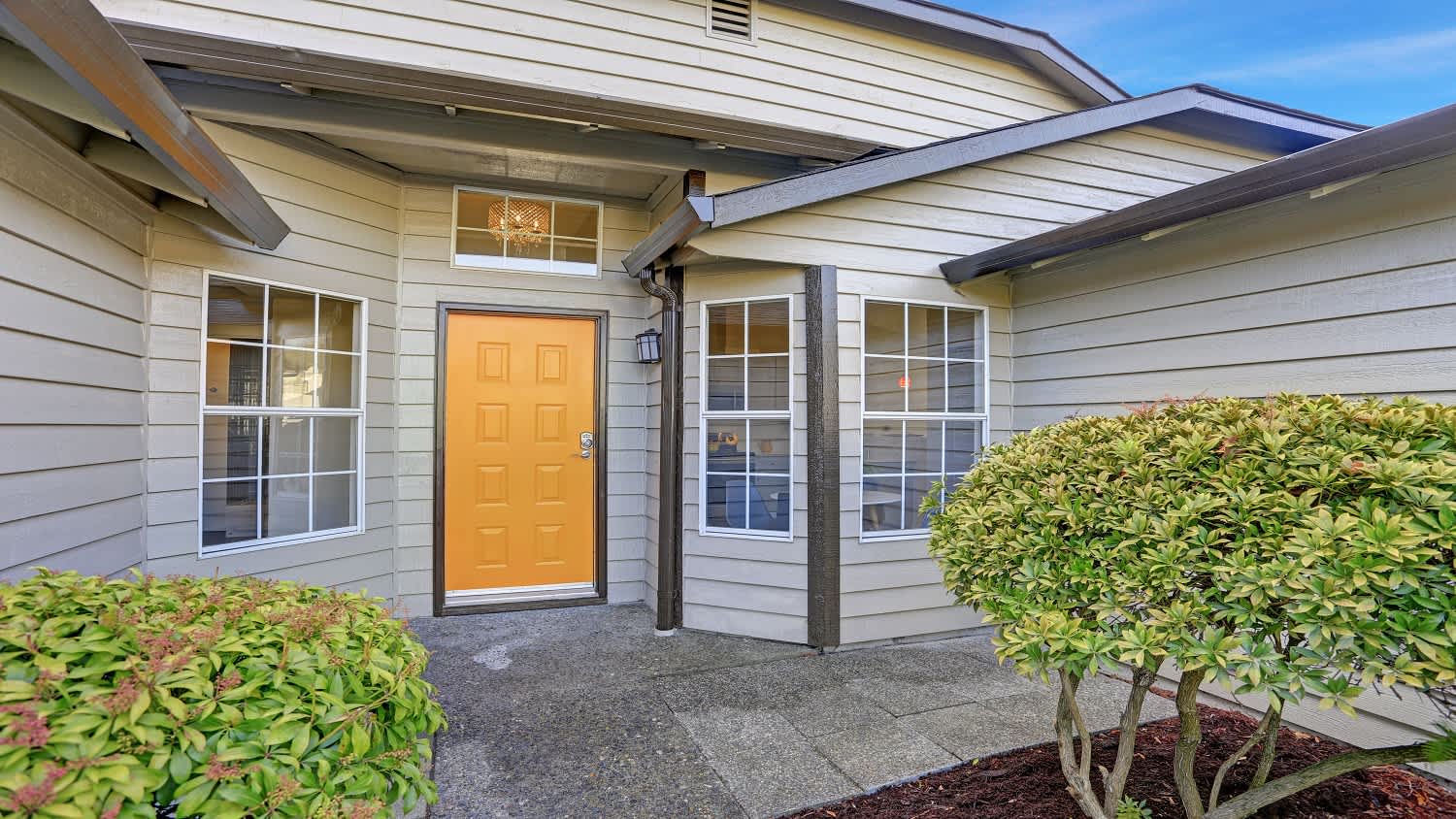
Whether you’re installing a new door or replacing an existing one, the cost of door installation varies based on location, door type, framing needs, and other factors.
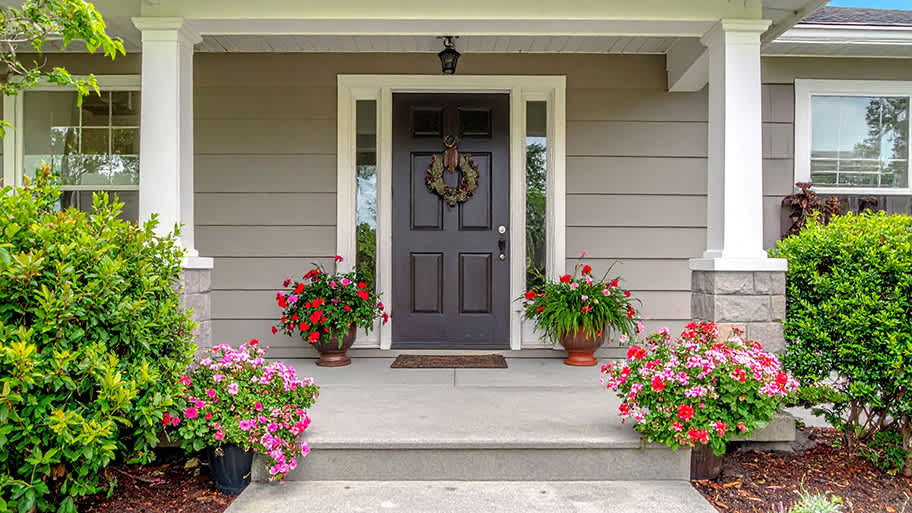
Welcome home! How much does exterior door installation cost when it's time to add a new entryway to your front or back porch? Let's take a look.
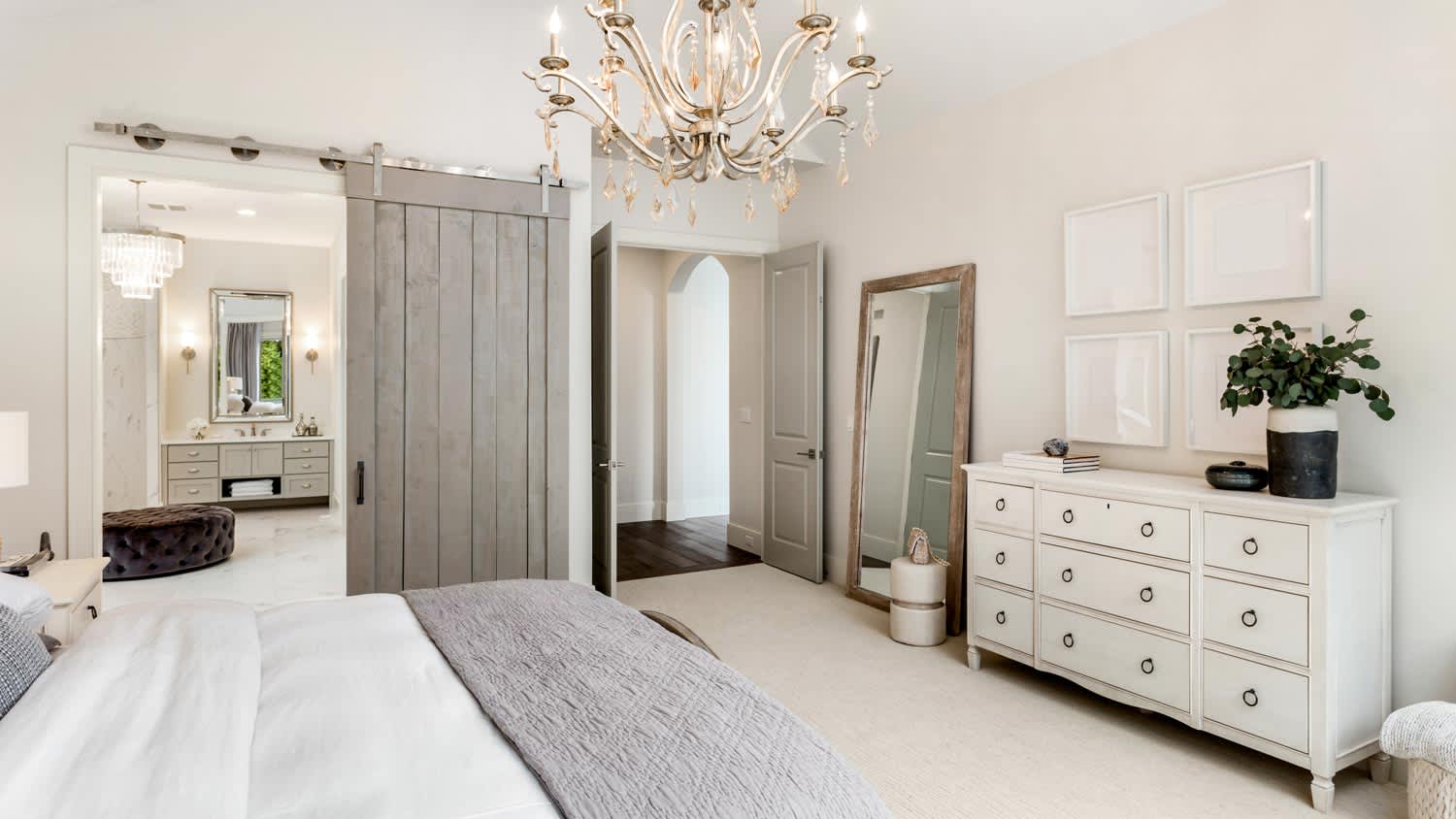
Find out if installing an interior barn door is a good fit for your home—we’ve rounded up the top design features and considerations to help guide your decision.
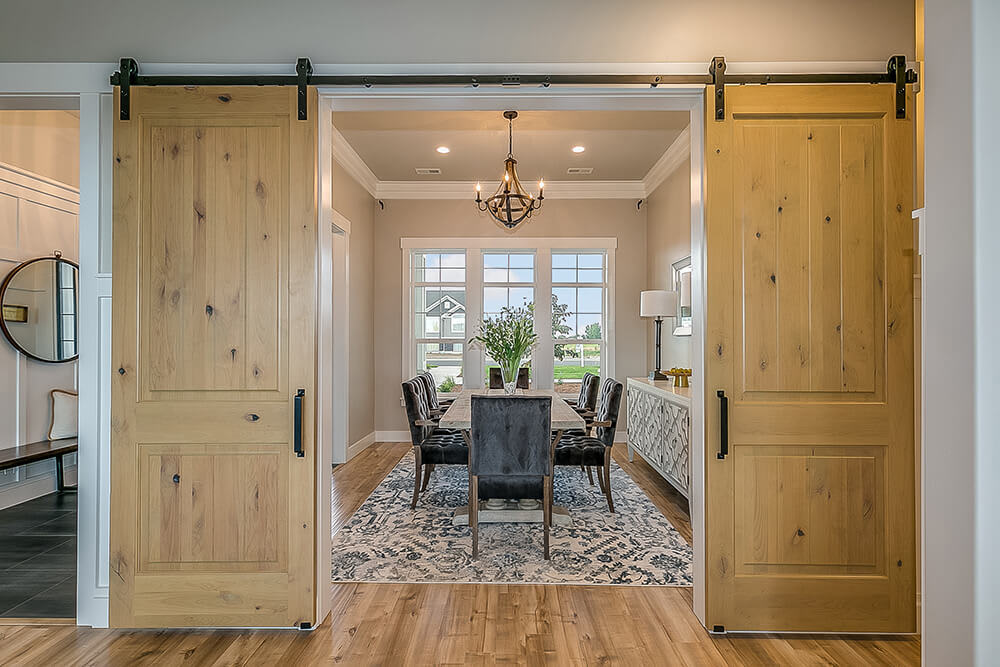
When it comes to pocket doors vs. barn doors, each style has its pros and cons. Our comparison guide breaks it all down so you can choose the best door for you.
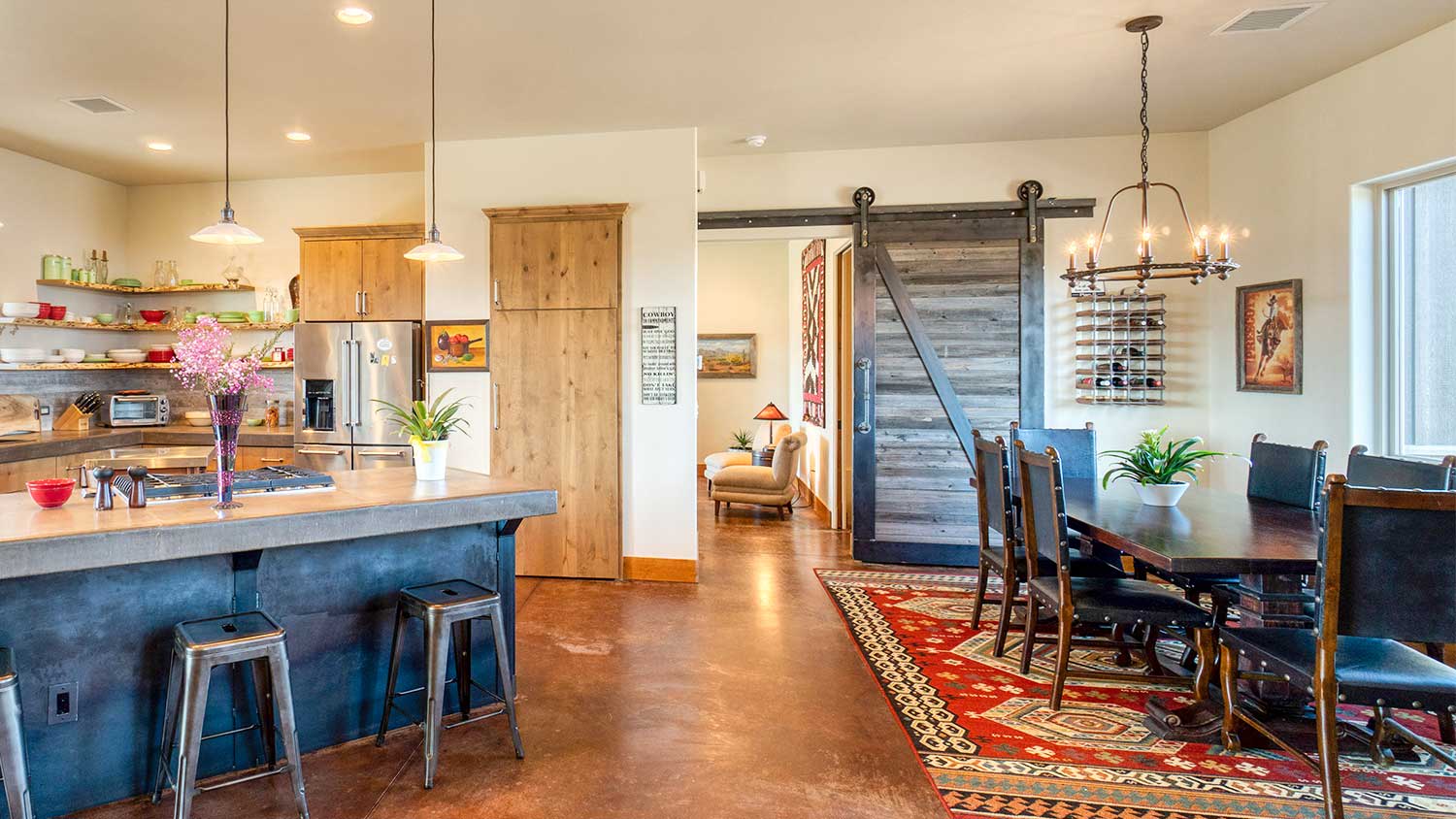
Barn doors can bring some rustic elegance into any room. Use this DIY guide to learn how to build a barn door and elevate your interior space.