

Need to know what sewer line replacement costs in Columbus, OH? This guide will help you prepare to budget for sewer line replacement done by local contractors.
Sewer cleaning costs depend on your project and location. Check with a local pro for your specific job.

Expect to pay between $55 and $240 per linear foot for trenchless sewer line replacement in Columbus, OH.
The length of your sewer line is a major cost factor—longer pipes cost more to replace than shorter ones.
If you need to dig or remove obstacles like trees, anticipate spending an extra $60 to $240 per hour.
Hiring a Columbus, OH, sewer pro to replace your line keeps your household safe from costly and biohazardous sewer issues.
Trenchless sewer line replacement costs in Columbus, OH, range from $1,815 to $5,730, or $2,770 on average, depending on the size of the line, labor, and the project scope. Columbus has a 5% lower cost of living than the national average, so you could spend less compared to other cities. This guide can help you determine how much you’ll spend on a trenchless sewer line replacement project.
The biggest cost factors in replacing a sewer line using a trenchless method in Columbus, OH, are the size of the line, prep work, and potential excavation needed to complete the project.

Sewer line replacement costs $2,800 on average for traditional piping methods. However, trenchless systems cost more, and the distance your sewer line needs to travel to get from your house to the main is the greatest cost factor you must consider. Even 10 extra feet could add thousands of dollars to the price you pay.
Sewer line lengths vary greatly, but the average is between 50 and 75 feet. The total cost of trenchless sewer line replacement is $55 and $240 per linear foot on average. Below, you’ll find price ranges by sewer line length that can help you estimate your costs.
| Sewer Line Length in Linear Feet | Average Replacement Cost |
|---|---|
| 25–35 | $1,400–$8,400 |
| 35–45 | $2,000–$10,800 |
| 45–55 | $2,600–$13,200 |
| 55–75 | $3,200–$18,000 |
| 75–100 | $4,300–$24,000 |
For smaller sewer issues, like a clogged septic line, you may not need extensive work. However, if you’re replacing an old sewer line that isn’t trenchless, a professional will also need to burst the existing pipe to make room for the new one. (The process doesn’t involve chemicals or anything that would ruin your soil or damage a garden or lawn. The old pipe is simply broken into small pieces.)
Pipe bursting (along with the lining) costs $140 to $180 per linear foot. Any additional labor needed for minor digging or tree root removal will cost anywhere from $60 to $240 per hour.
Columbus, OH, sewer repair pros charge between $30 and $240 per linear foot for services. Your pro may charge more if they’re a master plumber, have advanced licensing, or the project is hard to reach or on difficult terrain. The city requires sewer and water contractors to have a $25,000 bond and certificate of liability insurance, so be sure to ask your pro if they’re bonded and insured before starting on your sewer line.
The City of Columbus, OH, requires a plumbing permit for plumbing work that doesn’t classify as minor plumbing. For all plumbing services, the cost of a permit is $250 and includes two inspections.
A trenchless sewer line replacement method can increase your home’s value by preserving your existing landscaping and replacing old or clogged sewer lines. By upgrading your home’s sewer system, you could see a return on investment (ROI) of 25% to 50%.
Columbus, OH, recently passed a major 12-year initiative to replace old plumbing running from public property up to residential homes that could contain lead or galvanized water. This initiative may encourage awareness and a demand for updated residential sewer lines, leading to a higher ROI.
To help homeowners plan their next project, Angi provides readers with carefully researched cost data and upholds strict editorial standards. We start with national average project costs, which we collect by analyzing competitor information, retailer material costs, and input from professional contractors. We then apply local price index data to calculate location-specific estimates that reflect what homeowners typically pay in their local area. To do that, we use data from the U.S. Bureau of Economic Analysis (BEA), including its Regional Price Parities (RPPs), which measure price differences across cities. This helps us account for differences in labor, materials, and overall cost of living, so estimates in higher- or lower-cost areas better reflect real-world local pricing.
Every estimate undergoes a thorough editorial review to verify accuracy, consistency, and alignment with observed market conditions.
Want to help us improve our cost data? Send us a recent project quote to [email protected]. Quotes and personal information will not be shared publicly.
Very quick service and very professional. Sewer pipe was clogged and leaking. The plumbers fixed the problem and left the area cleaned up. I used Mr Rooter before for a clogged kitchen disposal and had the same results. I recommend them for all plumbing needs.
 Mr. Rooter Plumbing of Columbus
David Wolfe and his team are fantastic to deal with. He is responsive and transparent about any and all work. We had a very challenging sewer drain issue that needed snaked immediateley and also assessed appropriately for damage. It's critical to identify someone you can trust for this type...
 A-Plumbing, Inc.
We have been using their services for a few years now, with cleanings every other week. Reasonably priced, prompt, and do a great job cleaning. Highly recommend!
 Brand New Cleaning Solutions
Sanaa and her colleague did a wonderful job on their first cleaning job. We like them so much they willl be our regular Housecleaners. We are always happy to know when they are coming and look forward to our clean, organized and fragrant home.pleased with the energy and expertise they bring...
 Pristine Clean Solutions LLC
Excellent cleaning. Communication afterward challenging.
 Mkv clean service
My wife and I have had them come clean our house multiple times now and I highly highly recommend their services! They've done an excellent job every single time and really deliver the top notch clean that you'd be looking for. They go above and beyond what's asked and required,...
 eMaids of Northern Columbus
BR Office Cleaning completed a deep clean in our apartment. I was amazed by some of the areas they were able to clean and even went the extra step to make a beautiful presentation. Weâ re looking forward to having them clean again, highly recommend!
 BR Office Cleaning
Baldez Cleaning is great!! I had never gotten housecleaning done before and was recommended to Marcele by a friend. They came to check out my place and to talk with me about my needs before the first cleaning. They are super thorough and left my place looking amazing. Would highly recommend!!
 Baldez Cleaning
Charles and Paula did a great job cleaning all the vents/ducts at our house today. They were very professional and provided us with lots of good advice on keeping clean air at our house.
 Purifox Safe, LLC
This cleaning service has been great. They always do an amazing job! They are thorough, flexible when needed and friendly. We have had both deep cleans and recurring bi-weekly cleanings. Would highly recommend!
 Silvas Cleaning Services LLC
From average costs to expert advice, get all the answers you need to get your job done.
Need to know what sewer line replacement costs in Columbus, OH? This guide will help you prepare to budget for sewer line replacement done by local contractors.

The average cost to connect to a public sewer line in Columbus, OH, depends on the linear footage, piping material, local regulations, and more.

Sewer cleanout costs in Columbus, OH depend on the type of cleanout and how long the line will be. Click here to start planning your budget for this project.

Broken sewers can be extremely expensive and invasive to repair, but trenchless sewer repair options are more affordable and leave your yard mostly untouched.

Why is sewer line replacement so expensive? In short, there’s a lot of hard work required to reach the underground pipes. Consider an alternative.
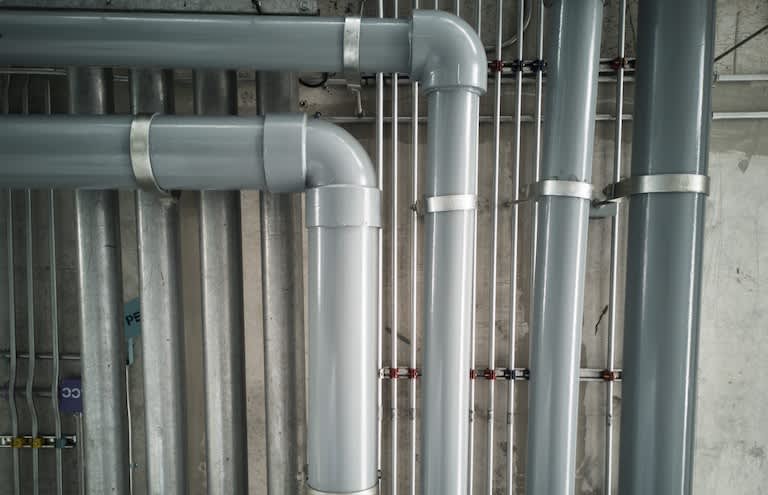
Your sewer line repair cost will vary based on the location and extent of the damage, as well as any repairs and clean-up afterward. We’ve broken down your different options, the cost to replace a sewer line, and other variables here.