
•
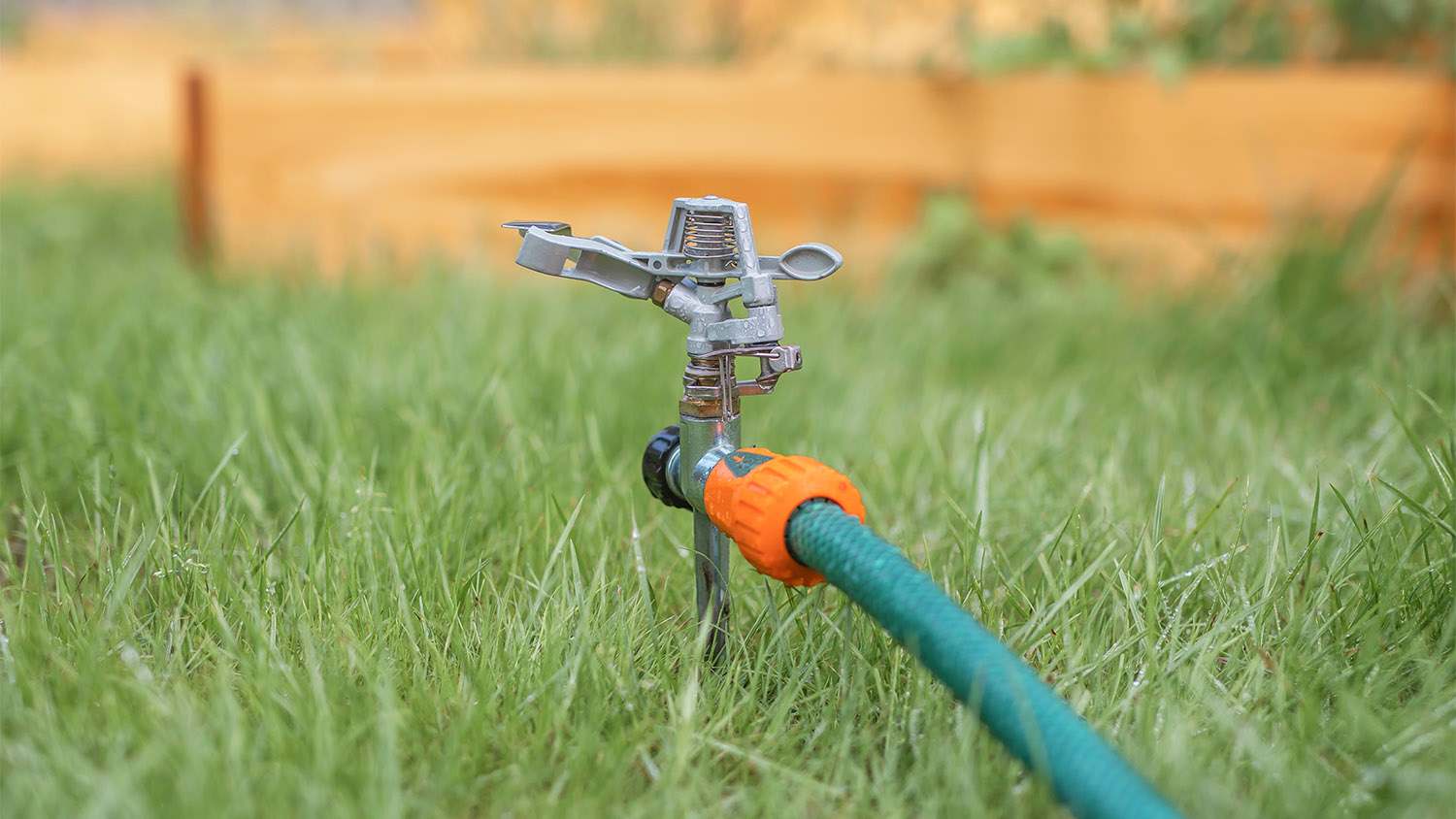
Discover the cost to winterize a sprinkler system, including average prices, key cost factors, and tips to save. Learn what impacts your estimate and how to budget.
Shrug off nasty winter storms with these blizzard survival tips

Blizzard survival starts with drinking three gallons of water per person daily and wearing loose-fitting, layered clothing to stay warm and hydrated during winter storms.
Keep your refrigerator and freezer doors closed during power outages, as frozen food lasts 48 hours and refrigerated food stays fresh for 24 hours without electricity.
Stay connected with neighbors and local authorities by keeping your phone charged, making a list of emergency contacts, and monitoring winter storm warnings for safety updates.
Hiring a local commercial snow removal professional provides reliable help clearing driveways and walkways when heavy snowfall traps you inside, keeping your property accessible and safe.
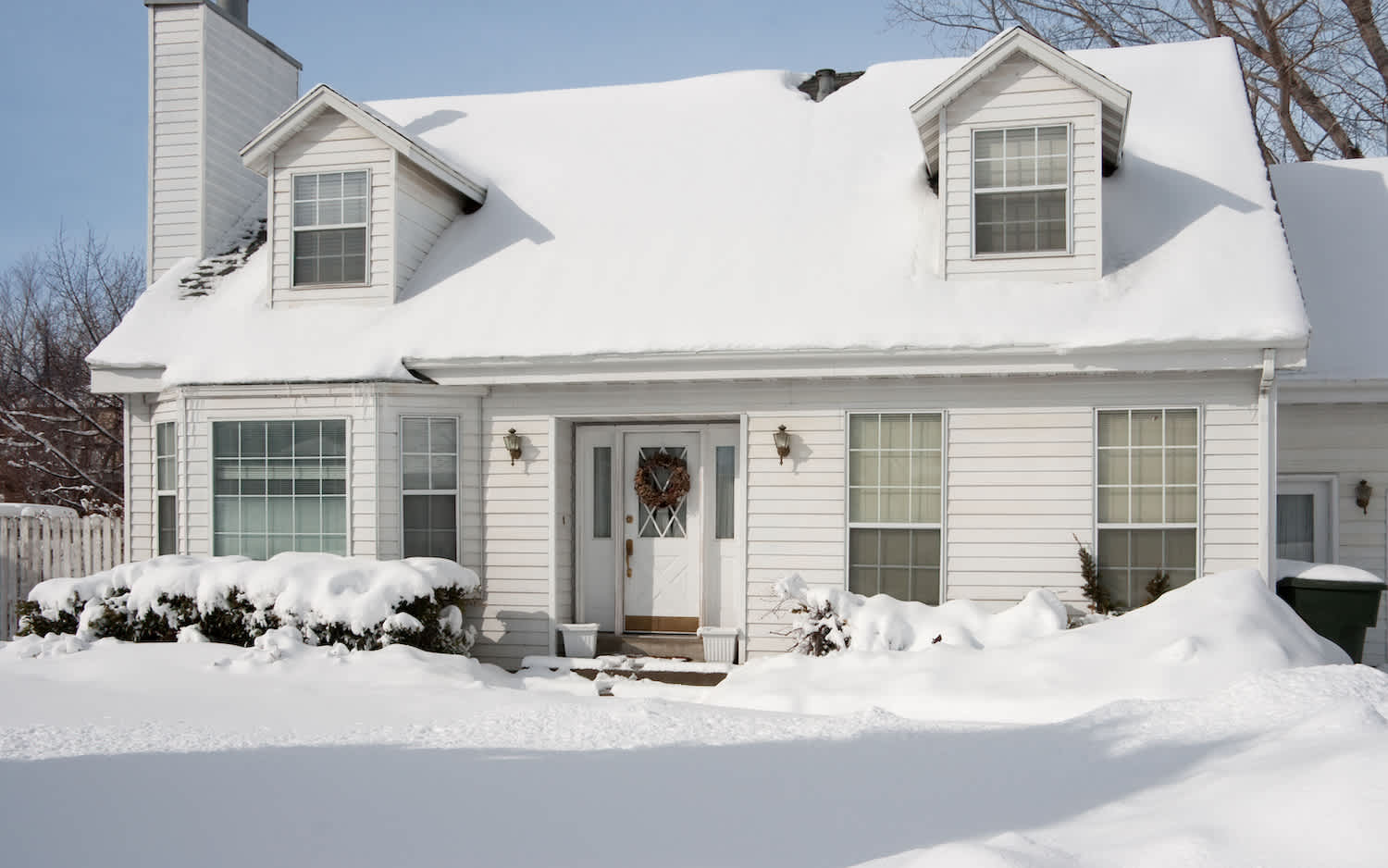
When they sang "as long as you've no place to go, let it snow," they didn't mention how to survive a blizzard—and protect your home to boot. Massive accumulations of snow can keep you quite literally stuck inside, and windy storms knock out your power and otherwise damage the exterior of your house.
Blizzards also bring a threat to your food and drinking water supplies and the risk of days-long isolation. But properly preparing for a snowstorm is key to minimizing risk. Here are 12 tips to help you survive the nastiest of snowstorms.
Follow these guidelines to stay safe when you’re snowed in.
Water is essential if you’re stuck in a blizzard—the general rule of thumb is three gallons per person per day. If you don't have that much, keeping a metal container close by to collect snow will help. Even if you don't feel thirsty, you can easily become dehydrated. Alcohol may seem like it will keep you warm in extremely cold temperatures, but it is dehydrating—it can prevent shivering, which may cause you to lose body heat quickly.
For staying warm during a blizzard, it's all about loose-fitting, light-weight layers, beginning with a moisture-wicking base layer to keep your skin and outer layers dry. Over that, wear a mid-layer to keep heat close to your body, followed by an insulating and water resistant jacket. Boots that fit properly and insulated gloves or mittens will keep your extremities from being frostbitten. Also, make sure to wear a hat, as heat escapes from your head.
A key element to surviving a winter storm is keeping lines of communication open with neighbors, family, and local authorities.
Keep your phones charged in case power goes out.
Call friends and family for occasional updates.
Make a list of emergency phone numbers on paper, such as snow removal companies, in case your Internet goes out.
Keep your local plumber’s number handy. It comes in useful if your pipes freeze or burst.
Keep yourself updated with local news broadcasts to stay informed about winter storm or blizzard warnings, which typically provide a 24-hour advance notice to your community. This information will help you plan your day and determine the safety of travel.
Be on the lookout for specific phrases like "winter storm advisory," "winter storm watch," and "winter storm warning." A winter storm advisory signals the awareness of impending hazardous weather, while a watch advises readiness. A warning indicates an imminent threat, necessitating immediate action.
Be extra vigilant for signs of frostbite, including pale, bluish, purplish, or discolored extremities, pain, numbness, tingling, hardened or waxy skin, and joint and muscle stiffness. Severe cases may result in blistering of the skin after rewarming. If you or someone in your party experience these symptoms, seek immediate shelter or emergency medical attention. You can also attempt to gently warm the affected areas with lukewarm water—do not use hot water, as this can lead to hypothermia.
Another important danger to stay mindful of is hypothermia. This condition disrupts the functioning of vital organs, including the heart and nervous system. Symptoms include shivering, slurred speech, slow, shallow breathing, a weak pulse, and cognitive impairment such as drowsiness, confusion, or memory loss. Vulnerable populations, such as children and the elderly, are at higher risk.
If you observe signs of hypothermia, promptly seek medical assistance. Move the person out of the cold, remove wet clothing, and keep them warm while closely monitoring their breathing. It's crucial to address hypothermia promptly and appropriately to prevent further complications.
If you’re using a portable generator, keep it outdoors and away from windows to prevent carbon monoxide poisoning. Also, remember that portable generators should never be used when they’re wet, so consider investing in a steel enclosure, pop-up canopy, or other protective cover designated for portable generators. You can DIY a generator cover, but be sure to accommodate your generator’s ventilation needs to avoid overheating.
If you live in an area susceptible to winter storms, you should be proactive in preparing your home for blizzards. Here’s a winter house prep to-do list:
Winterize your roof by cleaning your gutters, checking for damage in flashing and shingles, and removing overhanging limbs that could fall during a storm and cause serious structural issues. You don't want a hole in your roof during a blizzard.
Replace your home's insulation if it's older than ten years or if you notice issues. Remember, insulation is what keeps you warm and separates you and your family from the elements.
Winterize your sprinkler system by draining it and taking precautions to protect the hardware from the elements.
Contact a local chimney sweep for an annual inspection of your chimney system. Clean the chimney thoroughly, so it is ready to go for your first fire of the season.
Winterize your plumbing and pipes by insulating any areas of pipe that typically freeze, sealing off any cracks on the exterior of your home, and keeping the heat on. Turning your heat off is a bad idea, even if you're not home for the storm.
Winterize windows and doors with caulk or weatherstripping materials. You can also add a strip of foam insulation to the base of your doors and windows before the storm to combat high winds.
When it comes to winter storms, there’s no such thing as “over prepared.” You never know how long you’ll be snowed in and unable to pick up vital supplies. Here is a pre-snowstorm shopping checklist:
Buy plenty of food and bottled water. Your pipes may freeze, limiting access to tap water. Additionally, you could lose power, so buy plenty of pantry staples in case your refrigerator is unusable. A good rule of thumb? Have a full week of food and water at the ready.
Don’t forget your pets. They should also have a week’s worth of food and water available. The same goes for any necessary items, such as medication or cat litter.
Personal hygiene items are a must. Stock up on toothpaste, shaving supplies, shampoo, and anything else you regularly use.
Take any medications? Make sure to refill prescriptions before the storm.
There are a number of auxiliary supplies to purchase before a blizzard, such as shovels, rock salt, and portable heaters.
Winter storms are not kind to power lines and generators. Here are some ways to prepare before you lose power during a blizzard:
Have a power outage preparedness kit ready with flashlights, batteries, a portable phone charger, a first aid kit, a hand-crank radio, and plenty of blankets and warm clothing.
Read up on how to use a generator well ahead of the storm, so you are ready to go when you need it. Most important generator tip? Keep it outside, as many generators create carbon monoxide.
Keep refrigerator and freezer doors shut as long as possible. An unopened freezer should keep food frozen for up to 48 hours. Food stays fresh in an unopened refrigerator for 24 hours.
If the power outage extends beyond 48 hours, use exterior snowdrifts as temporary housing for perishable food items.
Use flashlights for lighting and avoid candles, as the latter causes fires.
Unplug all equipment that will automatically turn on when power restores, to avoid damage due to voltage irregularities.

Here are steps to take if the snowfall accumulates so much that you’re stuck at home:
If you can’t get your car out of your driveway, call local snow removal companies to help reduce the amount of build-up blocking your family inside.
If your locks freeze up, use a lighter or match to heat the key. You can also use a lock de-icer.
Boil water to melt snow in an emergency and carve out an exit path.
Check with your neighbors to see if they need help, or can offer help. Maybe they have a snowblower or a helping hand to shovel you out.
Just like homes, cars are susceptible to winter storm damage. Here’s how to protect your car during a blizzard.
If possible, keep your car in the garage to shield it from snow, ice, and wind.
No garage or no access? Apply a coat of petroleum jelly to the car door's hinges and latches, or place a plastic trash bag between the door or window glass and the frame. This will ensure the car’s door will open when you need it.
No matter how much ice and snow surrounds a car, do not throw hot water on it. It will melt and add to the problem.
One of my old tall evergreen trees was suddenly leaning toward the busy street in front of my house. I submitted a request for an emergency tree inspection, and Alejandro, owner of Cajete Tree Service, contacted me immediately and arrived to look at it just 20 minutes later. We agreed the...
 Cajete Tree Service LLC
Wonderful. I am going to have them remove and replace my driveway in the spring.
 All Star Paving and Sealing
Lyle did a great job removing asbestos shingles from our front porch roof. They worked together with our roofer to make sure that the new roof was able to be installed on the same day that Lyle removed the asbestos shingles.
 Lyle Environmental
Involved an extensive bathroom remodel, including removing tub & installing walk in shower, new drywall, custome tile work to ceiling, plumbing, etc. Overall, job was done on time and on budget. Nick & his team were very professional and had high attention to detail. Quality was great. Highly...
 Stamos Flooring and Remodeling LLC
Extremely well. Ohio Tree Care is my go to company for all tree care and snow removal services. they are professional, knowledgeable and affordable. I manage five camps in 33 counties and Ohio Tree Care has serviced every one of our properties. Highly recommend.
 Ohio Tree Care Inc
A team of 2 spent 5 hours, cleaning top to bottom (removed all light fixture and cleaned.... impressive!!!)
 Luzia's Cleaning
Great Job!!! Martin called me after I requested a estimate on Home Advisor. He was very professional and actually went the same day and looked at the tree I needed removed gave us a estimate and I felt it was very aggressive so I did not even call for any other bids. I asked him how soon he...
 Reyes Tree Service LLC - Home Facebook
Mike and his crew did a great job working through a very challenging task. The job required a full demolition of our ceiling, removing the blown in insulation and removing all the material from the site daily. It involved multiple inspections from the city and many challenges to get the...
 Rising Height Unlimited
Removed various items (furniture, lamps, other junk) from my home. They were on time, personable, professional, etc. I can't say enough positive things about this company. <br />
The task proved more difficult than anticipated. When they arrived the first day, they had no tools with them at all, and had to make a run to purchase appropriate tools. It was quickly determined that the paper had to be steamed off, and neither the workers, nor the company itself, had...
 ABS Interiors of Mid-Ohio LLC
From average costs to expert advice, get all the answers you need to get your job done.
Discover the cost to winterize a sprinkler system, including average prices, key cost factors, and tips to save. Learn what impacts your estimate and how to budget.
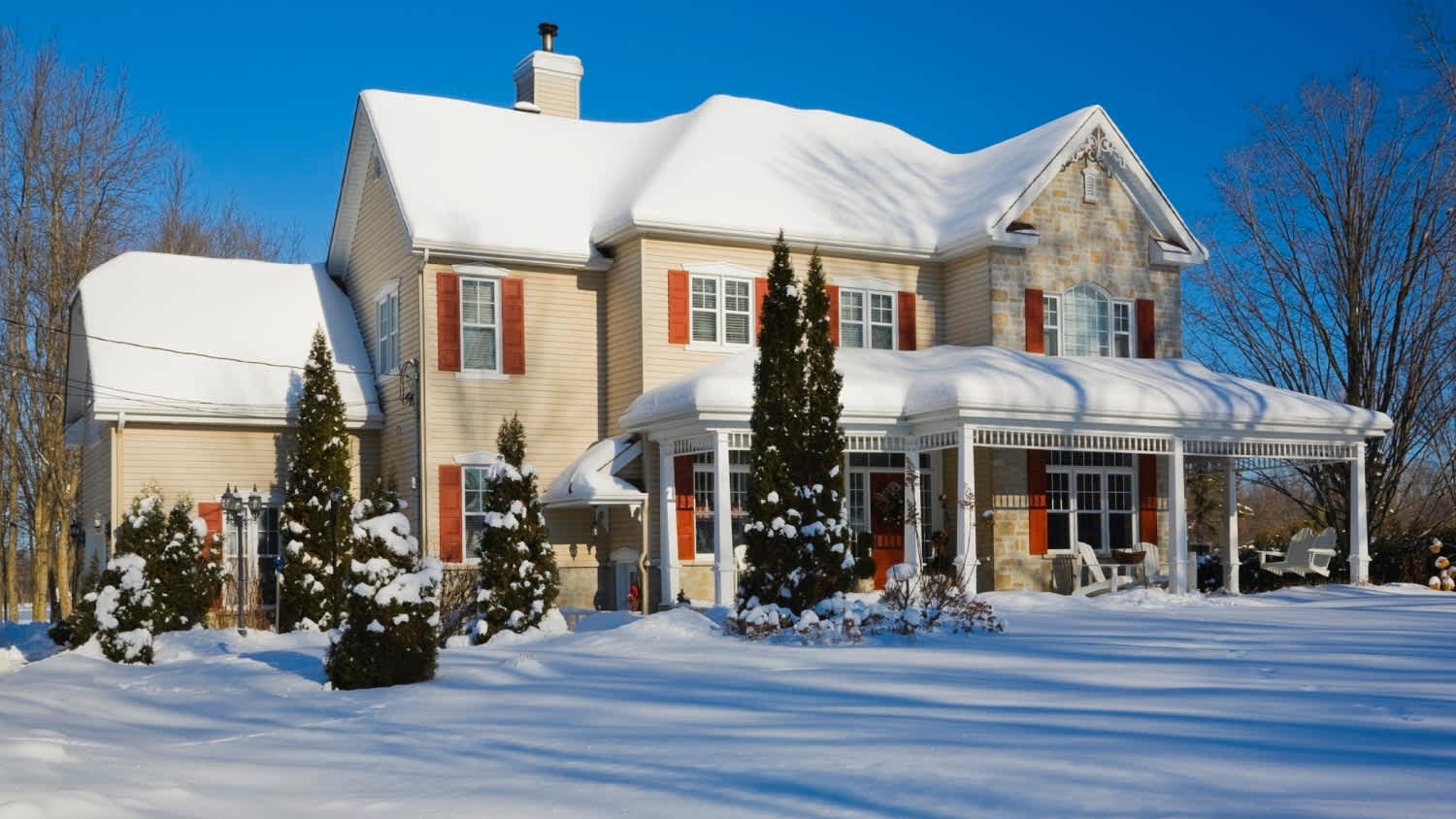
Take these steps to help winterize your roof this season. These preventative maintenance tips could save you tons of time and money.

Plumbing problems can lead to costly damage to your home, and they occur most often during winter. Use this guide to protect your home and wallet from winter plumbing problems.
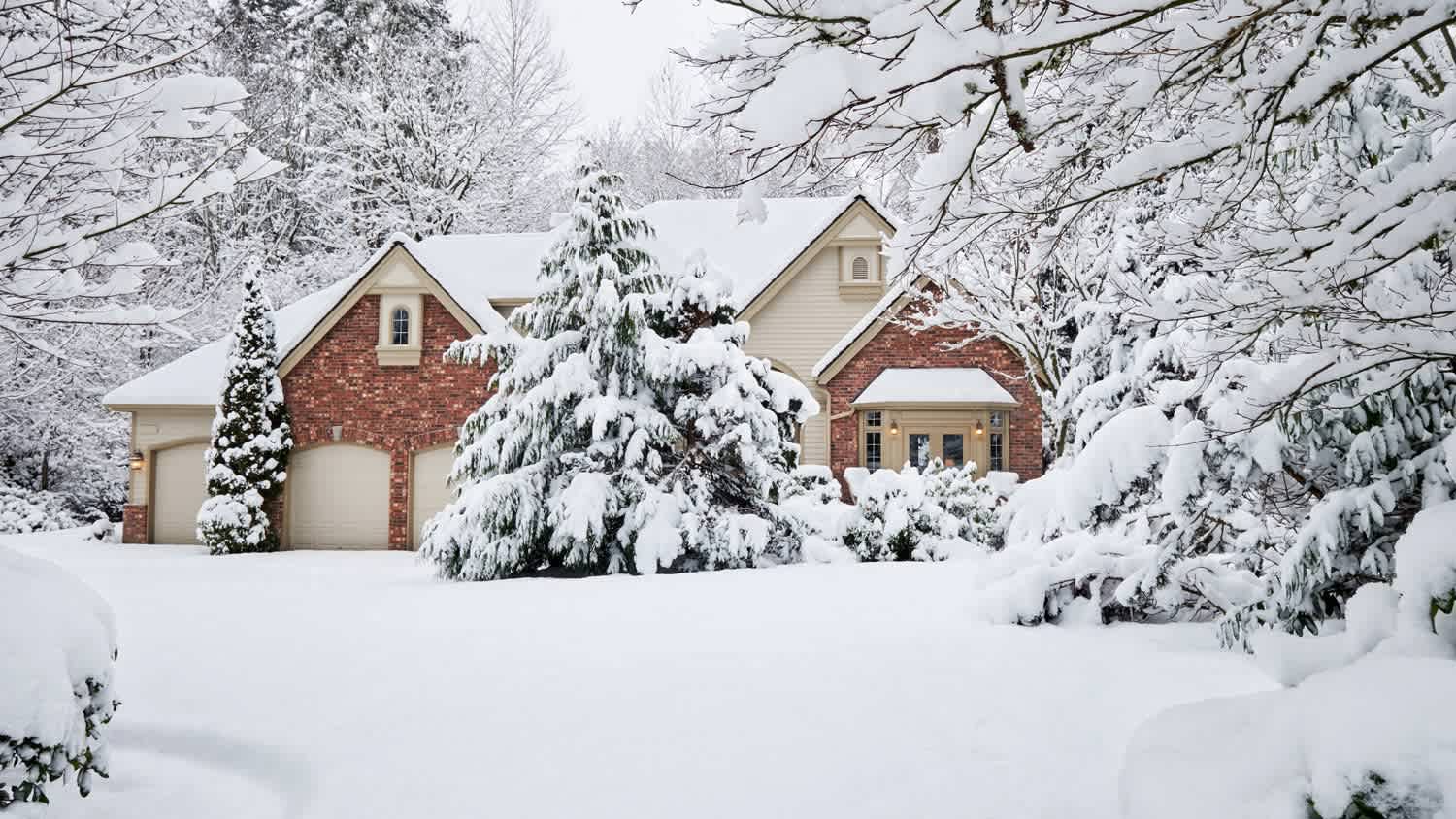
Knowing how to prepare for a winter storm can prevent disaster and keep you and your family safe. Explore 10 must-know tips before the cold weather blows in.
Discover the best ways to protect your home from damage and keep your heating bill down this coming winter with these helpful winterization tips from Angi.
Knowing how to protect pipes during cooler months is important to keep them from bursting. Check our tips to winterize pipes and keep your home safe.