
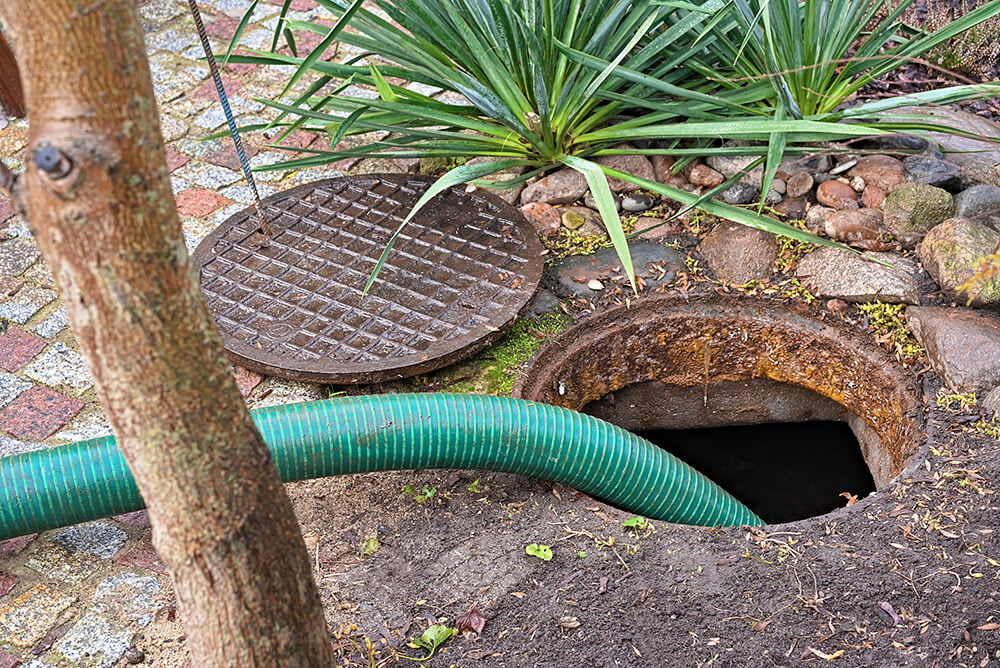
Caring for your septic system is crucial to ensuring its long life. But how much does it cost to pump a septic tank? We explore the different cost factors.
Get to the bottom of your too-full septic tank issue

A septic tank filling up again after pumping out signals a drain field problem, clogged pipes, or excessive water use in your home.
Expect to pay $2,000 to $15,000 for drain field repairs and $630 to $2,970 for septic tank repairs, depending on the issue.
Drains backing up, gurgling sounds, or slowing down indicate clogged pipes that prevent waste from leaving your septic tank and entering the drain field.
Hiring a local septic tank repair professional provides reliable help diagnosing drain field issues and pipe clogs, keeping your system working smoothly.
Normally, emptying your septic tank every few years is enough to keep sludge from building up and backing up your septic system. But what happens if you just had your septic tank pumped, and it’s full again? In that case, there could be a few issues at play—and the solution depends on the specific cause. Keep reading to learn more about what might be going on and how to fix it.
A septic tank is the central component of a septic system, which removes waste from your home if you don’t have access to the public sewage system. The tank collects any water and human waste that goes down the toilets, drains, washing machines, and other plumbing fixtures in your home.
Inside the septic tank, bacteria consume the solid waste. Meanwhile, the liquid wastewater exits your tank through underground pipes and seeps into the surrounding soil in an area known as the drain field.
To keep your septic tank working correctly, you should have it pumped by a septic pro every three to five years. On average, septic tank pumping costs around $400. You may need to empty your tank more often if it’s on the smaller side or if you have lots of people living in your house.
There are a few reasons why your septic tank might seem like it’s full again—even if you pumped it recently. However, since septic tanks typically only need to be emptied every few years, your “full septic tank” might actually signal a different problem with your septic system. Here are a few potential causes.

In a septic system, the drain field (also known as a leach field) plays a vital role: carrying wastewater out of your system and transferring it into the soil underground. By design, your drain field should absorb the wastewater—but in some cases (like if you’ve just had heavy rainfall), it can’t. In those situations, your drain field might be too wet to soak up any more liquid, so the wastewater will go back into your septic tank and fill it up again.
If you suspect that there’s a problem with your drain field, it’s best to contact a pro. Drain field issues can be minor or major, but all of them require specialized experience to fix. Typically, drain field repairs cost between $2,000 and $15,000.
Pipes run to and from your septic tank, transporting waste in and out of your septic system. If one (or more) of these pipes get clogged, waste could build up in your tank instead of going into your drain field. If this is the case, you might notice your drains backing up, making gurgling sounds, or slowing down.
While you can try to clear a main sewer line clog yourself, it often isn’t worth the hassle. Your best bet is to reach out to an expert who can pinpoint the exact problem and resolve it quickly.

Your septic system doesn’t immediately empty itself; it needs time to collect the wastewater from your home and redistribute it into the earth. If you’re using a lot of water in a short period of time, your septic tank might not be able to keep up. As a result, the liquid level can rise inside the tank.
If your water consumption is filling up your septic tank, cut down on your usage and see if that helps. You’ll also want to check your toilets and faucets for leaks. If there’s still an issue, contact a plumber or septic pro.
Septic tanks are durable, with many lasting up to 30 years. However, in order to extend the lifespan of your tank, you need to maintain it properly. Here are some tips for taking care of your septic tank.
Schedule professional pumping and maintenance. In addition to getting your tank pumped, it’s also important to book a professional septic tank inspection every two to five years.
Be mindful about what you put in it. Flushing anything other than septic-safe toilet paper and human waste is a big no-no. Never dispose of paper towels, diapers, baby wipes, or other bulky items in your toilet. Similarly, avoid putting harsh chemicals (like paint thinners and bleach) down your drains.
Keep your drain field clear. Don’t park any cars or leave any lawn equipment on top of your drain field; otherwise, the weight and pressure could damage your septic system.
If you’ve just had your septic tank pumped and it’s full again, it’s a sign that something isn’t quite right with your septic system. Because of this, it’s best to hire a local septic tank repair company to take a look at it—rather than trying to troubleshoot it yourself.
It could either be a quick fix or a major overhaul, depending on the problem. Septic tank repairs generally range from $630 to $2,970, while a replacement septic system costs between $3,460 and $11,360.
I recently moved to another state and chose United Trust Van Lines after comparing several companies. Their team was punctual, professional, and extremely careful with my belongings. I was especially impressed with how they handled my home office setup and fragile items. Everything arrived on...
 United Trust Van Lines, LLC
Positive experience. As previously stated, the replacement/repair could not be completed (no fault of the plumbing tech) b/c misinformation was rec?d by property management maintenance. Thanks to the plumbing tech for your efforts. Appreciate you!
 The Waterworks
As usual with ECO, tech Jordan was outstanding, very professional, very knowledgeable, and very thorough with repairs made to tankless water heaters. Very highly recommend ECO!!!
 Eco Plumbers, Electricians, and HVAC Technicians
I would recommend this company to anyone! He showed up on time, was friendly, completed a very difficult repair on our dryer vent cover, was responsive, and pricing was extremely fair and competitive. I would have him back to do any of our repairs or cleanings without hesitation!
 U.S.A. Dryer Vent, LLC
Best cleaning I've had at my property
I'm a repeat customer of All Star Paving & Sealing and I appreciate the service that all start paving has done for me in the past. I just recently had them out for an estimate and things couldn't have gone better. The staff that they send out to do the estimates are very knowledgeable. The...
 All Star Paving and Sealing
Supreme Brick & Chimney is one of the best service providers I’ve interacted with. Extremely efficient, knowledgeable, and thorough. They took the time to walk me through their detailed full-service inspection and were extremely professional. Not to mention their turnaround time was...
 Supreme brick & chimney
They were great! They were thorough and efficient and paid attention to the details. Definitely recommend. I'm definitely going back!
 FIFI'S EARTH FRIENDLY CLEANING
Storms Mobile Welding was great to work with. They were prompt, professional and did an overall excellent job on the project. I highly recommend.
Great experience all together. Dog friendly, courteous, great results and honest with recommendations. Will certainly be using Cardinal in the future for any carpet repairs
 Cardinal Carpet Care & Repair
From average costs to expert advice, get all the answers you need to get your job done.
Caring for your septic system is crucial to ensuring its long life. But how much does it cost to pump a septic tank? We explore the different cost factors.

A damaged septic system can leak odors and sewage, so repairs are urgent. Find out how much septic tank repair costs based on repair type, tank size, and more.
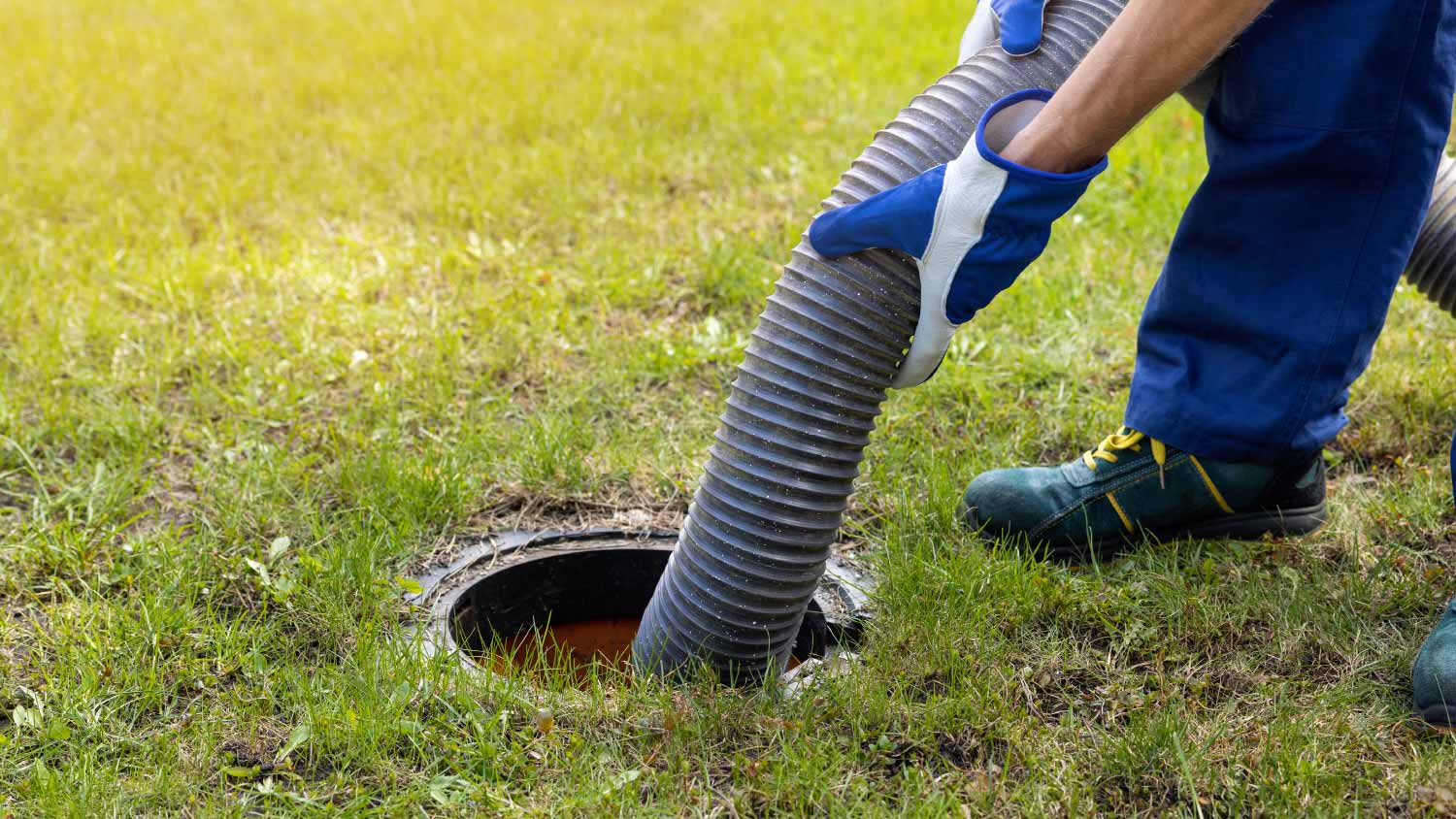
Septic tanks are kept underground, so checking the levels inside can be a challenge. Learn how to check if a septic tank is full with this guide.

A full septic tank can cause health issues and costly repairs. Look out for these top seven warning signs your septic tank is full.

Sludge buildup in a septic tank is natural, but it needs to go somewhere eventually. Learn what to put in a septic tank to break down solids efficiently.
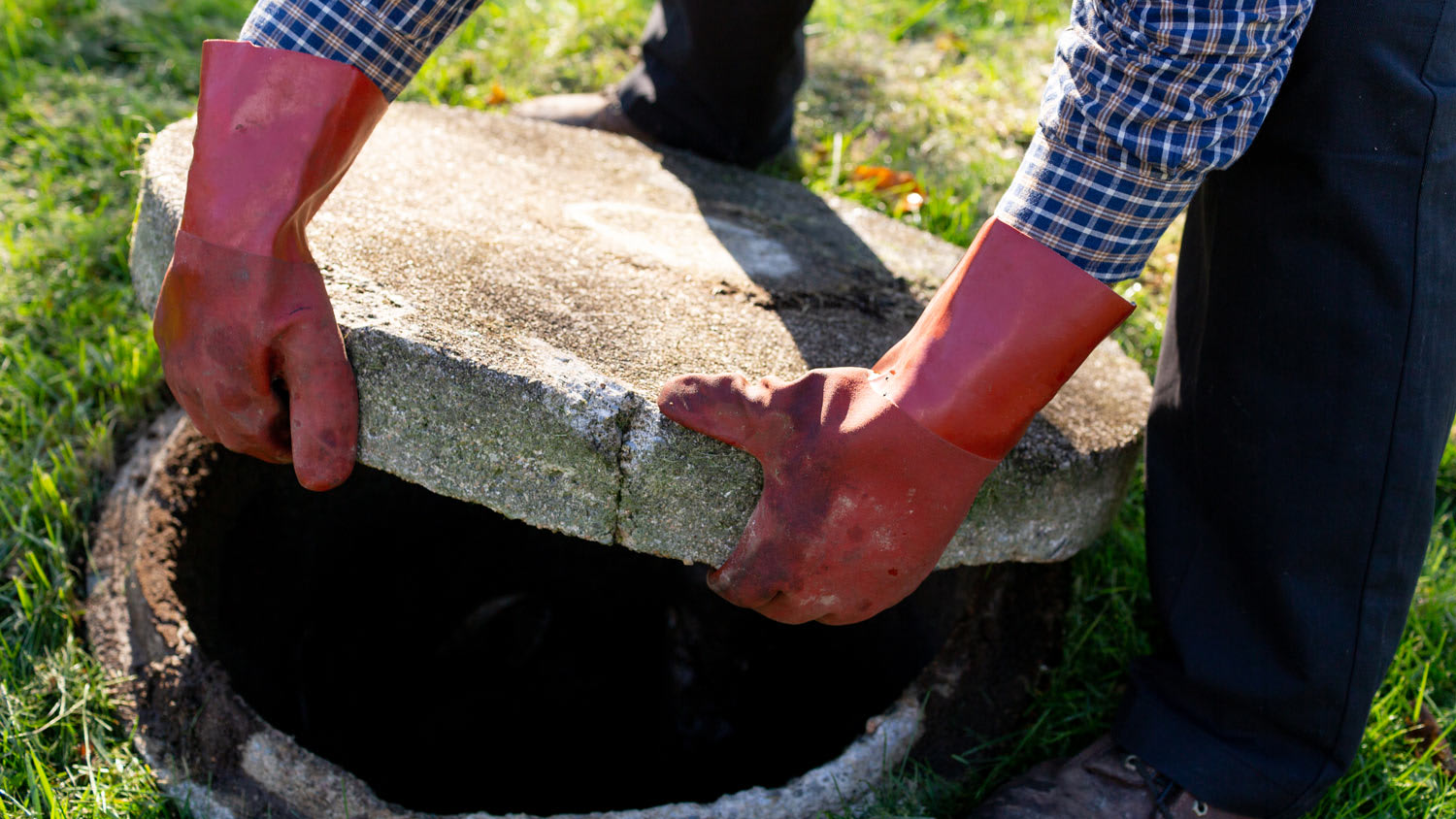
A clogged septic tank can wreak havoc on your home and property. Learn how to unclog a septic tank yourself and know when to call in the pros.