

The cost to pump a septic tank in Raleigh, NC, depends on several factors, including tank size, cleaning frequency, and seasonality.
Plumbing costs depend on your project and location. Check with a local pro for your specific job.

The cost range for a septic inspection in Raleigh, NC, is between $196 and $884.
The size of your tank and the type of inspection your pro performs are the main cost drivers.
Because of the high water table in Raleigh, NC, septic inspections can be more complex than in drier areas.
A septic tank professional in Raleigh, NC, can identify serious problems before they get out of hand.
The average septic inspection cost in Raleigh, NC, is $540. But depending on the complexity of accessing the tank or managing the high water table, you could pay between $196 and $884 for this work. Regular inspections can help keep your tank in good condition.
Regular septic system maintenance helps keep your system functioning properly and can prevent costly repairs. During a septic inspection in Raleigh, NC, a professional can identify existing issues, recommend repairs, or determine whether the tank needs replacement.
Several factors can affect septic inspection costs in Raleigh, including the tank’s location, local soil conditions, and nearby mature trees. Septic systems are more common in the rural areas surrounding Raleigh and Wake County, and some companies may charge additional travel fees for remote properties.

There are several types of septic inspections, each serving a specific purpose. You’ll often see the lowest prices for routine annual inspections, while the highest costs are reserved for detailed inspections and camera inspections that you might need to schedule before purchasing a property.
| Inspection Type | Average Cost |
|---|---|
| Annual inspection | $195–$245 |
| Basic inspection | $245–$390 |
| Detailed inspection | $390–$685 |
| Camera inspection | $245–$880 |
The time since your last septic inspection is another factor to consider. If you conduct inspections once every one to three years and use the same inspector each time, your professional will be able to keep track of changes and more easily determine if something unusual is a worsening problem. Knowledge of your system and its condition over time can speed up the inspection process, meaning labor costs could be lower.
The size of your septic tank and the depth at which it’s buried can also influence the inspection cost. Larger tanks require more time and effort to inspect thoroughly, resulting in higher labor fees. If the inspection company doesn’t include digging to uncover the tank in the cost of the inspection, this could add between $50 and $245 to the overall septic inspection cost, with higher prices often correlating to septic tanks that are buried deeper.
If you’re getting a septic inspection due to suspected problems with your septic system, you’ll probably need a detailed inspection or a camera inspection, which are more expensive than routine inspections. The extent of any issues discovered during the inspection can also lead to septic tank repair costs, which can be anywhere from $225 to $2,940 on top of the inspection fee. The exact price you’ll pay for the repair will depend on the type of issue you’re experiencing.
Septic tank lid repair: $145–$490
Septic baffle repair: $295–$880
Septic filter repair: $195–$295
Septic pump repair: $245–$980
Septic main line repair: $980–$4,120
Septic tank replacement: $490–$2,450
Septic system replacement: $2,940–$19,620
You can expect some of the highest costs if you have a septic system leak, as you’ll often have to pay cleanup fees to prevent contamination of the soil and groundwater. Prices can reach beyond $19,620 for the replacement of the old system and the fines.
According to the Environmental Protection Agency (EPA), you should get a septic inspection done every one to three years, and you should get your tank pumped every three to five years. An annual inspection is a good idea if any of the following apply to your home:
You added on to your home since your tank was installed and are putting more strain on your system
Your septic system is 20 years old or more
You’re experiencing issues with sewage backup
You use a garbage disposal
You notice sewage odors in your yard
Portions of your grass are unusually green or vibrant
Your tank is undersized for your home
You should also schedule a septic inspection if you haven’t had one in the past three years or if you’re purchasing a home with a septic system.
Many Raleigh, NC septic professionals charge a flat inspection fee rather than an hourly rate. Homes in established Raleigh-area neighborhoods like West Cary and Falls Lake are more likely to have older septic systems and mature trees, both of which can increase inspection costs. Large trees can limit access to the tank and make inspections more difficult, especially if the septic tank’s location is unknown.
Raleigh’s clay soil and high water table can also complicate septic inspections. After heavy rain, saturated soil and standing water may make it harder to identify system issues, increasing the time and effort required. Damp clay soil is especially difficult to dig through, which can further raise costs.
A septic inspection may not guarantee a return on investment (ROI), but it can make your home more attractive to buyers and help address concerns during the sale process. In Raleigh, NC, buyers expect a septic system to be in good working order, and visible issues such as septic odors or drainage problems can quickly discourage offers.
Because most Raleigh homes connect to city sewer lines, some buyers may be unfamiliar with septic systems. Providing proof of a recent inspection can reassure buyers that the system is functioning properly, increase confidence in the property, and potentially help generate more offers in Raleigh’s competitive housing market.
To help homeowners plan their next project, Angi provides readers with carefully researched cost data and upholds strict editorial standards. We start with national average project costs, which we collect by analyzing competitor information, retailer material costs, and input from professional contractors. We then apply local price index data to calculate location-specific estimates that reflect what homeowners typically pay in their local area. To do that, we use data from the U.S. Bureau of Economic Analysis (BEA), including its Regional Price Parities (RPPs), which measure price differences across cities. This helps us account for differences in labor, materials, and overall cost of living, so estimates in higher- or lower-cost areas better reflect real-world local pricing.
Every estimate undergoes a thorough editorial review to verify accuracy, consistency, and alignment with observed market conditions.
Want to help us improve our cost data? Send us a recent project quote to [email protected]. Quotes and personal information will not be shared publicly.
They could not do the job needed, as there was confusion between office and plumber. They did not charge me and were very nice. I will use then for future plumbing needs.
 Cape Fear Air, Electric & Plumbing
Pedro came out the same day and quickly diagnosed the problem. He was courteous and professional and explained everything clearly and concisely. William, the owner came out early the next day and quickly fixed the problem. I highly recommend William Parrish Plumbing.
 William Parrish Plumbing Inc.
It is a privilege to give William Parrish Plumbing my highest recommendation. Our project included drain/flush of a tank-less hot water system and repair of a cracked toilet valve. The work was performed by Pedro who was personable, knowledgeable, and a true craftsman at his trade. He...
 William Parrish Plumbing, Inc.
Artan was very courtesy and professional. He was happy to walk us through any questions or concerns we had. His work was done quickly and with quality. My wife and I would happily recommend him and eagle sewer & drain cleaning for your plumbing needs.
 Eagle Sewer & Drain Cleaning Inc
Mr. Eugene, the owner, is patient, a good listener and attentive to detail...a true professional! He and his staff were replaced our tub/shower with a walk-in shower. They punctual, worked efficiently, and with full attention to detail and quality. The project was completed in one day. I am...
 592 Properties & Construction, LLC
The folks at NC Plumbing Pros were wonderful. They helped us assess what we really needed, got us the best deal available on new hardware, and even fixed a side issue while they were here on a different toilet. Will definitely be using them again!
 NC Plumbing Pros Inc
Jason located the water leak quickly. He repaired the leak and cleaned up so well you wouldn’t have known he had even been there. The pricing was well below other quotes I had received. Jason is honest and trustworthy! Will use for all future plumbing needs!
 919-PLUMBER
Justin if you are looking for an honest plumbing this is the one.
M. Leach is a reliable, professional and pleasant contractor that I can count on to complete plumbing and other tasks.
Dennis and his Son were ON time, and did a great job. I interviewed many plumbers before hiring. Dennis won hands down. He was even given a 5 star from another plumber. He will, now be MY GO TO PLUMBER and I will recommend him to my network. GIVE Dennis Menella a call today to do all your...
 Mennella and Son Plumbing Service
From average costs to expert advice, get all the answers you need to get your job done.
The cost to pump a septic tank in Raleigh, NC, depends on several factors, including tank size, cleaning frequency, and seasonality.

Find out the average septic system repair cost in Raleigh, NC. Learn what you can expect to pay for local tank fixes and keep your plumbing running smoothly.

Septic tank replacement costs in Raleigh, NC, depend on your system's type and size. Learn what affects your replacement budget and get estimates before you hire a pro.
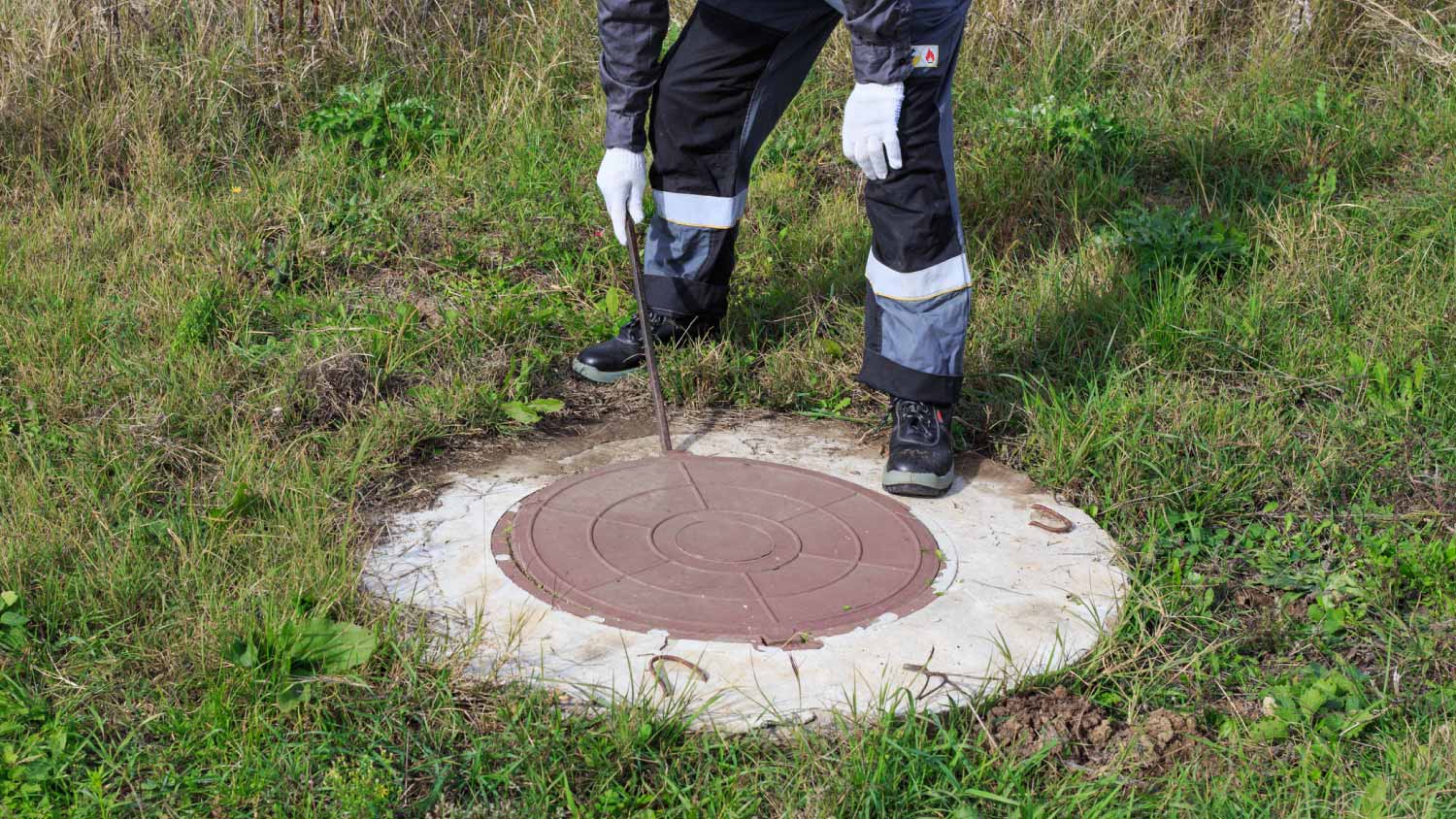
A septic inspection is a vital part of total septic system health. Learn more about what goes into a septic inspection and how often to get one.
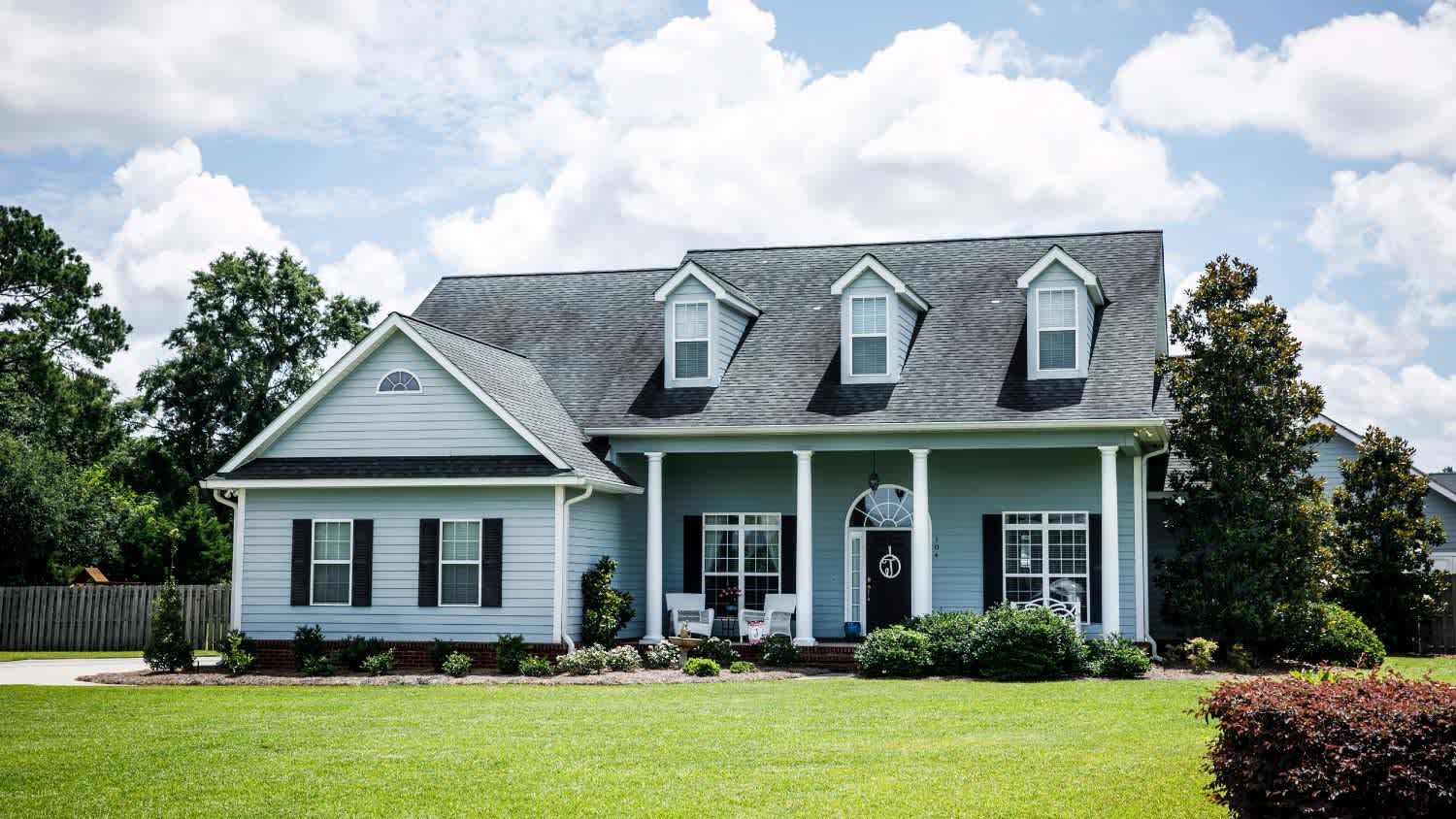
In order to function properly, your septic tank needs to be regularly inspected and emptied. How often you should get your septic tank inspected depends on a few factors.

Find out the average roof inspection cost in Raleigh, NC. Learn what you can expect to pay for local roof inspectors and keep your home safe from leaks.