
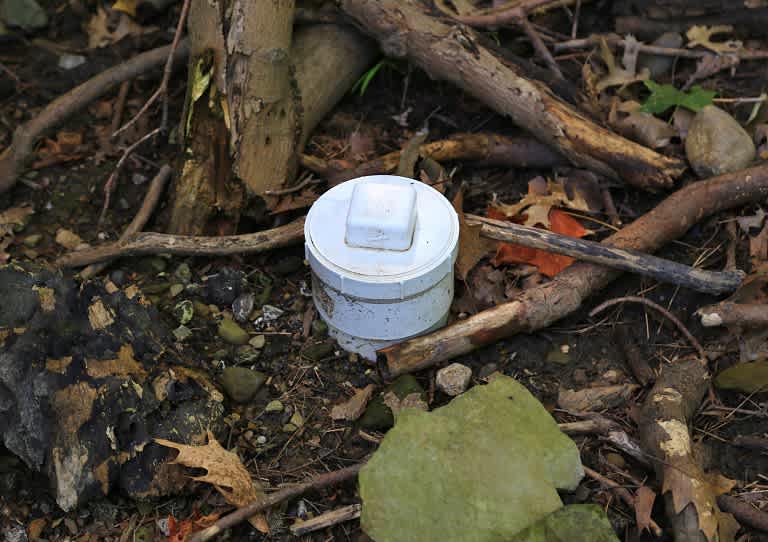
Get transparent sewer line camera inspection cost info. Learn what impacts pricing in Minneapolis, MN, and how to budget for this essential home maintenance.
Plumbing costs depend on your project and location. Check with a local pro for your specific job.

Basic septic inspection costs in Minneapolis, MN, start around $105, while complex camera-based styles can reach $1,360 or more.
System depth and accessibility have a significant impact on costs, especially given the city's severe winter frosts.
If your inspection uncovers issues, budget $630 to $3,150 for septic system repairs in the area.
Hiring a licensed septic professional in Minneapolis, MN, keeps your system local-code compliant and cold-climate performance-ready.
The average septic inspection cost in Minneapolis, MN, is $576, with most homeowners paying between $210 and $943. Prices tend to run slightly higher than the national average due to regional labor rates and winter-related challenges.
The Twin Cities area features a mix of suburban homes, lakeside properties, and semi-rural residences. Larger properties or homes with older systems, which are common in many of these types of neighborhoods, may require more time and specialized inspection methods, increasing overall costs.
Septic inspection costs in Minneapolis, MN, can range from $105 to $1,362, depending on various factors. These include inspection type, tank size, depth below the frost line, and system accessibility.
Minnesota’s cold climate means septic systems are often buried deeper to prevent freezing, which can increase labor time. Seasonal factors, such as frozen ground in winter or saturated soil during the spring thaw, can also make inspections more complex and costly.
Older homes, common in neighborhoods like Lowry Hill East and Whittier, may have aging or non-standard systems that require more thorough evaluation.

There are several types of septic inspections, each serving a specific purpose. You’ll often see the lowest prices for routine annual inspections, while the highest costs are reserved for detailed inspections and camera inspections that you might need to schedule before purchasing a property.
| Inspection Type | Average Cost |
|---|---|
| Annual inspection | $210–$260 |
| Basic inspection | $260–$420 |
| Detailed inspection | $420–$735 |
| Camera inspection | $260–$945 |
How often you have your septic system inspected is another factor to consider. If you conduct inspections once every one to three years and use the same inspector each time, your professional will be able to keep track of changes and more easily determine if something unusual is a worsening problem. Knowledge of your system and its condition over time can speed up the inspection process, meaning labor costs could be lower.
The size of your septic tank and the depth at which it’s buried can also influence the inspection cost. Larger tanks require more time and effort to inspect thoroughly, resulting in higher labor fees. If the inspection company doesn’t include digging to uncover the tank in the cost of the inspection, this could add between $50 and $260 to the overall septic inspection cost, with higher prices often correlating to septic tanks that are buried deeper.
If you’re getting a septic inspection due to septic tank odor or other suspected problems with your septic system, you’ll probably need a detailed inspection or a camera inspection, which are more expensive than routine inspections. The extent of any issues discovered during the inspection can also lead to septic tank repair costs, which can be anywhere from $240 to $3,150 on top of the inspection fee. The exact price you’ll pay for the repair will depend on the type of issue you’re experiencing.
Septic tank lid repair: $155–$525
Septic baffle repair: $315–$945
Septic filter repair: $210–$315
Septic pump repair: $260–$1,050
Septic main line repair: $1,050–$4,410
Septic tank replacement: $525–$2,500
Septic system replacement: $3,150–$21,000
You can expect some of the highest costs if you have a septic system leak, as you’ll often have to pay cleanup fees to prevent contamination of the soil and groundwater. Prices can reach beyond $21,000 for the replacement of the old system and the fines.
According to the Environmental Protection Agency (EPA), you should get a septic inspection done every one to three years, and you should get your tank pumped every three to five years. An annual inspection is a good idea if any of the following apply to your home:
You added on to your home since your tank was installed and are putting more strain on your system
Your septic system is 20 years old or more
You’re experiencing issues with sewage backup
You use a garbage disposal
You notice sewage odors in your yard
Portions of your grass are unusually green or vibrant
Your tank is undersized for your home
You should also schedule a septic inspection if you haven’t had one in the last three years or if you’re purchasing a home with a septic system installed.
Hiring a septic professional in Minneapolis, MN, to carry out inspections is essential for safety and compliance with local and state codes. Labor costs in the city are moderately higher than the national average, possibly in part due to strict environmental regulations.
It’s not a good idea to carry out DIY septic inspections due to serious health risks and the need for specialized tools. Professionals use equipment to measure sludge levels, inspect drain fields, and identify leaks or freezing-related damage to prevent premature or excessive repair costs.
A qualified pro will also understand Minnesota-specific requirements, including guidelines from the Minnesota Pollution Control Agency (MPCA), reducing your risk of incurring fines.
Septic inspection professionals typically charge a flat fee that varies depending on the project complexity. To help evaluate quotes, this breaks down to an average city labor rate of $50 to $260 per hour.
A straightforward inspection of an easily accessible system may take one to two hours. However, deeper tanks, snow cover, frozen soil, or finding your septic system under landscaping features can extend inspection times to two to four hours or more.
Routine septic inspections in Minneapolis, MN, typically don’t require permits. However, you’ll likely need one when an inspection reveals issues requiring major repairs or system replacement.
Alongside the cost of replacing the septic tank or entire system, permit costs in the Minneapolis area generally range from $215 to $780, depending on the scope of work. These are typically managed by Hennepin County Environmental Health, with oversight from the Minnesota Pollution Control Agency.
Most septic professionals will assist with permitting as part of their service.
It’s important to hire a licensed and insured septic professional in Minneapolis, MN. Working with unlicensed contractors can lead to compliance issues, especially given Minnesota’s strict environmental standards.
You can verify credentials through the Minnesota Pollution Control Agency.
Septic inspections are a smart investment for homeowners in Minneapolis, MN. While they don’t directly increase home value, regular inspections every one to three years help prevent costly system failures.
This is particularly important in Minnesota’s climate, where intense freeze-thaw cycles and heavy snowfall can strain septic systems. Keeping your system in good condition and performing regular septic tank maintenance is essential for long-term performance.
If you’re buying a home with a septic system, an inspection provides peace of mind and may be required by lenders.
To help homeowners plan their next project, Angi provides readers with carefully researched cost data and upholds strict editorial standards. We start with national average project costs, which we collect by analyzing competitor information, retailer material costs, and input from professional contractors. We then apply local price index data to calculate location-specific estimates that reflect what homeowners typically pay in their local area. To do that, we use data from the U.S. Bureau of Economic Analysis (BEA), including its Regional Price Parities (RPPs), which measure price differences across cities. This helps us account for differences in labor, materials, and overall cost of living, so estimates in higher- or lower-cost areas better reflect real-world local pricing.
Every estimate undergoes a thorough editorial review to verify accuracy, consistency, and alignment with observed market conditions.
Want to help us improve our cost data? Send us a recent project quote to [email protected]. Quotes and personal information will not be shared publicly.
Gary was able to do work for me the day after we connected. He and his partner did a great job capping my gasline and removing some old pipe so that I can install a new electric oven. They finished the work efficiently and for a very fair rate. Gary was super friendly and easygoing, and I had...
 Lindman Plumbing
The plumbers arrived within 3 hours of my initial call. Work was done efficiently and professionally. Plumbers were very polite. I will use Plumb Right again.
 Plumb Right
Excellent work. Thorough. Adaptable. Kept existing lath substructure; replaced moldy drywall. Recommended some ancient pipe replacement while exposed. (Subcontracted to Janecky Plumbing.). Came in within estimate and on time. Meticulous about curing sealants. Looks great. Waterproof, possibly...
 NORDIC TILE
Brian is incredibly professional, prompt, and fair! Always my first call for any plumbing issues.
 Castle Master Mechanical
I sent an inquiry out on Sunday evening due to a significant leak and received a text response later that evening. They were able to come out the next day and give me a very reasonable estimate to repair the sink and while he was there I inquired on a few other projects I had been thinking...
 Affordable Plumbing Solutions
Oscar recently completed a plumbing job at my home, and I was very pleased with his service. He arrived on time, assessed the situation quickly, and clearly explained the necessary repairs. The work was completed efficiently and at a fair price, which I appreciated. I would definitely...
 Tapia Sewer Services
Garth was fantastic to work with (and an all-around awesome guy). He replied super quickly, got an estimate back to us promptly and he did excellent work. We had him remove some popcorn ceiling and repair/paint the plaster in a very precarious spot and it looks brand new. We also had him...
Easy to work with Select Plumbing, Kramer was efficient and completed the job to my satisfaction
Amazing response! Only toilet was plugged. Came to my home 30 minutes after I called. I was so pleased with the work and the customer service. I will only call them for future plumbing work!! NO ONE ELSE on Angieâ s List even bothered to call.
 Mr. Rooter Plumbing of the Twin Cities
Everything went perfect. Quick, professional with great results. I have had several projects from washer/dryer fixes, floor laying, plumbing issues and sealing molding to floor gaps. He has done it all. I would not call anyone else at this point. Couldn’t be happier with his work.
 HandyVoy.LLC
From average costs to expert advice, get all the answers you need to get your job done.
Get transparent sewer line camera inspection cost info. Learn what impacts pricing in Minneapolis, MN, and how to budget for this essential home maintenance.

The cost to pump a septic tank in Minneapolis, MN, depends on several factors, including tank size, cleaning frequency, and seasonality.

Septic tank replacement costs in Minneapolis, MN, depend on your system's type and size. Learn what affects your replacement budget and get estimates before you hire a pro.
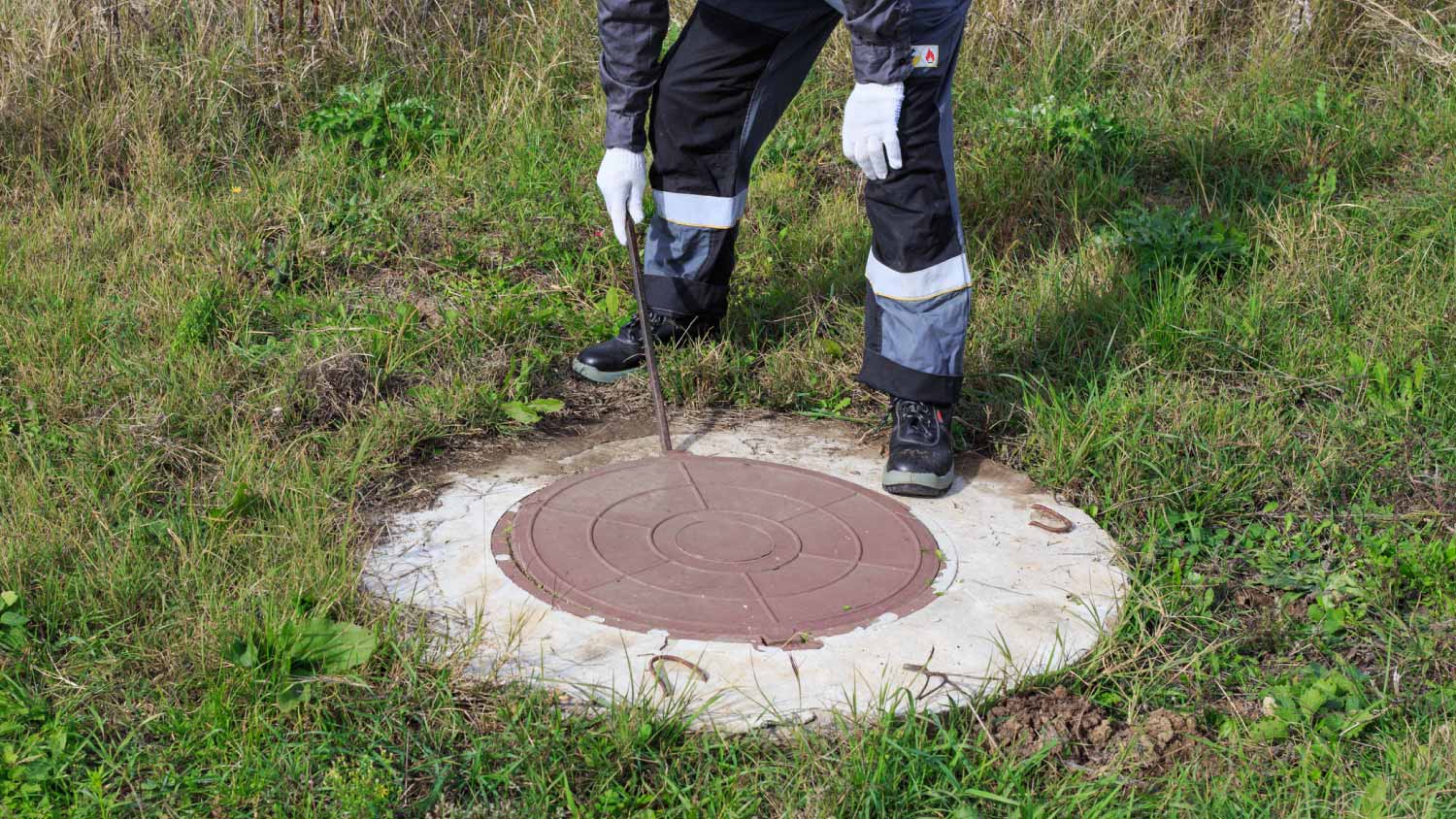
A septic inspection is a vital part of total septic system health. Learn more about what goes into a septic inspection and how often to get one.
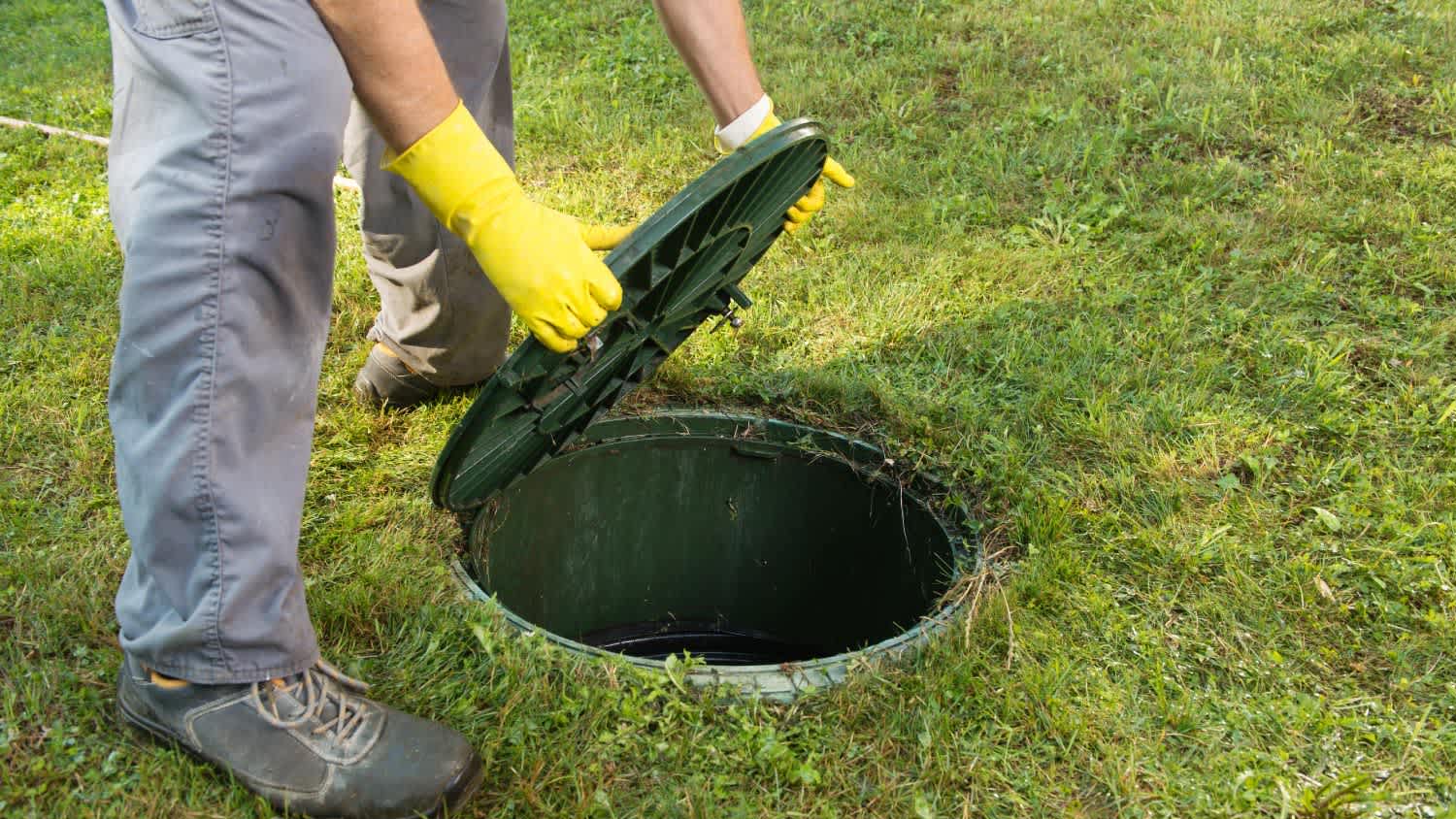
A sewage smell outdoors is not only gross, but it indicates a possible health hazard. Learn how to get rid of the septic smell outside and when to call a pro.

If you’ve never lived in a house with a septic system before, you might be wondering: Are septic tanks bad? Here are some of the pros and cons.