
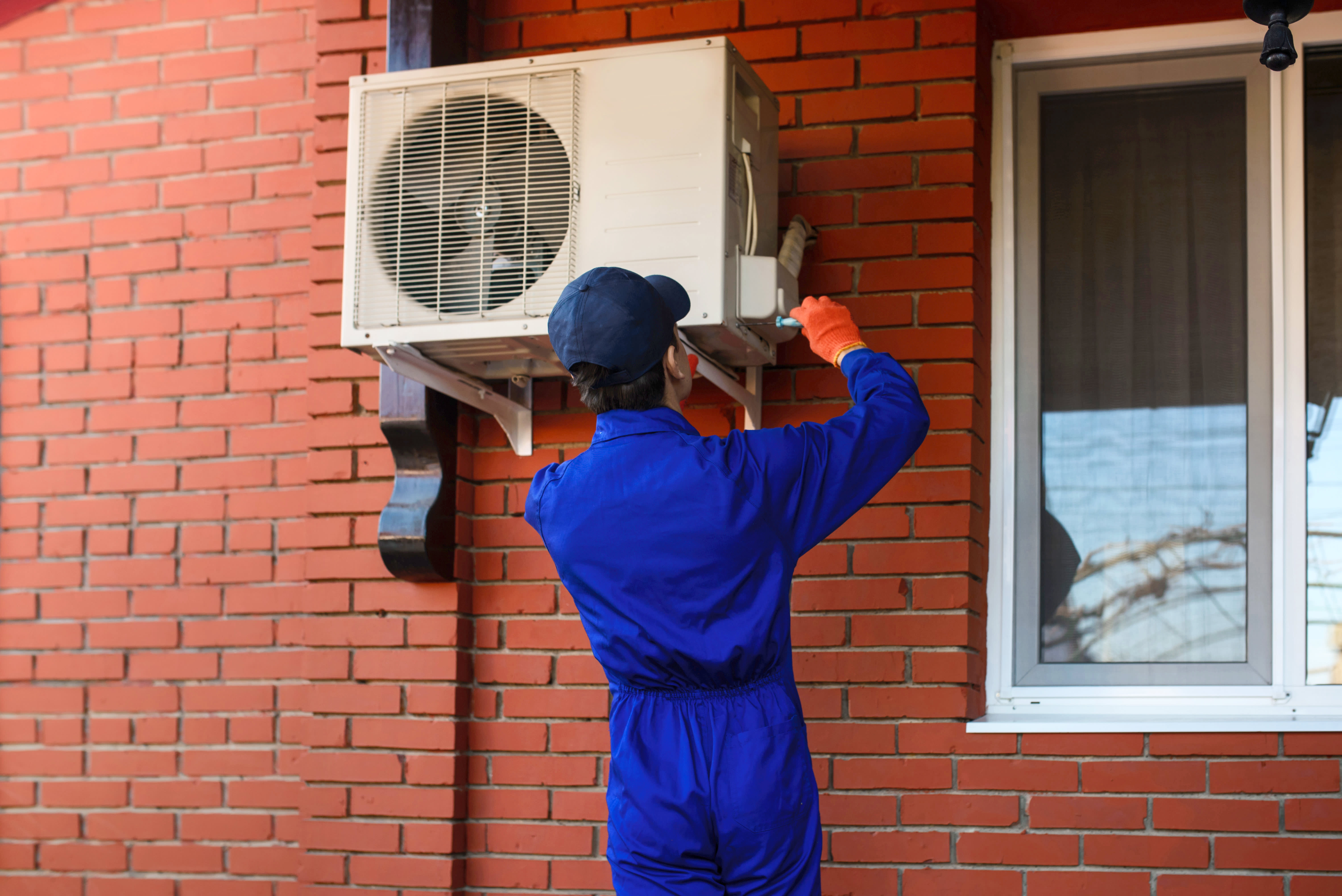
Time for an AC upgrade in the Emerald City? Before you call an HVAC pro, learn about the average AC replacement costs in Seattle, Washington.
Heating and air conditioning service costs depend on your project and location. Check with a local pro for your specific job.

In Seattle, WA, the cost of split systems ranges between 4,200 and $8,350, while duct-free systems cost between $2,200 and $16,100.
Standalone heating systems are prevalent in Seattle, but split systems are the most popular for homeowners who want both heating and cooling.
Make sure you budget separately for HVAC permit costs, which average $96 for a standard split system.
Hiring a Seattle, WA HVAC technician ensures a high-quality installation and expert advice on which type and size system to place in your home.
The average cost to replace a furnace and AC system in Seattle, WA, is $8,333, and most residents pay somewhere between $5,555 and $13,888. Prices depend on the type and size of the system, but other factors like your existing system type and labor costs play a role, too. Let’s review how to budget for the cost of replacing the furnace and AC in your Seattle, WA home.
Homeowners in Seattle, WA, can pay as low as $2,778 to replace their HVAC systems, while prices top out around $16,665. Consult your HVAC technician to get an accurate estimate for your specific project.
There are four primary types of HVAC systems, including split systems, duct-free systems (also called mini-splits), hybrid systems, and packaged heating and air systems. The typical cost ranges for each in Seattle, WA, are listed below.
Split systems: $4,200–$8,350
Duct-free systems: $2,200–$16,100
Hybrid systems: $2,800–$11,100
Packaged heating and air systems: $11,100–$15,550
Many homes in Seattle, WA, still only have heating systems installed and aren’t equipped with AC systems. For homes with cooling, a split system is the most common setup, especially since most homes in the area already have ductwork installed.
Some residents opt for hybrid systems, which provide plenty of heating and cooling for comfort in Seattle, WA’s relatively mild summers and winters. These can also boost overall efficiency and, while more costly upfront, can save money on utility bills over time.
The square footage of your house is a major factor in determining what size furnace and air conditioner you need to heat or cool your space efficiently. Estimate your HVAC system costs by comparing your home to the average property size in Seattle, WA, which is just over 1,800 square feet.
There are many other factors that influence your system’s ideal capacity, though, so always have a local HVAC company help determine what size you need exactly by doing a load calculation.
An HVAC system costs an average of $5,300 for the equipment alone, but the brand you buy can change this number. For example, brands like Amana or Coleman more often come in at the lower end of the spectrum, closer to $3,300, while brands like Trane and York can push costs up to $6,700 or more.
When you hire an HVAC company in Seattle, WA, an average of between 40% and 60% of your total will go toward labor, which means between $3,300 and $5,000. Labor charges in the area are much higher than you’d pay in most other cities, as the local cost of living, which affects labor fees, is 43% higher than the national average.
Your HVAC company will also need to pull permits for the work, which are required by the building department in Seattle, WA. The city charges fees for heating and cooling units separately, but these add up to an average of $95.90 for the standard split system.
Replacing your AC and furnace will improve your home value, as these are core mechanical components, and buyers are almost always willing to pay more for a home with a lower risk of a breakdown. On average, the project provides a return on investment (ROI) of 30%.
You can maximize your ROI by optimizing for efficiency. Some homeowners opt for hybrid systems to reduce their use of fossil fuels and extend their furnace’s lifespan, and these come with the added benefit of reducing utility bills over time, especially in Seattle, WA’s relatively mild climate.
To help homeowners plan their next project, Angi provides readers with carefully researched cost data and upholds strict editorial standards. We start with national average project costs, which we collect by analyzing competitor information, retailer material costs, and input from professional contractors. We then apply local price index data to calculate location-specific estimates that reflect what homeowners typically pay in their local area. To do that, we use data from the U.S. Bureau of Economic Analysis (BEA), including its Regional Price Parities (RPPs), which measure price differences across cities. This helps us account for differences in labor, materials, and overall cost of living, so estimates in higher- or lower-cost areas better reflect real-world local pricing.
Every estimate undergoes a thorough editorial review to verify accuracy, consistency, and alignment with observed market conditions.
Want to help us improve our cost data? Send us a recent project quote to [email protected]. Quotes and personal information will not be shared publicly.
The general manager called me to understand the problem and he was able to send out a technician next day to my residence to help with our mini split ductless HVAC system. The technician was young but clearly experienced and was able to deduce a very simple and immediately fixable filter...
 Northwest Expert Heating, LLC
Don took great care of our radiant heating system for many years! AND he's a truly nice person!!! Don, it's Peggy Coats. I need to talk to you...Please call or text me at 2065261264.
 Radiant Tech Inc
The heat pump was installed in March 2024. Very good service. I subscribe to the maintenance contract. Every few months a technician is scheduled to check all functions of the pump, air cleaner, filters and thermostat communication. One was here today. Helped me further understand the...
 Blue Flame Heating and Air Conditioning
George was super helpful over the phone determining the right water heating solution for our home, was highly communicative and transparent throughout the process, and made quick work of the installation of our electric water heater. Would highly recommend to other folks in Seattle in need of...
 Stream Water Heaters
Our 27-year-old furnace stopped working suddenly, leaving us without heat. We contacted Product Air after another company failed to show up for a scheduled service call. Product Air responded quickly. Robert diagnosed the problem as a failed motor and was able to find the part elsewhere in...
 Product Air Heating & Cooling, LLC
 The work to install a heat pump was professionally done and in a timely manner. He worked with with us to plan placement with limited potential locations and difficult access. And he came back after installation to answer questions and be sure we were happy with it.
 Derr Heating & Cooling LLC
Our heating wasn't working and the warehouse was taking a very long time finding the part necessary to fix it. Staci went above and beyond to find a workaround solution for us.
 AirPros Energy, LLC
Fast Water Heating was great. Very nice service on my initial phone call and helpful in getting the right heater. Same day install. Caleb did a quick and tidy job with everything and was patient with all my questions. I would use them again.
 Fast Water Heater Company
Please let other people know that we have had very bad experiences with Quality Heating and Cooling and want other folks to steer clear of this company.
 Cummings, Inc.
PK Heating & Cooling was tremendous. Great communication, service and work well done. I will always call back for check ups and refer him to others.
 PK Heating & Cooling, LLC
From average costs to expert advice, get all the answers you need to get your job done.
Time for an AC upgrade in the Emerald City? Before you call an HVAC pro, learn about the average AC replacement costs in Seattle, Washington.
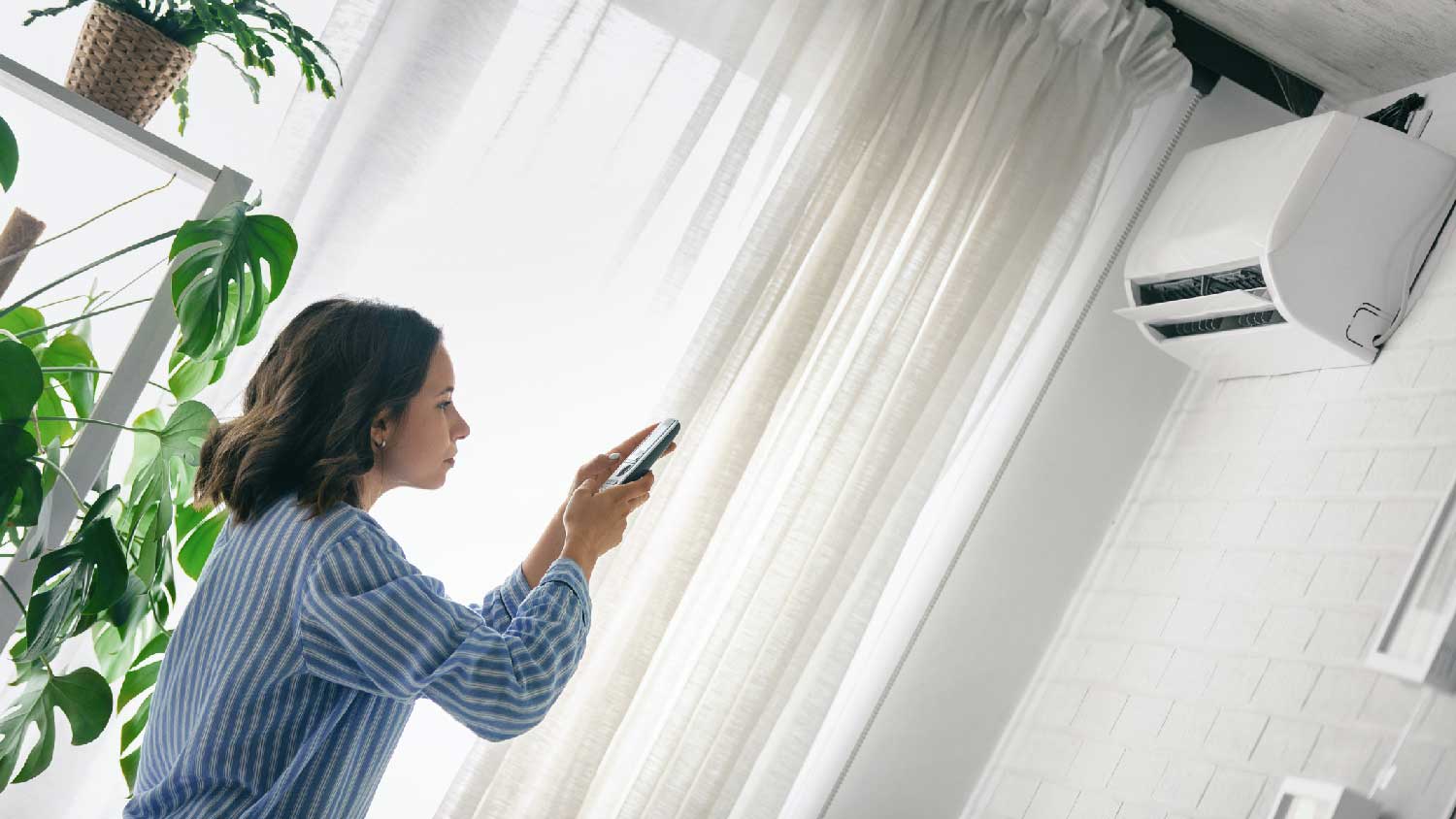
If your air conditioning unit isn’t functioning properly, you might need an AC recharge. Our guide will detail what a typical AC recharge cost in Seattle, WA looks like.
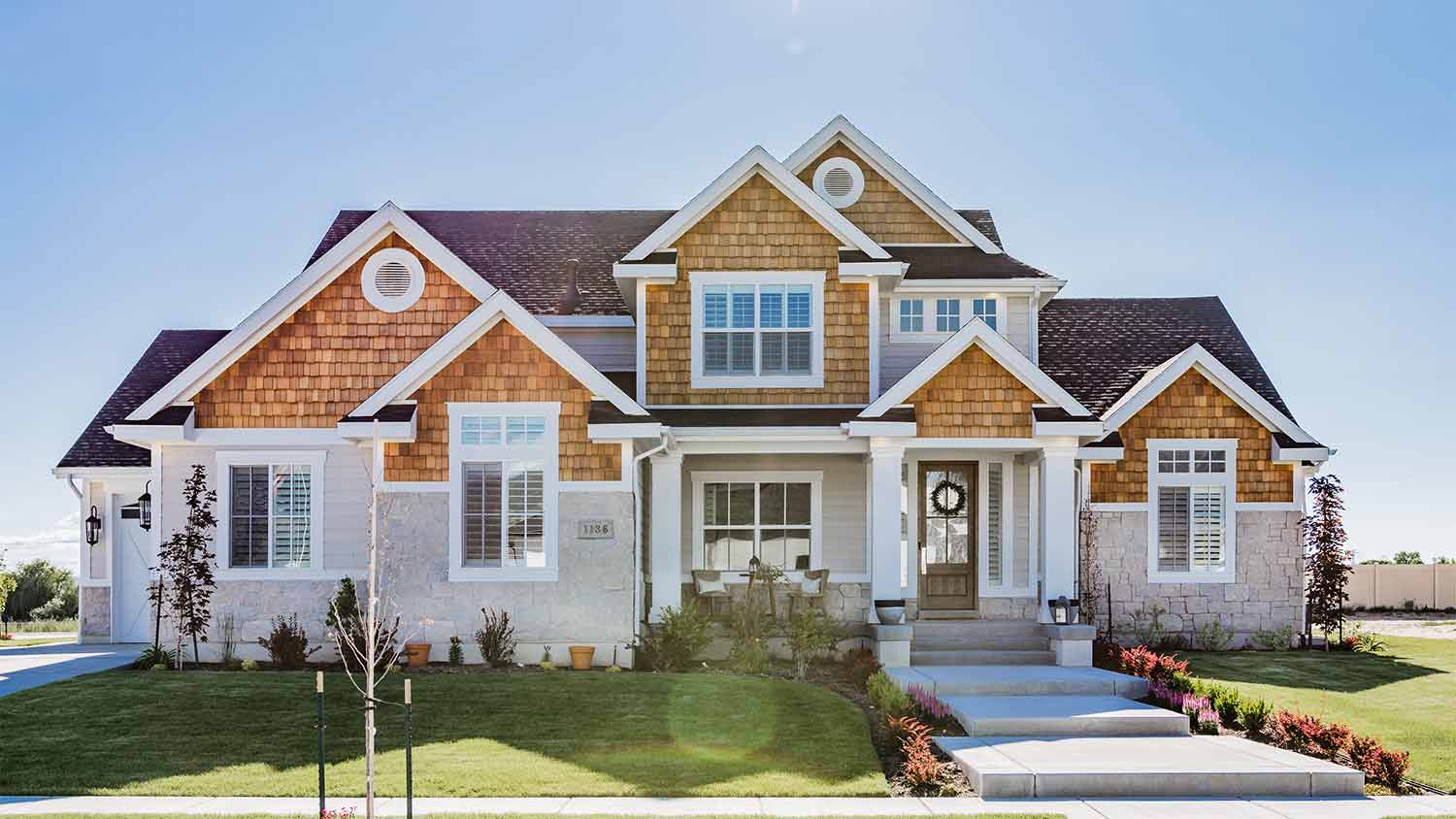
Find out how much R-22 refrigerant costs per pound in Seattle, WA, and learn how the size of your HVAC unit affects refill costs.

The best AC temperature for energy-saving has long been considered 78 degrees Fahrenheit—but the real answer can be a bit more nuanced. Read on to learn more.
Running your air conditioner in the summer is a no-brainer—until you get the bill. Here are nine summer HVAC tips to help you save this summer while staying cool.
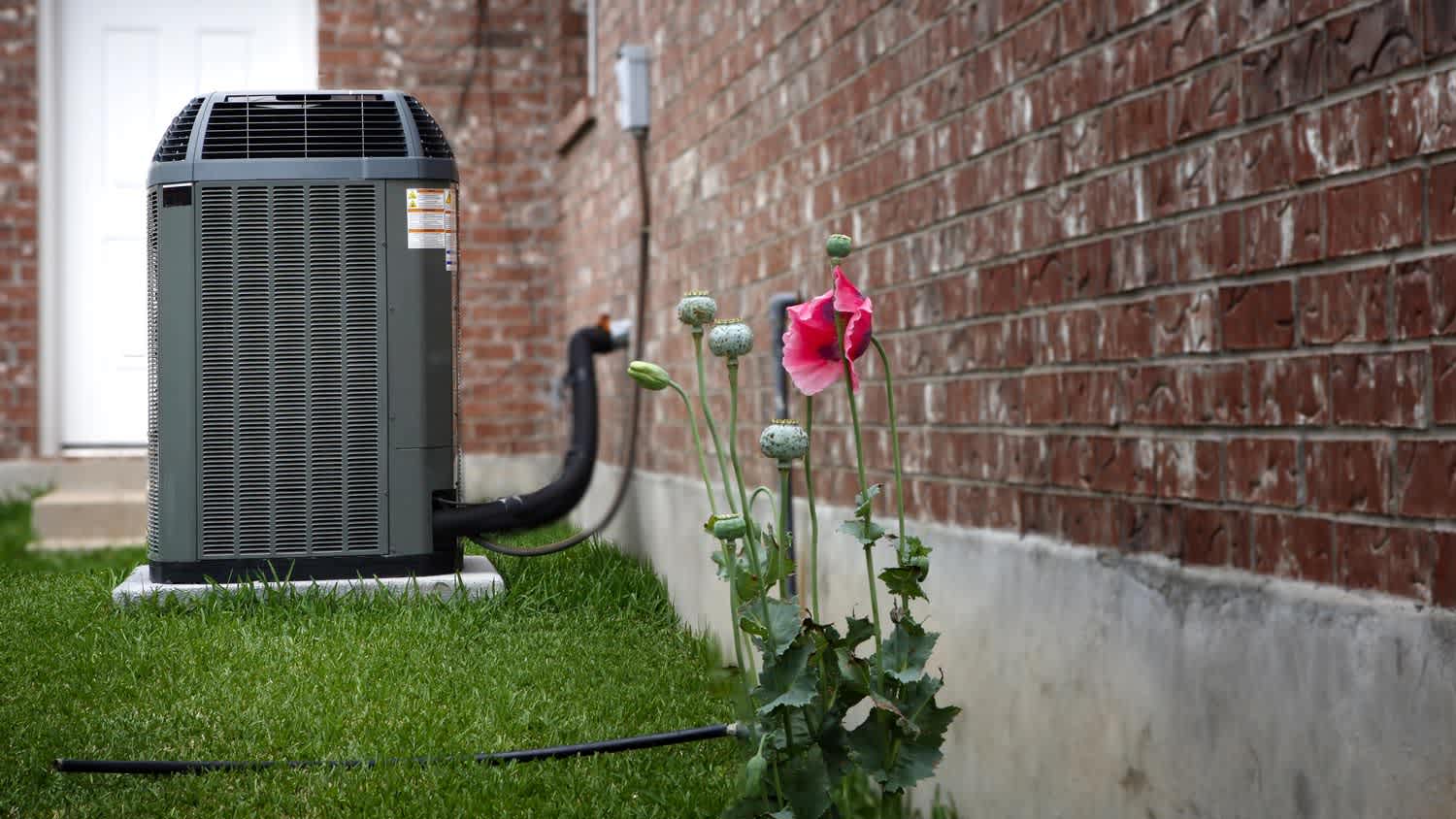
Can you replace just the outside AC unit? That’s a problem most homeowners face when dealing with HVAC issues. Our guide provides answers.