
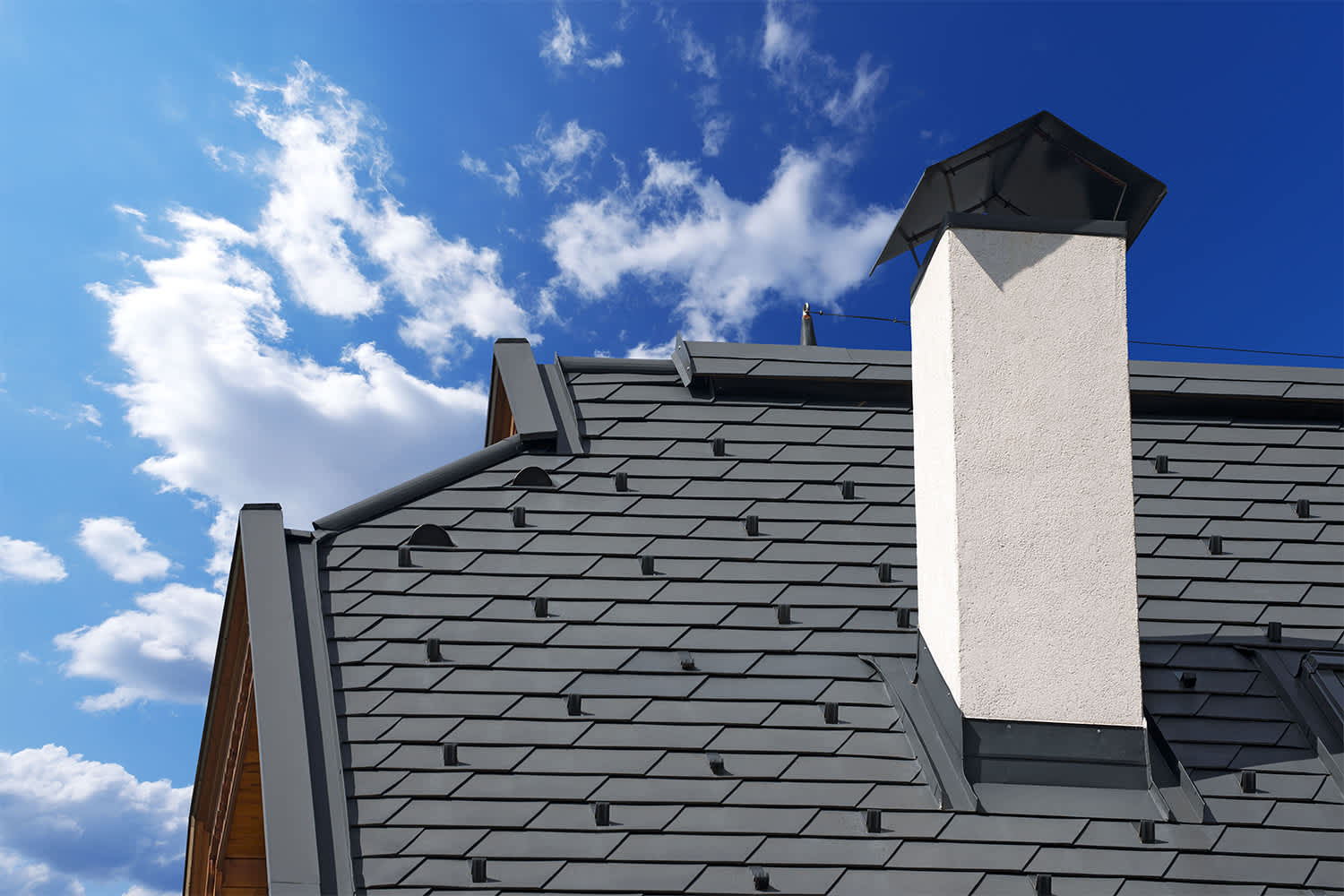
Notice leaks and corrosion around your chimney? You might need new flashing or some careful repairs. Here are some common chimney flashing repair costs.
Bolster your roofing knowledge in a flash

Roof flashing seals the joints where your roof meets walls, chimneys, vents, and edges, and directs water back onto the shingles.
This guide covers 11 roof flashing types, from base and step flashing to kickout and skylight flashing.
Galvanized steel, aluminum, and copper are the common flashing materials, with lifespans that run from 20 to 100 years.
Hiring a local roofing professional ensures proper flashing installation and repairs, especially around chimneys and valleys where water damage risks are highest.
A roof leak rarely starts in the open field of your roof. It shows up near a chimney, around a vent pipe, in a valley where two slopes meet, or along a roof-to-wall joint. These trouble spots are exactly where flashing does its job. This guide to roof flashing types helps you match a leak to the flashing involved, so you know what to check next.

Roof flashing is thin, corrosion-resistant metal that seals the joints where your roof meets walls, chimneys, vents, and edges. It guides water back onto the shingles instead of into your home. This guide covers 11 common roof flashing types:
Base flashing
Chimney flashing
Counter flashing
Drip edge flashing
Gutter apron flashing
Step flashing
Pipe flashing
Valley flashing
Wall flashing
Kickout flashing
Skylight flashing

What it is: Metal set where a vertical wall meets the roof; the top tucks behind the siding and the bottom laps over the roofing.
Where it goes: At the base of walls and dormers, and around chimneys where a wall meets the roof.
What to watch for: Water stains on the inside wall, or bent, lifted metal at the base of the wall.

What it is: A combination of flashing pieces that seals the gap between the roof deck and the chimney masonry.
Where it goes: Around the full base of a chimney, often pairing base flashing with counter flashing.
What to watch for: Rust, gaps at the mortar line, or stains on the ceiling below the chimney.
Chimney work is labor-intensive, so chimney flashing repair costs run higher than other types.

What it is: The upper piece that covers the top edge of base or step flashing so water cannot slip behind it.
Where it goes: Set into mortar joints on brick walls and chimneys, with the bottom edge bent outward over the lower flashing.
What to watch for: Metal pulling loose from the mortar, or crumbling mortar joints.

What it is: Angled metal that directs water off the roof edge and away from the fascia board.
Where it goes: Along eaves and rakes, at the ends of roof sections without gutters.
What to watch for: Water running behind the gutter, or rotted, stained fascia boards.
There are three types of drip edge: Type C (L-shaped), Type D (T-shaped), and Type F (gutter apron).

What it is: A drip edge shaped to direct water off the roof and into the gutter.
Where it goes: Along eaves that lead into gutters; the top edge slips under the lowest row of roofing.
What to watch for: Water dripping behind the gutter, or streaks and rot on the fascia.

What it is: Small rectangular pieces layered in steps where a sloped roof meets a vertical wall.
Where it goes: Along the angled sides of walls and dormers, woven between each course of shingles.
What to watch for: Missing or flattened pieces, or stains along the wall-to-roof line.
For shingles with a 5-inch exposure, each piece should be at least 10 by 7 inches. The 10-inch length is bent 90 degrees to extend 5 inches over the roof deck and 5 inches up the wall.
See how to install roof flashing for the full process.

What it is: A boot with a flat base and a round collar that seals around a pipe or vent.
Where it goes: Around plumbing and dryer vents that pass through the roof.
What to watch for: Cracked rubber collars, or stains on the ceiling near a bathroom or kitchen vent.

What it is: Metal that lines the channel where two roof slopes meet.
Where it goes: In the valley between two angled roof sections, cemented on both sides.
What to watch for: Rust, debris buildup, or water stains along the valley line inside.
IRC R905.2.8.2 requires valley flashing on asphalt shingle roofs. Installers set it in roofing cement on both sides, and local codes vary, so verify your local requirements.

What it is: Also called headwall flashing, it caps and covers the exposed top edge of a vertical wall.
Where it goes: Over the tops of walls and along brick facades, common on flat and commercial roofs.
What to watch for: Loose caps, open seams, or water tracking down the wall face.
What it is: A small piece that diverts water away from the wall at the bottom end of a roof-to-wall joint.
Where it goes: Where a roof edge meets a wall that continues past the eave, kicking water into the gutter.
What to watch for: Dark streaks or rot on the siding below the roofline, a sign the kickout is missing.
What it is: A set of flashing pieces that seals the four sides of a skylight where it meets the roof.
Where it goes: Around the perimeter of a skylight, combining head, sill, and step flashing.
What to watch for: Drips or stains around the skylight frame inside the home.
The material sets how long your flashing lasts and how it handles your climate. Three roofing materials cover most homes: galvanized steel, aluminum, and copper.
| Material | Lifespan | Cost per Linear Foot | Notes |
|---|---|---|---|
| Galvanized steel | 20–30 years | About $1.00–$1.50 | Most cost-effective option; corrodes over time |
| Aluminum | 20–30 years | Slightly less than steel | Resists corrosion; must be coated near masonry |
| Copper | Roughly 70–100 years | About $10–$30 | Longest-lasting; develops a protective patina |
Angi estimates galvanized steel at about $1.00 to $1.50 per linear foot, with a 20- to 30-year lifespan. Treat the price as approximate, since it varies by region, gauge, and supplier.
Aluminum lasts 20 to 30 years and resists corrosion, which makes it a strong pick for coastal homes. Coat it or separate it from masonry and concrete, or a reaction called galvanic corrosion will break it down.
Copper is the premium choice. It develops a protective patina and lasts roughly 70 to 100 years.
Building code sets a minimum standard for flashing so it holds up over time. The residential rules live in the International Residential Code (IRC), Chapter 9 (R905), adopted in most US jurisdictions.
IRC R905 requires metal flashing at roof junctions to be corrosion-resistant and at least No. 26 gauge, which is 0.019 inch thick. This is the baseline for the metal that protects your roof-to-wall joints.
Drip edge has its own rule. IRC R905.2.8.5 requires drip edge flashing on all asphalt shingle roofs at both eaves and rakes in most jurisdictions. Local adoption varies, so verify your local code.
ARMA sets placement, too. Drip edge should extend at least 2 inches onto the roof sheathing and at least 1/4 inch below it.
You can catch most flashing problems early with a ground-level check and a look in the attic. Watch for these signs:
Interior stains: Water stains on ceilings or in the attic can signal flashing failure or another roofing issue.
Daylight in the attic: Light around vents or pipes in the attic can signal a failed flashing seal or another roofing issue.
Rust or corrosion: Corroded flashing weakens and needs replacement soon.
Loose or missing flashing: Loose, damaged, or missing flashing leaves joints open to water.
Dried or cracked sealant: Sealant will eventually dry, shrink, and crack over time.
Check from the ground with binoculars, and inspect from inside the attic. Do not climb on the roof. Roof work is a fall hazard, so leave rooftop inspections to a pro.
Some flashing work is straightforward, and some calls for a trained roofer. Chimneys, valleys, and any active leak warrant a professional.
It's recommended to have regular flashing inspections as part of your home maintenance. Regular checks catch small problems before they reach your ceilings. It's also recommended to replace flashing when you replace the roof. Copper or stainless steel in good condition is the exception, and a pro can assess it for reuse.
Mitchell and the crew were top tier i am so happy with my new roof
 Home Genius Exteriors
D1 Roofing delivers outstanding service from beginning to end, backed by a strong warranty and expert teams. I highly recommend them for their excellence in meeting and surpassing expectations with unmatched communication. Choosing D1 Roofing was flawless decision
 Division 1 Roofing LLC
This place took $25,000 for a flat roof job with a five-year warranty and never returned to fix the leaks that were caused by their work. These people are not professionals and should not be doing this type of work. They incorrectly changed the pitch of the roof, and caused more damage than...
The technician was very professional and friendly. He answered all my questions and was very thorough. He left the fireplace area very clean . He inspected from the roof and advised me as to other work that might need to be done. There was no pressure there. I was very satisfied with the...
 Supreme brick & chimney
I am really impressed with their timeliness and turnaround. Mitchell came out, and we decided to move forward with their pricing. Our roof was on within a week, and we could not be happier with their team! Amazing company, great prices and honest, dependable craftsmanship. I highly recommend...
 Window Depot USA of Central Ohio
Manuel Calvillo is the best option in the area for roofing and you won't be disappointed.
They damaged multiple items on my property, including a marble slab used as a table top, tried to hide it, and refused to pay or replace. Arrived day one without a ladder to access roof & delayed a day. Left a mess in back yard; didn't wear face masks; no show by owner to property to see damages
 Grants Tree Service
I've hired Gary/Cherokee Roofing for two different homes, work quality, responsiveness, and completion have been great both times. And the prices quoted were very competitive. I would definitely hire again.
Lyle did a great job removing asbestos shingles from our front porch roof. They worked together with our roofer to make sure that the new roof was able to be installed on the same day that Lyle removed the asbestos shingles.
 Lyle Environmental
Bradley Builders did a good job replacing the roof on our front porch. They color-matched the existing shingles on the rest of the house and installed a metal ridge roll since we live in a historical neighborhood. They did the job while we were out of town. When we got back, everything was...
 Bradley Builders, Inc.
From average costs to expert advice, get all the answers you need to get your job done.
Notice leaks and corrosion around your chimney? You might need new flashing or some careful repairs. Here are some common chimney flashing repair costs.
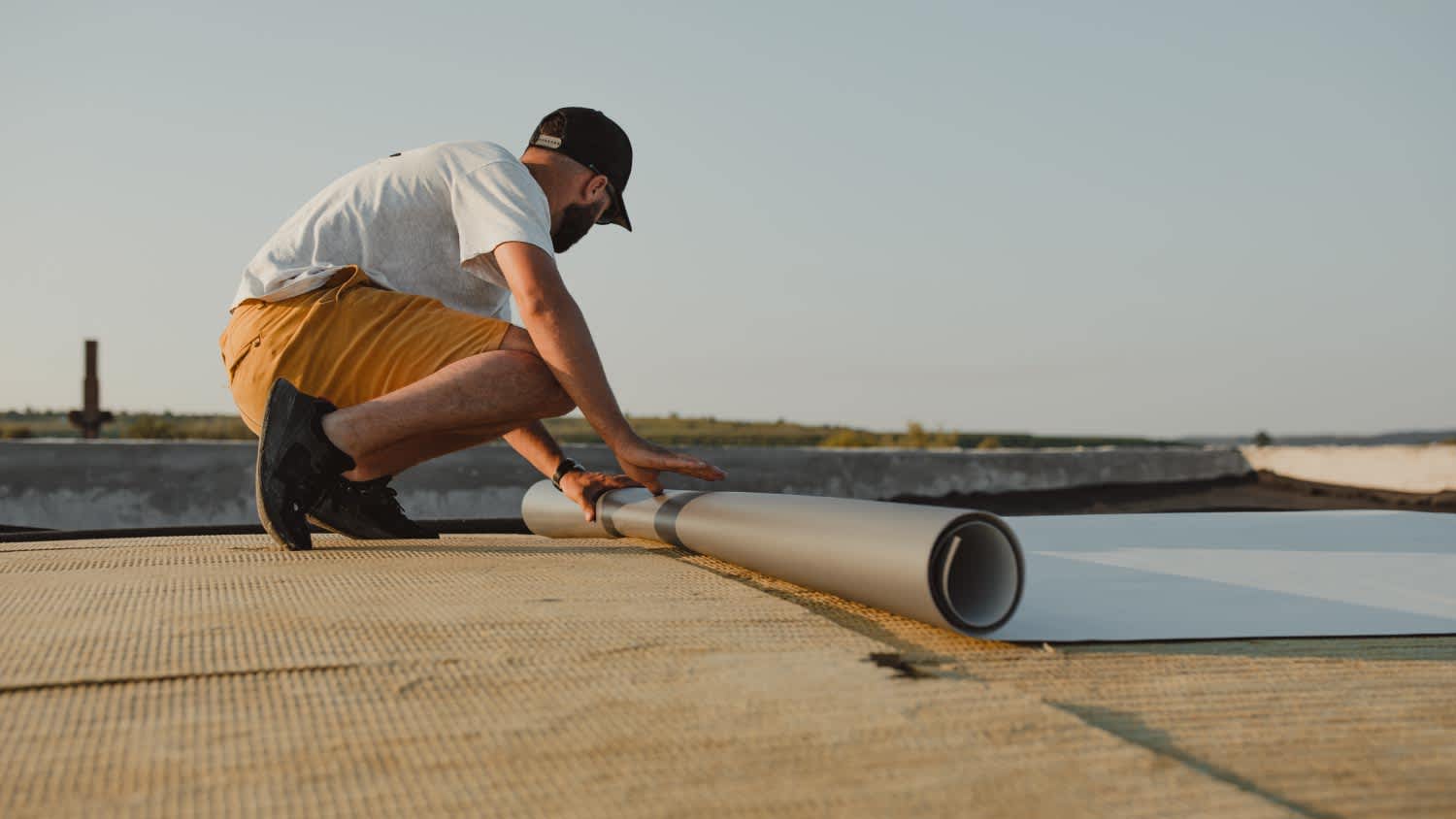
TPO roofing is a newer option for flat roofs. Find out how much TPO roofing costs and what factors can affect the price.
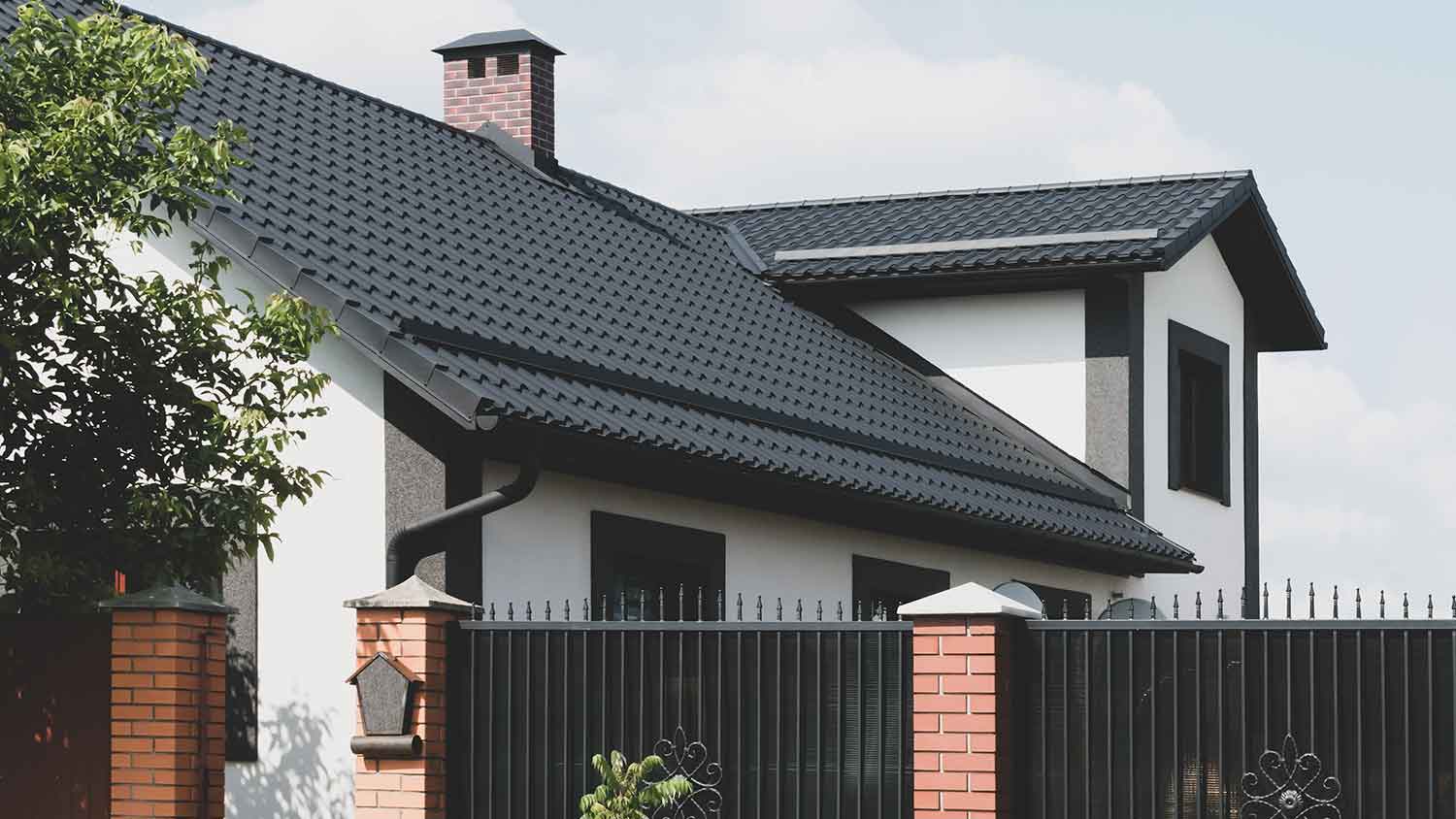
Roof flashing is an important part of your roof. If you're doing a lot of roofing DIY projects, read this guide to learn how to install roof flashing.
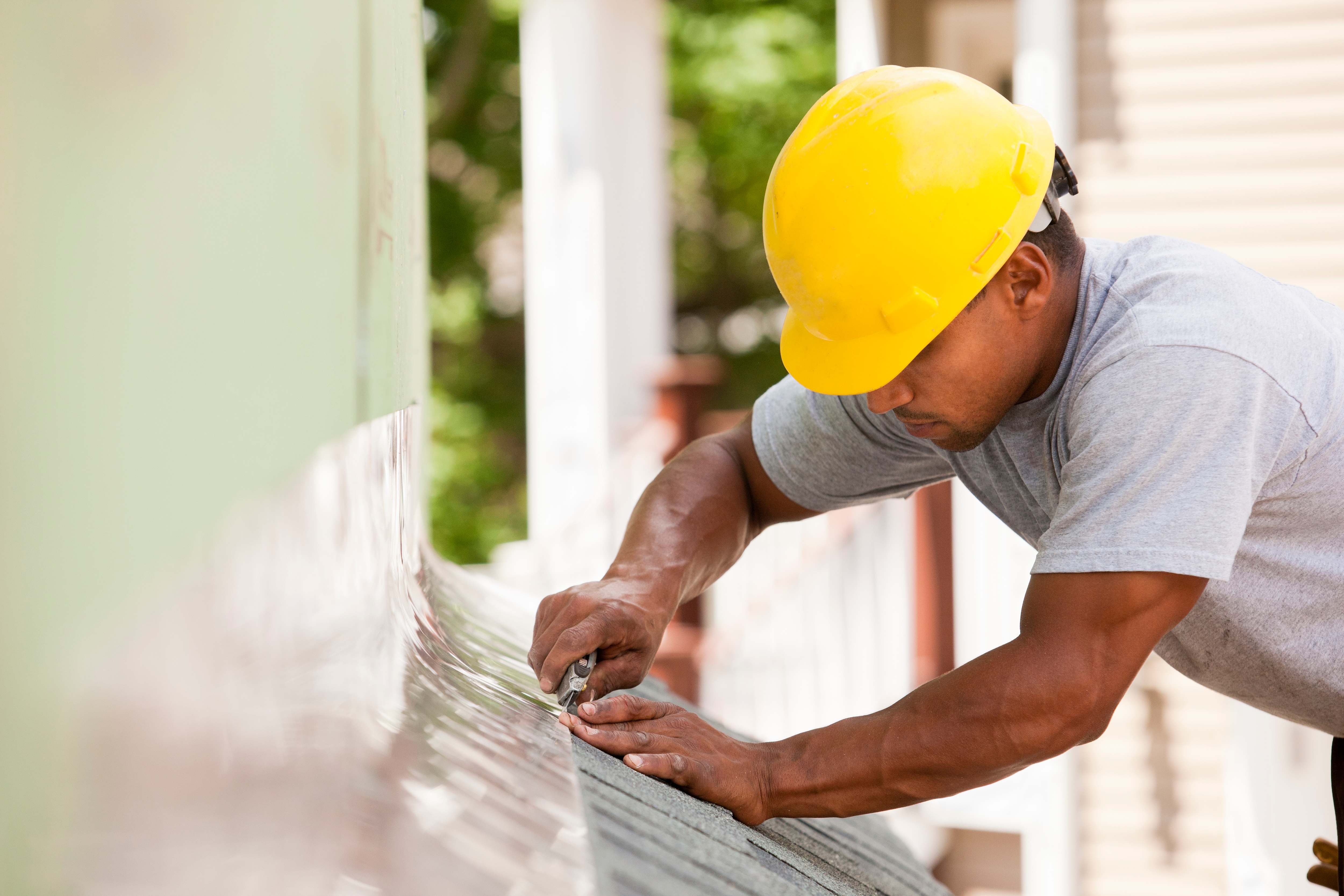
Roof flashing directs water away from vulnerable areas of your roof. Knowing how to spot issues is essential to keeping your roof in good condition.
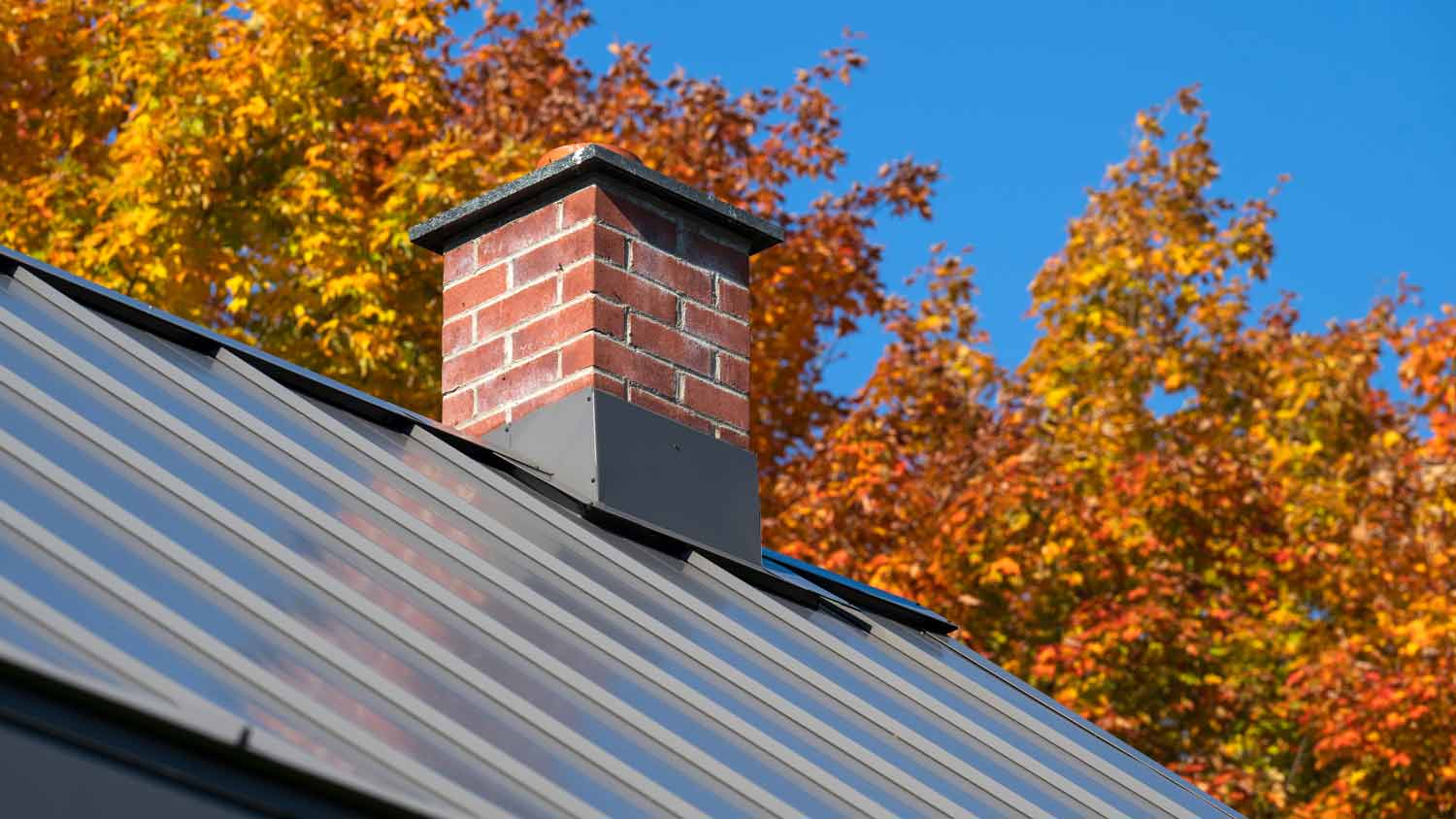
You might think you know how your chimney works, but what is chimney flashing? Learn about the roofing element that keeps your fireplace dry.
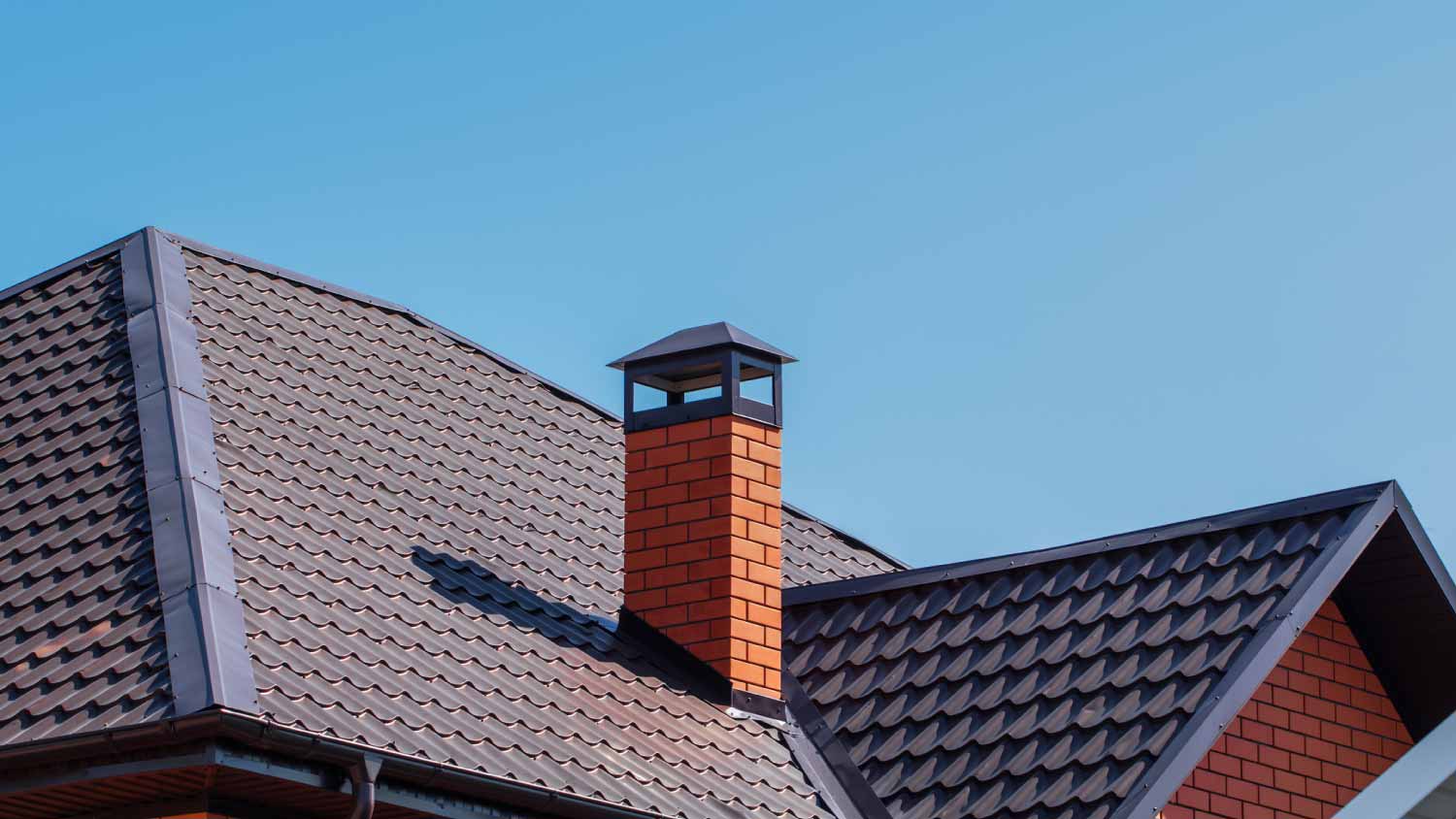
This step-by-step guide explains how to install chimney flashing on a metal roof. This project is difficult and can be dangerous, so we recommend hiring a pro instead of DIY.