
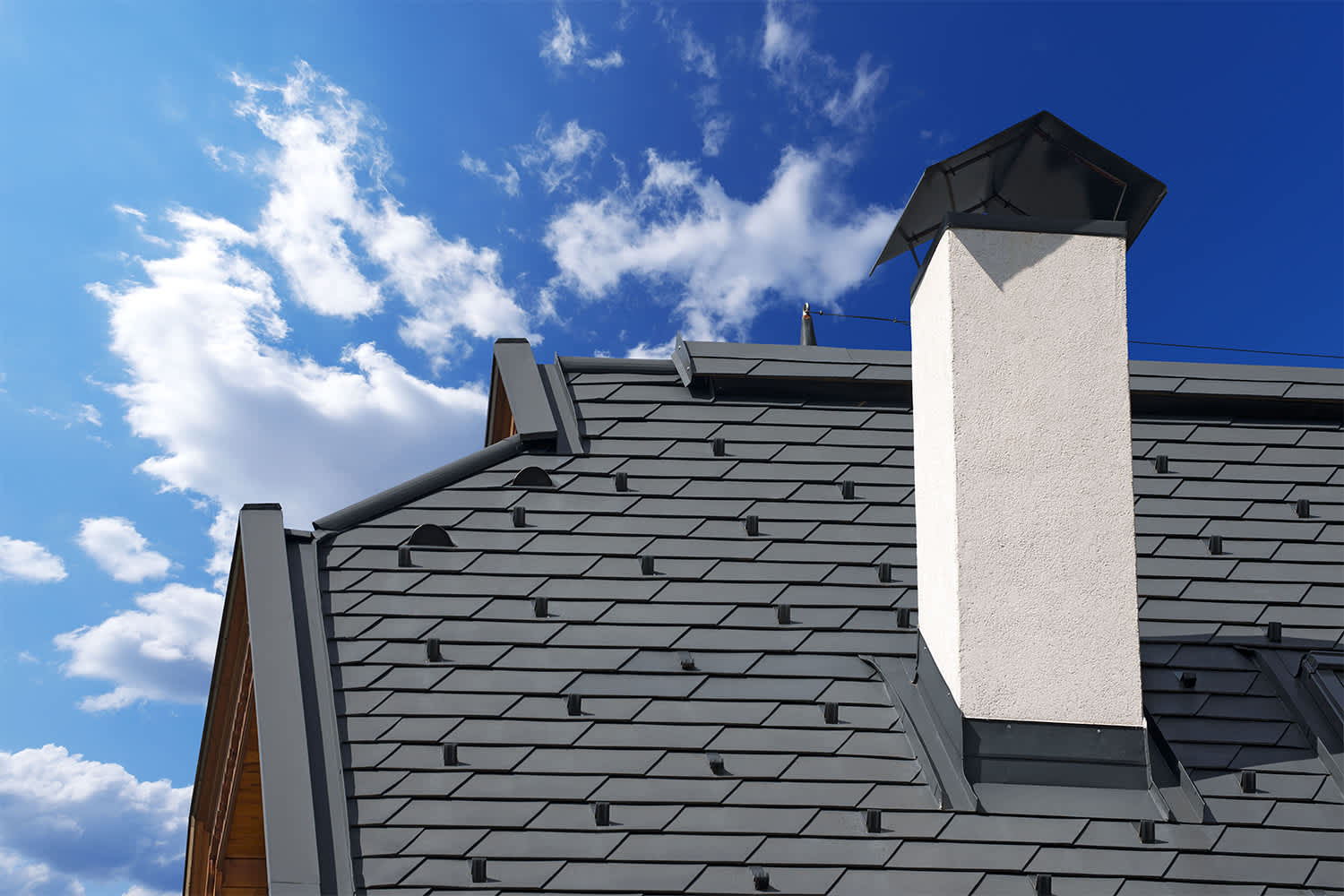
Notice leaks and corrosion around your chimney? You might need new flashing or some careful repairs. Here are some common chimney flashing repair costs.
Learn how to install flashing—the unsung hero of your roof

If you’re planning on doing your own roofing projects, learning how to install roof flashing is an important step. The flashing helps rainwater drain properly to your gutters, and without it, you’ll have costly issues like leaking. Depending on your home features and roof shape, you’ll need to install several different kinds of flashing.
Roof flashing is metal pieces installed on roofs to prevent leaks and help with proper drainage of rainwater into gutters. There are different types of flashing for different parts of your roof. Since each house has its own roof shape and features, your flashing needs will vary from your neighbor’s.

Roofs are rarely flat and bare, but instead, you’ll usually see different seams, joints, and pitches. There are different roof flashing types for different parts of your roof. You’ll usually use several different types of roof flashing on a single roof.
Sometimes called apron flashing, you can use this long piece of flashing to cover where the roof meets a side wall. It’s not considered the best type of flashing, however, since one small issue can lead to leaks.
On the other hand with step flashing, if one flashing fails, it doesn’t mean the entire flashing system fails.
Base flashing protects the front walls of your roof, which are the walls behind a sloped roof. You install the underlayment first, then the base flashing, and the siding and shingles on top.
Counter flashing goes on top or opposite of the base flashing. It’s commonly used for chimneys.
Step flashing is rectangular with a 90-degree bend in the middle. It’s installed where the roof face and side walls meet. You install it in layers along with the shingles so the water cascades down towards the gutters.
You’ll be able to partially see step flashing, so you might choose a material that complements your home’s appearance.
In most cases, roof flashing projects should be left to the pros. It’s dangerous to work on roofs, and it takes diligence to meet all building codes. Don’t try this project unless you’re experienced with roofing work.
To prep for installing roof flashing, you need to first figure out some important details like what flashing types you need and which materials you’ll go with.
Common materials are aluminum, copper, or steel. Check your local building codes to see if certain materials and sizes are required. Generally, you’ll need at least 26-gauge galvanized steel. If you live near the ocean, you need flashing with a galvanized coating or base.
Additionally, if you’re looking into how to install metal roofing, it’s helpful to know that you’re likely to go with steel flashing.
Another common option, copper, is the most durable of them all. Rust-resistant and offering a beautiful patina as it ages, it’s an aesthetically pleasing choice.
Aluminum tends to be the most economical choice, and it’s easy to work with.
Roof flashing installation requires you to install different types of flashing. It’s best to start with the underlayment, and then move to step flashing, corner flashing, and kickout flashing.

The first step is to install the underlayment with waterproof tar or felt on top. If the roof is already done, you’ll need to take off the shingles.
Anywhere the roof face meets the wall, you should install step flashing. First, nail your starter shingle in place along the edge of the roof. Next, put your first step flashing along the edge and nail it into place with one nail on either side. Grab your first shingle, line it up to the edge, and nail it down 6 inches from the edge and about 1/8 inches from the wall.
Take your second flashing, overlap it with the first shingle at least 2 to 3 inches, and install the nails. Add your second shingle. Repeat these steps until you cover the entire seam between the roof face and the wall.
After installing your flashing, half of it will be covered by your shingles and the other half by the house siding.
If you decide to go with continuous flashing instead of step flashing, then you can reinforce it with flashing tape. Secure the continuous flashing to the shingles with small clips spaced 16 inches apart. And finally, nail the flashing on the wall side.

If you have a wall corner on the roof, you need to install corner flashing. You can buy pre-made corner flashing at the store or make one.
Place the first piece of flashing on the corner and nail it into place, and then place the second piece so it overlaps the first. Apply sealant on the overlap, and nail it in place. Then, install a shingle course above the flashing.
If there is no wall corner, install a kickout flashing. Place it at the base corner of the roof and secure it in place with roof cement or sealant. Once the kickout flashing is in place, continue with installing step flashing.

When it comes to flashing around a chimney, you need to install counter-flashing. This should be done at the same time that the mason is building the chimney.
First, install the front base flashing, seal it, and install shingles. Next, cut a 1-inch indention into the chimney with a circular saw. Then, take your counter-flashing and install them from the edge. Overlap pieces and solder them in place or use roofing cement. Seal the flashing with an acrylic coating or with caulk.
These tips will help you correctly install roof flashing. But first, note these important roofing tips. Only do roofing work if you have the experience to do it safely. Work on days with dry weather, clear hazards near the roof, use ladders safely and only have the absolutely necessary tools and supplies while working.
For the best results, make your own corner flashing and counter-flashing pieces for a perfect fit. If you don’t have the know-how, you can buy pre-made or custom-made flashing.
If you already have a roof with pre-existing flashing, the best way to install new flashing is to do it when you’re getting a new roof.
In the case you’ve used alternative roofing materials, it may be best to hire a pro to help advise you on the best flashing options.
Depending on your experience level working on roofs, you may be able to DIY your roof flashing installation. This is going to be a rare thing, however, as working on roofs is extremely dangerous and can lead to serious injury or even death.
So be sure you know what you’re doing before attempting any work on your roof. If you’re planning on doing your own flashing, you may already know how to do a few things already, like how to build wooden roof trusses.
Besides the serious safety issues, bad roof flashing installation can cause big problems down the road like leaks. These leaks can damage everything from your roof all the way to your walls.
Water damage can be extremely costly to repair, especially when you have to bring in mold remediation experts. And for example, roof truss costs an average of $220 each or $8,500 for the average house. Even damaging one can lead to high repair costs that you could potentially prevent with proper flashing installation.
Moreover, it’s more expensive to repair flashing than to install new flashing during a re-roofing project. Note that roof replacement costs are $9,100 on average. If flashing replacement is on the horizon, consider hiring a roofing pro near you to do the job for you.
Mitchell and the crew were top tier i am so happy with my new roof
 Home Genius Exteriors
D1 Roofing delivers outstanding service from beginning to end, backed by a strong warranty and expert teams. I highly recommend them for their excellence in meeting and surpassing expectations with unmatched communication. Choosing D1 Roofing was flawless decision
 Division 1 Roofing LLC
This place took $25,000 for a flat roof job with a five-year warranty and never returned to fix the leaks that were caused by their work. These people are not professionals and should not be doing this type of work. They incorrectly changed the pitch of the roof, and caused more damage than...
The technician was very professional and friendly. He answered all my questions and was very thorough. He left the fireplace area very clean . He inspected from the roof and advised me as to other work that might need to be done. There was no pressure there. I was very satisfied with the...
 Supreme brick & chimney
I am really impressed with their timeliness and turnaround. Mitchell came out, and we decided to move forward with their pricing. Our roof was on within a week, and we could not be happier with their team! Amazing company, great prices and honest, dependable craftsmanship. I highly recommend...
 Window Depot USA of Central Ohio
Manuel Calvillo is the best option in the area for roofing and you won't be disappointed.
They damaged multiple items on my property, including a marble slab used as a table top, tried to hide it, and refused to pay or replace. Arrived day one without a ladder to access roof & delayed a day. Left a mess in back yard; didn't wear face masks; no show by owner to property to see damages
 Grants Tree Service
I've hired Gary/Cherokee Roofing for two different homes, work quality, responsiveness, and completion have been great both times. And the prices quoted were very competitive. I would definitely hire again.
Lyle did a great job removing asbestos shingles from our front porch roof. They worked together with our roofer to make sure that the new roof was able to be installed on the same day that Lyle removed the asbestos shingles.
 Lyle Environmental
Bradley Builders did a good job replacing the roof on our front porch. They color-matched the existing shingles on the rest of the house and installed a metal ridge roll since we live in a historical neighborhood. They did the job while we were out of town. When we got back, everything was...
 Bradley Builders, Inc.
From average costs to expert advice, get all the answers you need to get your job done.
Notice leaks and corrosion around your chimney? You might need new flashing or some careful repairs. Here are some common chimney flashing repair costs.
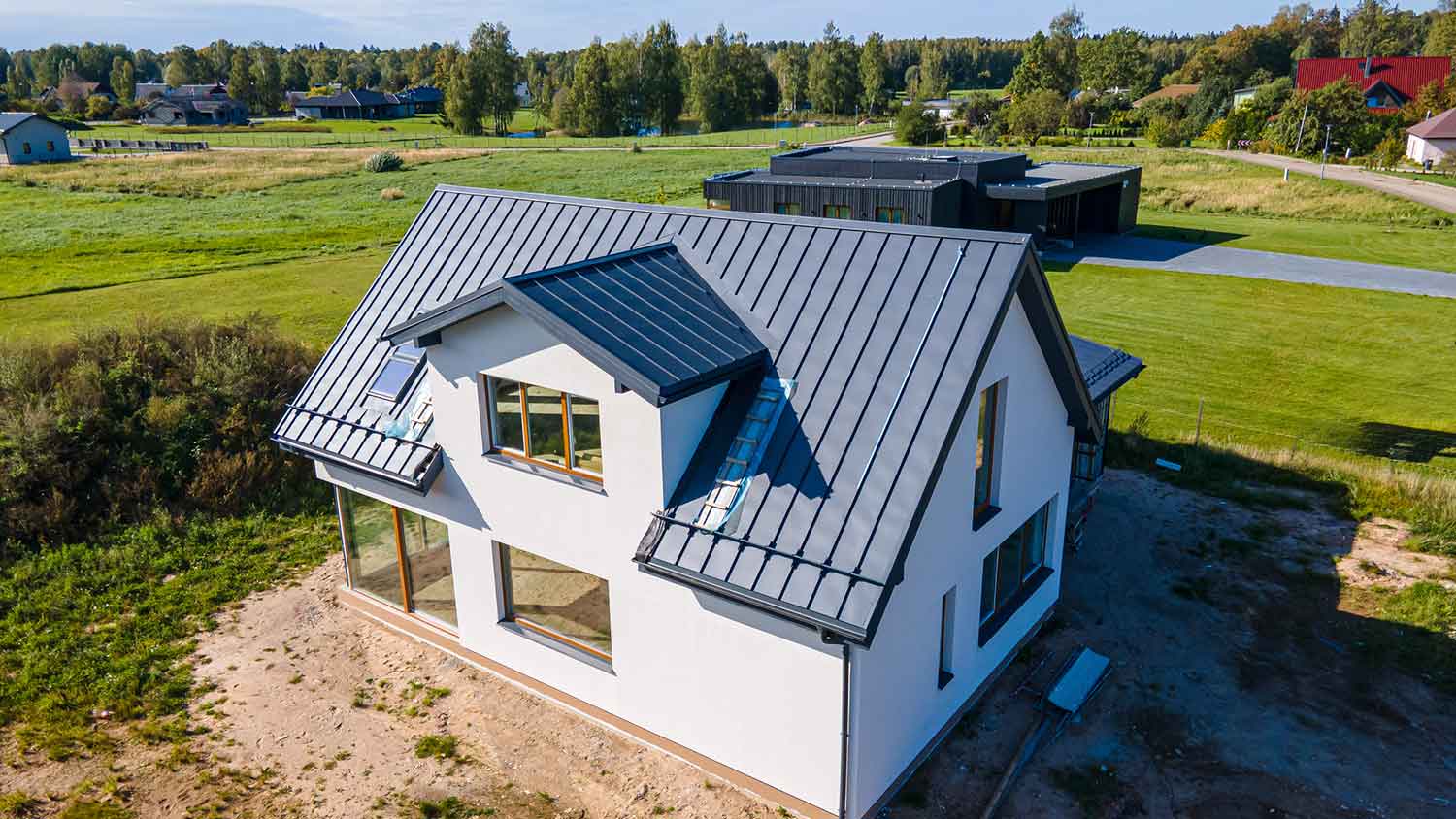
How much does a zinc roof cost? Pricing will depend on size, complexity, access, existing roof condition, and other factors.
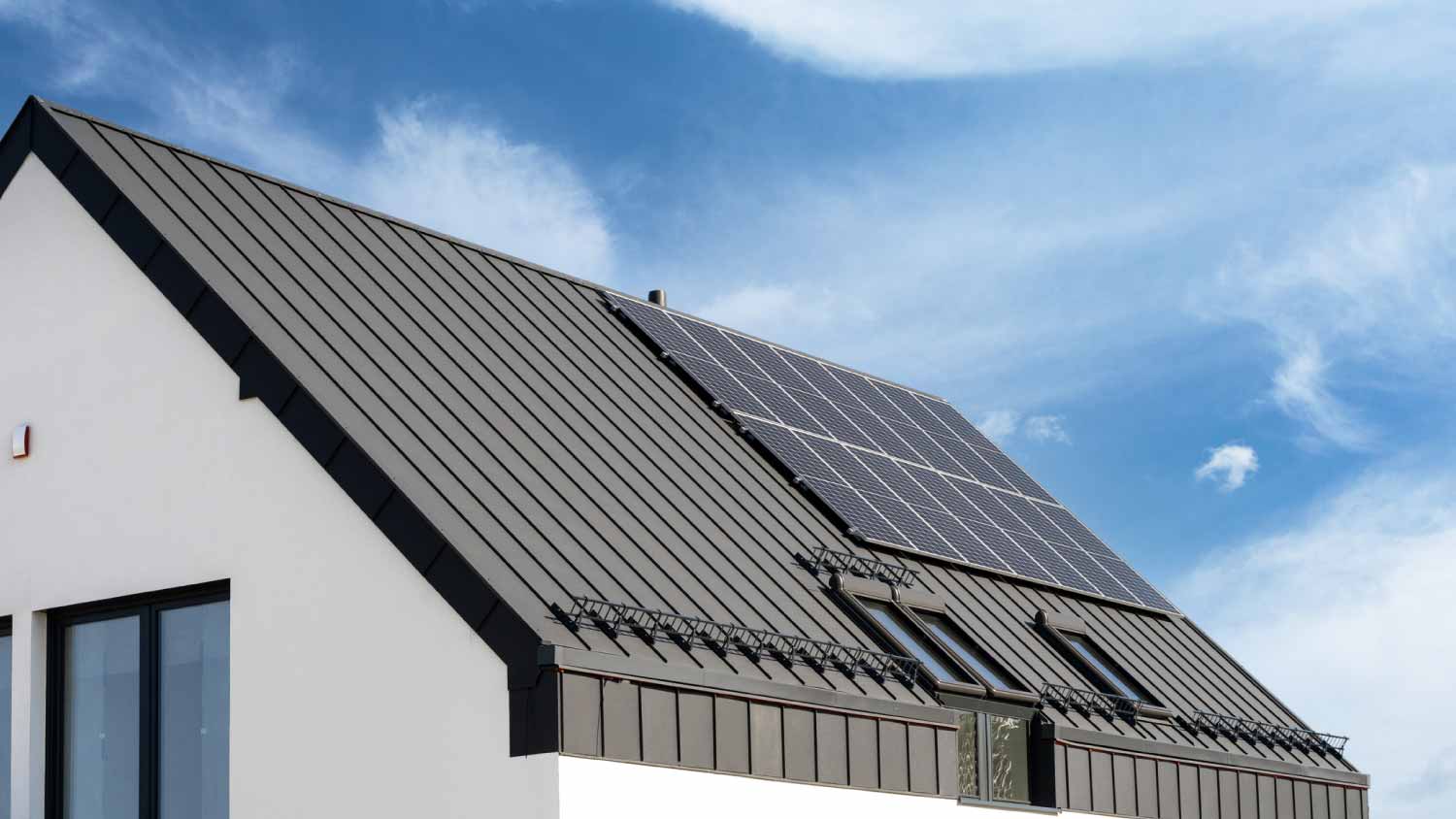
Discover the most significant factors regarding aluminum roofing cost to help you make informed decisions about your investment in one for your home.
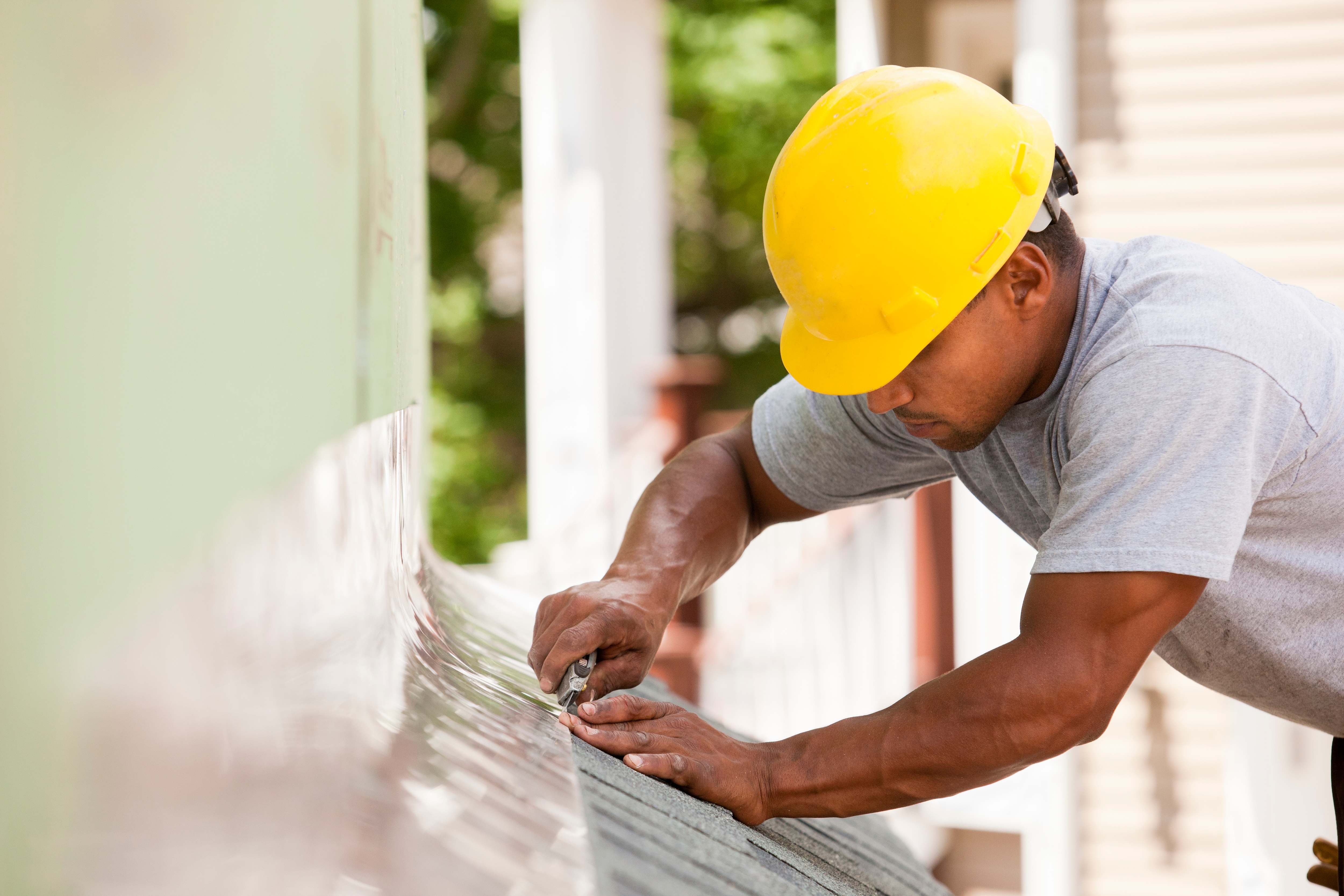
Roof flashing directs water away from vulnerable areas of your roof. Knowing how to spot issues is essential to keeping your roof in good condition.
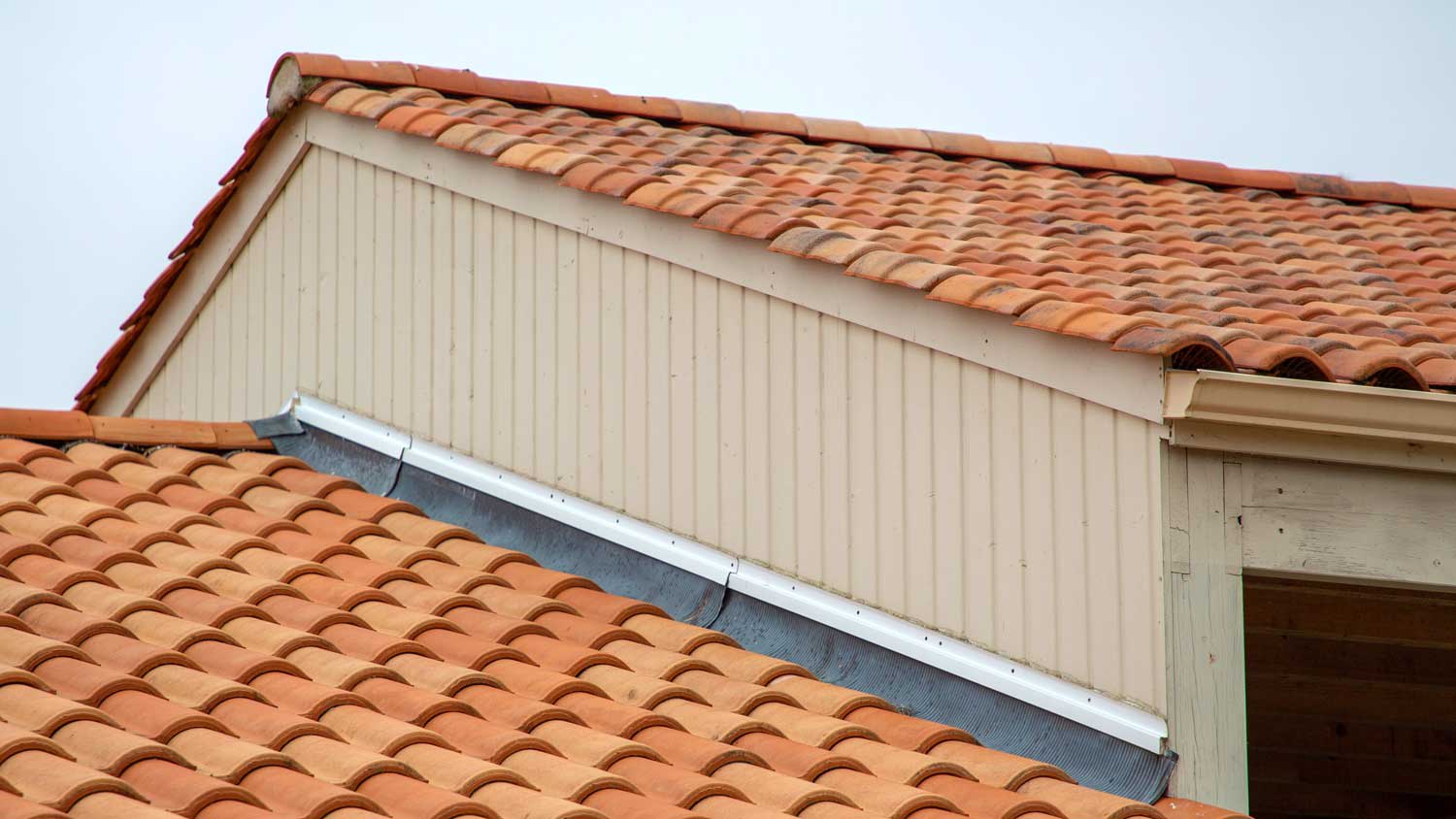
Learn the 11 roof flashing types, how to spot leaks, which materials last longest, and when to call a pro to protect your home from water damage.
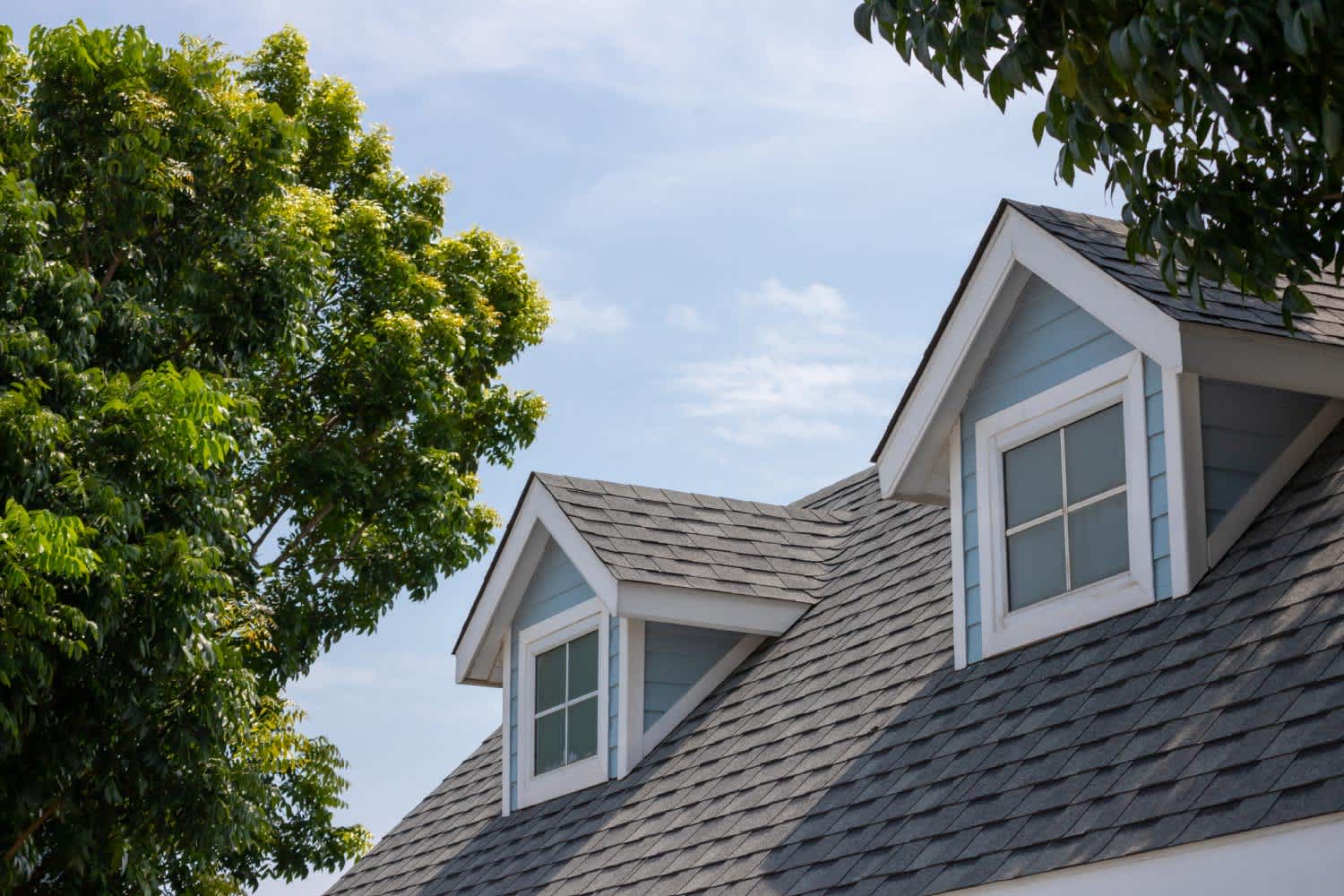
Wondering who to hire to install a slate roof? Learn when to call a slate roofing contractor, what to expect, and how to move forward with confidence.