

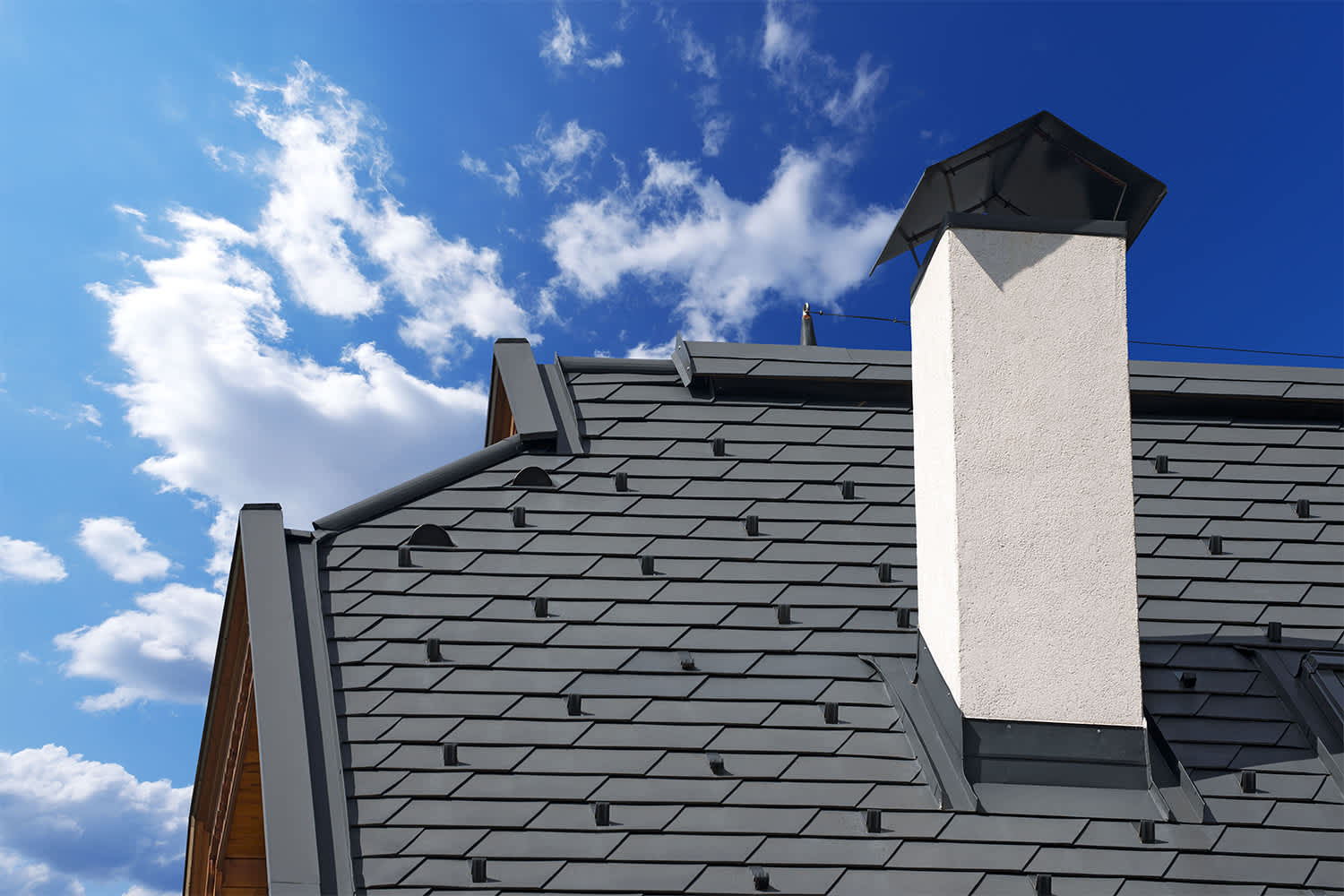
Replacing your chimney increases home value and prevents hazardous structural damage. Learn how much to budget for chimney replacement costs.
Chimney repair costs depend on your project and location. Check with a local pro for your specific job.

Chimney flashing repair costs between $400 and $1,600, while resealing minor leaks starts around $200 for your professional service.
The material you choose impacts your total, with steel flashing being the most affordable and copper offering the best durability.
Budget for chimney inspections ranging from $80 to $200 and related repairs like masonry cracks, crown work, or flue fixes during your project.
Hiring a local roof repair professional prevents water damage by creating a watertight seal and saves you from dangerous roofing work.
In 2026, the national average cost for chimney flashing repair or replacement is $1,000. Most homeowners spend between $400 and $1,600, with the final price driven by flashing material, chimney size and type, and the extent of the damage. Flashing work on excessively large or stone chimneys can cost upwards of $2,000.
Whether you repair or replace your chimney flashing depends largely on the extent of the damage—minor leaks can often be repaired, while damaged or corroded flashing typically requires full replacement. That distinction alone can dramatically change your budget. Several key factors influence the final cost, from your choice of material and chimney size to labor rates and roof accessibility.
Chimney size is a direct driver of flashing costs, with the range spanning from $20 for a small DIY repair to $1,600 to hire a roofer. Larger chimneys require more flashing material and labor, both of which increase the price. If your chimney is unusually large or made of natural stone, budget toward the higher end of that range.
Chimney flashing is always made from metal—unlike soffit and fascia materials, which can be wood, plastic, metal, or fiber cement—and your choice of metal is one of the biggest cost variables. The three most common options are steel, aluminum, and copper, each with a different price point and set of trade-offs. Here's what you might pay for each chimney flashing material per linear foot:
| Material | Cost (Per Linear Foot) in 2026 |
|---|---|
| Steel | $0.50 |
| Aluminum | $0.75 |
| Copper | $2–$3 |
Galvanized steel is the most popular chimney flashing material, priced at around $0.50 per linear foot, making it an affordable option while still offering solid durability. The trade-off is that the protective coating can wear away over time, leaving the steel vulnerable to corrosion. Painting your flashing regularly helps protect it from the elements and extends its lifespan.
Aluminum chimney flashing costs an average of $0.75 per linear foot, making it an affordable and easy-to-install option. Its flexibility makes it a popular choice for custom applications, particularly on metal roofing. Durability is the main drawback—you'll need to paint aluminum flashing to prevent pitting and oxidation over time.
Copper flashing is the least affordable option at $2 to $3 per linear foot, but it more than compensates with exceptional durability. Unlike steel or aluminum, copper never needs painting—oxidation actually strengthens its protective properties rather than degrading them. It's also malleable enough for easy installation and holds up well against mortar's corrosive properties.
The material your chimney is made of affects how difficult—and how costly—replacing the flashing will be, since a contractor must cut into the masonry to complete the job. Natural stone is significantly harder to work with than a soft, manufactured veneer. If your chimney is made of natural stone, expect to pay more for labor than for chimneys with easier-to-cut masonry.
Flashing damage varies widely in severity, making it one of the largest variables in your overall repair bill. Minor leaks often require a simple reseal—where a professional strips old sealant and applies fresh caulk—and the cost to reseal your flashing could be as little as $200. However, if the metal is rusted, bent, or corroded, a complete replacement is necessary, typically costing between $400 and $1,600 or more. Expect higher costs for larger chimneys, steep roof pitches, or widespread damage.
Professional masons and chimney sweeps average $75 per hour. For smaller jobs, your contractor may charge a flat rate instead of an hourly fee. Getting a clear quote upfront helps you avoid surprises when the final bill arrives.
The harder it is to reach your chimney, the more you'll pay. High-pitched roofs and large, multi-story homes are the most common situations in which accessibility adds to the bill. Unusual chimney shapes or configurations can also require more labor to flash correctly, pushing costs higher.
The two main types of chimney flashing are step flashing and continuous flashing, and the type you choose has a meaningful impact on your total cost. Step flashing is the lower-cost option ($400 to $600) because it uses pre-formed pieces in a kit, whereas continuous flashing ($800 to $1,000) requires more labor due to its complex installation. Each type has distinct trade-offs in terms of price, durability, and leak protection.
| Chimney Flashing Type | Cost in 2026 |
|---|---|
| Step flashing | $400–$600 |
| Continuous flashing | $800–$1,000 |

Step flashing costs between $400 to $600, making it the most budget-friendly chimney flashing option. These L-shaped pieces come in a pre-cut kit and slide directly under your shingles, keeping installation straightforward. Most roofing contractors are familiar with step flashing, so finding a qualified pro to install it is rarely a challenge.
Continuous flashing costs between $800 to $1,000, reflecting the added complexity of its installation. It's formed from a single strip of metal bent to conform precisely to the shape of your chimney and roof, which requires more skill and labor than step flashing. The higher price comes with a meaningful payoff—continuous flashing offers greater durability and superior leak protection.
Chimney flashing repair rarely happens in isolation—most homeowners encounter at least a few related expenses alongside the core flashing work. Many choose to replace a roof at the same time, since the contractor is already on-site and the work overlaps. Budgeting for these additional costs upfront helps you avoid surprises once the project is underway.
Here’s a breakdown of common additional services when repairing or replacing chimney flashing, along with their average costs:
| Additional Service | Average Cost in 2026 |
|---|---|
| Chimney inspection | $80–$200 |
| Chimney cleaning | $130–$380 |
| Chimney repairs | $65–$100 per sq. ft. |
| Roof inspection | $75–$800 |
| Roof cleaning | $300–$650 |
| Roof flashing replacement | $200–$2,000 |
| Roof replacement | $5,000–$12,600 |
A basic chimney inspection costs $80 to $200, though a comprehensive inspection to diagnose serious structural damage can reach up to $5,000. On average, homeowners spend $255, and that price typically includes a chimney cleaning. The National Fire Protection Association recommends annual inspections at a minimum to mitigate fire hazards.
Chimney cleanings are usually bundled with an inspection, and most homeowners spend between $130 to $380 on a chimney sweep. Cleaning at least once a year at the start of the season is the minimum recommended frequency. Between professional cleanings, creosote logs—which cost about $15 per log—can help loosen dangerous residue as it builds up.
Flashing repairs often uncover other chimney issues that need attention, each adding to your overall project cost. Addressing these repairs at the same time can save you from scheduling—and paying for—a second service visit. Here are some of the most common additional chimney repairs and their typical costs:
Repairing cracks in masonry: $300–$1,000
Repairing cracked bricks: $175–$1,500
Repairing crumbling brick: $350–$3,000
Repairing wood rot: $100–$4,000
Crown repair: $150–$300
Crown replacement: $220–$2,000
Flue repair: $65–$100 per sq. ft.
If you notice leaks, a roof inspection may be necessary, and if it's not included in your chimney repair cost, expect to spend $75 to $800 separately. Your contractor needs to locate the source of the problem before any repair can begin, so this step is rarely skippable. Scheduling an annual roof inspection is the best way to catch minor issues before they escalate into a full roof replacement.
While your contractor is on-site for flashing repairs, it's worth considering a roof cleaning at the same time. Roof cleaning costs anywhere from $300 to $650 and is an essential maintenance task that helps prevent the decay that can eventually lead to a full roof replacement. Bundling it with your flashing work can save you a separate service call.
If your chimney flashing needs work, there's a good chance other roof flashing does too—repairing roof flashing costs $200 to $500 for a partial fix, and up to $2,000 to address all of the flashing on your roof, including the chimney. Having your contractor assess the full roof while they're already on-site can help you catch and address all problem areas in a single visit.
Some homeowners time their flashing replacement to coincide with a full roof replacement, and the typical roof replacement costs $5,000 to $12,600 depending on the type of roof. For example, a metal roof costs slightly more on average than asphalt shingles. Bundling both projects can reduce the total labor cost compared to scheduling them separately.
Damaged flashing will likely allow water to seep into your walls and ceilings, so look for these signs that your chimney flashing needs to be repaired or replaced:
Audible or visible dripping inside your fireplace or indoors, near your chimney
Puddles near the base of your chimney or in your fireplace
Discolored bricks
Damp mortar, especially where the chimney meets the wall
Moisture on the walls near the chimney
Water stains on the ceiling or walls near the chimney
Rust stains on the exterior of your home near your chimney
Gaps in the caulking around the chimney or peeling caulk
DIYing your chimney flashing replacement can save you $300 or more in labor, based on the national average rate of $75 per hour and an estimated four hours to complete the job. However, you'll still need to purchase materials and equipment—a tube of caulk costs around $10, while copper flashing can run as much as $200 per roll. You'll also need appropriate safety gear for working on the roof. If you don't already own these items or can't borrow them, hiring a pro may ultimately be the more cost-effective choice.
Hiring a local roofing pro for chimney flashing repair costs $200 to $1,600, compared to $20 to $200 for DIY repairs. The cost difference is real, but so are the risks of going it alone — improper flashing installation can lead to major leaks, and working on a roof without professional training carries a genuine risk of personal injury. For most homeowners, the peace of mind and quality assurance that come with professional installation are well worth the added expense.
The typical rate for a professional chimney flashing repair pro is:
Mason or chimney sweep: $75 per hour
Repairing or replacing chimney flashing requires precision, tools, and safety equipment that most homeowners don't have on hand. Here's why it pays to hire a pro:
Roofers have the training and safety gear necessary to work safely on steep or high roofs.
Pros ensure a watertight seal between the roof and chimney to prevent leaks and costly water damage.
Experienced roofing contractors understand the differences between step and continuous flashing and can install them correctly.
Professional roofers can identify hidden roof or chimney damage before it worsens.
A reputable pro will ensure compliance with local building codes.
Hiring a pro saves time, prevents mistakes, and avoids the risk of damaging your roofing materials.
If you're confident on a ladder and have the appropriate safety gear, you may be able to handle minor repairs to your chimney flashing on your own. Here's what you can do safely:
Recaulk small sections of flashing to stop minor leaks.
Remove old, cracked caulk and reapply roofing sealant.
Touch up flashing paint or rust protection.
Clear debris or moss from the flashing to prevent corrosion.
Perform visual inspections for damage between professional visits.
The best way to reduce the cost of replacing your chimney flashing is to get an annual chimney inspection, which can spot problems before they require expensive repairs. Hiring a chimney professional to perform a visual chimney inspection will cost anywhere from $100 to $600. If you have a single chimney with no visible damage, you can expect to pay $100 to $300, while a more complex chimney structure with visible damage that obscures the inspector’s line of sight will cost substantially more.
Beyond keeping up with maintenance, you can save money by shopping smart. Here are some other tips to reduce flashing costs:
Choose a lower-cost type of flashing: Copper tends to be the most expensive, while steel is more affordable.
Replace flashing during the off-season: Contractors may offer discounts to homeowners who schedule work during their off-season. Typically, chimney contractors are busiest in late summer and fall (right ahead of when people want to start using their fireplaces). Try booking right ahead of the rush.
Bundle smaller jobs together: You can typically save money on smaller jobs (like minor flashing repair) if you bundle it with other roof repairs.
Prepare the details about your roof pitch, chimney size, and material type, as these factors significantly impact the complexity and cost of the repair.
Ask your roofing pro which flashing material (steel, aluminum, or copper) best fits your budget and climate.
Discuss whether you need related services, such as chimney inspection, cleaning, or minor masonry repair.
Discuss warranty coverage, estimated timelines, and safety measures before the work begins.
Positive experience. As previously stated, the replacement/repair could not be completed (no fault of the plumbing tech) b/c misinformation was rec?d by property management maintenance. Thanks to the plumbing tech for your efforts. Appreciate you!
 The Waterworks
Carpet repair done well. Scheduling was easy. Showed up on time.
 BR Flooring Installation
I would recommend this company to anyone! He showed up on time, was friendly, completed a very difficult repair on our dryer vent cover, was responsive, and pricing was extremely fair and competitive. I would have him back to do any of our repairs or cleanings without hesitation!
 U.S.A. Dryer Vent, LLC
Ace Fireplace Services came to the rescue for my chimney repair. They were quick to pinpoint the issue and worked their magic to fix it. My chimney is now in excellent shape, and I'm a satisfied customer.
 Ace Fireplace Services
100% satisfied with the work done by Supreme Brick & Chimney. Josh responded to my Angi request very quickly and squeezed our house into his schedule only a couple business days out. The chimney cleaning process was extremely clean with ZERO dirt going anywhere besides in Josh's vacuum. Very...
 Supreme brick & chimney
On Sunday 2/26 I requested quotes via Angi from 4 refrigerator repair businesses. Northwest Appliance responded to me Monday morning (2/27) and my refrigerator was repaired by noon the same day. Great communication, they did everything they said they would. The technician had the parts on...
Description says they handle window repair including rotten hardwood - they called me back right away but didnâ t leave a voicemail. I followed up 3 days later and they said they donâ t do that kind of work.
 Window-Gurus
They arrived on time repairs performed quickly very porvesinal
 Property-Tech Industries
Mike and his crew did a great job working through a very challenging task. The job required a full demolition of our ceiling, removing the blown in insulation and removing all the material from the site daily. It involved multiple inspections from the city and many challenges to get the...
 Rising Height Unlimited
Mr. Lopez was super nice and professional. He repaired our drywall just as he described during the estimate phase. Our dining room wall looks great again! Thanks Mr. Lopez!
From average costs to expert advice, get all the answers you need to get your job done.
Replacing your chimney increases home value and prevents hazardous structural damage. Learn how much to budget for chimney replacement costs.
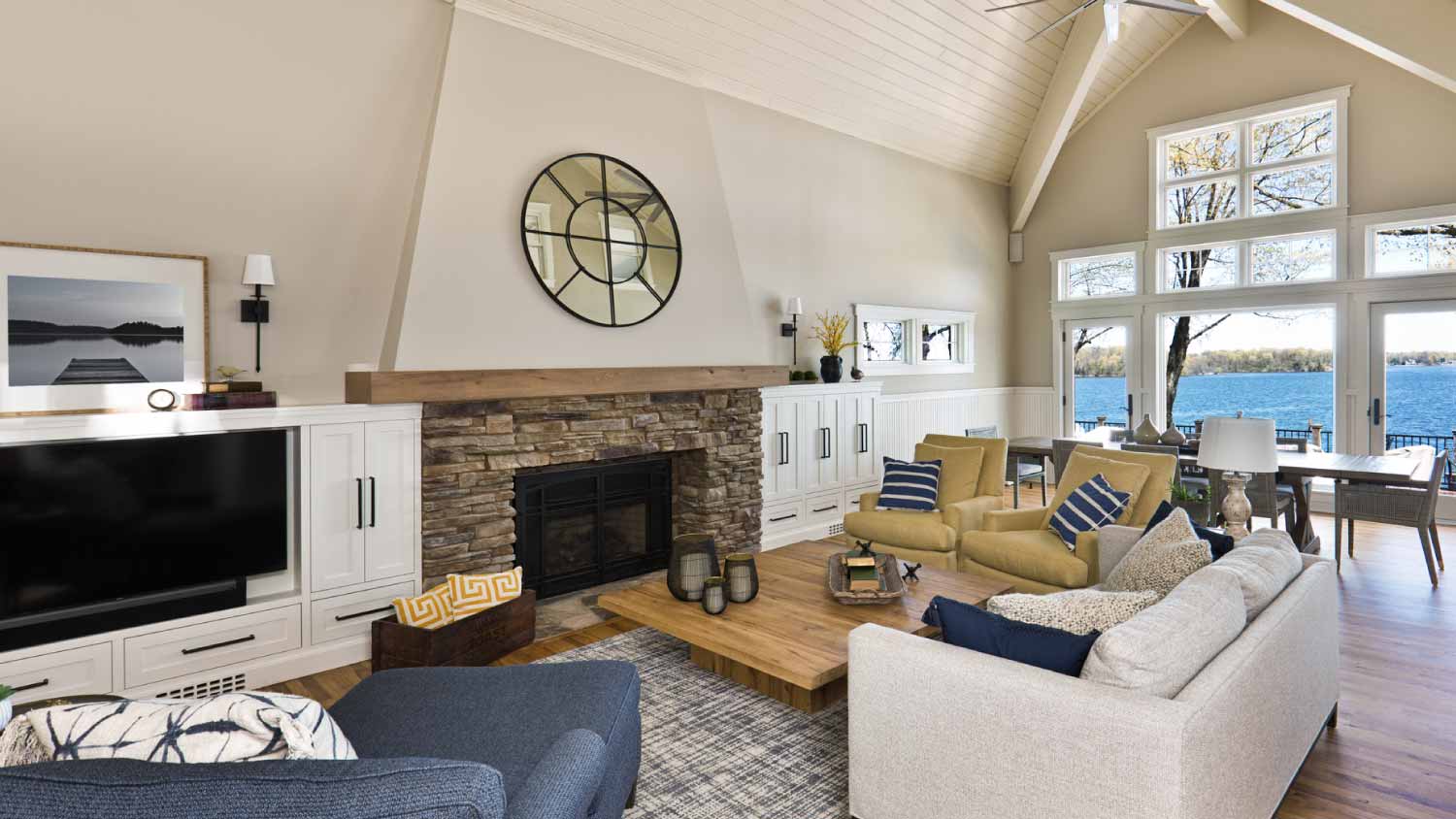
If you’re experiencing chimney airflow problems, a new damper may be in order. Use this guide to learn what goes into your chimney damper replacement cost.
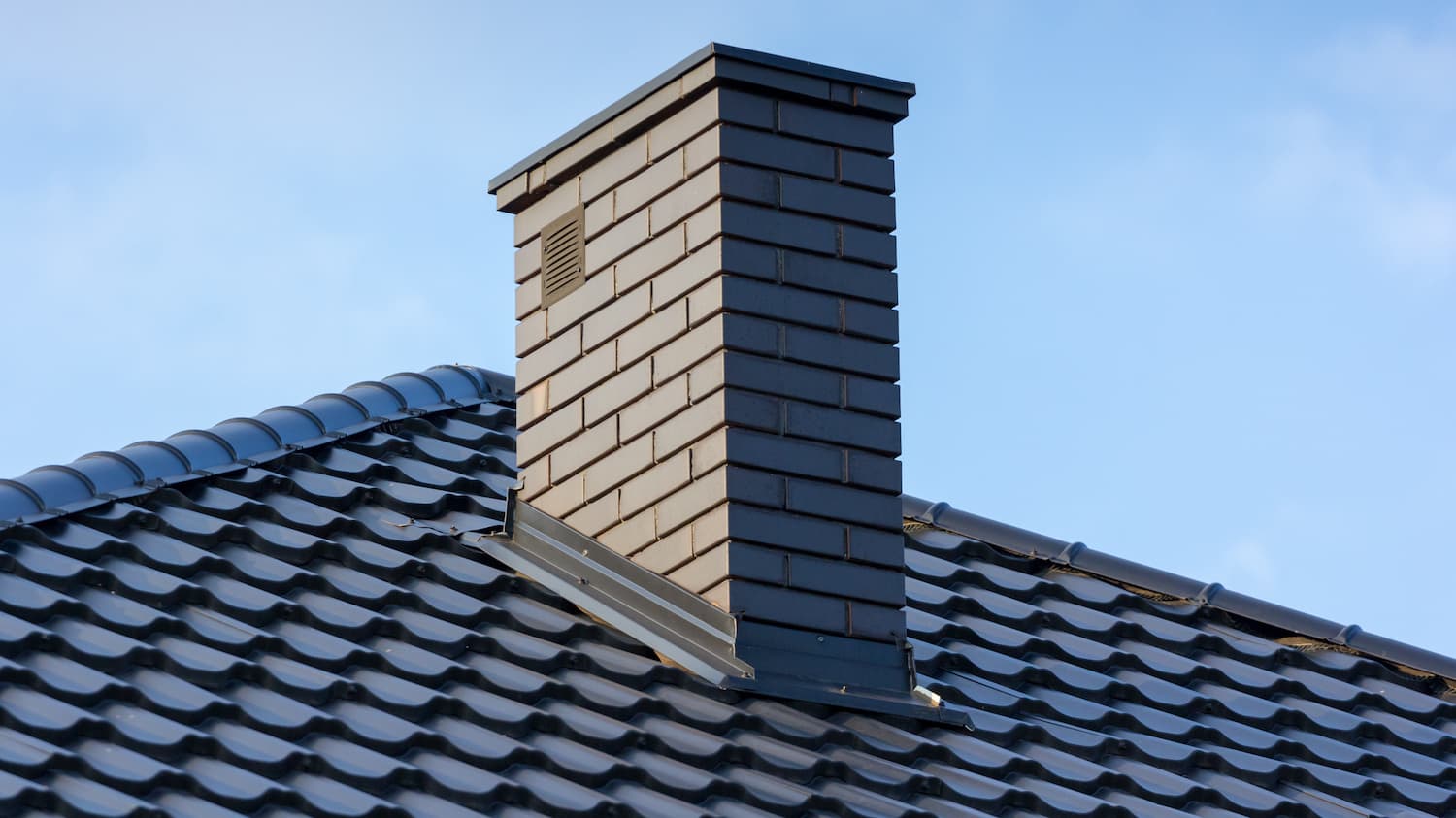
Chimney repair costs can vary by the type of chimney you have and the required repairs. Use this guide to help you estimate project costs.
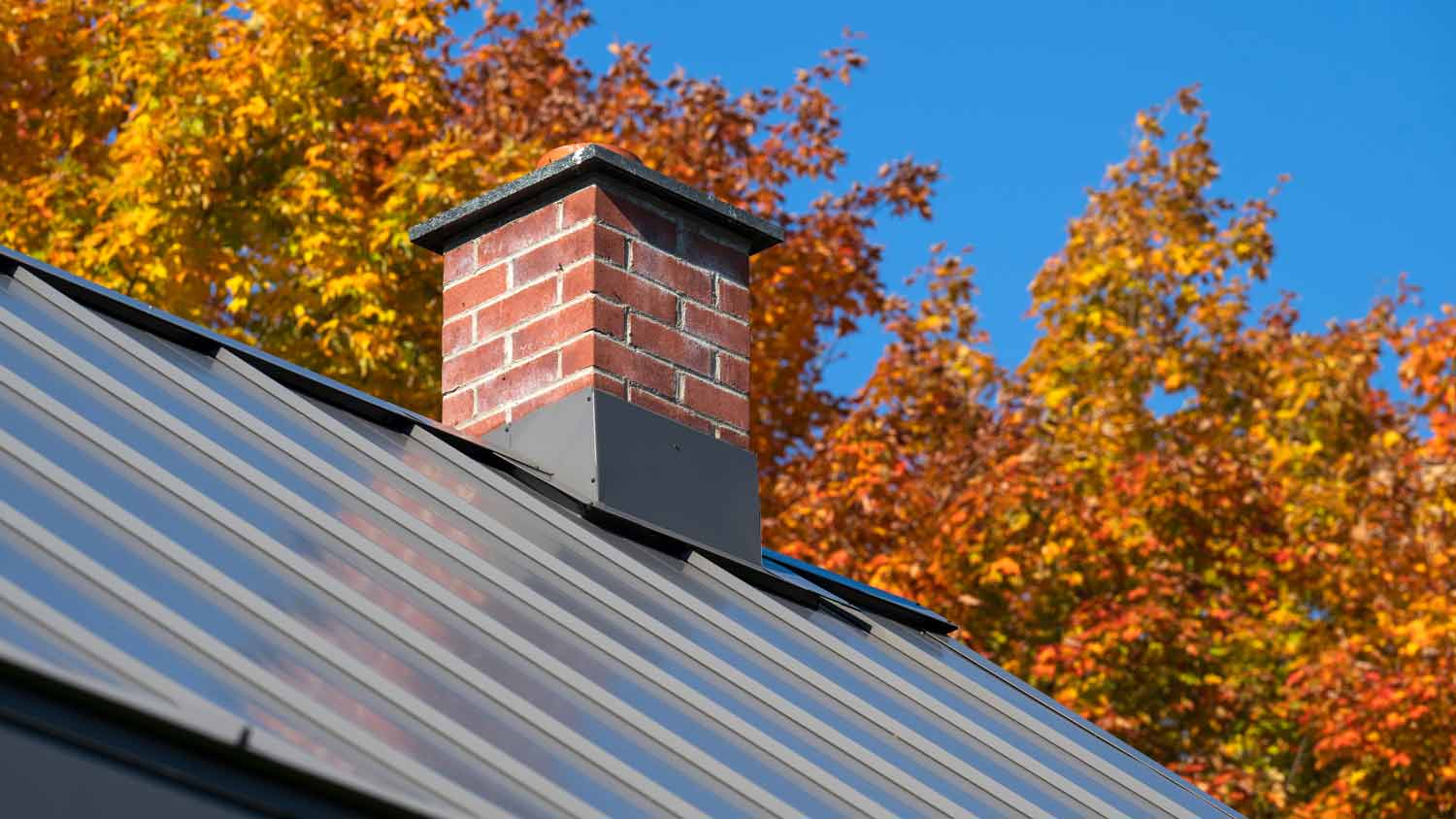
You might think you know how your chimney works, but what is chimney flashing? Learn about the roofing element that keeps your fireplace dry.
Chimney problems can put a damper on your warm and cozy nights. We’ll explain common chimney issues you might uncover and how to resolve them here.
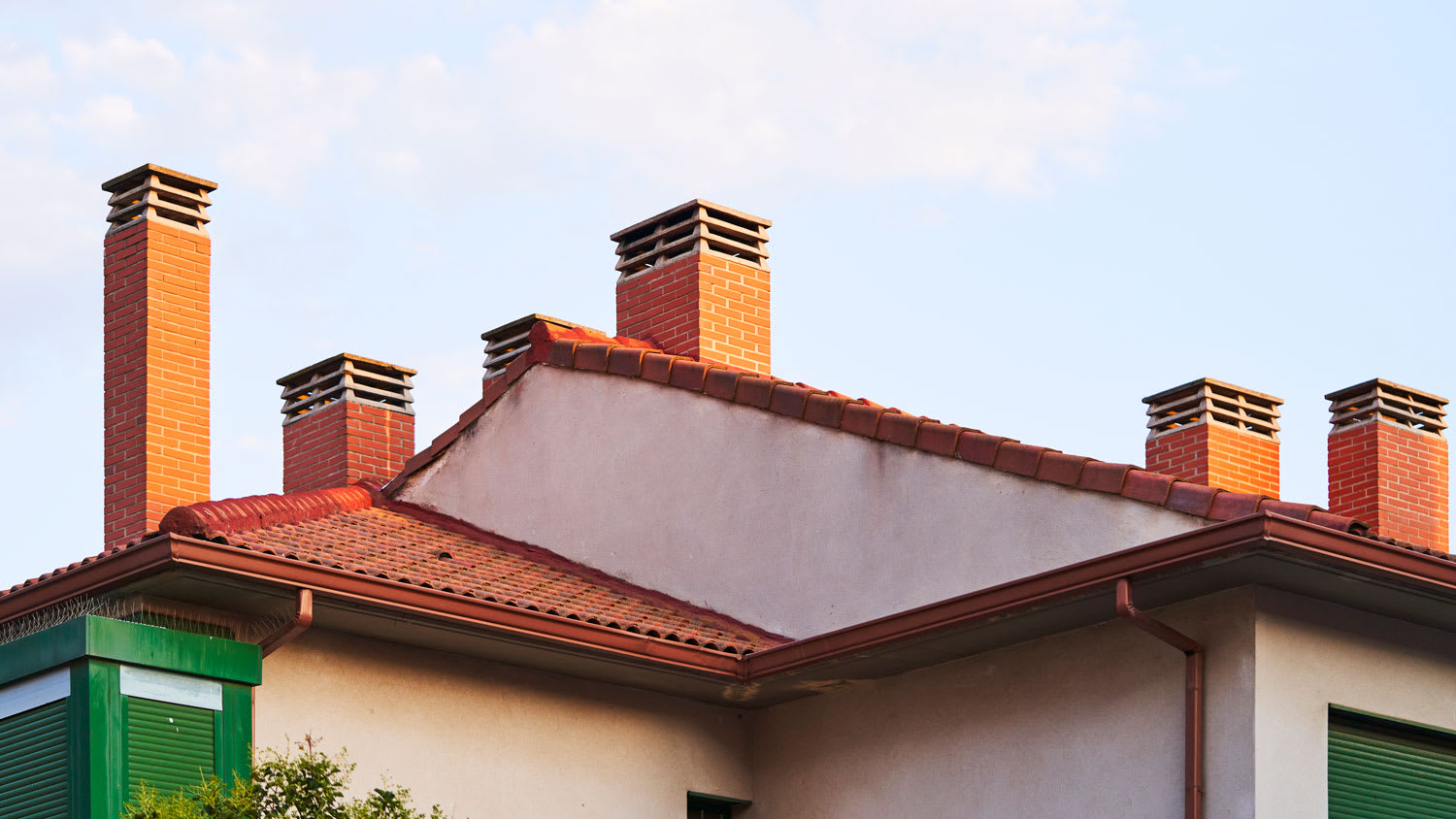
When you need to hire a pro who fixes chimney flashing, look for a roof repair contractor or chimney repair person to preserve the structural integrity of your home.