

•
Find out average roof shingle repair costs, factors affecting pricing, such as material and labor, and how to save on your next roof repair project.
Don’t let those gusts get you down

Wind damaged shingles on your roof can lift, tear, or go missing entirely, leaving your home vulnerable to leaks and water damage.
Expect to pay $391 to $1,894 for professional roof repairs, with average costs around $975 depending on the damage extent.
You can repair curling or torn shingles using roofing sealant, but replacing badly damaged shingles requires removing nails and installing new ones.
Hiring a local storm damage professional provides reliable help with shingle replacement and water damage inspection, protecting your home from further issues.
Many people assume that rain and snow cause the most roof damage, but high winds can lift off shingles or send tree branches and other debris flying into your roof, causing significant destruction. Since your roof protects your home from the elements, it's crucial to make repairs as soon as you become aware of any damage to prevent further structural problems.
Your shingles are one of your home’s first lines of defense against the elements. If you don’t repair them in a timely fashion, your roof could begin leaking, which can lead to water damage, mold, or property damage. These repairs will be much more expensive than what you’d pay to repair or replace a few torn shingles. If it gets to the point where you need a full roof replacement, you will need to shell out an average of $9,100.
To tackle this project by yourself, you can expect to spend between $100 and $500, depending on the scope and the type of shingles you’re working with.
If you wish to hire a professional, the cost to repair a roof averages between $391 and $1,894. You can also get an estimate from a local storm damage repair company.
Are you unsure if your shingles suffered damage after a storm or evening of high winds? Look for these tell-tale signs.
Granule debris: Asphalt shingles have small granules on their surface to protect your roof from UV rays and other things; a small amount of granule loss is normal, but if after a windstorm you notice excessive scattering, you should consider replacing any shingles with significant granule loss.
Missing shingles: Obviously, if any of your shingles go missing, you should replace them.
Damaged shingles: Shingles might not go missing, but could instead be badly damaged from wind, which can lead to tears, peeling, lifting, and more.
Damage from debris: If a tree branch or other debris falls on your roof, it will likely damage your shingles.
Water inside: If any water is coming into your attic after a storm, it’s likely your shingles were damaged and not able to perform their job properly—which is to keep water out of your home to prevent water damage. The cost for water damage restoration is $3,750, on average.

Learn to repair wind-damaged shingles to get your roof back to tip-top shape.
Asphalt shingles can begin to curl as they age, and wind can exacerbate this. The wind can lift up a side or corner of the shingle, putting your roof at risk for water damage and other problems. Follow these steps to fix any asphalt shingles that are curling away from the roof.
Use a caulking gun to apply roofing sealant under the corner that’s lifting
Weigh the shingle down with a brick
Leave the brick on the shingle for 24 hours while the sealant dries
Remove bricks
If your shingle has been torn by wind, you can repair it using sealant. However, this is only for asphalt shingles with small tears or cracks; more extensive damage might require a shingle replacement.
Apply a thick bead of roofing sealant under the crack
Hold the shingle down and apply a second bead of sealant on top of the crack or tear
Using a putty knife, spread the sealant over the shingle
Allow the sealant to dry for 24 hours
It’s possible the wind has damaged your shingles to the point of no return or knocked them off completely. If this is the case, you should remove and replace any damaged shingles with new ones.
Using a pry bar and working carefully, lift the tab of the shingle above the damaged shingle to expose the nails
Remove the nails from the damaged shingle using a pry bar and a hammer
Pull the damaged shingle out; you will discard it
Position the new shingle in place
Using roofing nails and a hammer, hammer the nails along the tar strip of the new roofing shingle; typically, each shingle requires four nails, but each shingle has its own nailing pattern. If you are in doubt, consult the manufacturer’s website
Using your caulking gun, drop a few dabs of roofing cement on the tar strip of the replacement shingle to secure it in place
Replace the nails of the surrounding shingles and make sure to re-cement them down as well

While sometimes wind damage is unavoidable—as might be the case with a history-making storm—but there are steps you can take to prevent wind damage or at least keep the damage to a minimum.
If it isn’t already, have the edge of your roof sealed with roofing cement to prevent winds from getting underneath the roof and lifting off shingles.
Roof sheathing is your second line of defense against high winds. Make sure your sheathing is windproof.
Once a year, have your roof inspected for any cracked, worn, curling, or missing shingles. Check for any water damage underneath the roof, as water damage can weaken the roof and make it susceptible to wind and other elements. Once your roof is reaching its maximum life span, have it replaced—don’t wait for disaster to strike.
Prune trees so that wind can’t knock them onto your roof, which can cause significant structural damage. Check the general area around your home for other objects or debris that might be able to fly onto your roof and damage it and be sure to remove it.
If you want to take the DIY road and keep your roof repair costs down, it’s possible to remove and replace damaged shingles on your own—you can expect to spend $100 and $500 on this project. Know, though, that roof repairs can be dangerous and require safety equipment to protect you in case you slip and fall. You might also replace the shingles incorrectly and exacerbate any issues that already exist.
If you don’t want to take any risks, hire a nearby professional roofing contractor. An expert contractor will be able to identify the kind of shingles you have and perform the appropriate repair for them. The cost to hire a pro to repair your shingles averages $975, but the final price will depend on the materials, scope of the work, and other factors.
The guys at PaveWay are top notch. From the estimate to the job being completed,all was done in a timely and professional manner. I myself was a DOT Engineer Inspector(know what to look for) and got to talking with Cameron and he himself was a Contract inspector for a few years,same job as...
 All Star Paving and Sealing
I highly recommend KTM construction! I will look no where else for anything that needs to be done, in or out side of our property. The level of craftsmanship is 5 star service across the board! The level of detail, knowledge and professionalism is 5 star service across the board! Ken is a...
 KTM Construction, LLC
I purchased the "Big Deal": $199.00 for exterior pressure-washing of one- or two-story home up to 2,000 square feet. They cleaned the siding only. I wasn't aware when I bought the Big Deal that they would not do any other surfaces other than the siding (i.e. sides of the gutters or stucco). I...
 Complete Home Services
This brownstone is historical and the carpentry work is very detailed. I was very happy to secure a company in NY and living in OH to complete the request. Wood work on this brownstone has been existing since approximately 1888 and West side did a GREAT JOB. I will not be able to...
 Westside Home Improvement
Nice group of workers, very friendly. Day 1 covered everything before starting, seemed very organized. Things seemed to be going great. Day 2 they didn't show up until around 10:00a.m. and work crew was cut in half, was told they had another job. Day 3 they didn't show up until around...
 CertaPro Painters of Columbus
The work went great! Couldn't ask for better. Joel set a work start date. About the time of the storms that may have been associated with Sandy. He was half a day late. They set up on a Thursday. On Friday they had a full crew at work. By Monday they were finishing up. Now, the best...
 NJW Construction
A few months ago, a tree branch fell across my car, leaving a series of dents across the hood and driver's side fender. I took it to Rife's after reading the Angie's List reviews. Rife's did a great job! My car looks like new. And they made the process as easy as possible. When I came in...
 Rife's Autobody Inc
I received an email from Angie's List offering Car Detailing 4 U's services for $99. Coming from Angie's List, I expected this to be a highly dependable and qualified company that was known for doing exceptional work. I set the appointment for them to come to my home. They were arrive at...
We first had Mark fix the back patio and liked his work so much we had him make a brick patio on the side of the house. When we decided to change our concrete walkway to brick, we wanted Mark to do the job because his prices were fair and he did such good work on t he other two projects.
 Mark Monnette Masonry
I was very pleased with the cost and end result. I truly expected this job to cost me 50% more than it did. When you factor quality and cost, I would highly recommend Mark's services and plan to use him in the future. The best part was, I asked Mark to match the paint color in one section...
 Fresh Touch Custom Painting Inc.
From average costs to expert advice, get all the answers you need to get your job done.
Find out average roof shingle repair costs, factors affecting pricing, such as material and labor, and how to save on your next roof repair project.
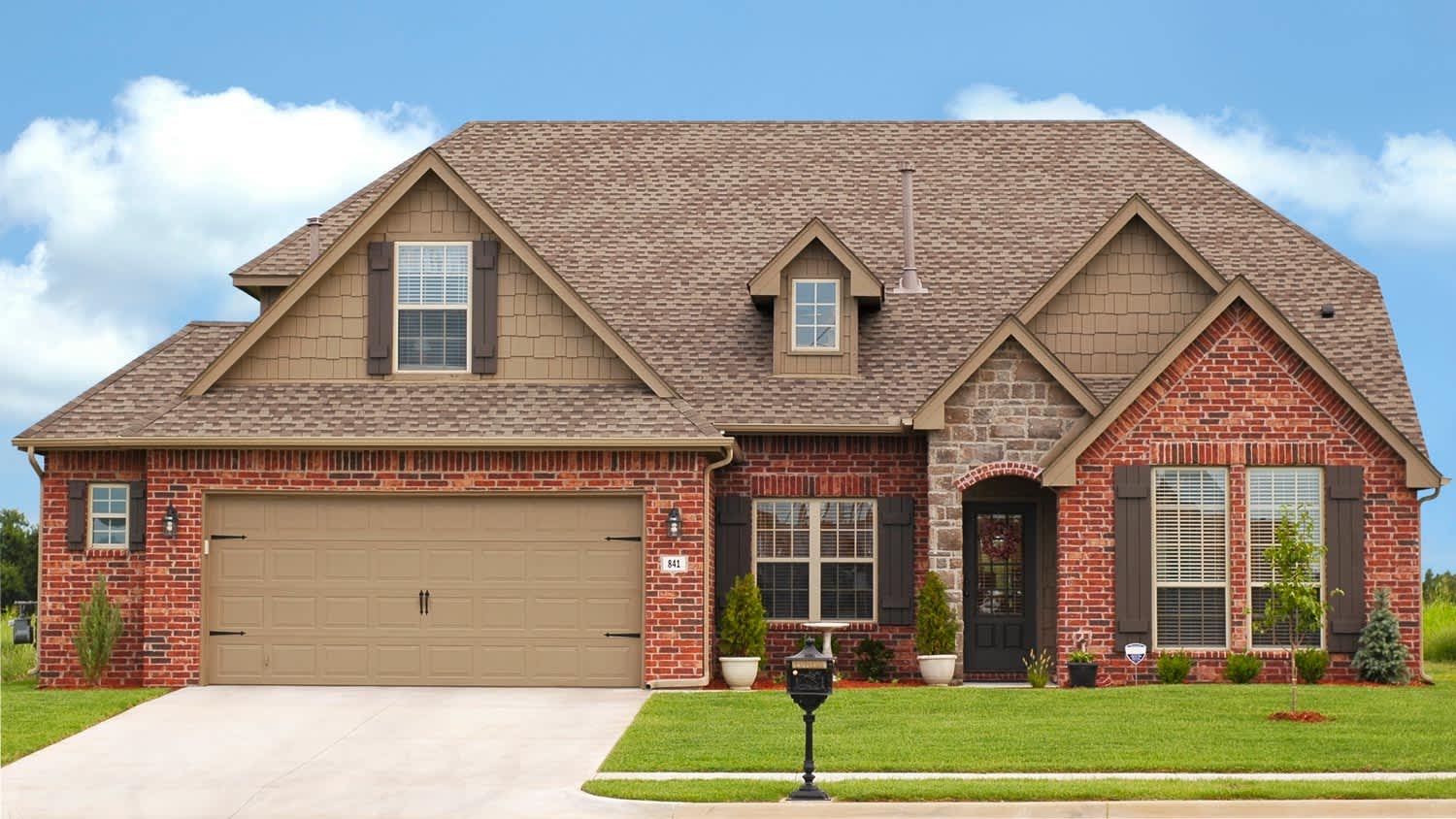
Hailstorms can cause extensive, costly damage to your roof. On average, hail damage roof repairs cost $4,250, depending on the damage and materials needed.
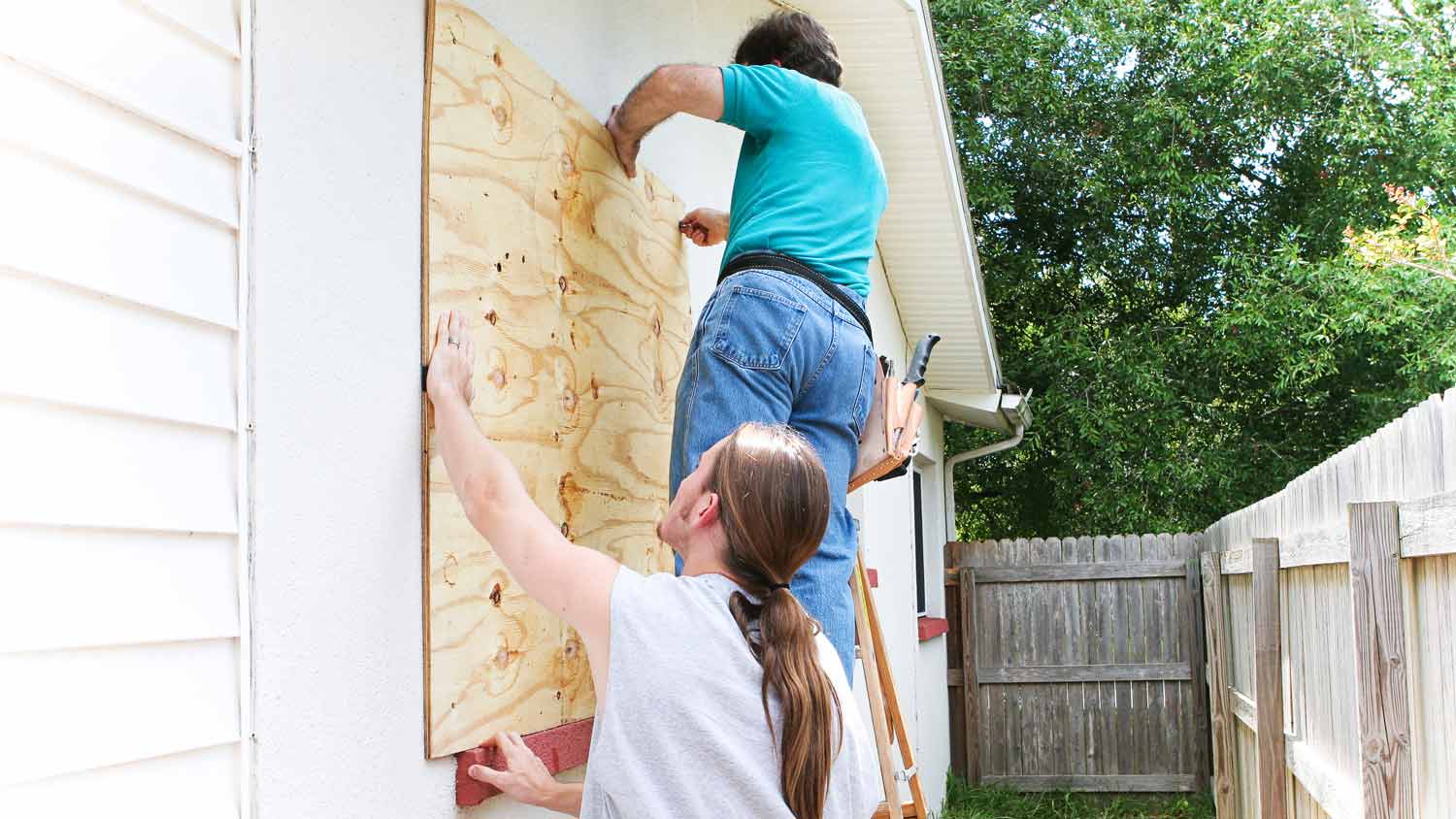
Discover storm damage repair costs, key price factors, and ways to save. Get transparent estimates to plan your home repairs with confidence.
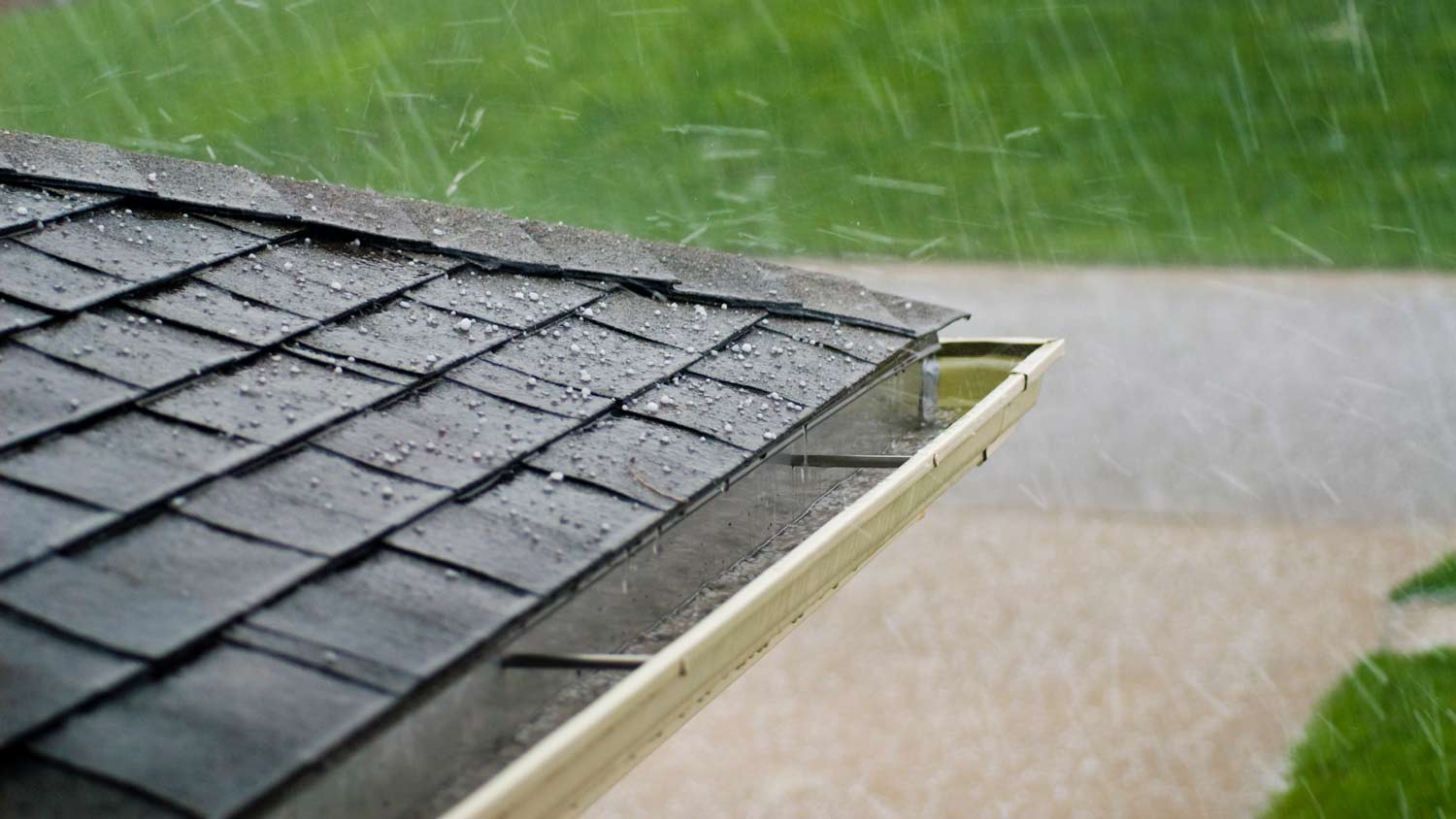
Looking for the right roofing product to avoid wind damage? Learn about the best shingles for high winds and which is right for your specific property.
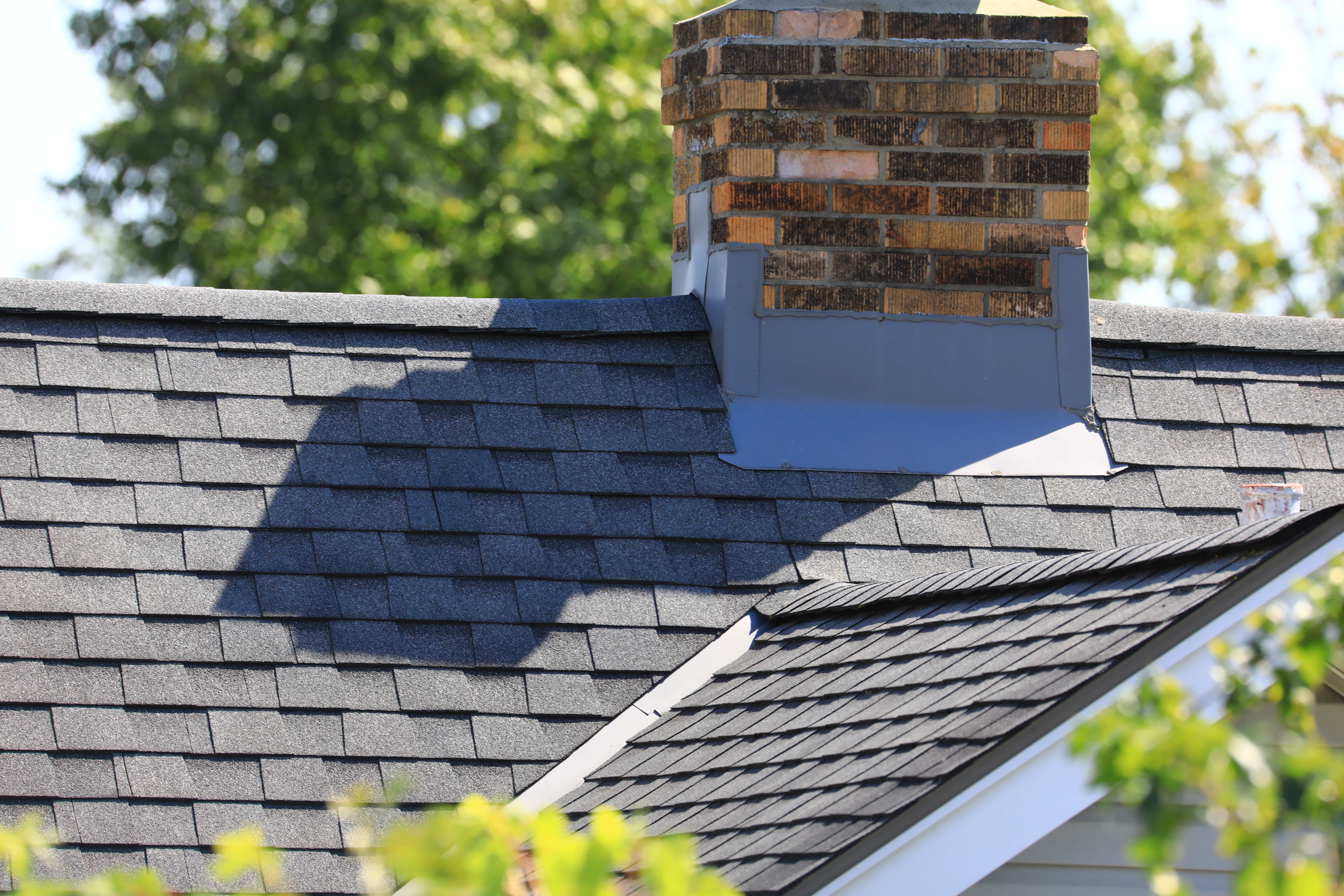
Are you worried about broken or missing shingles? Use this list of shingle repair tips to keep your roof in good condition.
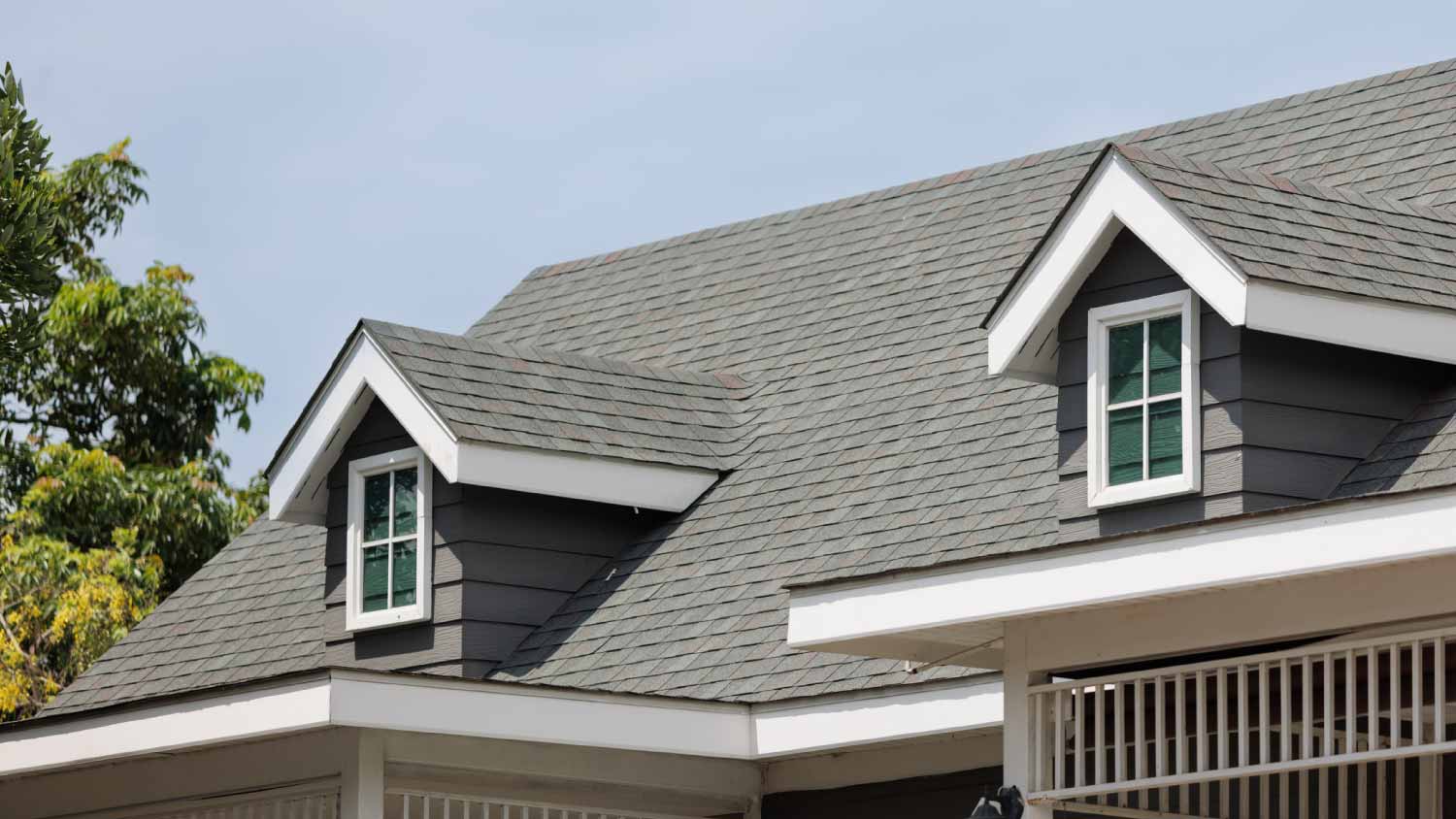
Knowing how to identify wind damage on your roof shingles can help you mitigate further damage. Learn how to inspect your roof post-storm.