
•
Discover the cost of deer fence installation. Learn about average prices, key cost factors, and tips to save on your deer fence project.
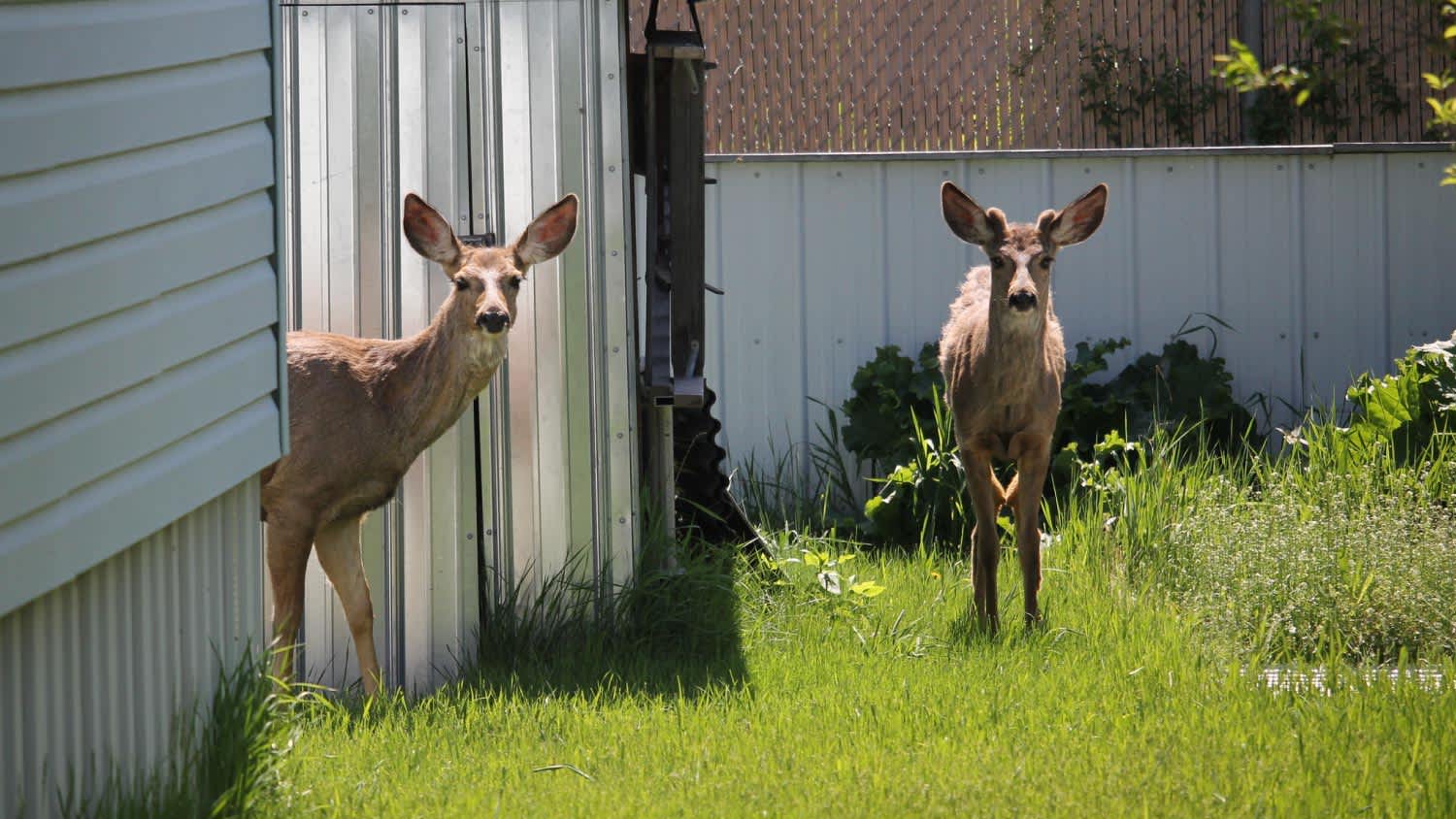
A deer in your yard may not always be a welcome sight

A deer fence for trees keeps deer from rubbing their antlers on bark or eating branches, protecting your investment in new or vulnerable plantings.
Expect to pay $100 to $2,000 to plant a new tree if deer damage yours, so early protection saves you from costly replacements down the road.
Wrapping tree trunks with plastic or paper guards stops deer from accessing the bark, and you should replace the wrap every few months to prevent moisture buildup.
Hiring a local fence company provides reliable guidance on installing tall fencing around your trees, keeping deer out while matching your property's layout.
Planting new trees takes a lot of time and effort, so the last thing you want to happen is a deer trekking through your yard and eating or damaging them. However, you can easily prevent this by putting one or more tree protection methods in place. We’ll outline several methods to teach you how to protect trees from deer, as well as help you spot signs that your trees may have deer-related damage.

Protecting the trunk of a tree restricts access to deer looking to rub their antlers on the wood. You can install paper or plastic tree wrap around the base of a tree to keep the deer away, or you can install a tree tube around the trunk.
Choose from plastic tubes specifically made for tree protection or corrugated black drainage pipes. You will likely need some kind of string or cord to hold the pipe in place. Be sure to replace the wrapping every few months, so moisture or insects do not build up inside.
Keeping deer out of your garden or away from your trees can be as simple as installing a fence. You can install the fence in a circle around each tree or groupings of trees or install a fence around the entire perimeter of your property.
Fences directly around trees should be at least 6 feet tall, while fences around your property should be at least 8 feet tall to keep running deer out. You can make the fence from any type of residential fencing, such as wood, metal, or plastic. Small fences around trees can be made with wooden stakes and metal cages or chicken wire. A local fence company can give you some expert guidance if you let them know that your aim is to keep deer away.

Consider spraying the base of your trees with a deer repellent for deer rutting tree protection. These types of repellents are available at most local hardware stores.
The sprayed product has a smell and taste that is unappealing to deer, but you will have to keep up with applying it in order for it to be effective. Spray your trees at night time right before deer are active, and consider using deer repellent in conjunction with another protective measure.
Deer may initially be attracted to another plant around your trees that lures them in. Avoid planting certain types of plants that attract deer, like sunflowers, petunias, hydrangeas, daylilies, clematis, or clovers. If you prefer to have these plants in your yard, plant them far away from any vulnerable trees to lower the likelihood the deer will travel to each location.
Just like you’ll want to avoid adding in some plants that deer can’t get enough of, you may want to consider planting some blossoms that deer can’t stand. Some of the most popular deer-resistant or -repelling plants include:
Autumn crocus
Bee balm
Boxwoods
Foxglove
Juniper
Lilac
Rosemary

If you are having difficulty keeping deer away from your trees, consider planting deer-resistant trees to avoid the problem in the first place. Certain types of trees do not have an appealing taste to deer, or the bark is too brittle to take the velvet off of their antlers.
Deer-resistant trees include:
American beech
River birch
D.D Blanchard Southern magnolia
Bald cypress
Mimosa tree
If you live in a deer-ridden area, it is important to inspect trees, especially recently planted trees, for signs of deer damage. Such signs include:
Peeling bark: Deer will use their antlers to rub bark off the trunk and branches of a tree. Male deers often do this to rub the velvet off of their antlers.
Broken branches: While rubbing their antlers on a tree, smaller branches may break and fall to the ground.
Chewed branches: Deer may chew at branches on a tree. The bark on young trees has a flavor that many deer find yummy.
Piles of soil: Deer may dig up soil near the base of a tree while rubbing their antlers on the tree. They may also attempt to dig up the tree roots for a fresh taste.
Once a tree has been damaged by deer, it will have difficulty surviving. Male deer will rub their antlers against tree bark, especially during mating season, to get rid of the velvet on their antlers. After being visited by a deer, the bark may begin to wear off the tree, creating an entry point for pests.
The insects will cut off the supply of nutrients from the roots to the rest of the tree and can also bring in diseases. These issues will eventually cause the tree to die. To keep trees healthy and long-living, it is important to protect them from any damage by deer paying your yard a visit.
You have several options for keeping deer out of your garden. For starters, there are many plants that naturally repel deer and can add a lot to the quality of your life, such as aromatic herbs like thyme, sage, and dill, or perennial flowers like daffodils.
If you don’t want to go to the trouble of planting and maintaining such greenage, you can simply spritz the essential oils of peppermint, rosemary, or fennel onto what you already have. These organic solutions will make your garden smell great and keep deer out of the way without harming them.
If you’ve tried fixes like these and find that they aren’t enough to deter deer, installing deer fencing will deliver guaranteed results. Though it requires more work and a larger budget, you won’t regret the extra sweat and expense if woodland critters are a frequent problem for you.
Most of the tree protection measures described above are simple DIY projects. You can visit your local hardware store to purchase the necessary materials, whether metal cages for fencing, tree protection wrap, deer repellant, etc.
It’s important to keep up with the maintenance of deer protection, so inspect and repair barriers often. If a deer does damage your new tree, the cost to plant a new tree is anywhere from $100 to $2,000, so it’s better to be safe than sorry.
If you have many trees on your property that require protection, it may be worth your time and money to hire a professional to install protective barriers. The cost of a landscaper is between $50 and $100 per hour, depending on the difficulty of the task.
Wildlife removal costs anywhere between $190 and $615, depending on the animals you’re trying to remove, how long they’ve infested your home, and the extent of the damage they have caused. Thankfully, most of the strategies to keep them at bay yourself can be relatively cheap and easy to install.
Ultimately, deer are part of the ecosystem in which we live. While you should definitely have some strategies to mitigate the damage done to your property, it’s important to remember you’re sharing the land they live on, so be respectful and humane in your approach.
This service was great. My air conditioner went out during the heat spell that we had. My husband has health issues and they came out that night and at 9:30pm the air conditioner was fixed and running. We are sooo very thankful, this is the company I will be using from now on and would...
 Mr. Mechanical Ohio
One of my old tall evergreen trees was suddenly leaning toward the busy street in front of my house. I submitted a request for an emergency tree inspection, and Alejandro, owner of Cajete Tree Service, contacted me immediately and arrived to look at it just 20 minutes later. We agreed the...
 Cajete Tree Service LLC
1 tree was cut down and 5 others including a large willow tree were trimmed. The Grant Tree Service men were professional and cleaned up afterwards. The cost of the 6 trees were affordable. I am very happy with the results. I would hire them again.
 Grants Tree Service
D1 Roofing delivers outstanding service from beginning to end, backed by a strong warranty and expert teams. I highly recommend them for their excellence in meeting and surpassing expectations with unmatched communication. Choosing D1 Roofing was flawless decision
 Division 1 Roofing LLC
Promptly arrived for quoting! Demonstrated superb customer service, affordable pricing, and completed service swiftly! Looking forward to the spring for our service!
 All Star Paving and Sealing
Seth was very professional, prompt in responding to queries about the work required , gave sincere advice as to what would be best for tree trimming and did the job timely.
Ace Fireplace Services' chimney sweep service is truly exceptional. They used advanced technology to ensure a thorough cleaning process, and my chimney has never looked better. I highly recommend their services.
 Ace Fireplace Services
I definitely recommend Ramonaâ s cleaning service! I have booked services with her many times and she arrives on time, ready to work and provides a great service.
 Your Cleaning Solutions LLC
Webb â s was priced well, flexible on scheduling, great with communication, and detailed in their work. Iâ ll definitely use their services again.
 Webbs Pressure and Paint LLC
Great tree company, very professional and honest. Glad we found them, they had the best pricing
From average costs to expert advice, get all the answers you need to get your job done.
Discover the cost of deer fence installation. Learn about average prices, key cost factors, and tips to save on your deer fence project.
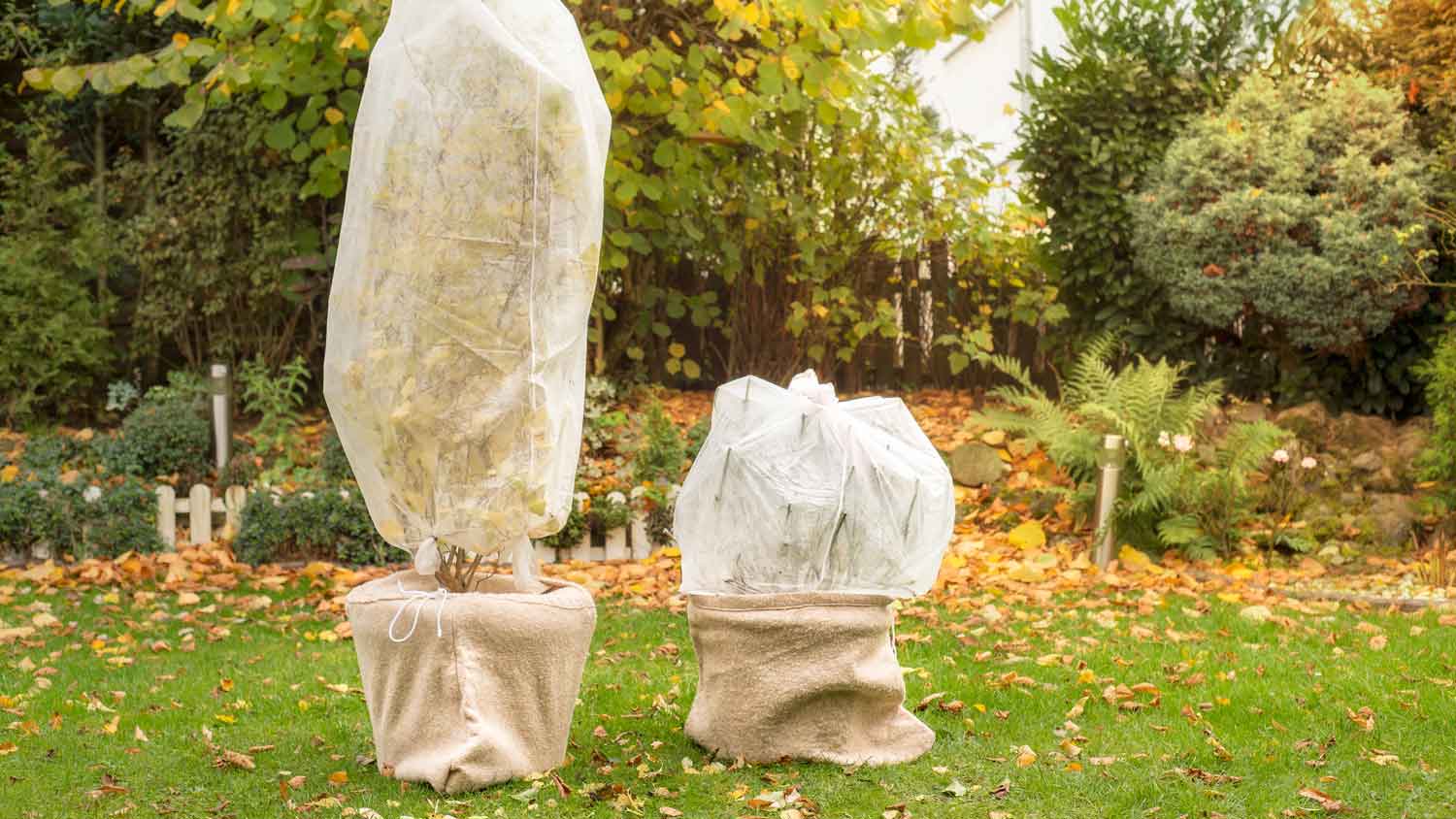
Knowing which precautions to take when winter arrives is key to shielding trees from the cold. Find out how to protect trees from frost with this guide.
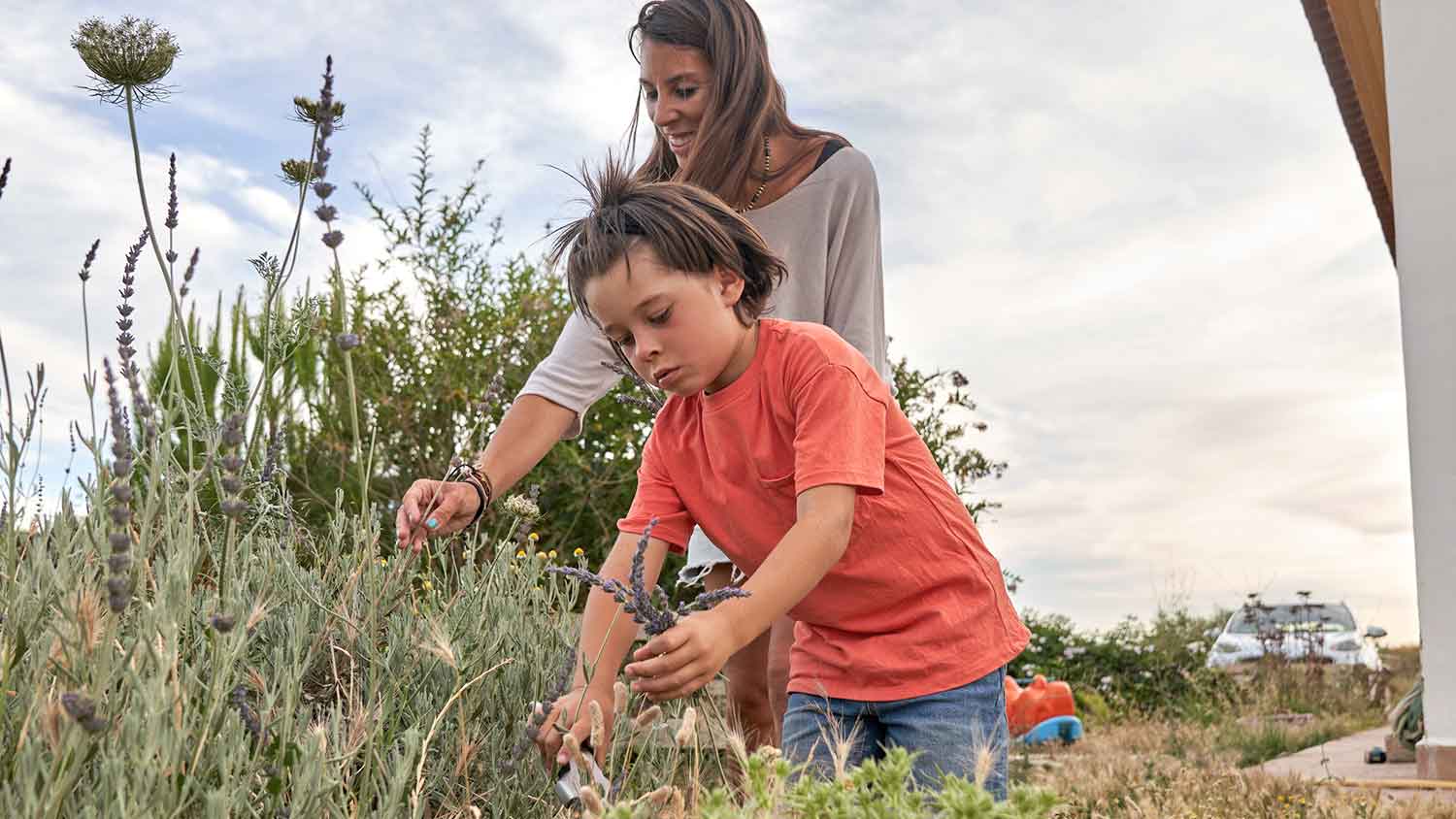
If deer damage your yard or garden, you may need some deer-repellent plants. Here are the ten best options, including herbs, flowers, and shrubs.
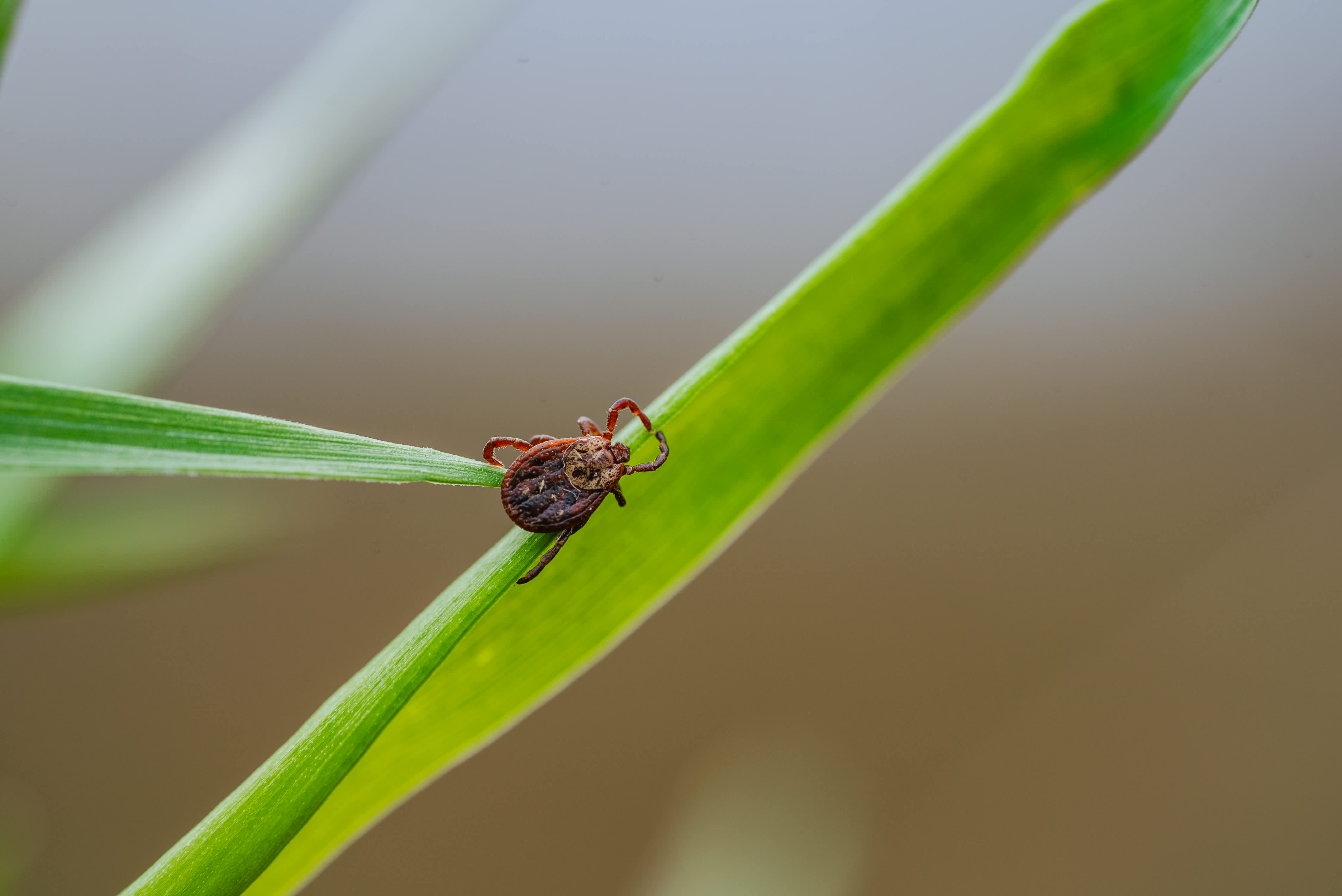
Learn the key differences between a deer tick versus a wood tick, including appearance, disease risks, and prevention tips to protect your family and pets.

Trees add natural beauty and shade to your yard, whether it’s a mighty oak or a fragrant olive tree. Learn how to protect trees during construction in this guide.
Learn how to protect your trees from winter storms. By practicing some routine maintenance, you can guard against broken limbs and damaged property.