

Budget for the cost of tick extermination services using our helpful cost guide.
Keep pets and humans safe with these tick control strategies

Natural tick control in your yard includes diatomaceous earth, cedar oil spray, tick-repellent plants like lavender and marigold, and creating barriers with gravel or mulch.
Expect to pay $50 to $150 per treatment for professional yard tick control, or up to $1,250 for large infestations requiring multiple treatments.
Your best defense against ticks combines regular lawn maintenance, pruning shady areas, removing leaf piles, and keeping woodpiles away from recreational zones where you spend time.
Hiring a local exterminating professional provides expert pesticide application targeting tick-heavy areas, plus safe chemical handling that protects your family and beneficial insects while controlling the infestation.
When the weather gets warmer, everyone likes to be outside more, from pets and children to adults. But spring and summer also bring an unwelcome pest: ticks. And whether you have an ongoing issue or are looking for preventative measures, it’s important to look into yard treatments to keep everyone safe.
Luckily, there are tick control methods you can try to help prevent ticks from using you or your pets as an all-you-can-eat buffet. There’s no one magic solution, but this guide will show you how to get rid of ticks by layering effective tick control strategies.
Ticks are small parasites that live in wooded or grassy areas. Commonly, you’ll find them at the edge of forests and woods, but if you live in a coastal town, you might also find them on beaches.
They hang out in tall grass, low shrubs, branches, and fallen leaves—pretty much any shady, moist area where they can lay eggs and feed on prey like deer, rabbits, birds, rodents, pets, and humans.
So, why are ticks a big deal? There are hundreds of different tick species, and some can transmit harmful pathogens to humans. Deer ticks, dog ticks, and lone star ticks are some of the most dangerous in the country.
In particular, deer ticks (also known as blacklegged ticks) are the primary transmitters of the two bacteria that cause Lyme disease, along with other infectious bacteria such as babesiosis and anaplasmosis, according to the Centers for Disease Control and Prevention (CDC).
According to the Cary Institute, there are over 400,000 Lyme disease diagnoses in the U.S. annually, and that will only get worse as tick populations expand with climate change.
The cost to treat your yard for ticks can range from $50 to $150 per treatment, though a pest control pro may charge as much as $1,250 for a large infestation that requires multiple treatments. If you do the job on your own, expect to pay for supplies. The total cost depends on your tick control strategy.
It all starts with finding a tick, but the CDC has outlined at-risk areas based on regional ticks. For example, the American dog tick is most likely to be found east of the Rocky Mountains and in limited areas on the Pacific Coast.
Ticks are usually most active from April to October, so you can inspect your yard during those months. Search with a flashlight in tick-prone areas or drag a light-colored sheet through your yard to see if it catches any ticks.
Typically, most homeowners find out about a tick problem a little too late—when they’ve already been bitten or find a tick in their pet’s fur.
Though size, pattern, and color vary from species to species, you can identify a tick with the following traits:
Eight legs for adults or six legs for larvae
Brown, reddish brown, or black color
Teardrop-shaped body (it’ll be flat if they’re unfed and rounded if they are fed)
Adult size ranging from the size of a sesame seed to the size of a raisin
If you notice a tick, you’ll want to start yard treatments immediately to ensure you take control of the situation before it can get out of hand.

Getting rid of ticks in your yard isn’t a one-and-done type of deal. Pesticides can only go so far. You don’t want your yard to be a five-star hotel for invasive insects. Make it as inhospitable as possible by taking some preventative measures and trying out various tick control treatments.
Here’s how to kill ticks—or, at the very least, send them packing.
Tick treatments for yards typically involve pesticides called acaricides. This is a surefire way to effectively reduce populations—but be forewarned that it’s not always a good solution for the average homeowner. Improper use of garden pesticides has side effects, and you could accidentally kill off beneficial insects and pollinators like honeybees.
If you use pesticides, stick with U.S. Environmental Protection Agency-approved products containing bifenthrin, permethrin, and Met52 to maximize effectiveness and safety. These products should have an EPA registration number on the label, which you can check on the EPA’s website.
Before spraying, check your state regulations, and avoid blanket spraying unless you’ve hired a pest control company near you.
Diatomaceous earth (DE) is a natural tick treatment made from the glass shells of tiny, photosynthesizing algae called diatoms. It’s thought that the high silica content kills ticks by dehydrating them on the spot.
You can put it anywhere you’ve noticed ticks in your yard or use it as a barrier around grass or wooded areas. As long as your DE is food grade and you apply it correctly, it’s safer for use around humans, pets, and other critters in your garden. Follow safety precautions and manufacturer instructions for application, and wear a mask, goggles, and gloves when applying it around your home.
Ticks love shady, moist areas. Try creating a less tick-heavy recreational zone in your garden by adding a barrier between wooded areas and your lawn. A 3-foot border of dry mulch or gravel restricts tick migration—even if it doesn’t stop it completely—and children and pets are less likely to cross over into the areas where the pests spend more time.
Positioning swing sets and outdoor furniture away from these woody havens is also good practice.
Ticks have no issues hitching a ride straight to your yard on the back of deer, rodents, birds, or other small animals.
To get rid of ticks, try these control strategies:
Install fencing to keep out critters.
Plant a deer-resistant garden.
Remove bird feeders or position them away from the house or lawn areas.
Move woodpiles, which are perfect nesting grounds for mice.
Keep garbage bins locked in a safe area away from raccoons.
Keeping your yard tidy is an excellent line of defense against a tick infestation.
Consider the following to reduce the humid, shady habitats deer ticks love:
Prune overhanging branches and shrubbery growing over your lawn—ticks aren’t fans of dry, sunny conditions.
Regularly rake your lawn and borders and get rid of piles of leaf litter and brush.
Keep wood piles away from the house and lawn.
Hire a landscaper near you to help you redesign your landscaping in a way that minimizes humid, shady tick sanctuaries. Avoid thick, fast-spreading ground covers and invasive species ticks love, such as the Japanese barberry and glossy buckthorn.
You can also grow plant species that repel pests. Some of the most effective for ticks are:
Lavender
Mint
Garlic
Sage
Marigold
Beautyberry
Tick tubes are cardboard tubes treated with permethrin-soaked cotton balls. Place them in areas with a lot of rodent activity, and the rodents will drag the cotton back to their nests. This pesticide-treated cotton kills ticks on contact—so any ticks on the mouse or in their nest are done for.
You can’t always kill every tick in your yard, even with the best treatment strategies. Some areas just have a higher prevalence than others, especially if you live near the woods. If your yard is prone to ticks, these tips can help protect your family and your pets.
Tick-proof your clothing by tucking socks into pants so ticks can’t crawl up your legs. Wear long sleeves. The less skin that’s exposed, the better. You can even buy tick-repellent clothing that’s pre-treated with permethrin or use your own 0.5% permethrin spray (don’t spray permethrin directly on your skin).
Rather than trudging through tick-heavy areas like tall grass or woods, hang out on your patio or manicured areas of your lawn.
If you do have to go to a tick-heavy area, spray yourself with a skin-safe bug repellent. Cedar oil spray is an option that’s safe for adults, children, and pets, according to the U.S. Department of Agriculture. However, conventional options like DEET may be more effective. You can make your own spray using the essential oil mixed with water.
If you’ve been outside, check your body for ticks. They like to hide in sheltered places like behind your ears, between your legs, under your arms, or even inside your belly button. Don’t forget to check your pets, too. Dog ticks got their name for a reason.
Some ticks are so small you may not notice them—so don’t give them time to latch. Take a shower immediately after you come inside, and wash and dry your clothes on a high-heat setting for at least 10 minutes. This should kill any ticks that are camping out.
If you find a tick inside, it’s probably because you’ve dragged it there. There’s not enough humidity for them to thrive, but they can live in places like storage sheds, breezeways, doghouses, decks, and porches—especially if there’s nearby shrubbery. Don’t leave these areas out of your tick control strategy and reach out to a local exterminator if you need help.
Most homeowners can take steps to control ticks on their own. Everything helps—from regular lawn and yard maintenance to creating a safe zone away from tick-heavy areas. That being said, when it comes to actually killing ticks, pros know best.
A pest control company in your area will know the best time to apply pesticides in your region to specifically target ticks. Most often, they’ll spray in tick-heavy areas like yard edges and shady, leaf-covered areas.They also have powerful spraying equipment and know how to handle the chemicals safely.
The best way to control ticks is to create an inhospitable environment. Ticks love dark, moist areas in tall grass or the edge of woods. Prune your shrubs, mow your lawn, and remove any safe haven of ground cover like leaf piles.
Do your best to deter animals that attract ticks and create a barrier of gravel between the woods and your yard. If you still have a problem, hire a pro to apply a tick treatment.
The strongest killers are a category of pesticides called acaricides, which specifically target arachnids, which is what ticks are. Choose an EPA-certified pesticide with the active ingredients bifenthrin, permethrin, or Met52. These are the strongest options that limit environmental damage, but keep in mind that they can kill beneficial insects too.
Ticks don’t like certain smells, including cedar, lavender, peppermint, marigold, and sage. You can use these essential oils to create a spray or grow these plants in your garden to deter ticks. Keep in mind that ticks don’t hang out in trees, so small shrubs like lavender plants or marigold plants are more beneficial to your garden.
A reliable team for moves across state. My switch to a new place needed careful lifting through tight hallways. The movers checked the doorway first, then carried heavier pieces with slow, controlled movements. Their patience helped prevent damage, and I?d choose them again.
This company does it right. Firstly, I want to say that Landan was a joy to work with. He was so kind, transparent, and had everything under control. His entire team showed up ready to work and they were all very respectful of the fact that we were in an office space. A little backstory – we...
 Krumlauf Floors
I had FabClean 614 clean my apartment, and she did an outstanding job. She was so professional and efficient. My apartment looks absolutely spotless every surface, every corner, all cleaned to perfection. Definitely highly recommend FabClean 614 if you're looking for top-notch cleaning...
 Fab Clean 614
Raven and crew does absolutely fantastic job. They are very professional if any concerns were to occur with any of her work she always took responsibility and finished out with a great job. I have worked with her business for a year and have always been satisfied. Very trusted business and...
 Creations of Transformation LLC
I would recommend this company to anyone! He showed up on time, was friendly, completed a very difficult repair on our dryer vent cover, was responsive, and pricing was extremely fair and competitive. I would have him back to do any of our repairs or cleanings without hesitation!
 U.S.A. Dryer Vent, LLC
Best cleaning I've had at my property
Ace Fireplace Services' chimney sweep service is truly exceptional. They used advanced technology to ensure a thorough cleaning process, and my chimney has never looked better. I highly recommend their services.
 Ace Fireplace Services
This company went above and beyond with their work, chimney sweeps are usually pretty messy, but the clean up was spot on.!! Josh explained every thing that he was doing, and the things that he was checking to make sure the chimney was safe for me and my family. He was very professional,...
 Supreme brick & chimney
Good workers and they do a good job.
 Mira Construction
Mary Cleaning Service is amazing! The entire staff is very professional and they pay a great deal of attention to detail. I would definitely recommend!
From average costs to expert advice, get all the answers you need to get your job done.
Budget for the cost of tick extermination services using our helpful cost guide.
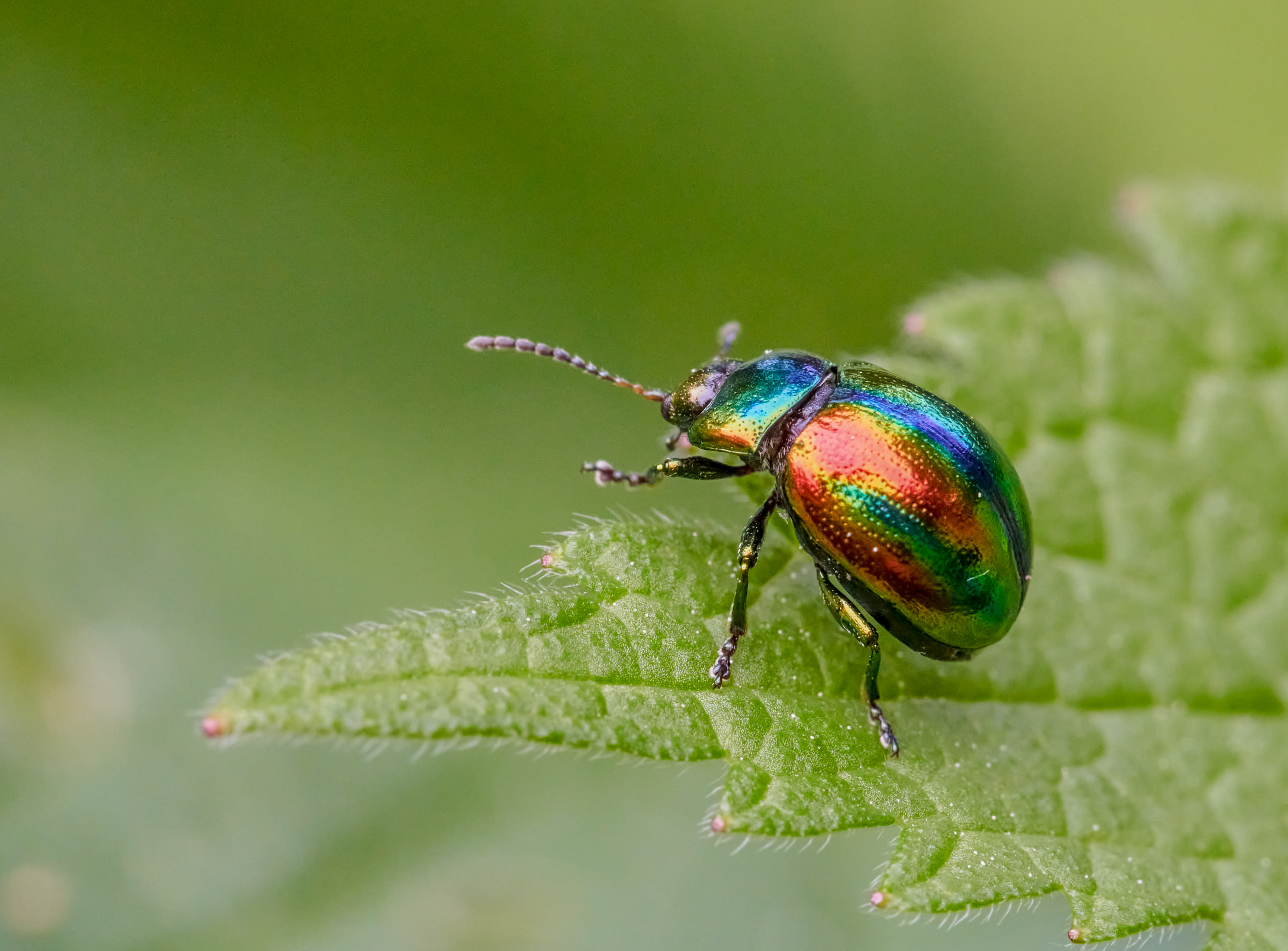
Ticks are often mistaken for a variety of different beetles. Learn the key differences between a tick versus a beetle so you can respond appropriately.

If you’ve just found a tick in the house don’t panic, take action to get rid of any ticks in the home and avoid a tick infestation.

Using this informative guide, you’ll learn the seven best ways to childproof your windows so you can still get plenty of light in the home but keep your kids safe.

What causes false alarms on home security systems? Explore some of the most common causes here so that you can avoid them altogether.

If you have a security system, you already know that false alarms can happen. Whether it was a malfunction or your kids messing around—do police charge for false alarms? Learn common causes of false alarms, potential fines, and prevention tips.