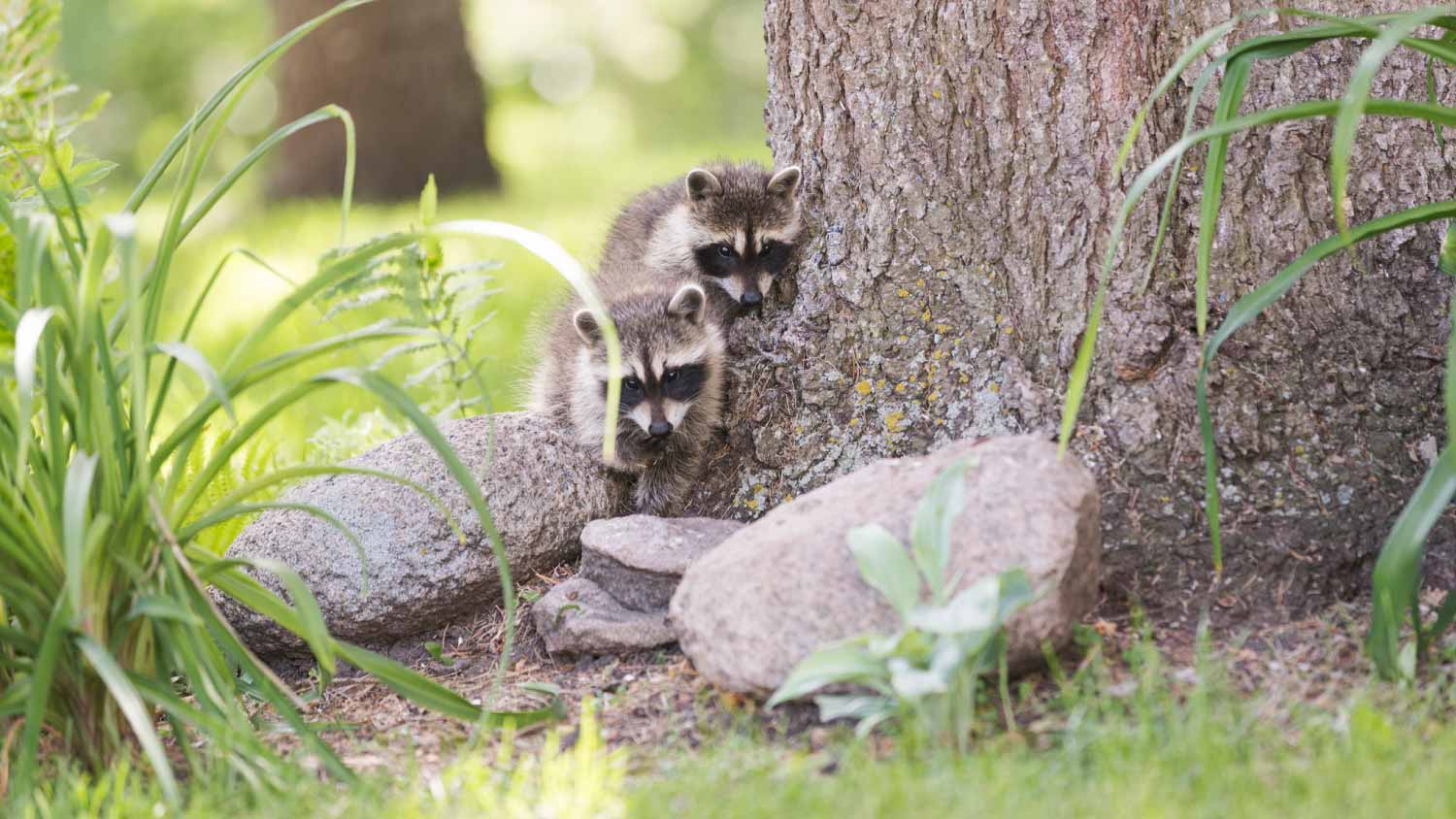
Raccoons on your property can cause a lot of damage to your home and yard. This guide breaks down raccoon removal costs so you can budget accordingly.
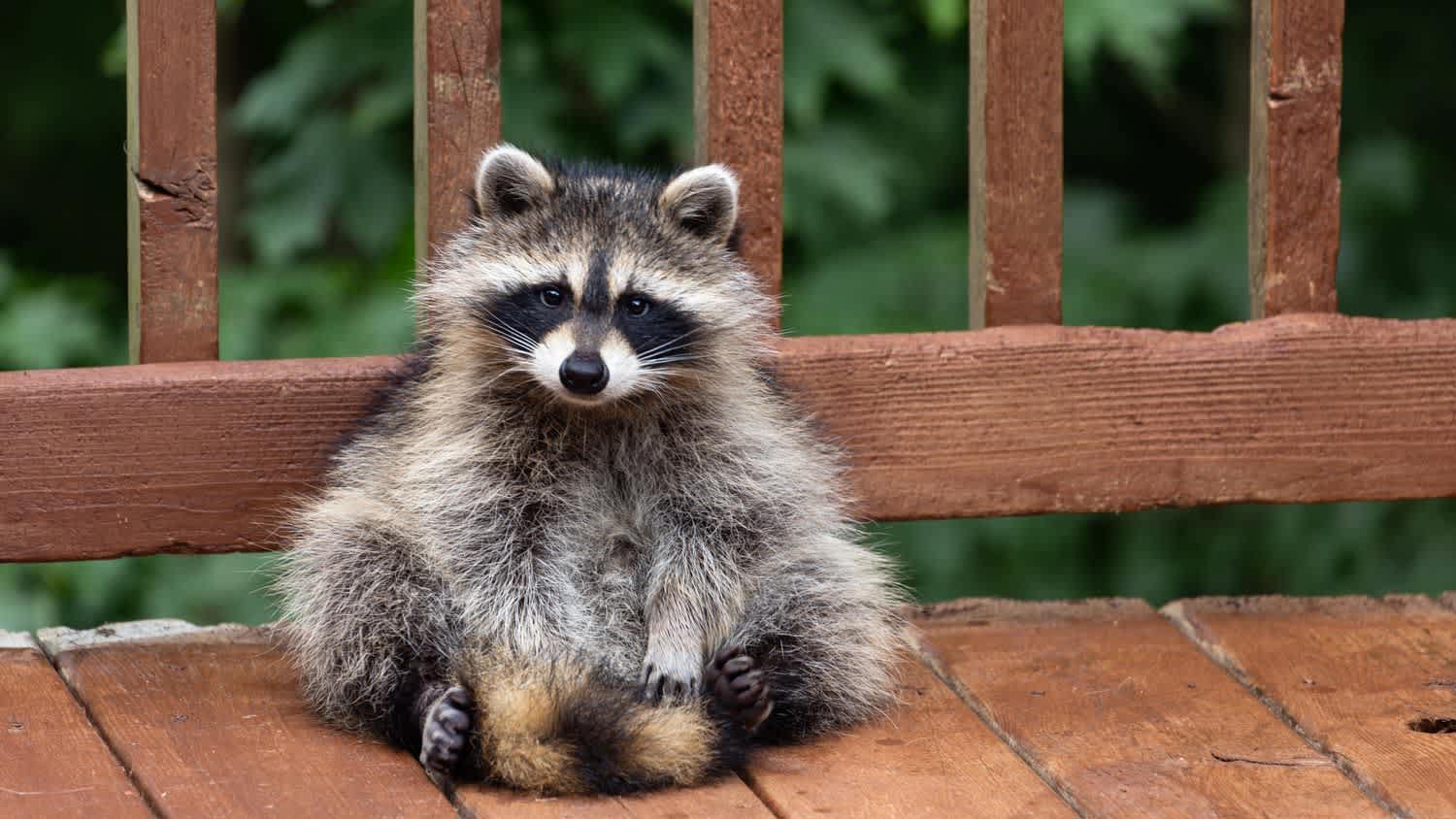
These cute critters can be a major nuisance

Raccoon removal starts with locating your nest and entry points, which are often in attics, crawlspaces, or under decks where these critters feel sheltered.
Expect to pay $400 to $600 for professional raccoon removal services that handle trapping, relocation, and sealing entry points to prevent future problems.
Use multisensory harassment with bright lights, loud radios, and vinegar or hot pepper smells near your nest to encourage raccoons to leave on their own.
Hiring a local raccoon control professional provides safe, humane removal with proper traps and protective gear, especially when newborns are involved or hard-to-reach spaces need cleaning.
Raccoons might look like cute masked bandits, but these little burglars can cause some serious damage to your home and property. They can even transmit ticks, fleas, and diseases that can sicken both you and your pets. You should remove raccoons from your house as soon as you notice them—but you should also do it humanely. This guide will show you how to get rid of raccoons without harming them.
To stop the problem, you need to find the problem. Search your home for the nest and latrine (which is typically near the nest). Raccoons tend to nest in sheltered spaces like crawlspaces, attics, sheds, and chimneys. If you know where they’re living, you can figure out how they’re getting inside.
Once you find the nest, check carefully for any open space that might seem particularly inviting to a raccoon as a way inside. Look for broken skirting or lattice work around your deck or porch, any signs of dug-out burrows next to your home’s foundation, and any gaps or open areas in your attic or basement. A raccoon can wiggle into some pretty tight areas, so if you see any area that looks disturbed, make a note to check it out. If you find a potential ingress point, you’ll want to close it up once you’re sure the raccoons have left the premises.
Also, Raccoons love attics, and they’ll use tree limbs and branches to help them slip in unnoticed. Keep trees near your home trimmed and cut back to remove those access paths. Also, make sure that you’ve adequately covered and protected any outside garbage receptacles and that bird feeders are either too high to reach or raccoon-proof. Finally, consider moving pet food containers and dishes inside to remove the raccoon’s access to a free 24-hour buffet.
One of the most effective and least harmful techniques is multisensory harassment. The idea is to repel raccoons using light, noise, and smell. For example, try setting up a loud radio near their nest or point of entry. Install temporary floodlights in dark, cozy areas. Use smells raccoons hate like vinegar, hot pepper, or garlic juice.
Once you’ve closed off the points of ingress, you can install a one-way door. These let raccoons leave, but won’t let them come back inside. They’re available online and at most hardware stores for around $70 to $300.
This is another way to annoy raccoons into leaving your property. If you notice a lot of raccoon activity in your yard, install a motion-activated lawn sprinkler that will go off when a raccoon is nearby. Nobody likes to get sprayed with cold water when they’re just trying to mind their own business.
While many animal control experts question their effectiveness, there are commercially available products that promise to repel raccoons from your property safely. This includes raccoon-repellent trash bags, since raccoons love to dig through garbage for food, and products containing predator urine. Overall, a repellant might be worth a try, but just be aware that mother raccoons with recently born offspring might be a bit more determined—and thus less likely to be deterred by any repellent product.
There are a few home remedies that might repel raccoons, typically playing on their sense of taste and smell. You can try using:
Powdered cayenne pepper
Ground garlic
Ammonia
Vinegar
Epsom salt
Dirty cat litter
Sprinkle your DIY repellant around points of entry or areas that experience a lot of raccoon traffic.
Ultrasonic repellers, which have indoor and outdoor options, emit sounds that are undetectable to humans. Raccoons, however, have a heightened sense of hearing. These devices disturb these pests and encourage them to hang out elsewhere.
Keep in mind that if you have pets, they may be able to hear the repeller too. It’s not harmful, but it may frighten or distress them depending on their temperament.
Live traps will catch raccoons without harming them, but if you’re going to go this route, contact your local fish and wildlife department first. They can supply the traps, tell you about the best bait for raccoons, and help you safely relocate the animals you catch.
Let’s be honest: Raccoons are a lot cuter in funny online videos than they are on your property. If you have a raccoon problem, there will be a few clear—and sometimes annoying—signs. It’s normal to see a raccoon in your backyard at night if you live in a wooded or suburban area, but you may have an issue near your home if you notice:
Scratching, rustling, and squeaking in your walls at night.
Tiny, hand-shaped prints around your property, especially near garbage bins.
Raccoon droppings (since raccoons set up latrines, you may notice droppings in a singular area).
Nesting materials (like twigs, insulation, and leaves) or random bits of garbage.
Knocked over garbage bins.
Open holes in your foundation.
Scratches on wood surfaces.
A weird smell.
Raccoons on your roof.
Missing bird suet or seed.
If you’re still not sure about a raccoon problem but think you’ve found a potential point of entry, you can fill the area with wadded-up newspapers. Leave the newspapers in place for two to three days. Check back on it later, and if it’s out of place, some sort of pest is probably making its way inside.
Leaving food out will attract animals to your home. Invest in a lockable garbage bin for your food waste to keep pests away.

Like most animals and insects, raccoons are attracted to food and water. However, it’s a bit more complicated than that. Let’s break down the primary reasons why raccoons turn your yard into their new home.
Raccoons are omnivores, so an overflowing garbage can represents an absolute buffet of delicacies. If there’s a way into your garbage bin, raccoons will find it. Lock the bins up or cover the top with something heavy to prevent raccoons from gaining entry.
If you’ve been in the habit of leaving food out for neighborhood cats or to attract avian specimens, your local raccoons might be getting to it first. Make sure to store the pet food and bird seed indoors, far away from curious claws.
Raccoons can easily ascend trees to get apples and other fruits to satisfy their sweet tooth. This is a tough one to get a handle on, but a combination of raccoon-proof fencing surrounding the garden and collars, also called baffles, around fruit trees will offer significant help.
If your yard offers ready access to water in the form of a stream, pond, or even a leaky hose, this encourages raccoons to stick around instead of moving on to the next food source. Scour the yard, fix leaky hoses, and make sure holes aren’t forming puddles. As for artificial ponds and the like, consider tarping and other protective measures.
Raccoons will shelter in any enclosed space they can access, such as the area underneath your deck, under piles of wood, in the attic, shed, basement, or crawlspace. All you can do here is to close off these areas to the best of your ability. A raccoon only requires around four inches of space to squeeze through a hole, so keep that in mind.

When you remove raccoons, you need to take certain considerations—both for your own safety and the safety of these little critters. Here are some things to keep in mind.
Most of the time you’ll only see raccoons in your backyard at night. That’s because this species is primarily nocturnal. If you disturb raccoons during the day, it can disorient them. Instead, work at dusk, especially if you’re going to blast loud music and flash bright lights.
Newborn raccoons cannot survive without their mother—so there's no way to remove her humanely. If newborns are involved, avoid using a trap or one-way door. Instead, hire a professional animal removal service that knows how to reunite adult raccoons with their offspring.
Raccoon droppings can contain roundworm eggs. If inhaled or ingested, these eggs can cause serious illness. It’s best to hire a professional to clean out raccoon latrines, but if you’re doing the job yourself, be sure to follow the guidelines set by the
Centers for Disease Control and Prevention. These include:
Avoid contaminating your hands, shoes, and clothes.
Wear disposable gloves.
Wear rubber boots with disposable booties.
Scrub your boots after you're done.
Wear an N95-rated respirator.
If you have a few raccoons around your yard, you may be able to deter them on your own. The real trouble starts when raccoons take up residence in your walls, crawlspace, or attic—and if there are newborns that cannot survive without their mother. These pests can be quite persistent, and nesting areas and latrines are a potential health hazard.
A raccoon removal service near you will know how to deter raccoons and clean the area safely. Most of the time, they’ll send out an expert to trap adult animals and then remove any baby raccoons manually. Once the area is clear, the raccoons will be relocated into a more appropriate, less populated area. Finally, the expert will help you shore up your defenses and close up the potential pathways into your home.
The cost of professional animal removal and relocation varies, depending on a number of factors, including where you’re located, how much damage the raccoons did to your property, and the repairs or upgrades required to keep them out in the future. On average, you’ll pay anywhere from $400 to $600, but you can contact a local animal removal service for a more accurate quote.
One of my old tall evergreen trees was suddenly leaning toward the busy street in front of my house. I submitted a request for an emergency tree inspection, and Alejandro, owner of Cajete Tree Service, contacted me immediately and arrived to look at it just 20 minutes later. We agreed the...
 Cajete Tree Service LLC
Wonderful. I am going to have them remove and replace my driveway in the spring.
 All Star Paving and Sealing
Lyle did a great job removing asbestos shingles from our front porch roof. They worked together with our roofer to make sure that the new roof was able to be installed on the same day that Lyle removed the asbestos shingles.
 Lyle Environmental
Involved an extensive bathroom remodel, including removing tub & installing walk in shower, new drywall, custome tile work to ceiling, plumbing, etc. Overall, job was done on time and on budget. Nick & his team were very professional and had high attention to detail. Quality was great. Highly...
 Stamos Flooring and Remodeling LLC
Extremely well. Ohio Tree Care is my go to company for all tree care and snow removal services. they are professional, knowledgeable and affordable. I manage five camps in 33 counties and Ohio Tree Care has serviced every one of our properties. Highly recommend.
 Ohio Tree Care Inc
A team of 2 spent 5 hours, cleaning top to bottom (removed all light fixture and cleaned.... impressive!!!)
 Luzia's Cleaning
I would have given an "A" rating were it not for the devil being in the details. 1. The van rear doors, when open, expose the track area and that had not been cleaned. Noticeable only when you look for it and then it's obvious. 2. Was able to get 99.5% of the dog hair out of the cargo area...
 614 Detail
Great Job!!! Martin called me after I requested a estimate on Home Advisor. He was very professional and actually went the same day and looked at the tree I needed removed gave us a estimate and I felt it was very aggressive so I did not even call for any other bids. I asked him how soon he...
 Reyes Tree Service LLC - Home Facebook
Mike and his crew did a great job working through a very challenging task. The job required a full demolition of our ceiling, removing the blown in insulation and removing all the material from the site daily. It involved multiple inspections from the city and many challenges to get the...
 Rising Height Unlimited
Removed various items (furniture, lamps, other junk) from my home. They were on time, personable, professional, etc. I can't say enough positive things about this company. <br />
From average costs to expert advice, get all the answers you need to get your job done.
Raccoons on your property can cause a lot of damage to your home and yard. This guide breaks down raccoon removal costs so you can budget accordingly.
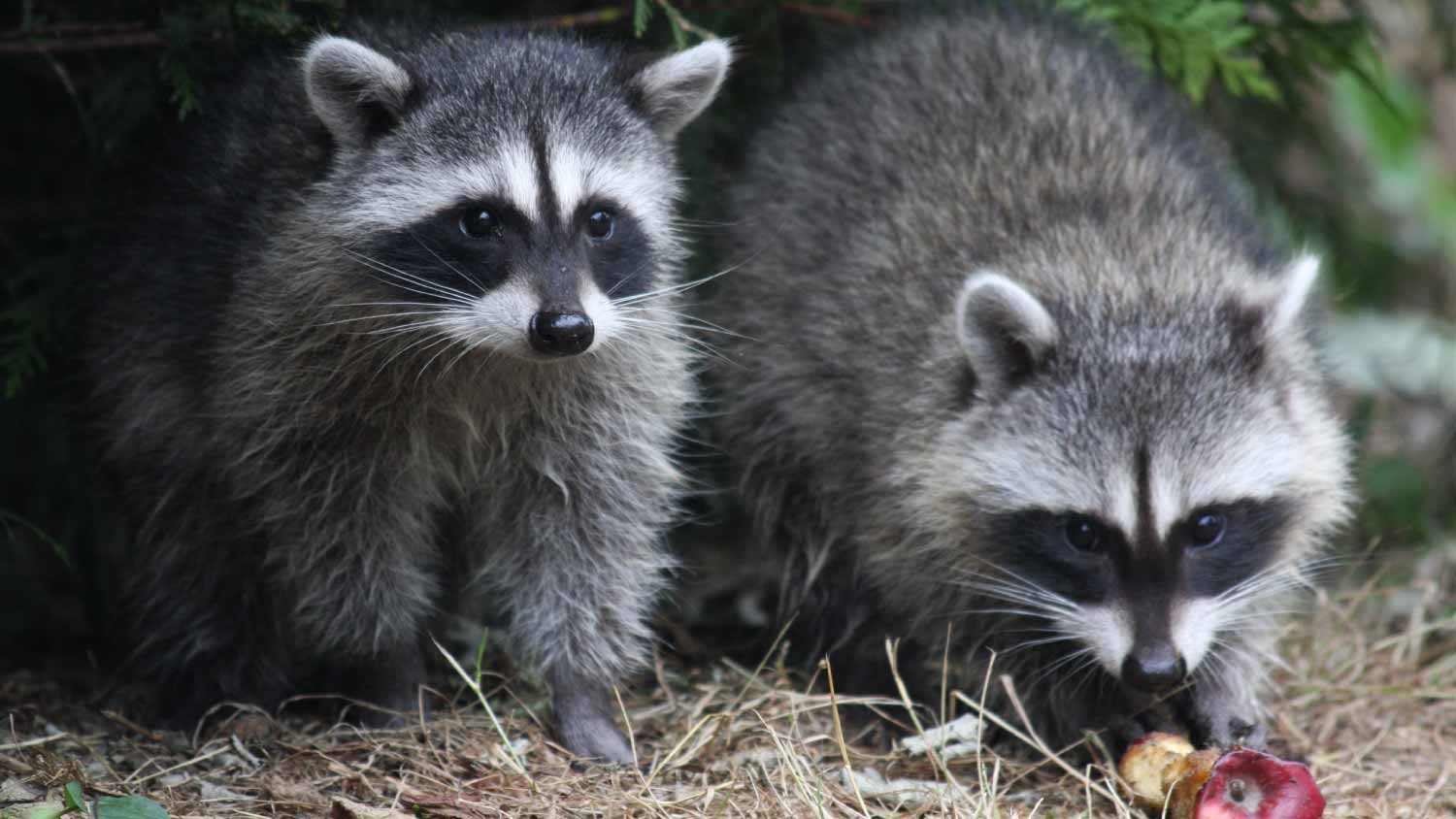
Learn how to hire a raccoon removal pro with confidence. Find qualified wildlife experts, ask the right questions, and protect your home safely.
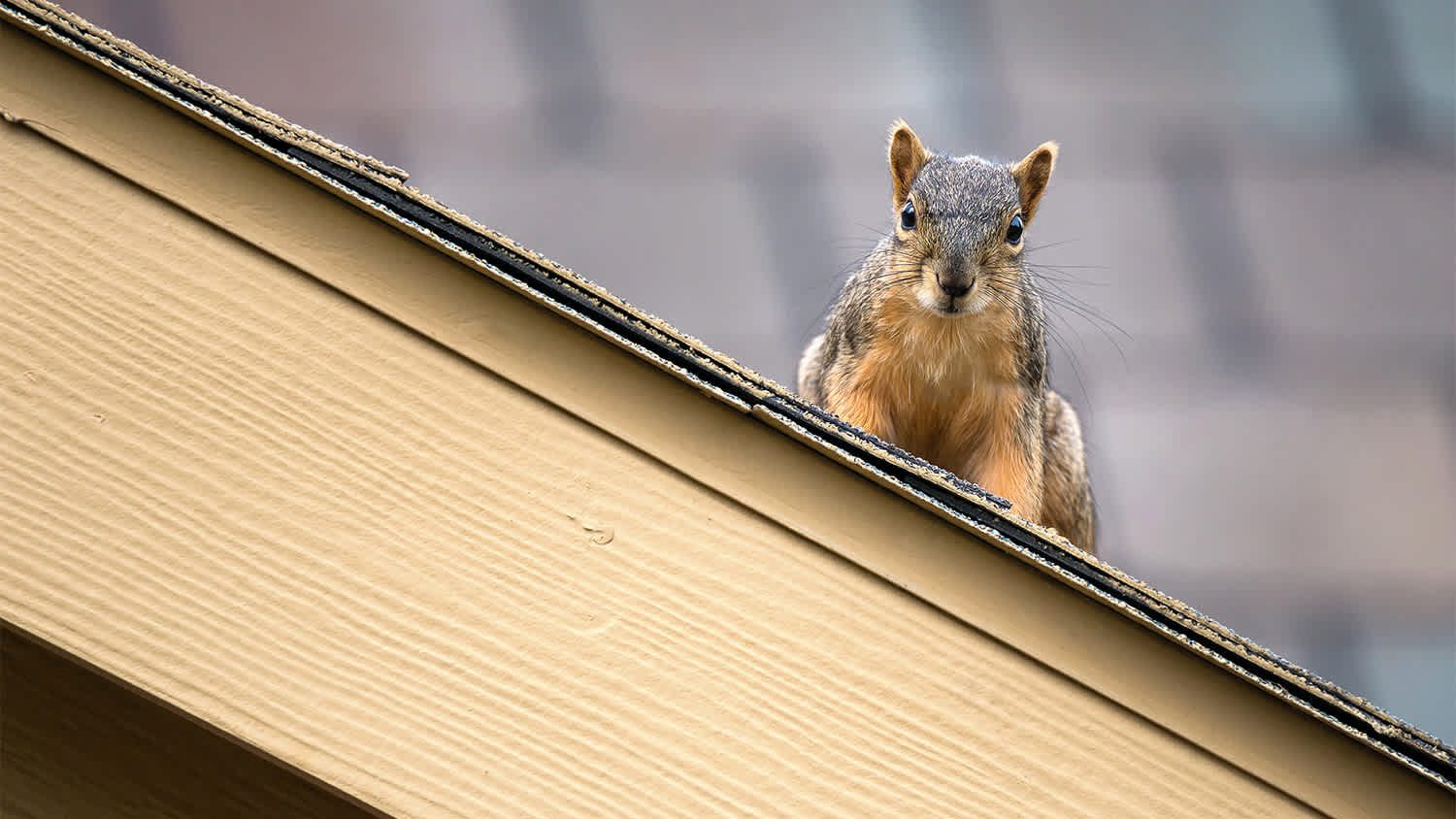
Not sure how to get rid of animals in your attic? Get comprehensive tips to identify what’s up there and how to send them packing from your home.
Learn how to hire a raccoon removal pro with confidence. Find qualified wildlife experts, ask the right questions, and protect your home safely.
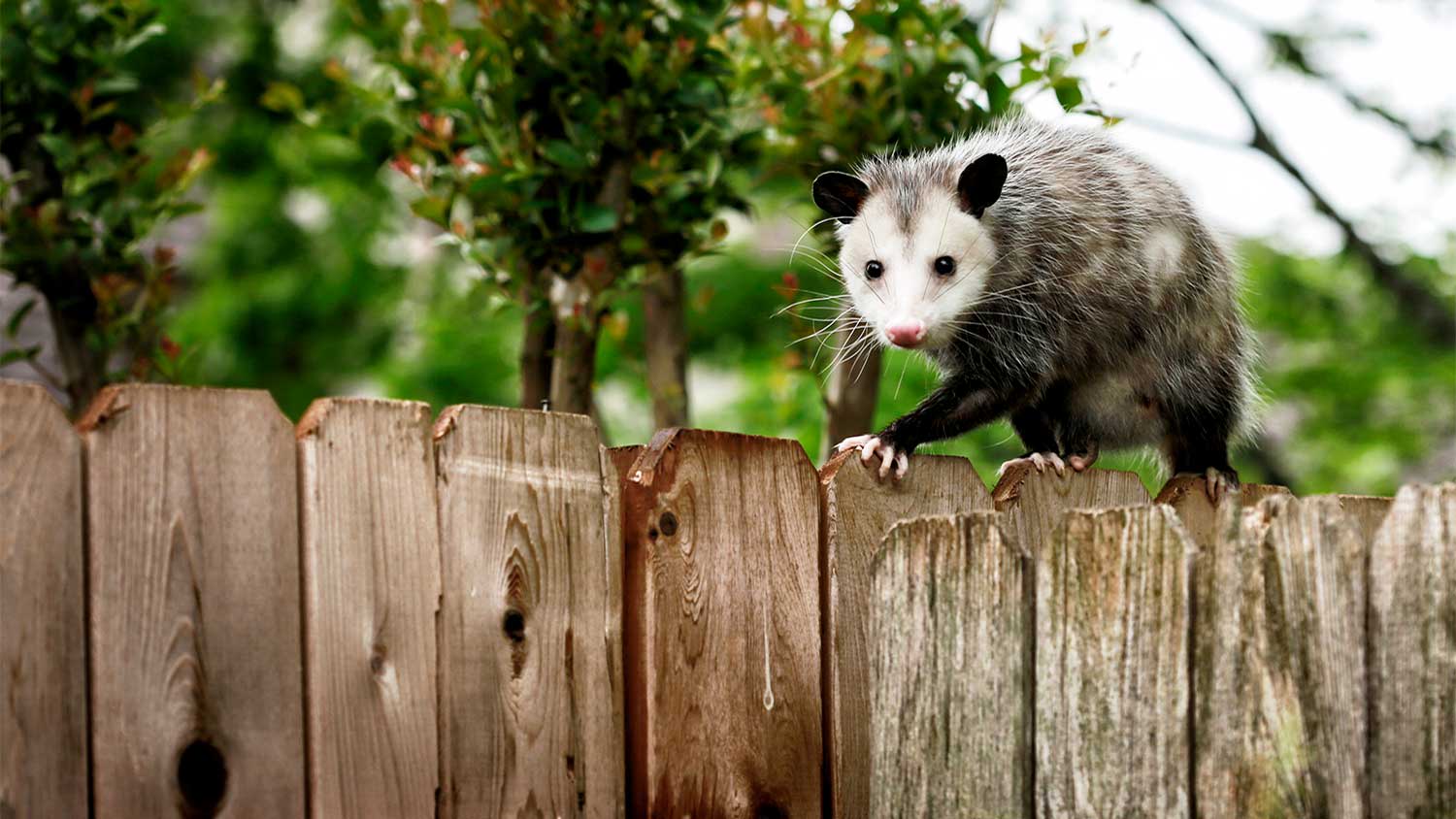
You don’t always have to call in the pros. This guide helps you learn how to get rid of possums humanely and keep them away from your home and yard.

Left unchecked, indoor or outdoor cricket problems can become a nuisance. Here's how to get rid of crickets in the house with five different effective methods.