
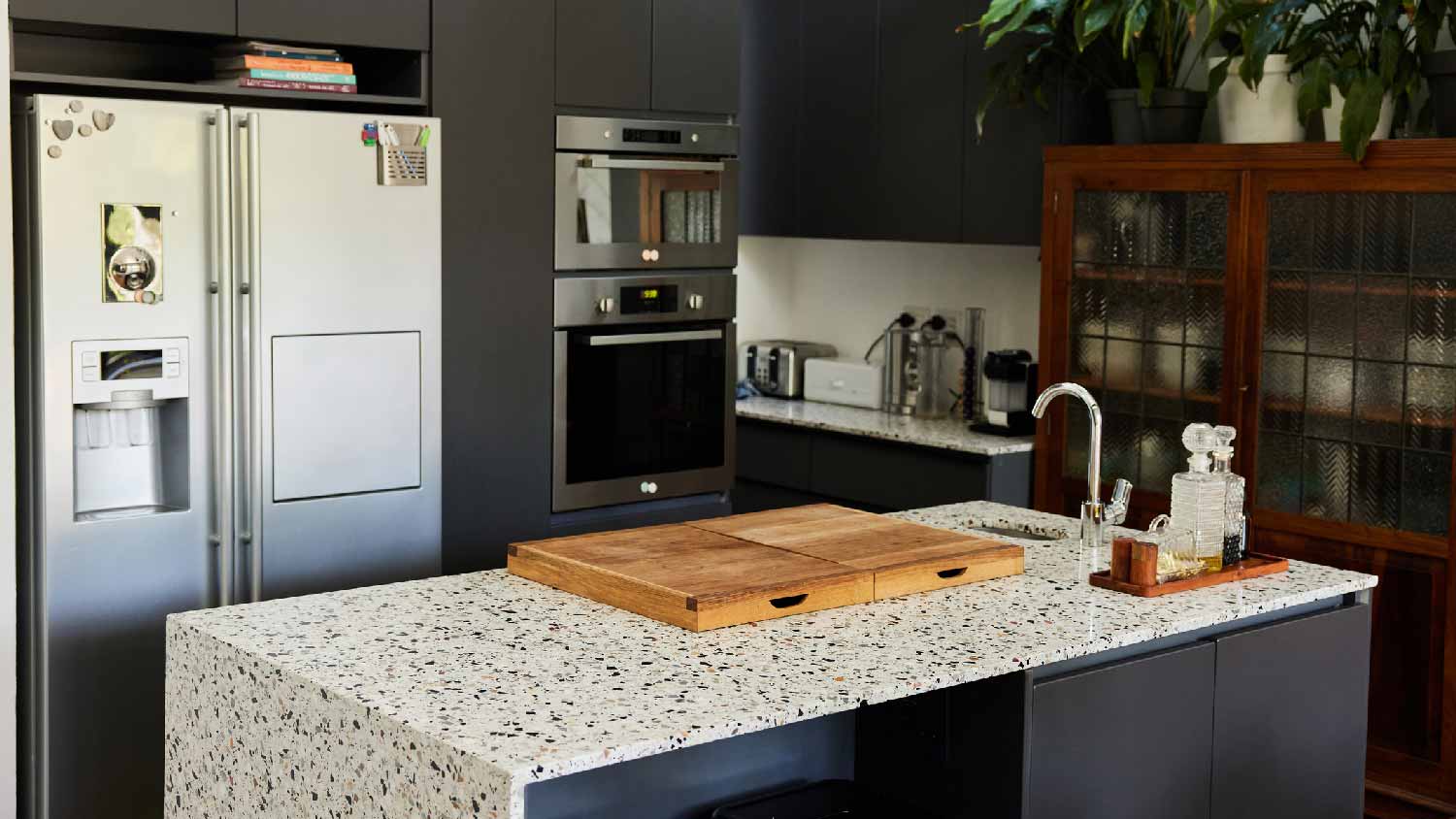
The cost of porcelain countertops is affected by many factors, primarily the material's type (tile or slab) and finish, as well as your counter’s size and shape.
For luminous counters with easy care instructions, look no further

Porcelain for countertops offers heat resistance up to 2,500 degrees Fahrenheit, letting you place hot pans directly on your counters without scorching or discoloration.
Porcelain countertops cost $50 to $120 per square foot installed, positioning them between budget options like laminate and premium materials like marble or quartz.
Your porcelain countertops resist stains and water absorption, so you can skip sealing and clean them with standard household cleaners for easy maintenance.
Hiring a local countertop professional keeps installation safe and precise, especially when working with large, thin porcelain slabs that crack easily during cutting and fitting.
You may not have seen them in person yet—or realized it if you did—but porcelain countertops are growing in popularity across the United States. And that’s no surprise because they’re beautiful, durable, relatively affordable, and easy to care for. They can give you a luxury look for less and take far less upkeep and fuss than other kinds of countertop materials. However, they do have a few negatives—here, we discuss porcelain countertop pros and cons.
Porcelain—a type of pottery known for its white, almost translucent coloring and soft feel—is best known as the base of fine china. But its durability and beauty make it uniquely suited for use as a countertop material. Porcelain is made from a mix of clay, quartz, feldspar, and other natural materials and powdered stones that are ground up, mixed together, and then fired at a very high temperature, making it strong, hard, and unique looking.
After being popular in Europe for years, porcelain has just recently come to the attention of homeowners, designers, and builders in the United States. While it isn’t as popular as other countertop materials, it’s growing in popularity because it fits a niche that covers looks, price, and usability without a lot of fuss.
Who doesn’t want pretty, durable, low-maintenance kitchen countertops? And if you’ve experienced them in person, you’ll know that porcelain counters are all this and more. Here are the main upsides:
Porcelain is extremely heat resistant. It’s manufactured at temperatures over 2,500 degrees Fahrenheit, so nothing you’ll pull out of your oven or off of your stove will damage it. You can place hot pans and pots directly on it without scorching, burning, or discoloring it.
Porcelain is almost 30% harder than granite, and it’s also scratch-resistant. That means you can cut directly on it and don’t need to worry about daily wear and tear. While you still will want to protect your investment by using cutting boards, not dropping heavy items on it, and protecting its edges, you won’t need to wince if a family member doesn’t treat it with kid gloves.
Some kitchen countertops are better suited for specific households. For example, if you have children and frequent spills happen, choose a nonporous material like quartz. A countertop installer can help you decide how durable the counter needs to be for your kitchen.

All you’ll need to do is wipe off your porcelain counters to keep them clean. Because they aren’t porous and are stain-resistant, you won’t need to seal them or take special care to prevent damage. You can even use traditional household cleansers on them, and you won’t need to worry about exposure to acids or harsher chemicals. Skip the abrasive cloths and harsh cleaners to take extra care, though.
When you spill or slosh water and other liquids on some countertops, you need to wipe them off right away or risk stains or damage. With porcelain, that’s not a problem. It has a miniscule absorption rate, meaning it’s virtually impervious to liquids.
Porcelain counters won’t discolor or fade when exposed to sunlight, unlike quartz and other types of natural stone. This means you can install it directly beneath windows and never have to worry about closing your curtains.
Pure white is pretty, but with porcelain, you have dozens of colors and patterns to choose from. Because it’s engineered, manufacturers can add natural pigments and glazes during fabrication, meaning that you can customize the color and patterns. From solid colors to patterns that mimic natural stone like marble or quartz, wood grain, concrete, and even steel, the way it looks is up to you. You should make sure, though, that your slab’s manufacturer applies color throughout rather than just printing on the surface, as some early porcelain fabricators did.
Manufacturers can make slabs of any size and dimension, so you can custom-order porcelain counters that exactly fit your cabinets with no cutting required at installation.
Porcelain is a green building material. It’s manufactured from natural clay and minerals, making it sustainable and renewable, meaning that it doesn’t off-gas VOCs or harmful compounds. There’s no quarrying risk to the environment, and many porcelain countertops are made in or near the United States, so there’s less shipping involved. You can also recycle it if you ever need to replace your countertops.Cons of Porcelain Countertops

While they do get glowing reviews from some homeowners, porcelain counters aren’t the perfect fit for everyone. Here are the reasons why some people might choose a different countertop material.
If you have a tight budget, porcelain isn’t the most wallet-friendly countertop option—butcher block, laminate, and other countertop materials can be much less expensive to purchase and install. Porcelain is a newer option, and there aren’t as many fabricators as there are for other, more common countertop materials. The high-density nature of porcelain also makes it more expensive to manufacture, and full-sized slabs can be costly.
However, it is still less expensive than many types of natural stone, including quartz, marble, and granite, and the price is coming down as more companies roll out their own porcelain countertop lines.
Porcelain is durable, but it’s not invincible. Its hardness makes it brittle and inflexible, so if they’re subjected to blunt force, or you drop heavy items on them, porcelain counters can crack. These cracks can be sharp, and you will probably need to hire a professional to deal with the crack and seal it to prevent injury.

If you have very specific requirements for edge style, you should make sure it’s available in porcelain countertops. That’s because porcelain has relatively limited edge profile options, and you generally can’t get them with elaborate edgework. However, if you want a more common edge style, such as straight, apron, waterfall, square, or mitered, you’ll find porcelain slabs fitting that description.
If you crack or chip your granite or soapstone countertops, it can be possible to have them repaired, depending on where and how extensive the damage is. That’s not the case with porcelain. If you can’t live with accidental cracks, chips, or rough edges, you’ll need to replace your counters. This can be a deal breaker if you’re, say, comparing porcelain vs. quartz countertops.
Since porcelain slabs can be bigger, thinner, and more rigid than other types of countertop materials, they can be delicate and harder to install. These qualities also mean installers need to use specialty materials to cut them to get clean seams that won’t chip or show damage, and it can be hard to get seams sealed and finished correctly. You must hire an installer who knows what they’re doing and has dealt with porcelain countertops before, and this expertise can increase the cost to install countertops.
Porcelain countertops are in the middle range of counter materials. They’re more expensive than budget options like tile, laminate, and acrylic countertops but less expensive than marble, quartz, and soapstone; they straddle the affordability line between affordable and luxury. When deciding whether you should invest in porcelain, consider your budget and the look, color, and pattern you’re after.
The amount you can expect to spend on new porcelain countertops ranges from $50 to $120 per square foot, including installation, but costs vary based on a number of factors. This is on par with other mid-range countertop options that have similar pros and cons. Consider whether local countertop installers near you have the experience to do the work and if the necessary care and expected life span are good fits for you.
However, to get a better idea of what your specific job may cost, you’ll need to price the exact material (including edge, thickness, and slab size) and whether it’s easily available in your location.
If you don’t crack under pressure, DIY porcelain countertops can cost $750 to $3,500—which is about two to three times less than professional installation. If you’re going DIY, you’ll want to go with porcelain tiles rather than a full slab, as the slabs are very thin and prone to cracking before they hit the countertop.
But, if you want to use a large slab for your porcelain countertop, hire a countertop contractor near you to help you. If your DIY installation requires any electrical or plumbing work, you’ll also want to hire a licensed pro to get the proper permits.
| Material | Stain Resistant | Heat Resistant | Durable | Ease of Maintenance | Cost |
|---|---|---|---|---|---|
| Porcelain | High | High | High | High | Mid |
| Butcher block | Low | Low | Mid | Mid | Mid |
| Concrete | Mid | High | High | Mid | High |
| Granite | Mid | High | High | High | Mid |
| Laminate | High | Low | Low | High | Low |
| Marble | Low | Low | High | Mid | High |
| Quartz | High | Mid | High | Mid | High |
Still not sure if porcelain countertops are right for you? Here’s how they compare to other popular countertop material types.
Butcher block: These wooden surfaces might not be heat-, scratch-, or stain-resistant like porcelain, but they add warmth and rustic charm perfect for farmhouse-style kitchens. Plus, with the right maintenance, like regular resealing, butcher block is long-lasting.
Concrete: A contemporary countertop adds a sleek, industrial look to modern homes. Heat-resistant and highly customizable, the cost of installing concrete countertops can be high, and they can be prone to cracks.
Granite: This is one of the most popular countertop options because it’s durable, heat-resistant, and attractive. However, the benefits of granite aren’t limitless. It isn’t easy to install and requires regular resealing to keep it looking its best.
Laminate: Stain-resistant, budget-friendly, and maintenance-free, these surfaces come in a wide variety of designs. Just don’t expect laminate countertops to last as long as stone—and invest in pot trivets to prevent heat damage.
Marble: This material offers a sophisticated, classic look with unique coloration and veining. While marble can last a lifetime, it’s costly to install, not fully scratch- or heat-resistant, and requires regular resealing.
Quartz: These non-porous, engineered stone countertops can take a beating and are ideal for high-traffic homes where you want something that lasts decades. However, the cost of installing quartz countertops is high, and they can be vulnerable to heat damage.
I had FabClean 614 clean my apartment, and she did an outstanding job. She was so professional and efficient. My apartment looks absolutely spotless every surface, every corner, all cleaned to perfection. Definitely highly recommend FabClean 614 if you're looking for top-notch cleaning...
 Fab Clean 614
Cole has been handling plumbing and general contracting for our four properties over the past three years, and he’s always done a great job. Most recently, he installed a sink and countertop in our retail store where none existed before, and it turned out exactly how we needed. He’s...
 ANB Renovations LLC
D1 Roofing delivers outstanding service from beginning to end, backed by a strong warranty and expert teams. I highly recommend them for their excellence in meeting and surpassing expectations with unmatched communication. Choosing D1 Roofing was flawless decision
 Division 1 Roofing LLC
This company is my go to resource for all my post renovation clean ups. They get the place spotless! All we have to do after is stage the place and sell, sell, sell! They are super professional and have some amazing scent that is left in every property. I highly recommend!
 The Royal Sanitation Group
I had Ace Fireplace Services install custom chimney caps for my home, and the results are stunning. They fit like a glove and have added a touch of sophistication to my chimney. I can't recommend their services enough.
 Ace Fireplace Services
Supreme Brick & Chimney did an excellent job restoring the brick and mortar joints on my home. Their team was professional, knowledgeable, and completed the work on time. I highly recommend them and will hire them again in the future! Thanks!
 Supreme brick & chimney
I recently hired Custom Paint Jobs LLC to repaint my home, and I couldnt be happier with the results. Their attention to detail and professionalism were outstanding. Highly recommended
 Custom Paint Jobs, LLC
Window Depot did an amazing job on my deck. I wasnt sure what I wanted to do, but their composite decking was affordable and will last a long time. I am excited to have family over, and I am no longer embarrassed by my backyard. Jeff and the ground crew were polite, respectful, and caring for...
 Window Depot USA of Central Ohio
If I could give 10 stars for Kitchen Tune Up, I would. I cannot say enough good things about my experience with Kitchen Tune Up and the entire team involved in the process of my kitchen project. They went above and beyond as far as service and quality with my cabinets, paint, countertops, and...
Great job...edging and pre clean up went well with a great job with seal coat. Friendly, efficient and professional.
 All Star Paving and Sealing
From average costs to expert advice, get all the answers you need to get your job done.
The cost of porcelain countertops is affected by many factors, primarily the material's type (tile or slab) and finish, as well as your counter’s size and shape.
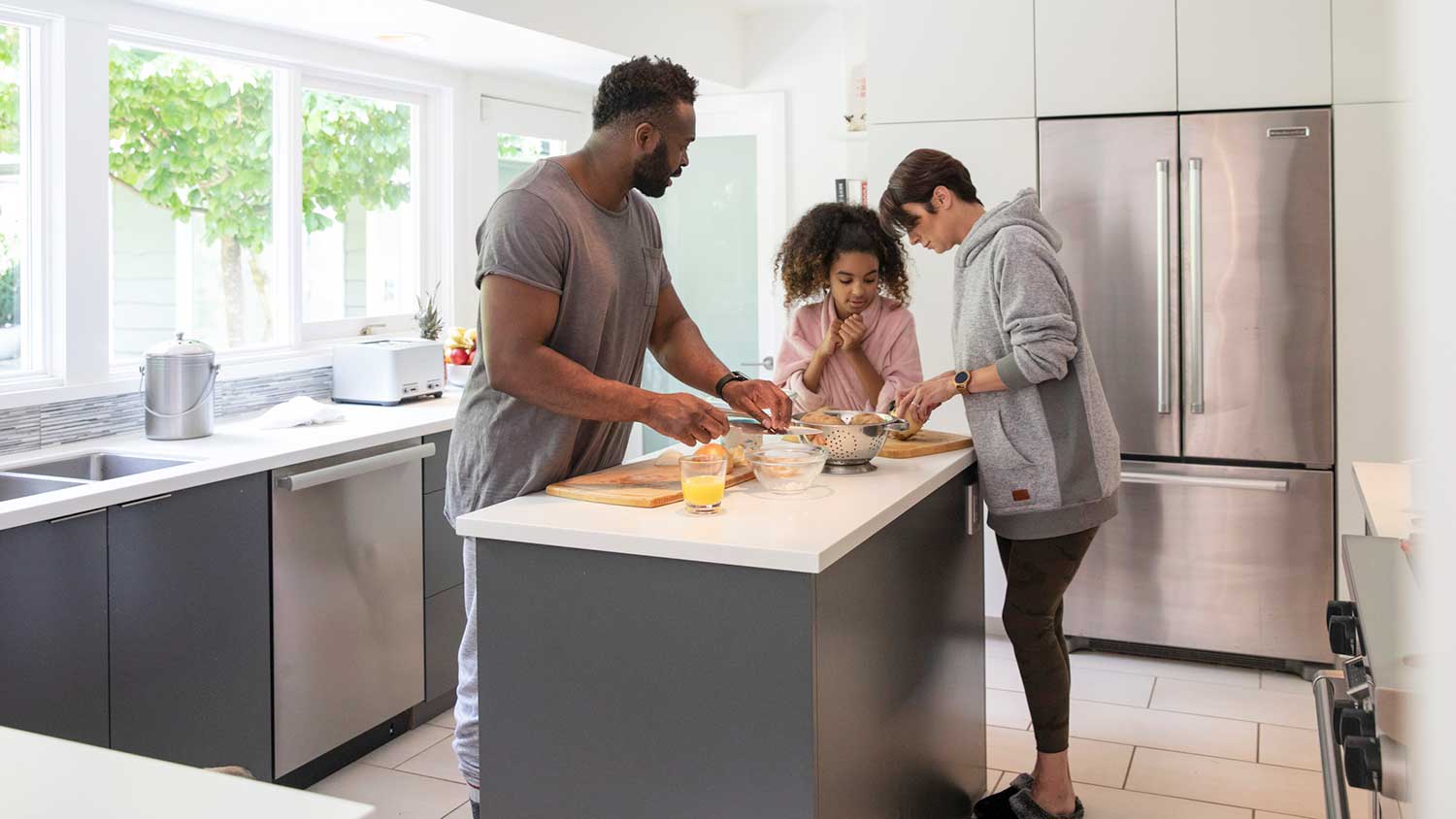
Choosing countertops is a big deal, only comparable to choosing your cabinetry. Read this guide if you are waffling between porcelain or quartz countertops.
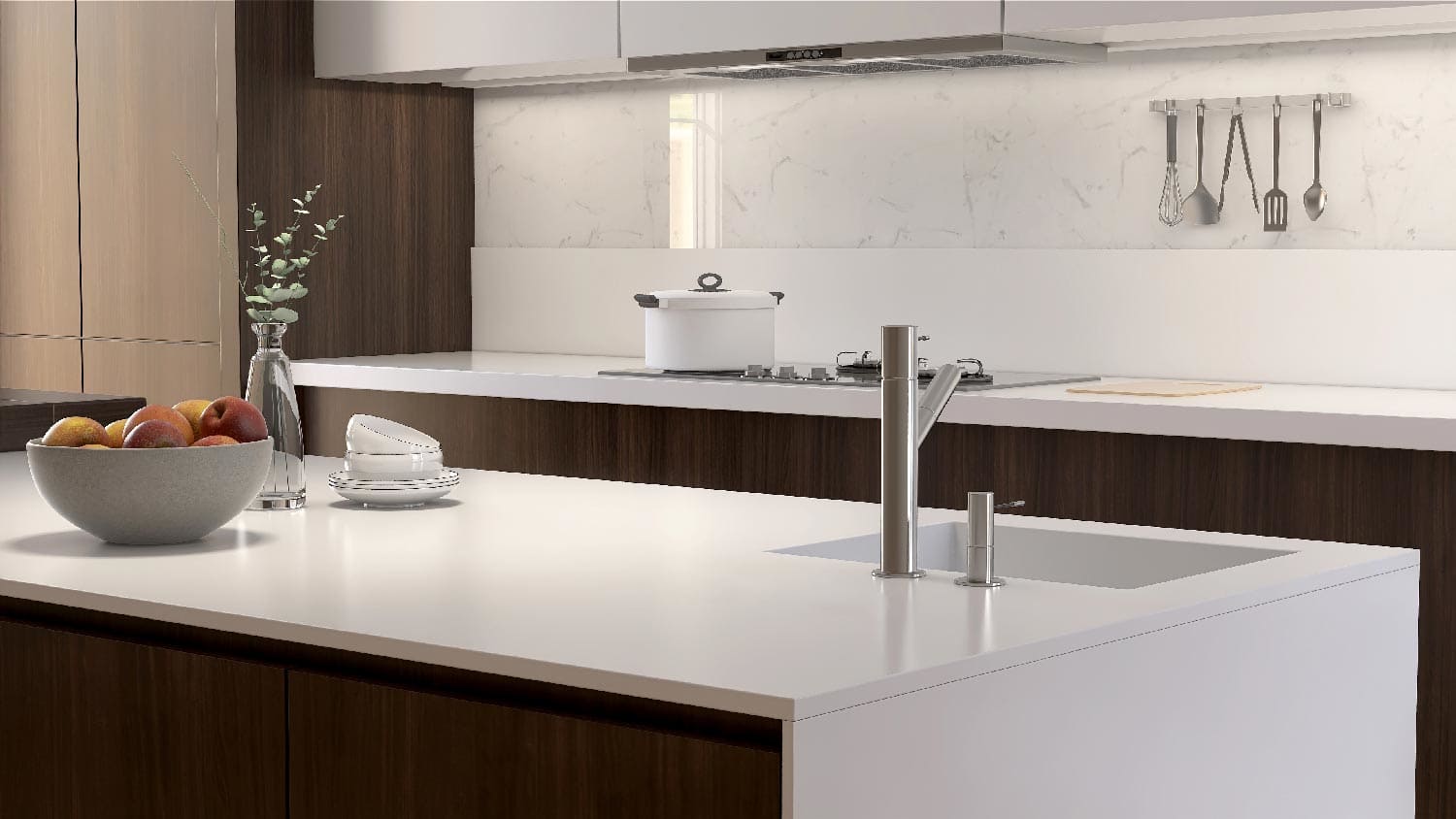
Quartz is a versatile and durable material for your countertops. But with such a high price tag, you should understand the pros and cons before investing.
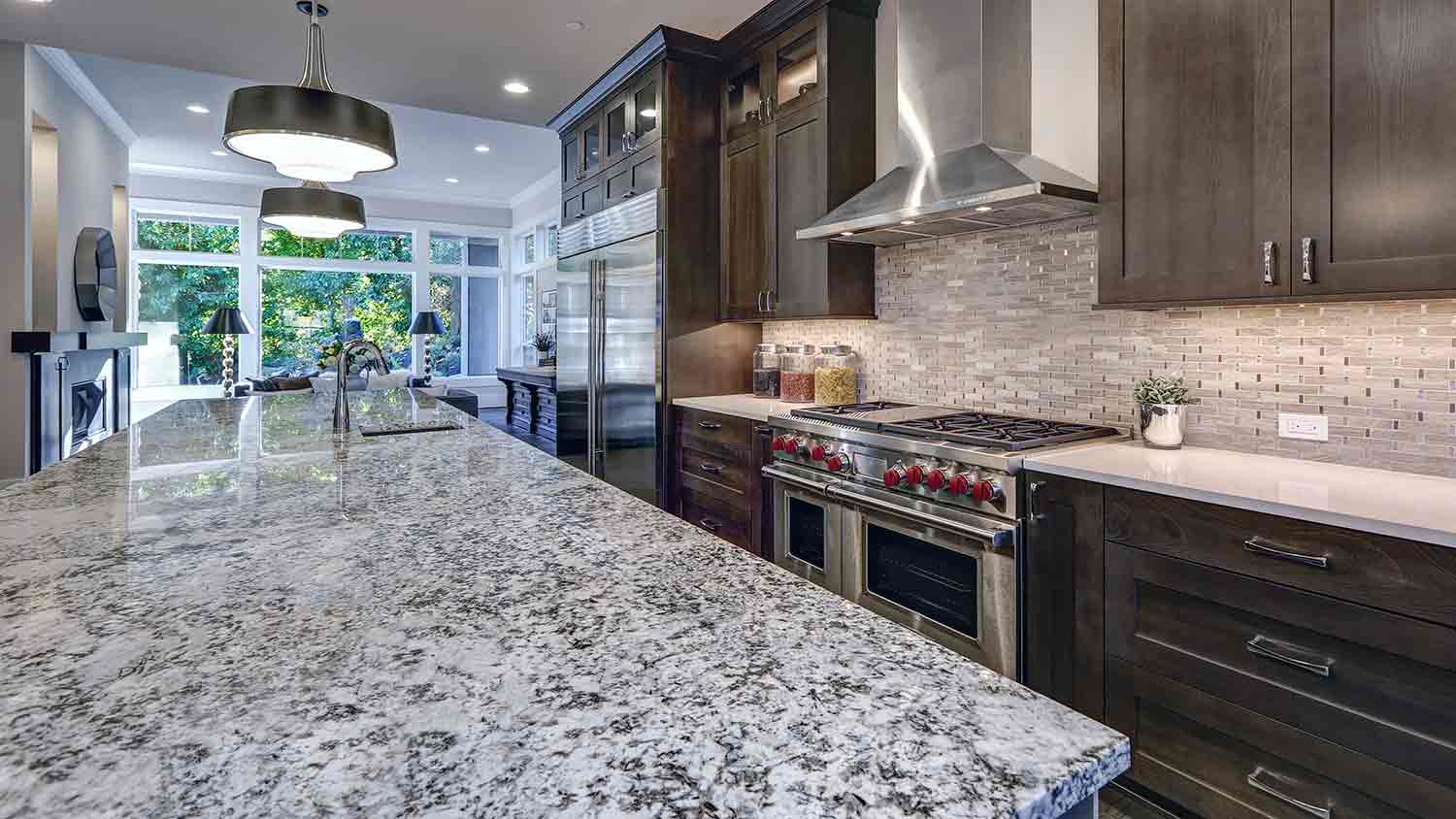
Choose between five highly rated countertop materials for your next kitchen remodel, including granite, engineered quartz, butcher block, concrete, and laminate.
Choose between five highly rated countertop materials for your next kitchen remodel, including granite, engineered quartz, butcher block, concrete, and laminate.
Choose between five highly rated countertop materials for your next kitchen remodel, including granite, engineered quartz, butcher block, concrete, and laminate.