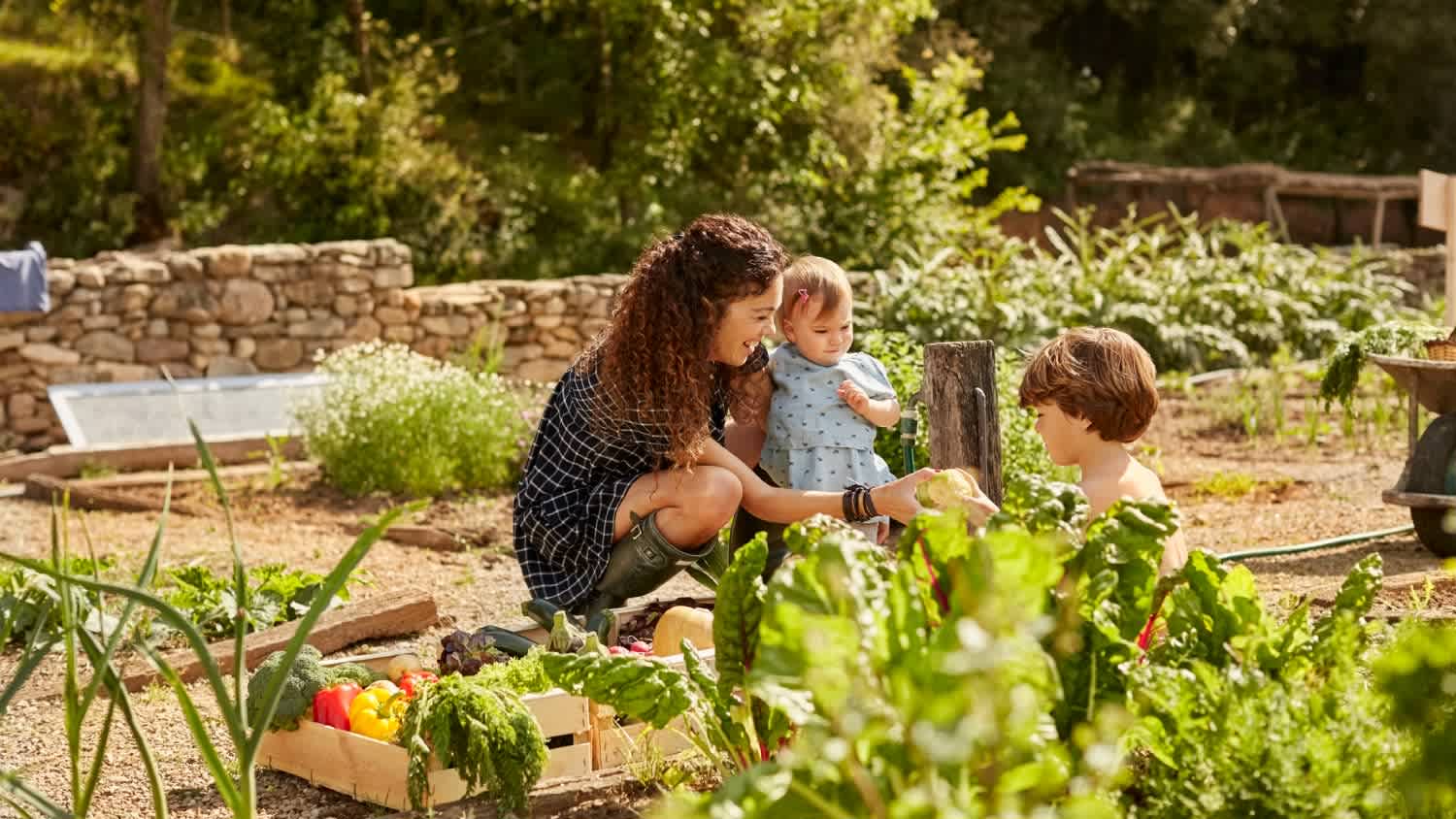
Wondering when to plant vegetables in your garden? Learn the best times to plant cool- and warm-season veggies and get tips for starting seeds indoors too.
A garden good enough to eat takes a little planning and a lot of sunshine

Vegetable garden planting needs six to eight hours of daily sunshine, level ground, wind protection, and quality soil for your seedlings to thrive.
Your vegetable garden project costs $150 to $300 for seeds, seedlings, soil, compost, fertilizer, and an optional raised bed to get started.
You need to plan your garden layout based on plant needs, prepare loamy soil with compost, and water thoroughly after planting your vegetables.
Hiring a local soil testing professional provides clear guidance on pH levels and soil adjustments, helping your vegetable garden get the right foundation from the start.
Not everyone has a green thumb, but luckily you don’t need one. The hardest part of vegetable gardening is knowing when and what to plant. With the right tricks (and a little water and sunshine), you can transform a patch of your backyard into a tiny slice of farmland.
Want to get started? This beginner’s guide will show you how to plant a vegetable garden in five simple steps.
Before you plant a vegetable garden, there are a couple of things to consider. First, you have to choose your vegetables, and then you have to plant them at the right time of year.
When you’re growing vegetables, you want to start from vegetable seeds or seedlings. Seedlings are small immature plants that have already rooted. As a result, they take less time to grow. Planting seeds means you’re basically starting from scratch. It’s more affordable, but it’ll take longer to fruit.
As far as the type of vegetables, choose something that works with your USDA Plant Hardiness Zone. Native plants require less maintenance and generally yield a better harvest (though you can still have a bountiful harvest with a non-native plant, too). You may even want to choose edible landscape plants and work them around your yard.
Different crops thrive during different times of year. The majority of crops should be sown sometime in spring and harvested in summer (though veggies like parsnips and beetroot may take longer to grow).
Some cold-hardy crops (like broccoli, kale, potatoes, and winter cabbage) are frost tolerant, and you can plant them in early spring (for a summer harvest) or late summer and early fall (for a fall or winter harvest).
If you’re not sure which to choose for your vegetable garden, a local gardener can help.
Beets
Broccoli
Cabbage
Carrots
Lettuce
Onions
Peas
Radishes
Spinach
Turnips
Beans
Cucumbers
Eggplants
Peppers
Tomatoes
Squash
Okra
Sweet potato
Zucchini
Corn


Though the specifics vary, most vegetables need six to eight hours of daily sunshine. Choose a spot for your vegetable patch or raised bed that’s:
Level
Shielded from the wind
Receives adequate sunshine (per the directions on the seed packet or nursery card).
If you’re not building a raised bed and bringing in your own garden soil, you should choose an area of your yard with the best soil quality.
Once you choose your location, you need to plan your vegetable garden layout. Many people prefer to create a raised bed garden when growing vegetables because it has a crisp look and allows you to use better soil. This is particularly true for homeowners with chalk or clay soil.
Of course, a raised bed garden isn’t the only option. You can create a vertical vegetable garden in less than an hour using stacked planters. You may just want a typical garden bed with a trellis. How to lay out a vegetable garden depends on the type of veggies you want to grow.
For example:
Certain beans thrive on a trellis
Chilies and other small peppers grow well in containers
Pumpkins need space to vine
Tomatoes don’t grow well mixed with corn
Knowing the needs of your plant takes a little research, but once you figure out what your seedlings need, draw your vegetable garden layout on a piece of paper. You should always plant veggies in small groups to prevent the spread of disease.
The ideal soil for a vegetable garden is loamy with lots of organic matter. It should feel fluffy and moist but not saturated. You can purchase garden soil from your local garden center, which is a great option for raised beds. Rake in compost or fertilizer using a garden rake, and pull out weeds.
Before you get started, make sure to test your soil’s acidity. Most of the time, vegetable garden beds need neutral soil. A local soil testing service can help, but you may need to add to your soil to get the right pH.
You may notice that seeds and seedlings come with a set of directions. These directions will tell you the ideal depth and spacing for sowing seeds in your vegetable garden. Use this to inform your vegetable garden layout.
Dig the proper holes with a garden trowel and start planting your veggies. Some plants may need a stake or trellis, so install that in your garden bed, too.
Water is crucial to a healthy vegetable garden. After you plant your vegetables, thoroughly water the garden bed. You can hire a local plant watering service to help maintain a good watering schedule or you can water whenever the first inch of your raised bed garden is dry.
Many people think vegetable gardening is a fulfilling hobby. There’s nothing like biting into a salad you grew on your own—but starting is the hardest part. It can take some trial and error.
If you don’t have the patience, you can hire a local gardener to get you started and give you some easy landscaping ideas. It’s easier to maintain a garden you know is set up for success than to start from square one.
Custom Paint Jobs LLC made our home feel like a piece of art. Thank you for your creativity!
 Custom Paint Jobs, LLC
Window Depot did an amazing job on my deck. I wasnt sure what I wanted to do, but their composite decking was affordable and will last a long time. I am excited to have family over, and I am no longer embarrassed by my backyard. Jeff and the ground crew were polite, respectful, and caring for...
 Window Depot USA of Central Ohio
First of all, the gentleman I dealt with (Cam?) was very responsive to my many questions and concerns throughout the project, which is a huge plus to me. From the first time I met him for the estimate all the way til the completion of the job, he and his crew were professional and respectful....
 All Star Paving and Sealing
We had a 20+ year old landscape lighting system that needed replacement. Midwest Lightscapes worked with us to design a much improved lighting system, lighting the exterior of the house and the back yard. Installation of the 45 light system took one and one-half days, and went very smoothly....
 Midwest Lightscapes
Another great success for me on home advisor. This company did an awesome job on my landscaping and stayed within my budget. The best part, the work was complete within 2 days of my initial request. Professional and responsive. I highly recommend!
 Blue Ring Residential Services, LLC
The company no showed on me twice. The 2nd time was no call no show. They were responsive to set up the first appointment to perform the "landscape cleanup". 3 hours after their initial scheduled appointment time they called me to let me know they had some "problem" with the truck and their...
 Ruby Home and Hauling Services
Received ideas for future landscape plans...quote to do the work seemed a bit high but I did not have any other quotes to compare it to, so perhaps that is the going rates. <br />
 Landscapes By Terra, Inc
All around they have done a really great job. <br /> I have used JL Landscapes for the past 8 years. I own and operate my own commercial/residential real estate company where we own, operate, and maintain our own properties. JL Landscapes has been our exclusive landscaper for both our...
 J.L. Landscapes
Bought a half a cord of firewood from Pitzer with stacking last month. I waited to report so I could see how the wood burned. <br /> <br /> I have three pet peeves regarding landscapers, but Pitzer scored "A"s regarding all three. First, rather than having customers "leave a message" and...
 Pitzer Landscaping
I left a message on Sunday requesting to schedule a time to obtain an estimate/walk-through and received a return call in the morning of the following Monday. Mark worked with me and agreed to schedule the estimate/walk-through for the following Saturday. When Mark arrived for the...
From average costs to expert advice, get all the answers you need to get your job done.
Wondering when to plant vegetables in your garden? Learn the best times to plant cool- and warm-season veggies and get tips for starting seeds indoors too.
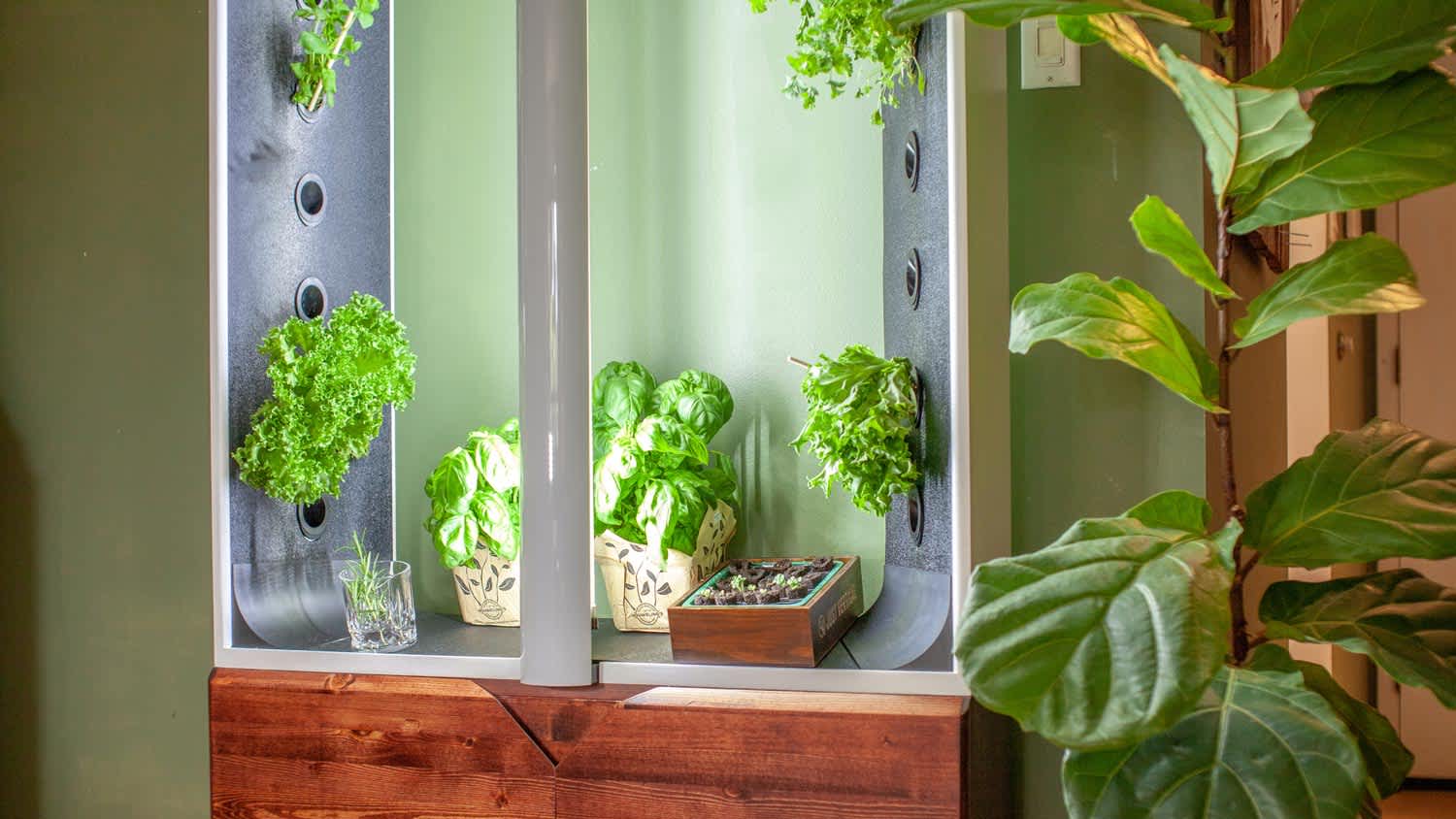
If you don’t have room to grow veggies, look up. These 12 DIY vertical vegetable garden ideas will transform your balcony into a little slice of farmland.
Get the vegetable garden of your dreams. You’ll need a raised bed, perfect soil, a few garden ideas, and these tips for a beautiful backyard garden.
If you started gardening during the pandemic, now's the perfect time to build on that foundation and turn your garden into a bountiful food source for you and your family.
Learning how to plan a perennial garden can transform your yard into a dream escape that comes back year after year. These 15 tips can help you get started.
Growing a veggie garden is hard work, but pollinators can make the load lighter for you. Learn the benefits of common pollinators in your vegetable garden.