
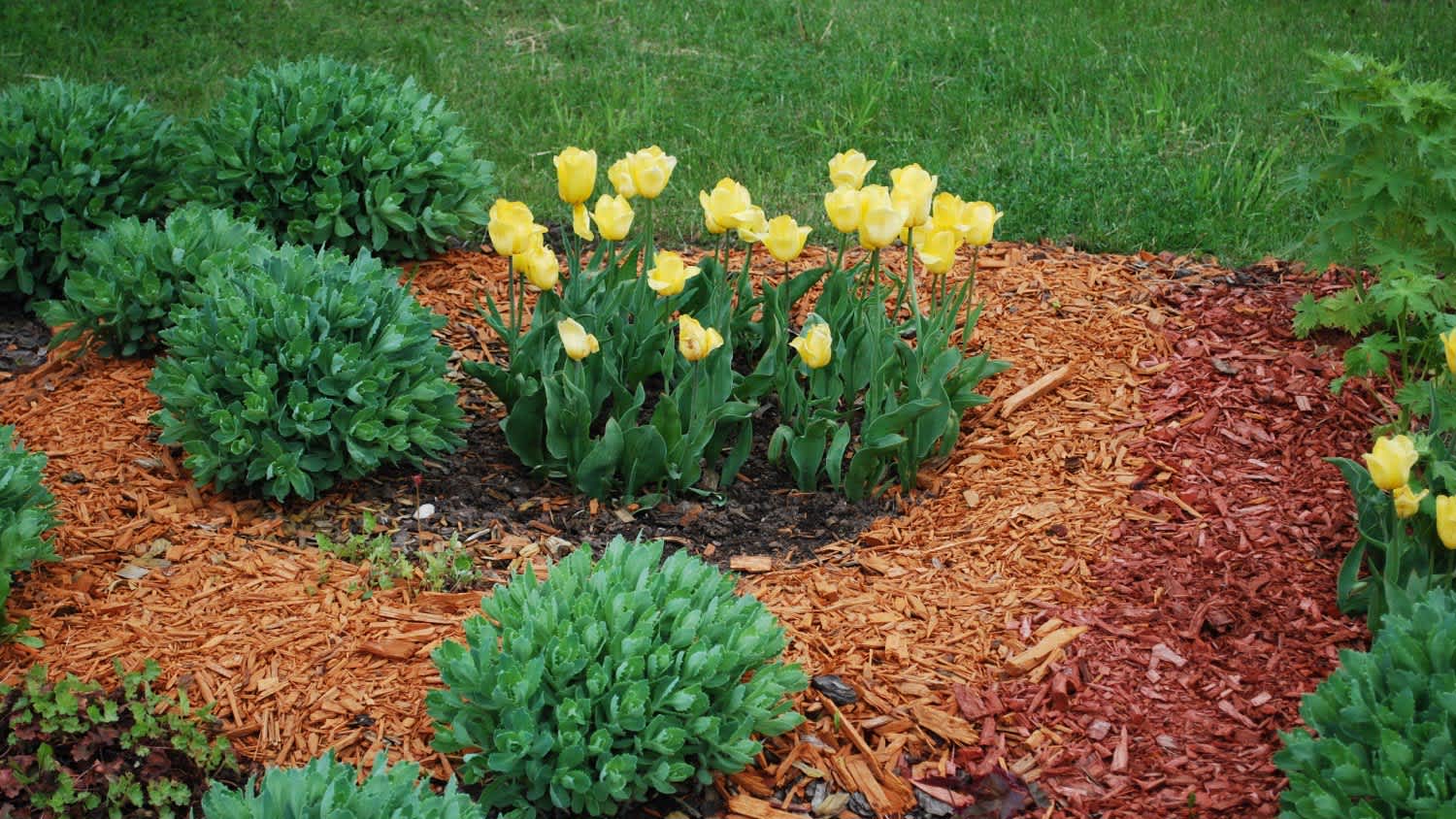
Organic mulch improves soil quality, holds in moisture, and helps plants thrive, but how does it work? Learn how mulch can improve your yard.
There’s mulch to consider between these two ground coverings

Pine straw used as mulch offers excellent erosion control and affordability, while mulch provides superior weed suppression and moisture retention for your landscape.
Pine straw costs $2.50 to $10 per bale, while mulch averages around $180 for yard application, making your choice depend on budget and coverage needs.
Pine straw breaks down faster than mulch and needs yearly replacement, while mulch lasts longer and adds more nutrients to your soil over time.
Hiring a local lawn care professional keeps your landscaping project simple, helping you choose the right ground cover and spread it evenly across your beds.
Debating whether to use pine straw or mulch in your landscaping? Mulch is the number one ally for gardens and landscapes, serving as the best defense against weeds while effectively retaining soil moisture. Pine straw, a popular type of mulch, offers several benefits over other types of mulch, but there are also several drawbacks to consider. Let’s compare the main differences between pine straw versus mulch to help you find the best option for your landscape.

Pine straw and mulch are protective ground coverings for landscapes and garden beds, but they have a few key differences. Pine straw, a natural mulch made from fallen pine needles, is known for its affordability and eco-friendliness. However, it’s very lightweight and can blow away easily, and it doesn’t provide as much nutrient enrichment to the soil as other types of mulch. Pine straw is especially useful for erosion control, making it ideal for sloped landscapes, and it’s a great option for acid-loving plants like azaleas.
Mulch, which is a broader term for a variety of soil coverings, tends to offer more benefits for moisture retention and weed suppression, as it’s denser than pine straw and creates a more solid barrier. While it can be more expensive and harder to spread, mulch lasts longer than pine straw and provides more nutrients to the soil as it decomposes. A local lawn care professional can help you find the best type for your landscape.

Pine straw is a type of mulch made from the dried-out discarded needles of pine trees. It’s spread around trees, shrubs, perennials, and annuals to help suppress weeds and retain moisture in the soil. Popular in wooded areas and especially in the South, pine straw offers a natural, rustic look.
| Pros | Cons |
|---|---|
| Affordable | Blows away in the wind |
| Eco-friendly | Doesn’t add many nutrients to the soil |
| Excellent erosion control | Flammable |
Best for:
Sloped or hilly landscapes
Acid-loving plants
Homeowners seeking a budget-friendly option
The affordability of pine straw is a key advantage, as it costs less than other mulches and may even be free if your property has pine trees. Pine straw costs $2.50 to $10 per bale.
Another great thing about pine straw is that it’s environmentally friendly, as it’s a natural byproduct of pine trees and you don’t need to cut down trees or process it. Pine straw is also excellent at preventing soil erosion since it interlocks as it settles.
Since it’s so lightweight, pine straw is prone to being blown around by strong winds. Additionally, it poses a fire hazard, as dry pine needles ignite quickly, so it’s a poor choice in areas prone to wildfires. It doesn’t add many nutrients to the soil as it breaks down, especially when compared to organic wood mulches.

So, what is mulch? Mulch is a material spread over the soil surface to suppress weeds, retain moisture, regulate temperature, prevent erosion, and enrich the soil. It also enhances the appearance of gardens and landscapes, adding color and providing a neat, clean look. While “mulch” is technically an umbrella term that includes pine straw, plant matter, and even rubber, most people think of wood mulch as the quintessential option.
| Pros | Cons |
|---|---|
| Excellent weed suppressant | Higher upfront cost |
| Retains soil moisture | Heavy and difficult to spread |
| Add nutrients to the soil | May not be eco-friendly |
Best for:
Decorative landscaping with customizable aesthetics
Areas needing strong weed control and moisture retention
Homeowners looking for a long-lasting solution
Mulch provides superior weed suppression by creating a dense barrier that blocks sunlight and protects against wayward seeds, reducing weed growth. Additionally, mulch is highly effective in retaining soil moisture, which is especially beneficial if you’re learning how to mulch around a tree, as moisture retention is crucial (especially for younger and freshly planted trees). Mulch is also highly customizable and available in various types, colors, and textures.
Mulch can be a more expensive option compared to pine straw—the average cost to mulch your yard is $180. Additionally, mulch is heavier and more challenging to transport, lift, and spread. Lastly, mulches that are processed with heavy machinery or not made from sustainably sourced materials are not eco-friendly.
Let’s take a look at a side-by-side comparison of pine straw and mulch.
The loose texture of pine straw makes it much less effective as a weed barrier, requiring a much thicker layer to make a significant difference. Other types of mulch offer a denser covering, which is much better at weed prevention.
Pine straw holds some moisture, but it’s less effective than other types of mulch, as it doesn’t absorb much water and lacks density. Its loose structure allows air to flow through, causing moisture in the soil to evaporate more quickly. In comparison, wood mulches have a denser covering and provide a much better barrier for retaining moisture, making them one of the best mulches for trees.
Pine straw doesn’t add much to the soil in terms of fertilization. In fact, the acidity of pine needles can negatively impact soil that already has high acidity or plants that are sensitive to acidic soil. However, as pine needles start decomposing when they fall, much of that acidity is neutralized and won’t make a huge difference in the soil’s pH. In any case, wood mulch will add more nutrients to the soil as it breaks down.
Pine straw is an excellent option for reducing soil erosion. It interlocks well and stays in place better than some mulches, making it a good choice for areas with runoff or slopes.
Choosing which aesthetic you prefer between pine straw versus mulch comes down to personal preference. Pine straw offers a rustic, earthy look that makes it a favorite for landscaping in natural or woodland settings; however, some gardeners find its look messy and unsightly. Other types of mulches offer more color and textures, so there is a high potential to find a look you prefer.
Mulch outlasts pine straw due to its slower decomposition rate, requiring less frequent replacement and making it a more durable choice for long-term landscaping.
Pine straw degrades faster than other mulches, requiring replacement at least once per year. Most wood mulches will last well beyond a year before they fully break down and need to be replaced.
Pine straw is the more budget-friendly choice for homeowners, especially for large-scale landscaping projects. Plus, if you have pine trees on your property and know how to remove pine needles from your yard, you can use these as pine straw mulch free of charge.
Pine straw is created from needles that are shed naturally by pine trees. Some wood mulches, on the other hand, require trees to be cut down and harvested. However, there are also many options that are made from waste materials generated by the paper and furniture industries, so it’s still possible to opt for wood mulch and stay sustainable. Rubber mulch, a non-wood alternative, is composed of nonbiodegradable materials that can leech harmful compounds and heavy metals into the soil.
Since it’s lightweight and doesn’t make a dense cover, pine straw is much easier to spread than other types of mulch. Other mulches are significantly heavier, making them difficult to carry and spread.
While pine straw comes in multiple varieties, such as Longleaf and slash pine straw, mulch has a much larger variety of colors and textures to choose from.
Pine straw isn’t readily available everywhere. It’s most common in the southern U.S., particularly in states like Georgia and Florida. In other regions, it may be harder to find.
D1 Roofing delivers outstanding service from beginning to end, backed by a strong warranty and expert teams. I highly recommend them for their excellence in meeting and surpassing expectations with unmatched communication. Choosing D1 Roofing was flawless decision
 Division 1 Roofing LLC
We had our houses windows and back door replace this summer by Window Depot USA of Central. He gave us grate advise and saved my family lots money. The team did a fantastic job with installation. If you need help, they sure get job done right!
 Window Depot USA of Central Ohio
Wonderful. I am going to have them remove and replace my driveway in the spring.
 All Star Paving and Sealing
We were having 2”x 2” tile installed . There was a small installation error and the new additional replacement tile was from a different lot and the colors didn’t match. Joe assured us that he would rectify everything , which he did without hesitation. We decided to go with the 18” x 36” tile...
 CarifaTile
We had a 20+ year old landscape lighting system that needed replacement. Midwest Lightscapes worked with us to design a much improved lighting system, lighting the exterior of the house and the back yard. Installation of the 45 light system took one and one-half days, and went very smoothly....
 Midwest Lightscapes
Did an amazing job transforming my yard. Also installed sod in places, would recommend to everyone.
 Cardinal Landscaping & Construction LLC
They show up and they did take us on as a client which seems to be a problem with other lawn care providers. We have multiple properties and this one was located close to downtown and no one really wants to mess with it.
The worker came out when he was supposed to come. He informed me he would honor the Angie's List deal, but would not do any more work for me since my son in law owns lawn care company as well, even though they do not do the same type of work. He said he did not feel comfortable giving me...
 Bello Giardino LLC
E & L Lawn Care was super. They were very responsive before and after service. They were efficient and were able to complete the job within 1 day. I have had concern about one section of sod - the owner was pro-active and did a visit to evaluate. I have no doubt they will stand behind...
 E&L lawn care
From average costs to expert advice, get all the answers you need to get your job done.
Organic mulch improves soil quality, holds in moisture, and helps plants thrive, but how does it work? Learn how mulch can improve your yard.
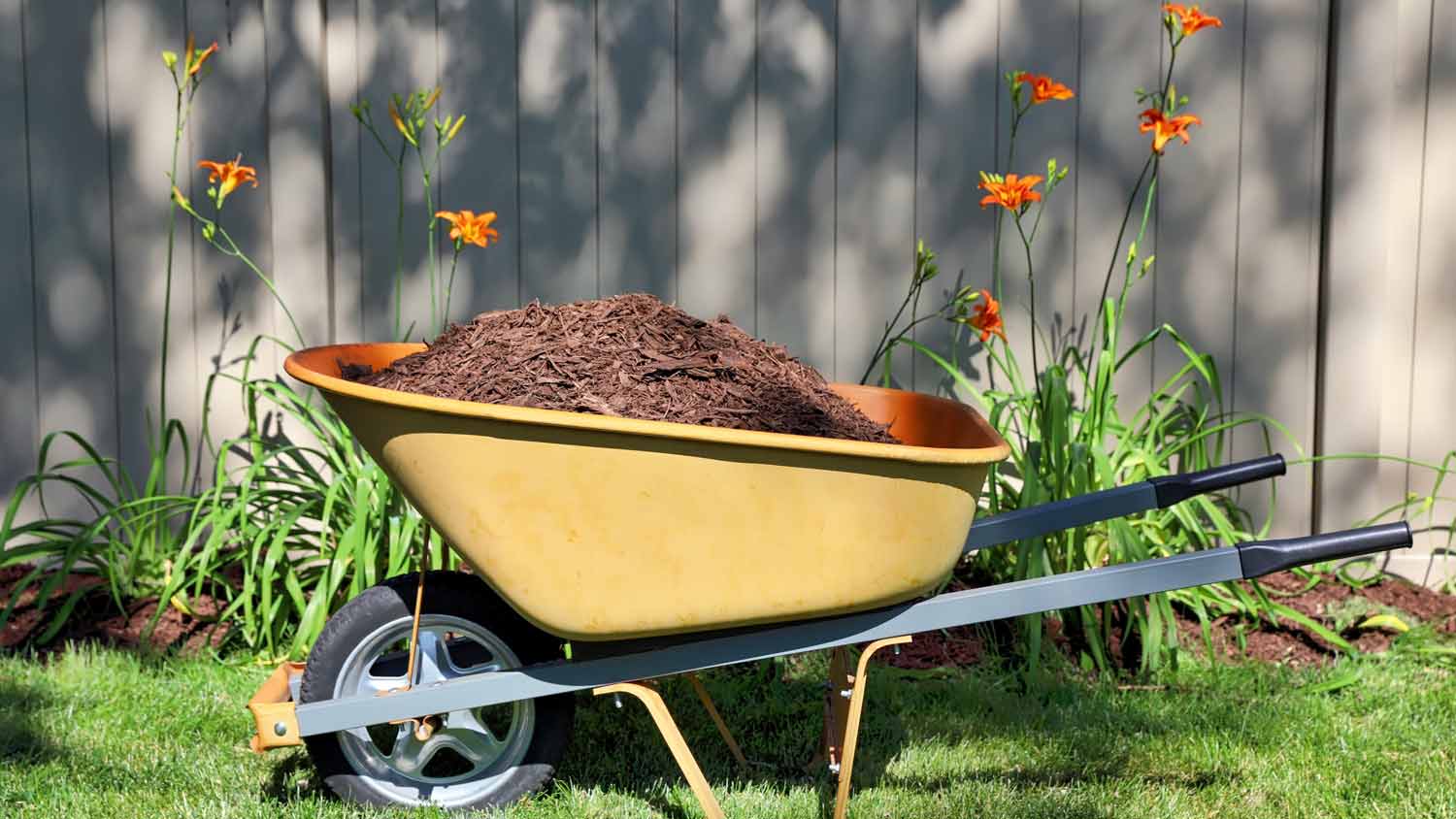
What’s the debate between wood chips vs. mulch? Wood chips are pieces or shredded wood from the interior of a tree trunk, while mulch can be made from a variety of materials.
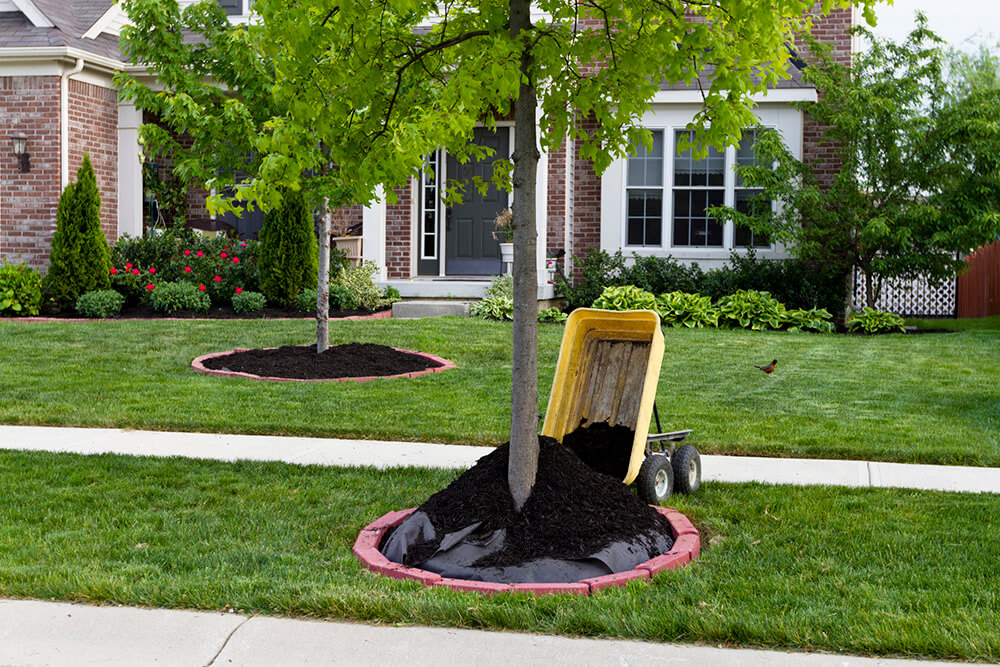
Making mulch for your garden does not have to be complicated. Find out how to make mulch using six different materials here.
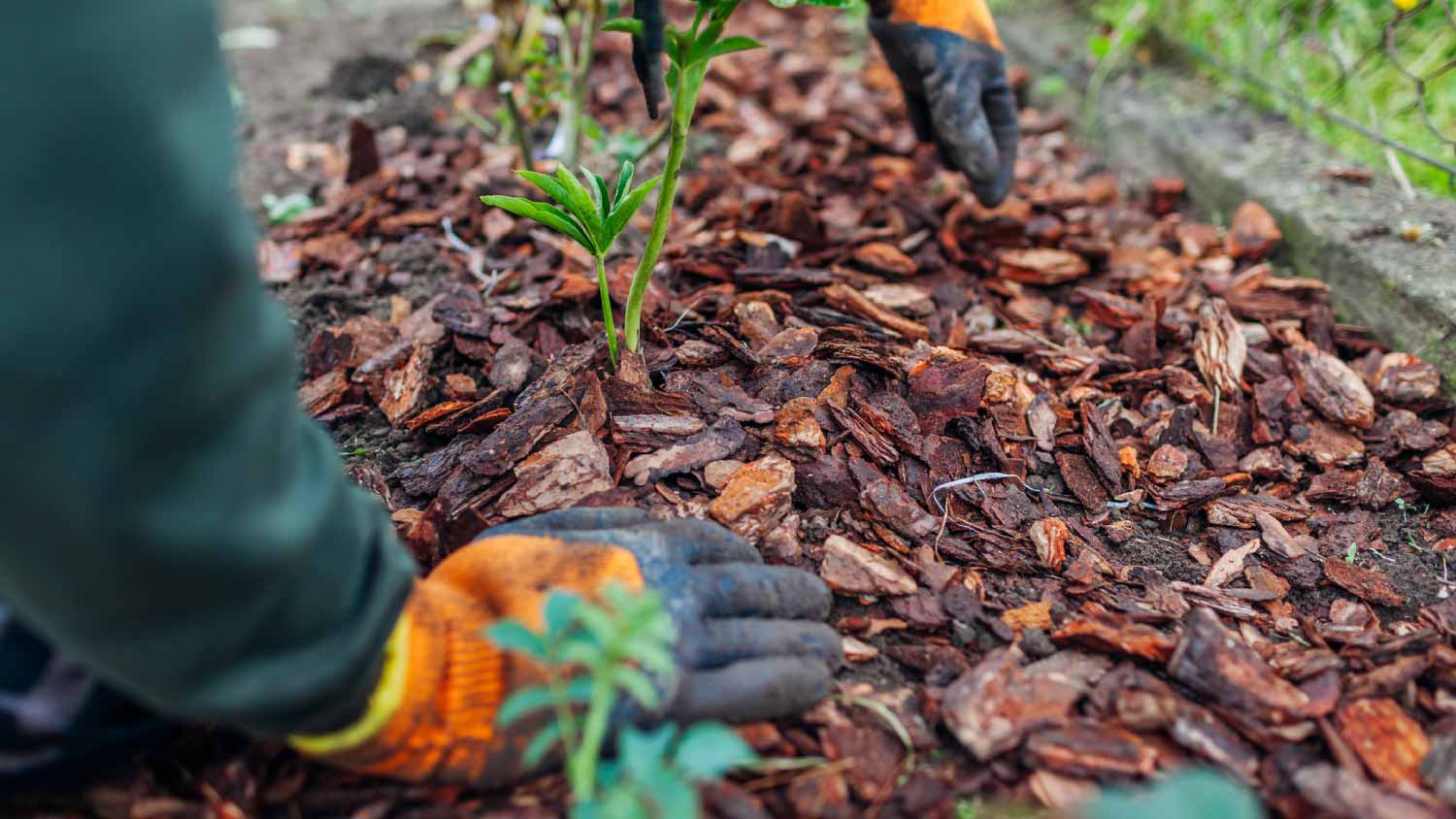
Bark and mulch are materials that can beautify your yard and boost its health. Compare bark vs. mulch to decide which one is right for your lawn.
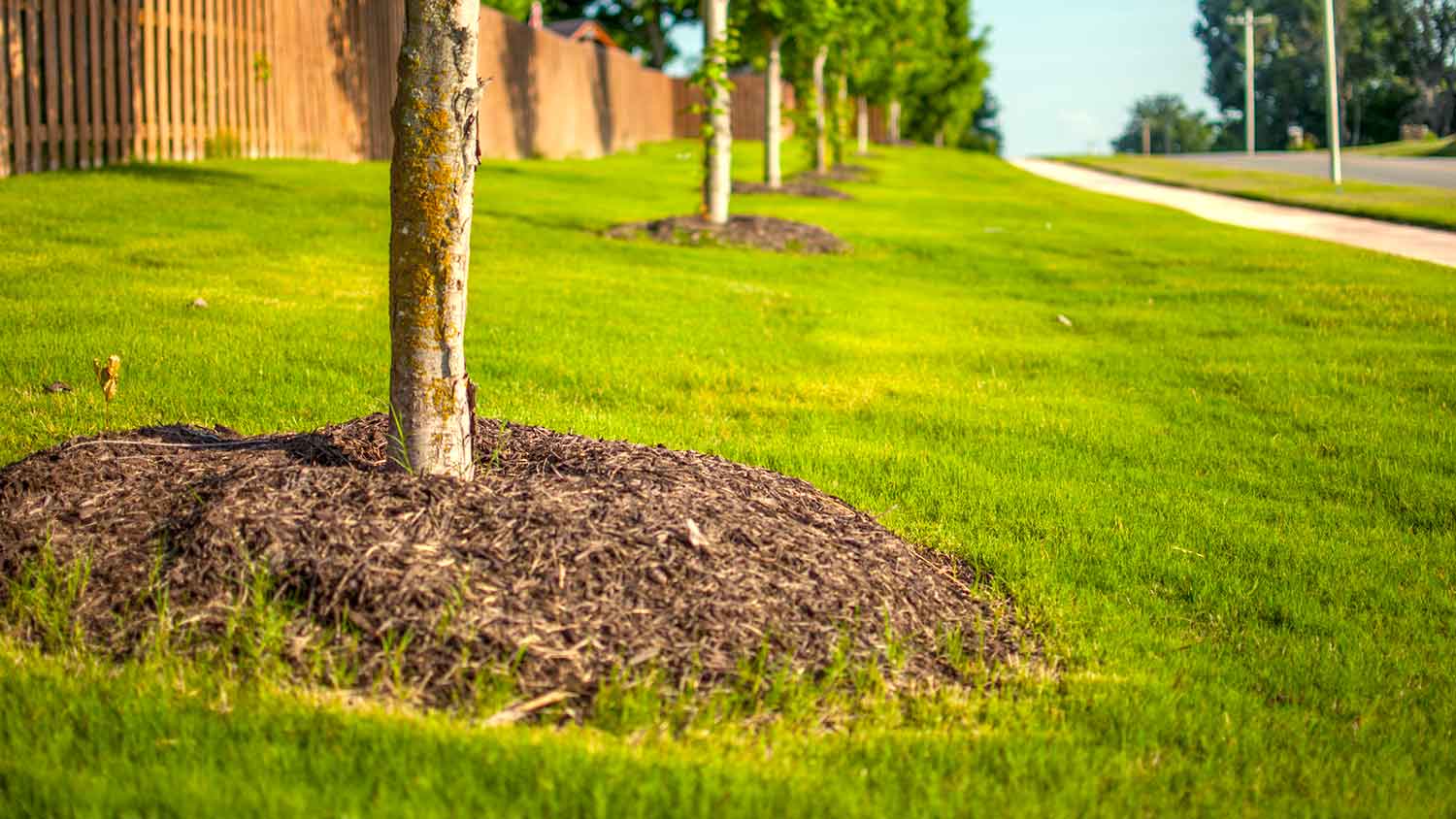
The best mulch for trees depends on your climate and the soil conditions in your yard. Our guide can help you determine what mulch to use for strong, healthy trees.
When deciding between a cedar vs. pine fence, both options have pros and cons. Each wood type has its own price point, appearance, and longevity. Let’s explore.