
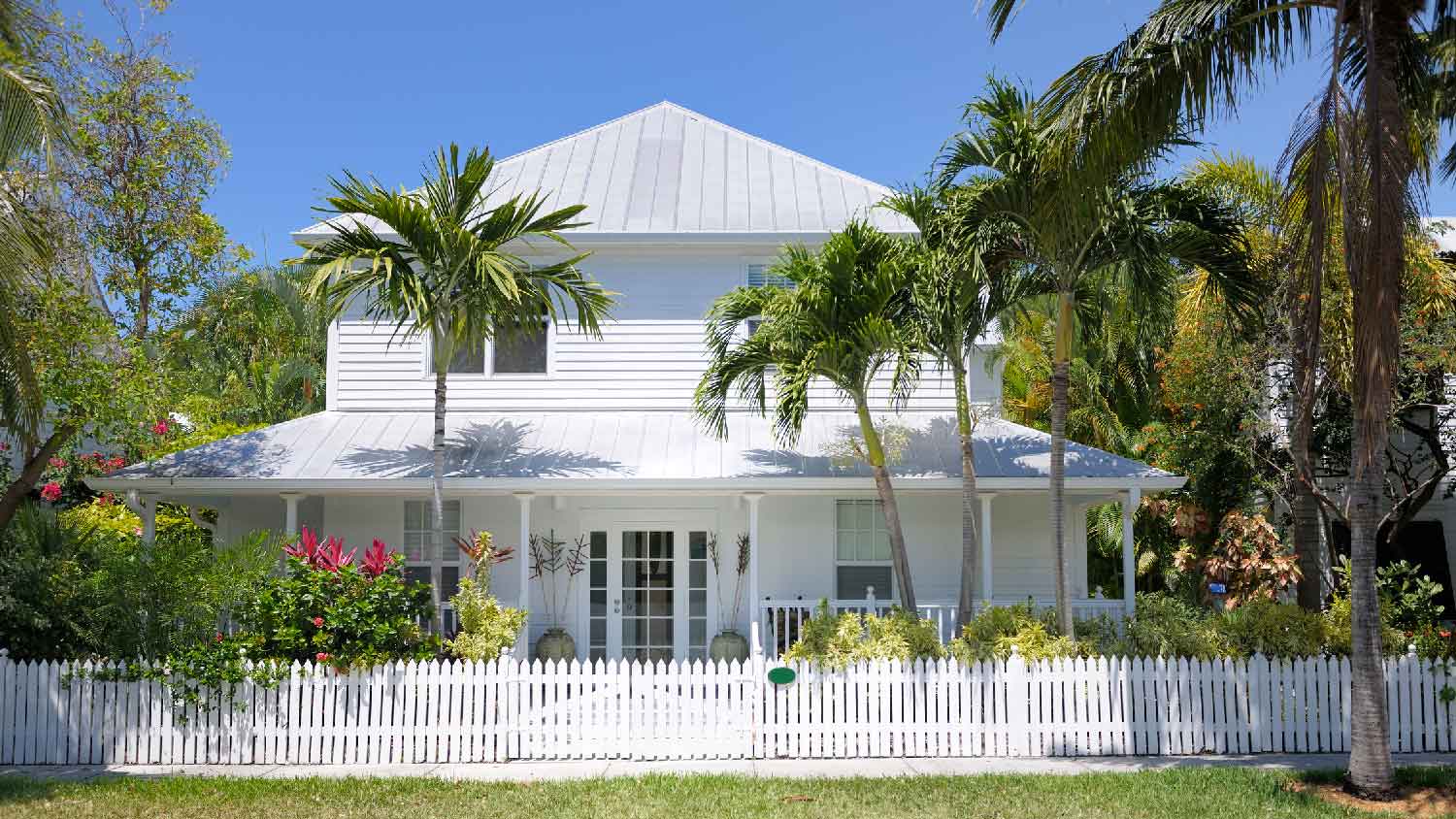
How much does a palm tree cost? The answer depends on the type of tree, its size, and other factors. Find out how much a new palm tree costs.
Every coconut tree is a palm but not every palm is a coconut tree

Coconut trees are a specific type of palm tree in the Arecaceae family, while your palm tree could be any of over 2,600 species.
Coconut palms thrive only in warm coastal tropics with steady humidity, while other palms adapt to deserts, rainforests, and even your indoor spaces.
Your coconut tree yields 50 to 200 coconuts yearly, providing food, water, oil, and fiber, while most palms produce dates, acai, or no fruit.
Hiring a local landscaping professional helps you choose the right tree for your climate and keeps tall palms safely trimmed without expensive equipment or risk.
Palm trees and coconut trees often get mistaken for each other, and it’s not hard to see why. Both types of trees have tall, slender trunks, big fronds, and that tropical look we picture on postcards. But while every coconut tree is a palm tree, not every palm tree is a coconut. In fact, the differences between the two are striking once you learn about their leaves, trunks, climate needs, and uses.
Of the two types of trees, coconut trees are more specific. The coconut tree is a type of palm—all palm trees belong to the Arecaceae family, and the coconut tree (Cocos nucifera) is just one species in that group. Palm trees are an entire family with more than 2,600 species, ranging from tiny houseplants to towering wax palms. Some palms grow fan-shaped leaves instead of feathery ones, and their fruits vary from dates to acai berries and, of course, coconuts.

Palm trees are members of the Arecaceae family. While not every palm grows like a tree—some are shrubs, vines, or even nearly stemless—the ones we picture as “palm trees” share the same look. It’s usually a tall, straight trunk topped with a crown of big fronds, either feather-shaped or fan-shaped, depending on the species.
Palm trees are seen mostly in tropical and subtropical regions, where they’ve adapted to rainforests, coastal shorelines, and even deserts. Unlike oaks or pines that bulk up with new rings of wood and bark every year, palms' trunks don’t widen as they age.
| Pros | Cons |
|---|---|
| Distinct tropical look | Maintenance for tall palms can be expensive |
| Lives in a variety of areas | Sensitive to cold |
| Low-maintenance once established | Deep root systems can damage |
Best For:
Landscapes needing a bold, tropical look
Regions that frequently face strong winds and storms
Homeowners wanting low-maintenance trees once established
Gardeners seeking fruiting varieties like date or acai palms
Tropical appeal: Palms instantly give any yard or street a bold, exotic look. Their tall trunks and sweeping fronds stand out in a landscape, adding a touch of the tropics.
Wind tolerance: Many palm species are built to handle storms better than other trees. Their flexible trunks and fronds bend instead of breaking, which makes them a strong choice for areas that experience heavy winds.
Low maintenance: Once palms take root, they’re pretty easy to live with. They don’t need much trimming, they handle dry spells without fuss, and they keep their tidy look without much maintenance.
Taller species can get pricey: While palms are easy to care for and low-maintenance overall, the taller varieties can be expensive to maintain. Trimming palm fronds or removing heavy growth often requires professional equipment and labor, which adds up over time.
Cold sensitivity: Many palm species can’t handle frost or prolonged cold. In regions with winter freezes, palms may become damaged or die back completely, making them a risky choice outside tropical or subtropical climates.
Root and infrastructure issues: Some palm species develop deep root systems that spread widely. If planted too close to sidewalks, pipes, or other structures, these roots can cause damage underground or disrupt nearby foundations.

The coconut tree (Cocos nucifera) is a palm that sticks to warm, coastal tropics and it’s best known for one thing: coconuts. Unlike the wider palm family, this one’s easy to spot and instantly recognizable. Their long, feather-like fronds create a big crown at the top. Beyond giving off that classic beach vibe, coconut palms earn their keep by producing fruit that’s turned into food, drink, oil, and fiber.
| Pros | Cons |
|---|---|
| Year-round fruit production | Can’t handle low temperatures |
| Extremely versatile usage | Requires a lot of water |
| Wind- and salt-tolerant with coastal resilience | Limited growing range |
Best For:
Tropical coastal gardens
Areas with high year-round warmth and humidity
Growers seeking fruit production and versatility
Landscapes that face strong winds and salty air
Year-round fruit production: Mature coconut palms can yield 50 to 200 coconuts every year. That steady supply makes them one of the most productive fruit trees in tropical regions.
Versatility: Coconuts provide food, coconut water, oil, and milk, while the husks can be turned into coir for ropes and mats, and the shells into charcoal or utensils. Few trees match their all-around usefulness.
Coastal resilience: Coconut trees are naturally adapted to windy, salty environments. Their curved trunks and wide bases help them withstand storms, making them an excellent fit for tropical coastlines.
Cold sensitivity: Coconut trees can’t handle low temperatures. Once the mercury drops below 45°Farenheit, their fronds become damaged, and frost can kill the tree outright.
High water needs: They require 30 to 50 inches of rainfall annually and high humidity to stay healthy. Without it, growth slows or fruit production suffers.
Narrow growing range: Unlike other palms, coconut trees do well only in tropical and subtropical regions, which limits where they can be planted successfully.
So, which tree stands out the most? Here’s how palm trees and coconut trees stack up in different categories.
When you picture a postcard-perfect beach, it’s probably lined with coconut palms. Their tall, slim trunks and giant feather-shaped fronds create the classic tropical look. Palms in general can be showy too, but because they vary so much—from shrubby little parlor palms to massive fan palms—they don’t deliver the same iconic vibe.
Coconut trees come in two types: towering giants up to 100 feet or dwarfs closer to 16 to 30 feet. Palm trees, on the other hand, cover more than 2,600 species and can be anything from a 6-foot indoor plant to a 200-foot wax palm. If range and variety matter most, palms take the win.
Coconut palms are picky—they need steady warmth, humidity, and coastal conditions to survive. Palms in general are much more flexible, thriving in deserts, rainforests, wetlands, and even as houseplants. For anyone outside the tropics, palms offer more options.
Coconut palms are incredibly valuable for what they produce. Coconuts give us water, milk, oil, sugar, coir fiber, and even charcoal. While other palms provide useful products like dates, acai berries, or wax, none match the sheer range of uses from a single fruit.
Coconut palms are built for coastal living. Their wide bases and flexible trunks keep them standing through storms, and their salt tolerance lets them thrive where other trees fail. Many palms are sturdy, but coconuts are especially tough in windy, exposed spots.
Coconut palms may be durable, but they’re also demanding. They need the right climate, steady care, and professional attention from an arborist or landscaper in your area if they grow tall enough to make trimming dangerous.
Palms as a group are generally easier once established, with many species needing minimal pruning and less hands-on work. For homeowners who’d rather not spend a fortune every season, non-coconut palms are the simpler choice.
This service was great. My air conditioner went out during the heat spell that we had. My husband has health issues and they came out that night and at 9:30pm the air conditioner was fixed and running. We are sooo very thankful, this is the company I will be using from now on and would...
 Mr. Mechanical Ohio
One of my old tall evergreen trees was suddenly leaning toward the busy street in front of my house. I submitted a request for an emergency tree inspection, and Alejandro, owner of Cajete Tree Service, contacted me immediately and arrived to look at it just 20 minutes later. We agreed the...
 Cajete Tree Service LLC
1 tree was cut down and 5 others including a large willow tree were trimmed. The Grant Tree Service men were professional and cleaned up afterwards. The cost of the 6 trees were affordable. I am very happy with the results. I would hire them again.
 Grants Tree Service
D1 Roofing delivers outstanding service from beginning to end, backed by a strong warranty and expert teams. I highly recommend them for their excellence in meeting and surpassing expectations with unmatched communication. Choosing D1 Roofing was flawless decision
 Division 1 Roofing LLC
Promptly arrived for quoting! Demonstrated superb customer service, affordable pricing, and completed service swiftly! Looking forward to the spring for our service!
 All Star Paving and Sealing
Seth was very professional, prompt in responding to queries about the work required , gave sincere advice as to what would be best for tree trimming and did the job timely.
Ace Fireplace Services' chimney sweep service is truly exceptional. They used advanced technology to ensure a thorough cleaning process, and my chimney has never looked better. I highly recommend their services.
 Ace Fireplace Services
I definitely recommend Ramonaâ s cleaning service! I have booked services with her many times and she arrives on time, ready to work and provides a great service.
 Your Cleaning Solutions LLC
Webb â s was priced well, flexible on scheduling, great with communication, and detailed in their work. Iâ ll definitely use their services again.
 Webbs Pressure and Paint LLC
Great tree company, very professional and honest. Glad we found them, they had the best pricing
From average costs to expert advice, get all the answers you need to get your job done.
How much does a palm tree cost? The answer depends on the type of tree, its size, and other factors. Find out how much a new palm tree costs.
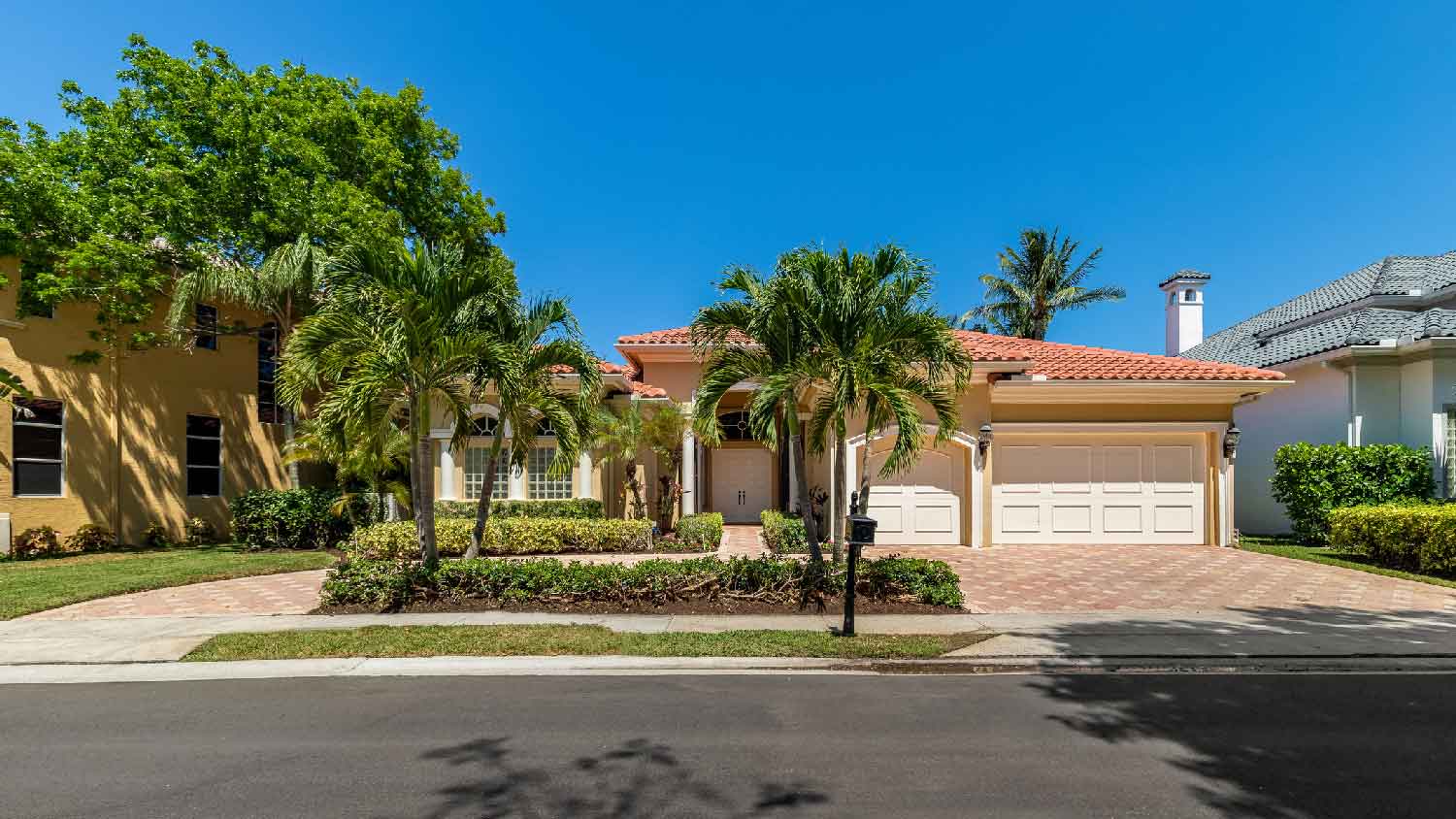
The cost to remove palm trees depends on several factors, including their size, location, and more. Our guide shows the average palm tree removal costs.
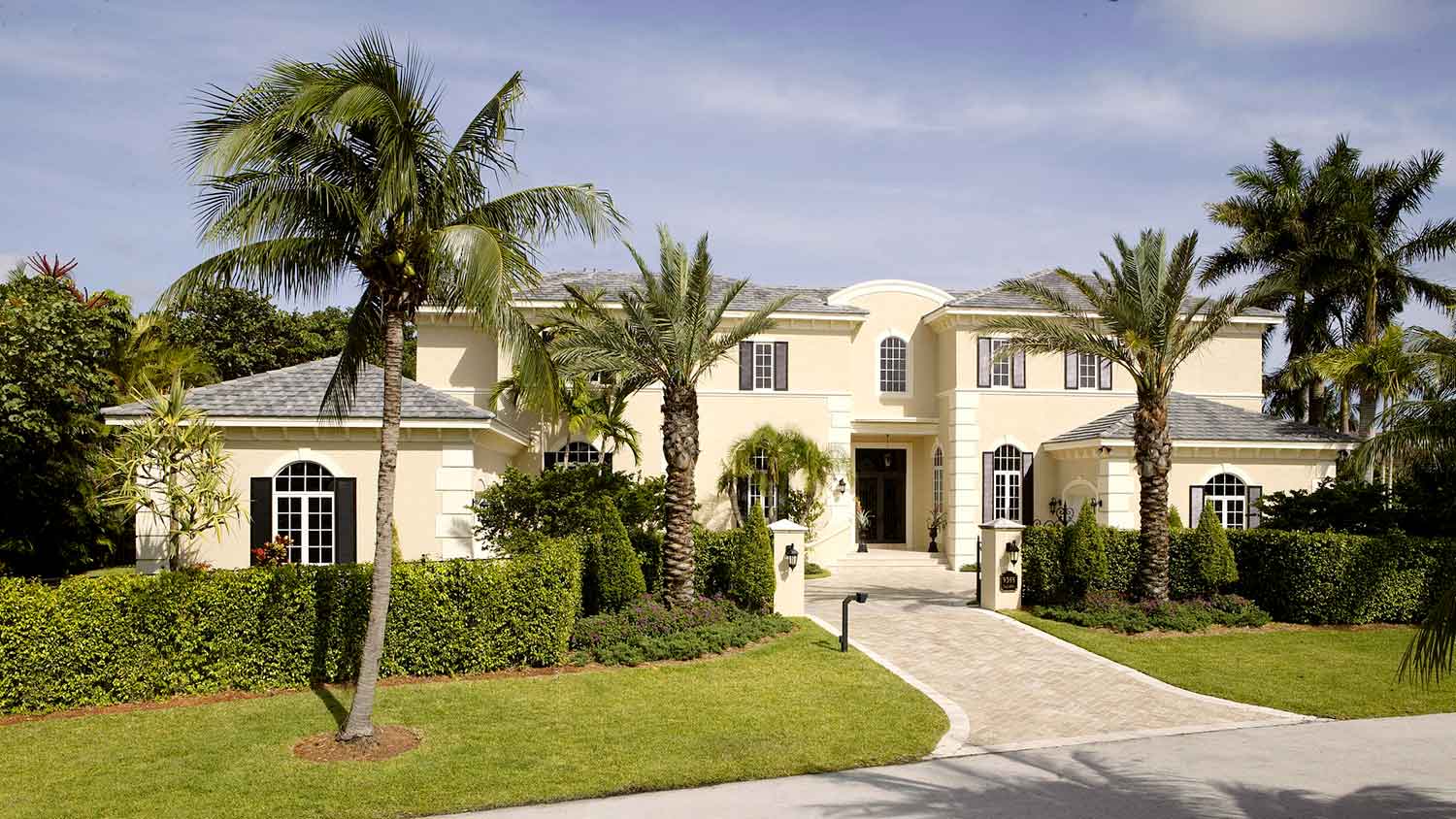
Get a clear estimate of palm tree maintenance cost, including trimming, fertilization, and pest control, so you can keep your palms healthy and your budget on track.
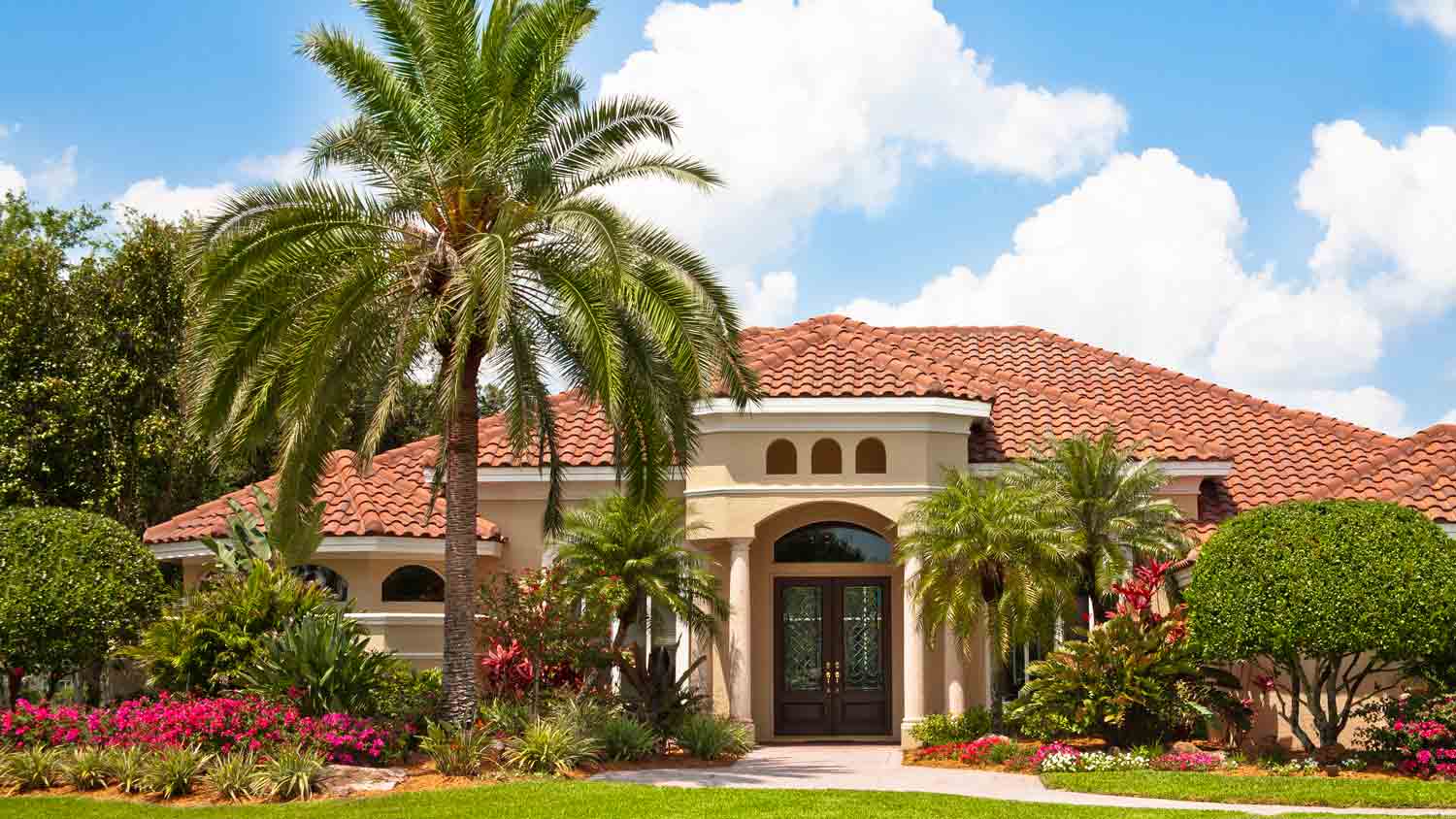
Learn how to move a palm tree while avoiding irreparable damage. Using these steps to transfer a palm tree to a new spot.
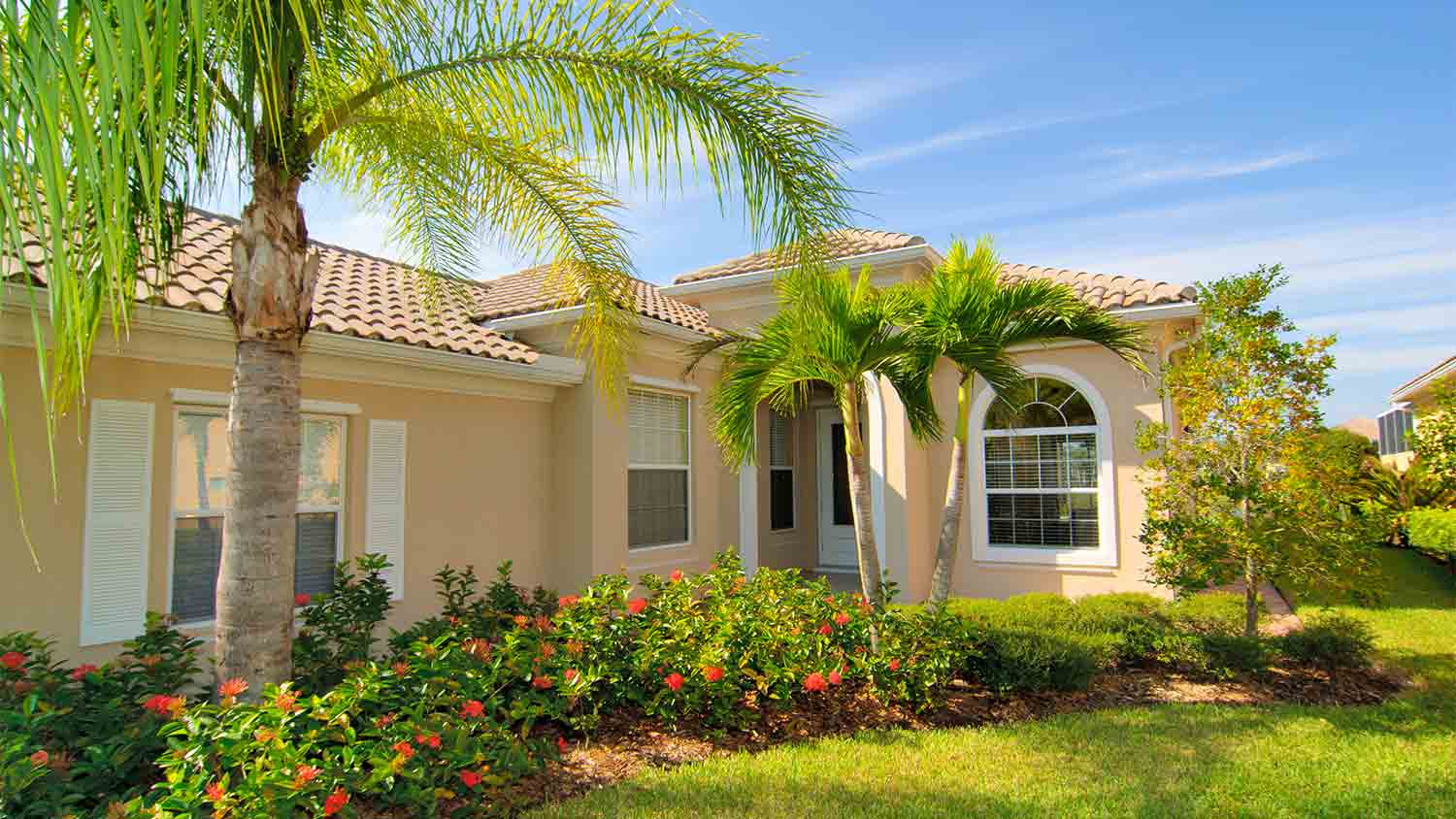
Dreaming of palm leaves swaying in the wind? If you know how to care for palm trees, a tropical escape of your very own isn’t far away.
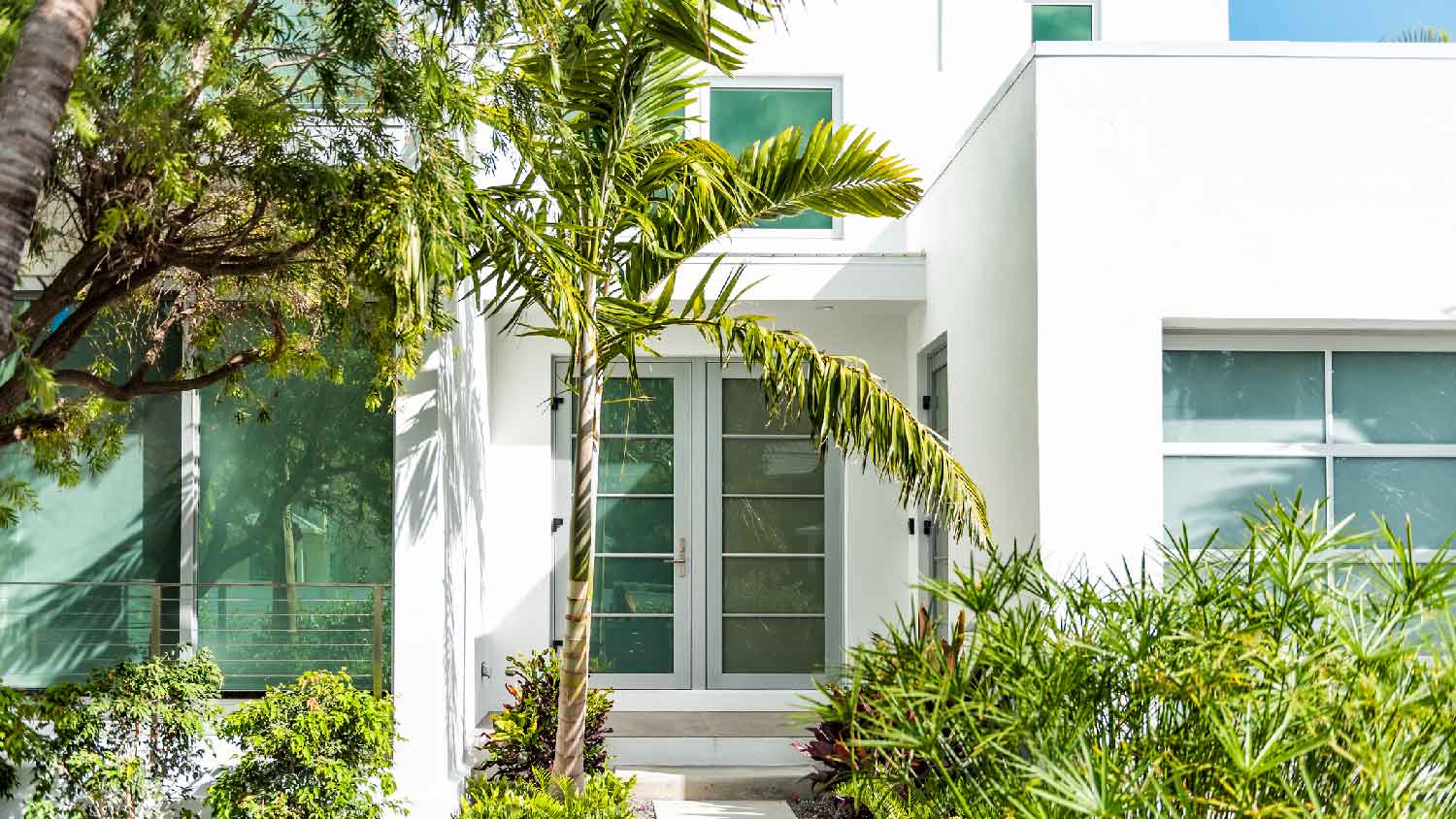
If your palm tree looks dead, there are several ways to bring it back to life. Our guide will show you what to do with a dead palm tree.