

Buying a home soon? Use our home inspection checklist for buyers to understand what the professionals are looking for when assessing your future home.
Older home red flags to look for

What a home inspector looks for in a house includes checking knob-and-tube wiring in pre-1950 homes, examining plumbing pipes, and assessing your foundation for cracks.
Home inspection costs around $350 for a thorough evaluation, so you can address concerns before buying and avoid larger expenses down the road.
When buying an older home, you should review the inspection report for asbestos, lead paint, mold, and outdated HVAC systems to plan repairs confidently.
Hiring a local home inspection professional provides reliable guidance on electrical panels, plumbing conditions, and foundation issues, helping you make informed decisions about your potential new home.
An old house can be beautiful, but there may be older appliances and damage that come with a historic house, as well. From general wear and tear to outdated building techniques, an older home can also pose safety risks that you may need to address before moving in.
A professional home inspector can take a look at a beautiful old house and find any red flags or unsafe features in your potential new home. Do some preliminary research and follow along with the professionals using our quick room-by-room checklist so you know what your inspector is looking for.
Home inspections are a good idea for any house—it’s recommended to get one done every 3–5 years. Inspections are a chance to check that everything is working well and can help catch any concerns before they become costly problems. Home inspections are also common before you buy a property to see a more detailed condition of your potential new home.
A home inspector near you will do a thorough examination of every part of the home. Old home inspections cover all the usual areas, but they also focus on a couple of features that can be common concerns in older builds.
He found many things that would have been serious trouble down the road. I am so glad I went ahead and did an inspection on this new home because I almost didn’t. It was the best $350 I ever spent!
— Esther P., National Property Inspections, Boerne, Texas
Homes built earlier than 1950 will often have something called knob-and-tube wiring, a slightly outdated type of electrical wiring. While it’s not mandatory to have this changed, lots of homeowners prefer to have new wiring that’s better regulated.
Electrical inspections will also take a look at your electrical panel, outlets, and light switches to make sure everything’s up to code. They may also look for any hot spots and discoloration that could suggest faulty wiring, and they’ll test your appliances to see how energy-efficient your system is.
An electrical inspection can:
Tell you whether you’ll need to change any wiring
Give you a sense of how much it might cost to rewire part or all of the home
Look at the electrical panel and the outlets to make sure everything’s up to code

Today, copper and PEX pipes are preferred for indoor plumbing. That’s why it’s good to get a plumbing inspection to check:
What type of pipes are in your home
Whether the pipes need to be updated to meet current safety standards
The condition of the main water line to your home
How the indoor and outdoor plumbing is installed
Whether there are any leaks or clogs in pipes
Your water quality
These checks are especially important because repairing or replacing a pipe can be costly, and water damage in the floors or foundation can create other problems later down the line.
Many old homes are built on a strong foundation, but there could be cracks under the home that are hard to see. Getting a foundation inspection is a good chance to check:
Cracks in the walls, floor, and support beams
If doors don’t close properly, which can signal a shift in your foundation
Whether there’s moisture from plumbing issues seeping in from outside
Soft spots where the floor is sagging
No matter what the source is, moisture can be a serious risk for mold, mildew, and foundation stability. The good news is if it’s found and addressed quickly, you can often seal up the source, which can prevent it from becoming a deal breaker on a new property purchase.

Many old homes don’t have air conditioning, but some may have updated AC systems, depending on the climate. Get this system checked out with an HVAC inspection that:
Tests how well the heating, cooling, and air conditioning systems work
Determines the age of the HVAC systems
Makes sure all safety mechanisms are working properly
Checks for HVAC cleanliness and maintenance
You may also need to get the central air ducts cleaned, which is often an additional cost during an HVAC inspection.
Boilers are a popular heating system for old homes and can last a very long time. Even though they’re not always pretty to look at (and usually only about 80% efficient), they may only need a quick visual inspection if the system has been well maintained.
Mold and mildew can be a problem in any home, but the age of older builds (and the potential for plumbing issues) makes it especially important in old home inspections.
A little bit of mold in spaces like the bathroom is usually a quick fix, and may even be something you can do yourself with mold cleaner. Mold in spaces like the foundation is trickier and can be a costly repair if you have to call in a professional.
Getting a mold inspection can help assess the extent of the problem by:
Doing a thorough visual mold inspection
Checking for mold inside HVAC systems
Inspecting tough-to-reach spots like inside the walls
Assessing mold and mildew risk in damp spaces
Homes built before 1980 have a higher risk of asbestos, and those built before 1978 can have a risk of lead paint. If you’re buying a home, there’s a disclosure sheet that the previous owner fills out where they’re obligated to tell you if they know about any of these products in the home.
However, just because they haven’t disclosed it doesn’t mean asbestos and lead paint aren’t present. A qualified home inspector can check for:
Common warning signs associated with asbestos, including old insulation, textured paint, popcorn ceilings, and tiled floors
A sample of concerning materials for official asbestos testing
Old paint and places where lead paint may have been painted over
In the case that asbestos or lead paint may be in the home, you’re required to safely dispose of them when you do renovations, which is usually an added cost. Inspectors may also test for the presence of radon gas, though this isn’t unique to old homes.
It’s always worth the cost of a home inspection so you can dive into the details of your home before you make a purchase, but you can save yourself some money by doing a preliminary inspection yourself. Having an old home inspection checklist can help you ask the right questions when you’re visiting a property.
Doing a walkthrough can help you catch any major deal breakers, so you don’t end up paying for a home inspection unless you’re sure the place has potential.
Old home inspections can feel like a lot to manage, but a professional home inspector can take away that stress. They’re qualified to catch all the things that can be concerning and can offer great guidance on potential future issues and repair costs. Once they’re done, they’ll provide you with a home inspection report, so you can review their findings and decide whether an old home is right for you.
The Cisco team did an exceptionally good job of painting (very detailed), and they were professional, courteous, helpful and just pleasant to have in our home for a week. I have already recommended Cisco to some neighbors.
 Cisco Finishes
Supreme Brick & Chimney is one of the best service providers I’ve interacted with. Extremely efficient, knowledgeable, and thorough. They took the time to walk me through their detailed full-service inspection and were extremely professional. Not to mention their turnaround time was...
 Supreme brick & chimney
Our homes curb appeal skyrocketed thanks to Custom Paint Jobs LLC s exterior painting.
 Custom Paint Jobs, LLC
Visited my home for estimate same day that I called. Painted on Saturday. Great job. Good price!
The people from Window Depot USA of Central came and gave me a good price on window replacement of my home. They had completed the job within the time promised. The service was curteous, professional and clean. I would definitely recommend Window Depot USA of Central to all my friends.
 Window Depot USA of Central Ohio
Working with Mike on our first home purchase was an absolute pleasure. Mike put us at ease and made the process of buying a home fun. Mike is knowledgeable, honest, professional, and punctual. He worked with our busy schedule and always made time for us. When a home came on the market that...
 Michael Marshall - Buyer's Resource Realty Svcs.
Fantastic! Top Line was early for the appointment and very knowledgeable and took time to explain everything they had found during the home inspection. The report included clearly defined issues and what they recommended to remedy the same. The report also included many pictures to help...
 Top Line Home Inspections, LLC
Scott did not get appropriate access to the property prior to the scheduled inspection which required us to come back later in the day to complete it. He also, unprofessionally, knocked on a neighbor?s door in his attempts to reach someone with access. His overall report was fine though the...
 Security First Home Inspections
Mary cleaning service does an amazing job cleaning my home. They go over and beyond the cleaning services that I have had in the past. They are very punctual and thorough with cleaning my home, I’m extremely happy with the service they provide and I highly recommend them.
From average costs to expert advice, get all the answers you need to get your job done.
Buying a home soon? Use our home inspection checklist for buyers to understand what the professionals are looking for when assessing your future home.

When shopping for a home, look beyond the obvious features. A DIY home inspection helps you see the bigger picture and prepare for the pro home inspection.

Home insurance is a must-have safety net for one of your most important investments. Use this home insurance inspection checklist to help pass the insurer’s test.

Learn what to look for before you move into a new home as well as common signs of damage with our complete move-in inspection checklist.
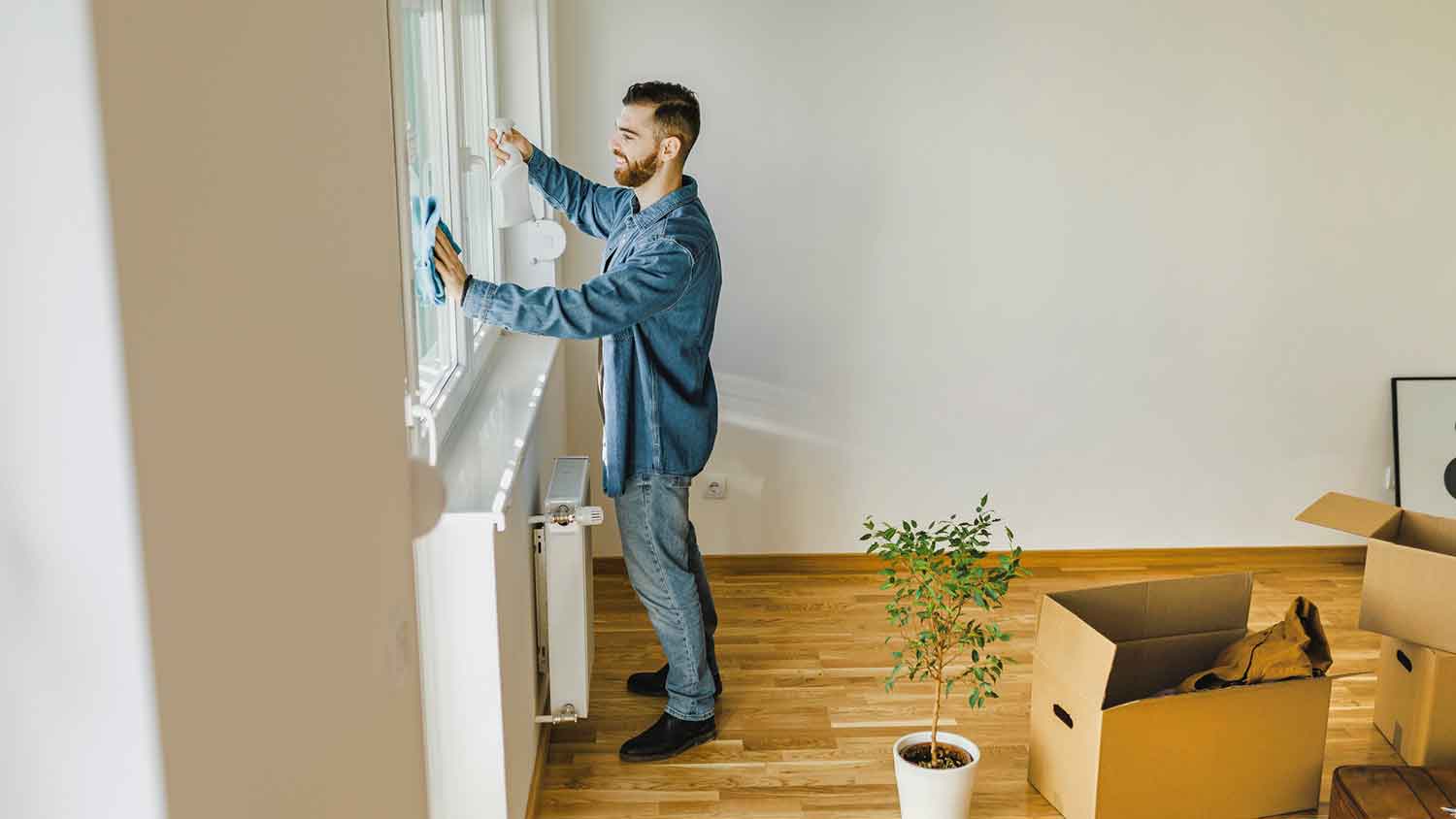
Before you move out of your apartment or house, find out how to clean up and avoid damage costs with our move-out inspection checklist for each room.
Armed with this detailed home inspection checklist for sellers, you can list your home with confidence. Tick all the boxes and put potential buyers at ease.