
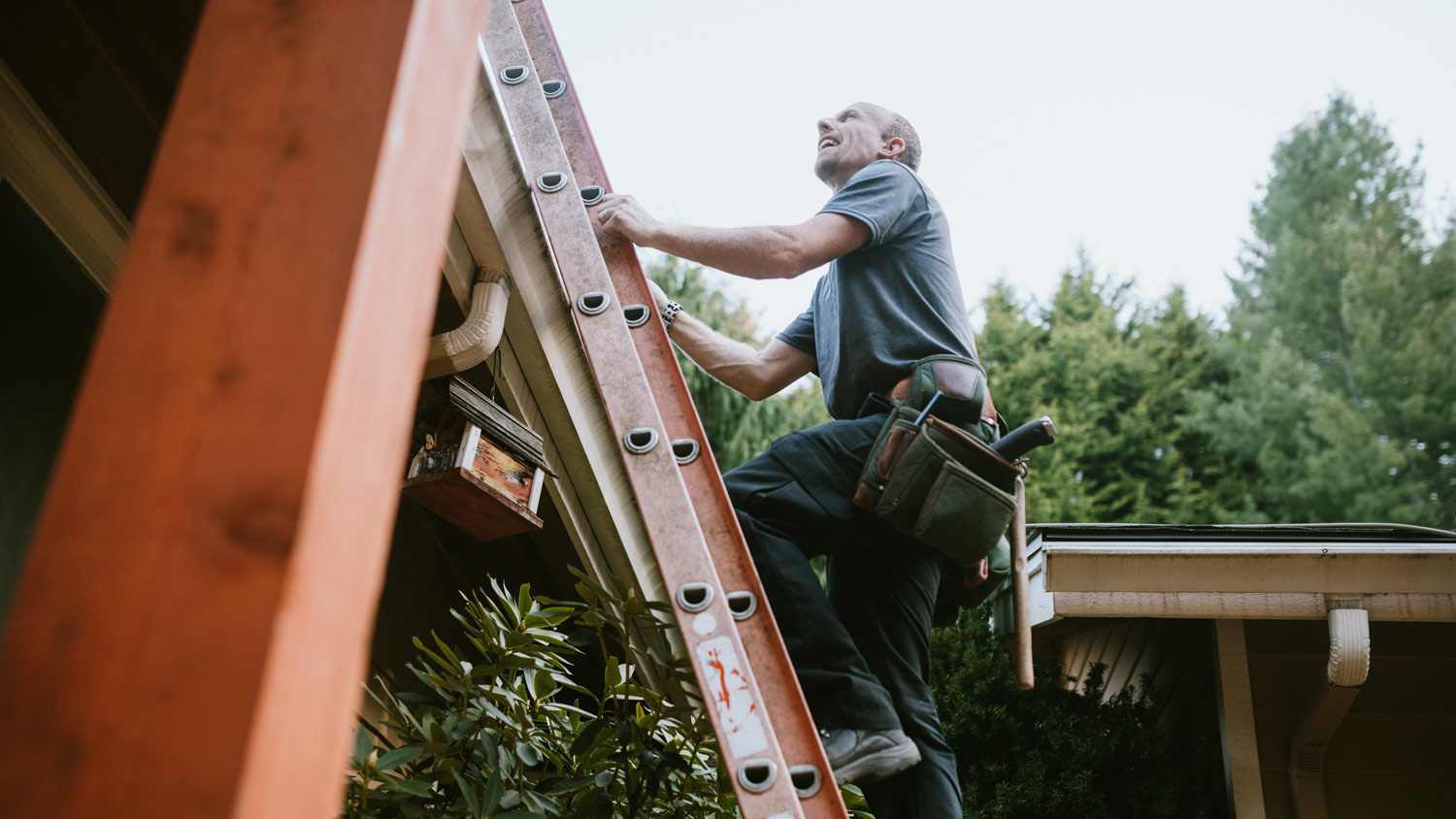
If you’re buying a home, having an inspection offers reassurance that it’s in good condition. How much a home inspection costs varies depending on the home's size, age, condition, and location.
Tick the boxes off this checklist to ensure your home gets insured

Your home insurance inspection checklist should cover exterior components like your roof, siding, gutters, and foundation, plus interior systems including HVAC, plumbing, and electrical.
Inspectors look for active water leaks under sinks and around appliances, plus signs of pest infestations that need prompt attention before your policy approval.
Test your smoke detectors and carbon monoxide detectors before the inspector arrives, and replace batteries to show your home safety equipment works properly.
Hiring a local home inspection professional provides expert guidance on potential issues the insurance inspector might flag, helping you address concerns before the official inspection.
Home insurance provides financial protection against the unexpected—whether it’s roof damage from a hailstorm or losses due to a fire. However, before an insurance company offers you a policy, they may want to conduct a home insurance inspection to assess existing risks and determine the value of your house and possessions in case they need to be replaced. Learn more about home insurance inspections and how to prepare for one.
A standard home inspection checks your property’s overall condition to make sure it’s safe and structurally sound. Following a home inspection, you’ll receive a home inspection report outlining any minor or major issues found by the inspector. However, a home insurance inspection is when an insurance company evaluates risks that could result in future claims and determines replacement costs in case of damage to your home and belongings.
Many insurance companies conduct home insurance inspections on a case-by-case basis. For example, if you’re purchasing an older property or live in a region prone to extreme weather, you’re more likely to need an inspection. If you already have a policy and it’s coming due, or you haven’t had an insurance inspection in a while, your insurance company may call to schedule an inspection. Technically, you can refuse an inspection, but you risk incurring higher rates or losing coverage.
Home insurance inspection checklists vary from insurer to insurer and depend upon the age, condition, and location of your home. Generally speaking, insurers will look at the main structures and any potentially concerning features (natural or manmade) on your property.
The inspector will walk your entire property to examine the outside of your house and any exterior structures. They’ll also look at natural features that could pose potential risks.
Siding and paneling
Roof
Chimney
Downspouts and gutters
Foundation
Outdoor stairs and railings
Exterior doors
Decks, balconies, and porches
Driveways and pathways
Garage and garage doors
Gazebos, sheds, and other outdoor structures
Pools, ponds, and other large water features
Fences
Trees
You’ll need to let the inspector inside your house to check out these main components:
Interior walls
Ceilings and floors
Plumbing system components
HVAC units and systems
Electrical system components
Carbon monoxide and smoke detectors
Fireplaces
Cabinets
Appliances
Attics, basements, and crawl spaces

If your insurance company decides that a home insurance inspection is needed for your property, they should notify you in advance that an inspection has been scheduled. Meanwhile, there are a few things you can do to prepare for a home insurance inspection, which is usually scheduled between 30 and 90 days after the start of your policy.
Depending on the inspector, a home insurance inspection can take between one and two hours to complete.
Use this checklist as a guide to ensuring your home’s exteriors are in tip-top shape in preparation for your home insurance inspection.
Check your roof: Have missing or damaged shingles repaired or replaced, if possible.
Examine your chimney: Hire a contractor to repair your chimney if it’s leaning or there are loose bricks.
Clear out gutters and downspouts: Remove leaves, twigs, branches, and other debris from your gutters and downspouts. Make sure they aren’t damaged and are properly secured to the house.
Make sure windows and doors are sealed: Repair any leaks or cracks in seals around windows and doors to eliminate drafts and promote energy efficiency.
Trim trees and hedges: Get rid of overhanging branches, limbs, and dead trees that could be hazardous to your roof or your neighbor’s property.
Repair uneven sidewalks, driveways, and pathways: Eliminate risks of trips and falls for anyone walking on your property.
A check-up of these common indoor issues will help ensure your interior inspection goes smoothly.
Control pests: If you see signs of active pest infestations, call an exterminator and at least schedule an appointment to handle the problem.
Test your HVAC system: Make sure your furnace, air conditioner, boiler, heat pump, and other HVAC units are working properly, and replace filters.
Test your home safety equipment: Check to see if carbon monoxide detectors and smoke detectors are functioning, and replace old batteries. Ensure your fire extinguishers are placed throughout the home and are not expired.
Look for active water leaks: Check around areas where water is used frequently (under sinks and around bathtubs, toilets, dishwashers, and washing machines). If you see a leak, schedule a plumber for repairs.
In addition to doing a DIY spot-check inside and outside your home, it might be a good idea to hire a home inspection company near you to conduct a preliminary home inspection. They can see things you may have missed and have the technical know-how to identify potential issues concerning your HVAC system, plumbing, and electricals.
Some things may need added insurance coverage or could affect your existing policy. Be sure to have documentation on hand to show the home insurance inspector when they arrive to help them assess these items. These include:
Receipts for materials and labor used in any renovations, updates, or additions to your home—like a new deck or a new pool
Repairs or replacements to your plumbing, electrics, HVAC system, roof, siding, or any other structural work
Photos or details regarding your home security system
Documents detailing your home’s square footage
Despite your best efforts, there’s still a chance your home could fail a home insurance inspection due to something unforeseen or overlooked. If that happens, your insurer may deny coverage or cancel your policy.
Under certain state laws, insurance companies are required to issue written notice of cancellation due to a failed inspection. In most states, you’re given at least 30 days to discuss the issue with your insurer and fix any problems found in the inspection.
It’s not the end of the world if you do fail a home insurance inspection. You have a few options, including:
Make any necessary repairs as soon as possible: Address any concerns within a short timeframe. If you meet your insurer’s conditions, they can either reinstate your policy or issue a new one.
Consider FAIR coverage: Check to see if your state has Fair Access Insurance Requirements plans—state-run programs that help find or offer insurance coverage for high-risk homeowners.
Shop around for a new insurance company: Explore other insurance companies in your area. You may find one that offers coverage for high-risk properties, however, you may have to pay a little extra. Note that your new insurance company may still want to conduct an inspection.
The Cisco team did an exceptionally good job of painting (very detailed), and they were professional, courteous, helpful and just pleasant to have in our home for a week. I have already recommended Cisco to some neighbors.
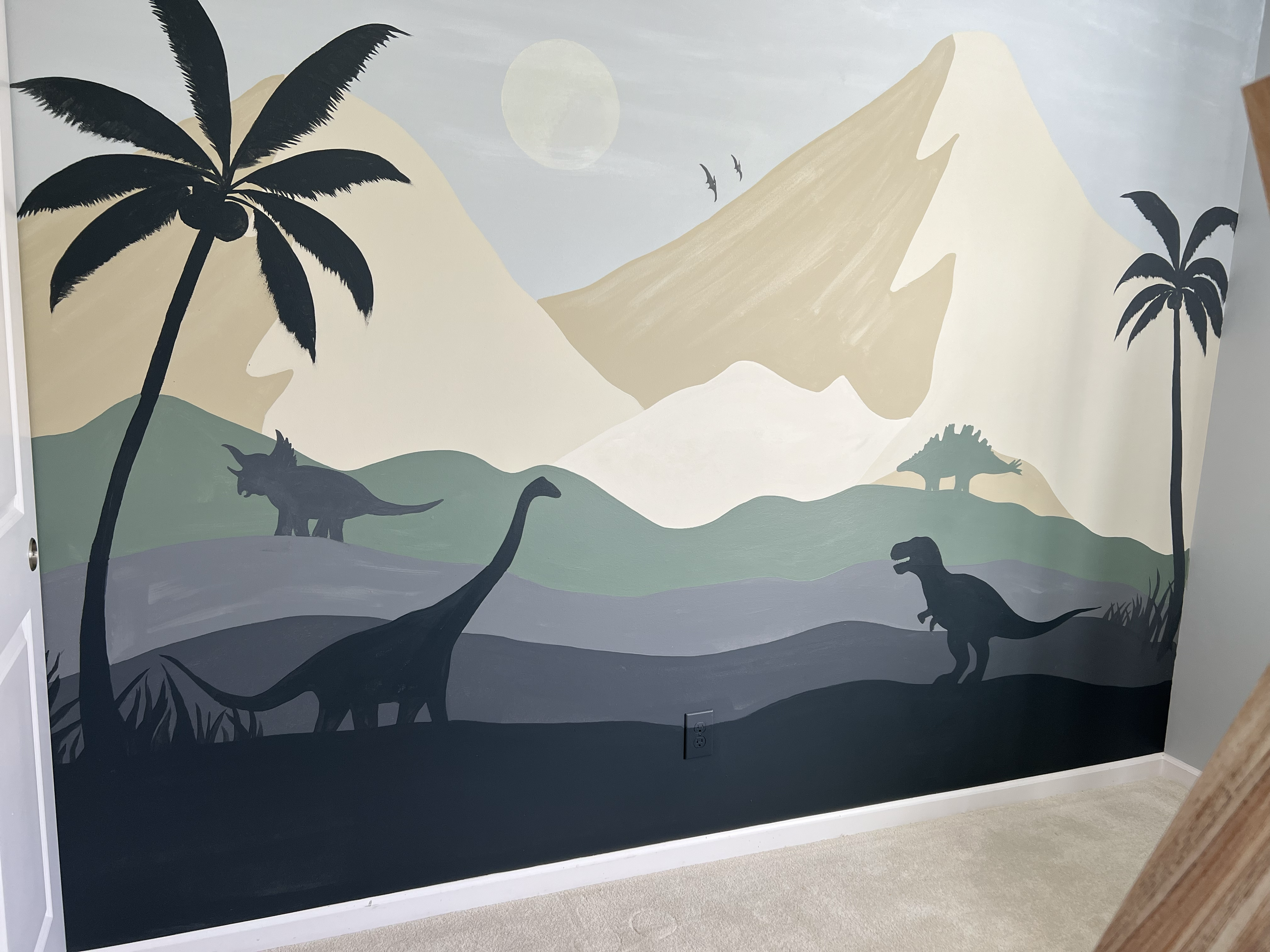 Cisco Finishes
Supreme Brick & Chimney is one of the best service providers I’ve interacted with. Extremely efficient, knowledgeable, and thorough. They took the time to walk me through their detailed full-service inspection and were extremely professional. Not to mention their turnaround time was...
 Supreme brick & chimney
Our homes curb appeal skyrocketed thanks to Custom Paint Jobs LLC s exterior painting.
 Custom Paint Jobs, LLC
Visited my home for estimate same day that I called. Painted on Saturday. Great job. Good price!
The people from Window Depot USA of Central came and gave me a good price on window replacement of my home. They had completed the job within the time promised. The service was curteous, professional and clean. I would definitely recommend Window Depot USA of Central to all my friends.
 Window Depot USA of Central Ohio
Working with Mike on our first home purchase was an absolute pleasure. Mike put us at ease and made the process of buying a home fun. Mike is knowledgeable, honest, professional, and punctual. He worked with our busy schedule and always made time for us. When a home came on the market that...
 Michael Marshall - Buyer's Resource Realty Svcs.
Fantastic! Top Line was early for the appointment and very knowledgeable and took time to explain everything they had found during the home inspection. The report included clearly defined issues and what they recommended to remedy the same. The report also included many pictures to help...
 Top Line Home Inspections, LLC
Scott did not get appropriate access to the property prior to the scheduled inspection which required us to come back later in the day to complete it. He also, unprofessionally, knocked on a neighbor?s door in his attempts to reach someone with access. His overall report was fine though the...
 Security First Home Inspections
Mary cleaning service does an amazing job cleaning my home. They go over and beyond the cleaning services that I have had in the past. They are very punctual and thorough with cleaning my home, I’m extremely happy with the service they provide and I highly recommend them.
From average costs to expert advice, get all the answers you need to get your job done.
If you’re buying a home, having an inspection offers reassurance that it’s in good condition. How much a home inspection costs varies depending on the home's size, age, condition, and location.

Buying a home soon? Use our home inspection checklist for buyers to understand what the professionals are looking for when assessing your future home.
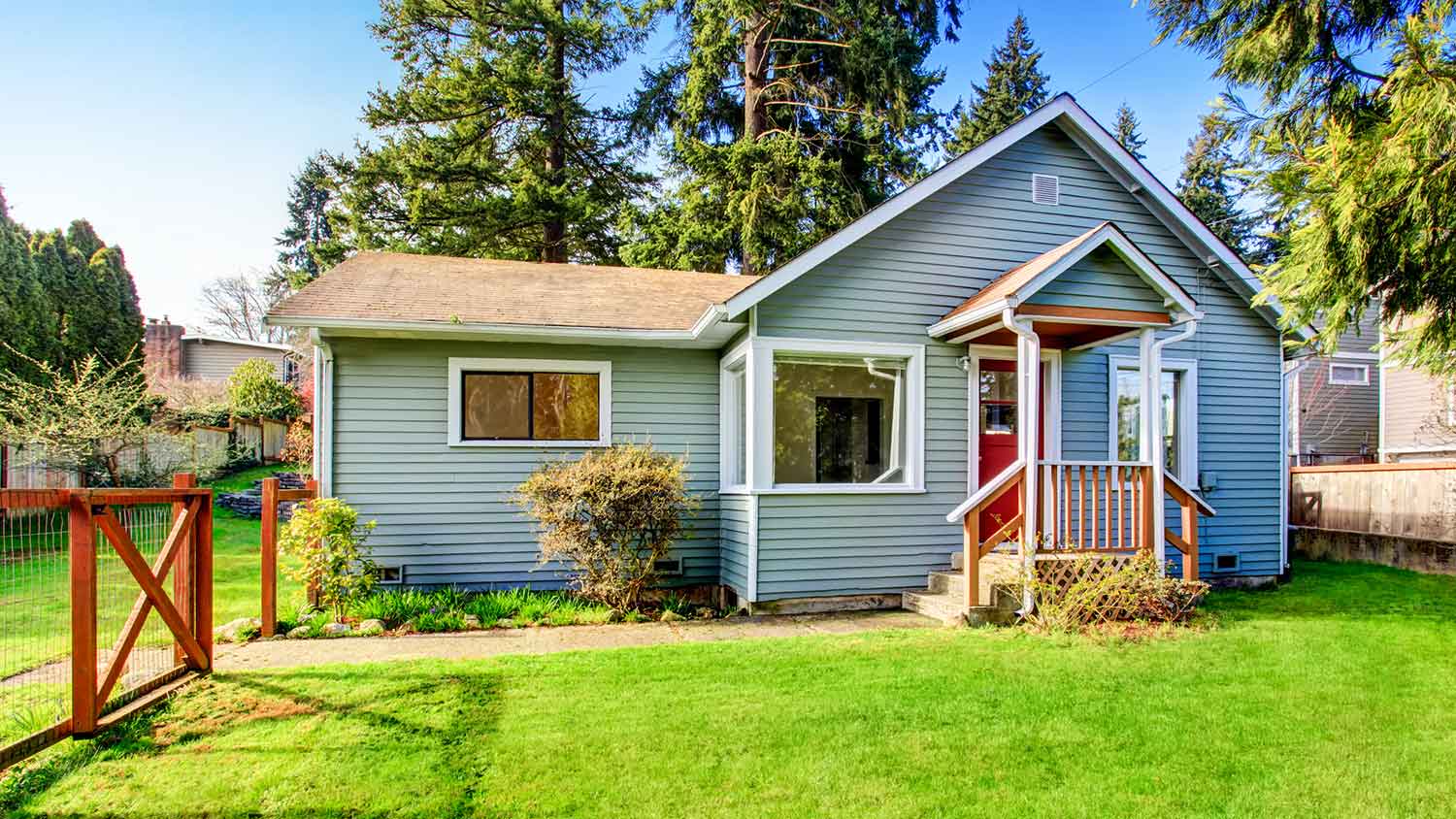
A home insurance inspection can affect your insurance policy and rate. Prepare your property for an upcoming inspection using these tips.
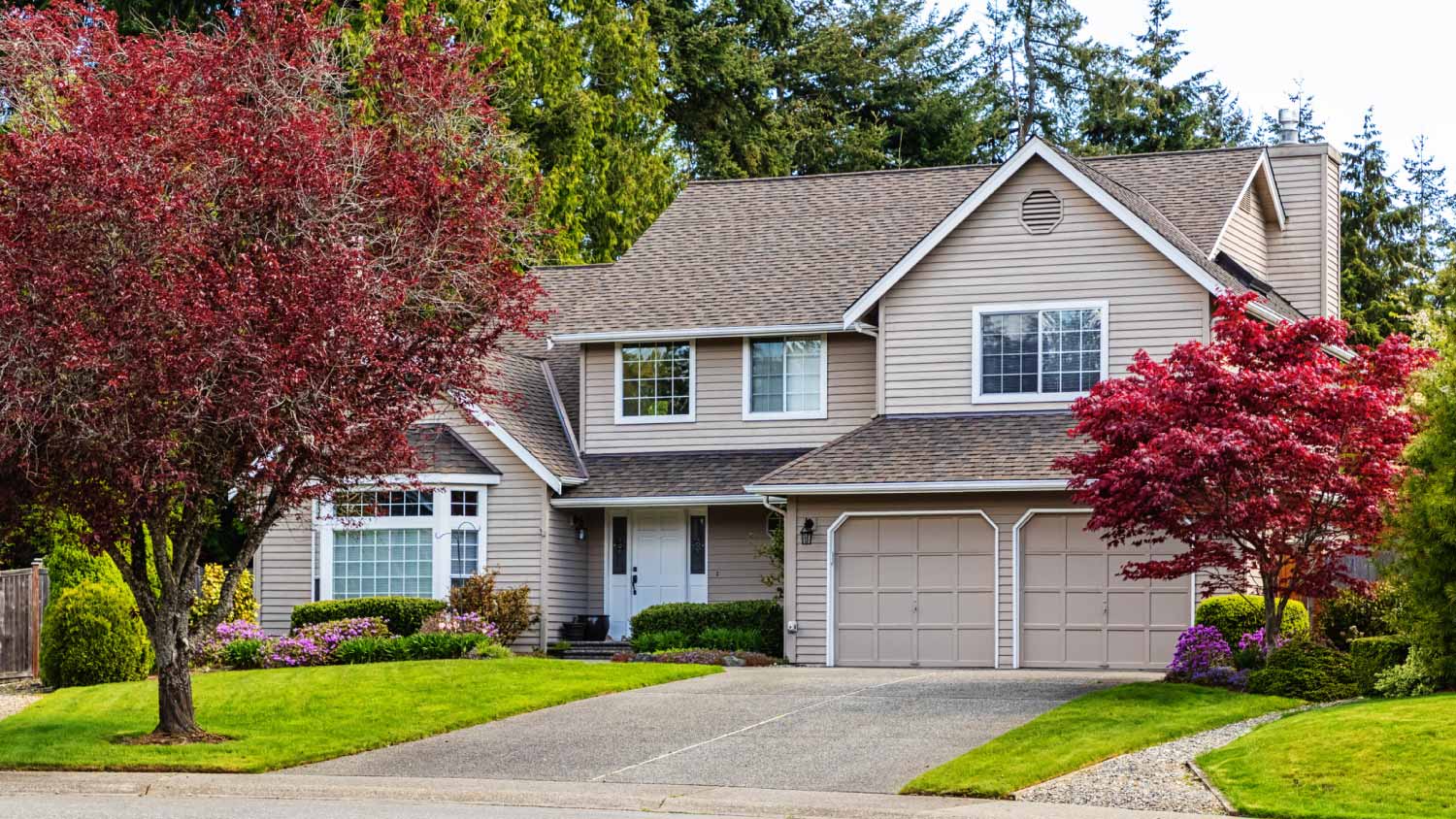
A home insurance inspection is a common part of the insurance process. Learn why your insurance company wants to inspect your house and what to expect.
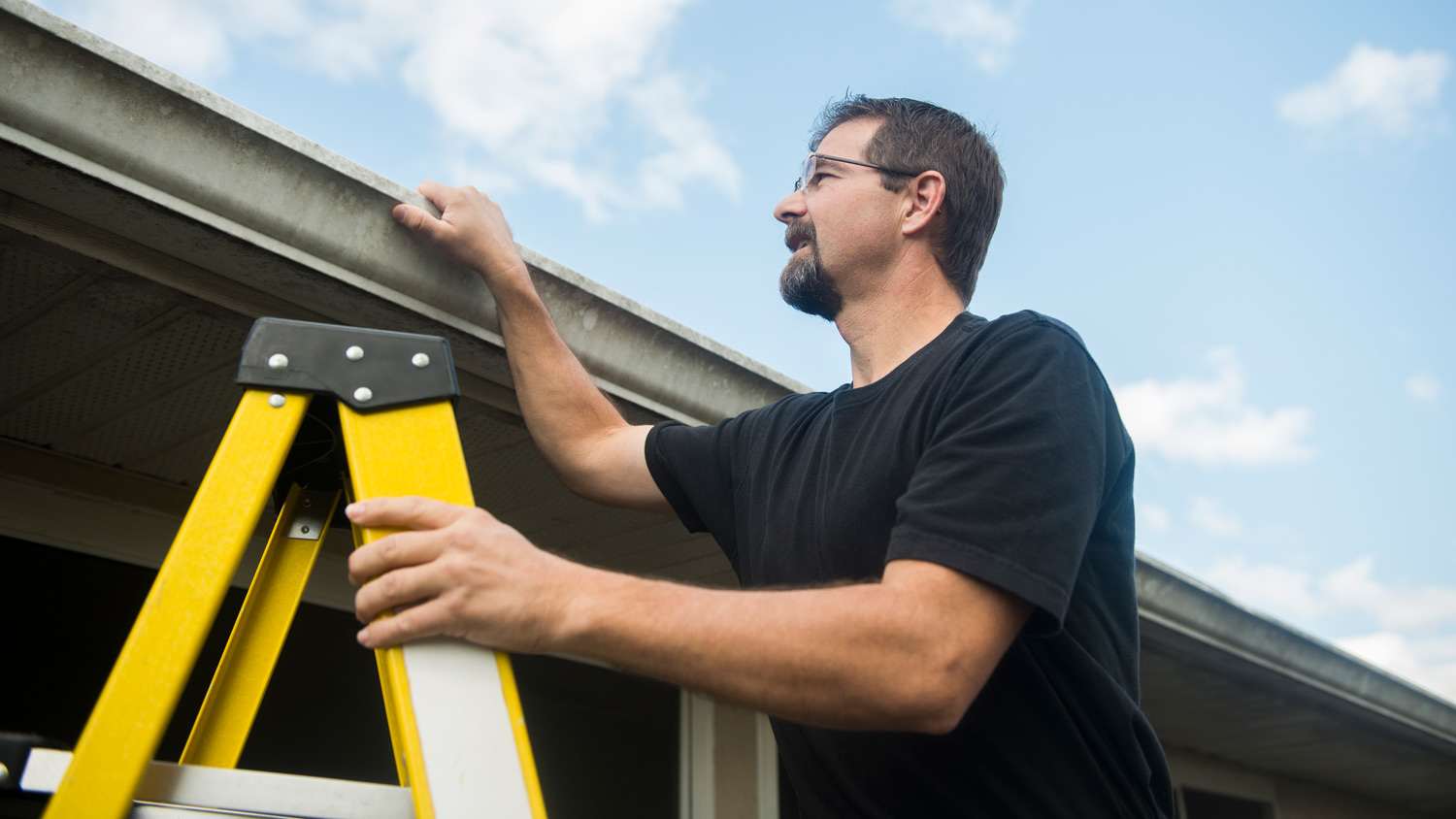
Armed with this detailed home inspection checklist for sellers, you can list your home with confidence. Tick all the boxes and put potential buyers at ease.
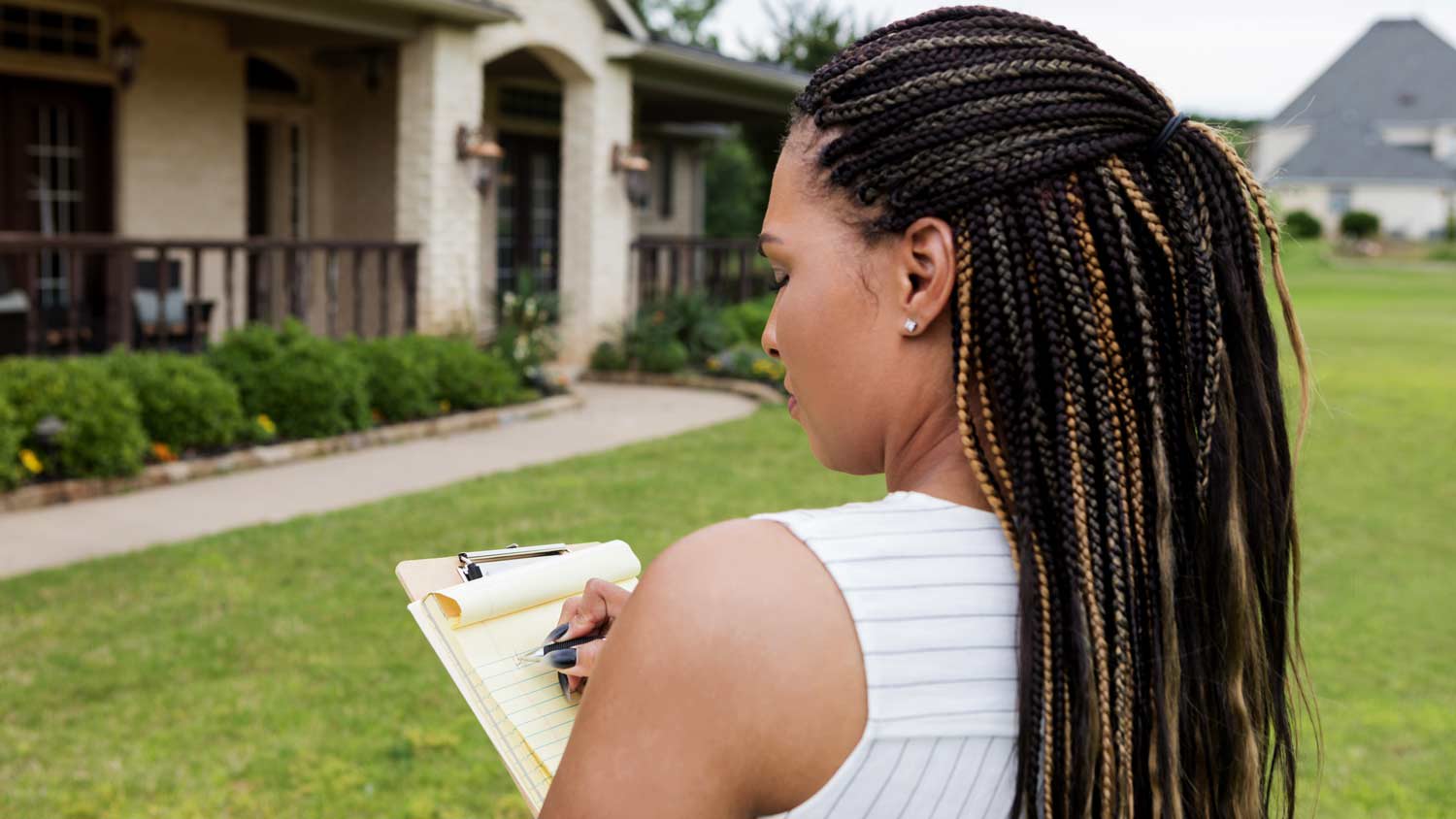
When shopping for a home, look beyond the obvious features. A DIY home inspection helps you see the bigger picture and prepare for the pro home inspection.