

Looking to upgrade your windows? Use this guide on window sill replacement costs to estimate the total before you get started.
The last thing you want is mold ruining your pretty window views

Mold on window sills forms when condensation from warm indoor air meets cold glass, creating moisture that feeds mold spores in your home.
Poor ventilation traps humidity indoors and prevents airflow around your windows, allowing mold to grow on sills where dust and debris accumulate.
Regular cleaning with vinegar or hydrogen peroxide removes mold from window sills and keeps them dry to prevent future growth in your home.
Hiring a local mold removal professional provides reliable help with widespread mold problems and identifies hidden moisture sources causing repeated window sill growth.
It’s Saturday morning, you finished your latte, and you are ready to roll up your sleeves and get to work. While checking all your cleaning chores off your list, you notice something unseemly growing on your window sills. Could that be mold?
Mold growth on window sills is a common household problem that can lead to various health issues and property damage. Understanding the causes, prevention methods, and effective removal techniques is crucial for maintaining a healthy home environment. In this comprehensive guide, we will explore the reasons behind mold formation, practical tips to prevent its growth, and a step-by-step guide on how to get rid of mold on window sills.
Not sure why mold attacked your poor window sills? Mold on window sills can form due to various reasons:
Excess moisture: Condensation occurs when warm, moist air comes into contact with cooler surfaces like window panes. This moisture provides an ideal breeding ground for mold spores, leading to mold growth on window sills.
Poor ventilation: Inadequate airflow in a room can trap moisture indoors. Areas with poor ventilation, such as bathrooms and kitchens, are particularly susceptible to mold growth on window sills.
Organic materials: Mold requires organic materials, such as dust or wood particles, to grow. Window sills often accumulate dust and debris, providing a food source for mold spores.
Leaking windows: Windows that are not properly sealed or those with existing leaks allow water to seep into the home. This moisture promotes mold growth on and around window sills.

Mold formation on window sills can be a common problem, but with the right preventative measures, it can be effectively managed. Here are some tips to help you prevent mold from forming on your window sills:
Regularly clean your window sills using a mild detergent or a mixture of water and vinegar (yes, something as simple as vinegar does kill mold). This helps remove any dirt, dust, or organic matter that can serve as a food source for mold spores.
Do not mix vinegar with hydrogen peroxide or bleach. Mixing vinegar with hydrogen peroxide creates a toxic chemical that can irritate your skin and eyes. Combining vinegar and bleach can create a toxic chlorine gas.

Adequate ventilation is crucial in preventing moisture buildup. Open windows and use exhaust fans in areas prone to high humidity, such as bathrooms and kitchens. This helps to reduce the amount of condensation that can accumulate on the window sills.
Maintain a relative humidity level between 30% and 50% in your home. Use a hygrometer to monitor humidity levels and consider using a dehumidifier if necessary. High humidity can contribute to mold growth, so keeping it under control is essential.
Inspect your windows regularly for any signs of leaks. Check for damaged seals, cracks, or gaps where water can enter. Repair any leaks promptly to prevent moisture from seeping into the window sills and causing mold growth.
Properly seal your windows with weatherstripping to prevent drafts and reduce the likelihood of condensation forming on the window sills. This helps maintain a more stable environment and minimizes moisture-related issues.
Use mold-resistant materials: Consider using mold-resistant materials when renovating or replacing your windows. Mold-resistant paints, caulks, and sealants can help inhibit mold growth and make cleaning easier.
Proper insulation around windows reduces the chance of cold spots where condensation can form. Insulating window frames and ensuring a tight seal can help prevent moisture accumulation.
Opt for window treatments that allow for airflow, such as blinds or curtains that can be opened during the day. Avoid keeping heavy curtains closed for extended periods as they can trap moisture against the window sills.
By implementing these preventative measures, you can significantly reduce the risk of mold formation on your window sills. Regular maintenance and vigilance in addressing any potential sources of moisture will help keep your windows clean and mold-free.

Mold growth on window sills is not only unsightly but also potentially hazardous to your health, so it’s very understandable if you are eager to get rid of it. Here is a comprehensive step-by-step guide to help you effectively get rid of mold on your window sills.
Collect all the necessary cleaning supplies before you start. You’ll need rubber gloves, safety goggles, a mask to protect yourself from mold spores, a scrub brush, white vinegar or hydrogen peroxide, baking soda, water, a sponge, and paper towels.
Ensure the room is well-ventilated by opening the windows and using fans. Put on your rubber gloves, safety goggles, and mask to protect yourself from mold spores and cleaning agents.
Begin by wiping away loose mold spores, dust, and debris from the window sill using a damp cloth or sponge. Dispose of the cloth carefully to prevent spreading mold spores to other areas.
Mix equal parts of water and white vinegar or hydrogen peroxide in a spray bottle. Remember—never mix vinegar and hydrogen peroxide together. Use one or the other. Alternatively, create a paste by mixing baking soda with a small amount of water. Both solutions are effective against mold and mildew.
Spray the vinegar or hydrogen peroxide solution directly onto the moldy areas of the window sill. Let it sit for about 10 to 15 minutes to penetrate and kill the mold. If you’re using the baking soda paste, apply it directly to the moldy spots.
Use a scrub brush or an old toothbrush to scrub the moldy areas gently. Apply moderate pressure to remove the mold from the surface. For stubborn mold, you might need to repeat this step.
Wipe the window sill with a clean, damp sponge to remove the cleaning solution and the mold residue. Dry the area thoroughly with paper towels to prevent further mold growth. Proper drying is crucial in mold prevention.
After cleaning, consider applying a preventive solution. You can mix water with a few drops of tea tree oil, a natural mold deterrent, and spray it on the window sill. Additionally, ensure proper ventilation and maintain low indoor humidity levels to prevent future mold growth.
Regularly inspect your window sills for signs of mold and promptly address any issues. Keep the area clean and well-ventilated to discourage mold from returning.
Monitor your window sills regularly for any signs of mold resurgence. If the problem persists despite your efforts, it’s best to call a professional mold removal company near you. These pros can assess the situation, identify the root cause, and provide an effective solution. It’s always a good idea to contact a few companies to get an idea of how much you should expect to spend on mold remediation costs.
According to data from Angi customers, 47.5% of homeowners request immediate assistance with mold removal, and 24.4% indicate the timing is flexible. Mold removal isn’t an emergency if it’s in a small area and no one in your home is experiencing any mold-related symptoms.
However, if the mold is widespread, someone in the home is experiencing severe allergy-type symptoms with no other explanation, or you have at-risk people in the house, you should request mold removal as soon as possible.
This service was great. My air conditioner went out during the heat spell that we had. My husband has health issues and they came out that night and at 9:30pm the air conditioner was fixed and running. We are sooo very thankful, this is the company I will be using from now on and would...
 Mr. Mechanical Ohio
I would recommend this company to anyone! He showed up on time, was friendly, completed a very difficult repair on our dryer vent cover, was responsive, and pricing was extremely fair and competitive. I would have him back to do any of our repairs or cleanings without hesitation!
 U.S.A. Dryer Vent, LLC
The technician was very professional and friendly. He answered all my questions and was very thorough. He left the fireplace area very clean . He inspected from the roof and advised me as to other work that might need to be done. There was no pressure there. I was very satisfied with the...
 Supreme brick & chimney
Ace Fireplace Services came to the rescue for my chimney repair. They were quick to pinpoint the issue and worked their magic to fix it. My chimney is now in excellent shape, and I'm a satisfied customer.
 Ace Fireplace Services
Professionalism, quality, and affordability - Custom Paint Jobs LLC checks all the boxes.
 Custom Paint Jobs, LLC
On time, clean and finished fast. Windows seem sturdy and the finish is good. Caulking was done with no smudges. Would recommend.
 Window Depot USA of Central Ohio
Great job...edging and pre clean up went well with a great job with seal coat. Friendly, efficient and professional.
 All Star Paving and Sealing
Scott did not get appropriate access to the property prior to the scheduled inspection which required us to come back later in the day to complete it. He also, unprofessionally, knocked on a neighbor?s door in his attempts to reach someone with access. His overall report was fine though the...
 Security First Home Inspections
Did a great job replacing the ice maker and water regulator on my refrigerator. He was quick and thorough, very friendly and professional. If I needed a heart transplant I'd want him to do it!!!
Scott checked our large crawl space for mold and water infiltration and recommended a viable solution. The crew was efficient and they cleaned up well after the job. The job was expensive but I am confident that I won't have to deal with the problem again. Highly recommend.
 AdvantaClean of Dublin
From average costs to expert advice, get all the answers you need to get your job done.
Looking to upgrade your windows? Use this guide on window sill replacement costs to estimate the total before you get started.
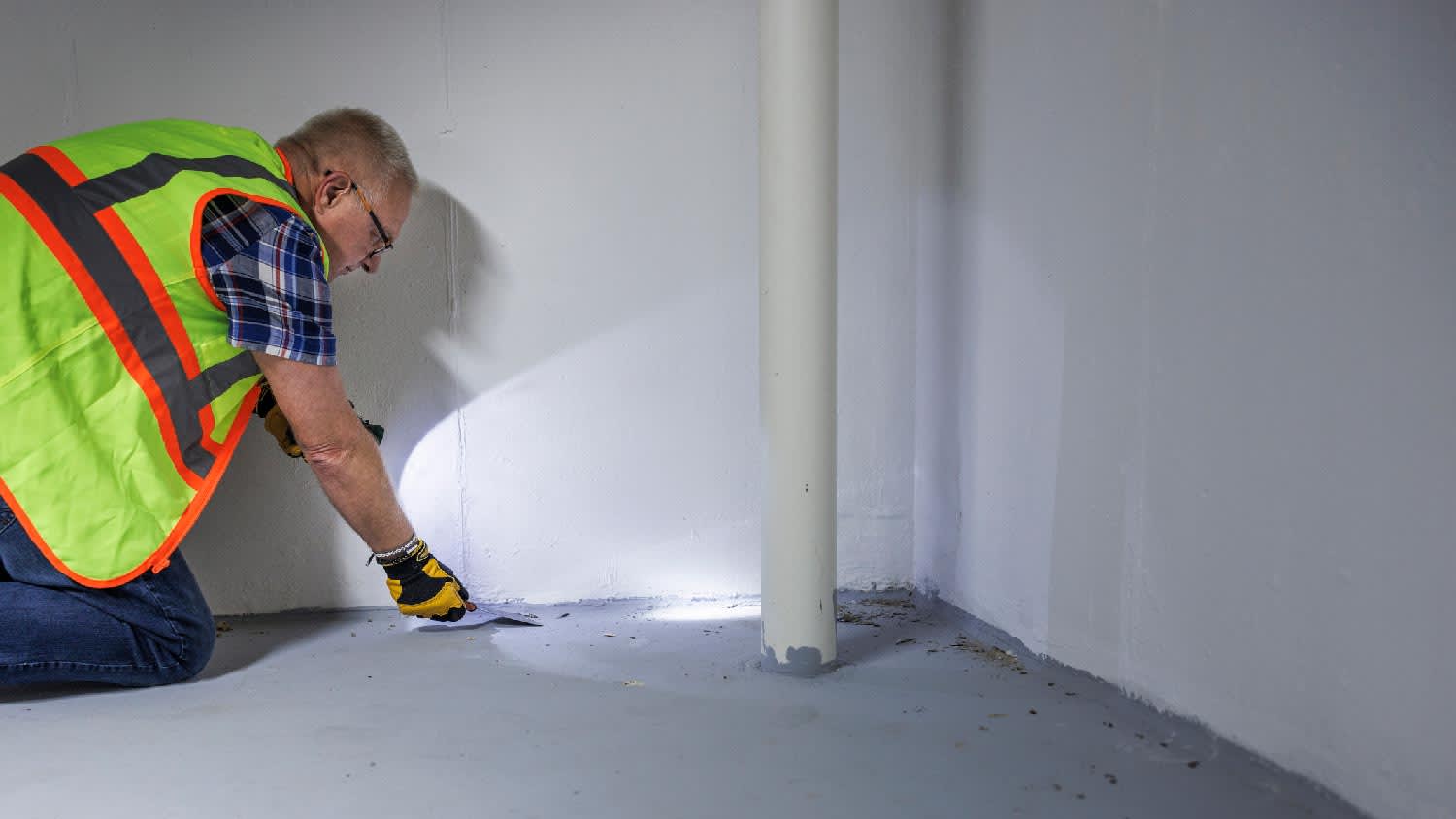
The cost of a mold inspection might seem high, but it’s one of the best investments you can make for your health and home. Read on to learn cost-saving tips.

Don’t let a window leak rain on your parade. Check out these nine simple tips to track them down and stop the damage before it gets out of hand.

Whether you're embarking on window repairs or a large home renovation, knowing all the parts of a window will make you feel as knowledgeable as the pros.

Who replaces window sills when they break? While you can DIY this project, a window repair company will fix or build new sills that last for years.

A mold inspection is your first line of defense against a mold problem. Here’s what to expect from your visit and how to prepare.