

Discover the cost of installing laminate countertops, including how their size, material, and finish impact your total price.
These materials may mimic natural stone, but there’s no faking their different benefits

Laminate countertops cost $8 to $27 per square foot, while quartz countertops cost $15 to $70 per square foot, affecting your total budget.
Laminate offers nearly limitless design options with printed patterns, while quartz provides a realistic natural stone look with patterns extending through the entire thickness.
Quartz countertops last a lifetime and resist stains without sealing, while laminate lasts 20 to 30 years and needs immediate spill cleanup to prevent damage.
Hiring a local laminate countertop installation professional helps you navigate material selection and ensures proper installation, especially when working with heavy quartz slabs or custom laminate designs.
If you’re looking to remodel your kitchen, you might be weighing the differences between laminate and quartz countertops. Homeowners love these two countertop materials for entirely different reasons. On the one hand, you have affordability; on the other, you have staying power. Which one is better for your home depends on your needs.

In many ways, laminate and quartz countertops couldn’t be more different. They’re both generally durable, stain resistant, and low-maintenance. They both mimic natural stones, with laminate having options ranging from colorful patterns to wood grain, but they have entirely different constructions, strengths, and weaknesses. This makes laminate the champion of affordability and versatility, while quartz is a premium product that lasts for years to come.

Laminate is a composite surface material first introduced in 1977 by the Swedish company Perstorp. Like other laminar composite materials, it consists of multiple layers:
A base layer typically made from MDF particleboard, plywood, or fiberboard. This layer gives laminate its structure.
A printed image layer made from decorative paper gives the laminate its look.
A wear layer of transparent melamine-based synthetic coating protects the bottom layers.
In some cases, it may also have an additional layer to help with moisture resistance and sound. Though laminate has a range of pros and cons, this product is extremely popular because it’s wallet-friendly, easy to maintain, and relatively durable.
| Pros | Cons |
|---|---|
| Budget-friendly | Susceptible to water damage |
| Easy to clean | Cannot be repaired or resealed |
| Stain resistant | Prone to scratches and wear |
| Wide range of styles and designs | Susceptible to heat damage |
Best for:
Kitchen remodels on a budget
People who like bright colors or quirky designs
Handy homeowners who want to DIY their remodel
If you’re looking for kitchen countertop ideas on a budget, look no further than laminate. These countertops are some of the most affordable on the market. They’re also extremely easy to maintain. Just wipe up spills quickly and clean with a little soap and water. Laminate has a nearly limitless number of design options, making it a good fit for virtually any home.
Though laminate countertops generally hold up well to regular use, they do have weak spots. Moisture is a notorious issue. Though the wear layer is nonporous, water can seep below the seams and warp the layers below. Knives can scratch through the wear layer, and hot pots can leave scorch marks. This type of damage is extremely difficult to fix, and you’ll have to replace the damaged section most of the time.

Quartz is technically a natural stone, but quartz countertops are actually a man-made product. This engineered stone consists of finely ground quartz dust, resins, and pigments. Quartz countertops typically contain 90% to 95% natural stone, while certain designs may also include glass, mirror pieces, or other minerals.
During manufacturing, this mixture is poured into a mold and pressed, which gives the slab its shape and strong construction. The end result is a material similar to a natural stone with added strength.
| Pros | Cons |
|---|---|
| Extremely durable | Susceptible to heat damage |
| Nonporous | Difficult to install |
| Realistic color and design options | High upfront costs |
| Low-maintenance | May require cabinet reinforcement |
Best for:
Those looking for a natural stone look without the maintenance
High use kitchens and bathrooms
Homeowners who value longevity
Quartz countertops are the best of both worlds. You get a realistic natural stone look with all of the benefits and strength of resins. This material is extremely durable with high abrasion resistance. It’s nonporous, so the maintenance is very low. You won’t need to reseal it, and it’s not prone to staining.
Quartz is an investment—and it costs more than other popular countertop materials like butcher block and laminate. It’s also difficult to install because it comes in heavy slabs. You may need to reinforce your cabinets and flooring to prevent damage, and though it looks like a natural stone, it isn’t. This material is still vulnerable to heat damage from hot pots and pans.
Below are comparisons of these two countertop materials so you can see how they stack up.
Quartz is a higher-end material that comes with a higher-end appearance. The patterns extend through the entire thickness of the countertop, giving quartz a more convincing stone-like look than laminate.
With laminate, patterns are only surface-level. Over time, the patterned layer can peel up or scratch. That said, laminate does have a wider range of options, including primary colors, decorative patterns, and wood grains.
Laminate reigns supreme when it comes to options and customization. The pattern you see on laminate is actually a printed piece of decorative paper. This means the design options are virtually limitless. Formica® even offers custom-printed designs. Consult a laminate countertop installer near you to see the full range of options.
On top of that, laminate is lightweight and easy to cut. Quartz, on the other hand, is heavy and difficult to cut.
If you’re looking at laminate versus quartz countertops, quartz is far more durable. Laminate is notoriously vulnerable to water damage, while quartz is waterproof. Quartz is abrasion-resistant, while laminate is prone to scratches. That said, both materials cannot sustain heat damage from hot pots or pans, so always use a trivet.
Some kitchen countertops are better suited for specific households. For example, if you have children and frequent spills happen, choose a nonporous material like quartz. A countertop installer can help you decide how durable the counter needs to be for your kitchen.

These materials are on two opposite ends of the price spectrum. Laminate is one of the most inexpensive types of countertops on the market, while quartz is more of an investment. The average laminate countertop costs about $1,240, while the average quartz countertop costs $4,500. That’s a difference of more than $3,000.
If you want to save money on quartz, keep the brand in mind. Corian® countertops costs are often less than Silestone® countertops (although Corian® is a brand of solid surface). It just depends on the exact specs.

No countertop installation is a beginner-level DIY, but laminate countertops are one of the easiest countertops to install. The simplest way is to purchase a post-form laminate countertop, which comes in standard sizes with an integrated backsplash.
Quartz, on the other hand, typically requires professional installation. The weight makes it difficult to work with, and your contractor will need to cut the slab similar to how they’d cut a granite countertop.
Quartz countertops are generally easier to repair than laminate countertops. Most homeowners can fill small chips with a quartz-compatible epoxy adhesive or buff out minor scratches with sandpaper.
In many cases, the only way to repair laminate is to replace the damaged laminate. Some homeowners choose to mask imperfections by painting their laminate countertops, but it also covers up the existing pattern.
Both types of countertops are relatively low maintenance, but you may find that laminate countertops are slightly more work. You’ll need to wipe up spills immediately to prevent staining and water damage. Laminate is also prone to scratches, so it may require more frequent repairs.
Since both materials have nonporous surfaces, you can easily wipe them clean using a nonabrasive sponge with mild soap and water.
Longevity may be the biggest difference between quartz and laminate. Laminate countertops last about 20 to 30 years but can start showing major signs of wear after 15 years. Quartz countertops can last a lifetime. Even when they start to look worn, you can refinish them the same way you’d refinish natural stone.
Laminate countertops contain high levels of adhesives and sealers, which are a source of volatile organic compounds (VOCs). Most notably, in 2016, the Centers for Disease Control and Prevention (CDC) released test results revealing that certain laminate flooring that originated in China produced harmful levels of formaldehyde. Formaldehyde is categorized as a probable carcinogen by the Environmental Protection Agency (EPA), according to the National Cancer Institute. So, if you do choose laminate, go for a low-formaldehyde variety.
Quartz, on the other hand, is more sustainable for several reasons. This material mostly consists of natural quartz crystals; some varieties even utilize recycled materials. In addition, it has a longer life span than laminate, so you won’t need to replace them as often.
Laminate countertops have virtually no resale value, even if you choose higher-end Formica® countertops. Quartz countertops, on the other hand, can help attract buyers. This is especially true if you choose a high-end brand like Silestone®.
Installing countertops costs anywhere from $1,850 to $4,450, with an average price of $3,140, depending on material, type, and size. Laminate is one of the most budget-friendly countertop materials at $8 to $27 per square foot, while quartz costs $15 to $70 per square foot. Labor typically accounts for 10% to 20% of the total project cost.
Installing countertops is a tricky business, and mistakes can be costly, so we recommend hiring a local countertop installer. These contractors are well-versed in what can go wrong when installing countertops and can complete every aspect of the project, from cutting and assembly to sealing. Going the DIY route is appropriate in certain scenarios, such as a simple prefabricated laminate design.
I had FabClean 614 clean my apartment, and she did an outstanding job. She was so professional and efficient. My apartment looks absolutely spotless every surface, every corner, all cleaned to perfection. Definitely highly recommend FabClean 614 if you're looking for top-notch cleaning...
 Fab Clean 614
Cole has been handling plumbing and general contracting for our four properties over the past three years, and he’s always done a great job. Most recently, he installed a sink and countertop in our retail store where none existed before, and it turned out exactly how we needed. He’s...
 ANB Renovations LLC
D1 Roofing delivers outstanding service from beginning to end, backed by a strong warranty and expert teams. I highly recommend them for their excellence in meeting and surpassing expectations with unmatched communication. Choosing D1 Roofing was flawless decision
 Division 1 Roofing LLC
This company is my go to resource for all my post renovation clean ups. They get the place spotless! All we have to do after is stage the place and sell, sell, sell! They are super professional and have some amazing scent that is left in every property. I highly recommend!
 The Royal Sanitation Group
I had Ace Fireplace Services install custom chimney caps for my home, and the results are stunning. They fit like a glove and have added a touch of sophistication to my chimney. I can't recommend their services enough.
 Ace Fireplace Services
Supreme Brick & Chimney did an excellent job restoring the brick and mortar joints on my home. Their team was professional, knowledgeable, and completed the work on time. I highly recommend them and will hire them again in the future! Thanks!
 Supreme brick & chimney
I recently hired Custom Paint Jobs LLC to repaint my home, and I couldnt be happier with the results. Their attention to detail and professionalism were outstanding. Highly recommended
 Custom Paint Jobs, LLC
Window Depot did an amazing job on my deck. I wasnt sure what I wanted to do, but their composite decking was affordable and will last a long time. I am excited to have family over, and I am no longer embarrassed by my backyard. Jeff and the ground crew were polite, respectful, and caring for...
 Window Depot USA of Central Ohio
If I could give 10 stars for Kitchen Tune Up, I would. I cannot say enough good things about my experience with Kitchen Tune Up and the entire team involved in the process of my kitchen project. They went above and beyond as far as service and quality with my cabinets, paint, countertops, and...
Great job...edging and pre clean up went well with a great job with seal coat. Friendly, efficient and professional.
 All Star Paving and Sealing
From average costs to expert advice, get all the answers you need to get your job done.
Discover the cost of installing laminate countertops, including how their size, material, and finish impact your total price.
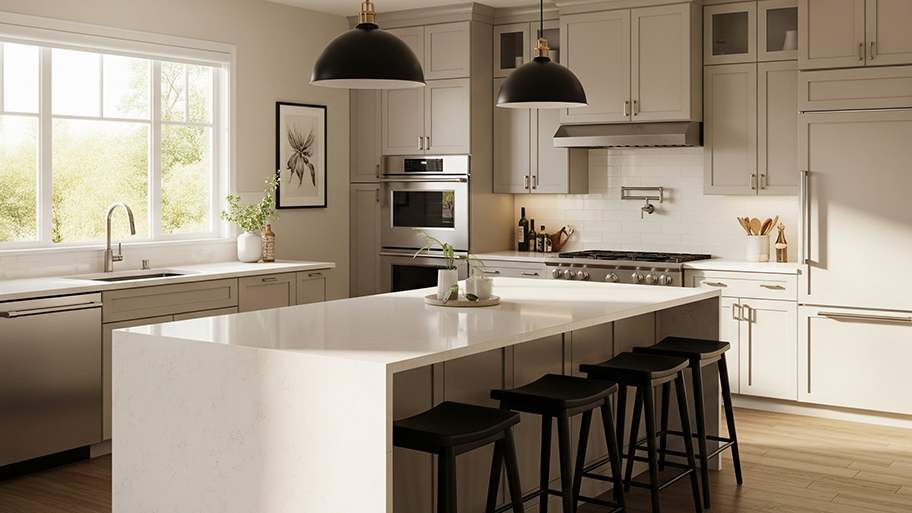
New quartz countertops can give any kitchen a facelift. Find out quartz countertop costs, including quartz slab prices and the cost of installation.
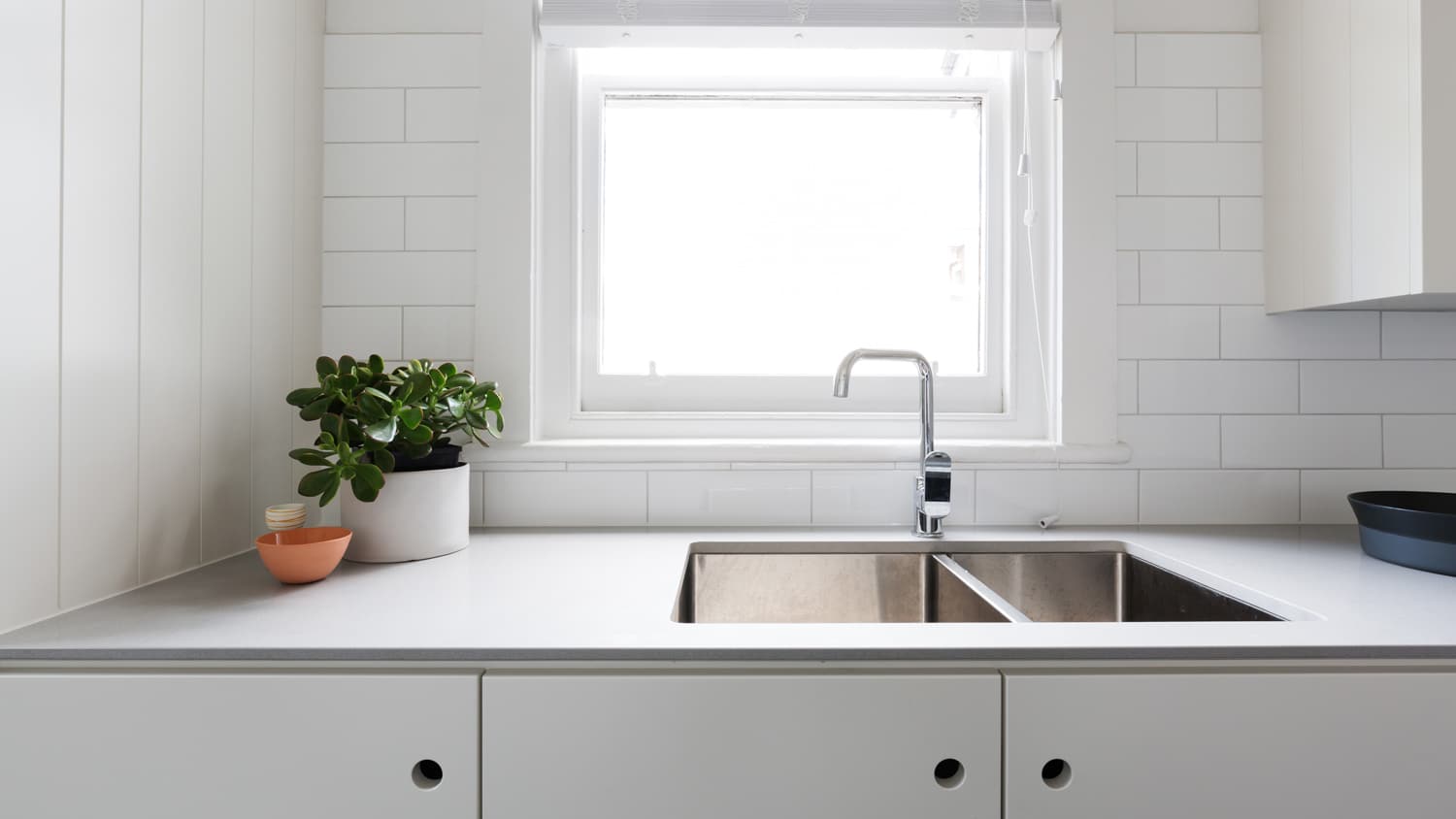
The right countertop material can make or break your kitchen. Learn more about laminate countertops to decide if they suit your budget and style preferences.
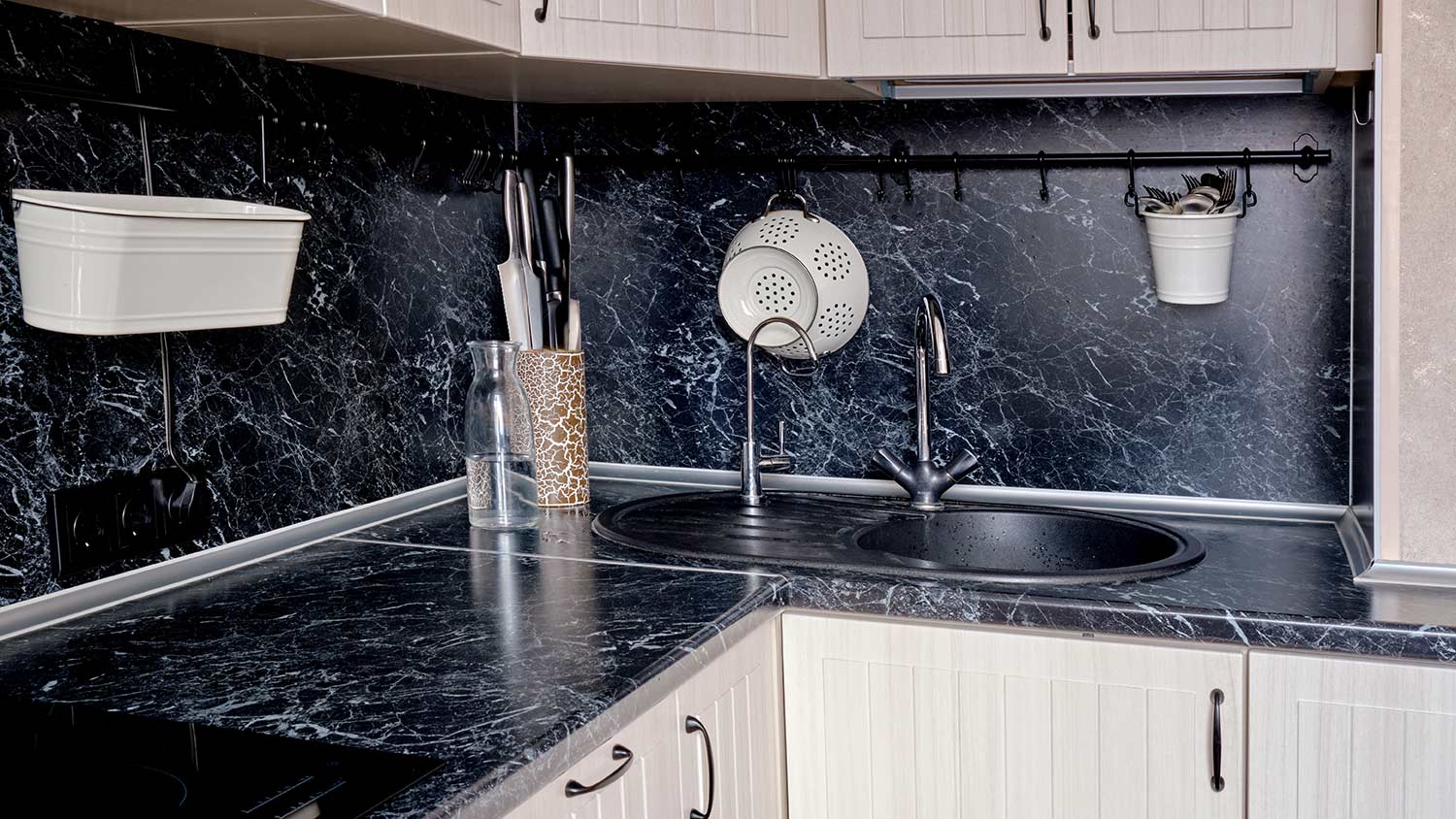
Laminate countertops are affordable and easy to maintain, but not as durable as other materials. Here’s a breakdown of laminate countertop pros and cons.
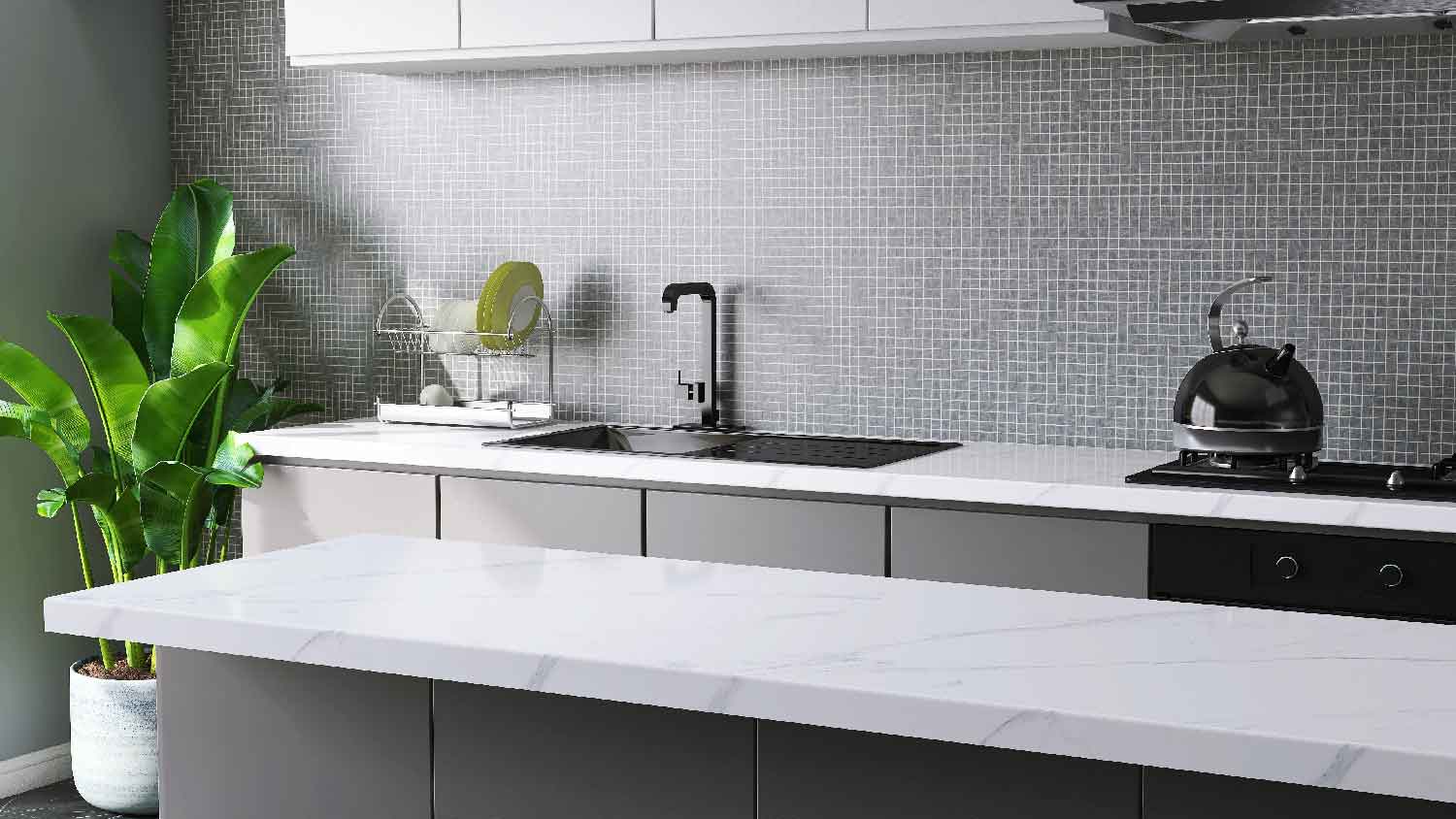
There are many things homeowners need to know about the battle between Corian vs. quartz countertops. We share the pros and cons of each surface.
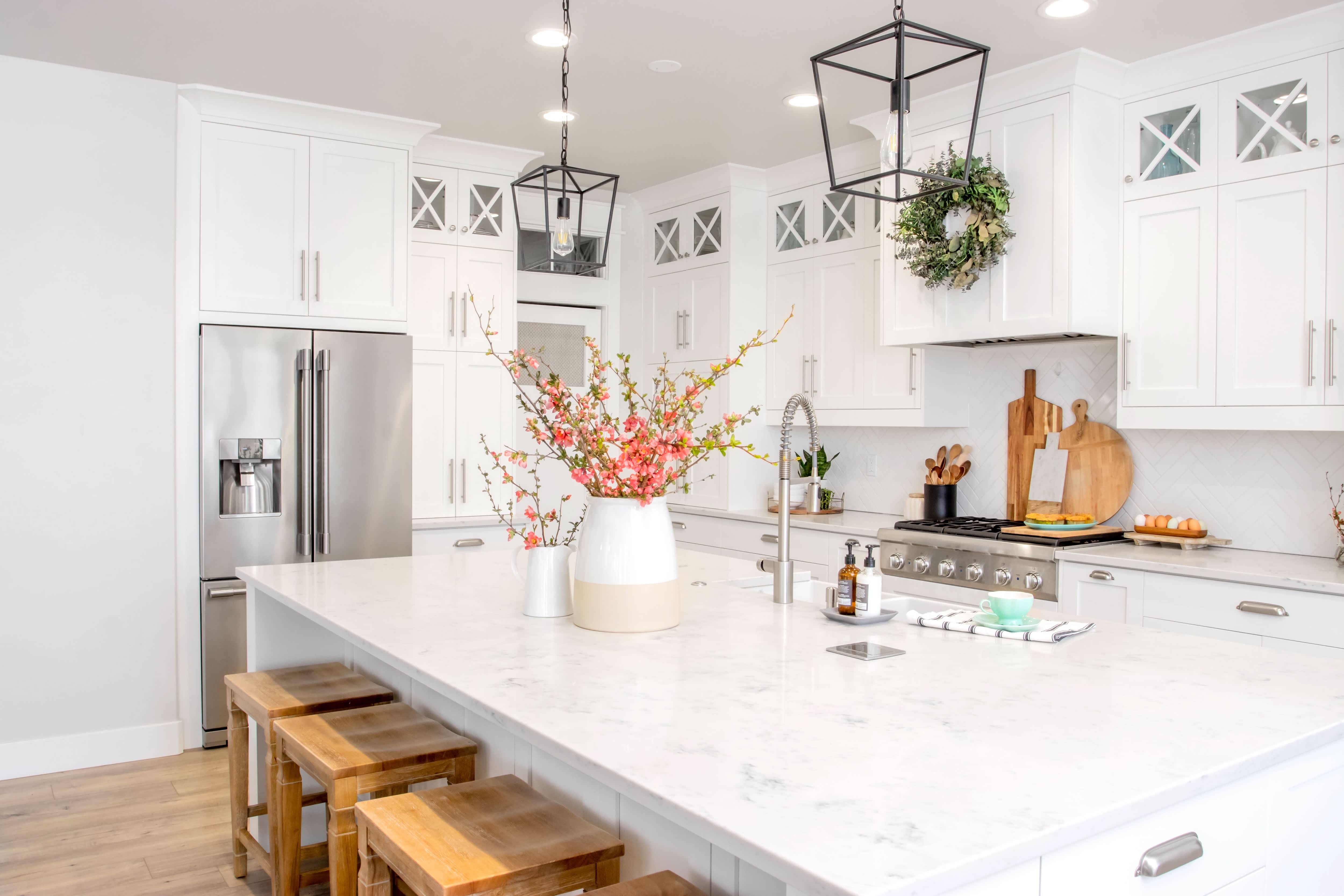
White quartz is durable, attractive, and low maintenance. Learn about the pros and cons of white quartz countertops to decide if they’ll work in your kitchen.