
Learn about the use and risks of asbestos, formaldehyde, PVC, VOCs, and other toxic building materials, as well as alternative items to create a healthier home.
Recycling takes a bit more effort, but protecting the environment is worth it

PVC is recyclable, but you need specialized recycling facilities because heating the plastic releases harmful chlorine gas and volatile organic compounds into the air.
Junk removal services cost $130 to $375 for most jobs, though your final bill depends on how much PVC waste you have and disposal requirements.
You can repurpose your leftover PVC pipes into useful storage solutions like fishing rod organizers, garden irrigation systems, or custom bike racks for your garage.
Hiring a local junk removal professional takes the guesswork out of proper PVC disposal, ensuring your waste reaches the right recycling facility without risking improper disposal fines.
Polyvinyl chloride, or PVC as most of us know it, is a common material in our homes. From plumbing fixtures and vinyl flooring to wires and windows, we come in contact with it on a daily basis. Since most of us use it in some form, it’s a natural question to ask what you’re supposed to do with this material when you remove it from your home.
The answer is that while PVC is recyclable, it’s a little trickier to get rid of than other forms of plastic. In this guide, we’ll discuss why PVC recycling is important and how to go about it.
The answer to this question is complicated. Ultimately, PVC is recyclable, but in reality, the infrastructure for doing so is limited, largely because it’s challenging to recycle PVC. A few key components manufacturers use to make PVC materials—namely, chlorine, plasticizers, and stabilizers—make the final PVC product complicated to recycle.
Heating PVC can release deadly chlorine gas, and heating the other components can release volatile organic compounds (VOCs) into the air, which are hazardous to human health and the environment. PVC recycling facilities need specialized equipment and processes to shred the PVC, treat it chemically to separate the components, and then collect the reusable materials for use in new PVC material.
Recycling PVC is not only challenging, but some of the materials aren’t reusable, so it’s not a 100% recyclable material. With that being said, though, recycling PVC whenever and wherever possible is important if you want to do your part to reduce your impact on the environment.

Proper disposal of PVC is essential for a few reasons. PVC is part of the plastic family, and like other forms of plastic, if you don’t recycle it, it ends up taking up enormous space in landfills. This form of plastic will not break down on its own, so if it makes its way into a landfill, it will remain there indefinitely. With so many PVC products in use every day, you can imagine how quickly this adds up in our landfills.
PVC also contains multiple additives and is listed by the EPA as a known human carcinogen, so letting it sit in a landfill also puts added strain on the environment over time. With so much PVC in use in industrial, commercial, and residential applications and limited recycling opportunities, it’s important to do your part when possible to make sure your PVC waste is recycled.
Whatever you do, don’t burn PVC. When you burn it, it lets off pollutants called dioxins, which can hurt you or your family members if inhaled—not to mention their negative environmental impact. Facilities that properly dispose of PVC take extra precautions with it, ensuring no harmful chemicals are emitted.

You have a few options when it comes to disposing of PVC in a responsible manner. These benefit you and your home directly, as well as the environment at large, and also help decrease the amount of PVC in landfills.
As mentioned, PVC is recyclable, but unfortunately, you can’t simply add it to your recycling bin and place it out at the curb. Because of the extra precaution needed for proper disposal, the best course of action is to call your local plastics recycling center. If you have one, ask about either dropping it off or if they offer household pickups.
In some cases, this will be a paid service, but if the facility is run by your municipality, you might get free waste disposal for your PVC.
Another option is to use a local junk removal company and ask about its disposal practices with PVC. For those curious about how much junk removal costs, the average price is $240, but it ranges from $60 to $600, so it’s not the most budget-friendly solution. However, if you have a lot of PVC or other trash to get rid of, this is a great solution if you can find a local garbage removal company that recycles PVC or can deliver your PVC to a recycling facility.
Donating PVC is another option. There are numerous organizations throughout the country that rely on building products as part of their services or resell them to raise funds. Most accept gently used materials, but you can call ahead and find out what specific needs a local chapter has, such as windows or flooring.
As an added bonus, donating may entitle you to a tax deduction, and many of these charities offer local pickup for larger items.
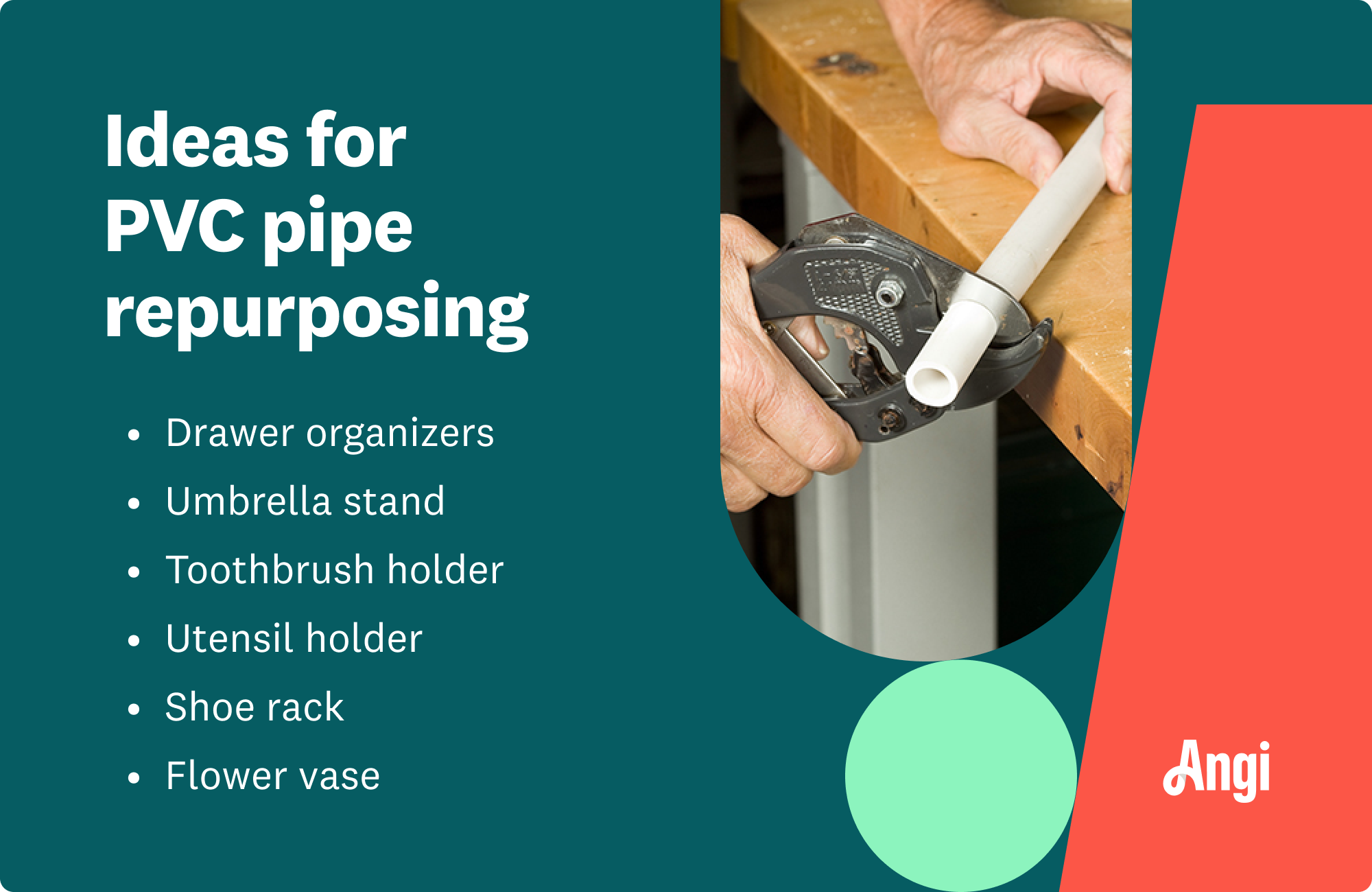
If recycling or donating aren’t options, you can try repurposing PVC into something useful in your home. This takes a bit of creativity, but the end result means not adding to the landfills and possibly making your life a little easier.
You can make storage items with PVC, such as a fishing rod organizer or DIY garage storage for hardware and tool bits. You can try creating home and garden tool storage with a tool rack made from PVC or even a custom bike storage rack.
Irrigation is another great option for repurposing PVC since a lot of drain pipe is made from PVC. If you have a rain collection system or have always dreamed of an automated garden watering solution, your spare PVC might be all you need to get started. A little imagination and DIY can put your PVC to use and give it a new life.
Homeowners can expect junk removal to cost around $250, with most jobs falling between $130 and $375. But the final bill depends on what you toss and how much space it takes up in the truck. Big, bulky, or tricky items, like fridges, mattresses, or leftover paint, tend to cost more to remove since they often need special care or disposal. The same is true for PVC waste. However, always check with your local junk hauler to understand any potential additional costs.
PVC is technically recyclable, but most cities and towns do not accept it mixed in with the rest of your plastic recycling. For homeowners, that means DIYing could risk improper disposal fines.
Hiring a local junk hauler takes that guesswork off your plate. These pros know the local regulations, have the tools to handle bulky or awkward materials, and often partner with recycling facilities that process PVC responsibly. It's a stress-free way to eliminate PVC waste responsibly, especially if you're dealing with a large amount from a recent renovation.
Amazing job. Efficient and quick without compromising quality. Basement feels brand new. Would use them again in a heartbeat.
 AffordaPro Restoration
Best cleaning I've had at my property
Scam. DO NOT use this company. We had a move where a Black Tie employee left the job site early (unknown to us until after the fact) and stole $40,000 worth of a private collection we had in a box that he watch use box up. On top of this we had several items missing and damaged where we had...
Fantastic group, very communicative, and they really did a great job cleaning my condo. Will be hiring them for recurring cleaning!
 eMaids of Northern Columbus
This company went above and beyond with their work, chimney sweeps are usually pretty messy, but the clean up was spot on.!! Josh explained every thing that he was doing, and the things that he was checking to make sure the chimney was safe for me and my family. He was very professional,...
 Supreme brick & chimney
I definitely recommend Ramonaâ s cleaning service! I have booked services with her many times and she arrives on time, ready to work and provides a great service.
 Your Cleaning Solutions LLC
Amazing! I’ve had plenty of services over the years and Mary Cleaning has gone beyond what I thought was possible. ❤️ them!
It was just fine. They did a good job. They cleaned what needed to be cleaned.
 Dezired Cleaners LLC
They cleaned my very dirty basement. They were prompts, quick, thorough and their price was fair.
 JDE House Cleaning LLC
The company was very easy to work with. My family is now able to enjoy a space that at one point, only collected junk!!!! I feel like i have a whole new addition to the house!!! Wonderful work Blurock on our basement, will recommend!
 BluRock Services, Inc.
From average costs to expert advice, get all the answers you need to get your job done.
Learn about the use and risks of asbestos, formaldehyde, PVC, VOCs, and other toxic building materials, as well as alternative items to create a healthier home.
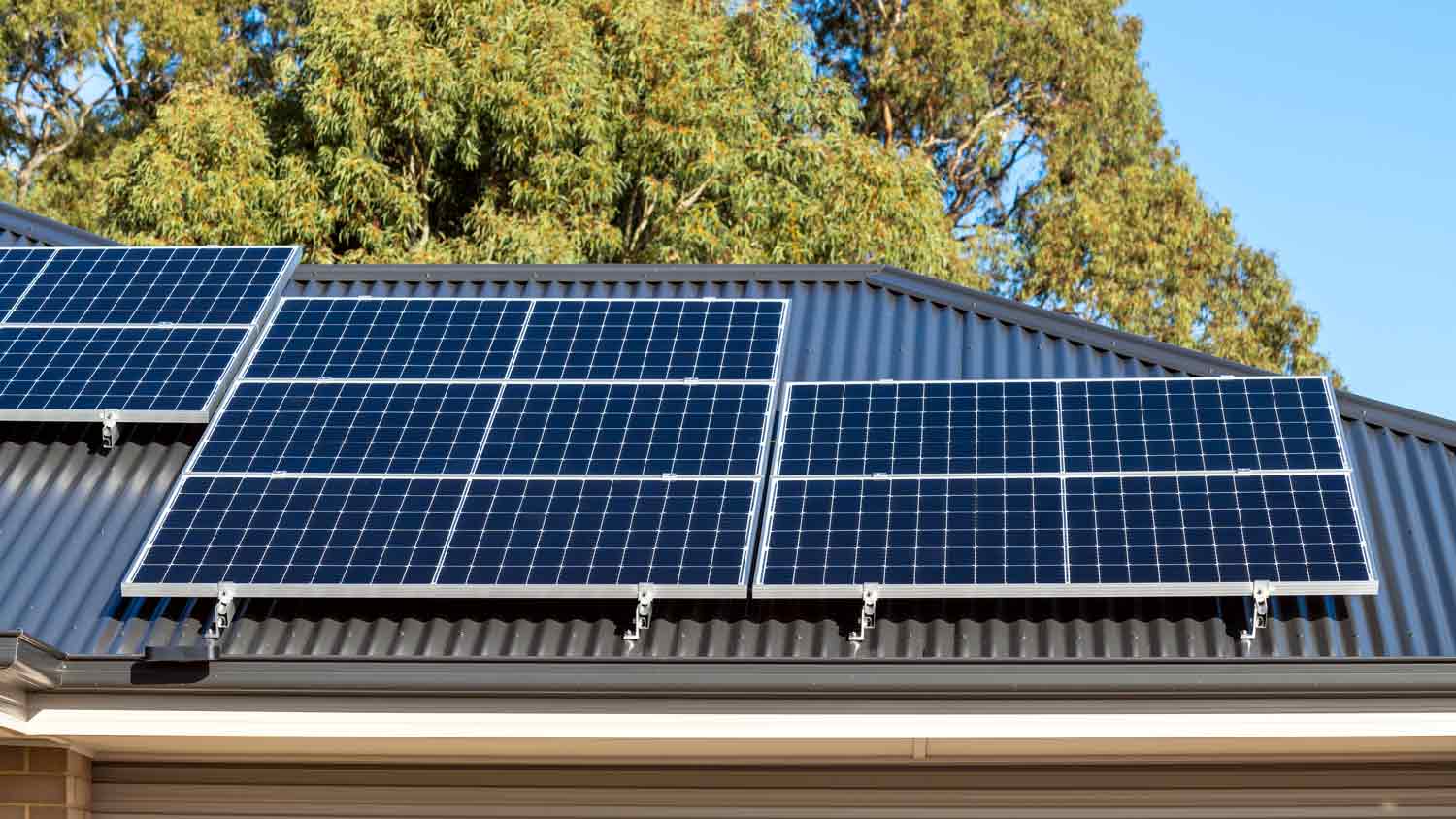
Whether you're going solar or your panels are getting older, you might be wondering if solar panels are recyclable. This guide covers what you need to know.

PVC is plastic, and wood is natural, which is just one of the many differences between these two baseboard materials. Learn the pros and cons of each to help you decide.

If you’re investing in a fence, you should carefully weigh the pros and cons of vinyl fencing. While it has many advantages, it comes at a higher cost, too.

Recycled glass countertops are made from discarded glass and a durable binding agent. Learn whether recycled glass countertops are the best choice for you.
PVC pipes are a popular choice for plumbing systems worldwide. But what are PVC pipes, exactly? Learn more about them and their uses.