

When it comes to LED versus incandescent Christmas lights, there are unique pros and cons. Find out the differences to decide which one is better for your home.
Does it have to be one or the other?

Incandescent light bulbs and LED bulbs both illuminate your home, but LEDs use 75% less energy and last 50 times longer.
Incandescent bulbs cost $2 to $3 each while LED bulbs cost $5 to $10, but LEDs save money over time with lower energy bills.
Your choice between the two depends on upfront budget, energy efficiency goals, lifespan needs, and the light color you prefer for each room.
Hiring a local light fixture installation professional provides peace of mind with proper fixture compatibility and safe electrical connections for your new lighting.
What is the difference between LED and incandescent light bulbs—and which is right for your home? Some homeowners are ditching incandescent bulbs in favor of cost-saving LED light bulbs, but there are advantages to each. Here are the differences between these two household light bulbs.
Whether it’s the bathroom vanity or your front door, lighting is an important component of your home. It enhances safety, lights the way, and enables you to read in the dark when you can’t sleep. But is LED or incandescent lighting right for your home? Here’s a look at the key differences between the two.
| Feature | Incandescent | LED |
|---|---|---|
| Light color | Warm | Cool |
| Energy efficiency | Less efficient | More efficient |
| Lifespan | 1,000 hours | 50,000 hours |
| Average cost | $2 – $3 per bulb | $5 – $10 per bulb |
| Bulb heat | Loses energy as heat | Minimal heat loss |
Incandescent light bulbs have been around for over 100 years. They’re likely the bulbs you grew up with, and their familiar warmth often gives them a distinct appearance to match that nostalgia. Though the wattage of your incandescent bulb might have changed over the years, not much else has been done to enhance the functionality of this classic light.
Unlike incandescent bulbs, light-emitting diodes (LEDs) are another popular household bulb, but they use a chip surrounded by epoxy resin to emit light. Originally disliked for their “colder” tone, LED bulbs have come a long way in terms of color and are now phasing out the traditional incandescent light bulb. There are many different types of LED light bulbs so you can choose features like color, dimmability, and shape.
As with anything that comes in a variety, there are pros and cons to LED and incandescent lights. Let’s shine a light on the key differences.
Upfront, the cost of an incandescent light bulb will seem cheaper than the cost of an LED light. So, if you’re in a temporary pinch, then the incandescent light bulb might be the best choice for you at that moment.
Another advantage of the incandescent light is the warm, familiar light that it emits.
It’s time for the downsides. Incandescent lights are getting phased out for many reasons. For one, this traditional light bulb uses a ton of electricity to cast that nostalgic light. This light emission means you’re paying more to power your home. What’s worse is that only 2% of the energy used in an incandescent light is visible. The other 98% is discarded heat.
Incandescent lights are also more fragile, burn out faster, and need to be replaced more often than their LED competitors.
On the other hand, LED lights save on energy, have a long lifespan, contain no mercury, and are made from stronger materials than incandescent light bulbs. You can save money, conserve energy, and avoid injuries by opting for LED lights.
The only disadvantage of an LED light is its upfront cost. Now that many LEDs come in different light colors, their brightness factor can be changed per your preference.
LED lights are 75% more energy-efficient than incandescent lights, but knowing how much you’re going to spend on one versus the other can be a little tricky. You’ll spend around $5 to $10 on a single LED bulb and only $2 to $3 on a single incandescent bulb. However, these upfront costs are deceptive.
Once you factor in the replacement costs of incandescent lights, the initial savings are lessened by replacement costs. In fact, the lifespan of an incandescent light bulb is around 1 000 hours, while LED bulbs have an average lifespan of 50,000 hours.
You’ll also save on your electric bill when you use LEDs. Consider a 60W incandescent bulb and a 12W LED bulb. They both produce the same amount of light, but the incandescent uses 48W more power every hour. If you multiply that by your local kWh rate, you can see how much you’ll save per hour on just a single bulb.

With all of the advantages and disadvantages in mind, which of these light bulbs is best? You guessed it: LED bulbs.
Not only are LED lights more energy-efficient, safer to handle and dispose of, and free of mercury and other toxic chemicals, but you can also save money in the long run by opting for LED bulbs. Though they might have a higher upfront cost, they last much longer than incandescent bulbs.
To compare the two, LED bulbs last 50 times longer than your average incandescent bulb and 8 to 10 times as long as a compact fluorescent light (CFL), which is another type of bulb that we’ll take a look at in the section below.
Let’s put these numbers into perspective: An LED light that is left on 24/7 will last for an estimated 5.7 years!
While we’ve focused on the differences between LED and incandescent lights, there’s a third type of light bulb that’s popular for household lighting: the compact fluorescent (CFL) bulb. Like LEDs, CFL light bulbs are more energy-efficient than their incandescent competitors. CFL lights work by using electricity to generate ultraviolet light, which in turn causes the fluorescent coating to emit visible light.
Lights that flicker and start out dim only to brighten up tend to be CFLs. Though it might take a moment for the electricity to brighten a CFL bulb, once it has, you’ll find that CFL bulbs use approximately 70% less energy compared to incandescent bulbs. The downside is that CFL bulbs burn out faster than LEDs and aren’t as energy-efficient. Keep this in mind as you decide on the best light bulbs for your home.
If you’re starting on a lighting installation project or planning on installing year-round Christmas lights, then it might be worth making the switch to LED lights. The first thing you’ll want to do is discard any unwanted incandescent lights by safely recycling these hazardous materials.
Due to the mercury and other toxic chemicals inside incandescent and CFL bulbs, you should never throw old bulbs into the trash. Simply take them to your local center for hazardous waste.
Once that’s done, it’s time to choose an energy-efficient bulb. Decoding the energy efficiency of watts and lumens can feel like you’re trying to solve a complex math problem.
Here’s how you can determine if a bulb is energy efficient:
First, avoid looking at just the wattages on the light bulb packaging. The wattage means the same regardless of the bulb. For instance, a 1,000-watt incandescent light uses as much energy as a 1,000-watt LED.
To find out if you’re saving on brightness, you’ll want to look at the lumen output and compare it to the wattage. For brighter lighting, choose a larger number.
Opt for bulbs with high lumens and low wattages for brighter, more efficient lighting. Bulbs with the lowest wattage and the highest lumens use the least amount of energy to achieve the same brightness as those that have a higher wattage.
For example, an incandescent light that has 120 lumens but uses 1,000 watts of power is far more costly than an LED light that also has 120 lumens but only uses 500 watts of power. If you have any questions about which bulbs to choose, it’s best to contact a local lighting professional to help with anything you need.
Custom Paint Jobs LLC gave our office a fresh new look. Clients love it!
 Custom Paint Jobs, LLC
Best painters in the Greater Columbus, Ohio area. Quality of work second to none and customer service is head above shoulders than everyone else. I cant wait to work on another project with Silvio and Team!
The Mosby team went above and beyond for my project. They not only installed my light fixture; they also worked through an old, wonky, and as it turns out incorrect wiring issue from the work of prior contractors. Professional, thorough, conscientious, and kind. Five star experience. Thank you!
 Mosby Electric
We had a 20+ year old landscape lighting system that needed replacement. Midwest Lightscapes worked with us to design a much improved lighting system, lighting the exterior of the house and the back yard. Installation of the 45 light system took one and one-half days, and went very smoothly....
 Midwest Lightscapes
Jeff was a consummate professional. Responsive, courteous, and focused on meeting our needs. I had a small project of installing and replacing two ceiling light fixtures. He responded to my Home Advisory inquiry within 24 hours and in a span of two weeks our light fixtures were installed. ...
For several months I was looking for somebody to tile a wall in my master bath and move lighting fixtures, and could not find anybody who was responsive. I contacted Rowe through Home Advisor and within days they came by to assess the job and provide an estimate. The cost was very...
 Rowe House Development
A team of 2 spent 5 hours, cleaning top to bottom (removed all light fixture and cleaned.... impressive!!!)
 Luzia's Cleaning
It went very well. I was able to select the color blocks I wanted and where they would be placed in the window. All of the employees were very pleasant and patient. The guys who installed the window arrived promptly, did their job, and there was nothing for me to clean up. The window looks...
 Innovate Home Org - Columbus Glass Block
The initial quoted price from a walk-through seemed high, but we discussed that the quote represented worst case scenario (re-wiring to two floors) and we were excited about the opportunity to have the work done in a timely manner with closing for fire safety reasons, etc. When the job was...
Charlie recommended a separate fan with new lighting to clear steam from the room better. Several weeks ago I contacted Charlie via email to ask about pricing and scheduling, after one follow up he did reply with cost and said it would be about two weeks before he could do the work. I replied...
 Settle Muter Electric
From average costs to expert advice, get all the answers you need to get your job done.
When it comes to LED versus incandescent Christmas lights, there are unique pros and cons. Find out the differences to decide which one is better for your home.
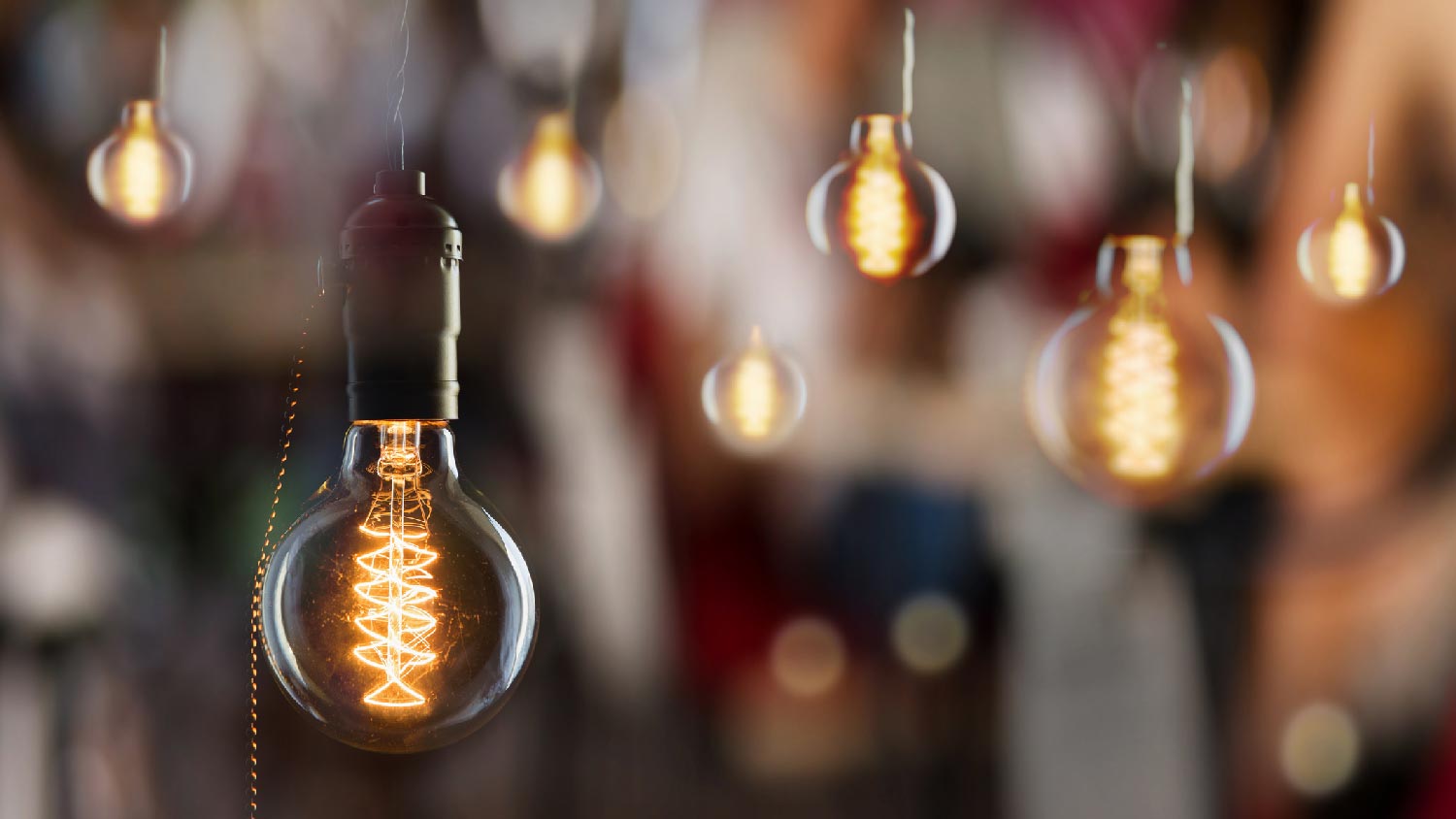
What is an incandescent light bulb? Learn about its pros, its cons, and how it stacks up against other options in this quick guide.

LED lights are cost-effective and long-lasting, but are they worth it? Here’s what you need to know before upgrading your lighting to LED.

Save money, use less energy, and accent your decor with the focused, decorative, or subtle light styles available from different types of LED light bulbs.
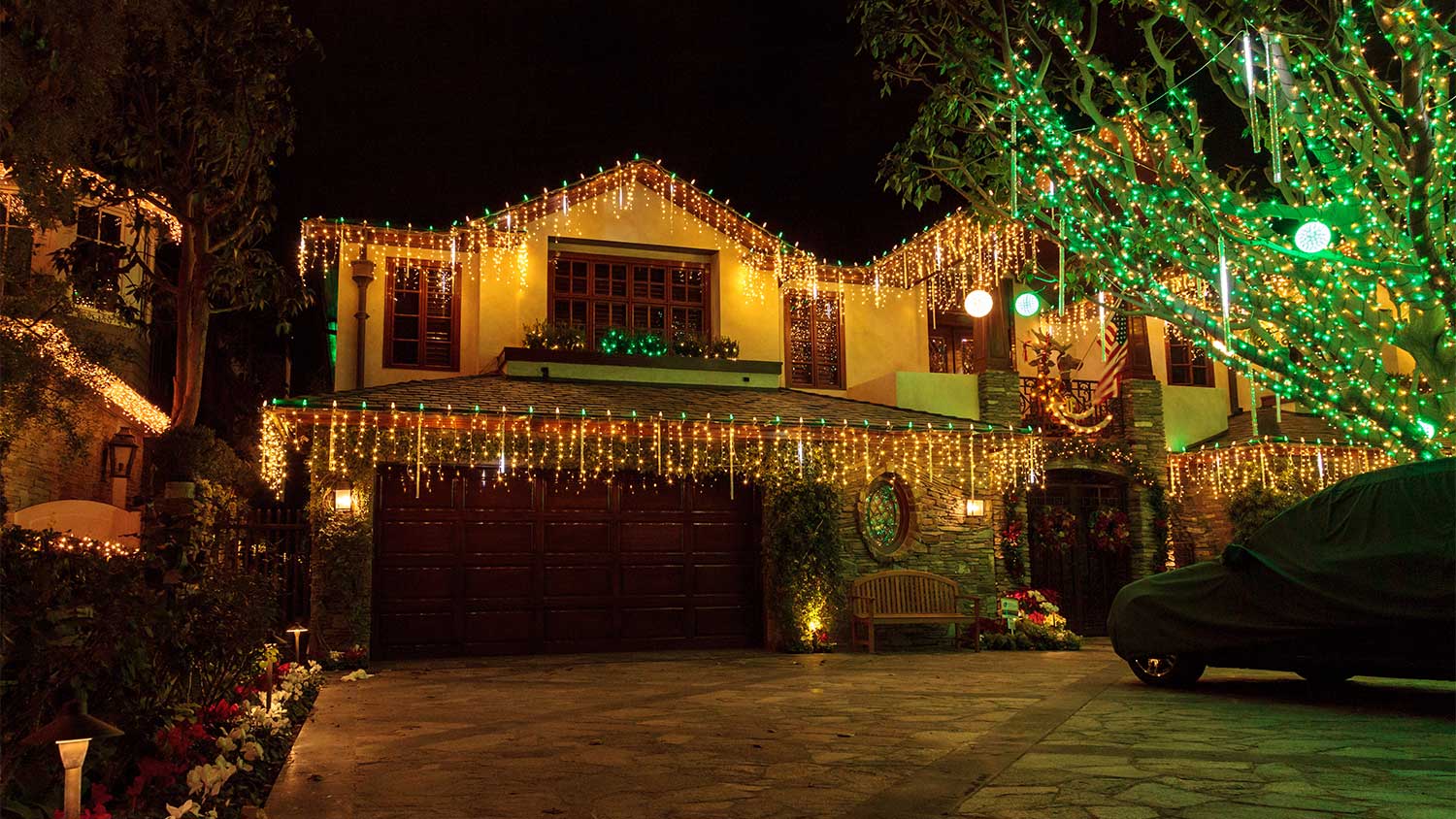
From the rooftop to the Christmas tree, choosing the best Christmas lights should not be a secret left to the pros. Here's everything you need to know.

Incandescent and fluorescent light bulbs have differences in cost, efficiency, and how they work. Read up on what separates these types of light bulbs.