

An updated bathtub can give a bathroom a whole new look. Find out how much it costs to replace a bathtub in Denver, CO, including prices by type and labor costs.
Drain cleaning costs depend on your project and location. Check with a local pro for your specific job.

Hydro jetting costs in Denver range from $370 to $635 for most residential sewer lines.
The severity of the clog, along with pipe length, type, and condition, all shape your total costs.
To reveal hidden issues and prevent problems, consider a sewer camera inspection for $150 to $1,360.
Plumbers in Denver with hydro jetting expertise can safely clear pipes and keep them flowing smoothly.
Hydro jetting costs in Denver, CO, average $503, with most homeowners paying $370 to $635. A combination of older neighborhoods, hard water, Rocky Mountain snowmelt, and wide temperature swings creates a demanding environment for residential sewer lines. Denver’s relatively high cost of living, the length and size of your home’s pipes, the extent of the clog, and the accessibility of the plumbing all drive the final cost.
It’s no surprise that plumbers in Denver, CO, stay busy year-round. Hard water that deposits minerals and reduces pipe capacity over time, mature trees that send roots in search of moisture, and ever-changing weather all contribute to the stress on sewer pipes. Here’s what all that means for your hydro jetting bill in Denver.
The length of your sewer line (as well as the complexity of the pipe layout) will impact how long it takes your pro to complete the hydro jetting service. The more time it takes to clear the clog, the higher your overall costs will be.
| Pipe Length (Linear Feet) | Average Cost Range |
|---|---|
| Up to 50 | $320–$480 |
| 50–100 | $425–$635 |
| 100+ | $580–$740+ |

Even serious clogs are no real match against hydro jet technology. Water is blasted through your pipes at 4,000 to 35,000 PSI, clearing the toughest clogs.
That said, the more clogged your sewer line is, the longer it will take to clear. Plumbers charge by the hour, so even a few extra minutes can significantly change the price of this service. If you call a local emergency plumber, the price will go up even more, since emergency plumber costs are higher than scheduled installations or repairs.
Cities, and large suburbs in particular, don’t mess around with sewer lines connected to main lines, as serious damage could cause problems for hundreds of people.
In some areas, a professional camera inspection is required every time work is done on your sewer line, and sewer line inspection costs in Denver average $750. While this isn’t what most would call inexpensive, the fines you’ll pay for not calling an inspector—or if something is still wrong with your sewer line, and you don’t catch it—will be more expensive. Besides, the inspection cost is almost always lower than a repeat service call.
Sewer lines are typically located in the crawl space, basement, or garage. When they are difficult to reach, sealed off, or obstructed, hydro jetting services will cost more because it will take your pro longer to gain access.
Denver’s slate of plumbers has grown alongside the city itself, and the booming population has a long list of qualified local pros who can help prevent or address plumbing problems. Here’s what plumbers in Denver, CO, factor into their hydro jetting pricing.
Licensed plumbers in Denver charge between $50 and $210 per hour for residential services, and all plumbers must be licensed to legally operate. The area’s above-average cost of living pushes rates higher, but the number of plumbers helps keep the rates affordable.
Hydro jetting alone doesn't require a permit in Denver, but any repairs or replacements to your sewer line will. Colorado also requires that any work on pipes connecting to municipal sewer systems must comply with Denver Water and Metro Wastewater Reclamation District standards. Your plumber should handle the permit process, though the fees are your responsibility.
Tipping for hydro jetting services is optional, but it's a kind gesture, especially for jobs that take longer or require extra effort. If you want to recognize your pro for a job well done, $20 to $50 is appropriate.
If a camera inspection shows damage beyond a basic clog, you may need additional help.
A licensed sewer line repair pro near you can handle pipe relining or repairs. Rates vary by task, but budget $100–$250 per linear foot.
For mineral scale buildup, pipe descaling paired with hydro jetting can return your pipes to full capacity. If your pipes are fragile or older, make sure the service details fit your pipes’ needs.
Trenchless sewer repair lets you get the repairs you need without digging up mature landscaping, finished basements, sidewalks, or driveways.
If you end up having to tear up your lawn or paving, a local landscaping pro and concrete contractor in your area can put it back the way it was.
While hydro jetting won’t add to your home’s value like an updated kitchen or addition might, it still makes good sense to keep up on plumbing maintenance, especially if your pipes are getting repeatedly clogged and run slowly.
Savvy buyers often request sewer line camera inspections, and proactively having a pro hydro jet lines and provide documented proof can stop the questions before they start. In some cases, it can help homes sell faster than those with sewer line troubles.
Even if you’re not planning to sell soon, hydro jetting can add value to your home life. Regular hydro jetting and inspections can remove mineral scale, clear roots, and keep lines clear. That can mean fewer clogs, less buildup, and faster-running pipes. Regular maintenance can also help delay costly sewer line replacement, which saves money in the long run. In a city where home maintenance and repair costs are trending upward, keeping your home’s pipes in good working order is a smart investment.
To help homeowners plan their next project, Angi provides readers with carefully researched cost data and upholds strict editorial standards. We start with national average project costs, which we collect by analyzing competitor information, retailer material costs, and input from professional contractors. We then apply local price index data to calculate location-specific estimates that reflect what homeowners typically pay in their local area. To do that, we use data from the U.S. Bureau of Economic Analysis (BEA), including its Regional Price Parities (RPPs), which measure price differences across cities. This helps us account for differences in labor, materials, and overall cost of living, so estimates in higher- or lower-cost areas better reflect real-world local pricing.
Every estimate undergoes a thorough editorial review to verify accuracy, consistency, and alignment with observed market conditions.
Want to help us improve our cost data? Send us a recent project quote to [email protected]. Quotes and personal information will not be shared publicly.
It was a long when drains needed to be cleaned and the technician that cleared our clogged drains was very good. There will be no more backup. The service was quick and very polite. For drain problems, I will definitely recommend and will most definitely use the service again.
 Plumbing Around the Clock, LLC
Good guidance to self diagnose and fix a dishwasher drain pump clog. Heartily recommend!
 Neli Virtual Appliance Repair
Michael did a great job replacing the French drain. He was very professional and kept me informed throughout the process.
 High Rise Gutter & Repairs
I thank Kays Cleaning service for doing such a great job. Accommodating my needs working around my schedule. I will be using her cleaning services again in the future
 Kaye's Clean Home Care
Jeff rebuilt our drain system and installed our new ice machine in our break room. He also replaced our basket strainer and rebuilt our drain system in our upstairs coffee break area for our existing ice machine. Now everything drains and flows correctly; we now donâ t have to worry about...
 ATJ Plumbing Service LLC
I had my basement plumbing drains and water lines roughed in. Very professional and honest work. Price was fair and No Limits Plumbing and Drains are easy to work with. If anyone needs a basement roughed in with plumbing please call this company!
 No Limits Plumbing & Drains
On time,cleaned up and offered a free Christmas main drain scoping. Recommended future drain replacement which my insurance would cover.
 Rooter Guy, LLC
Woke up to a clogged kitchen sink that was continuing to slowly rise with water. Saw positive reviews for Dr Drains that caught my attention on NextDoor. I . Spoke with Erica on the phone who was friendly and indicated that she could send Cody my way within the next hour and got me added to...
 Dr. Drains LLC
Just had our first clean done, and just WOW! They did such an amazing, thorough job. The attention to detail was above expectation. If you need a great cleaning service, stop here. This is what you are looking for!
 L &M House Cleaning LLC
Very professional, Courteous and knowledgeable. I would recommend them to anyone with drain issues.
 Zoom Drain Denver South
From average costs to expert advice, get all the answers you need to get your job done.
An updated bathtub can give a bathroom a whole new look. Find out how much it costs to replace a bathtub in Denver, CO, including prices by type and labor costs.
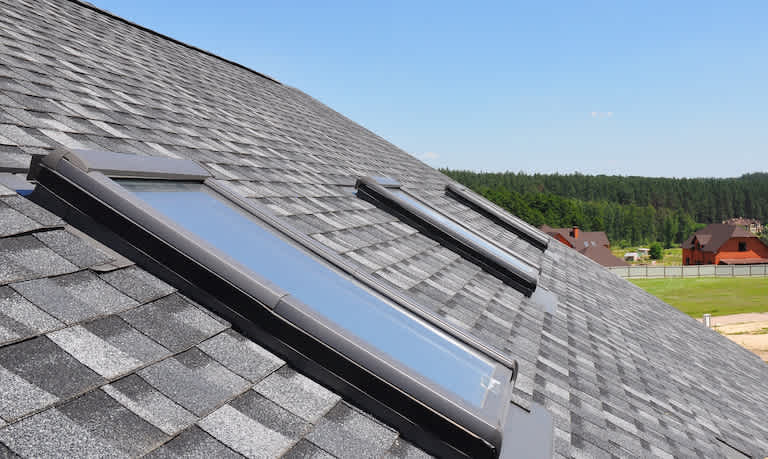
Find out the average skylight repair cost in Denver, CO. Learn what you can expect to pay to fix leaks or replace glass and get your roof ready for winter.

Find out the average yard drainage cost in Denver, CO. Learn what you can expect to pay for local drainage systems and protect your home from water damage.
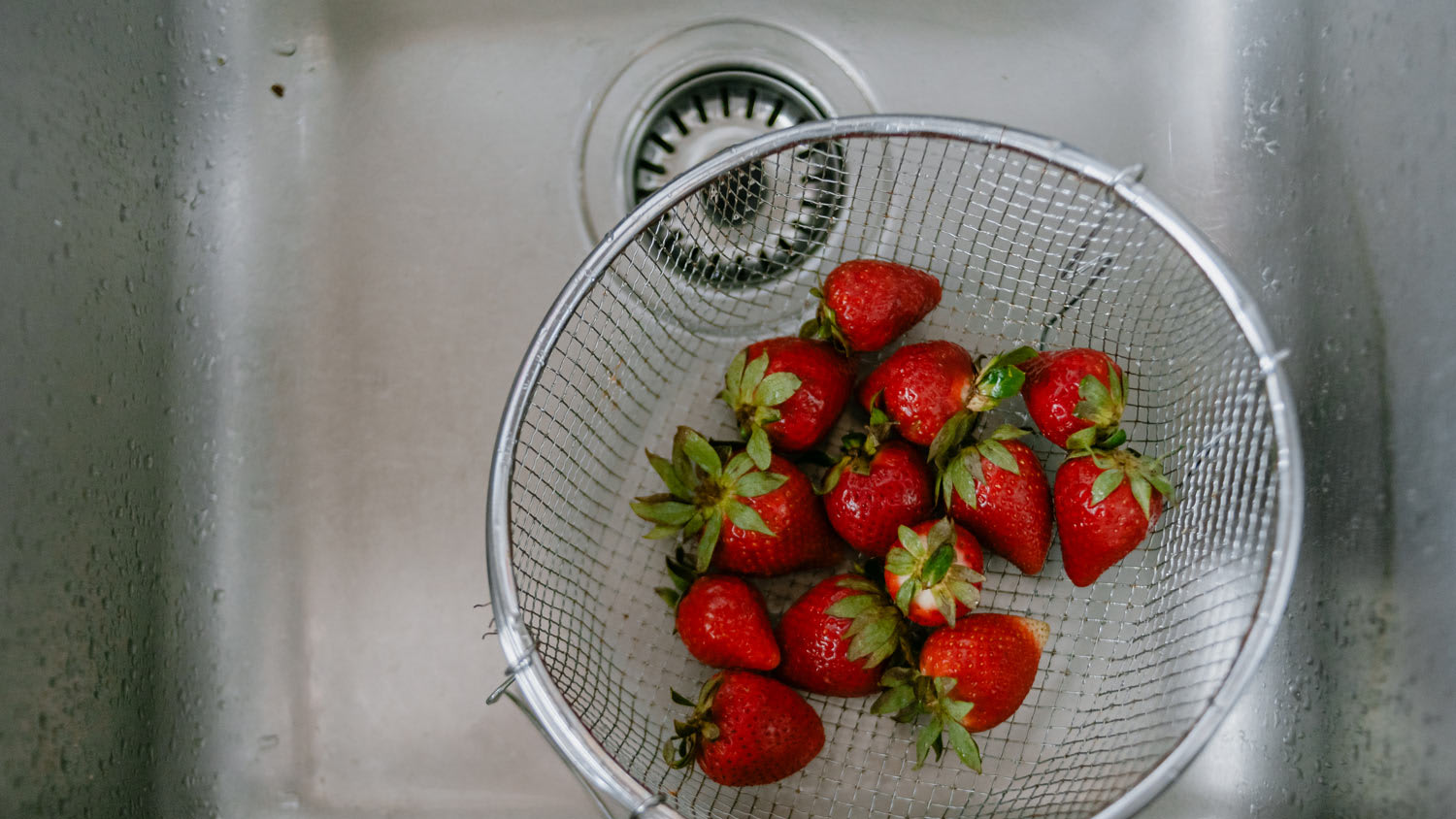
Hydro jetting can help clear deep plumbing clogs and debris buildup. Use this guide to learn all about hydro jetting and whether it’s the appropriate fix for your problem.

Relaxing in the privacy of your home is priceless, but there are major differences between a jetted tub and hot tub to consider.
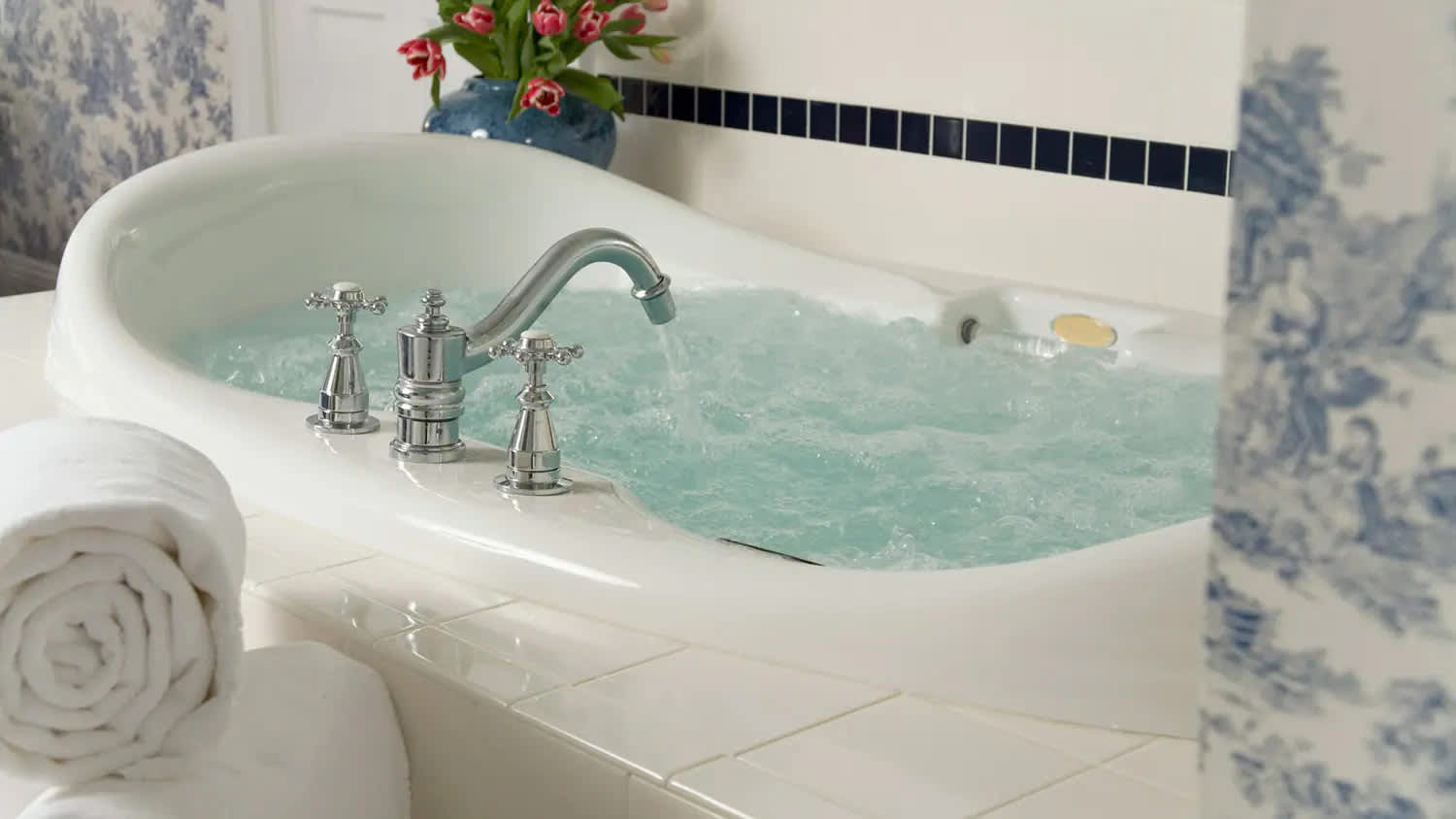
Jetted bathtubs need regular cleaning to keep the jets free of mildew and residue. Learn how to clean a jetted tub in just a few easy steps.