






•
Discover the cost to install ductwork. Learn about average prices, cost factors, and tips to save money on your ductwork installation project.
Keep your chill with this test


Incorrectly testing return air vents yourself can lead to leaks, poor airflow, or stress on your HVAC system.
A duct installation pro can effectively test if your return air vents are working, as well as locate hidden leaks, repair or replace ductwork, and help optimize airflow.
Air duct cleaning costs about $380, but a clogged ductwork can result in higher energy bills.
If your return air vents aren’t working and your HVAC system is about 15 to 25 years old, you may need to pay for the cost of a full HVAC replacement for about $7,500.
Your return air vent is integral to your home’s HVAC, as it draws in warmer air to recondition it. After reconditioning, your HVAC pushes the cooler air through your ductwork and into your home. That’s why it’s important to locate and test them regularly. Our guide will show you where to locate them, how to tell if the return air is working, and common problems that arise with them.
In your home, you’ll likely have two different kinds of air vents. Supply air vents push the air from your ductwork into your home’s living space. Meanwhile, return air vents draw the warmer back into your ductwork. From there, your HVAC reconditions the air, removing warmer molecules from it, before dispensing it back into your home. The result is you have more balanced air temperature and humidity throughout your home, leading to a more comfortable environment year-round.
You’ll want to test your return air vents as they can clue you into other problems that might be at play in your home’s HVAC system. If you notice your home becomes stuffy even as you crank the air conditioner, it could indicate your return air vents are not working properly. And as you crank your air conditioner, it stresses the system more. In turn, you could see higher energy bills and a shorter operating life for your air conditioner.
On top of that, your home won’t be as comfortable as intended. Doing this simple test annually can ensure you’re not letting money fly away while keeping your home nice and cozy.
Building codes for newer homes suggest that there should be return air vents in every room of your home. If you have an older house, you might just have one return air vent per floor. To find and test your return air vent, do the following:

Start by grabbing a tissue, newspaper, or any piece of paper that’s fairly flimsy. The goal is to have something to show you which direction the air travels.
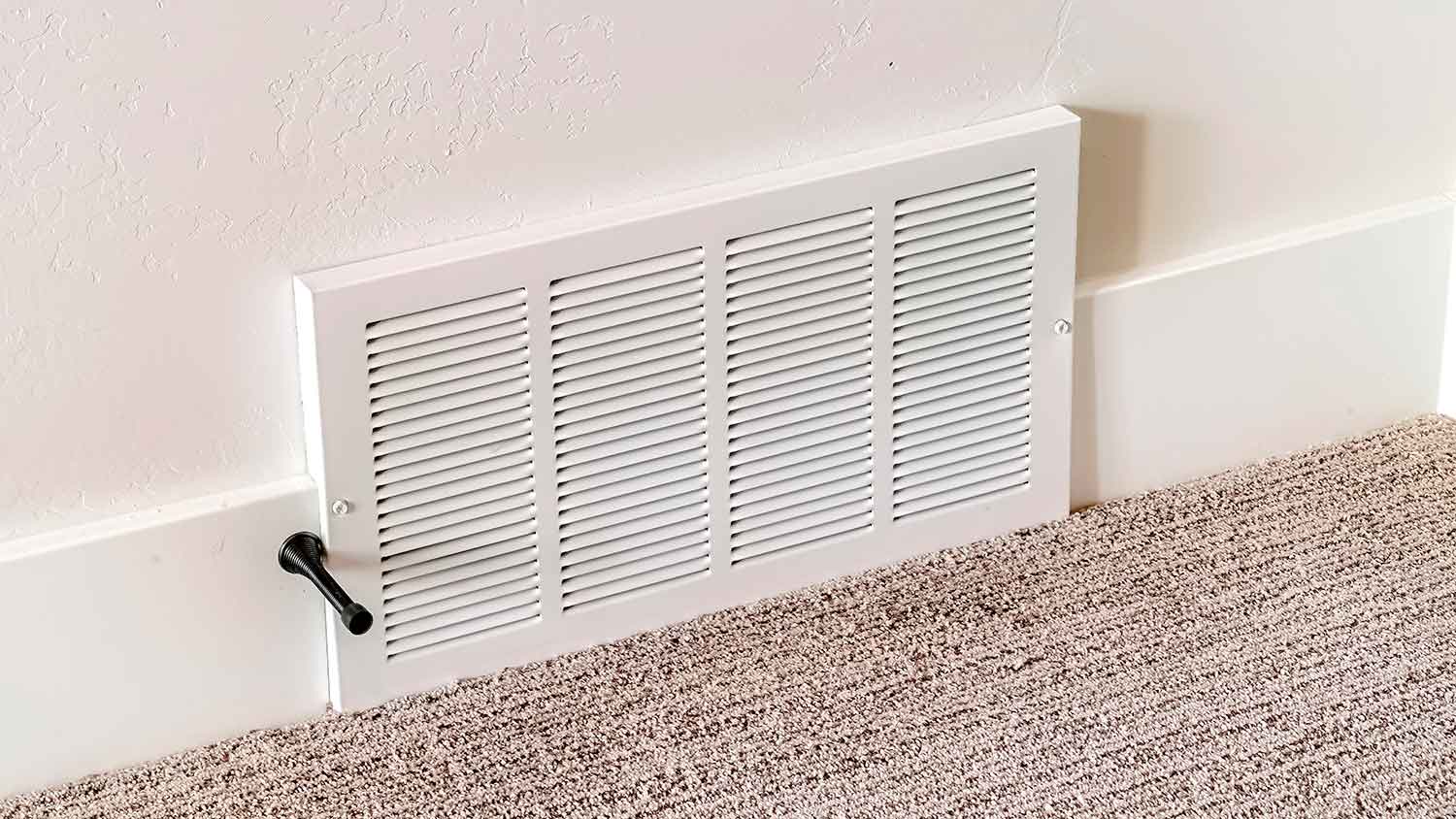
Next, find an air vent and hold the piece of paper around six inches from it. When you locate a supply air vent, it’ll have a fan effect, trying to blow the piece of paper out of your hands and into the room. Conversely, with return air vents, you’ll find the air trying to pull the paper into the air vent. When you experience this, not only have you found a return air vent, but you have also found a working one.
Here are some tips to keep your return air vents working well:
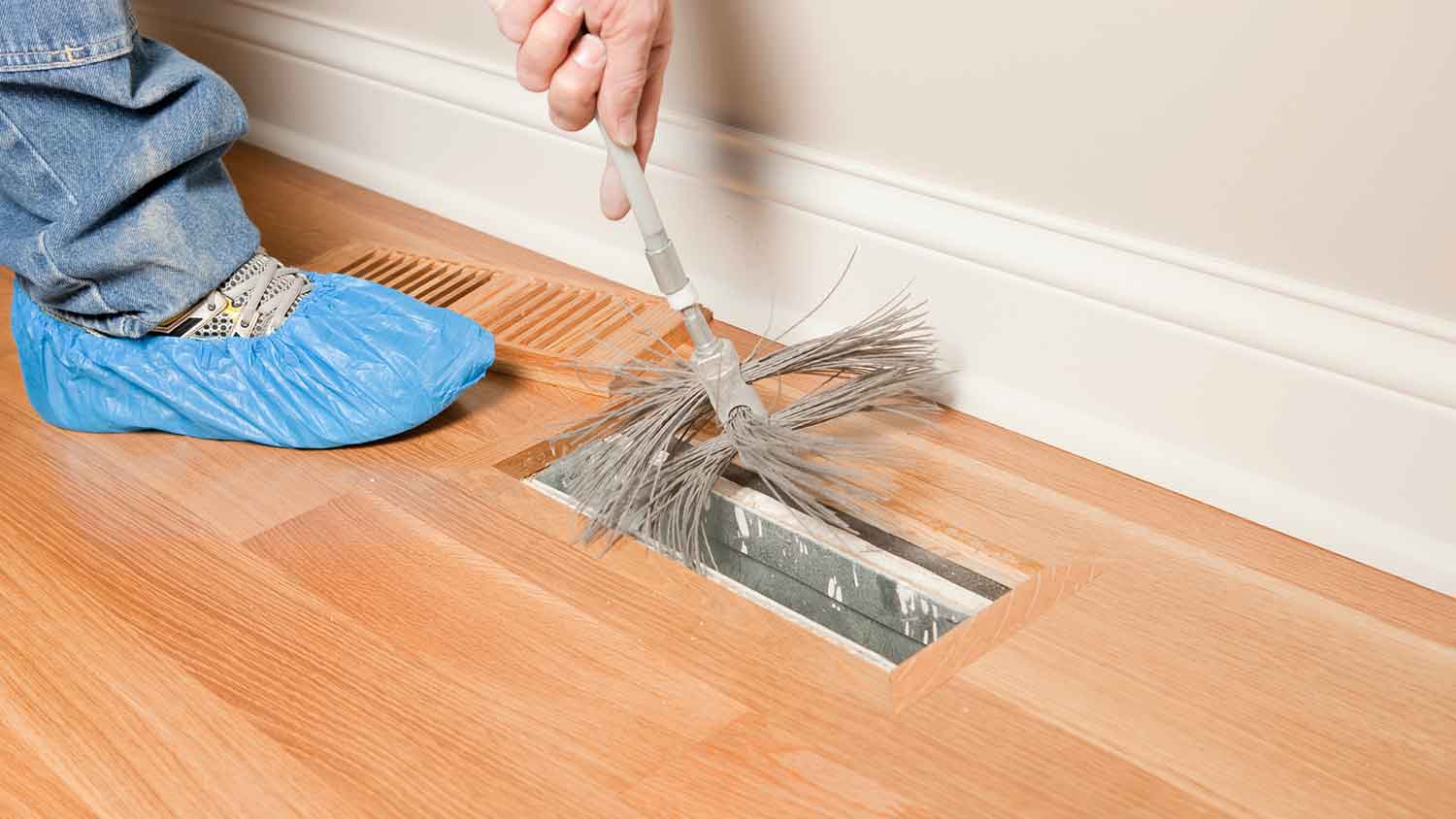
The ductwork is like the vein system of your home, carrying air into and out of your environment. As such, you’ll want to keep it clean so you breathe cleaner air and your HVAC system doesn’t have to work as hard to distribute the air. Once every three to five years, have your ductwork cleaned. The average air duct cleaning cost is $380, though factors such as the size of the unit, the type it is, and any problems the HVAC technician might encounter can influence the cost.
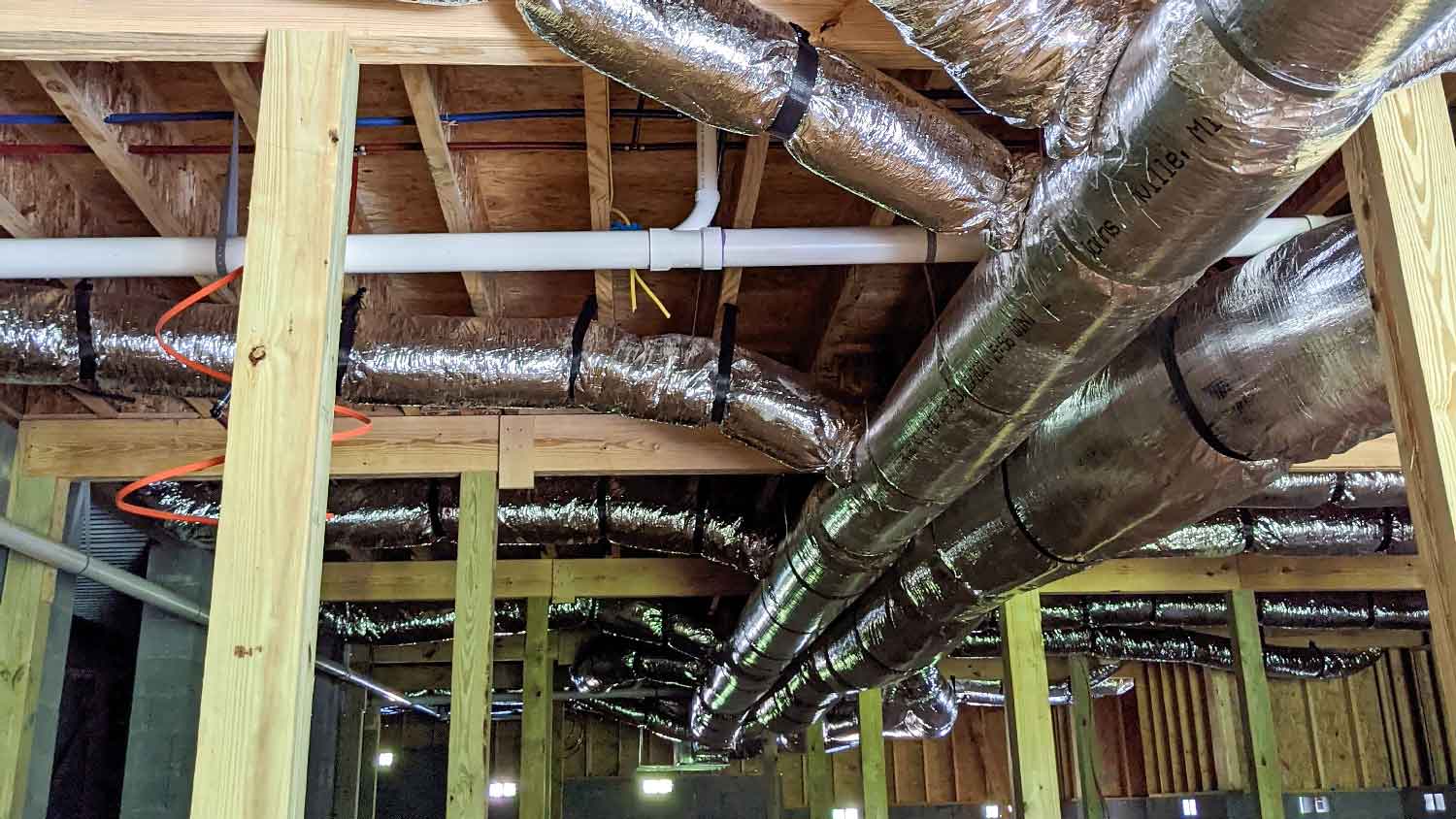
Another common problem is there are leaks in your ductwork. When this happens, it can form water on the air vents. So, when you’re learning how to stop condensation on air vents, your ductwork is likely the culprit. You can locate leaks by finding duct joints, this is where two ducts meet. Run your hand over the air to see if there are any leaks. If so, you can use a mastic sealant to cover the leaks you discover. You can also reach out to a local duct installer, as they have the tools and know-how to find the problems and address them promptly.
Another common problem is having ductwork that is worn down with age. Typically, ductwork lasts between 10 to 15 years with proper maintenance. If you’re nearing its operational end, you’ll want to consider having the system replaced. Speak with a local duct installer, who can devise solutions that work with your home. This includes the type you want, creative ways to hide your ductwork, and ways to design the ductwork to any new additions you’ll have, like an attached dwelling unit.
If you own an older home, check to see how old your HVAC system is. You can locate the nameplate on your home’s air conditioning unit. On it will have the manufacturer’s date. If this is smudged or illegible, you can pay for an HVAC technician to come out for an inspection during which they can estimate age.
HVAC systems last between 15 to 25 years with proper maintenance. If your unit is in that age range and your return air vents don’t work, now might be a good time to replace your system. The average HVAC replacement costs are $7,500, which is steep on the surface. However, when you consider, a new home will make your environment more comfortable and lead to lower energy costs, it’s well worth the investment.
Dennis did an amazing job installing and finishing the drywall in my basement. He was able to fit me in quickly and had excellent communication throughout the project. I highly recommend him and will be going back to him in the future!
 Minneapolis Drywall, Inc.
From average costs to expert advice, get all the answers you need to get your job done.
Discover the cost to install ductwork. Learn about average prices, cost factors, and tips to save money on your ductwork installation project.

A blower door test can identify air leaks in your home and help boost energy efficiency. Use this blower door test cost guide to see what your test will total.

If your furnace is malfunctioning, it could be a faulty control board. Find out what a furnace control board replacement costs for parts, labor, and more.

Is your baseboard heater not working? Here are some common issues and expert solutions for getting your heater back on track. Here’s how to troubleshoot it.

Condensation on air vents suggests something is wrong with your HVAC system. Learn how to stop condensation on air vents through preventive measures.

A whole-house humidifier costs between $400 and $800, but can have an ROI of 40%. Learn if adding this HVAC appliance is worth it for you.