
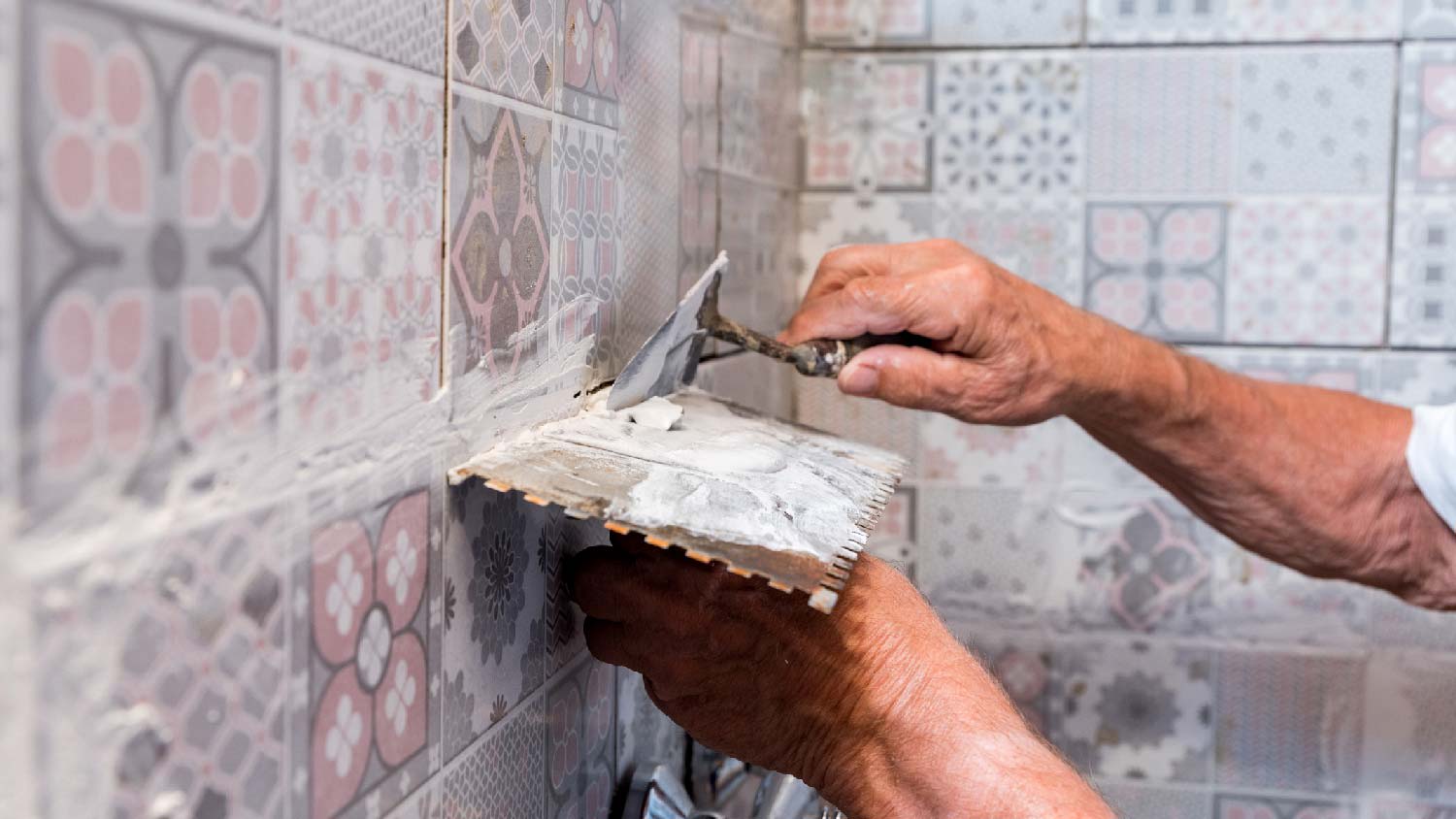
Sealing your grout goes a long way toward extending its life span. This guide breaks down the cost factors for sealing grout, including size, materials, and labor.
Once your grout is fresh and intact, here’s your DIY to seal the deal

Mold and grime can quickly sneak up and taint the look of your grout, causing even the most beautiful tiles to lose their luster. You can fight back by learning how to seal grout with a little determination and grout sealer—plus a few other supplies you likely already have on hand. Sealing your grout will create a barrier against moisture, making it easier to clean and inhibiting the growth of those ugly spores, so this is a process you don’t want to skip.
You can often clean and repair grout to get it good-as-new, but it might be necessary to replace it first, especially if the damage is extensive.
Whether or not you can tackle this task on your own depends on where your grout is. While you can attempt to regrout your tile floor yourself, it’s an expert-level task, and you’ll typically be better off hiring a local handyperson to help you. On the other hand, DIY shower regrouting is a much simpler task that you may be able to take on if you’re looking to save money.
Once you complete all that important prep work, you can learn how to seal your grout to keep it looking pristine.

Before you can start the actual tile grout sealing process, you’ll need to make sure the grout is clean and intact. You can repair loose grout by removing it and applying a fresh layer of new grout.
If your grout is still in good shape but looking a little dull and dingy, be sure to clean your grout first so you’re starting with a fresh slate. You can use an old toothbrush with commercial grout cleaner, or you can sub this out for dish soap, baking soda with or without vinegar, lemon juice with cream of tartar, or even shaving cream. It’s always best to spot-test any cleaner first, though.
To remove excessive amounts of grime, carefully use a razor blade to lift any gunk out.
Picking the right grout sealer can be just as important as picking the right grout itself. It has the power to make your grout shine and your tiles pop or to muddy the whole picture. Depending on whether you have stone, marble, or ceramic tile, you’ll find a variety of different sealers that you can use for each.
Along with the material, you’ll need to take the level of moisture your tile will be exposed to into account. Based on that, there are two types of sealers: Penetrating and membrane-forming grout sealers. Penetrating sealers are designed for maximum water protection, soaking in and sealing the pores in the grout. It is the more durable of the two, protecting from water, mildew, stains, and more. Penetrating sealers are best used in areas exposed to a lot of water, like showers or bathrooms.
Membrane-forming, or non-penetrative, grout sealers are designed to be more aesthetically pleasing, only covering the surface of the grout and giving it a shiny coat. However, while it still has some protective power, it is overall less protective and durable to a penetrative sealer. It is easy to peel off and it's easier for water to get trapped underneath, which can cause mildew growth due to a lack of evaporation. It's best used in kitchens and backsplashes, but should be avoided in areas that are consistently damp.
Most grout sealers are in the form of an aerosol spray, but this isn’t always the most practical solution for sealing grout. For example, you may have glazed tiles that the spray won’t easily adhere to, so you’ll need an applicator brush or a grout sealer roll-on applicator bottle. If you have thin grout lines around unsealed tiles, opt for a sponge to cover large sections at once.
Working from left to right, begin applying grout sealer to your grout in small sections. Maintain close attention to every detail, taking care to cover the entire surface of the grout evenly. Use a dry cloth to wipe off excess sealer from tiles as you go.
Wait 10 minutes for your grout sealer to settle, then use a dry cloth and wipe up the excess sealer residue from the surrounding tile. Sealer becomes difficult to remove when dry and letting it do so can leave your tile looking foggy.

After you’ve applied the sealer to your grout, allow it to dry for one hour. Then, drip a few water droplets onto the surface and see how it sits. If it beads up and doesn’t appear to penetrate, your sealer should be good to go. If it doesn’t, then you’ll need to apply an additional coat.
If water won’t bead up on your grout, apply a second coat of sealer and wait another hour for it to completely dry. Then, do another water droplet test—if it still doesn’t bead up, you may even need to do a third coat of grout sealer for full impermeability.
Grout sealers come in two forms: Aerosol and liquid.
Aerosol grout sealers come in a can, from which you can spray your sealant onto your grout. It's quicker and easier than applying liquid grout, which means it's good for quick jobs and can make reapplication easier.
However, aerosol sealers also spray broadly, meaning that you’re going to cover your tiles with the sealant and waste some of your product. It also applies thinly and you’ll have to apply more of it to be effective.
Liquid grout sealers usually come in bottles and are applied manually, like paint. While it's not as easy to apply, it allows for more precision and covers your grout in a thicker layer of protection. For most projects, liquid grout sealers are ultimately more effective.
Learning how to seal grout is a fairly simple DIY, but it requires patience and attention to detail to do it well. If you’re not up for the task, you can enlist the help of a pro: The cost to seal your grout professionally ranges from $150 to $250 for 160 square feet. Get in touch with a local grout repair pro or handyperson for more details and a custom price quote.
Terrible experience. Walls/trim/floors/cabinets/doors all have drip marks, overspray, etc. Tiling at the fireplace had to be redone by another vendor due to incorrect and shoddy install by Profect. Contractor had his children in our house while he was on site without prior authorization or...
 Profect painting & exteriors
It was wonderful working with Yordy and his team. They were very professional and are experts in what they do. They have completed the work on time, with better quality and with in fairly reasonable price. We just started with backsplash work , but liking his work, we went on to provide...
 Flooring Solutions
We were having 2”x 2” tile installed . There was a small installation error and the new additional replacement tile was from a different lot and the colors didn’t match. Joe assured us that he would rectify everything , which he did without hesitation. We decided to go with the 18” x 36” tile...
 CarifaTile
For several months I was looking for somebody to tile a wall in my master bath and move lighting fixtures, and could not find anybody who was responsive. I contacted Rowe through Home Advisor and within days they came by to assess the job and provide an estimate. The cost was very...
 Rowe House Development
It went very well! The end product was amazing and we keep getting a lot of compliments from friends! M&E were very professional and they made sure we were happy with the product before leaving. They met with us in our home and at the tile shop to make sure we were okay with our tile and...
 M&E Remodeling
Involved an extensive bathroom remodel, including removing tub & installing walk in shower, new drywall, custome tile work to ceiling, plumbing, etc. Overall, job was done on time and on budget. Nick & his team were very professional and had high attention to detail. Quality was great. Highly...
 Stamos Flooring and Remodeling LLC
Very pleased with the service and level of professionalism. Courteous and very unobtrusive in performing service. Unlike several other companies, Bradford Xteriors was willing to perform work on a three story home with a clay tile roof. <br />
 Bradford Xteriors
This company did a very good job on the brick wall and it looks just amazing. The staff was always professional and was practically OCD on how the bricks were stacked and how they were laid. Although it took longer than expected, I am willing to sacrifice time over perfection anyday. The...
 My Handy Mate LLC Improvement & Remodeling
He did the tile work and he was good at it. He used other subcontractors for the rest of the work (like putting in the cabinetry) and they were okay but not great. He was a great guy! He was easy to work with and had a good eye for the detail of his work. There were a couple of things that I...
 Brian Miller Custom Remodeling
I was very impressed with Miller Cantrell! I live in an old home in which the sewage line that runs from my home to the sewage system is a line of clay tile. These eventually collapse and need to be replaced - an expensive problem and sure to happen at the worst time. I told them that my...
From average costs to expert advice, get all the answers you need to get your job done.
Sealing your grout goes a long way toward extending its life span. This guide breaks down the cost factors for sealing grout, including size, materials, and labor.
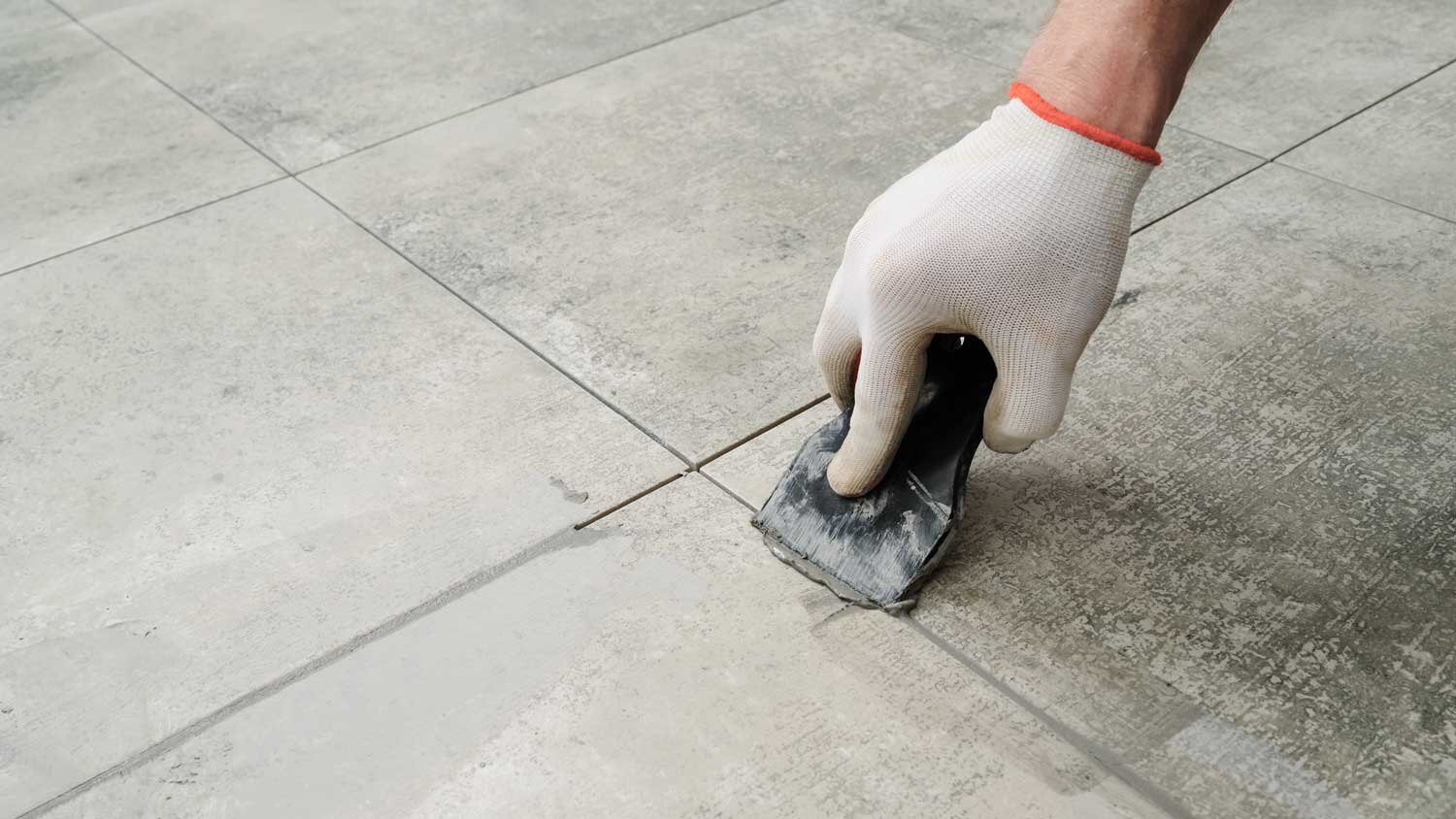
Discover the average cost of grout repair, key price factors, and tips to save. Get expert advice to plan your grout repair project with confidence.
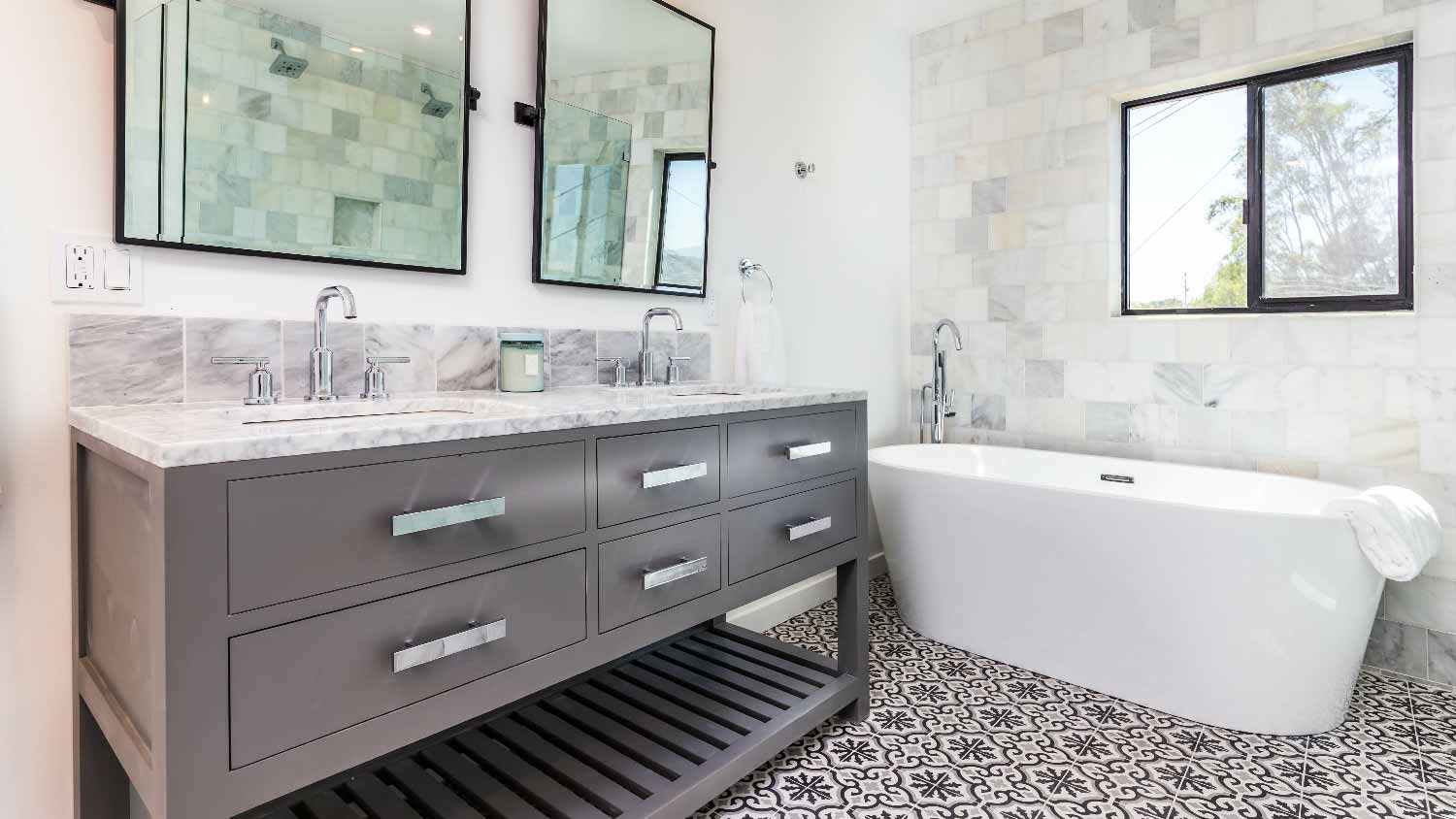
If you recently tiled your kitchen or bathroom, you might wonder, does grout need to be sealed? Check out the reasons you shouldn’t skip sealing your grout.
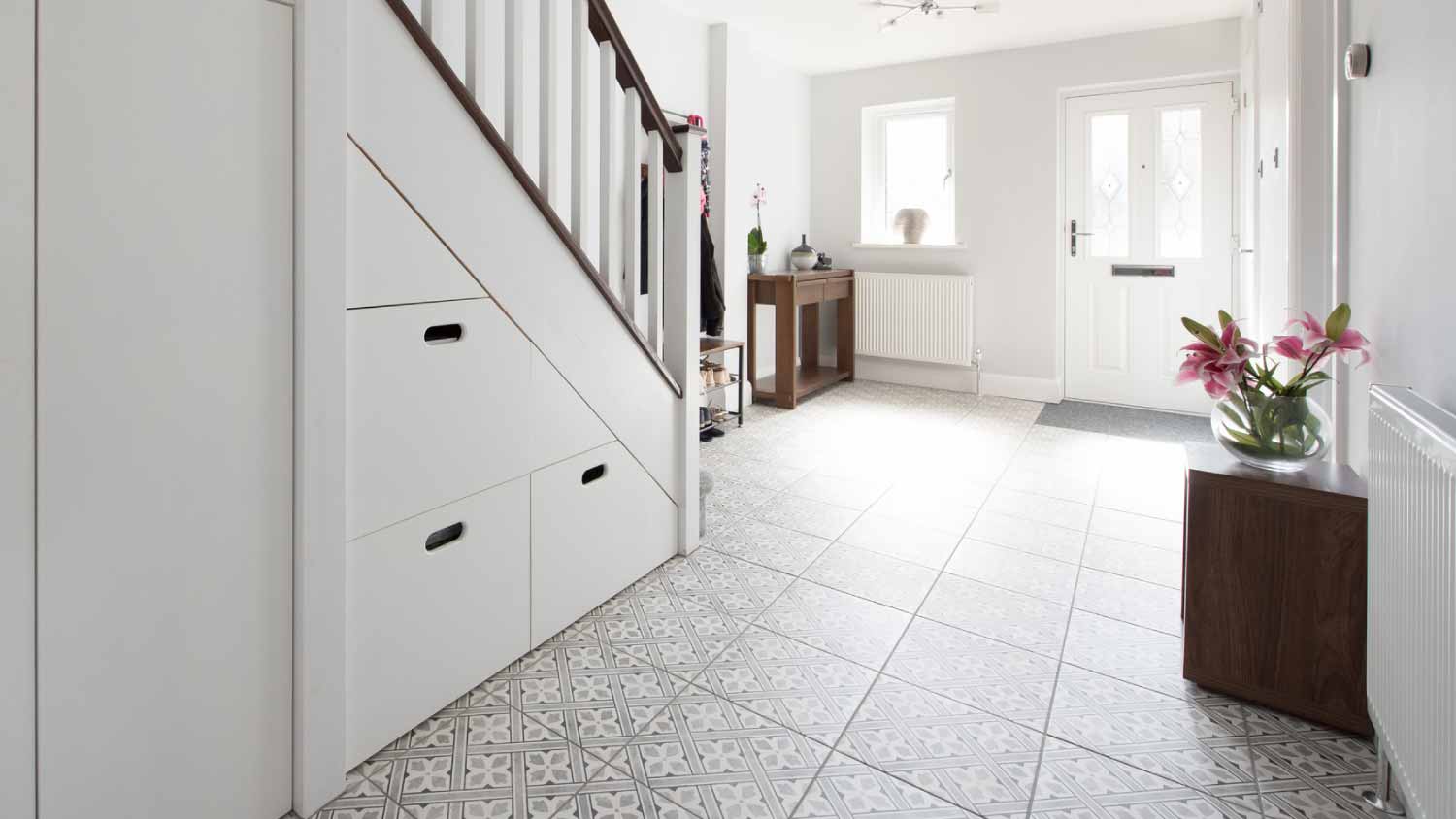
If you’re wondering how long it takes for grout to dry, our guide has the answers. Letting grout dry and cure completely ensures a long-lasting tile job.
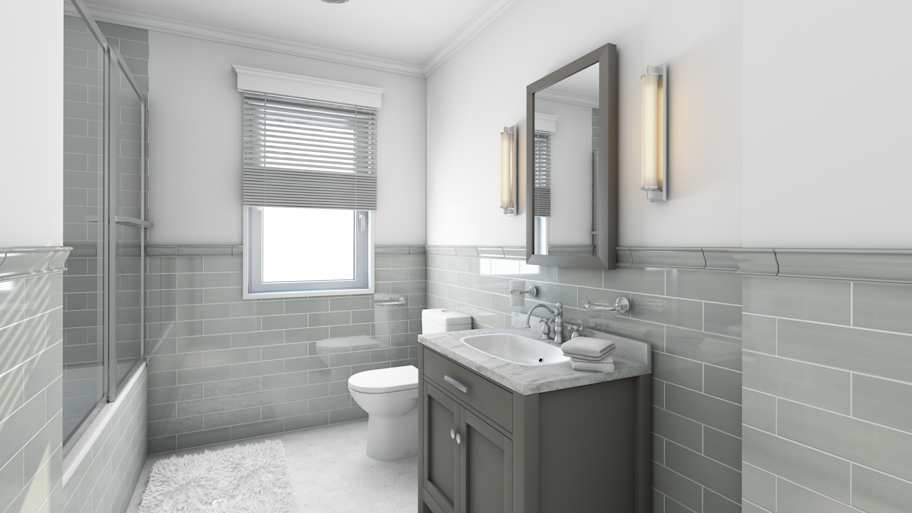
Make your tile project shine with these tips for grouting tile. Learn how to avoid common mistakes and finish strong with clean, sealed lines.
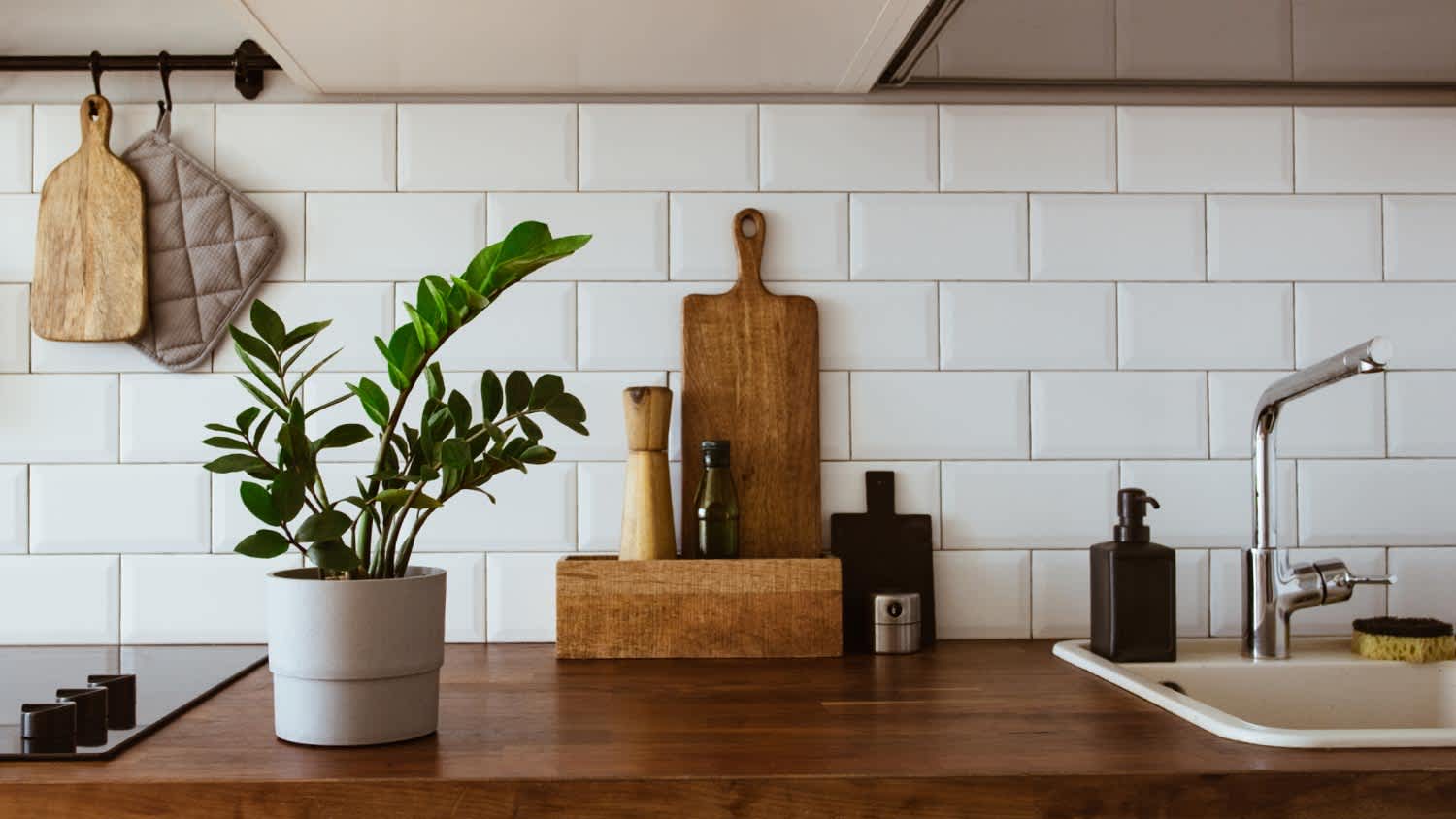
Loose grout can cause loose tiles, mold, and slipping hazards. This guide breaks down common causes of loose grout in your kitchen or bathroom, and how to fix it.