
•
Get transparent shrub removal cost info. Learn average prices, key cost factors, and tips to save on your next shrub removal project.
Set up your shrub for success

Proper shrub planting starts with digging a hole twice as wide as the root ball and loosening those roots before you place the shrub.
Shrubs cost $30 to $60 for most species, while larger or flowering varieties need a bigger budget for your landscaping project.
You'll need to water your new shrub thoroughly for 30 minutes in three different positions to help the roots establish in the soil.
Hiring a local tree planting service professional provides reliable support with large yards, heavy plants, and selecting shrubs suited to your climate and sun exposure.
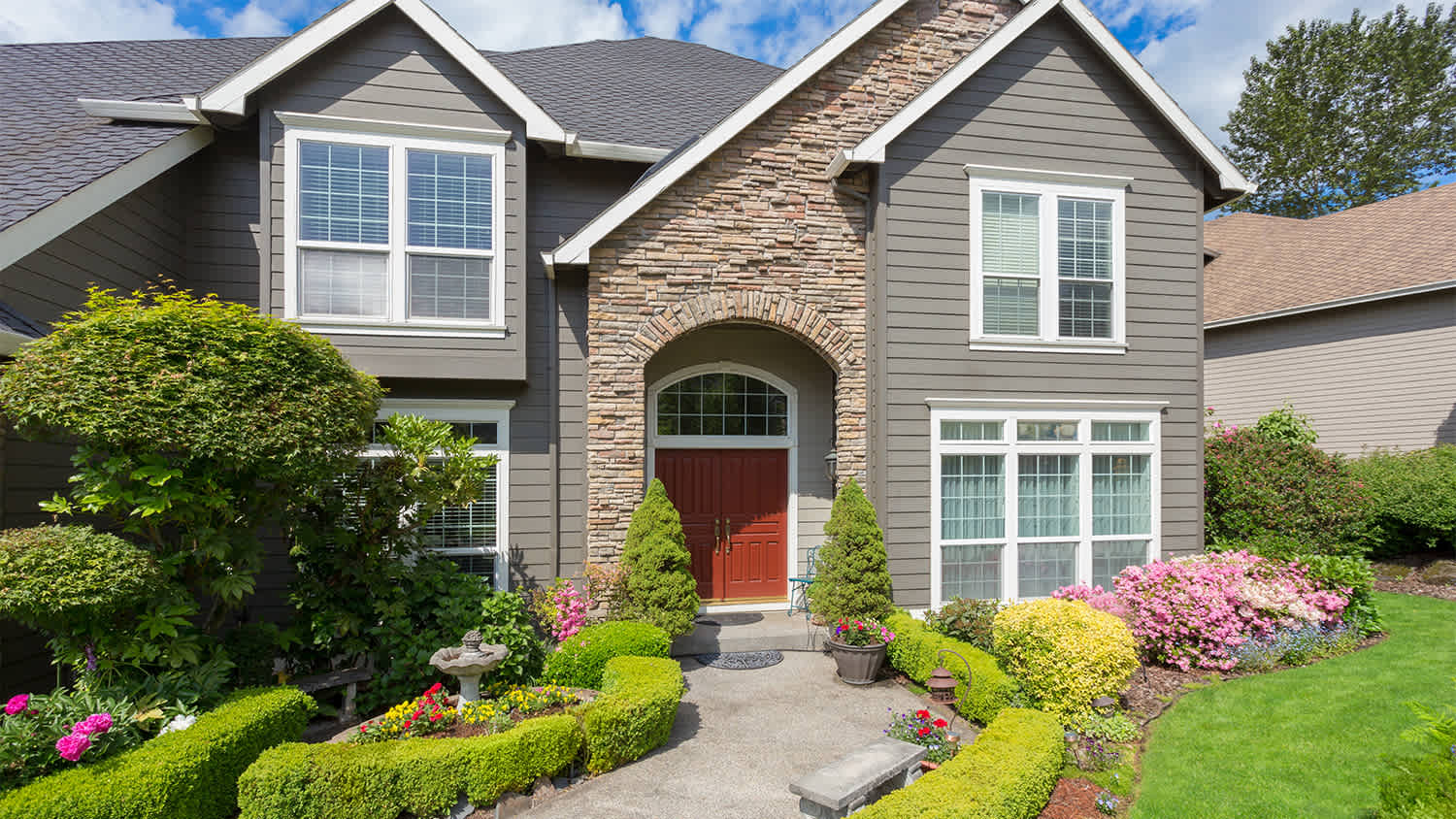
Is it time to learn how to plant a shrub? Shrubbery makes excellent perennial additions to landscaping, from cheering up a front porch to creating a privacy hedge in the backyard. But if you want your shrub to thrive (and look good doing it), you’ll need to plant it correctly, from finding the right soil to placing it at the correct level. We’re covering the necessary steps on planting a shrub with a few key points that you don’t want to miss.
Planting a shrub isn’t like putting down bulbs in the fall or popping in flowers from your local nursery. Shrubs are a lot larger, more expensive, and they’re designed for long-term growth. Plus, shrub-planting mistakes become costly and labor-intensive if the shrub dies and you need to replace it.
The best way to avoid these shrub mistakes is with proper planning and learning the right planting techniques to give your shrub the best chance at a long, happy life in your landscape. Always pick a shrub species well-suited to your climate, soil type, and amount of sunlight. Shrub tags or pots usually provide information on whether it wants full or partial sun and shade, what kind of soil the plant prefers, and so on. Fortunately, most shrubs are hardy and fare well in various environments.
When you’re ready to pick out a shrub—which you can find anywhere from a mom-and-pop nursery to big-box stores—prices depend on the species and size. Most shrubs will come in plastic pots and only be a few feet high. Prices typically vary between $30 to $60. More ornamental shrubs, such as flowering varieties, tend to be more expensive.
The preparation steps of this project are equally important to the planting process. Planting a shrub doesn’t take long, but we suggest budgeting at least an hour for the process from beginning to end. If you haven’t already, check your chosen location for irrigation lines or other obstacles to avoid any unpleasant surprises.
Give your shrub time to settle in and acclimate by picking the best time to plant. Planting in milder, wetter conditions is best, so early spring and early fall can be good times for this project. Early fall may be the best choice since it gives shrubs plenty of time to establish their roots before the spring growth season.
Planting a large plant with a sizable existing root system yields the best results if the soil is moist. When planning on your planting project, try to pick a specific time after precipitation, like an autumn rainstorm, so the soil will be wet. Don’t be afraid to run your sprinklers before your planting session.
Busy DIY landscapers may already have mulch on hand, but we suggest buying an extra bag or two for your shrub, especially if you’re planting multiple shrubs in a row. You most likely won’t need potting soil or compost for a shrub, but if you want to mix a little in with the soil as you work, it won’t hurt.

Follow these steps for a successful shrubbery planting.
Take out your shrub to the installation spot, along with gloves, a shovel, and an appetite for work. Dig a hole about twice as wide as the pot or canvas root bundle, and slightly deeper than the pot’s height. You should thoroughly clear the hole of rocks and any other roots.
Remember that most shrubs grow best in soils with good drainage, although you don’t want soil too loose for a new shrub to establish itself. If you’re working with clayish soil and unsure how well it drains, use a hose to fill the hole with a few inches of water to test it. Delay your shrub planting project by an hour or two, and come back to check the hole. If the water has drained out, then drainage shouldn’t be a problem. You may want a new plan or location if there’s a lot of water left.
With your shrub onsite, now is a great time to rotate it and shift the shrub around so its best side is facing outward. You can always shape it over time with careful shrub pruning, but it helps to start off with the best positioning.
Cut away the plastic pot or burlap sack the shrub came in, exposing the root ball inside. That root ball is probably very confined and needs some work to prep it for planting. Loosen up the outer roots and gently untangle them a bit so they spread out more naturally. If the root ball is packed with dirt, you may have to hack it with a trowel or other tool to loosen the dirt and expose more roots.
Set the shrub in the prepared hole. The shrub shouldn’t sink into the hole too far: The top of the root ball and the beginning of the shrub stems should poke out from the hole. Try to avoid sinking it below ground level.
When your shrub is at the right height, fill the hole with the leftover dirt. Pack the dirt in to eliminate pockets of air, but don’t tamp it down too much.
The shrub will need a lot of water to help it grow, but don’t want to overwater it right away. We suggest using a dripping sprinkler or adjusting your hose until it’s a small trickle. Set the water to trickle down toward the root ball of the shrub. Let it run for 30 minutes, then adjust the hose to a new position. Repeat this three times in total.
Adding a thick layer of mulch around the shrub helps protect it, especially if you’re planting during the fall. Spread the mulch in a layer about two inches thick around the base of the shrub. You can mix in compost at the base of the shrub for some added nutrients if you prefer.

To maintain the health of your shrub, keep it well-watered throughout its first few months. You don’t want it to dry out, which can quickly kill off the roots trying to establish themselves. If you’re worried about shrubs surviving when the ground freezes, add an extra layer of mulch before winter hits. If your shrub is exposed to freezing winds, you can create a quick windbreak with a few stacks and burlap or a tarp to wrap around them. Of course, new shrubs are often smaller, so a simple winter plant cover could do the trick, too.
After the first season or two of growth, you can cut back on frequent watering and start watering it along with your routine irrigation schedule. For the first few seasons, keep an eye on the shrub and watch for warning signs like dead branches or lack of growth that could indicate a pest infestation.
Planting a shrub in your yard is a relatively simple project, and you can control the position and maintenance schedule of the new landscaping addition. However, if you’re physically unable to lift the shrub or dig a hole, you may need help from a professional planting service near you. We recommend hiring professional planters when you have to install multiple shrubs, especially if they’re large or require more intensive placement steps.
Landscapers typically cost between $50 and $100 per hour, and it will probably take one to two hours for a landscaper to plant a shrub.
Since those prices are high for planting a single shrub, we recommend combining the project with other landscaping services that professionals can do simultaneously so you can bundle services during their visit.
Custom Paint Jobs LLC made our home feel like a piece of art. Thank you for your creativity!
 Custom Paint Jobs, LLC
Window Depot did an amazing job on my deck. I wasnt sure what I wanted to do, but their composite decking was affordable and will last a long time. I am excited to have family over, and I am no longer embarrassed by my backyard. Jeff and the ground crew were polite, respectful, and caring for...
 Window Depot USA of Central Ohio
First of all, the gentleman I dealt with (Cam?) was very responsive to my many questions and concerns throughout the project, which is a huge plus to me. From the first time I met him for the estimate all the way til the completion of the job, he and his crew were professional and respectful....
 All Star Paving and Sealing
We had a 20+ year old landscape lighting system that needed replacement. Midwest Lightscapes worked with us to design a much improved lighting system, lighting the exterior of the house and the back yard. Installation of the 45 light system took one and one-half days, and went very smoothly....
 Midwest Lightscapes
Another great success for me on home advisor. This company did an awesome job on my landscaping and stayed within my budget. The best part, the work was complete within 2 days of my initial request. Professional and responsive. I highly recommend!
 Blue Ring Residential Services, LLC
The company no showed on me twice. The 2nd time was no call no show. They were responsive to set up the first appointment to perform the "landscape cleanup". 3 hours after their initial scheduled appointment time they called me to let me know they had some "problem" with the truck and their...
 Ruby Home and Hauling Services
Received ideas for future landscape plans...quote to do the work seemed a bit high but I did not have any other quotes to compare it to, so perhaps that is the going rates. <br />
 Landscapes By Terra, Inc
All around they have done a really great job. <br /> I have used JL Landscapes for the past 8 years. I own and operate my own commercial/residential real estate company where we own, operate, and maintain our own properties. JL Landscapes has been our exclusive landscaper for both our...
 J.L. Landscapes
Bought a half a cord of firewood from Pitzer with stacking last month. I waited to report so I could see how the wood burned. <br /> <br /> I have three pet peeves regarding landscapers, but Pitzer scored "A"s regarding all three. First, rather than having customers "leave a message" and...
 Pitzer Landscaping
I left a message on Sunday requesting to schedule a time to obtain an estimate/walk-through and received a return call in the morning of the following Monday. Mark worked with me and agreed to schedule the estimate/walk-through for the following Saturday. When Mark arrived for the...
From average costs to expert advice, get all the answers you need to get your job done.
Get transparent shrub removal cost info. Learn average prices, key cost factors, and tips to save on your next shrub removal project.
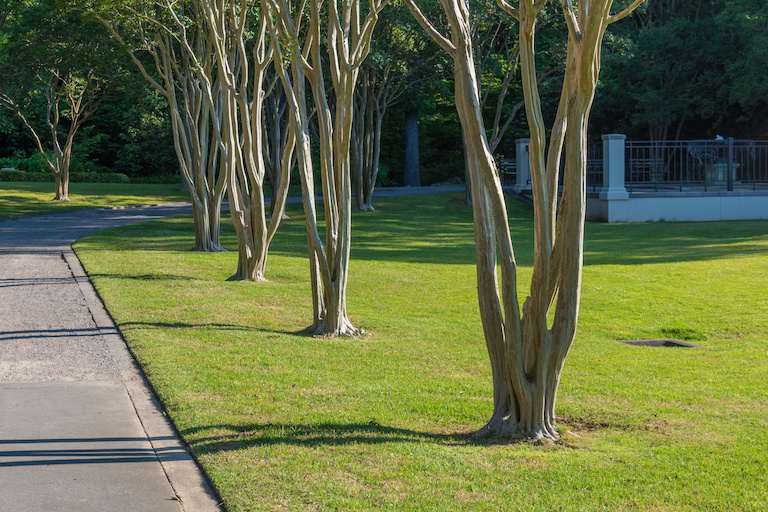
Find out how much it costs to plant a tree based on the number of trees, their size, where you want to plant them, and DIY versus professional costs.

New trees and shrubs can liven up a lawn, but improper planting will leave you with a plant graveyard. Keep your trees healthy by avoiding these common planting mistakes.
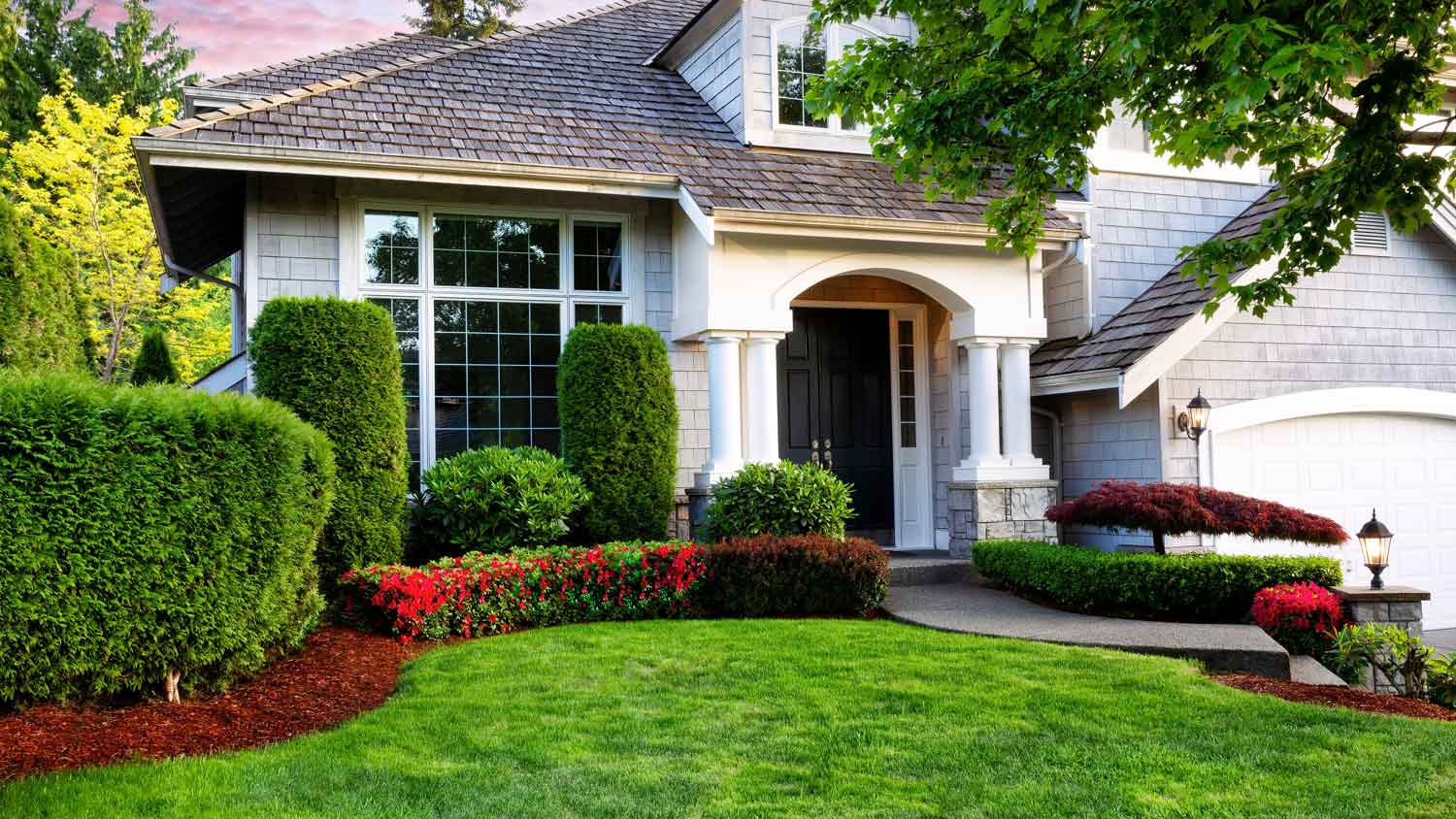
Trimming shrubs and bushes takes time, patience, and a little sweat equity. Our guide will show you how to trim shrubs and bushes properly.
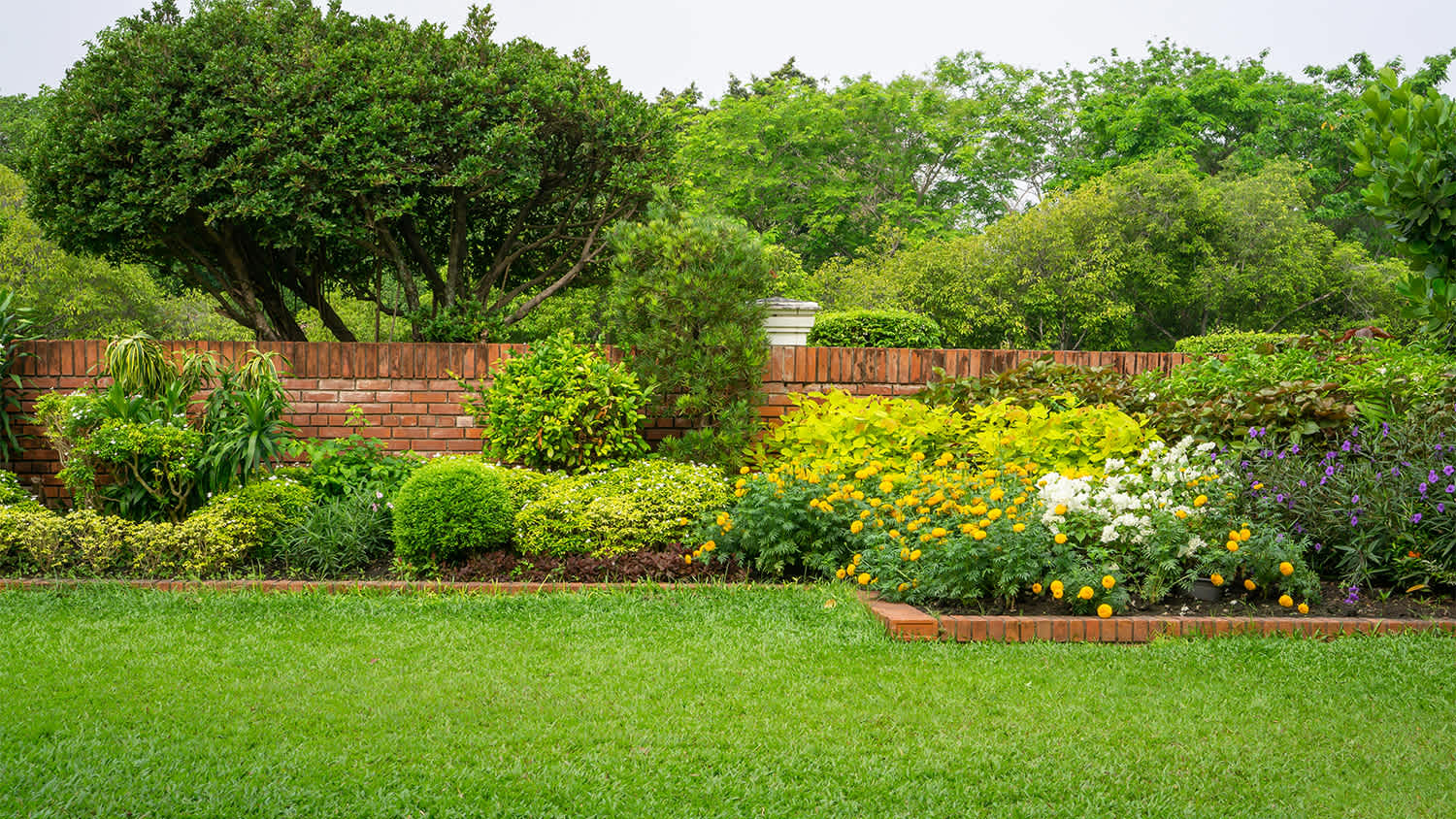
Dwarf plants, such as cherry trees, scrubs and evergreens, can help small landscapes look better longer with minimal maintenance. Learn the best for your yard.
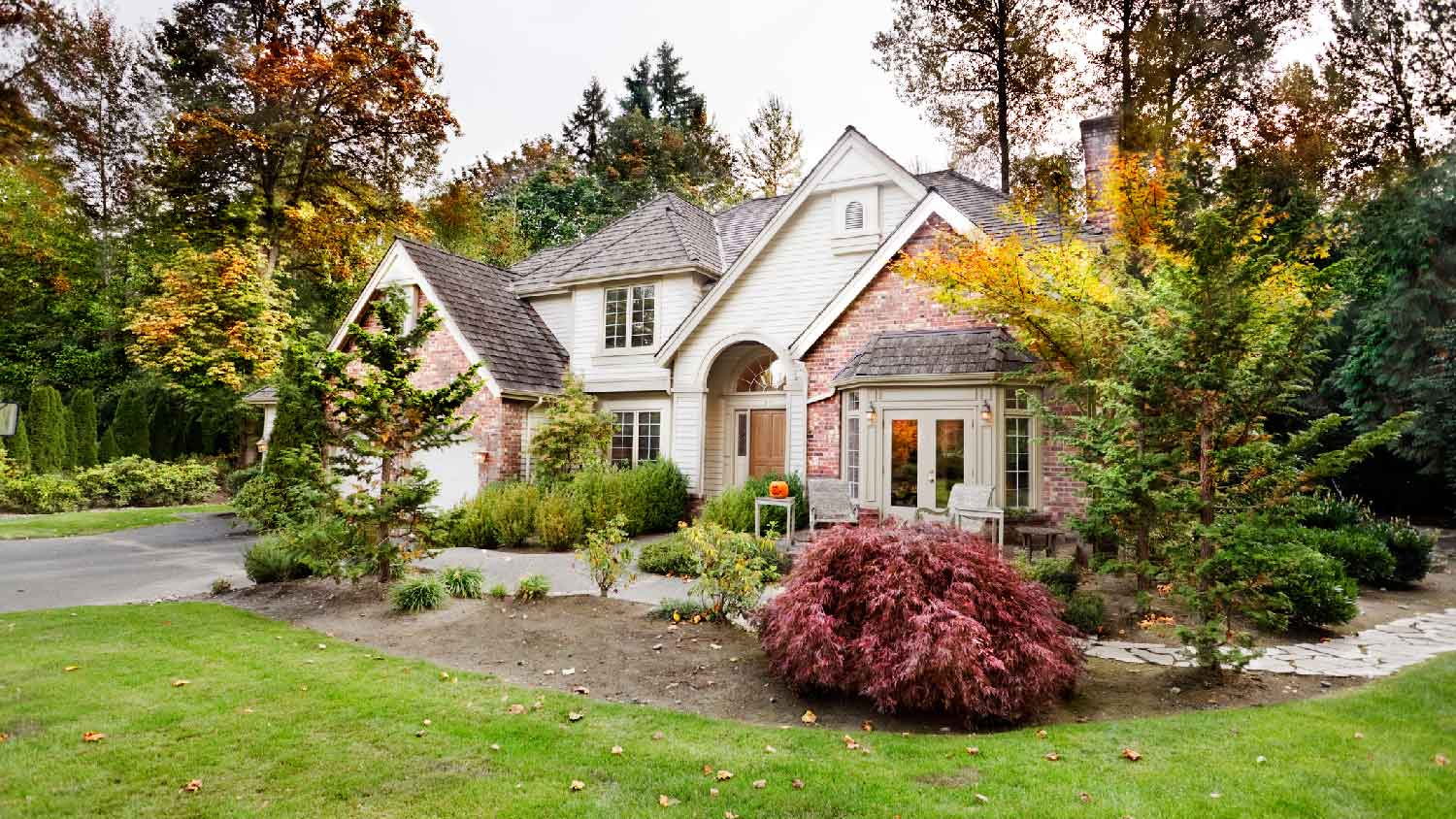
Wondering what’s the difference between a shrub and a bush? Learn everything you need to know about shrub vs. bush.