
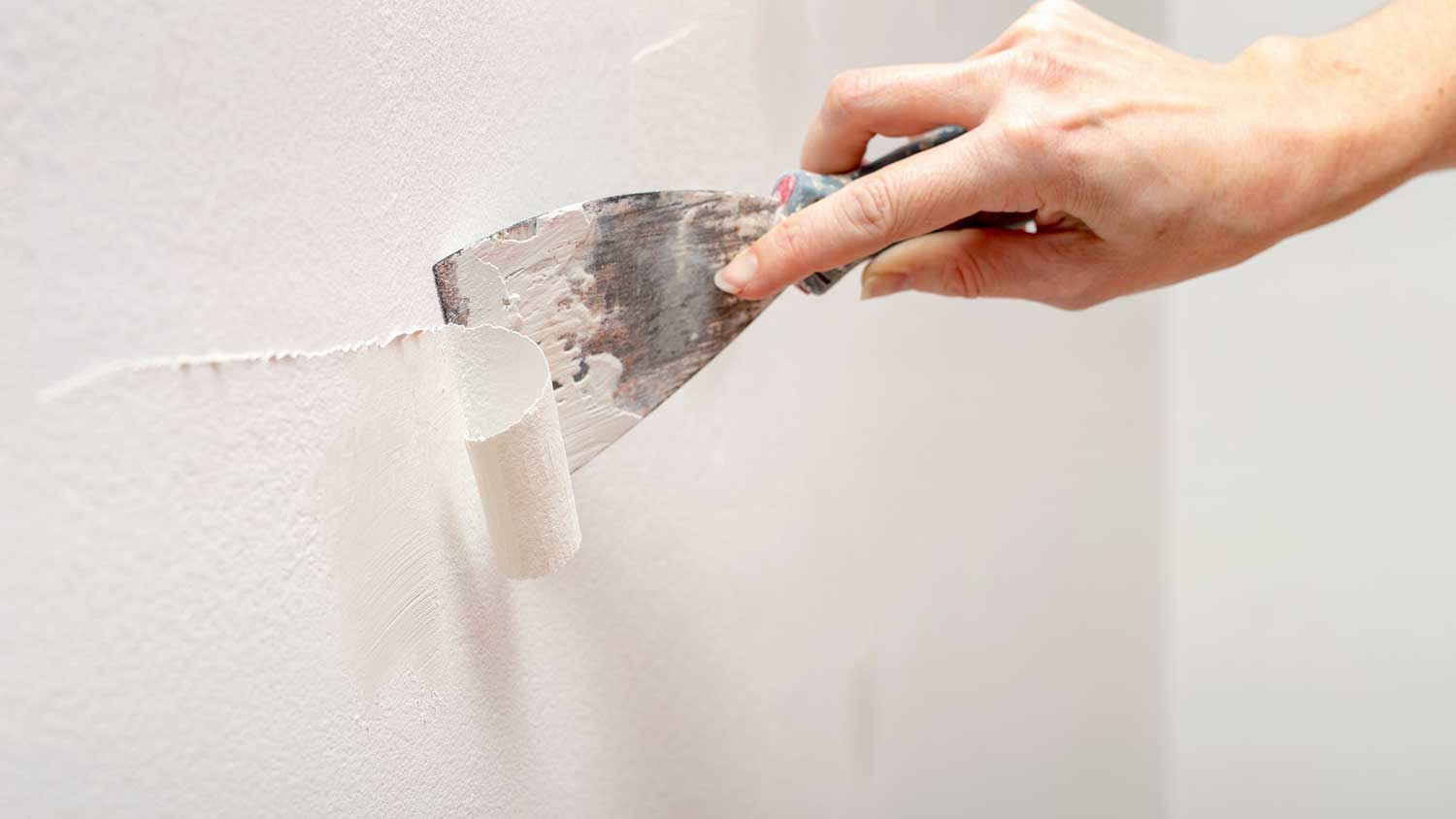
The cost to remove texture from walls depends on square footage and the type of texture. Learn all the factors that will impact your budget in this guide.
Textured walls, get ready for your makeover

If you have walls in your home with a textured finish, you may have put off painting them because it’s a trickier task than painting a regular room. Fear not: Learning how to paint textured walls is a DIY-worthy challenge that can add a wow factor to a room. But before you come out rolling, review and follow these steps for painting textured walls.
Before you get started painting your textured walls, lay down drop cloths to protect your floors. Removing paint from wood floors is much more time-consuming than preventing spills and splatters in the first place, so take a few minutes at the beginning of your project to make cleanup much easier.
You’ll also want to pick the right paint roller for the project. A roller with a thick nap that’s designed for textured surfaces will give you the best results. A thicker nap allows the roller to fully cover every nook and cranny of a textured wall without having to use extra pressure or repeatedly re-roll the same surface.
Remove switch plates and outlet covers before painting. It’s easier to evenly paint textured walls without these obstacles, and simply taping over them won’t give you the results you’re looking for.

Remove dust and dirt from your walls using a vacuum with a brush attachment. The brush will lift small particles from within the deeper parts of the texture, ensuring a dust-free surface for painting. After vacuuming, clean the walls and trim with mild soap and water so the paint and painter’s tape adhere properly. Let the walls dry completely before applying tape or paint.
Use a putty knife and spackle to repair holes, cracks, or chips. Sand repairs once the spackle dries, but take care not to remove texture from the wall around the repairs—you don’t want to create flat spots that will draw the eye. If necessary, add wall texture to any new drywall or flat spots. Using a premixed wall texture product will help blend any flat areas seamlessly into the rest of the wall.
Use a high-quality painter’s tape to tape off your trim. Apply it in small sections and press firmly over the tape’s surface once it’s applied for a better seal. Some painter’s tapes recommend wetting the tape after application for maximum protection—consult the manufacturer’s instructions to see if this step is applicable.
Priming is key to having beautiful textured walls because it helps paint adhere to the wall as smoothly as possible. Not all paint primers are alike, however, so read the label on each product before you decide which works best for your walls. A few phrases you might see on a can of primer for textured walls include “tough to paint” and “high build.” Once you choose a primer, apply it to the walls using a paint tray and paint roller. Sweep the roller across the walls in a “W” shape, and go over any missed spots with a paintbrush. Wait for the primer to dry for up to 3 hours, and then apply a second coat for good measure.

High-quality paint will adhere to your textured wall better than low-quality paint. For best results, choose paint from one of the best paint brands to keep your walls looking vibrant for longer. It’s easier to miss a spot when you’re painting textured walls. You can help prevent this mishap by using tried-and-true painting techniques. Like with the paint primer, apply the paint to textured walls in a “W” motion. Follow up with a paintbrush for any sections too deep for a roller.
When choosing an interior paint color, consider which shade best suits your room and whether you prefer a semi-gloss or a flat or matte finish. The glossier the paint, the more pronounced your textured walls. A matte or flat finish will offer a subtler appearance that is gentler on the eyes when sunlight hits those angles.
Keep in mind that it may be slightly more challenging to clean dust, smudges, and dirt from a matte finish, but again, you should have an easier time cleaning textured surfaces with high-quality paint that doesn’t easily wear down over time.

While you can use a paintbrush to paint the edges of your textured walls, a paint edger is a total game-changer. These tools are stiffer than a typical paintbrush and give you a more precise edging that, though subtle, can greatly impact the appearance of your freshly painted walls. To control how much paint is on your edger, use a paintbrush to apply paint to the edger.
Textured or not, most walls need at least two coats of paint. With textured walls, you may need to apply a third coat of paint to help give the walls a consistent color that doesn’t reveal any blank spots. Allow each coat to dry fully before applying another coat of paint, waiting at least 4 hours in between paint coats.
If you paint your textured walls yourself, you could spend anywhere from $100 to $500 on supplies. Most of your expenses go to paint and primer, which cost $65 and $40 per gallon, respectively. An average room with textured walls needs one or two cans of paint and primer per coat, two coats of primer, and two or three coats of paint.
Hiring a local interior painter costs an additional $20 to $50 per hour. The average room takes four to five hours to paint, so you save anywhere from $80 to $250 if you do it yourself.
At the same time, you’ll need to factor in whether the DIY cost savings are worth it. Painting textured walls is time-consuming and labor-intensive, and if you’ve never painted this type of surface before, you risk having a final project that lacks that professional touch. Hiring an experienced painter ensures high-quality, professional results for your textured walls.
Custom Paint Jobs LLC is the go-to choice for all your painting needs. They painted both the interior and exterior of my house flawlessly. Their work speaks for itself!
 Custom Paint Jobs, LLC
Beginning with the estimate, Larry and Peyton were super helpful in getting my new condo's interior re-painted. Not only was the job well done, but also done in a super timely manner as promised.
 Five Star Painting of Plain City and Powell
From average costs to expert advice, get all the answers you need to get your job done.
The cost to remove texture from walls depends on square footage and the type of texture. Learn all the factors that will impact your budget in this guide.
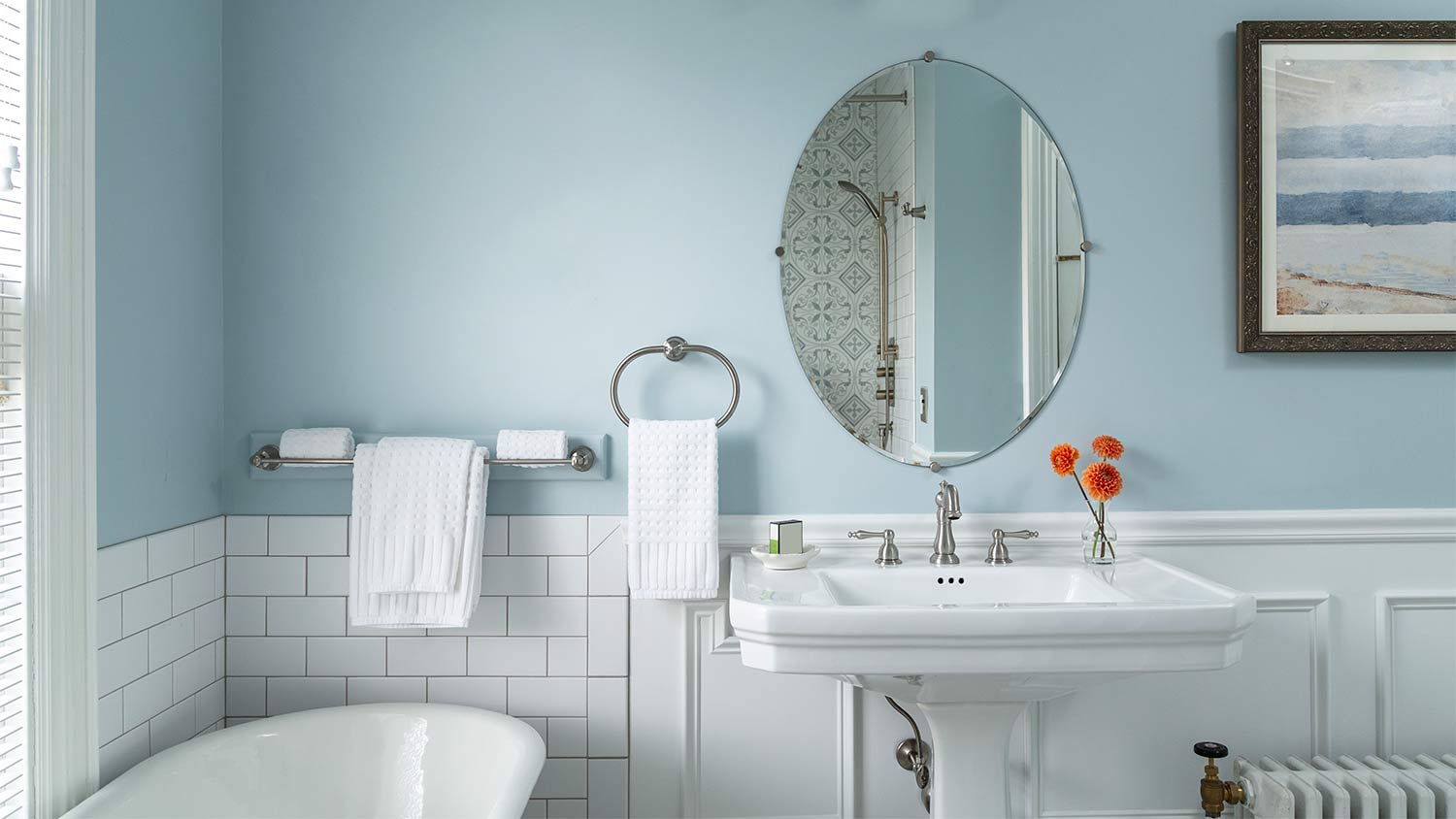
A new coat of paint can transform your bathroom and improve home value. Learn about the cost to paint a bathroom and what factors affect the total.
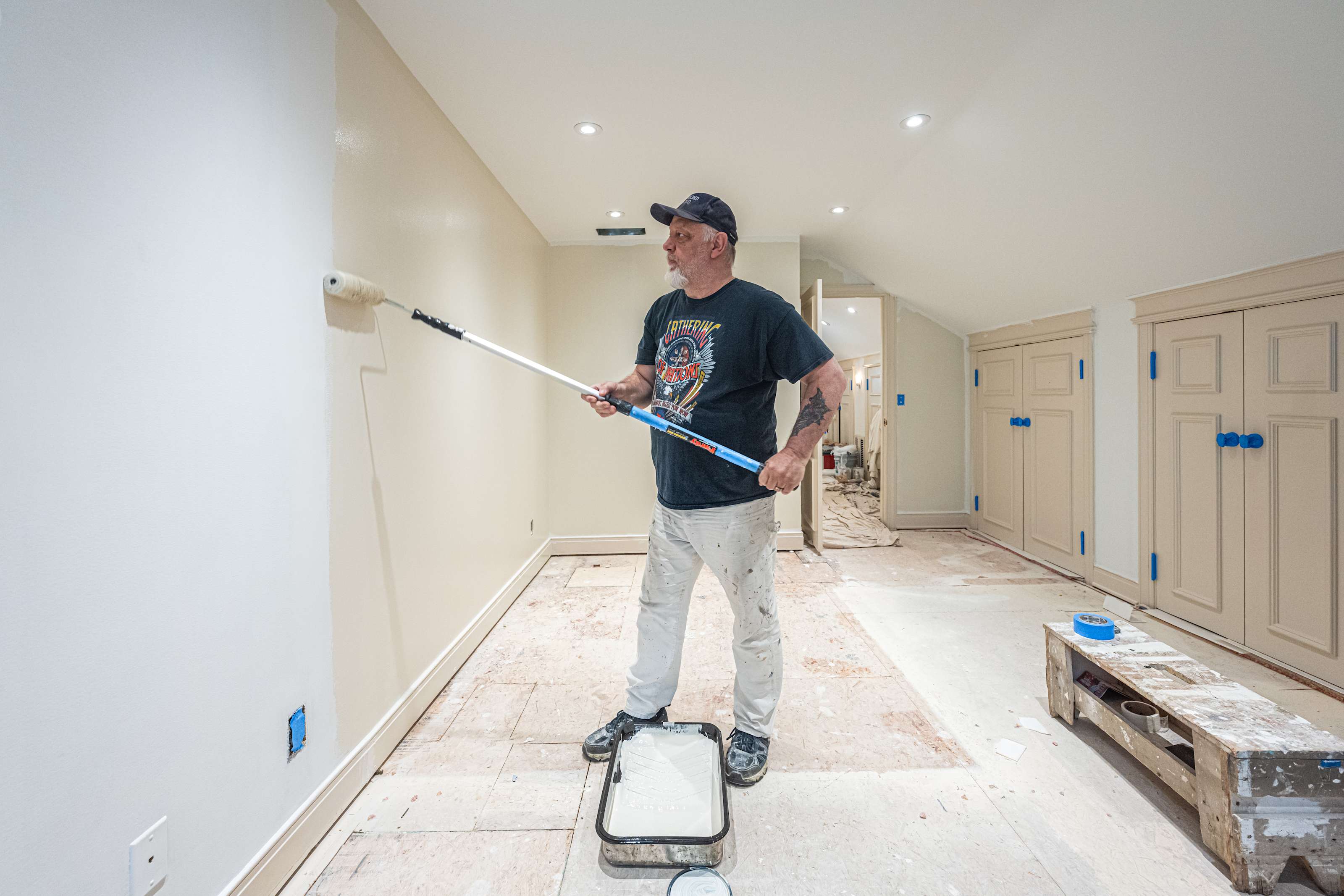
How much does it cost to paint a room? Learn what you’ll pay to give your space a makeover, depending on room size, paint type, the pro you hire, and more.
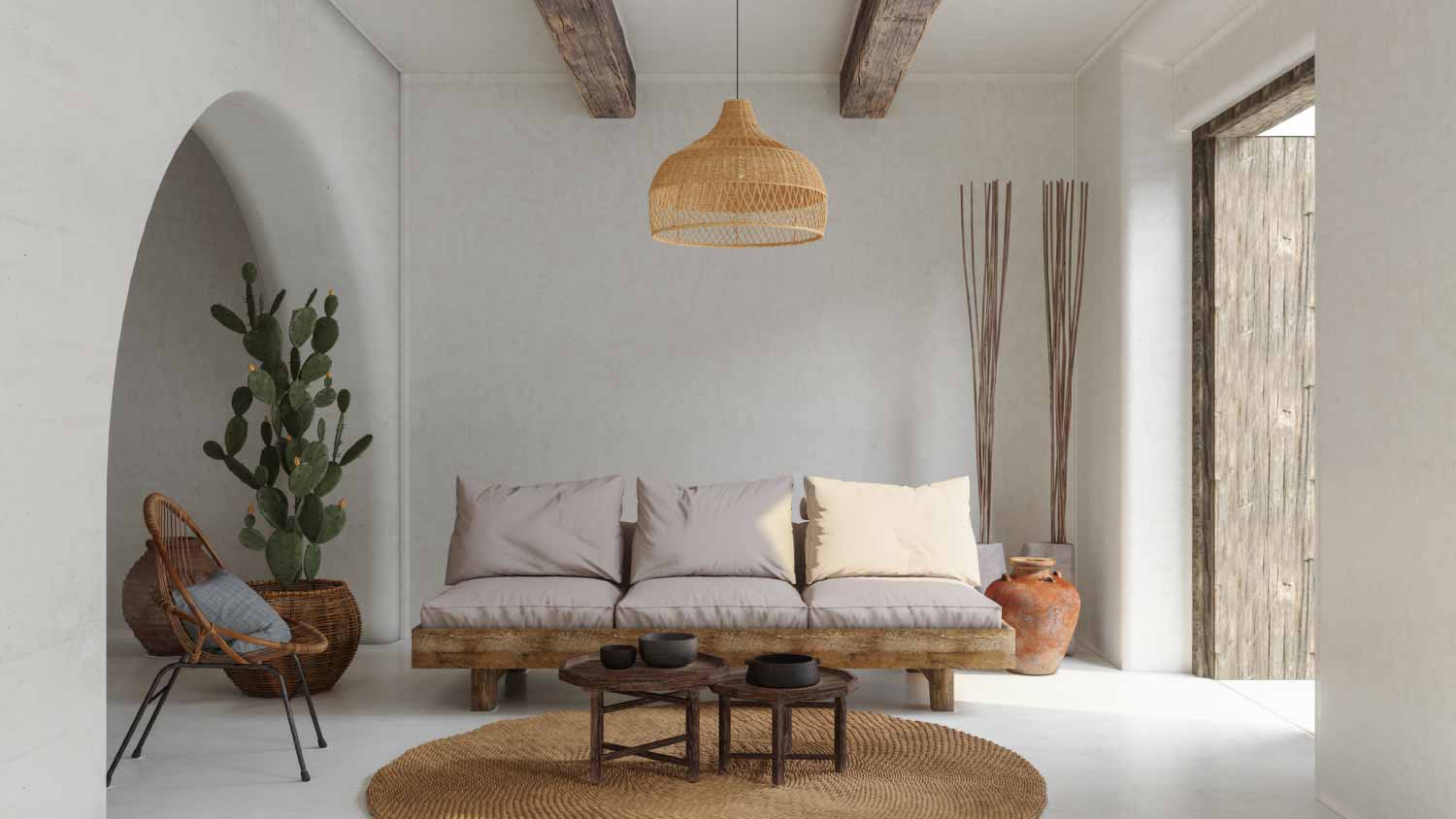
When looking to alter a room's appearance, you may ask: Can you sand texture on a painted wall? You can, but there are some key things to know.
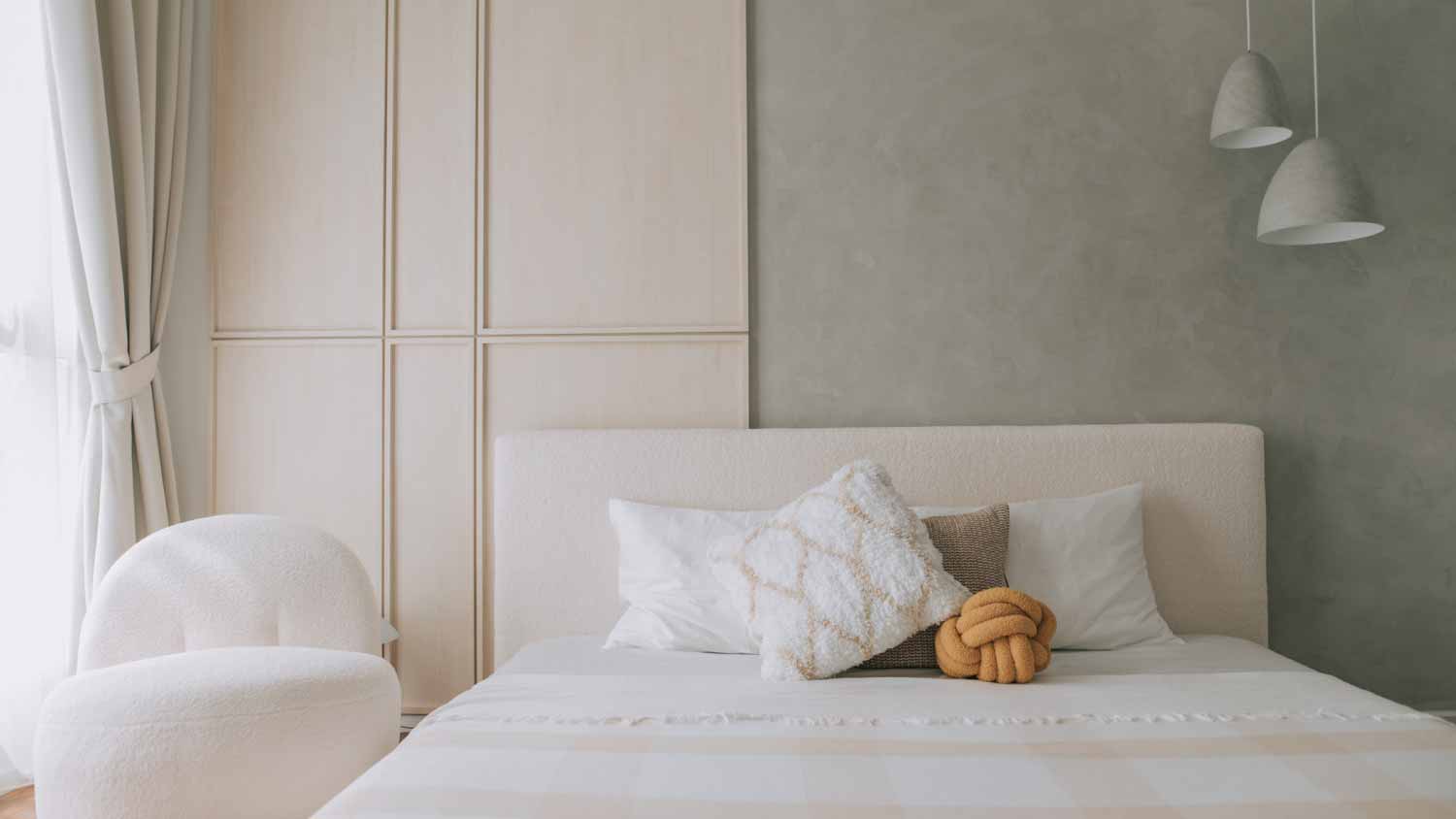
If your room is falling flat, learning how to texture walls will help bring dimension to your space. Get to know all the different options and how to do them yourself.
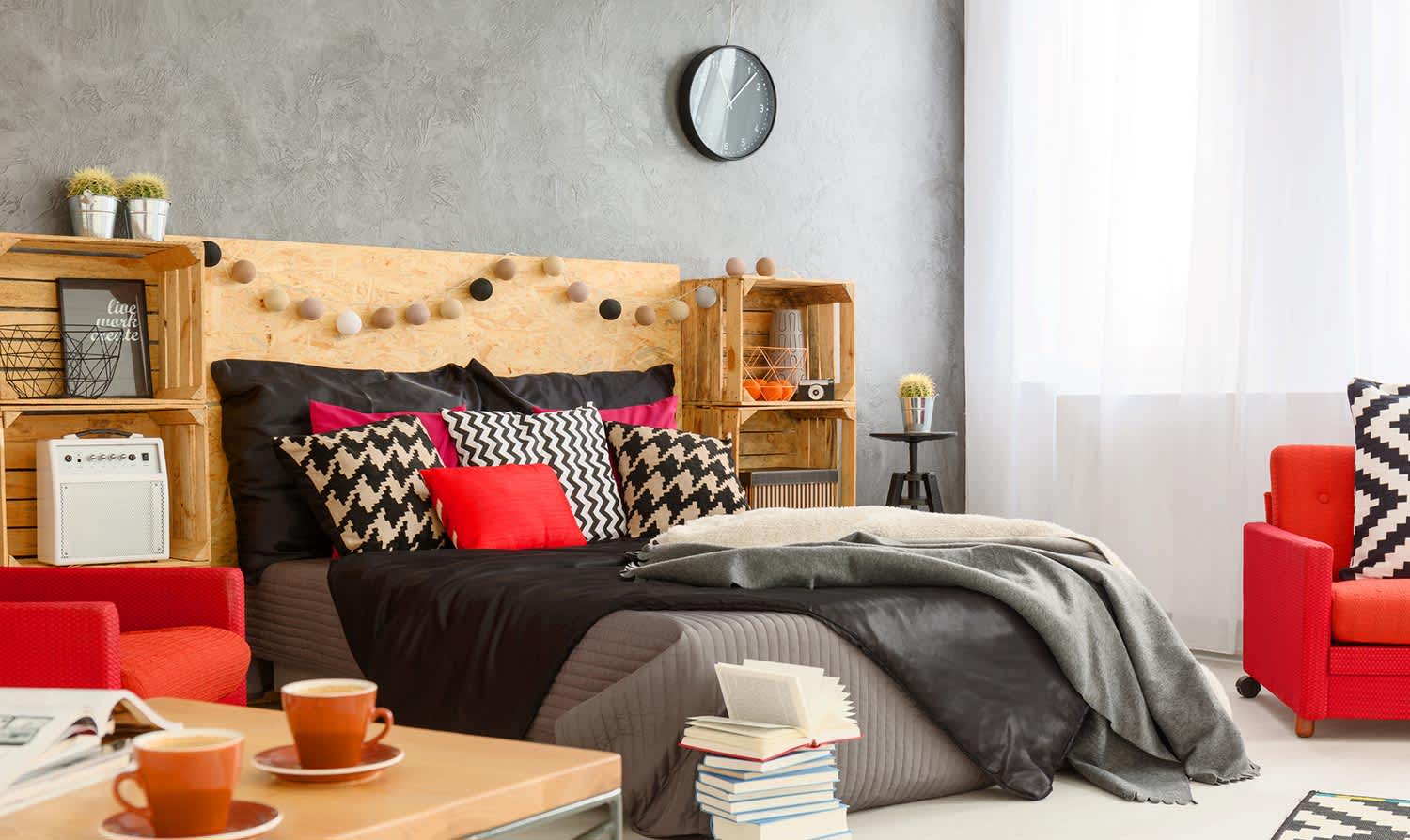
There are several ways to add fun texture to a wall, from premixed textured paint to the many application methods you can use with joint compound. From stripes to splatters, here are popular ways to add some eye-catching texture to your walls.