

When comparing eggshell vs. flat paint, consider your desired look, maintenance level, and budget. Use this guide to decide which is best for your project.
Flat paint won’t dull your home’s shine

Flat paint is completely nonreflective and absorbs light, giving your walls rich color while naturally hiding imperfections like bumps, scratches, and holes.
Flat paint costs about $13 per can, making it budget-friendly for larger projects where you need multiple cans to cover broad areas.
You can use flat paint in low-traffic rooms like home offices or dining rooms where durability is less critical and natural light is plentiful.
Hiring a local interior painting professional keeps your project stress-free, especially for whole-home coverage where experience ensures smooth application and lasting results.
When taking on a painting project for your home, it’s essential to understand the various paint types and finishes to find the one best suited to your unique needs. If you choose the wrong paint, it doesn’t matter how careful you are when laying it down; you won’t get the exact look you’re trying to achieve. One of the most popular paint finishes out there is a flat finish, but what is flat paint, and what surfaces are the best match? Here is everything you need to know about flat paint.
Flat paint is known by many names, including matte and concealer paint. This type of paint is completely nonreflective, instantly soaking up any light directed at it. The resulting look offers rich coverage that naturally hides imperfections, which makes it a popular choice for interior walls.
When deciding on the perfect paint sheen, flat paint is a fantastic option for those looking for a rich and pigmented color scheme that does not reflect light. This budget-friendly paint is great for many DIYers who need to stock up for projects requiring broad coverage.

If you are repainting an interior wall that’s gone a few rounds with your kids’ toy truck—and has the marks to show it—go for flat paint.
Flat paint is also known as concealer because the extra pigment helps cover up blemishes and its nonreflective nature prevents light sources from putting a spotlight on any imperfections. Walls with lots of bumps, scratches, and holes make a good use case for a matte finish.
Consider using flat paint in parts of the home with plenty of natural light—since it doesn’t reflect light, you won’t have to worry about your walls causing glare in your brightest rooms.
Flat paint is ideal for low-traffic rooms that don’t require extreme durability, like home offices or dining rooms. It’s also a budget-friendly option at around $13 per can, which makes it handy for larger projects that require multiple cans.
Matte paint may cover imperfections with gusto, but it is not overly durable. This paint type is difficult to clean and offers little moisture resistance. This spells trouble for bathrooms and kitchens, so avoid these rooms when using a matte paint. It also stains easily and since these stains are tough to clean, don’t go throwing your spaghetti at the wall.
Consider opting for a glossier finish when covering high-traffic areas. If you use it in a main hallway or the entertainment room, scuffs, scratches, and marks are in your future unless you practice extreme caution.
In that spirit, flat paint is not the best choice for detail work on furnishings, as you are likely to interact with these items of furniture and accidentally leave a mark.
There are plenty of helpful home painting tips out there, but it’s harder to find techniques specific to matte paint. Follow these guidelines for a long and fruitful friendship with your flat finish.
Get the good stuff: Like all paints, flat finish is available at multiple price points, though it skews on the more economical side. Consider a high-quality and slightly more expensive flat paint—they tend to be easier to clean.
Do your research: Before springing for whatever can is on the top shelf, read plenty of reviews and pay attention to language regarding the application process, drying time, durability, light reflection, and color consistency.
Keep some extra around: Flat paint is a fantastic concealer, and you never know when your walls will need a touch-up.
Go a bit lighter: Flat finishes absorb light, so colors tend to appear slightly darker than initially anticipated. Try going one shade lighter on the color card or ask the technician to lighten the tint by 20% to 25%.
If painting isn’t your forte, call in a pro: Painting the whole interior of your home takes a lot of patience and elbow grease. If it’s in your budget, consider hiring interior painters near you to do the job, stress-free.
Custom Paint Jobs LLC is the go-to choice for all your painting needs. They painted both the interior and exterior of my house flawlessly. Their work speaks for itself!
 Custom Paint Jobs, LLC
Beginning with the estimate, Larry and Peyton were super helpful in getting my new condo's interior re-painted. Not only was the job well done, but also done in a super timely manner as promised.
 Five Star Painting of Plain City and Powell
From average costs to expert advice, get all the answers you need to get your job done.
When comparing eggshell vs. flat paint, consider your desired look, maintenance level, and budget. Use this guide to decide which is best for your project.
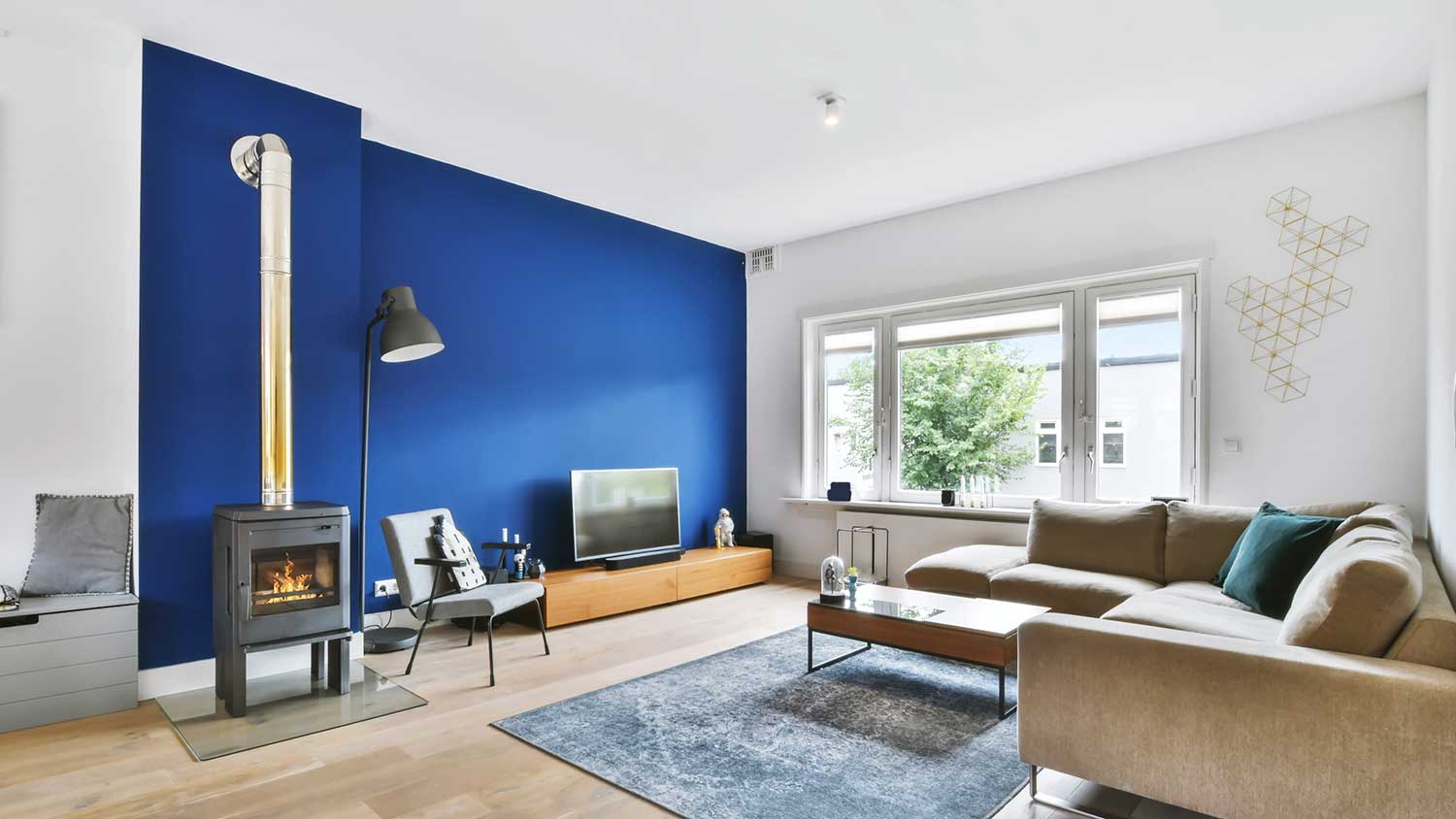
We break down the subtle differences between low-luster flat and matte paint to help you decide which is better for your room makeover.
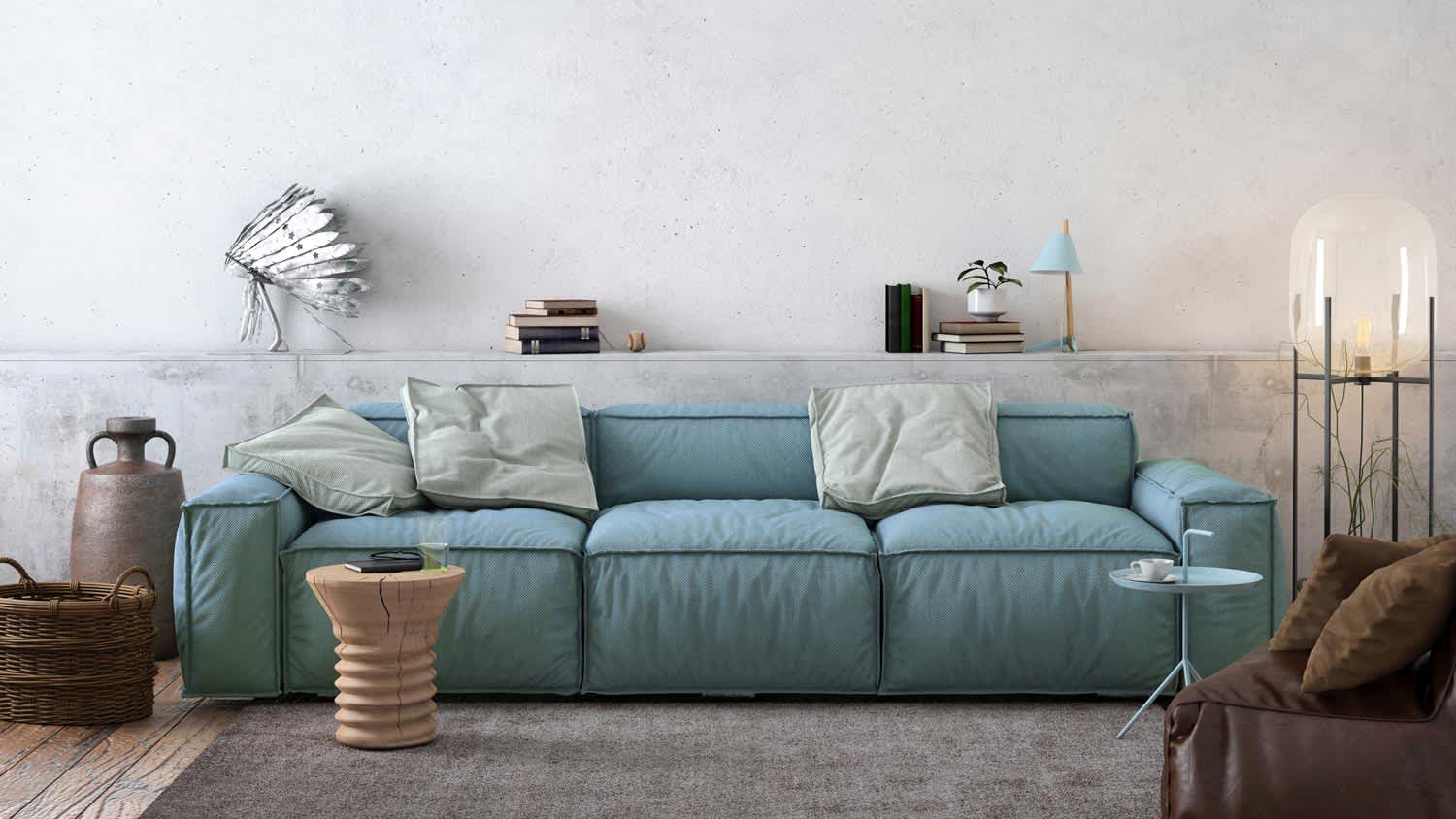
Flat paint is great for hiding imperfections but presents issues with cleaning. Learn how to clean walls with flat paint the right way in this simple DIY guide.
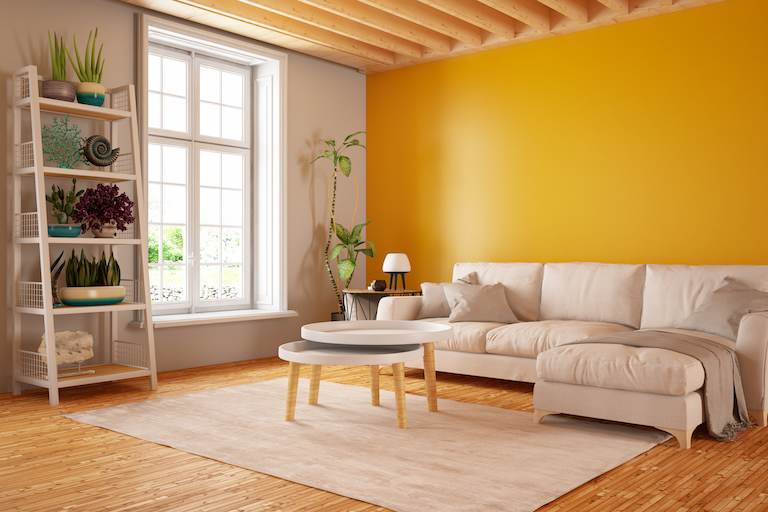
Struggling to choose between satin versus flat paint? Knowing how these two options differ will point you in the right direction.
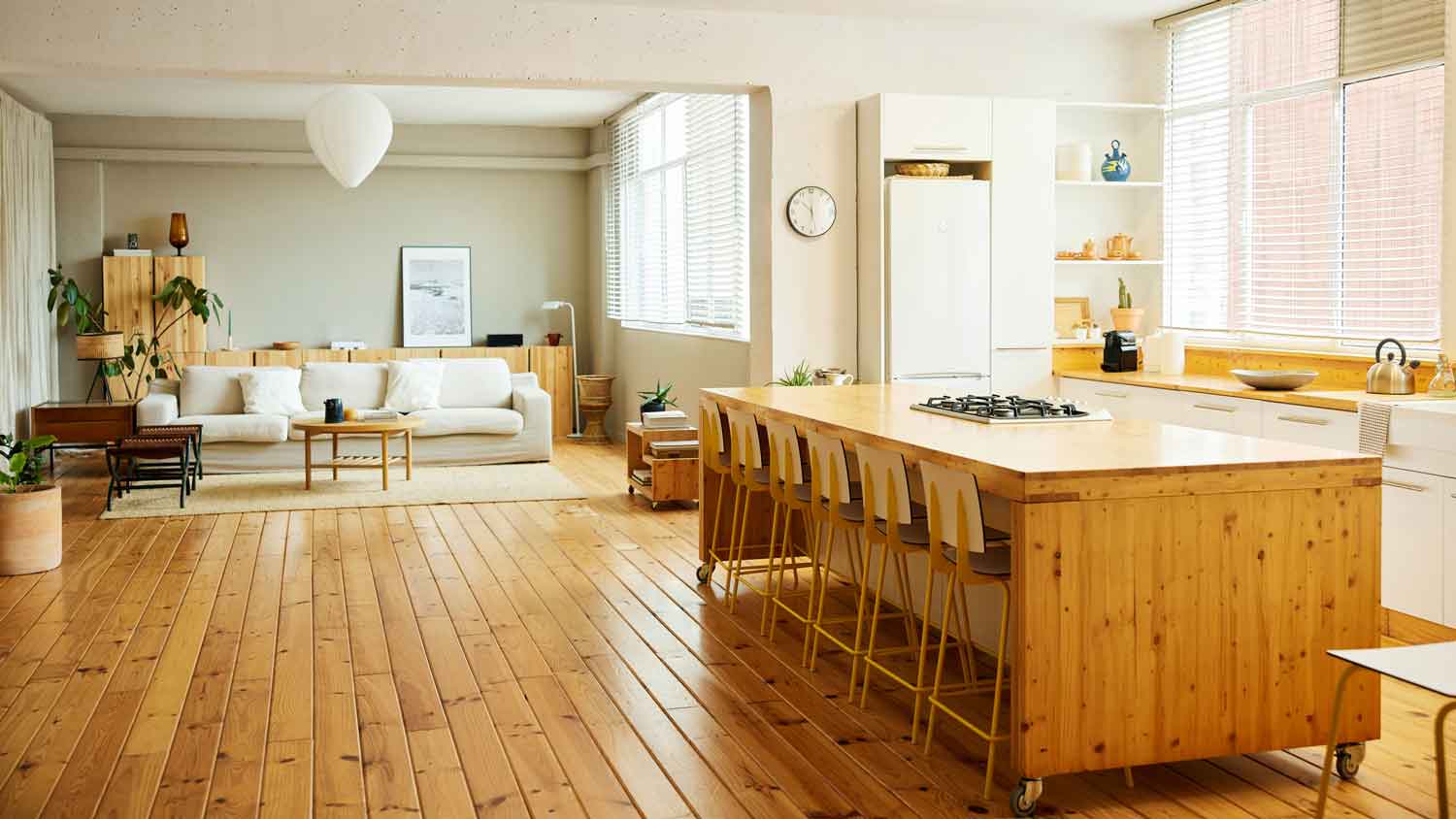
Acrylic, eggshell, and matte—the options for interior paint can be confusing. Follow our guide to learn which type of paint is best for your home’s walls.
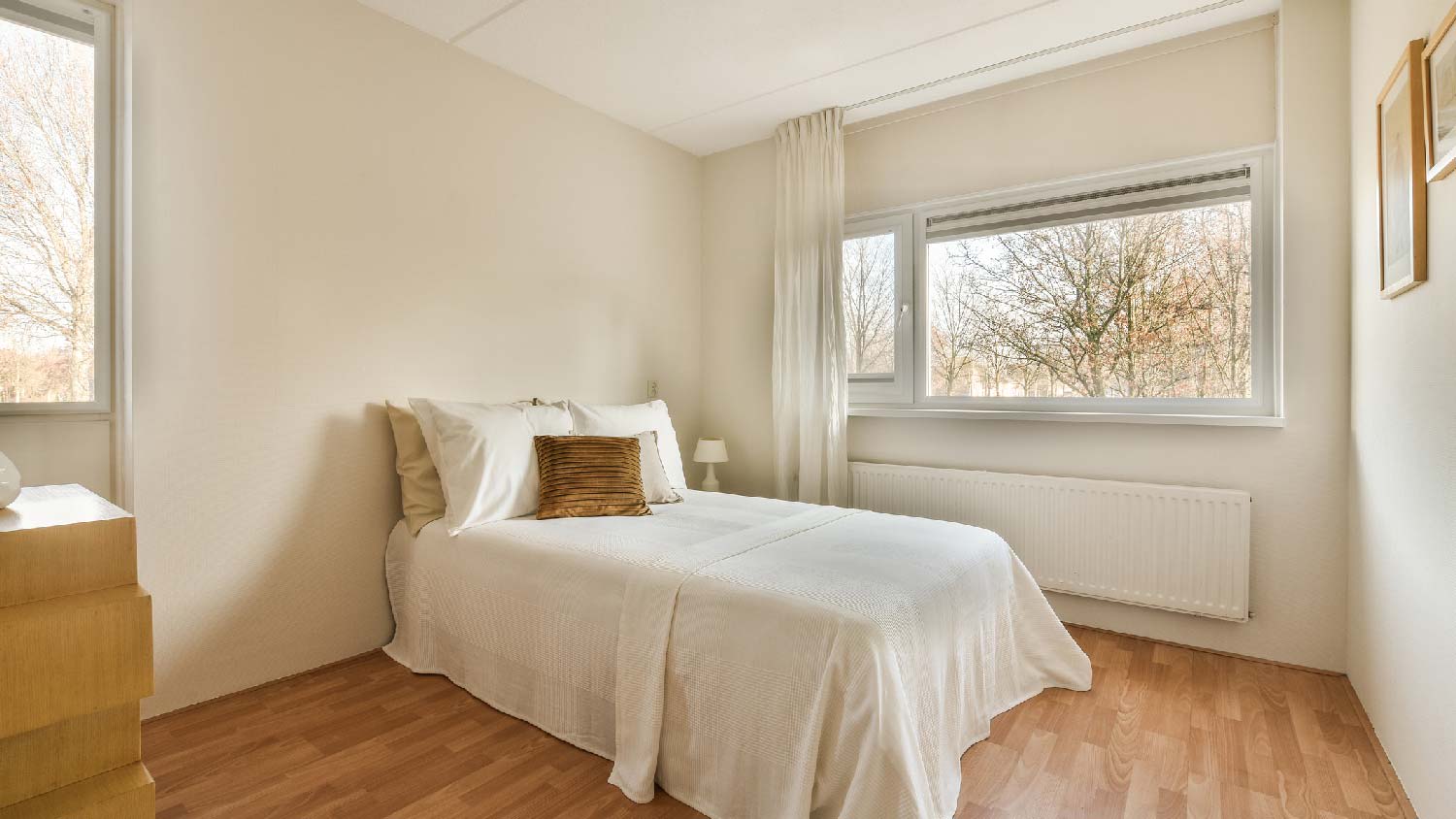
Find the best paint finish for bedroom walls, ceilings, and trim. Compare eggshell, matte, satin, and semi-gloss with a clear surface-by-surface guide.