
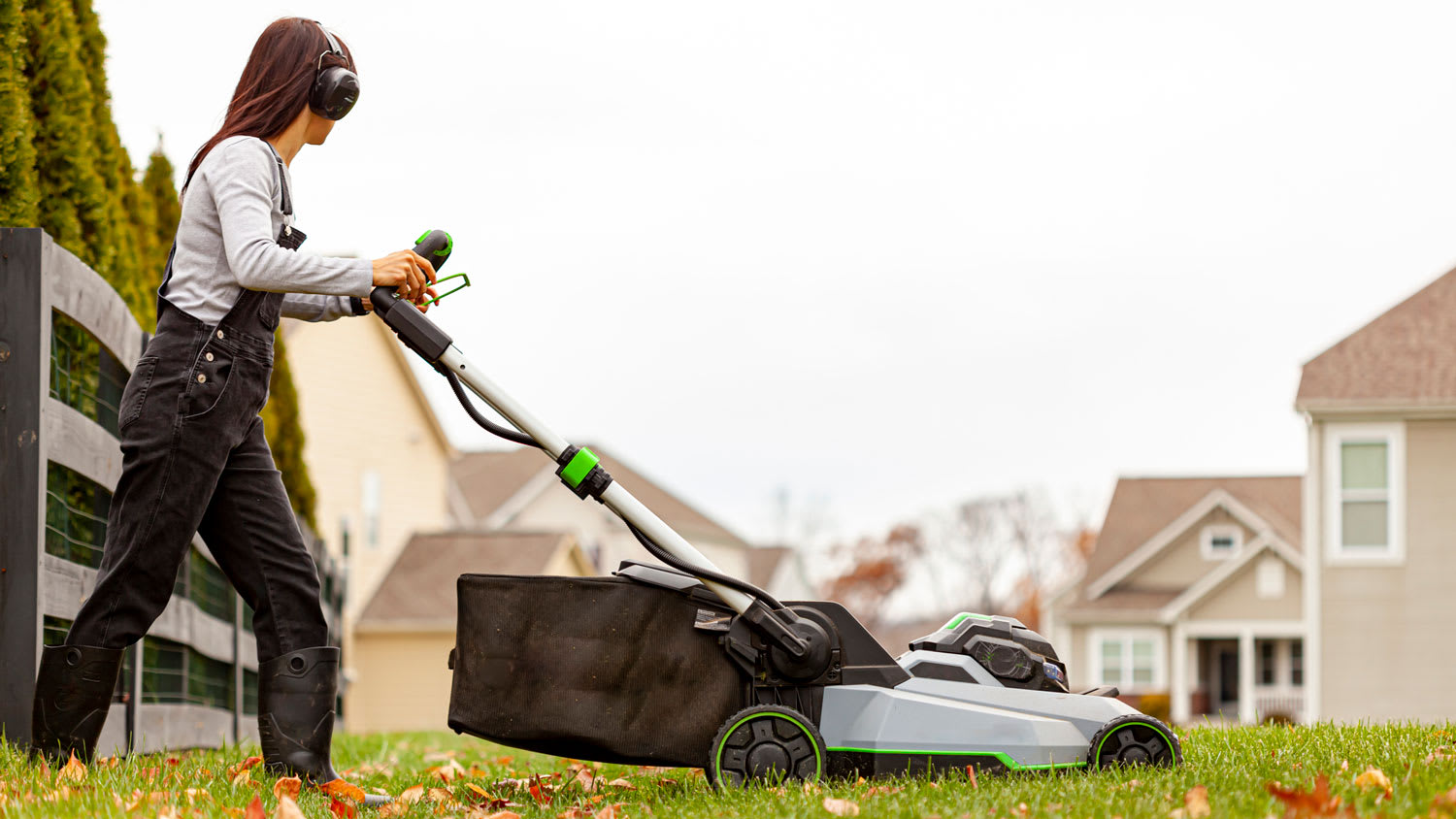
The cost for a new lawn mower varies based on features and preferences, but on average, starts at $80 for reel mowers and runs to $3,000 for zero-turn models.
Mulching blades can make fall yard work a breeze

Your lawn mower set at the best height for mulching leaves between 2.5 and 3 inches shreds fallen leaves into dime-sized pieces that decompose into natural fertilizer.
Expect to pay $50 to $250 per service for professional landscaping that includes leaf mulching, or $50 to $150 per hour for larger properties and intensive projects.
You need dry, crispy leaves in layers no thicker than six inches to prevent jamming your mower and ensure the mulch decomposes properly without smothering your grass.
Hiring a local junk removal professional keeps disposal simple when your tree-heavy yard produces more leaf mulch than your garden and compost can use.
Fall means pumpkin spice and watching all the beautiful leaves change color. But it also means raking up heaps of dead leaves littering the yard. Suddenly, your back is thrown out, and the whole weekend is gone. Your screams rival horror movies as you fill trash bags with leaves, only for the wind to knock them down, raking all over again.
By learning how to mulch leaves with a mower, lawn maintenance is a snap while benefiting local ecosystems. Before you call a landscaper or grab a rake, this guide on how to mulch leaves with a mower just might save your weekend (and your lower back).

Leaf mulching is the grinding of leaves into tiny pieces to create mulch, an organic matter that can be used as fertilizer to make vegetables, flowers, and other plants flourish. Leaf mulch is an excellent addition if you're starting a compost heap to improve your yard's soil quality.
While whole leaves house insects that birds, amphibians, and other animals eat once spring comes, leaf mulching is an effective, earth-friendly way to remove leaves littering your yard and put them into your compost.
Whether you use a specially-designed mulching mower or fit a standard mower with a gator blade, here's how to mulch leaves with your lawn mower.
You can mulch about six inches of leaves at once, so if the leaf piles are too thick, try spreading them out by hand or with a rake before running the mower on them.
A thin layer will mulch more easily than a thick layer, which can choke the lawn and jam the mower.
Use the highest setting on the mower when mulching leaves unless the grass is damp. This ensures that the leaves are shredded into tiny pieces.
Mow the lawn like you would any other time of year, except you're targeting the leaves, not the grass. Depending on your mower’s size, age, speed, and blade, it might take a couple of passes to get the leaves to shred into pieces around the size of a dime or smaller. If the grass is damp or leaves are wet, be mindful of the mower speed to prevent jamming and go slower if needed.
The leaf pieces shouldn't be minuscule enough to imitate sand, but you'll know you mulched the leaves to the right size when the little pieces are visible, but the grass is still dominant.
Depending on how many leaves have fallen where you live, you might need to mulch leaves with the mower once a week to prevent the leaf layer from getting too thick between mowings. Alternate between letting the shredded leaves lay on the lawn one week and then bagging up the mulched remains a week later.
Use the bagged mulch in your garden or winter-tender plants for a protective layer, compost it, or dispose of it per your local leaf litter regulations if there’s simply too much.
Your lawn and garden will benefit from the nutrient-enhanced soil the decomposing leaves create. The nitrogen emitted from them in the decomposition process also means you won’t need to buy commercial fertilizers.
In addition to placing the mulched leaves into garden beds and leaving them on the lawn itself, mulched leaves will decompose faster and more easily in compost piles than whole leaves. Putting your leaf matter back into the soil has way more benefits than bagging it up and taking the leaves to a landfill.

To get a level cut and effectively shred the leaves, the ideal height for leaf mulching is 2.5 to 3 inches. The mower deck shouldn't be too high or too low.
Be mindful of the blade you're purchasing. Like their namesake, gator blades should be sharp and pointy like alligator teeth, not blunt and square. A good blade for mulching is one that's sharp and angled towards the direction it's mowed in. A blade that bends away from the contact point won't shred the leaves as effectively.
Keep mower blades sharpened and replace them when necessary, especially during and after peak leaf-shedding times.
Wait for wet leaves to dry and crisp up before trying to mow them. If you must mow wet leaves because the layer got too thick, spray some silicone on your mower first. String trimmers, leaf shredders, and other lawn maintenance tools often mulch wet leaves better than mowers.
Most leaves can be easily mulched, except for pine needles. Too many of them will jam mower blades.
If your home is very tree-dense and it often rains in peak leaf-shedding season, you may need to look into LeafFilter cost and other methods of keeping wet leaves from accumulating on the ground.
Using a lawn mower to mulch fallen leaves is faster than raking them, but a large and tree-dense yard can make hiring a pro worth it. Professional landscaping costs $50 to $250 per service for basic lawn maintenance, leaf disposal, and leaf mulching. It may be closer to $50 to $150 per hour for large properties and more intense projects.
To DIY, buying a mower can cost as little as $100 for a simple model and up to $4,000 for a ride-on mower or large tractor mower. Standard and professional-grade mowers can be adapted for mulching use by swapping out standard mower blades for gator blades with teeth. Gator blades effectively mow grass and mulch dried leaves, costing about $20, but the price varies by mower type.
If you’re not going to use all the leaf mulch from a tree-heavy yard, you may want to consider hiring a local junk removal company or renting a dumpster to dispose of the remains. Your decision to DIY or hire a pro depends on your yard size, budget, and time constraints, and how often you need the leaves mulched.
One of my old tall evergreen trees was suddenly leaning toward the busy street in front of my house. I submitted a request for an emergency tree inspection, and Alejandro, owner of Cajete Tree Service, contacted me immediately and arrived to look at it just 20 minutes later. We agreed the...
 Cajete Tree Service LLC
Terrible experience. Walls/trim/floors/cabinets/doors all have drip marks, overspray, etc. Tiling at the fireplace had to be redone by another vendor due to incorrect and shoddy install by Profect. Contractor had his children in our house while he was on site without prior authorization or...
 Profect painting & exteriors
Wonderful. I am going to have them remove and replace my driveway in the spring.
 All Star Paving and Sealing
Lyle did a great job removing asbestos shingles from our front porch roof. They worked together with our roofer to make sure that the new roof was able to be installed on the same day that Lyle removed the asbestos shingles.
 Lyle Environmental
Involved an extensive bathroom remodel, including removing tub & installing walk in shower, new drywall, custome tile work to ceiling, plumbing, etc. Overall, job was done on time and on budget. Nick & his team were very professional and had high attention to detail. Quality was great. Highly...
 Stamos Flooring and Remodeling LLC
Extremely well. Ohio Tree Care is my go to company for all tree care and snow removal services. they are professional, knowledgeable and affordable. I manage five camps in 33 counties and Ohio Tree Care has serviced every one of our properties. Highly recommend.
 Ohio Tree Care Inc
A team of 2 spent 5 hours, cleaning top to bottom (removed all light fixture and cleaned.... impressive!!!)
 Luzia's Cleaning
Great Job!!! Martin called me after I requested a estimate on Home Advisor. He was very professional and actually went the same day and looked at the tree I needed removed gave us a estimate and I felt it was very aggressive so I did not even call for any other bids. I asked him how soon he...
 Reyes Tree Service LLC - Home Facebook
Removed various items (furniture, lamps, other junk) from my home. They were on time, personable, professional, etc. I can't say enough positive things about this company. <br />
The task proved more difficult than anticipated. When they arrived the first day, they had no tools with them at all, and had to make a run to purchase appropriate tools. It was quickly determined that the paper had to be steamed off, and neither the workers, nor the company itself, had...
 ABS Interiors of Mid-Ohio LLC
From average costs to expert advice, get all the answers you need to get your job done.
The cost for a new lawn mower varies based on features and preferences, but on average, starts at $80 for reel mowers and runs to $3,000 for zero-turn models.
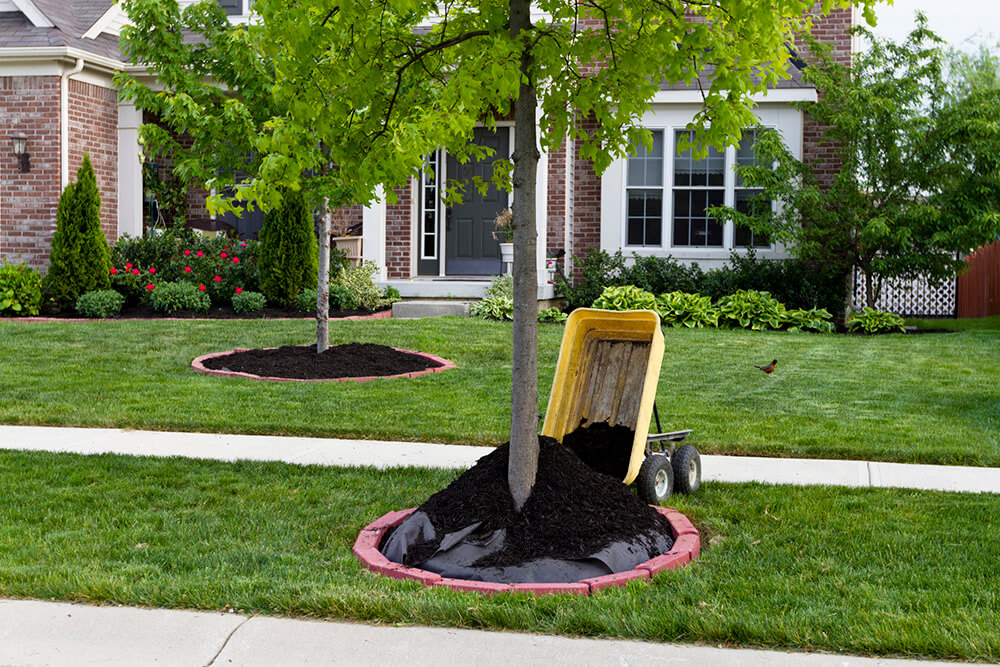
Making mulch for your garden does not have to be complicated. Find out how to make mulch using six different materials here.
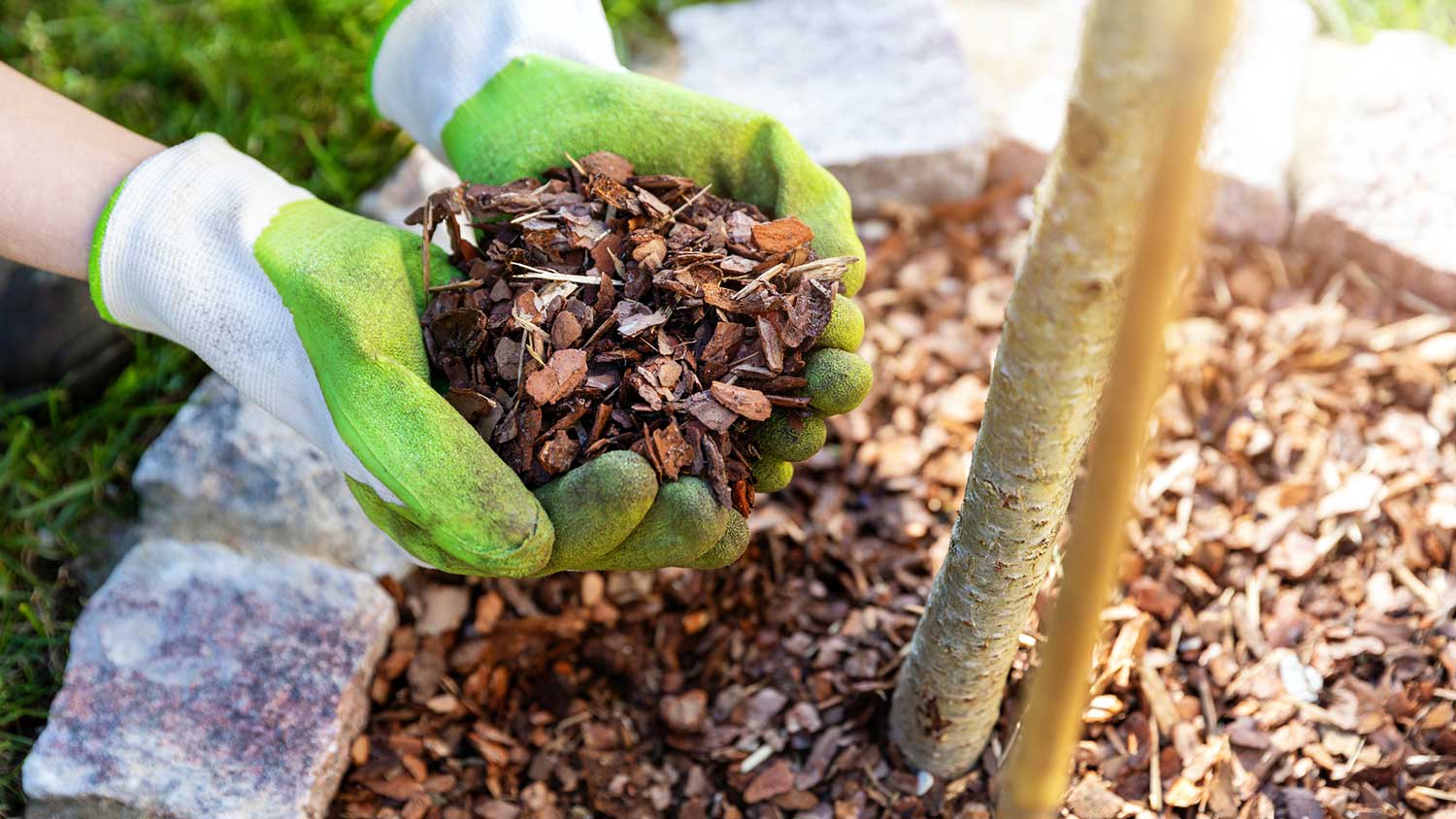
How you add mulch to your trees depends on the type of mulch, your climate, and more. Keep reading to learn how to mulch around trees.

Learn how to get leaves out of mulch with minimal mess or equipment in this simple guide. All it takes is a little sweat equity and a few tools and supplies.
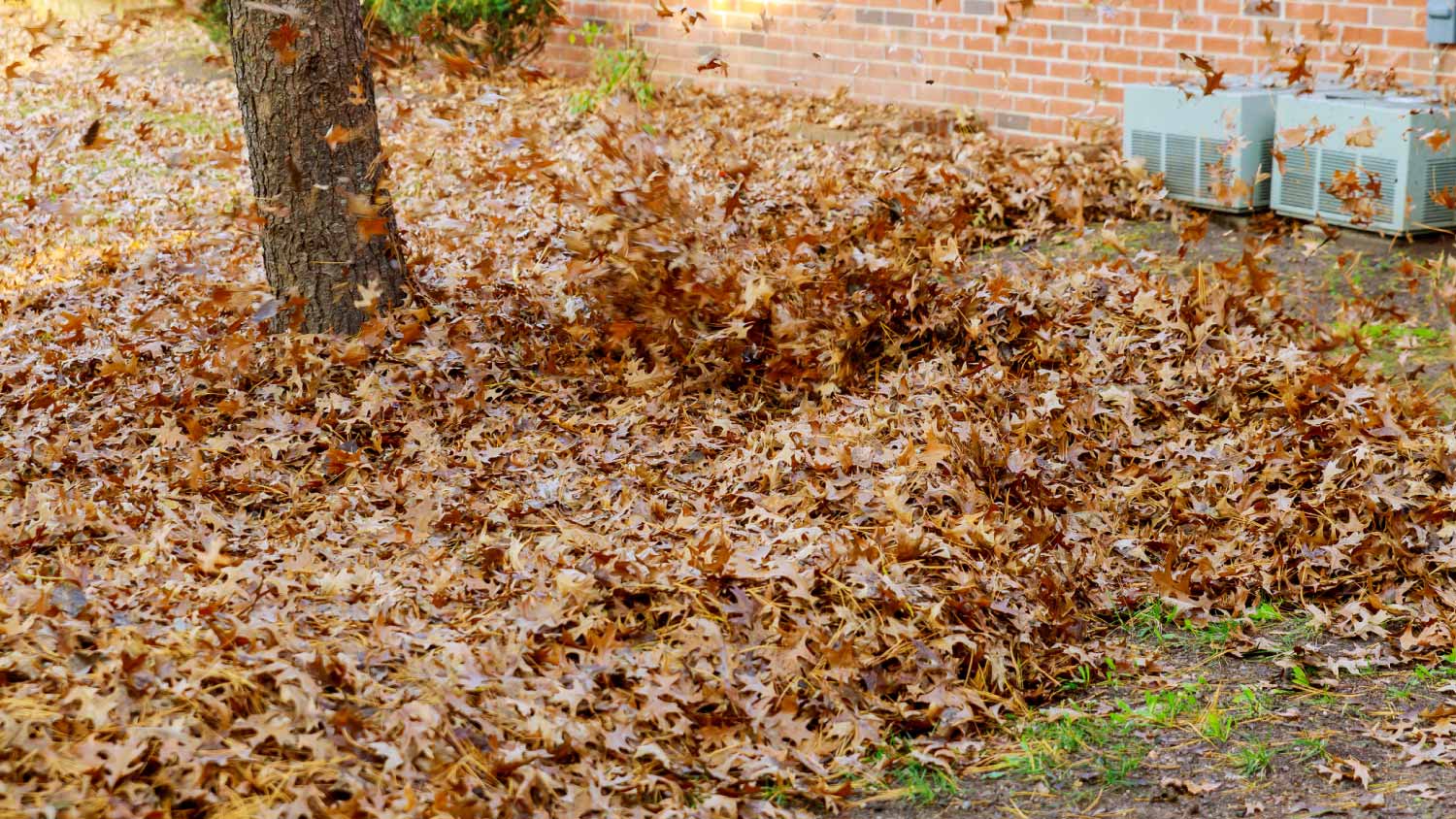
What happens if you leave leaves on grass? Find out why some leaves can help your grass and how you can keep your lawn in good condition all year long.
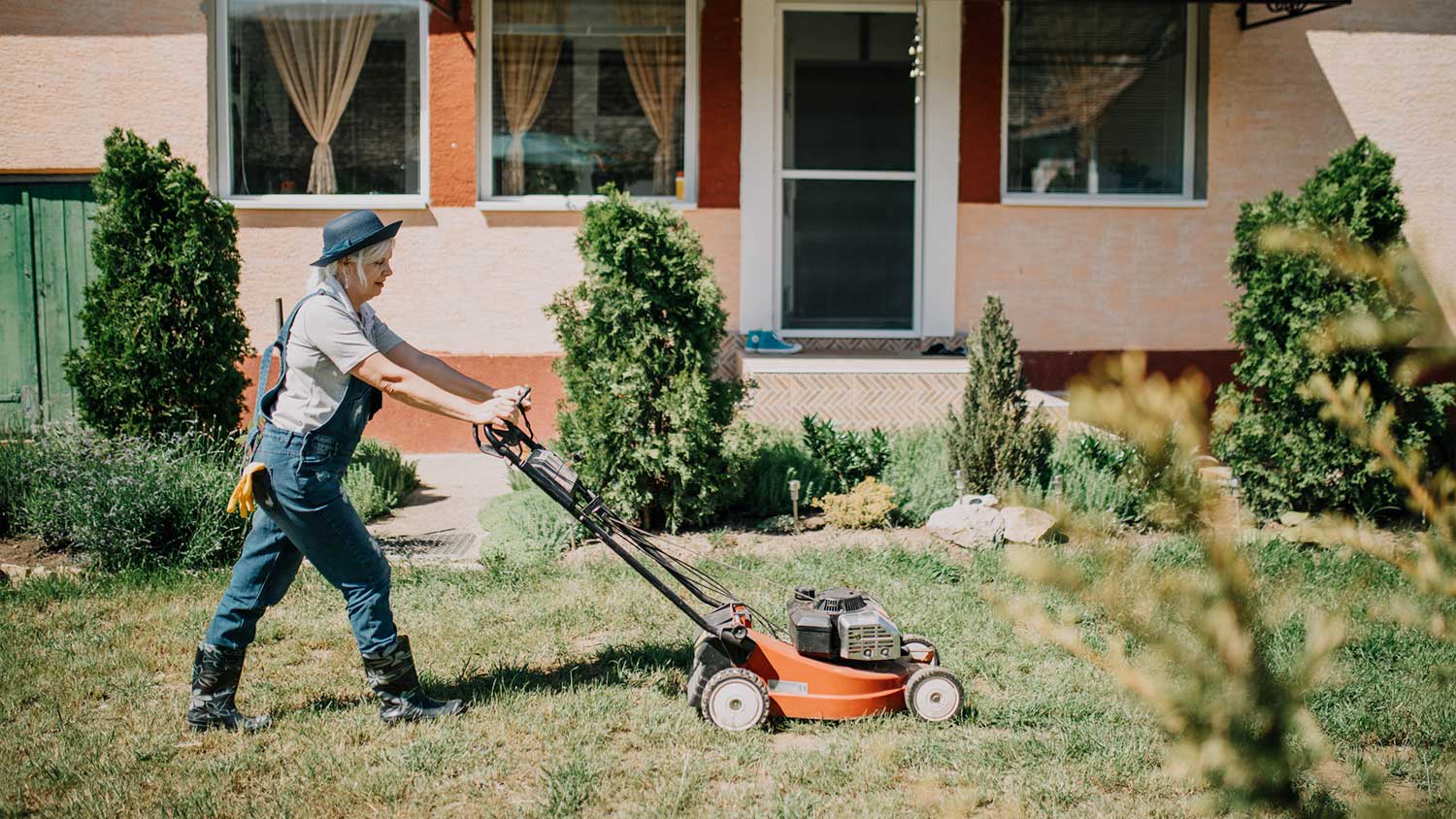
You’ll want to sharpen your lawn mower blades at least twice a season. Our step-by-step guide will show you the best ways to sharpen your lawn mower blades.